
How To Wash And Clean Pet Hair Off Your Clothes
Pet hair seems to have a talent for finding your favourite clothes and refusing to let go. Whether you have a cat, a dog or another furry housemate, a lint roller quickly runs out, and those stubborn fibres cling through washes and even into the dryer. This guide explains how to wash and clean pet hair off your clothes properly, from the right tools and laundry routine to the drying habits that keep hair from coming right back.
Quick Summary
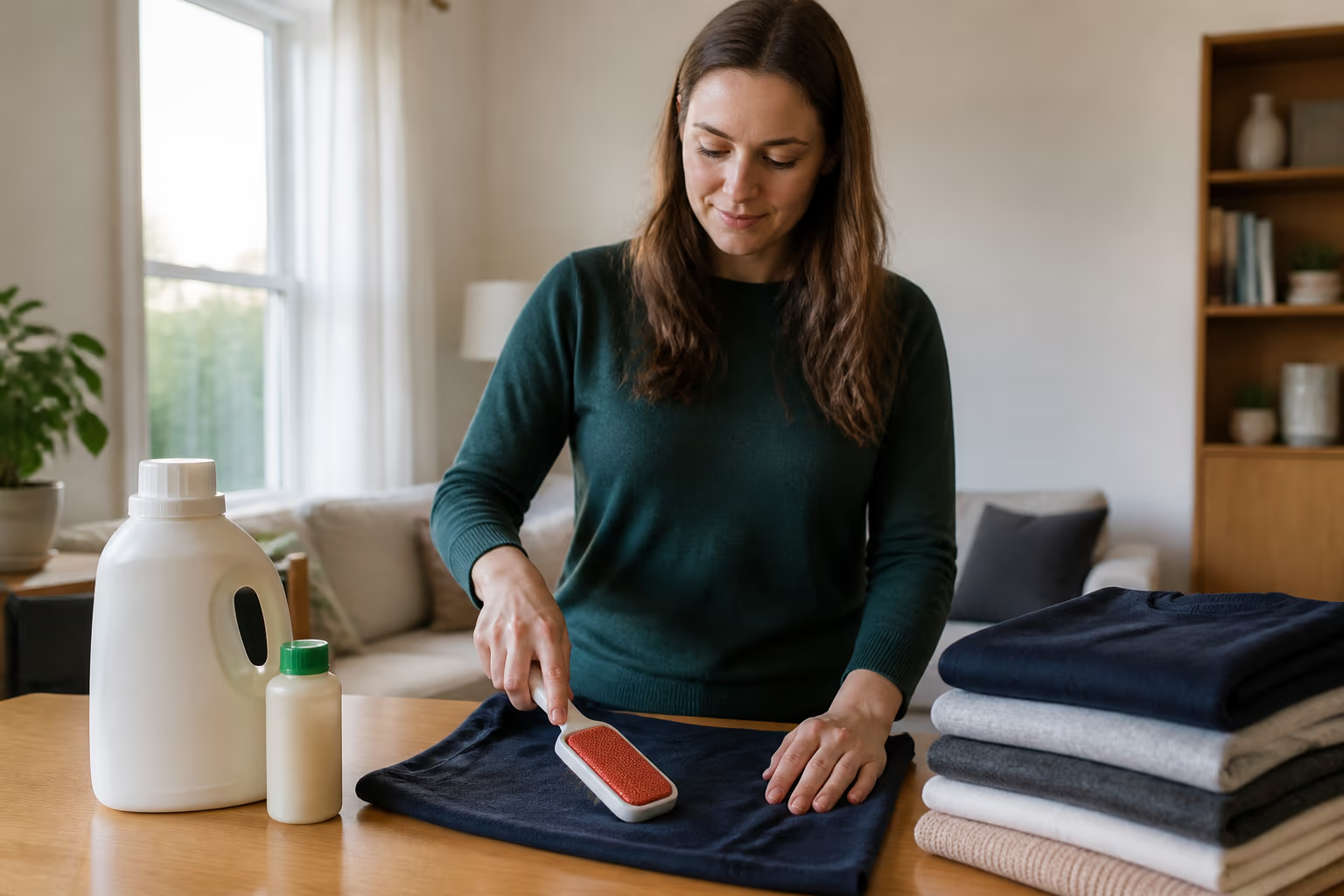
Removing pet hair from clothes works best with tools like a rubber lint brush, a damp rubber glove or dryer sheets, since rubber's friction lifts hair faster than a sticky roller, paired with the right wash and dry routine. Reducing pet hair and avoiding common mistakes keeps it from clinging back to clean clothes.
In this guide
Why Pet Hair Clings to Clothing
Pet hair clings because it is textured, static-charged and deeply embedded. A single fibre has a rough, barbed surface, and every time you move, your clothes build up static electricity that pulls loose hair toward the fabric like a magnet. The more you wash a garment without removing the hair first, the deeper the fibres work into the weave, which is why some items seem permanently fuzzy.
Pet dander travels with the hair, which is why laundry habits matter beyond appearance. Health Canada recommends washing bedding once a week in hot water and vacuuming with a HEPA filter to control the fine allergen particles that settle into fabric. The same routine that clears hair clears what rides on it. The federal guidance opens with the reason it matters: “Poor indoor air quality can affect your health.”
The type of fabric matters as much as the hair. Smooth, tightly woven fabrics such as nylon and satin shed hair easily, while fuzzy, looped and knit fabrics such as fleece, wool and terry cloth grab hold and trap it. In a Canadian household, that means winter woollens and cosy fleece loungewear are the most demanding, while your office shirts and smooth trousers come clean far more easily.
Knowing this helps you work smarter. Tackle hair before it reaches the machine, use the tools designed to lift it, and dry clothes in a way that does not add a fresh coat of static. The process below walks through each stage so the hair ends up in the lint trap rather than back on your sweater.
Seasonal shedding adds its own rhythm. Many pets blow their coats in spring and again in autumn, which means certain weeks of the year are far hairier than others, and indoor pets who shed year-round make it a constant companion in a Canadian home. Recognising those high-shedding windows lets you step up your laundry routine before the hair takes over your wardrobe.
Understanding static also explains a trick that surprises many people. Damp air reduces static, which is why hair seems worse in the dry winter months when the furnace runs and indoor air is at its driest. In Ottawa's cold season, that dry indoor air makes pet hair cling more stubbornly, so the static-control steps in the washing and drying routine matter even more from late autumn through early spring.
The Tools That Actually Remove Pet Hair
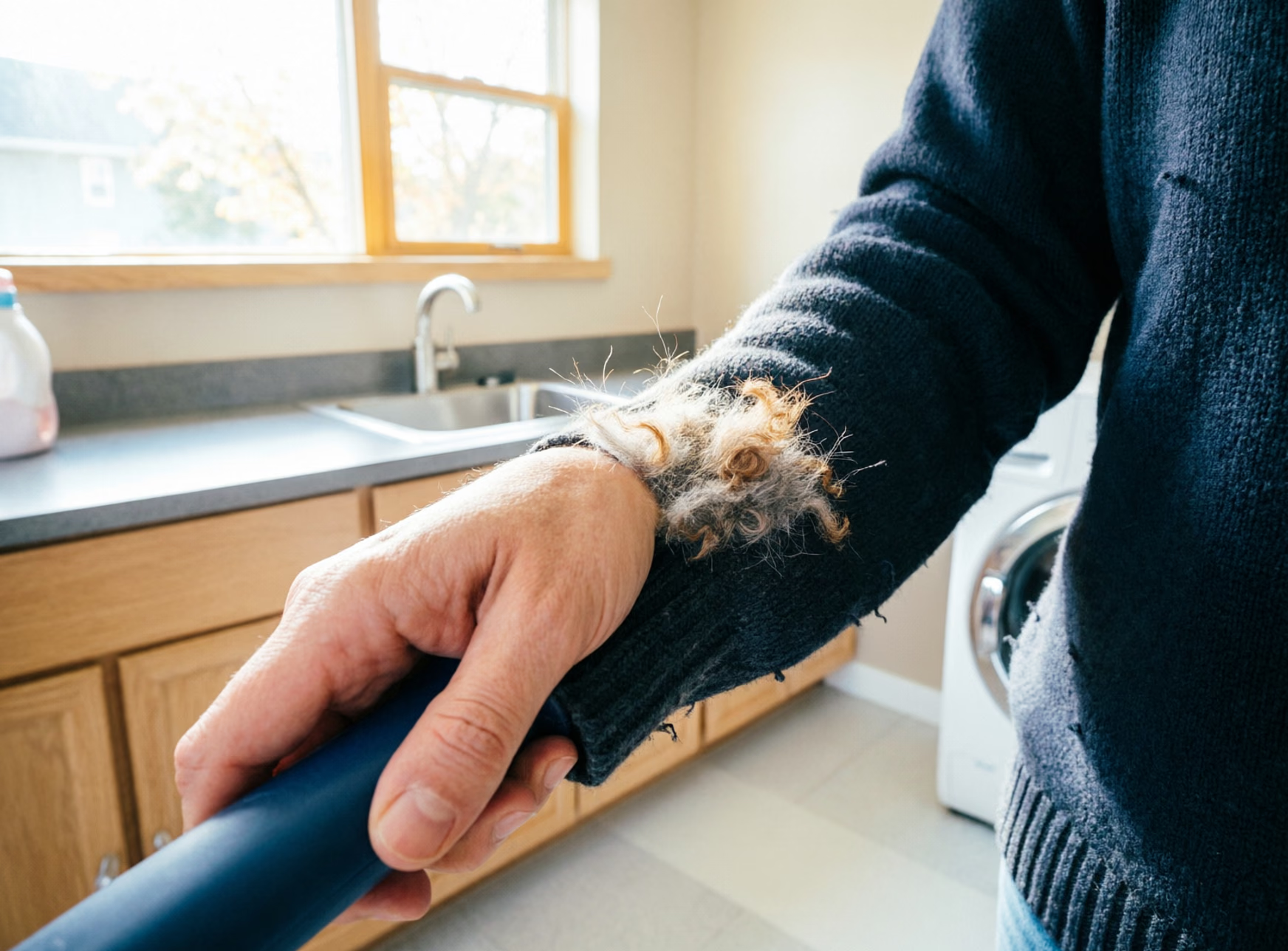
A plain lint roller works in a pinch, but it struggles on large areas and inside the folds of knit fabric. A few tools make the job dramatically easier, and most of them are already in your home.
- A rubber lint brush or a damp rubber glove, which lifts hair with friction and static.
- A quality lint roller for quick touch-ups when you are heading out the door.
- A fabric brush, often attached to a broom, for large surfaces like sofas and rugs.
- A microfibre cloth, which grabs hair off smooth surfaces.
- A dryer sheet, which reduces static and helps release hair in the dryer.
- An upholstery vacuum attachment for heavy build-up on furniture and bedding.
Rubber is the quiet hero of pet hair removal. A damp rubber glove dragged over a sofa or a rubber lint brush over trousers lifts hair faster than any sticky roller, because the rubber generates the friction that pulls the fibre away from the fabric. If you already own a rubber glove, you already own one of the best pet hair tools on the market.
How to Reduce Pet Hair in Your Home
Less hair on your clothes starts with less hair in your home. A little regular upkeep on your pet's environment cuts the amount of loose fur that reaches your wardrobe in the first place.
- Brush your pet regularly, outside or in an easy-to-clean spot, to catch loose hair before it sheds.
- Vacuum furniture, rugs and pet beds weekly with an upholstery attachment.
- Wash pet bedding on a regular schedule so it stops shedding hair onto everything nearby.
- Keep pet beds and lounging spots out of the laundry area and away from stored clothes.
- Use a rubber glove or lint brush on sofas and chairs after your pet has been lounging.
Grooming is the most effective single step. A ten-minute brush a few times a week removes the loose hair that would otherwise end up on your clothes, and it keeps your pet more comfortable too. Regular vacuuming of furniture and bedding does the rest, because hair that is removed from the sofa never has the chance to migrate to your sweater.
What You Need Before You Start
Before you reach for the washing machine, gather the basics so the whole job goes smoothly and your clothes come out hair-free.
- A rubber lint brush, damp rubber glove or lint roller for the pre-wash pass.
- A gentle laundry detergent suited to your fabrics.
- White vinegar or a fabric softener to help release hair and reduce static.
- Dryer sheets or wool dryer balls for the drying stage.
- A clean, hair-free space to fold clothes when they are dry.
- Patience to remove the heavy hair before it ever reaches the machine.
If you are choosing products for a pet-sensitive household, look for fragrance-free or hypoallergenic laundry options, and consider eco-labelled detergents that carry a recognised certification such as EcoLogo. For laundry products that make disinfection claims, look for a Drug Identification Number, or DIN, registered with Health Canada, and follow the label. Whatever you choose, the most important step is still the one that happens before the wash: removing the bulk of the hair.
The Step-by-Step Process
Start before the machine. Give each garment a thorough pass with a rubber lint brush, a damp rubber glove or a lint roller, paying special attention to collars, cuffs, sleeves and the inside of knit items where hair settles. For heavier build-up, run the garment through the dryer on the no-heat or air-fluff setting for ten minutes, which loosens hair so it gathers in the lint trap, then shake the garment outside.
When you load the washer, turn garments inside out and add a half cup of white vinegar to the wash cycle or use your regular fabric softener. Vinegar is a natural helper here: it relaxes fibres and helps release embedded hair, and it reduces the static that makes hair cling. Wash on a normal cycle for most fabrics, and for delicate knits choose the gentle setting so you do not stretch the fibres while the hair is being pulled free.
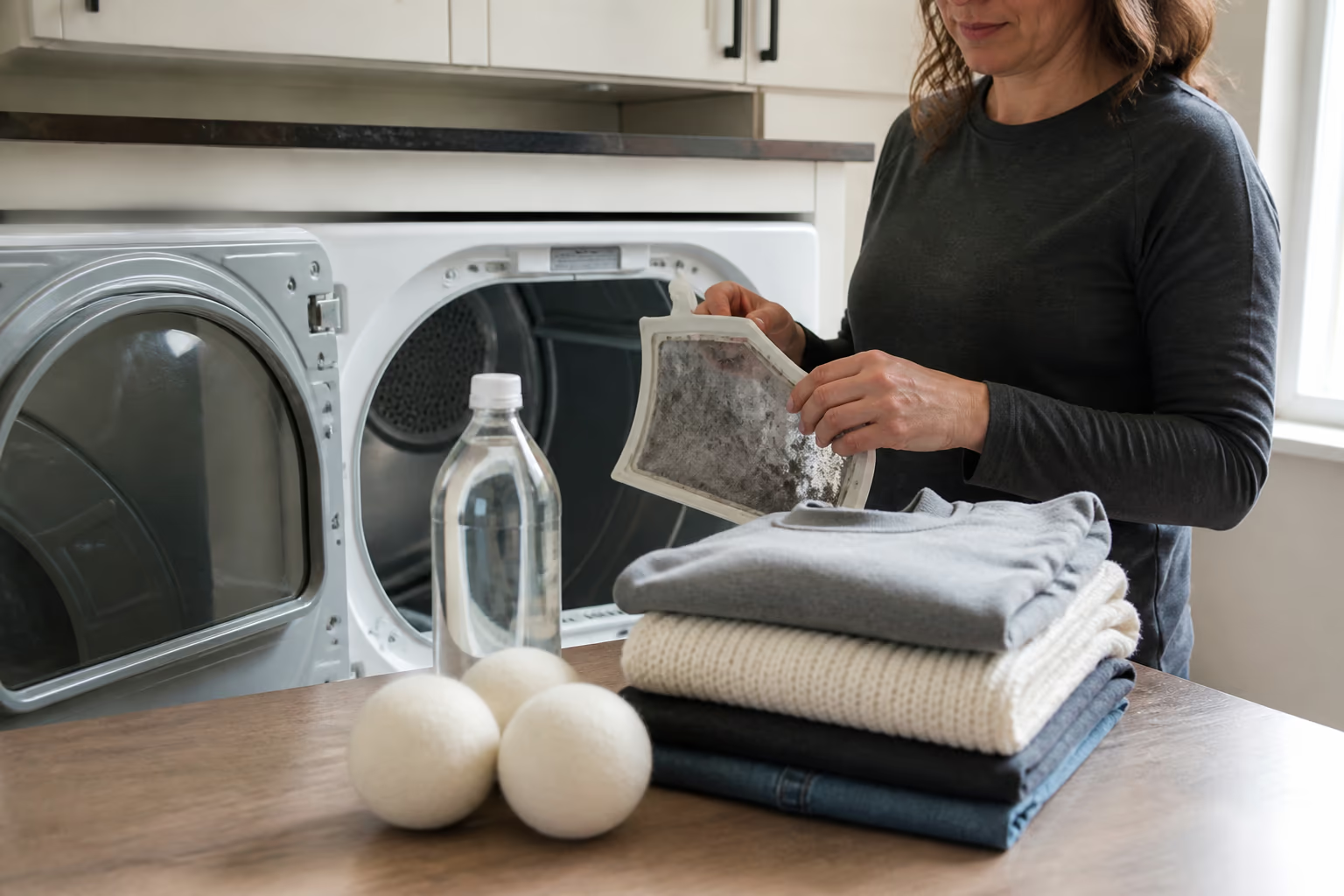
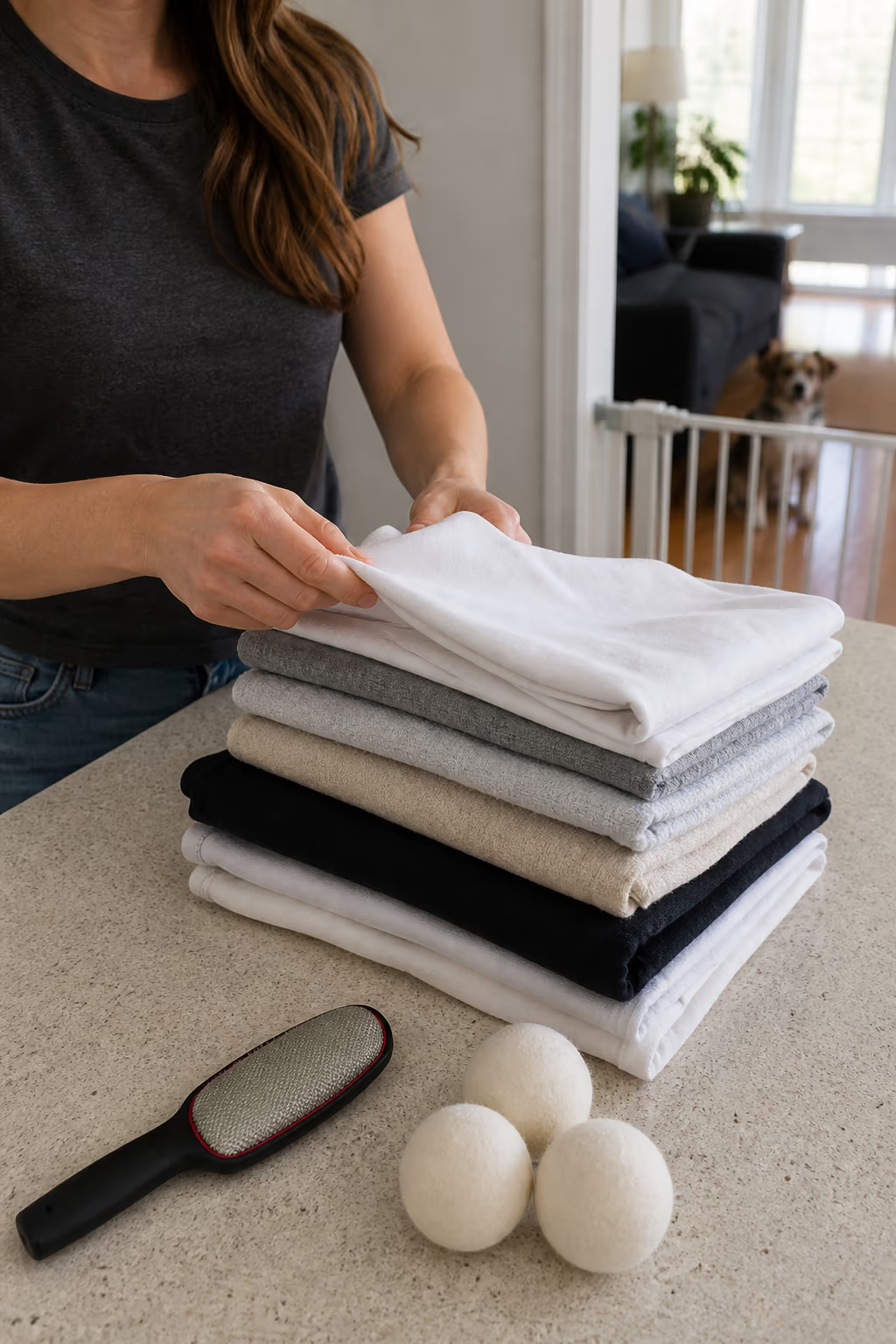
The drying stage is where the magic happens. Use dryer sheets or wool dryer balls to reduce static, and clean the lint trap before you start. The combination of tumbling and static reduction lifts remaining hair into the lint trap, which is why you should always remove and empty the lint trap after a pet-hair load. If you can, shake each garment as you take it out, before the hair has a chance to settle back in.
If hair still shows up in the wash, your machine may be holding onto it. Run an empty hot cycle with vinegar once in a while to clear the residue and hair that builds up in the drum and filter, and check the lint filter or pump filter if your machine has one. A clean machine protects your clothes and stops pet hair from becoming a permanent resident.
Drying and Final Touch
How you dry matters as much as how you wash. A load dried on high heat with a dryer sheet comes out visibly less hairy than one dried on low without any static control, because the sheets neutralise the charge that holds hair to fabric. Wool dryer balls do the same job and are a reusable, eco-friendly alternative.
For clothes that must air-dry, give them a good shake outside before you hang them, because hair that dried into the weave is harder to remove later. Keep folded laundry in a drawer or cupboard rather than leaving it on a bed or chair where pets will sit, and store clothes away from pet beds and favourite lounging spots so hair-free garments stay that way.
Static cling is a bigger problem in winter, when the furnace dries out the air and every fabric seems to crackle. If you do not want to rely on dryer sheets, a small spray of water or a quick wipe with a damp cloth before folding cuts the charge on many garments, and keeping a little humidity in the air helps too.
Common Mistakes and How to Avoid Them
Most frustration with pet hair comes down to a few mistakes that are easy to fix once you see them.
- Washing hair-heavy clothes without a pre-wash pass, so the hair embeds deeper.
- Using fabric softener on towels and microfibre, which coats them and reduces absorbency.
- Overloading the washer or dryer, which gives hair no room to be released.
- Skipping the lint trap, so hair stays in the machine and coats the next load.
- Folding wet clothes right out of the machine, trapping loose hair in the fold.
- Drying on low heat without static control, so the hair clings even harder.
- Leaving clean clothes on pet-friendly surfaces, where they pick up a new coat instantly.
Each fix is straightforward: remove the hair first, avoid overloading, clean the lint trap, control static, shake wet clothes, and store finished laundry away from pets. When you make these habits automatic, pet hair stops being a daily battle and becomes a minor step in your regular routine.
Costs, Timing and When to Call a Professional
Removing pet hair from your own clothes costs almost nothing once you own a rubber lint brush and a bottle of vinegar. The real challenge is time: keeping on top of laundry, furniture and bedding in a multi-pet home can easily outgrow a busy schedule. That is normal, and it is exactly the kind of task a professional cleaning team is built for.
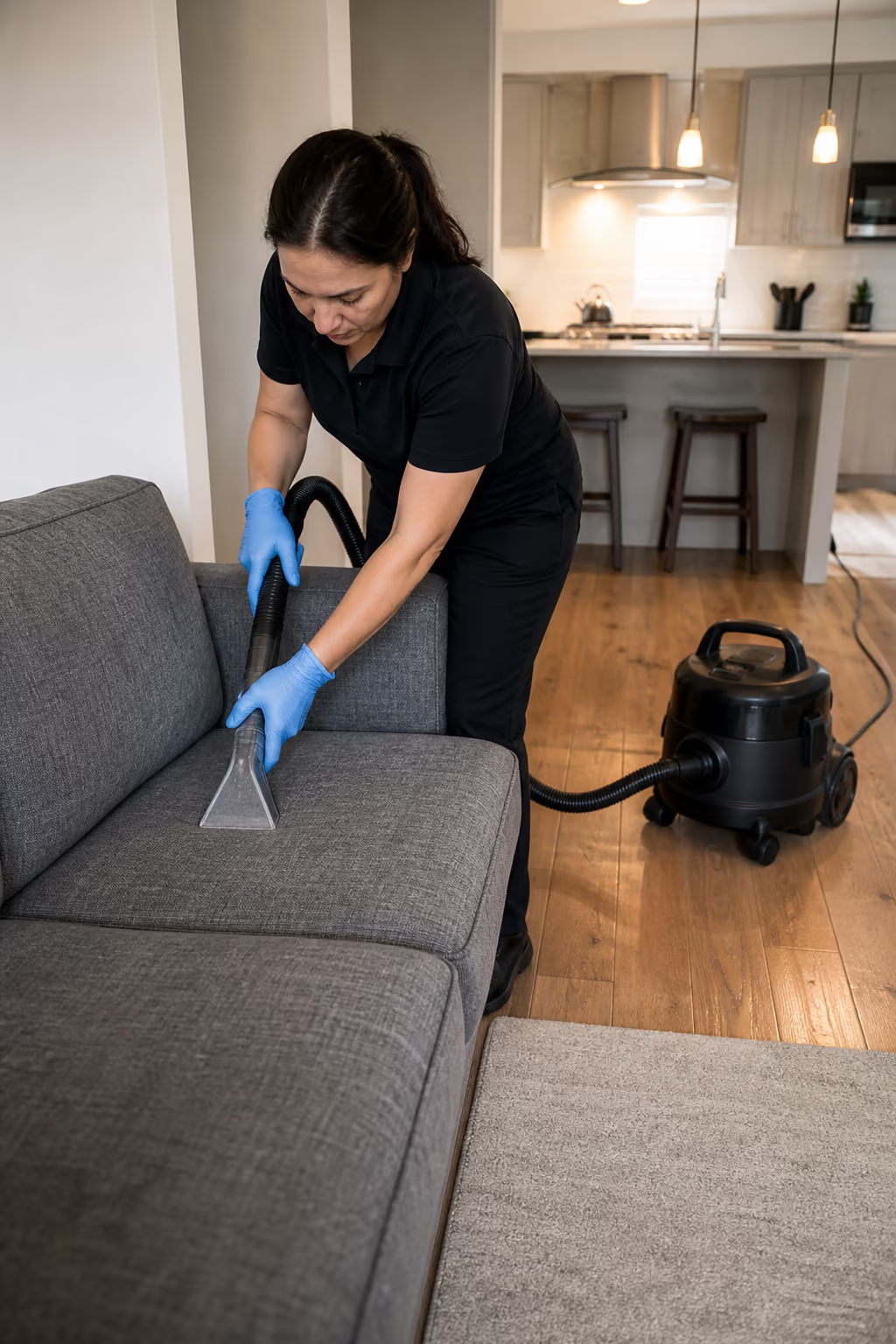
Professional help makes sense when hair has settled deep into upholstery, carpets and bedding, or when allergies mean you need the environment genuinely clean rather than just tidy. A professional deep clean of furniture and carpets lifts embedded hair and dander that vacuuming misses, and regular service keeps the whole home ahead of the problem. Good Cleaner Co. combines local experience, background-checked staff and carefully selected products to keep Ottawa and area homes clean and healthy. Our residential home cleaning services in Ottawa are built around your schedule and standards, and we can include upholstery and carpet care as part of a regular routine. This applies to condos and apartment buildings as well, where our building and condo cleaning services extend the same routine to shared and multi-unit spaces.
If you are comparing providers, our guide to comparing commercial cleaners is a useful starting point for the questions that matter, even for residential work, because the same standards of transparency, training and product choice apply to any good cleaning company.
Formatted Step-by-Step Pet Hair Removal Checklist
Follow these steps in order to keep hair off your clothes from wash day to wardrobe.
- 1.Remove the bulk of the hair with a rubber lint brush, damp rubber glove or lint roller before the wash.
- 2.Turn garments inside out, add a half cup of vinegar to the wash, and use a normal or gentle cycle.
- 3.Dry with dryer sheets or wool dryer balls to reduce static, and clean the lint trap before you start.
- 4.Empty the lint trap after the load and shake each garment as you remove it from the dryer.
- 5.Fold and store clothes in a drawer or cupboard away from pet lounging spots.
- 6.For deep-set hair in upholstery, carpets and bedding, reviewing our house cleaning options in Ottawa provides a trained team for regular, thorough upkeep.
FAQ
Does washing clothes remove pet hair?
Washing helps, but it works far better when you remove the heavy hair first and control static during drying. A pre-wash pass, a half cup of vinegar, and dryer sheets or wool dryer balls lift the most hair into the lint trap.
Why does pet hair cling more to some fabrics?
Fuzzy, looped and knit fabrics such as fleece, wool and terry cloth trap hair, while smooth, tightly woven fabrics release it. Static electricity also pulls hair toward whatever you wear, which is why static control matters so much.
Does vinegar really help remove pet hair in the wash?
Yes. Vinegar relaxes fabric fibres, helps release embedded hair, and reduces the static that makes hair cling. Use about a half cup in the wash cycle on most loads.
Can I put a pet-hair-covered sweater in the dryer before washing?
Yes. Run it on the no-heat or air-fluff setting for about ten minutes so the hair loosens and collects in the lint trap, then shake the garment outside before washing.
How do I keep pet hair off clothes between washes?
Store clothes in drawers and cupboards, keep them away from pet beds and lounging spots, keep pets off freshly folded laundry, and use a lint roller or rubber brush for quick touch-ups before you go out.
Should I use fabric softener on all laundry?
No. Fabric softener coats towels and microfibre and reduces their absorbency. Reserve it for the clothes where you want static control, and skip it on towels and cleaning cloths.
How often should a pet home be deep cleaned?
It depends on the number of pets and the household, but a professional deep clean of carpets and upholstery every few months, plus regular service in between, keeps hair and dander from building up.
Can professional cleaning help with pet allergies?
Yes. A thorough clean of carpets, upholstery and bedding removes embedded hair and dander that regular vacuuming misses, which reduces allergens and makes the home more comfortable for sensitive household members.
Can I wash pet bedding with my clothes?
It is better to wash pet bedding separately, because it sheds a large amount of hair and dander that can cling to your clothes in the same load. Wash it on its own and dry it with static control so the hair collects in the lint trap.
What should I do with clothes that are covered in hair and delicate?
For delicate knits and wool, skip the air-fluff step and use a gentle hand pass with a rubber lint brush or a damp rubber glove, then wash on the delicate cycle and lay flat to dry so you do not stretch the fibres.
Is a lint roller or rubber brush better for pet hair?
For quick touch-ups on the go, a lint roller is handy and disposable. For large areas and repeated use, a rubber lint brush or a damp rubber glove is better, because it lifts more hair and never runs out of sticky sheets.
Why is pet hair worse in the winter?
Dry indoor air creates more static, and static is what pulls hair onto fabric. With the furnace running in Canadian winters, air becomes very dry, so pet hair clings harder. Controlling static in the wash and dryer helps offset the effect.
Wrapping Up
Washing and cleaning pet hair off your clothes comes down to a simple routine: remove the hair before the wash, use vinegar and static control in the machine, clean the lint trap, and store finished clothes away from your pets. The right tools cost very little, and once the habit is in place it takes only a few extra minutes each wash day. For deep-set hair in upholstery and carpets, or for a regular schedule that keeps a busy pet home comfortable, Good Cleaner Co. can help with a cleaning plan tailored to your home. For other quick household wins, our guide on how to clean your oven like a pro covers another common chore worth mastering.
Keep reading
More from Good Cleaner
Services that fit
- House Cleaning Services in OttawaHouse cleaning services in Ottawa for one-time, weekly, biweekly, and monthly home care, with customizable cleaning and eco-friendly options.
- Janitorial Services in OttawaRecurring janitorial services in Ottawa for offices, warehouses, retail, dealerships and schools. Eco-friendly commercial cleaning, customized plans, free quote.
About the author
Service areas
- Ottawa
- Kanata
- Nepean
- Orleans
- Barrhaven