

Stairwell Cleaning: 7 Smart Safety & Hygiene Guidelines
Looking for a reliable stairwell cleaning plan that keeps people safe and your building looking professional? Stairwells are some of the most-used spaces in any home or commercial property, yet they are often the most neglected. In Canada, winter salt, wet boots, and indoor humidity create extra challenges that increase slip risk and damage finishes.
This guide goes deep: a step‑by‑step checklist, surface‑specific methods for wood, tile, concrete, and carpet, Canadian product recommendations with CAD pricing, and clear guidance on when to DIY versus when to hire professionals. Use it as your complete stairwell cleaning playbook.
Why Stairwells Get Dirty So Fast (and Why It Matters)
Stairwells collect dirt faster than most rooms because they sit between entry points and living or working areas. Every trip up and down carries grit from outside, skin oils from hands, and airborne dust from HVAC systems. In Canadian winters, the problem gets worse: salt and sand from sidewalks grind into treads and leave a white residue that looks unprofessional and creates slip hazards.
The impact isn’t just cosmetic. Dirty steps shorten floor life, damage wood finishes, and make handrails grimy and unhygienic. In commercial or multi‑unit buildings, stairwell cleaning also affects perception: if the stairs look neglected, occupants assume the rest of the building is poorly maintained. Most importantly, a dusty or damp stairwell increases the risk of falls, which can lead to liability issues and costly repairs.
A consistent stairwell cleaning routine is therefore a safety measure, a maintenance plan, and a trust‑builder. It protects surfaces, reduces odours, and creates a safer, more professional environment for everyone who uses the space.
There’s also an indoor air quality angle. Dust and salt particles become airborne when people walk the stairs. If you have residents or staff with allergies or asthma, keeping the stairwell clean can reduce irritation and complaints. Regular cleaning also keeps drains and landings clear, which helps prevent musty smells in enclosed stairwells.
Stairwell Cleaning Checklist (Top-Down Method)
The top‑down method prevents re‑soiling and is how professional cleaners work. For a standard 20‑step stairwell, budget 30–60 minutes. The difficulty is moderate because of the angles, height changes, and slip risks.
Tools you’ll want on hand: a microfibre mop, a crevice‑tool vacuum (backpack or cordless), a pH‑neutral cleaner, a disinfectant for high‑touch surfaces, a stiff brush for textured treads, and absorbent towels for quick drying. For safety, bring gloves, non‑slip footwear, and a wet‑floor sign.
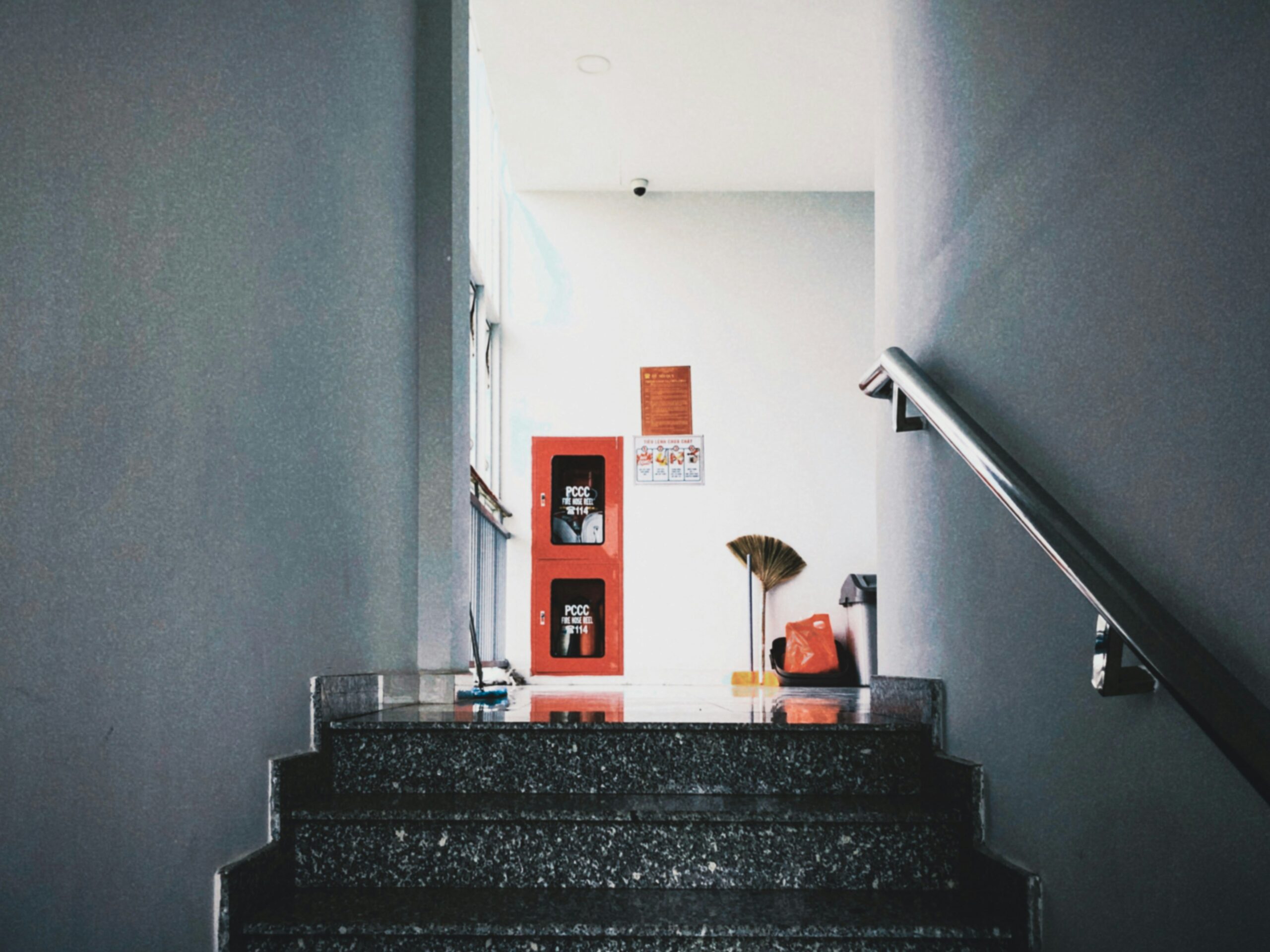
- 1) Prep the area (2–5 minutes): Remove clutter, place wet‑floor signs at the top and bottom, and open a window or door for ventilation.
- 2) Remove loose debris (5 minutes): Sweep or hand‑pick salt, leaves, or wrappers so they don’t scratch the floor when you vacuum.
- 3) Vacuum thoroughly (10 minutes): Use a backpack vacuum or a cordless with a crevice tool on treads, risers, nosings, corners, and handrails.
- 4) Spot clean stains (10 minutes): Use a pH‑neutral cleaner on a microfibre cloth. For wood, use minimal moisture.
- 5) Disinfect high‑touch areas (5 minutes): Focus on handrails, newel posts, and light switches with a Health Canada‑approved product.
- 6) Damp‑mop if needed (5–10 minutes): Use clean water and a second pass to remove residue that could cause slipping.
- 7) Dry and inspect (5 minutes): Wipe excess moisture, check for loose nosings or salt crystals, and ensure the stairwell is safe to reopen.
Time by size: A single‑flight stairwell (15–20 steps) usually takes 30–45 minutes for one person. Two or three flights can take 60–90 minutes unless you split tasks between two people. For commercial buildings, a two‑person team can often complete four flights in under an hour when using backpack vacuums and pre‑mixed solutions.
Pro tip: Keep a small stairwell kit on site (microfibre cloths, neutral cleaner, gloves) for quick mid‑week touch‑ups. For routine tool maintenance, see cleaning tools you should replace often.
How Often Should Stairwells Be Cleaned?
Frequency should match traffic and season. In Canadian winters, salt tracking can create slip hazards within days, so stairwell cleaning needs to be more frequent than in warmer months.
- High‑traffic commercial stairwells: Daily spot checks and a full clean 1–2 times per week.
- Medium‑traffic residential buildings: Weekly cleaning plus extra winter passes.
- Single‑family homes: Weekly light cleans and a monthly deep clean.
For humid regions or older buildings with limited ventilation, increase rail and corner cleaning to reduce mildew. A quarterly deep clean helps remove embedded grime, especially after winter.
| Building Type | Baseline Frequency | Winter Adjustment | Deep Clean |
|---|---|---|---|
| Small residential (1–2 flights) | Weekly | 2x weekly | Quarterly |
| Mid‑rise apartments | 1–2x weekly | 3x weekly + daily spot checks | Quarterly |
| Office/commercial | 2x weekly | Daily spot checks | Monthly or quarterly |
If you manage multiple sites, set a consistent cadence and monitor salt build‑up or slip complaints. Regular scheduling prevents sudden “catch‑up” cleans that take twice as long.
Stairwell Cleaning by Building Type
Not every stairwell is used the same way. A small residential staircase has different needs than a multi‑storey office or a public building. Tailoring the routine to the building type saves time and prevents over‑cleaning in low‑traffic areas while keeping busy spaces safe.
Multi‑unit residential buildings
In apartments and condos, stairwells are often used as secondary routes. Residents track in winter salt, pet hair, and moisture. The best approach is a weekly full clean with additional winter touch‑ups. Focus on handrails and corners where dust accumulates. Since these buildings often have seniors or families, slip prevention should be a priority. Clear signage and fully dry steps are non‑negotiable.
Office buildings
Office stairwells may not be as heavily used as elevators, but they are high‑touch zones with constant handrail contact. Weekly vacuuming and wiping is standard, while disinfecting rails should happen more frequently during peak flu seasons. In business settings, appearance matters: streaks on rails and scuffed treads affect professionalism. Scheduling after hours avoids disruption and ensures full drying.
Retail and public venues
Retail stairwells often see heavier traffic and more debris. Floors can pick up food crumbs, spills, and outdoor grit. Daily spot checks are recommended, with a full clean several times per week. For safety, crews should use extra absorbent towels and avoid over‑wetting. High‑visibility signage is essential because customers may not expect cleaning activity in public stairwells.
Schools and community centres
Schools have high foot traffic and frequent corridor movement. Dust and dirt build quickly, and slip hazards are a serious concern. Cleaning should be daily during the school week, with deeper cleans before and after winter. Using low‑VOC, child‑safe products is important in these environments.
Safety and Compliance Basics in Canada
Stairwells are high‑risk slip zones. That means safety protocols and proper product use matter as much as the cleaning itself. Canadian guidance from CCOHS and Health Canada highlights ventilation, safe storage, and reducing exposure to fumes in enclosed areas.
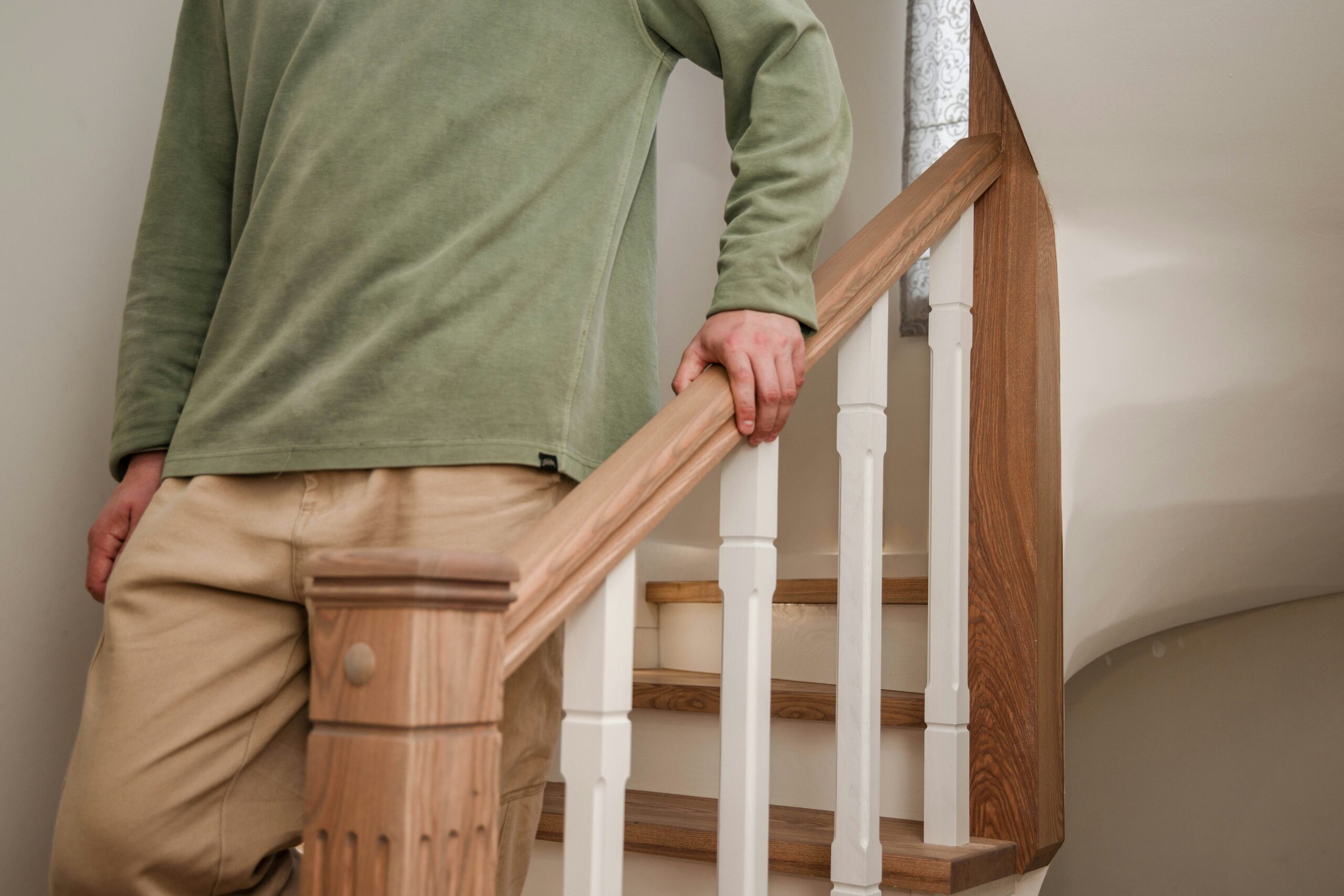
- Use wet‑floor signs at both ends of the stairwell before you start.
- Wear PPE such as non‑slip shoes, gloves, and a mask if dust levels are high.
- Ventilate the space before spraying disinfectants; airflow reduces vapour build‑up.
- Keep children and pets away until steps are fully dry.
- Don’t spray directly onto railings if drips could hit treads and create slippery spots.
For taller stairwells, use a stable step ladder and avoid over‑reaching. If you’re cleaning in the evening, ensure lighting is bright enough to spot residue on darker treads. Always dry steps before reopening the stairwell; a slightly tacky surface is still a slip hazard.
If you use concentrated products, measure accurately and label spray bottles. Over‑mixing strong cleaners can increase fumes, while under‑diluting makes floors sticky. When in doubt, choose a low‑VOC cleaner to reduce irritation in enclosed stairwells.
If you’re deciding between sanitising and disinfecting, read cleaning vs sanitising vs disinfecting to choose the right level of protection.
Surface-Specific Stairwell Cleaning Methods
Different materials require different approaches. Using the wrong method can cause scratches, discolouration, or moisture damage.
Wood stairwells
Vacuum first, then use a slightly damp microfibre cloth with a wood‑safe cleaner. Avoid excess water, especially in humid climates, and dry immediately. Apply a sealant seasonally to reduce salt absorption.
Best practise: Work in small sections. Wood absorbs moisture quickly, so a fine mist is safer than a wet mop. If you see a white haze after drying, it is often salt residue; follow with a clean water wipe and dry again.
Avoid: Steam mops or harsh degreasers on unsealed wood. They can strip finish and cause cupping or warping, especially in older staircases.
Tile stairwells
Use a neutral floor cleaner and a soft scrub brush for grout. Salt residue should be neutralised with a baking‑soda paste and rinsed thoroughly to avoid a slippery film.
Grout focus: Grout is porous and holds dirt. A soft nylon brush with a diluted cleaner is usually enough. For persistent stains, use a grout‑safe oxygenated cleaner and rinse well.
Sealants: Sealing grout annually reduces salt and moisture penetration and makes weekly cleaning easier.
Concrete stairwells
Concrete can handle stronger cleaners like Simple Green but still needs a rinse to prevent residue. For winter salt, pretreat with a neutraliser and avoid abrasive pads that pit the surface.
High‑traffic tips: Concrete stairwells benefit from a degreaser in entry zones where dirt and oil collect. Always follow with a clean‑water rinse and dry pass to avoid a slick finish.
Carpeted stairwells
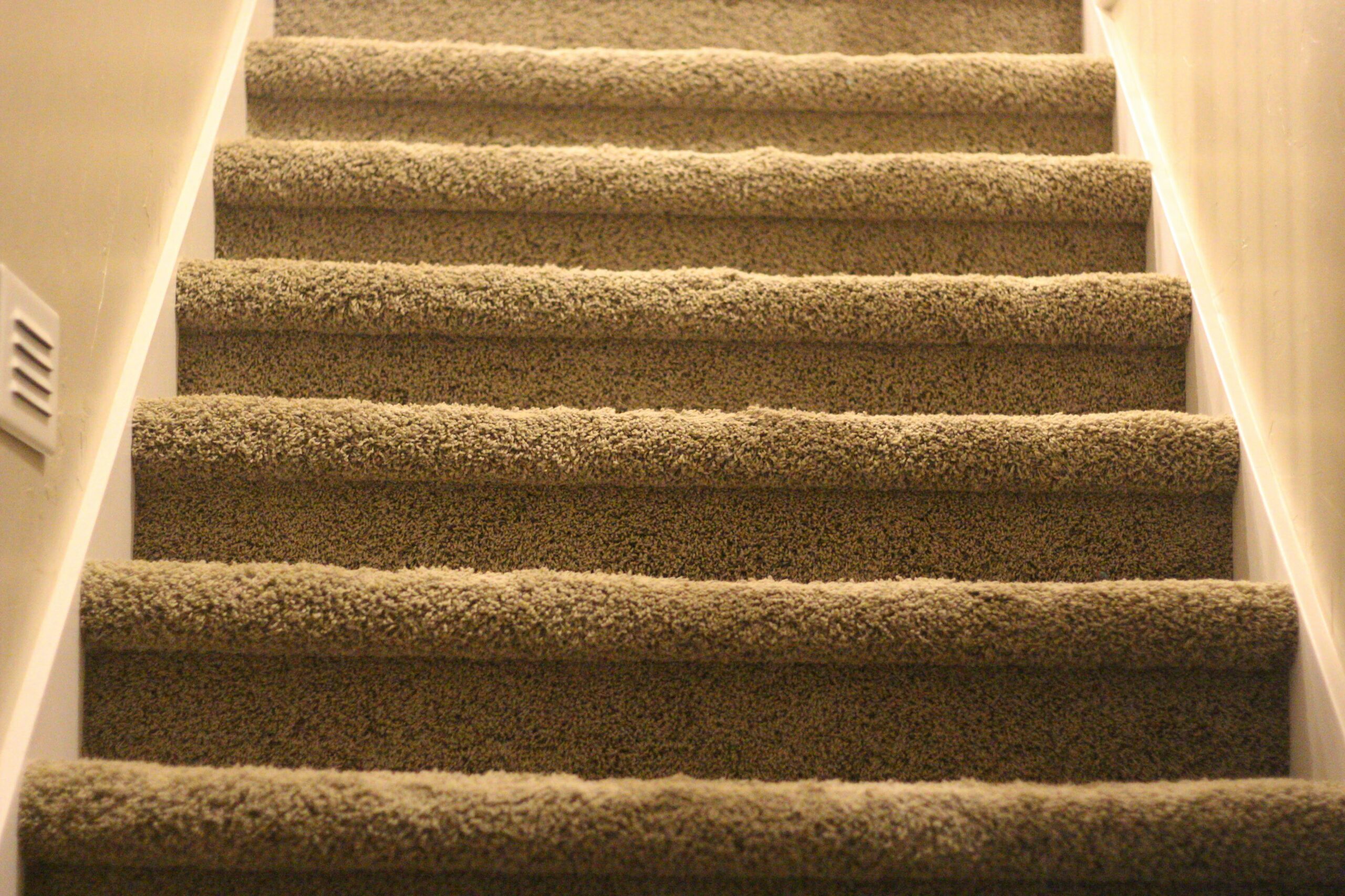
Carpet needs frequent vacuuming with a crevice tool. For stains, blot (don’t rub) with a carpet‑safe cleaner. Quarterly steam cleaning helps remove embedded salt and allergens.
Edge care: Use a handheld brush to loosen debris near the wall line where vacuums often miss. That is where salt crystals collect.
Moisture control: After shampooing or extraction, add airflow with a fan. Damp carpeted stairs are a major slip risk and can harbour odours.
Winter Salt and Seasonal Challenges
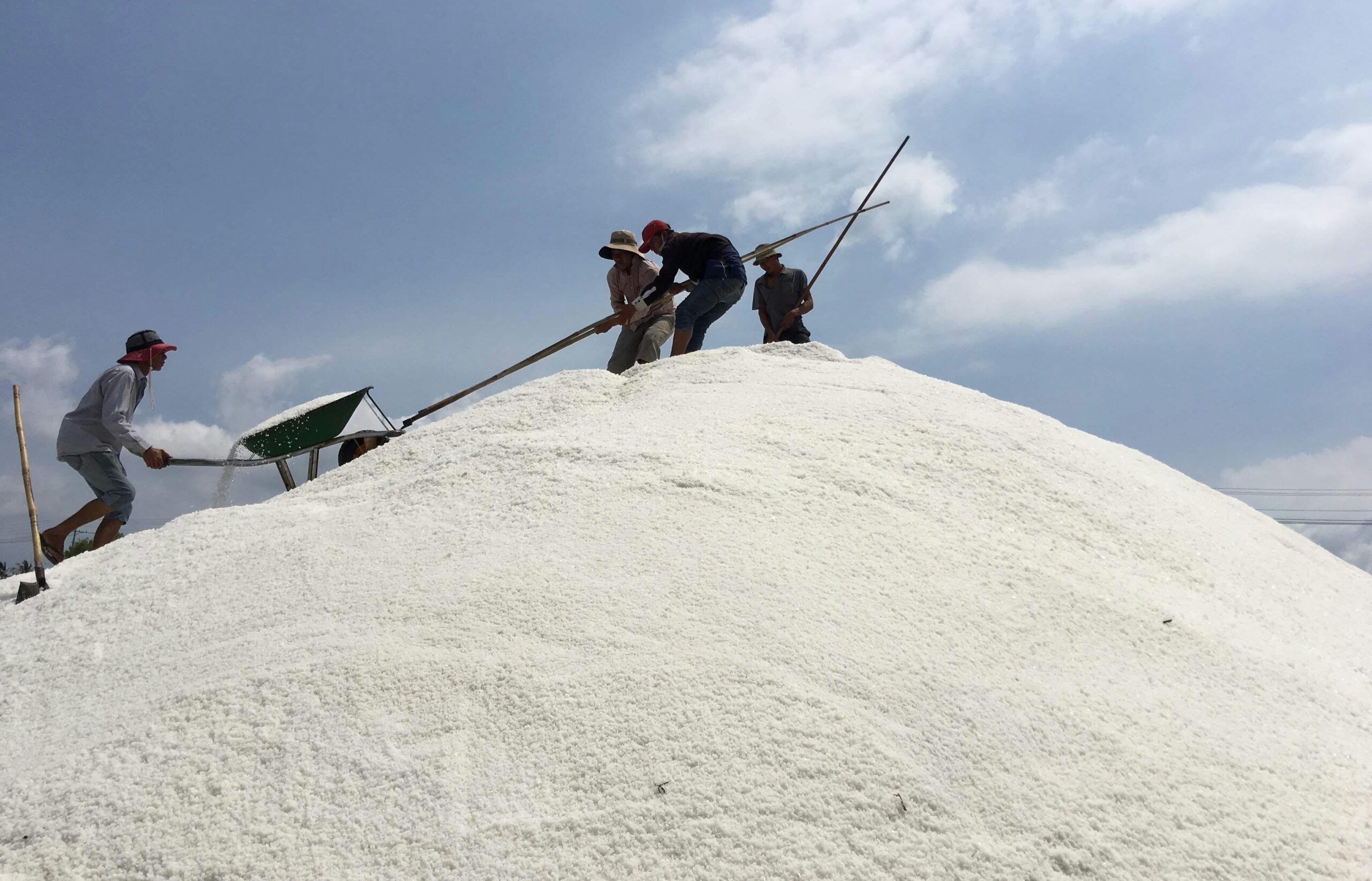
Canadian winters introduce a unique stairwell cleaning challenge: salt. Salt crystals scratch finishes, create white residue, and increase slip risk if they mix with moisture.
- Vacuum first to remove grit that would otherwise grind into the floor.
- Neutralise salt with a baking‑soda paste or a mild vinegar‑water mix.
- Rinse thoroughly and dry immediately to prevent slick residue.
- Use mats and runners to trap salt at entry points.
Salt is hygroscopic, which means it pulls moisture from the air. That moisture keeps surfaces damp longer and can leave a sticky film that attracts more dust. For stairwells, that translates into faster re‑soiling and higher slip risk, so frequent removal is worth the extra effort.
Seasonal timing matters: Plan a deep clean at the end of winter to remove embedded salt, and another in early autumn before heavy weather starts. This extends floor life and reduces wear on wood or tile finishes.
Quick winter checklist:
- Shake out or rinse entry mats weekly.
- Keep a handheld vacuum nearby for daily salt touch‑ups.
- Use a neutraliser instead of harsh bleach to protect finishes.
Quick winter tricks from pros:
- Oil‑free cat litter can absorb moisture and salt on landings after storms; sweep it up before vacuuming to prevent grit scratches.
- Use a dust mitt on spindles to capture fine dust fast; it’s quicker than a cloth and reduces repeat wiping.
- Keep a narrow stair tool attached to the vacuum for edges and nosings so stairwell cleaning stays efficient between deep cleans.
Products and Tools That Work in Canada
Here is a practical mix of consumer and professional products that are easy to find in Canada. Always test new cleaners on a small area first.
Consumer‑grade options (easy DIY)
- Zep Neutral Floor Cleaner — $10–$20 CAD at Canadian Tire; safe for tile and wood.
- Bona Hardwood Floor Cleaner — $20–$30 CAD at Home Hardware or Amazon.ca; streak‑free on sealed wood treads.
- Swiffer WetJet Multi‑Surface — $10–$15 CAD at Loblaws/Superstore; useful for light mid‑week passes.
- Method Squirt + Mop — $8–$15 CAD at Loblaws/Superstore; gentle for routine mopping.
- White vinegar — under $5 CAD at Walmart Canada; effective for salt neutralisation.
- Microfibre cloths — $10–$20 CAD at Costco Canada; reduce streaking and dust.
- Hoover Paws & Claws carpet solution — $20–$25 CAD at Walmart Canada; helpful for carpeted stairs (with a compatible machine).
Professional‑grade options (commercial use)
- Diversey Speedball Floor Cleaner — $25–$40 CAD (janitorial suppliers); heavy‑duty for salt and grime.
- Ecolab Oasis Pro Multi‑Purpose — $30–$50 CAD; disinfects high‑touch rails.
- Backpack vacuum — $200–$500 CAD at Canadian Tire or Costco Canada; faster on stairs.
Eco‑friendly swaps: Vinegar‑water mixes and plant‑based sprays can handle light grime and are safer in enclosed stairwells. For heavier soil, look for low‑VOC cleaners that still meet Health Canada standards. The key is to rinse and dry properly so eco‑products do not leave a sticky film that attracts dust.
Storage tip: Keep a small labelled caddy with your stairwell tools. Store chemicals away from heat sources and ensure spray bottles are clearly marked. This prevents mixing errors and makes quick touch‑ups easier.
| Product Type | Best For | Pros | Cons |
|---|---|---|---|
| Neutral pH cleaner | Wood, tile, laminate | Low residue, safe indoors | Less effective on heavy grease |
| Salt neutraliser | Winter buildup | Removes white residue quickly | Must rinse to avoid film |
| Disinfectant spray | Handrails, switches | Targets high‑touch germs | Requires ventilation |
| Microfibre system | Daily dust and wipe‑downs | Captures fine dust | Needs washing and rotation |
For more product strategy, see cleaning services FAQ for what professionals typically use.
Stairwell Cleaning Equipment Checklist
Having the right equipment reduces labour time and improves results. For residential DIY, a few core tools are enough, but commercial stairwells benefit from professional‑grade gear.
- Backpack or cordless vacuum: Essential for mobility on stairs without outlets. A HEPA filter is ideal for allergy‑sensitive buildings.
- Microfibre mop system: Captures dust without leaving lint; use separate pads for rails and treads.
- Crevice tools and hand brushes: Reach corners, nosings, and stair edges.
- Wet‑floor signage: Place at both ends to reduce slip hazards.
- Handheld spray bottles: For controlled application, preventing over‑wetting.
- Drying towels or fans: Speeds up drying and reduces risk.
For larger buildings, consider a simple staging cart: keep cleaners, cloths, and tools together so staff don’t travel back and forth. This can cut cleaning time by 20–30% on multi‑flight stairwells.
Air quality note: If the stairwell feels dusty even after cleaning, a HEPA vacuum and a quick vent wipe can help. HEPA filters capture fine salt and dust particles rather than blowing them back into the air. In enclosed stairwells, that can make a noticeable difference for occupants with allergies.
DIY vs Professional: What the Process Looks Like
DIY stairwell cleaning (detailed routine)
A strong DIY approach focuses on consistency and the right order of operations. Start by setting aside a dedicated time slot and keeping a small stairwell kit ready. This reduces the temptation to skip steps or rush through the job.
- Pre‑clean check: Remove clutter, check for loose nosings, and ensure lighting is adequate.
- Dry cleaning first: Vacuum or sweep before using any liquid to avoid turning dust into slurry.
- Microfibre rotation: Use one cloth for rails and another for treads to prevent cross‑contamination.
- Minimal moisture: A light mist is usually enough. Over‑wetting is the most common DIY mistake.
- Immediate drying: Keep a towel or dry mop nearby to remove moisture quickly.
DIY success is about doing less, more often. A 20‑minute weekly routine can prevent the need for a two‑hour deep clean later. If your stairwell sees heavy winter traffic, add a mid‑week vacuum and rail wipe to reduce salt and grime buildup.
Professional stairwell cleaning (what pros do differently)
Professional crews focus on speed, consistency, and safety. They bring specialised tools and follow a fixed workflow that reduces liability in shared spaces.
- Backpack vacuums: Faster movement across flights and corners without cord hazards.
- Colour‑coded cloths: Separate cloths for rails, landings, and treads prevent cross‑contamination.
- Quality checks: White‑glove tests, slip checks, and photo logs for managers.
- After‑hours scheduling: Cleaning done when stairwells are less busy reduces risk.
- Insurance and training: Pros are typically insured and trained in CCOHS safety protocols.
For large buildings, professional cleaning often becomes a cost‑saver. The time saved by staff and the reduction in slip incidents can outweigh the service cost, especially in busy seasons.
DIY vs Professional Stairwell Cleaning Costs
Costs depend on stair count, surface type, and season. The ranges below are typical for Canadian buildings.
| Scenario | DIY Cost (CAD) | Professional Cost (CAD) |
|---|---|---|
| Light weekly clean (20 steps) | $20–$50 supplies | $100–$160 per visit |
| Deep clean with salt removal | $30–$60 supplies | $150–$300 per visit |
| Commercial stairwell (multi‑flight) | Staff time + supplies | $0.10–$0.25 per sq ft |
DIY is cost‑effective for small homes, but professional stairwell cleaning saves time, reduces liability, and ensures consistent safety standards. For building managers, the biggest value is reliability: staff can focus on core tasks while a trained team handles stairs safely and efficiently.
Deep‑clean pricing: For heavy winter salt extraction or post‑renovation grime, rates can rise to $0.50+ per sq ft, especially in high‑traffic commercial stairwells.
Budgeting tips: If you manage multiple properties, consider a monthly contract rather than ad‑hoc cleanings. Contracts are often priced lower per visit and allow for seasonal add‑ons (like salt neutralisation) without last‑minute surcharges. For DIY budgets, buy microfibre packs and neutral cleaners in bulk at Costco Canada and replace cloths when they lose absorbency.
Cost by step: Many providers quote by step (roughly $5–$15 CAD per step depending on soil level). This is common for multi‑flight stairwells and makes pricing easier to compare across vendors.
When should you hire professionals?
- Multi‑flight stairwells with high traffic and heavy salt tracking.
- Carpeted or unsealed wood stairs where water damage is a risk.
- Properties with liability exposure such as condos, offices, or public venues.
- Seasonal deep cleans after winter or renovation work.
A hybrid approach works well for many buildings: handle quick weekly cleaning in‑house, then book a professional deep clean every quarter or after winter. This keeps costs lower while still addressing embedded grime and safety issues that routine mopping misses.
If you need a quote, use the cleaning cost estimator or explore cleaning services.
Quality Control and Maintenance Plan
Consistent results come from a repeatable process. Professional teams use checklists and quick inspections to verify safety after each clean.
- Visual inspection: Look for salt crystals, streaks, or missed edges under rails.
- Slip test: Walk the stairs once dry to detect tacky residue.
- Rail wipe test: A white cloth should come away clean after disinfection.
- Document issues: Note loose nosings, torn carpet, or damaged treads.
A maintenance schedule for busy buildings might include:
- Daily: Quick debris removal and rail wipe‑downs.
- Weekly: Full vacuum, mop, and disinfect.
- Quarterly: Deep clean + sealant inspection.
- Seasonal: Post‑winter salt neutralisation.
Documentation helps: For commercial properties, keep a simple log with date, staff initials, and any issues found (loose nosings, torn carpet, damaged handrails). This improves accountability and allows managers to schedule repairs before hazards become accidents.
Photo proof builds trust: Before‑and‑after photos or a quick checklist shared with managers makes quality visible and reduces disputes. It also helps track recurring problem spots and plan preventative fixes.
Two‑person workflow example: One person vacuums and dusts top‑down while the second follows with spot cleaning and disinfecting handrails. This staggered method prevents bottle‑necking and keeps the stairwell open sooner. For larger stairwells, assign one person to handrails and landings while another handles treads and risers.
Sample Weekly Stairwell Cleaning Schedule
If you’re unsure how to spread tasks throughout the week, this sample schedule keeps effort manageable while protecting safety. Adjust based on traffic and season.
| Day | Task |
|---|---|
| Monday | Full vacuum + rail wipe‑down |
| Wednesday | Spot clean stains + quick mop (winter: add salt neutraliser) |
| Friday | Disinfect high‑touch areas + inspect for hazards |
| Monthly | Deep clean + grout/edge detailing |
This approach keeps dirt from building up without requiring long, exhausting cleaning sessions. It also makes it easier to delegate tasks to staff or building volunteers.
Communication tip: For larger cleans, notify residents or staff 24–48 hours in advance so traffic can be reduced and the stairwell can dry safely.
Common Stairwell Cleaning Mistakes
- Cleaning bottom‑up, which re‑soils steps.
- Over‑wetting wood, causing warping and finish damage.
- Skipping rails, the most‑touched surfaces in a stairwell.
- Using abrasive pads on tile or concrete, which scratches finishes.
- Leaving floors damp, increasing slip risk and mould growth.
Most of these mistakes come from rushing or using the wrong tools. A small change—like vacuuming first or switching to microfibre—can prevent long‑term damage and keep your stairwell safer.
Prevention Tips to Keep Stairs Cleaner Longer
- Use double mats at entry points to capture salt and moisture.
- Adopt a no‑shoes policy for residential stairwells.
- Apply floor sealants annually to reduce salt damage.
- Schedule quick mid‑week touch‑ups during winter months.
- Store a small cleaning kit nearby for spot wipes after storms.
Mat strategy: A scraper mat outside plus an absorbent mat inside can cut tracked‑in salt by up to 80% in busy seasons. Rotate and rinse mats weekly, and replace them when they become saturated. For taller stairwells, consider a narrow runner on the centre line to protect the highest‑traffic path while keeping edges visible.
Sealant and finish care: Wood and tile sealants create a barrier that prevents salt from penetrating pores. Reseal annually or when you notice dull patches that resist cleaning. This single step can cut cleaning time and reduce long‑term repairs.
Frequently Asked Questions
How often should stairwells be cleaned in Canada?
Weekly is a good baseline for most buildings. In winter, increase to two or three times per week for salt tracking, and add quarterly deep cleans. Commercial stairwells often need daily spot checks to stay safe and slip‑free.
What is the best way to do stairwell cleaning safely?
Work top‑down, use wet‑floor signs, wear non‑slip footwear, and keep steps dry. Disinfect handrails separately to avoid drips. If you use sprays, ventilate the space and keep residents away until the stairwell is dry.
How much does professional stairwell cleaning cost?
Most providers charge $100–$300 CAD for a standard stairwell, or $0.10–$0.25 per sq ft for commercial spaces. Winter salt removal can add 20%, and multi‑flight stairwells may be priced by step count.
Can I do stairwell cleaning myself or should I hire a pro?
DIY is fine for light weekly maintenance, especially in single‑family homes. Hire pros for heavy salt buildup, multi‑flight stairwells, or when safety compliance is critical. Professional crews bring specialised equipment and can finish faster with less risk.
What products do professionals use for stairwell cleaning?
Pros use pH‑neutral cleaners, backpack vacuums, microfibre systems, and Health Canada‑approved disinfectants for high‑touch rails. They also use salt neutralisers and low‑residue solutions to prevent slippery films.
How long does stairwell cleaning take?
A single flight of 20 steps takes 30–60 minutes. Multi‑flight commercial stairwells often take 1–2 hours with a team. Deep cleans or carpet extraction can add another hour depending on traffic and soil level.
What are the most common stairwell cleaning mistakes?
Over‑wetting wood, skipping rails, and cleaning bottom‑up are the most frequent mistakes. Rushing through salt removal is another common issue that leads to slippery residue.
How do I remove salt stains from wood stairs?
Vacuum first, then use a slightly damp microfibre cloth with a mild vinegar‑water mix or a wood‑safe cleaner. Avoid soaking the wood and dry immediately. If a white haze remains, repeat with clean water and dry again.
Should I disinfect stairwell handrails every time?
Yes, handrails are the highest‑touch surface in a stairwell. A quick disinfect after vacuuming helps reduce germ transfer, especially in apartment buildings or offices with shared access.
Conclusion
Consistent stairwell cleaning protects safety, preserves surfaces, and reduces winter slip risks. With a top‑down checklist, the right products, and a seasonal maintenance plan, your stairwells will stay cleaner and safer year‑round.
Remember: stairwells are a first impression. A clean, dry, and well‑maintained stairwell signals that the building is cared for, which builds trust with residents, tenants, and visitors.
Need professional stairwell cleaning or a full building plan? GoodCleaner can tailor a schedule that fits your traffic, season, and budget.

