



HVAC and Air Duct Cleaning: 7 Easy Steps for Healthier Buildings
Looking for hvac and air duct cleaning that actually improves indoor air and system efficiency? Dust, pollen, and winter debris build up in ducts, while coils and filters collect grime that can reduce airflow. This guide explains a safe, step-by-step process, Canadian product options, costs in CAD, and when professional help is the best choice.
You will also find checklists, seasonal timing for Canadian climates, and safety guidance aligned with Health Canada, CCOHS, and industry recommendations from HRAI.
For a quick refresher on cleaning versus disinfecting, see cleaning vs sanitising vs disinfecting.
Why HVAC and Air Duct Cleaning Matters
Air ducts move every breath through a building. Over time, dust, pet dander, renovation debris, and seasonal salt residue collect inside the system. When the HVAC runs, that material circulates through vents and can trigger allergies, odours, and reduced airflow. For businesses, this can mean higher energy costs and more complaints from occupants.
Regular hvac and air duct cleaning helps maintain indoor air quality, improves system efficiency, and reduces wear on fans and coils. It also supports compliance for commercial properties that need documented maintenance.
Signs Your HVAC and Air Ducts Need Cleaning
Many buildings only notice problems when air quality drops or the HVAC is underperforming. Watch for these common signs:
- Visible dust around vents shortly after cleaning rooms.
- Musty or stale odours when the system turns on.
- Uneven airflow or rooms that are consistently warmer or colder.
- Allergy symptoms that worsen indoors.
- Recent renovations or construction debris in the building.
If these issues persist, hvac and air duct cleaning can restore airflow and improve comfort.
HVAC and Air Duct Cleaning: 7 Easy Steps
This process is designed to be clear and practical. It works for small DIY jobs on accessible sections and provides the framework professional crews use for deeper cleans.
- Step 1: Shut down and isolate the system (10 to 15 minutes). Turn off power and protect vents with plastic to prevent dust spread.
- Step 2: Inspect ducts and vents (20 to 30 minutes). Use a flashlight or inspection camera to identify buildup, moisture, or pests.
- Step 3: Clean registers and vent covers (30 to 45 minutes). Wash with mild soap, dry fully, and set aside.
- Step 4: Vacuum accessible duct sections (45 to 90 minutes). Use a HEPA vacuum with soft attachments.
- Step 5: Agitate and dislodge debris (30 to 60 minutes). Use soft duct brushes, not stiff tools that damage linings.
- Step 6: Clean coils, blower, and housing (30 to 60 minutes). These areas are critical for airflow and odour control.
- Step 7: Replace filters and test airflow (15 to 30 minutes). Confirm the system is running smoothly.
This step-by-step approach keeps hvac and air duct cleaning consistent and reduces the chance of damaging components.
HVAC and Air Duct Cleaning Checklist
Use this checklist to keep maintenance consistent across buildings and teams.
- Turn off HVAC power before opening panels.
- Seal vents in work areas to prevent dust spread.
- Inspect for moisture or visible mould before cleaning.
- Vacuum ducts with HEPA filters.
- Clean coils and fans with approved cleaners.
- Wash registers and vent covers thoroughly.
- Replace filters with the correct MERV rating.
- Document results with dates and notes for future reference.
For general maintenance routines, see cleaning tools you should replace often and update equipment on a quarterly schedule.
Safety and Indoor Air Quality Precautions
HVAC systems connect to occupied spaces, so safety matters. Avoid harsh chemicals that can remain in the air and irritate occupants. Health Canada and CCOHS emphasize low-VOC products, ventilation, and PPE during cleaning.
- Wear PPE: gloves, eye protection, and a respirator for dusty systems.
- Ventilate: open windows where possible and run exhaust fans.
- Avoid chemical mixing: especially bleach and ammonia.
- Keep occupants away during cleaning and drying periods.
A safety-first approach keeps hvac and air duct cleaning effective without creating new indoor air issues.
How Professionals Clean HVAC and Air Duct Systems
Professional duct cleaners use high-powered negative air machines, rotary brushes, and inspection cameras to clean the full duct run. This is especially important for commercial properties with long duct lines or complex mechanical rooms.
- Inspection and scoping: cameras identify moisture, debris, and blockages.
- Containment: vents are sealed so dust does not spread.
- Negative air vacuuming: high CFM machines pull debris out safely.
- Agitation tools: rotary or whip systems dislodge dust.
- Sanitising if needed: low-VOC antimicrobial treatments are applied only when mould is confirmed.
- Final testing: airflow and system checks confirm results.
For most buildings, professional hvac and air duct cleaning takes 2 to 5 hours depending on size and complexity.
DIY HVAC and Air Duct Cleaning: Step-by-Step for Accessible Areas
DIY cleaning is best for accessible vents, returns, and short duct runs. It is not a replacement for deep duct extraction, but it can reduce dust and odours between professional visits.
- Turn off power to the furnace or air handler.
- Remove vent covers and wash them with warm, soapy water.
- Vacuum vent openings using a HEPA vacuum with a soft brush attachment.
- Brush reachable ducts with a flexible, soft-bristle duct brush.
- Wipe surrounding surfaces to catch dust that escapes.
- Replace the filter and restart the system.
DIY is useful after renovations or for seasonal maintenance, but it should not replace full hvac and air duct cleaning if there is mould, pests, or heavy debris.
Tools and Supplies Checklist
Use the right tools to avoid damage and improve results. This list covers basic DIY kits and professional-grade items.
- HEPA vacuum with extension hose and soft brush.
- Duct brush kit with flexible rods for gentle agitation.
- Microfibre cloths for register cleaning.
- Foam coil cleaner for evaporator coils.
- Drop cloths and plastic sheeting to protect floors.
- N95 mask and gloves for dust protection.
Replace worn tools and filters regularly to keep hvac and air duct cleaning effective.
HVAC and Air Duct Cleaning Tips and Tricks
These professional tips help you avoid re-contamination and reduce dust spread.
- Work from the farthest vent back to the furnace so dust moves toward the vacuum.
- Seal unused vents during cleaning to improve suction.
- Use a flashlight to check for debris before closing access panels.
- Keep filters on hand to replace immediately after cleaning.
Eco-friendly options are available for light cleaning. A mild vinegar solution or baking-soda paste can help with register odours, while steam cleaning works for hard surfaces around vents. Avoid strong fragrances that linger in indoor air.
These steps improve the outcome of hvac and air duct cleaning without adding much time.
Best Products for HVAC and Air Duct Cleaning in Canada
Choose products that are safe for indoor air and compatible with HVAC components. These Canadian options are commonly used by homeowners and professionals.
- HEPA shop vac – $150 to $400 CAD (Canadian Tire, Amazon.ca).
- Foam coil cleaner – $20 to $35 CAD (Home Hardware, Amazon.ca).
- Microfibre vent brushes – $15 to $30 CAD (Walmart Canada, Loblaws/Superstore).
- Simple Green Pro HD – $30 to $50 CAD (Costco Canada, Walmart Canada).
- MERV 13+ filters – $25 to $60 CAD per pack (Canadian Tire, Costco Canada).
For green alternatives and safer procurement, see green cleaning practices.
Product Tips for Better Results
- Use coil cleaners carefully and follow label dwell times.
- Replace filters quarterly to reduce dust buildup in ducts.
- Choose HEPA vacuums to capture fine particles.
Filter Changes and Ongoing HVAC Maintenance
Filter changes are the simplest way to extend the interval between full duct cleanings. Dirty filters restrict airflow, strain motors, and increase energy use.
- Standard homes: replace filters every 3 months.
- Pets or renovations: replace every 1 to 2 months.
- Commercial buildings: follow maintenance schedules and inspect monthly.
Clean filters reduce the need for frequent hvac and air duct cleaning and improve comfort year-round.
Understanding HVAC Components Before You Clean
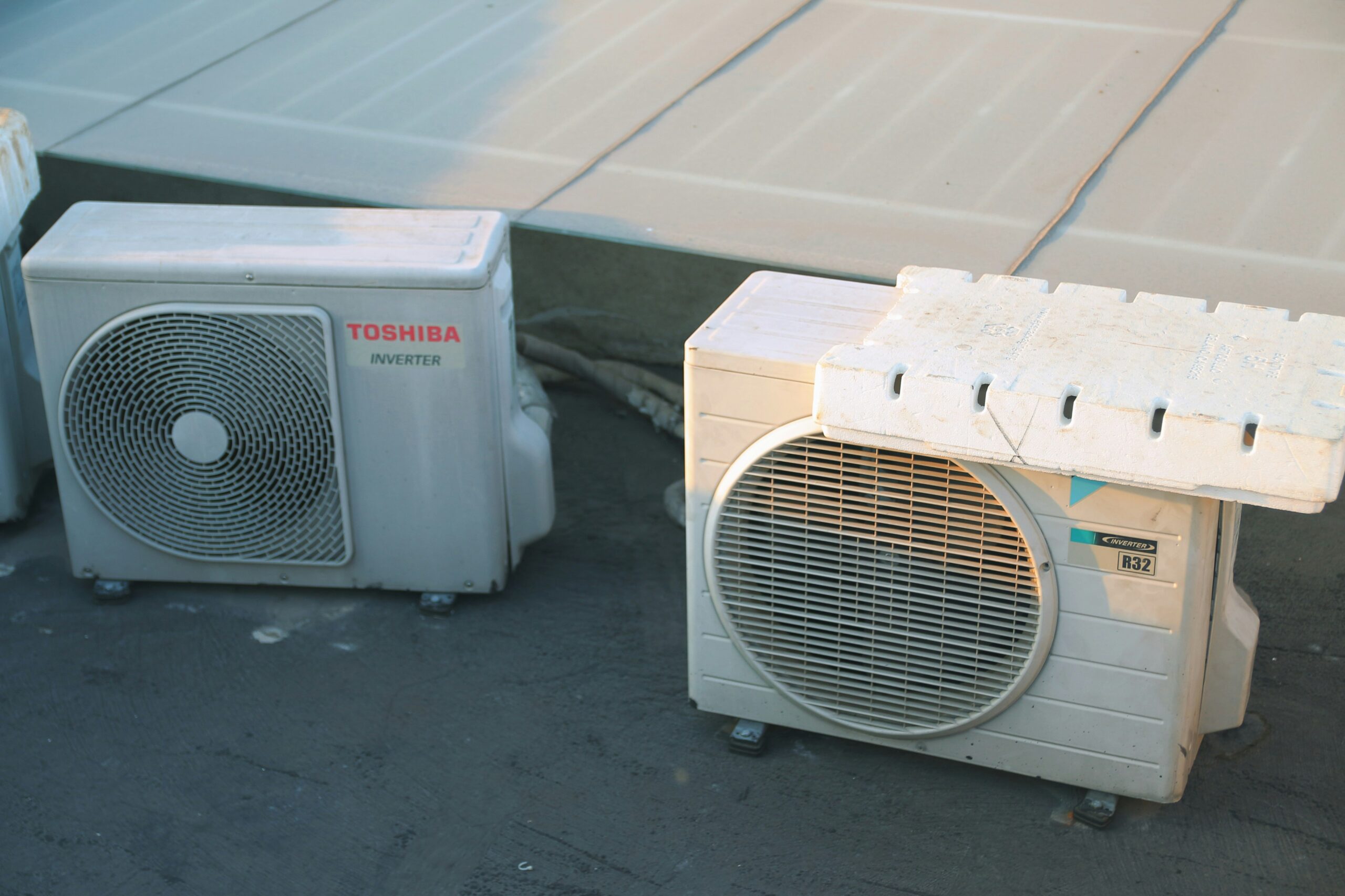
Knowing what you are cleaning helps avoid damage. HVAC systems include supply ducts, return ducts, coils, blower fans, and registers. Each component collects different debris and needs different tools.
- Supply ducts: distribute conditioned air; dust here often re-enters rooms.
- Return ducts: pull air back to the system; these collect the most lint and debris.
- Coils: transfer heat; dirty coils reduce efficiency and can cause odours.
- Blower fans: move air; buildup here reduces airflow and increases noise.
- Registers and grilles: visible vents that trap dust and grease.
A complete hvac and air duct cleaning plan addresses each of these parts instead of focusing only on the visible vents.
Duct Types and How They Affect Cleaning
Not all ductwork is the same. The type of duct changes the tools and techniques you should use.
- Sheet metal ducts: durable and safe for rotary brushes and vacuuming.
- Flexible ducts: require gentle brushing to avoid tearing or collapsing.
- Fibreboard ducts: sensitive to moisture; avoid wet cleaning unless approved.
If you are unsure, ask a professional before applying moisture or strong agitation. This prevents damage and keeps hvac and air duct cleaning safe.
Moisture, Mould, and Leak Checks
Moisture is the main driver of mould growth in ducts. Before cleaning, inspect for leaks, condensation, or wet insulation. Cleaning without fixing moisture issues leads to repeat problems.
- Check drain pans for standing water.
- Inspect insulation around ducts for dampness.
- Seal leaks before cleaning to prevent new moisture entry.
If mould is visible, professional remediation is recommended. Many buildings pair hvac and air duct cleaning with dehumidifier use during humid Canadian summers.
Time and Difficulty Estimates
Use these ranges to plan staffing or book a professional service.
- Basic vent and register cleaning: 1 to 2 hours, easy.
- Coil cleaning: 30 to 60 minutes, medium.
- Full duct vacuuming: 2 to 4 hours, medium to hard.
- Commercial systems: 4 to 8 hours, hard.
For multi-zone properties, professional hvac and air duct cleaning is usually the most efficient option.
Energy Efficiency and Cost Savings
Clean ducts and coils improve airflow, which reduces energy use. In colder Canadian climates, this can lower heating costs during long winters.
- Less strain on fans means fewer repairs.
- Balanced airflow improves comfort across floors.
- Cleaner coils improve heat transfer and cooling performance.
Efficiency benefits are one of the strongest reasons commercial property managers schedule hvac and air duct cleaning on a regular cycle.
After cleaning, it can be worth rebalancing vents and confirming thermostat settings so airflow reaches problem rooms. Small adjustments help prevent the system from overworking and protect the savings you gained from cleaning.
Quality Control and Documentation
Documentation helps property managers track indoor air quality improvements and provides proof of service for inspections.
- Before and after photos of ducts and coils.
- Filter change logs with dates and MERV ratings.
- Service reports that note moisture or damage issues.
For commercial buildings, this documentation is often required alongside other facility services.
Scope Add-Ons and What a Full-Service Clean Includes
Not every quote includes the same scope. A full-service hvac and air duct cleaning typically covers supply and return ducts, registers, coils, and the blower housing. Add-ons can increase cost but are useful when a system has odours, moisture problems, or heavy debris.
- Dryer vent cleaning: helps prevent lint buildup and improves airflow. Expect $30 to $100 CAD as an add-on.
- Antimicrobial treatment: sometimes used if mould is confirmed. Costs typically range from $100 to $200 CAD and should be low-VOC and approved for indoor air use.
- Duct sealing: reduces leaks and improves efficiency, often quoted after inspection.
- Deep coil cleaning: removes grease and salt residue that cause odours, especially in winter climates.
Ask for a scope checklist before you book so you know which components are included. Clear scope descriptions also help you compare quotes and avoid surprise charges.
If a quote is far below market rates, ask exactly which ducts, coils, and fans are included. Many low-price offers only clean vents and skip the main trunk lines that hold the most debris.
Occupied-Building Communication and Scheduling
For offices, retail, and multi-tenant properties, scheduling matters as much as the cleaning itself. A short communication plan prevents complaints, protects sensitive areas, and keeps the job on schedule.
- Notify occupants at least 48 hours ahead with the work window and affected zones.
- Schedule after hours when possible to reduce disruption and noise complaints.
- Protect sensitive spaces such as server rooms, medical offices, and food prep areas with extra containment.
- Coordinate access with on-site maintenance so mechanical rooms and roof units are unlocked.
These steps keep hvac and air duct cleaning efficient and prevent dust from affecting clients, tenants, or staff.
DIY Safety Checklist and When to Stop
DIY duct work can be safe when it is limited to accessible sections, but it still involves ladders, electrical panels, and heavy dust. Use this checklist before you start.
- Lock out power: turn off the breaker and confirm the system is fully off.
- Use stable ladders and avoid overreaching in high vents.
- Wear PPE including an N95 respirator, gloves, and eye protection.
- Do not bypass safety switches or open sealed mechanical panels.
- Stop immediately if you see mould, standing water, pests, or damaged insulation.
If any of these issues appear, hire a professional. Pushing past the safe DIY limit can damage ducts and worsen indoor air quality.
Commercial HVAC Cleaning Considerations
Commercial HVAC systems are larger, with more branches and access points. They also serve larger groups of occupants, so indoor air quality issues affect more people.
- Multi-zone systems require longer access times.
- After-hours work reduces disruption to tenants.
- Coordination with maintenance teams ensures access to mechanical rooms.
If you manage a commercial property, pair hvac and air duct cleaning with other seasonal services to reduce downtime.
HVAC and Air Duct Cleaning Cost in Canada
Professional cleaning costs vary by system size, duct length, and access. Most Canadian homes pay $450 to $1,200 CAD, while commercial buildings are quoted per system or square footage.
| Building Size | Typical Cost Range (CAD) | Notes |
|---|---|---|
| 1,500 to 2,500 sq ft home | $450 to $700 | Standard residential system |
| Large home or duplex | $700 to $1,200 | Multiple returns and longer runs |
| Commercial building | $800 to $2,500+ | Depends on zones and equipment |
For local pricing context, see cleaning prices in Ottawa or request an assessment from GoodCleaner.
DIY vs Professional Cost Breakdown
| Category | DIY (CAD) | Professional (CAD) |
|---|---|---|
| Tools and equipment | $100 to $400 | Included |
| Cleaning products | $25 to $100 | Included |
| Labour time | 8 to 20 hours | 2 to 4 hours |
| Total estimate | $100 to $500 | $450 to $1,200 |
When to Hire a Professional
Professional hvac and air duct cleaning is recommended if you see mould, heavy debris, or persistent odours. It is also the safer choice after renovations or for large commercial properties.
- Visible mould or moisture inside ductwork.
- Recent renovations with drywall dust or debris.
- Allergy flare-ups or indoor air complaints.
- Large commercial systems with multiple zones.
Professionals also provide documentation and airflow testing, which can be helpful for insurance or compliance needs.
DIY vs Professional HVAC and Air Duct Cleaning
DIY is useful for surface cleaning and vent covers, but it rarely reaches deep duct sections. Professional services use specialized equipment that provides deeper extraction and safer disposal.
- DIY: $100 to $500 CAD for basic tools, 8 to 20 hours of labour.
- Professional: $450 to $1,200 CAD for residential, 2 to 4 hours with certified techs.
- Best for DIY: light dust and basic maintenance.
- Best for pros: mould, renovations, or large commercial systems.
For liability and compliance, professional hvac and air duct cleaning is recommended for most commercial buildings.
How Often Should HVAC and Air Duct Cleaning Be Done?
Most Canadian homes should clean ducts every 2 to 3 years. If you have pets, renovations, visible mould, or live in high-dust areas, annual cleaning may be warranted. Commercial properties often use a 2 to 3 year cycle with filter changes every quarter.
- Every 1 to 2 years: high-dust homes, heavy pet shedding, or nearby construction.
- Every 2 to 3 years: most homes with routine filter changes.
- After renovations: immediate cleaning is recommended.
This frequency keeps hvac and air duct cleaning effective without unnecessary disruption.
Common HVAC and Air Duct Cleaning Mistakes
- Cleaning too often and damaging duct linings.
- Using harsh chemicals that remain in indoor air.
- Skipping vent covers, which spreads dust throughout rooms.
- Ignoring moisture that can cause mould growth.
- Hiring unqualified providers with no insurance or certification.
Another mistake is falling for very low-price offers that do not include full-system cleaning. Reliable providers should explain their process clearly and avoid high-pressure upsells.
Post-Clean Verification and Air Quality Checks
After hvac and air duct cleaning, verify results with a short inspection. Check for visible dust at registers, improved airflow, and reduced odours. Some providers include camera footage or airflow readings.
- Inspect registers for visible dust.
- Check airflow in problem rooms.
- Monitor odours for a few days after cleaning.
Seasonal and Canadian Climate Considerations
Canadian winters bring salt residue and heavy indoor heating, while summers add humidity and pollen. Timing cleanings around these seasons helps maintain indoor air quality.
- Fall: clean before heating season to remove summer dust.
- Spring: remove winter residue and allergens.
- Summer humidity: use dehumidifiers to reduce mould risk.
Seasonal adjustments make hvac and air duct cleaning more effective and help reduce odours.
Maintenance Schedule by Building Type
Different properties need different schedules. A retail store with constant foot traffic will load filters and ducts much faster than a small office. Building type, hours of operation, and local climate should drive the plan.
- Retail and restaurants: inspect filters monthly, schedule duct cleaning every 1 to 2 years.
- Medical and childcare: prioritise indoor air quality and document service intervals, often every 1 to 2 years.
- Offices and light commercial: inspect quarterly, clean ducts every 2 to 3 years.
- Residential homes: most can follow a 2 to 3 year cycle with quarterly filter changes.
Keeping a written schedule prevents over-cleaning and reduces emergency calls during peak seasons.
Indoor Air Quality Improvements
Clean ducts improve airflow and reduce allergy triggers, but IAQ also depends on routine filter replacement, humidity control, and mechanical maintenance. If occupants notice frequent dust or odours, a full system inspection may be needed.
For best results, keep humidity between 30 and 50 percent, run exhaust fans in kitchens and washrooms, and consider portable air purifiers in high-traffic rooms. These steps reduce particle load so your duct cleaning lasts longer, especially during Canadian winters when windows stay closed.
For broader maintenance planning, review your cleaning services FAQs and align duct cleaning with other facility services.
How to Choose a Reliable HVAC and Air Duct Cleaning Service
When hiring a provider, look for transparent pricing, certifications, and before-and-after documentation. Avoid deals that seem too cheap or high-pressure upsells.
- Ask for certifications (HRAI or NADCA alignment).
- Confirm insurance and worker safety policies.
- Request before-and-after photos of ducts and coils.
- Avoid door-to-door offers with extremely low pricing.
Frequently Asked Questions
How often should HVAC and air duct cleaning be done?
Most homes should schedule service every 2 to 5 years depending on dust levels, pets, and renovations. Commercial properties often use a 2 to 3 year cycle with quarterly filter changes.
What is the best way to do HVAC and air duct cleaning?
Start by isolating the system, cleaning registers, and vacuuming accessible ducts with HEPA equipment. Professionals use negative air machines and rotary brushes to reach deep runs.
How much does professional HVAC and air duct cleaning cost in Canada?
Expect $450 to $1,200 CAD for most homes, with higher costs for large or multi-zone systems. Commercial pricing depends on equipment and building size.
Can I clean HVAC ducts myself or should I hire a professional?
DIY is suitable for light surface dust and vent covers, but deep duct cleaning usually requires professional equipment. Hire pros if you see mould or persistent odours.
What products do professionals use for HVAC and air duct cleaning?
Professionals use industrial HEPA vacuums, rotary brush systems, and coil cleaners designed for HVAC components. Low-VOC products are preferred for indoor air safety.
How long does HVAC and air duct cleaning take?
A typical home takes 2 to 4 hours, while commercial sites can take most of a day depending on system size and access.
What are the most common HVAC and air duct cleaning mistakes?
Common mistakes include skipping vent covers, cleaning too often, using harsh chemicals, and ignoring moisture issues. Always address leaks before cleaning.
Conclusion
HVAC and air duct cleaning improves air quality, protects equipment, and helps buildings run more efficiently. A structured schedule, safe products, and proper filters make the biggest difference.
Need professional hvac and air duct cleaning? Contact GoodCleaner for a safety-first plan and a free quote.

