
What Do Janitors Do? Janitorial Responsibilities
A janitor's job is far more than mopping a floor or emptying a bin, and it has more influence on daily life than most people stop to notice. This guide explains what do janitors do? janitorial responsibilities? in practical terms: the daily, weekly, and periodic tasks that keep a building running, the safety and training behind the work, and how a professional janitorial service structures those responsibilities so nothing falls through the cracks. It is written for facility managers, office administrators, and anyone curious about the people who keep shared spaces clean.
Quick Summary
A janitor's job goes far beyond mopping floors or emptying bins; it covers daily, weekly and periodic tasks that keep a building running, backed by safety training and Canadian workplace standards. This guide explains those responsibilities in practical terms and how a professional janitorial service structures the work so nothing falls through the cracks.
In this guide
More Than Mopping: The Real Scope of Janitorial Work
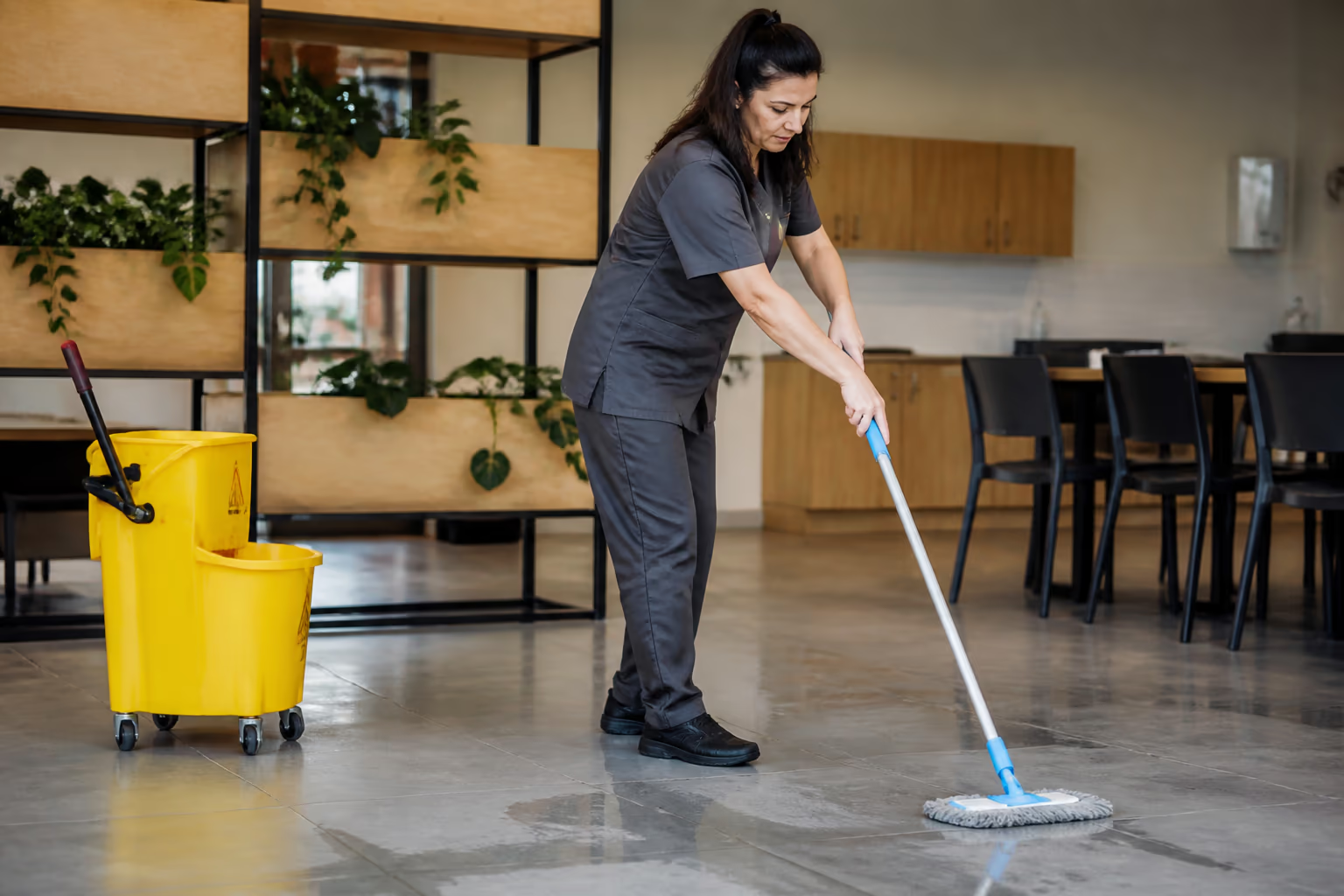
The word janitor comes from a history of caretaking, and that is the better way to think about the role. A janitor is responsible for the daily conditions people walk into: floors that do not feel sticky, washrooms that are stocked, waste that is not overflowing, and surfaces that look cared for. In a small office or a large commercial building, those visible results are only the surface of the job.
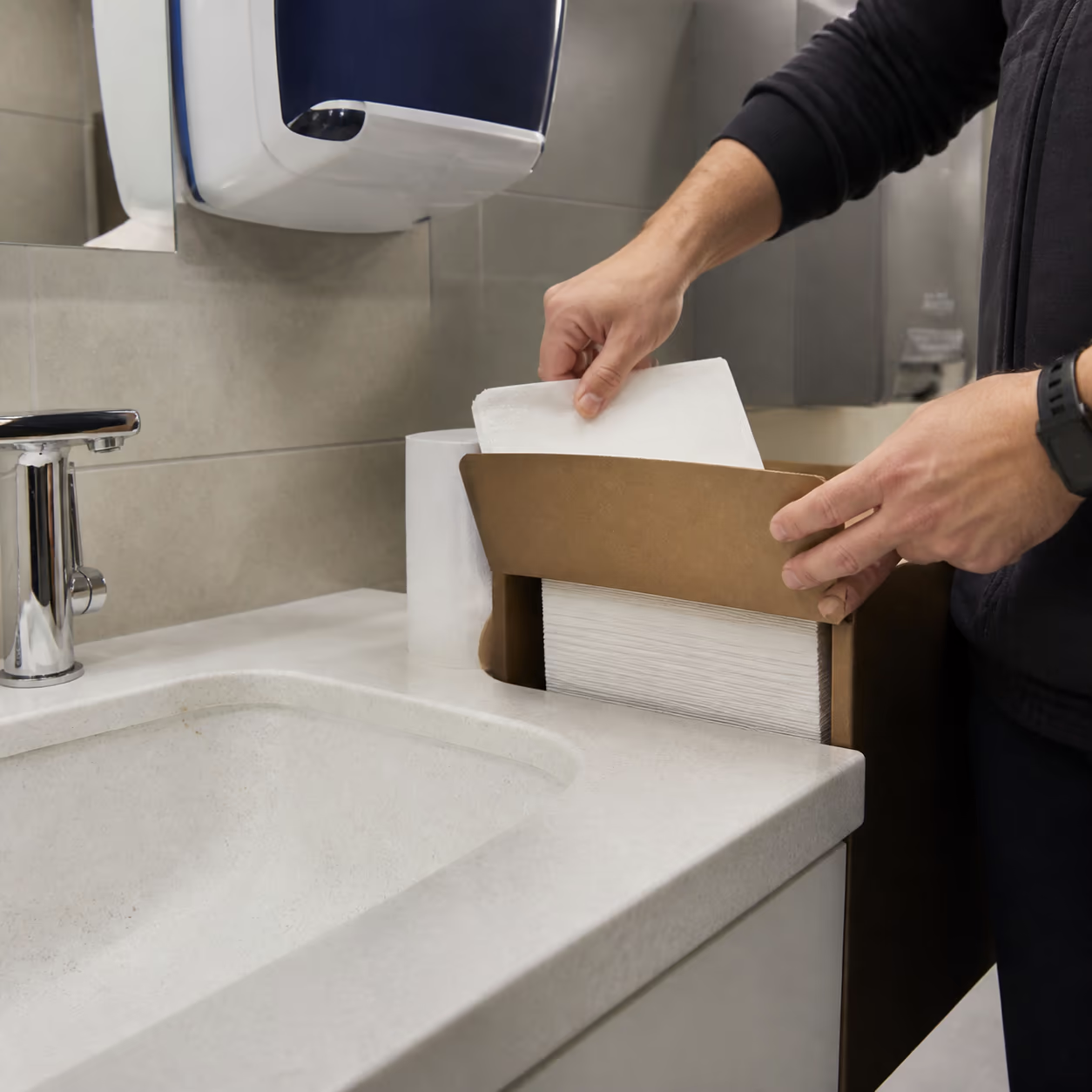
Underneath, the work includes restocking paper and soap, changing liners, spot-treating spills before they set, moving furniture to clean beneath it, polishing glass, caring for entrances, and watching for the small problems that turn into expensive repairs. A good janitor notices a leaking tap, a stained carpet, or a broken latch, reports it, and keeps the space safe while it is sorted. That combination of cleaning and caretaking is what separates real janitorial work from a casual wipe-down.
The scale depends on the building. A single washroom in a small clinic is a different job from a multi-floor office tower with cafeterias, boardrooms, and public washrooms. Rather than a fixed list, the responsible definition is this: janitors own the routine conditions of a facility so that the people who work, learn, or receive care there can do so without thinking about the mess.
The day-to-day reality also includes responding to the unexpected. A spill in a hallway, a washroom that runs out of paper mid-afternoon, or a meeting room left in disarray all land on the janitor. The job is as much about being in the right place at the right time as it is about following a list, which is why a well-run service plans both the routine and the response.
The Daily, Weekly, and Periodic Work
Janitorial responsibilities fall into natural rhythms, and each one has a purpose.
- 01Daily work:emptying bins, cleaning washrooms, wiping break-room surfaces, vacuuming high-traffic carpet, sweeping and mopping entry floors, and spot-cleaning spills. These are the tasks that keep a space presentable from one day to the next.
- 02Weekly work:detailed washroom cleaning, wiping baseboards and ledges, cleaning interior glass, deep-cleaning the break room and kitchenette, and paying attention to corners that daily rounds skip.
- 03Periodic work:stripping and waxing floors, carpet extraction, cleaning vents and grilles, washing walls and doors, and the seasonal reset that prepares a building for a change in use or weather.
A dependable service documents these frequencies so the same work actually happens. Without a schedule, weekly and periodic tasks quietly disappear and the building drifts into a state where people start to say it "feels dirty" without being able to name why. The discipline is not exciting, but it is the entire difference between a space that stays clean and one that slowly degrades.
Floors, Entrances, and the Winter Problem
Floors carry the weight of a building's appearance and its safety record. Hard floors need daily sweeping or dust mopping, periodic mopping, and occasional deep maintenance such as stripping and waxing. Carpet needs vacuuming, immediate attention to spills, and periodic extraction. The right product for the floor matters: using the wrong chemical or tool can dull a finish or leave residue that attracts more dirt.
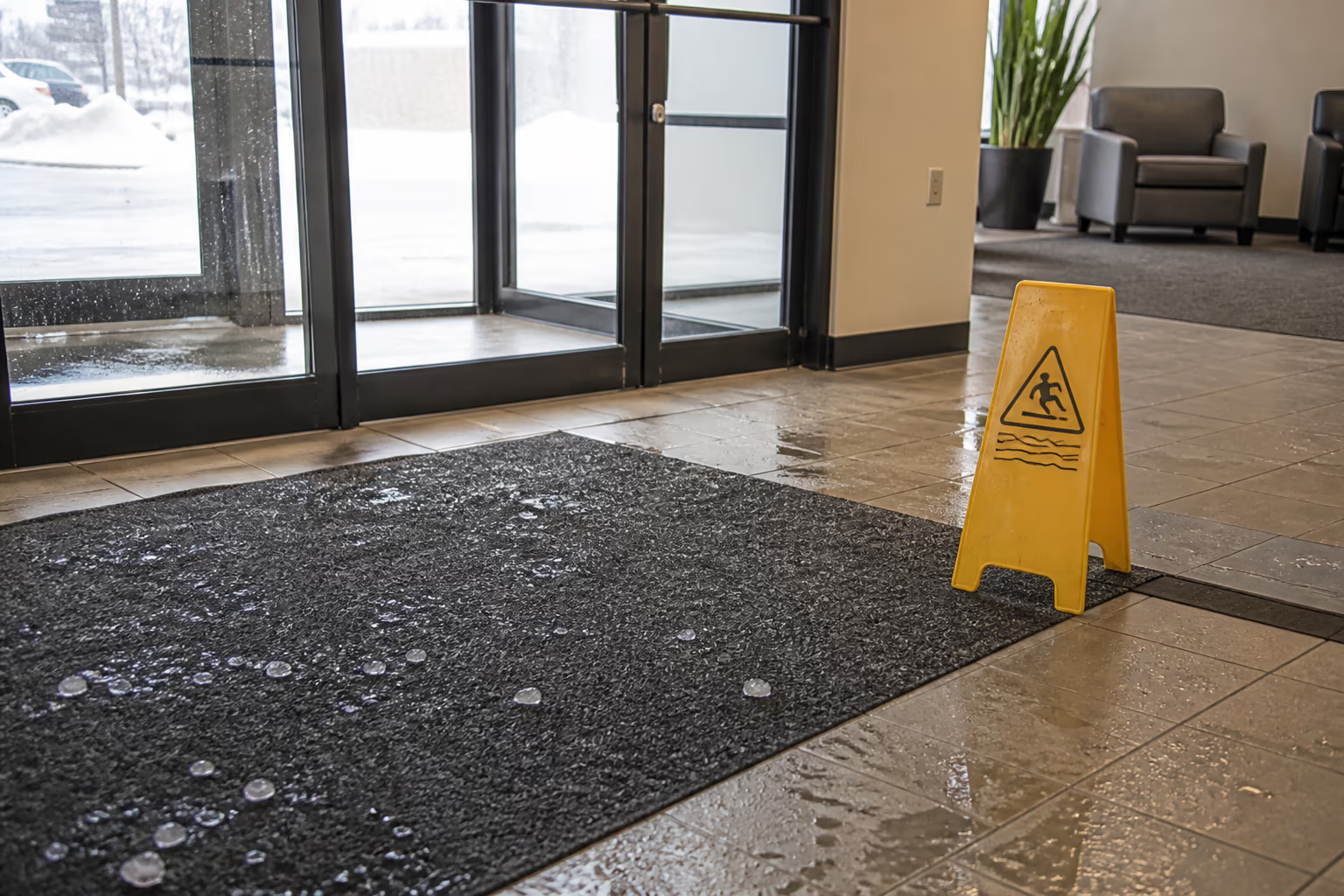
Entrances are where a building makes its first impression and where Canadian weather does its worst. During the winter, snow, road salt, and moisture are tracked in by every visitor. Mats catch what they can, but the entrance still needs regular attention: sweeping, mopping, and re-mopping as salt and slush accumulate. Salt residue is not just unsightly; it can damage flooring and tile if it sits. A janitorial service that plans for winter is one that treats entrances as a daily priority and knows which products safely handle salt without harming the floor beneath it.
The same logic applies to seasonal resets. Spring brings dust and pollen into a building that has been sealed all winter, and a periodic deep clean of vents, grilles, and hard-to-reach surfaces is part of keeping the air and the surfaces reasonable. The cadence changes with the calendar, and a good schedule accounts for it.
Carpet care deserves its own note because carpet hides its problems. A carpet can look acceptable and still release dust and allergens into the air with every footstep, which is one reason offices schedule periodic extraction rather than vacuuming alone. Treating spots quickly and vacuuming in a consistent pattern are small habits with an outsized effect on how a space feels.
The Equipment and Supplies Janitors Depend On
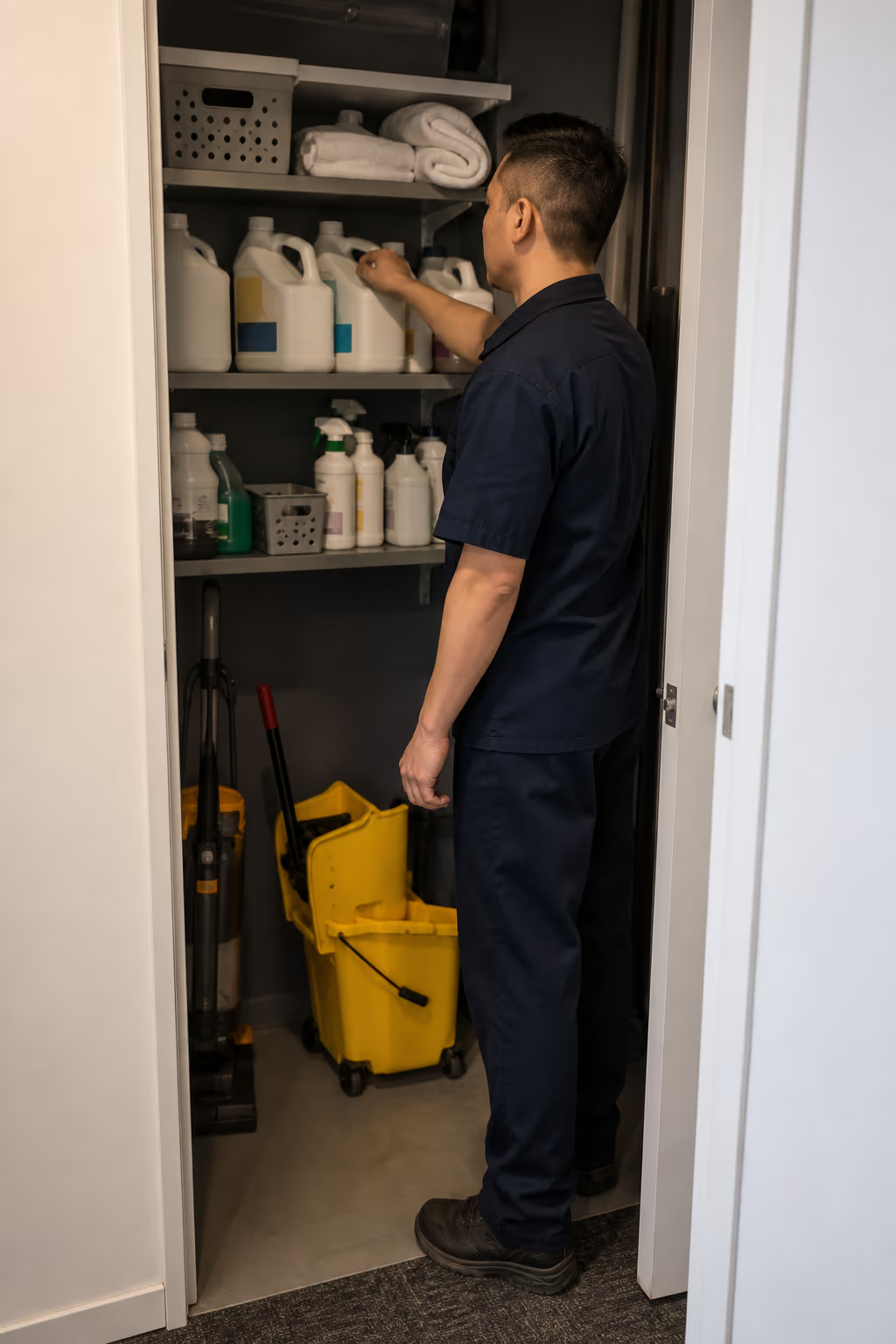
The quality of the outcome depends on the tools as much as the effort. A basic janitorial kit includes vacuum cleaners, mops and buckets with a two-bucket rinse system, microfibre cloths in colours reserved for different areas, brushes, squeegees, and a range of labelled cleaning products. Equipment needs to be appropriate for the surface: a hard-floor machine is not for carpet, and a mop that is never rinsed clean simply spreads soil.
Products are chosen for the surface and the occupants. In a space used by children, seniors, or people with sensitivities, low-fume and certified options matter. In a commercial setting, every chemical must be labelled and handled according to its safety data sheet, which is where Canadian workplace rules come in. The short version: the right tool, used correctly, beats more effort with the wrong tool every time.
Budget is part of the picture too. Quality equipment costs more upfront but lasts longer and does a better job, and the same applies to supplies. A service that buys the cheapest consumables to trim its own costs usually shows it in the results, while a service that treats tools as an investment produces work that speaks for itself.
Safety, Training, and Canadian Workplace Standards
Professional janitorial work in Canada is a trained discipline. Under WHMIS 2015, cleaning products used at work must be labelled and supported by safety data sheets that explain hazards, handling, and first aid. A responsible janitorial service trains its staff to read those labels, dilute products correctly, wear the right protective equipment, and respond to a spill or exposure. It also trains for the physical side of the job: safe lifting, working on ladders, and moving equipment without injuring themselves or others.
Those standards have a specific legal shape. Ontario's employer duty under subsection 25(1) of the Occupational Health and Safety Act requires prescribed equipment, materials and protective devices to be provided and maintained in good condition, which covers the machines, the chemicals and the protective gear a janitor uses daily. The province lists the duty in one line: “Instruct, inform and supervise workers to protect their health and safety”.
Cleaning and disinfection have their own standards, and claims are regulated. If a product is relied on for disinfection in a facility, it should be registered for that purpose with Health Canada, and its dwell time respected. A service that skips the dwell time or mixes products is creating risk, not removing it. The discipline of following the label is what makes a claim meaningful, and it is one of the strongest signals of a trustworthy provider.
Housekeeping matters too. Supply closets should be organized, chemicals stored separately and within reach of the label, and equipment cleaned between uses. A tidy closet is not just cosmetic; it prevents the accidental mixing of products and makes the daily routine faster and safer.
Beyond chemicals, the job includes knowing how to respond when something goes wrong. That covers cleaning up a broken glass safely, handling a bodily-fluid spill according to a documented procedure, and knowing when a hazard is beyond the scope of routine cleaning and needs a specialist. Training is what turns a well-intentioned person into a professional who keeps a building safe under pressure.
In-House Janitor or a Professional Janitorial Service
Some facilities hire their own janitor, and that works well for small buildings with steady hours. The trade-off is that one person covers everything, including sick days, vacations, and deep-cleaning work that needs extra hands and equipment. Training, background checks, and supervision all fall on the facility.
A professional janitorial company brings a team, documented processes, and consistency. Coverage continues when one person is away, equipment is owned and maintained by the provider, and the same standard is expected on every visit. Supervision and training happen inside the company rather than on the facility's shoulders. For many offices and commercial buildings, that structure is worth the difference in cost, and it is why the comparison matters when you choose.
Good Cleaner Co. approaches janitorial contracts this way. When you compare providers, our checklist for hiring a commercial cleaner is a practical starting point for the questions that matter, and our janitorial cleaning teams in Ottawa are built around your schedule and your standards. The same team also offers residential cleaning services Ottawa homeowners can book when the caretaking need is a house rather than a building.
Common Janitorial Gaps That Buildings Actually Notice
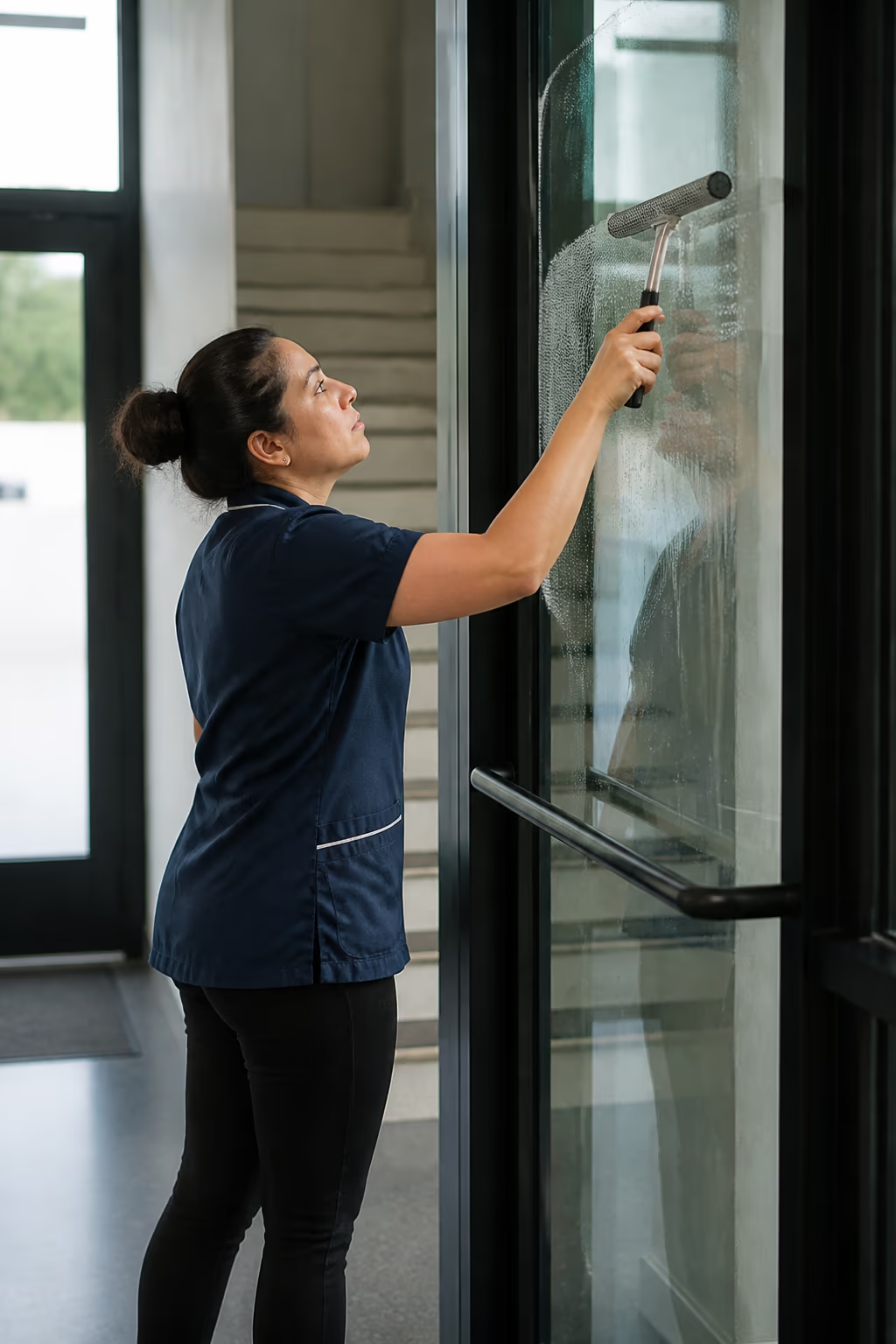
The complaints that reach a facility manager are rarely about dust on a shelf. They are usually about the things people touch and walk on. Sticky floors in the lunchroom, a washroom that always seems out of soap, fingerprints on glass doors, and trash that overflows before the daily pickup are the everyday signals that a cleaning schedule has a hole.
The common thread is that these are not hard to fix, but they are easy to miss when the routine is not inspected. A service that walks the building with a checklist, responds to feedback, and adjusts frequency when usage changes is the one that stays ahead of the complaints. The inverse is also true: a provider that never inspects is one you will gradually stop noticing the good parts of, because the gaps will speak louder.
Season and usage changes are the hidden driver of gaps. A building that hosted a busy holiday event, an office that added a shift, or a clinic that saw a surge in patients all put different stress on the same schedule. Adjusting the plan to match reality is part of responsible janitorial care, not an excuse for missed work.
Formatted Step-by-Step Janitorial Responsibilities Checklist
Use this checklist to understand and set expectations for janitorial work in your facility, whether you are managing an in-house cleaner or choosing a service.
- Step 1.Define the scope:list every room, surface, and task that must be covered, so nothing is left to assumption.
- Step 2.Set the frequencies:agree on daily, weekly, and periodic work and write it down in a schedule that is actually checked.
- Step 3.Choose products and equipment for the surfaces and occupants, and confirm staff are trained to use them safely.
- Step 4.Follow the safety standards:labelled products, WHMIS 2015 awareness, and the dwell times on any disinfection claims.
- Step 5.Inspect and adjust:walk the space regularly, catch what was missed, and refine the schedule as use and seasons change.
FAQ
What is the difference between a janitor and a cleaning service?
A janitor is a caretaker who owns the routine conditions of a building, including restocking, spotting problems, and daily upkeep. A professional cleaning service brings a team, equipment, and documented processes to deliver that same care consistently.
How often should a commercial washroom be cleaned?
Daily at a minimum in a building that sees regular traffic, with deeper detail work on a weekly and periodic schedule. High-use washrooms may need multiple visits in a single day.
Do janitorial services handle floor maintenance like stripping and waxing?
Many do, as part of a periodic schedule. Confirm the scope in writing, because floor maintenance is labour-intensive and is often billed separately from daily cleaning.
Are the chemicals used in janitorial cleaning safe for occupants?
A responsible service uses products chosen for the surface and the occupants, follows labels and WHMIS 2015 safety data, and applies them at the correct dilution and dwell time. That makes treated spaces safe to use once they are dry.
Can a janitorial service work around my building's hours?
Most services offer evening, night, and early-morning schedules to avoid disrupting the workday. Ask about scheduling flexibility before you commit to a contract.
How do I know if my facility is being cleaned properly?
Walk the space with the checklist: washrooms stocked, floors clean, break room wiped, touchpoints addressed. A service with documented routines and inspection should be able to show you its schedule and respond to gaps.
Why do janitorial costs vary so much between quotes?
Scope, frequency, square footage, building type, and level of detail all drive cost. Compare itemised scopes rather than bare prices, and be wary of a quote that cannot explain what is included.
Is janitorial cleaning the same as disinfection?
No. Cleaning removes soil, and disinfection reduces microorganisms on a pre-cleaned surface using a registered product with a respected dwell time. A contract should state which surfaces need disinfection and how often, rather than treating the two words as interchangeable.
Wrapping Up
Janitorial responsibilities are broader than most people assume: daily upkeep, restocking, floor care, winter entrances, safety, and the watchful caretaking that keeps a building running. The best way to keep it all consistent is a documented routine and a trained team. If your facility needs that kind of dependable care, Good Cleaner Co. can build a janitorial plan around your building, your hours, and your standards.
Keep reading
More from Good Cleaner
Services that fit
- Janitorial Services in OttawaRecurring janitorial services in Ottawa for offices, warehouses, retail, dealerships and schools, with eco-friendly commercial cleaning and customized plans.
- Professional Office Cleaning Services in OttawaOffice cleaning services in Ottawa for corporate offices, clinics and professional suites, with after-hours scheduling and eco-friendly products.
About the author
Service areas
- Ottawa
- Kanata
- Nepean
- Orléans
- Barrhaven