
A Comprehensive Guide to Cleaning Walls Effectively Without Damaging Paint
Washing walls is one of those household tasks that most people either avoid for years or tackle with the wrong tools. The result is a wall that is either still dirty, covered in drip streaks, or left with dull patches where the paint sheen was scrubbed away. The good news is that wall cleaning does not need to be complicated. If you match the cleaner to the paint finish, use a barely damp cloth, and wash from the bottom up, you can keep walls looking fresh for years between repaints.
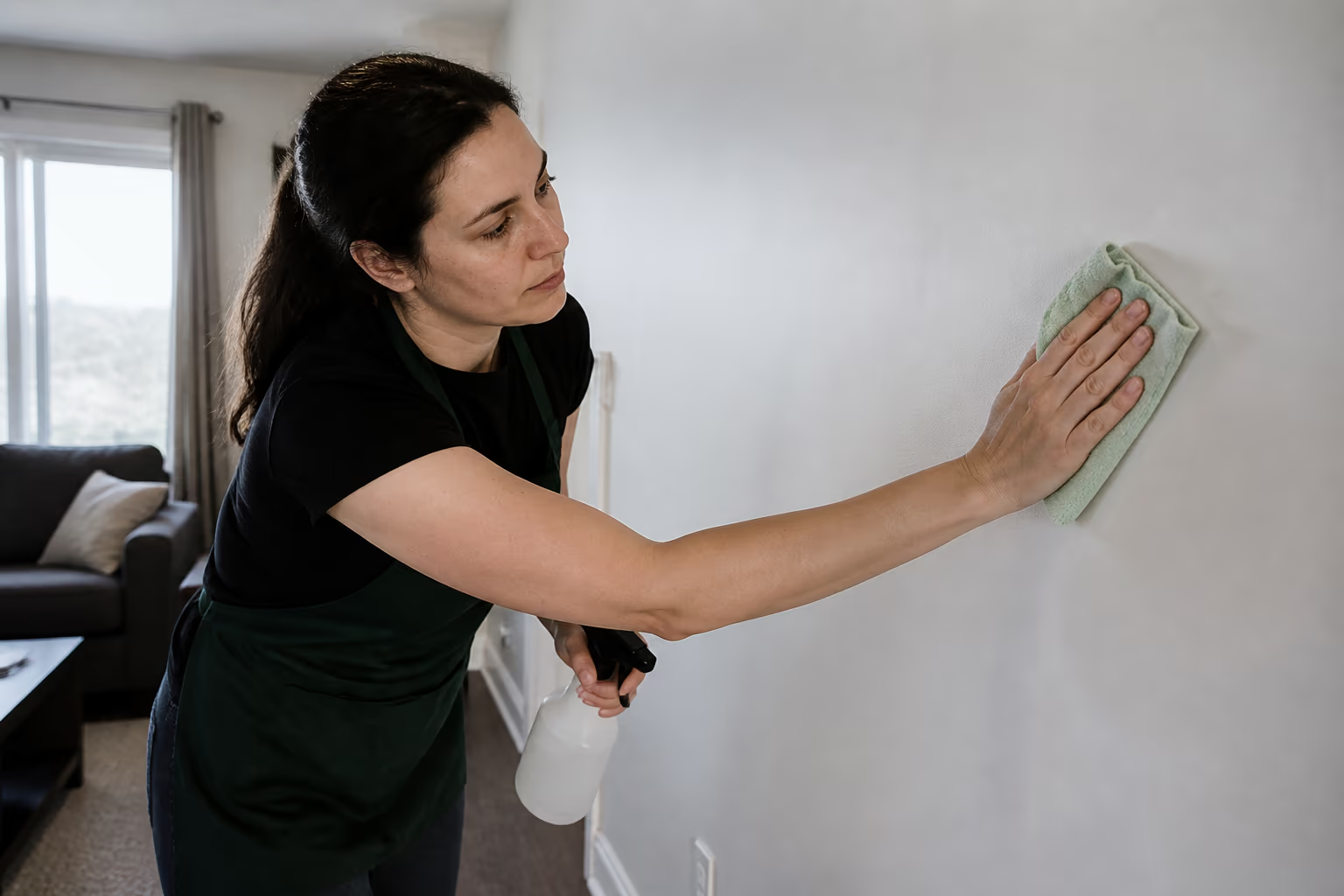
Quick Summary: Walls collect dust, handprints, scuffs, and cooking grease long before they look dirty, and the wrong cleaning approach can do more damage than the dirt itself. This guide explains how to clean painted walls safely, which cleaners match which paint finishes, and how to remove common scuffs without stripping your paint.
Understanding Paint Finishes: Matte, Eggshell, Satin & Semi-Gloss
Washing painted walls in Ottawa homes requires tailoring chemical strength and sponge abrasion to the specific paint finish. Different finishes have different levels of durability, and what cleans one finish perfectly can ruin another.
Flat or matte latex paints absorb liquid quickly and rub off easily if scrubbed aggressively. They hide imperfections well, which is why they are popular on bedroom and living room walls, but they are also the least washable finish. Satin and semi-gloss enamels, by contrast, form a harder surface that withstands damp wiping and more frequent cleaning, which is why they are common in kitchens, bathrooms, and trim work.
Testing cleaning solutions in an inconspicuous corner ensures paint pigment and sheen remain undamaged during washing. This is the single most important habit in wall care: before you commit to any cleaner on a full wall, test it on a small area near a baseboard or behind a door where a change in sheen will not be noticed.
Why Cleaning Walls from Bottom to Top Prevents Drip Streaks
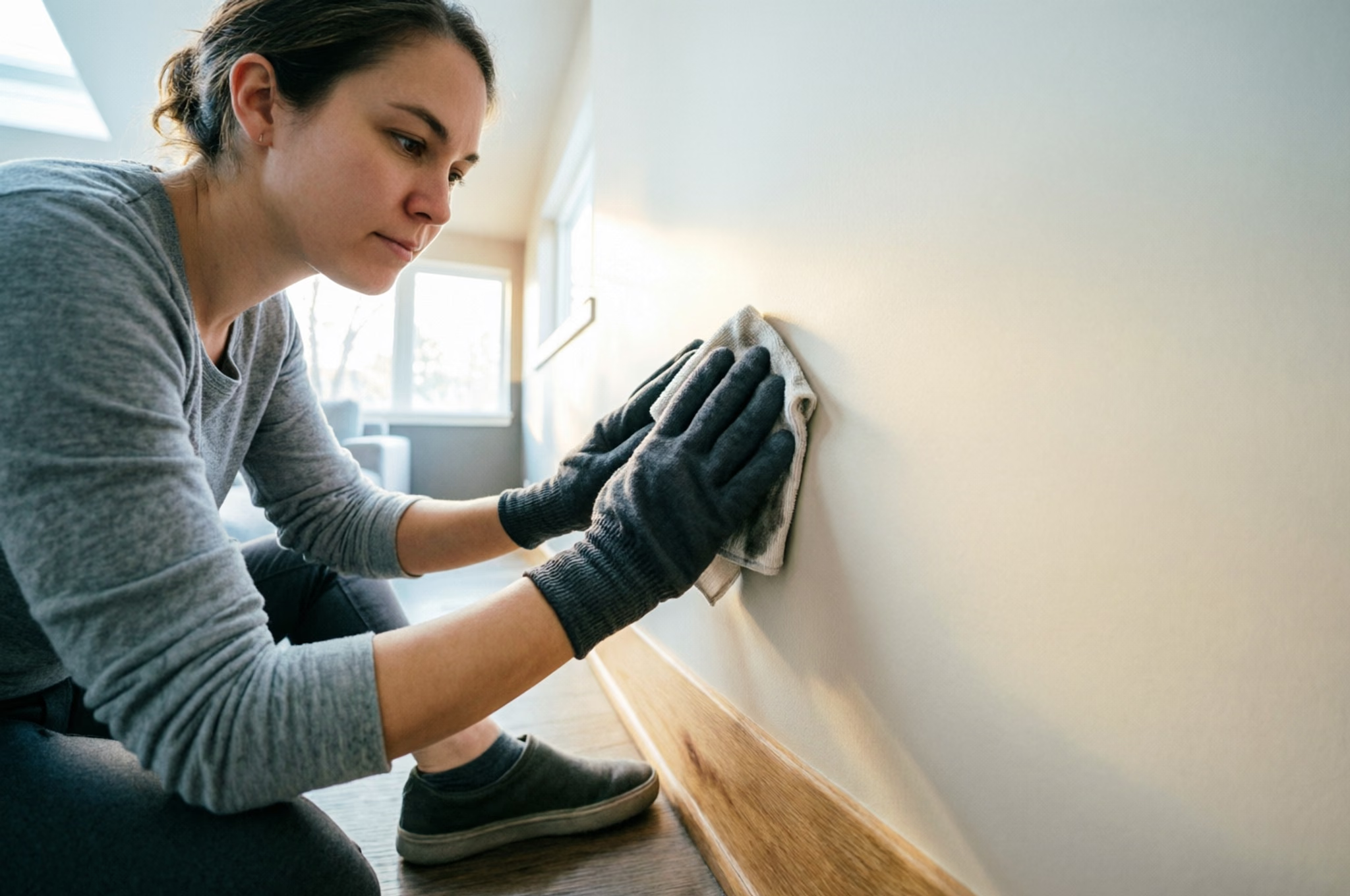
The direction you wash a wall matters more than most people realize. If you start at the top and work down, dirty water runs down the dry wall below and leaves vertical drip streaks that are almost impossible to wipe away evenly. Washing from the bottom up keeps the drips landing on already-damp, already-washed paint, so they blend in instead of staining.
How to Clean Different Wall Surfaces Safely
Painted drywall is the most common wall surface in Canadian homes, but it is far from the only one. Knowing what your wall is made of changes how you clean it.
Painted Drywall:
Use a mild, pH-neutral cleaner diluted in warm water, a barely damp microfibre cloth, and light pressure. Avoid saturating the wall, because excess moisture can cause paint to blister.
Glossy and Semi-Gloss Paint:
These finishes tolerate a slightly stronger cleaner and more frequent wiping. You can use a general-purpose surface cleaner and even a soft sponge, then dry the wall with a clean cloth to keep the sheen even.
Wallpaper:
Most wallpaper cannot handle heavy scrubbing or standing water. Dust it regularly with a soft vacuum brush attachment, and spot-clean marks with a nearly dry sponge and a tiny amount of mild soap. Test any cleaner on an inconspicuous seam first.
Panelled Walls and Wood Trim:
Wipe with a damp cloth and a wood-safe cleaner, moving with the grain. Avoid soaking the panels, because moisture can get behind the wood and cause warping over time.
Removing Common Wall Stains and Scuffs
Most wall stains fall into a few repeat categories, and each one has a simple treatment that keeps the paint intact. For the rest of the room, our bathroom cleaning checklist guide walks through sinks, tile, and fixtures alongside the walls.
Wall Cleaning Supplies Worth Having
You do not need a special arsenal to wash walls safely, but the right supplies make the job faster and protect your paint:
- 01Microfibre Cloths and Sponges:A set of clean microfibre cloths and a well-wringing sponge give you control over moisture and avoid leaving lint behind.
- 02pH-Neutral All-Purpose Cleaner:Diluted in warm water, this handles everyday dust and handprints without stripping sheen or dulling the finish.
- 03Melamine Eraser Sponges:Great for scuffs and crayon marks, used with light pressure on flat paint and a gentle touch on eggshell.
- 04Soft-Bristle Vacuum Brush:A gentle way to remove dust and cobwebs before any moisture touches the wall.
- 05A Sturdy Step Ladder:Lets you reach tall walls safely and wash in full sections instead of straining or skipping the top of the wall.
How Often to Wash Each Room's Walls
The right frequency for wall washing depends on the room and how much it is used:
Formatted Step-by-Step Wall Washing Checklist
Follow this checklist to clean painted walls effectively:
- Step 1.Vacuum Walls and Baseboards with Soft Brush Attachment to Remove Dust:Clear loose cobwebs and the airborne dust layer before you add any moisture.
- Step 2.Mix Warm Water with 2 Drops of EcoLogo pH-Neutral Dish Soap:Prepare a gentle, non-abrasive cleaning solution that is safe for most finishes.
- Step 3.Dip Microfibre Sponge and Wring Out Excess Liquid Until Barely Damp:Prevent liquid run-off on drywall surfaces.
- Step 4.Wash Walls Starting from the Baseboard Working Upward in Overlapping Strokes:Wipe gently in circular motions and work in small sections.
- Step 5.Spot-Clean Scuff Marks with Melamine Foam Eraser Sponge Lightly Wet:Buff away localized pencil and shoe scuff marks.
- Step 6.If you need a team or a recurring schedule, use move-out deep cleaning guide to discuss scope, access, and timing before deciding whether it fits.
Wall Care for Ottawa Homes
Ottawa homes see the same wall-care challenges, whether it is a Victorian house in Sandy Hill with tall original trim, a family home in Barrhaven with busy hallways, or a rental unit in Nepean that needs to pass a move-out inspection. Kitchens and entryways tend to collect the most grease and handprints, while bathrooms and laundry rooms see the most moisture around walls. The cleaning principles stay the same across all of them; only the frequency changes with how much traffic and moisture each wall gets. If you are not sure how your walls were painted, a quick test patch behind a door is the safest way to find out before you start washing. Offices and other commercial spaces follow the same logic, and our page on the typical cost of commercial cleaning in Ottawa breaks the numbers down separately from home visits.
When to Call a Professional for Wall Washing
Most wall washing is a safe weekend job, but there are a few situations where a professional makes sense. If you have very high ceilings and tall walls, if you are preparing a rental unit for an inspection, or if the walls have years of built-up grease that needs a careful clean before repainting, an experienced team can do the job faster and without the risk of streaks or sheen damage. Booking professional home cleaning in Ottawa for the full space at the same time often works out simpler than scheduling wall washing on its own.
A professional wall wash is also a smart step before moving out. Landlords and property managers notice streaky, dingy walls, and a thorough clean can be the difference between a clean hand-back and a claim for repainting. Reviewing our end-of-tenancy cleaning overview gives you the full picture of what a proper handover clean includes, and a professional crew also handles the high walls, tight corners, and years of built-up grease that a weekend cleaner simply cannot reach.
How to Clean High Walls and Ceilings Safely
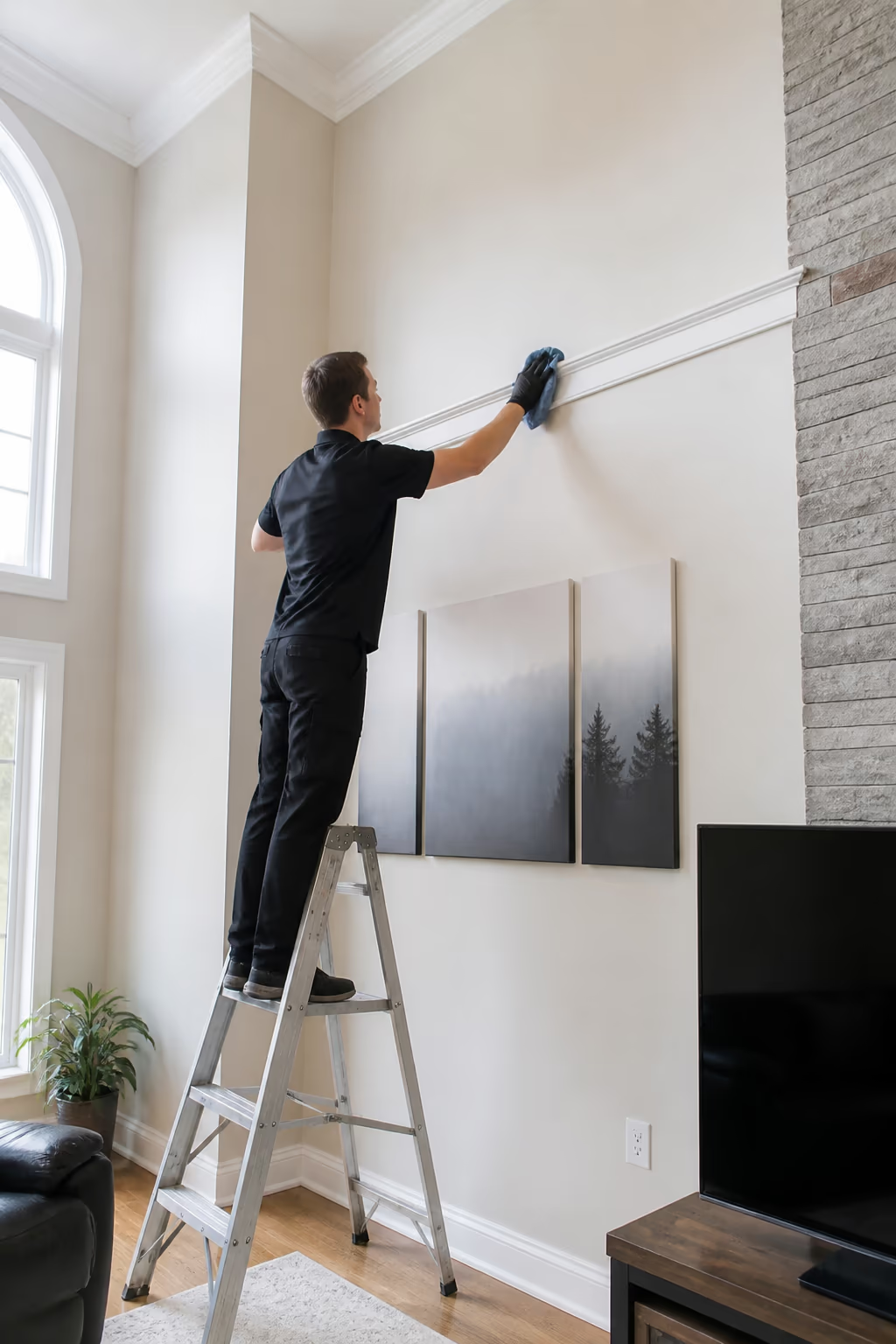
High walls and ceilings are the parts of a room that people most often skip, because they are awkward to reach and easy to strain yourself on. The safe approach is to work in small sections with a stable step ladder rather than stretching or balancing on furniture. Move the ladder as you go instead of reaching sideways, and keep one hand free to hold the cloth or sponge. A soft-bristle extension brush on a vacuum is the gentlest way to clear dust and cobwebs from the upper third of a wall before you bring any moisture near it.
The workplace standard is a sensible benchmark at home as well. Ontario's portable ladder rule requires a ladder to be free from broken or loose members, to have non-slip feet, to sit on a firm footing, and, when not securely fastened, to be inclined so the foot sits between a quarter and a third of the ladder's length from the support. The same regulation sets the floor standard: “A floor or other surface used by any worker shall, (a) be kept free of, (i) obstructions, (ii) hazards, and (iii) accumulations of refuse, snow or ice; and (b) not have any finish or protective material used on it that is likely to make the surface slippery.”
For ceilings, a barely damp microfibre cloth wrapped around a clean mop head or a dedicated ceiling duster handles most dust without the risk of a wet sponge dripping onto the floor or your face. Only spot-clean ceiling stains, because rubbing a large ceiling area can unevenly change the sheen. If a ceiling is heavily stained from water or smoke, cleaning alone will not fix it, and the responsible step is to look at the source of the moisture and arrange a repaint of the affected area. Taking the time to reach the top of the room safely keeps the whole space looking cared for instead of just the parts you can see at eye level.
Practical planning for this situation
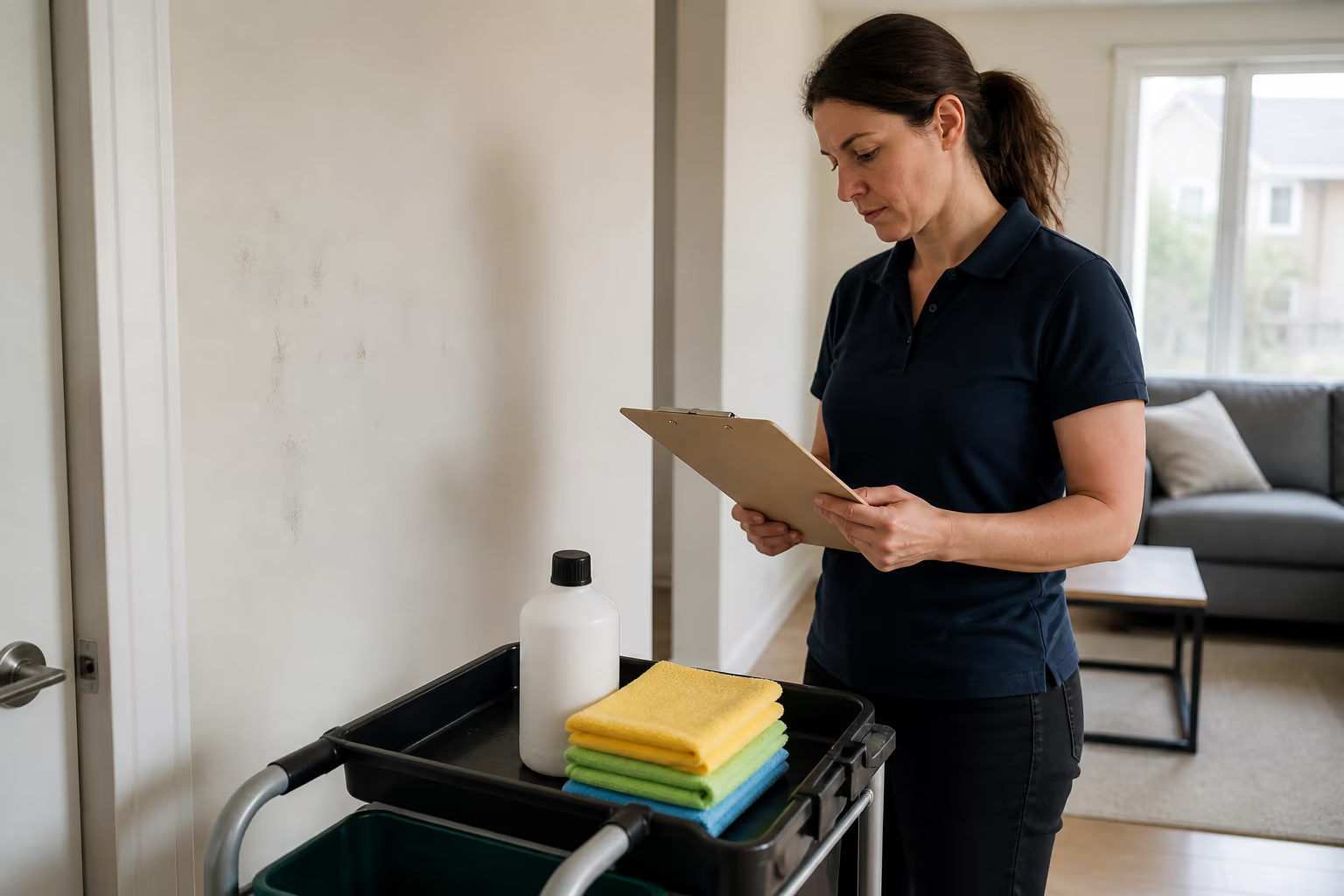
For a homeowner, start with the actual task: cleaning painted walls. Write down the paint finish, marks, test area, water use, and nearby trim or outlets. That prevents a broad label from replacing the details that determine safe, useful work.
Decide which work belongs in the regular routine and which needs extra time, access, or approval. A practical scope lets another person understand the job without relying on a branded promise.
Seasonal considerations in Ottawa
Local conditions deserve attention when they change the task. Here, dry winter air, open windows, and busy hallways can change where wall marks appear. Review the space before changing products, equipment, or frequency.
A short review is enough: name what has changed, identify the affected area, and choose a response that fits the material and the people using the space.
Safe, responsible cleaning
Follow product labels and equipment instructions, and choose a method that suits the material. Keep people away from wet or actively cleaned areas.
Pause when access, a surface, or a safety requirement is unclear. Asking before continuing protects the property and the people using it better than a shortcut.
How to review the routine
Describe the current condition in plain language before altering the routine. Begin with the paint finish, marks, test area, water use, and nearby trim or outlets. This keeps the decision tied to the space instead of a generic checklist.
Ask a person who uses the area what creates the most friction. It may be a difficult entry, a storage issue, a time when work cannot happen, or a finish that needs a gentler method.
Try one visible adjustment at a time. Record why it was made, the area it affects, and what a satisfactory result looks like. That makes the next review much easier.
Keep feedback specific: name the room, surface, timing, and expected result. Clear notes help people work through a problem without blame or vague expectations.
Revisit the plan after a change in use, condition, or season. A routine should be stable enough to follow and flexible enough to remain useful.
FAQ
Why should I wash walls from the bottom up instead of top down?
Washing from the bottom prevents dirty water trickling down dry walls, which creates permanent vertical drip streak marks. The same rule applies to tile, windows, and any large vertical surface you are wiping down.
Can magic erasers be used on flat or matte latex wall paint?
Use extreme care with melamine erasers on flat paint, as heavy pressure strips paint sheen and leaves noticeable shiny spots. Light pressure works for most scuffs.
How often should interior walls be washed in Ottawa homes?
High-traffic hallways and kitchen walls benefit from washing every 6 months, while bedrooms need wall cleaning once a year. Entryways and stairwells may need attention more often.
Will cleaning my walls remove the paint?
Not if you do it right. The paint only comes off when you scrub too hard, use an abrasive pad, or leave standing water on the wall. A barely damp cloth and light pressure protect the finish.
What is the best cleaner for painted walls?
A pH-neutral cleaner diluted in warm water is the safest all-round option. Avoid strong acids, bleach-based products, and anything abrasive on flat or eggshell paint.
How do I get crayon off a painted wall?
Work a small amount of degreasing dish soap or a citrus-based cleaner into the mark with a soft cloth, let it sit for a minute, then wipe with a barely damp microfibre cloth.
Can I wash walls with a mop to save time?
Not recommended. A mop applies too much water and pressure for most painted walls and will leave streaks or blister the paint. A handheld microfibre cloth gives you control.
How do I clean walls after a kitchen grease build-up?
Use a degreasing solution on a damp cloth and work in small sections, rinsing the cloth often so you are not spreading grease around. Wash from the bottom up to avoid drip streaks.
Do I need to wash walls before repainting?
Yes. Dirt, grease, and oils prevent new paint from adhering properly. A proper wash, light sanding of glossy areas, and a primer are the standard preparation for a clean repaint.
How do I remove sticky residue from a painted wall?
Dab a small amount of cooking oil or a citrus-based cleaner onto the residue with a soft cloth, let it sit for a minute, then wipe with a damp cloth. This lifts sticker and tape residue without damaging the paint.
Wrapping Up
Washing walls is mostly a matter of patience and moisture control, not strong products. Start with a test patch, use a clean cloth for each room, and stop if the paint colour transfers or the finish becomes patchy. For a rental handover, photograph existing marks before you begin and keep any repair discussion separate from routine cleaning. Those small checks make the job more predictable and help you decide when repainting or a building-maintenance conversation is more appropriate than another round of washing.
Keep reading
More from Good Cleaner
About the author
Service areas
- Ottawa
- Kanata
- Nepean
- Orleans
- Barrhaven