
What Are The Essential Cleaning Supplies I Need?
Cleaning may not always be a walk in the park, but with the right tools it can certainly become more manageable. A well-stocked supply kit means you can tackle spills as they happen, keep every surface looking its best and avoid scrambling for the right product at the wrong moment. In this guide, we break down the essential cleaning supplies every home needs, how to choose them and how to keep them organised.

Quick Summary
A small, well-chosen set of cleaning supplies, rather than a cabinet full of specialty products, is enough to tackle spills and keep every surface looking its best. This guide breaks down the essential kit, cleaners for different surfaces, how to choose safe certified products in Canada, and how to store them by room.
In this guide
Why the Right Supplies Matter
Using the right supplies is about more than convenience. The correct product protects your surfaces, works faster and leaves a genuinely clean result. The wrong one can dull finishes, leave streaks or even damage materials over time.
A good kit also saves money. When you own the basics, you stop buying single-purpose bottles for every mess and start spreading a few trusted products across many tasks. You also avoid the temptation to reach for something harsh when a gentler option would do.
For many homes, the goal is a kit that covers daily life: spills in the kitchen, grime in the bathroom, dust on the floors and windows that actually sparkle. A modest, well-chosen set handles all of that without filling a cupboard.
A complete kit also keeps cleaning from feeling overwhelming. When everything you need is within reach, a ten-minute tidy stays a ten-minute tidy instead of becoming a search through the house.
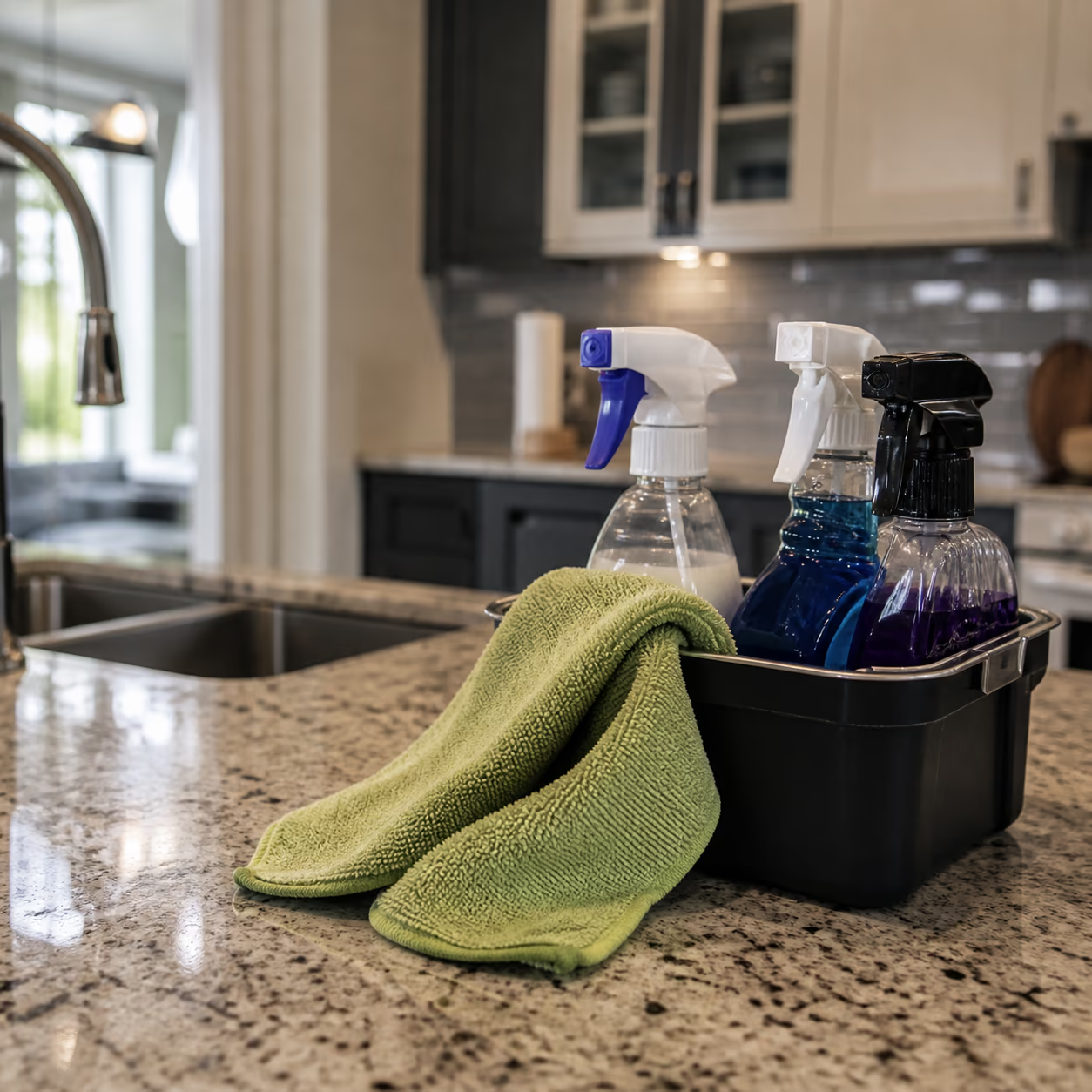
The Essential Cleaning Kit
Every home can start with a small core set. These are the tools and products that do most of the work, and they fit in a single bucket or caddy.
- 01Microfibre cloths in a few colours, so the cloths for washrooms stay separate from the ones for counters.
- 02A spray bottle of all-purpose cleaner for most surfaces.
- 03Glass and window cleaner for mirrors and windows.
- 04A bathroom cleaner or disinfectant for the washroom.
- 05A kitchen degreaser for stovetops and greasy counters.
- 06A soft-bristle brush and a scrub brush for tiles and grout.
- 07Rubber gloves to protect your hands from chemicals and hot water.
- 08A bucket, a mop and a vacuum for floors.
That is the foundation. From here, add products only when a specific surface or task needs them, so your cupboard does not turn into a collection of half-used bottles. If you are stocking a workplace instead of a home, our essential office cleaning supplies list covers the same core kit adapted for shared spaces.
Keep a small set aside for washrooms only. Colour-coded cloths and a dedicated brush prevent cross-contamination, so the same cloth never moves from the toilet to the kitchen counter. For the fixture itself, our essential toilet cleaning tips cover the products and technique that keep it genuinely hygienic.
Cleaners for Every Surface
Different surfaces need different care, and matching the product to the surface is the quickest route to a streak-free finish.
All-purpose cleaner handles counters, tables, appliances and most hard surfaces. Glass cleaner is formulated to dry without streaks, so use it on mirrors, windows and glass tabletops. Bathroom cleaner or disinfectant is designed for the washroom, where soap scum and humidity are the challenge.
The kitchen is its own world. A degreaser cuts through the oil and residue that cooking leaves behind, while the stovetop, backsplash and hood vent collect grease faster than anything else in the house. Floors have their own needs too: a floor cleaner suited to your flooring type beats a multi-purpose spray every time.
- 01All-purpose cleaner for counters, tables and everyday surfaces.
- 02Glass cleaner for mirrors, windows and glass tops.
- 03Bathroom cleaner or disinfectant for the washroom.
- 04Kitchen degreaser for stovetops, backsplash and the range hood.
- 05Floor cleaner matched to your floors, whether hardwood, tile or laminate.
Labels tell you what a product is for and how to use it. Follow the dilution and dwell times on the bottle; letting a product sit for the right number of minutes is often the difference between wiping and actually cleaning.
Tools That Make Cleaning Easier
The products matter, but the tools are what turn effort into results. The right tools let you work faster and reach the places that usually get skipped.
A vacuum with a few attachments covers floors, upholstery and dust. A mop and bucket, or a flat mop with washable pads, handles hard floors. A squeegee turns window cleaning from a chore into a two-minute task, and a set of brushes reaches grout, taps and corners that cloths miss.
- 01Vacuum with attachments for floors, upholstery and dust.
- 02Mop suited to your floors, with a rinse bucket or washable pads.
- 03Squeegee for streak-free windows and glass.
- 04Scrub brushes for tiles, grout and tough spots.
- 05A dusting tool or extendable duster for high surfaces.
Buying quality where it counts, such as a decent vacuum and good microfibre cloths, makes every future clean easier. Cheap tools wear out fast and usually end up costing more in replacement.
If your budget is tight, prioritise the vacuum, the cloths and the mop. Those three carry most of the cleaning load, and you can add the rest as the need appears rather than buying everything up front.
Building Your Kit by Room
Instead of thinking about products, think about rooms. Each room in your home has a small set of tasks, and the supplies you need follow from those tasks.
- 01Kitchen:all-purpose cleaner, degreaser, sponge or dishcloth, surface cloths and a floor cleaner.
- 02Bathrooms:bathroom cleaner or disinfectant, a scrub brush, glass cleaner and a separate set of cloths.
- 03Living areas:a vacuum, a dusting tool, all-purpose cleaner and glass cleaner for windows and tables.
- 04Bedrooms:a vacuum for carpets, a duster for shelves and microfibre cloths for furniture.
- 05Entryway and mudroom:a sturdy mat, a vacuum for salt and dirt, and a surface cloth for shoes and coats.
Map your own home this way once and you will see exactly what you already own and what is genuinely missing.
Keep the list simple and honest. If you rarely use a product or a tool, it does not belong in the kit, and every item that stays should earn its place by making one specific job easier.
How to Choose Safe, Certified Products in Canada
Canadian households have plenty of choice, and the label is where the useful information lives. Look for products that state what they are for, how to use them and what to avoid, and follow the dilution and dwell instructions on the bottle.
There is a simple check you can do in the aisle. Health Canada's drug identification number is a computer-generated eight-digit number printed on the label of authorized products, and it confirms the formulation, labelling and instructions for use have been reviewed. Health Canada is blunt about what its absence means: “A drug product sold in Canada without a DIN is not in compliance with Canadian law.”
Products sold in Canada carry registration and approval markers. A Health Canada Drug Identification Number (DIN) appears on disinfectants, and EcoLogo certification identifies products that meet recognised environmental standards. Reading for these markers helps you choose products that are both effective and a good fit for your household.
For homes with children, pets or sensitive occupants, consider low-fume and fragrance-free options. Ventilate while you clean, let treated surfaces dry before use and store everything out of reach of kids and animals.
Buy from places you trust and keep the labels. The label carries the instructions you need, from dilution ratios to whether a product is safe for a given surface. If a product arrives with no label or no instructions, treat it with caution and choose something you can verify.
Storing and Organising Your Cleaning Supplies
An organised caddy is a small luxury that pays off daily. Keep the everyday items together so a spill does not turn into a treasure hunt, and store the rest somewhere sensible, like under the sink or in a utility cupboard.
Safety is the priority when you store supplies. Keep chemicals in their original, labelled containers, never in food jars, and store them away from children and pets. Dispose of old or expired products through your local hazardous waste program rather than down the drain.
- 01Keep everyday items in a caddy or tray so they are ready to grab.
- 02Store chemicals in labelled containers, out of reach of children and pets.
- 03Never mix products, and never pour chemicals into food containers.
- 04Check expiry dates and dispose of old products safely.
Supplies That Help in a Canadian Winter
Canadian winters are tough on floors and entryways, and a few extra supplies make the difference. Salt, sand and melting snow get tracked in from November to March, so a sturdy entry mat and a vacuum that can handle grit are worth their weight.
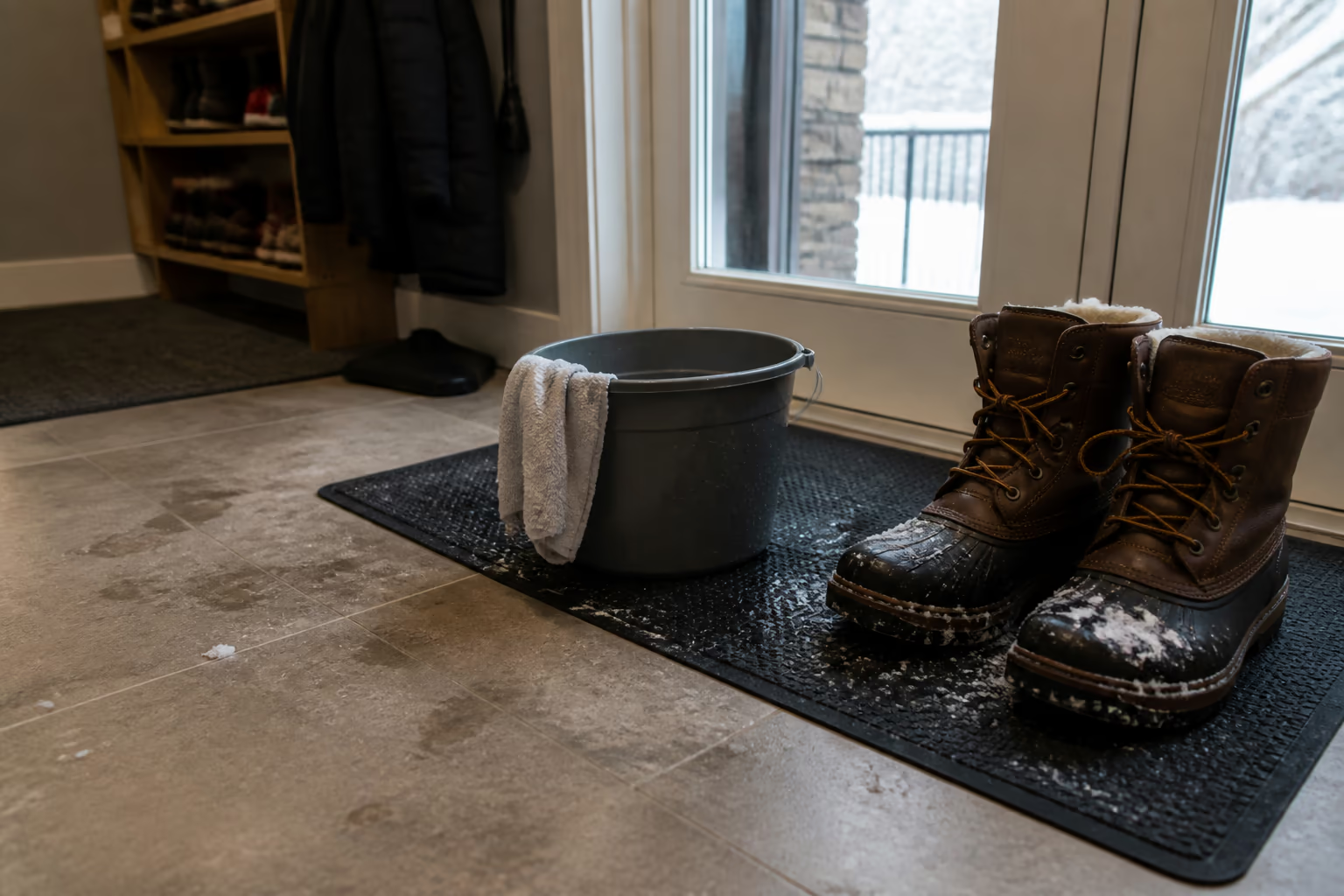
Keep a small kit by the door: a surface cloth for shoes and boots, a bucket of warm water for salt crusts and a non-slip mat to catch the worst of the melt. A little daily attention at the entryway saves a deep clean of the whole hallway later.
For floors, consider a floor cleaner that handles the residue winter leaves behind, and dry your cloths and mop heads after every use so they do not trap moisture. These small habits protect your floors through the coldest months.
Sustainability: Reusable and Refillable Options
A growing number of Canadian households prefer supplies that are kind to the environment without sacrificing results. Reusable microfibre cloths replace paper towels, refillable spray bottles reduce packaging, and concentrated products cut down on shipping and waste.
Look for EcoLogo-certified products and concentrates you dilute at home. They clean just as well as their single-use counterparts while keeping the cupboard, and the planet, lighter. Many brands now offer refills in recyclable pouches rather than new bottles every time.
Choosing reusable tools also means less to rebuy. Wash your cloths, mop pads and dusters between uses, and they will last for months before they need replacing.
Small changes add up quickly across a year. Swapping paper towels for reusable cloths, refilling a couple of bottles and choosing concentrated cleaners reduces both the waste and the running cost of your cleaning, and it makes the routine feel lighter too.
Common Cleaning Supply Mistakes
The most common mistake is buying too much at once. A cupboard full of products you rarely use is clutter, and it usually means the products you actually need are buried at the back.
A second mistake is using the wrong product on a surface. Glass cleaner on stone, bleach on stainless steel or abrasive scrubbers on non-stick finishes all do real damage over time. When in doubt, test a small hidden spot first.
A third mistake is skipping the tools. Products can only work as well as the cloth, brush or mop you apply them with, and a worn-out tool will streak, scratch or simply stop cleaning. Replace them before they become part of the problem.
A fourth mistake is ignoring the expiry and storage of what you already own. Products separate, lose strength or simply go off over time, so a cupboard full of old bottles is often a cupboard full of ineffective cleaning. Review the kit every season and finish what you have before buying more.
When to Call in Professional Help
Even with a great kit, some jobs are bigger than a home supply collection. Deep cleans, move-out cleanups, carpet care and the grime that builds up over years are exactly where professional help earns its keep.
A professional team arrives with the equipment and products for the whole job, and it saves you the hours a deep clean would take. Our cleaning services overview outlines the range of visits available if a supply kit alone will not close the gap.
If you are comparing providers, our guide to choosing a commercial cleaning company is a useful starting point for the questions that matter. Even for residential work, the same criteria apply: verified staff, proper products and a clear scope.
Schedule a deep clean at least once or twice a year even for homes that are maintained well. It resets the details that daily life misses, and it extends the life of your floors, carpets and fixtures.
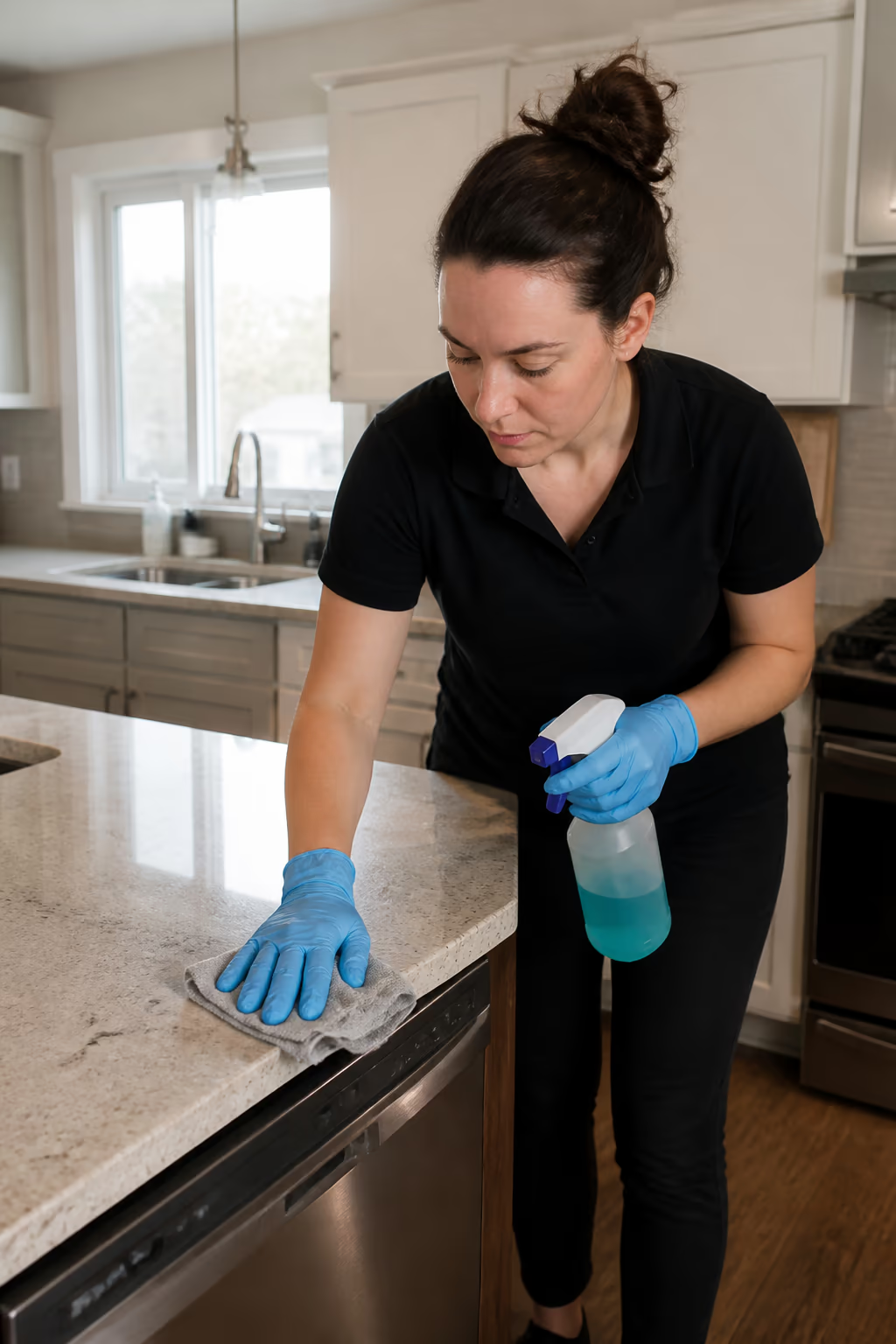
Formatted Step-by-Step Essential Supplies Checklist
Use this checklist to build or refresh your home cleaning supply kit.
- 1.Start with the core set:microfibre cloths, an all-purpose cleaner, glass cleaner, a brush and gloves.
- 2.Add one product per surface type so each surface gets the care it needs.
- 3.Choose certified, low-fume options where they are available.
- 4.Store everything safely in labelled containers, out of reach of children and pets.
- 5.Review the kit every season, replacing what is worn out and finishing what is nearly gone.
- 6.Booking residential home cleaning services in Ottawa gives you a trained team with the full kit for the deep work your home needs.
FAQ
What is the single most essential cleaning supply?
A pack of microfibre cloths. They work on almost every surface, they are reusable and they lift dust and grime without scratching.
Do I need a different cleaner for every room?
Not necessarily. An all-purpose cleaner covers most surfaces. Add a glass cleaner, a bathroom cleaner and a degreaser, and you can handle the rest with the right tools.
Are natural or DIY cleaners as effective as commercial ones?
For many daily tasks, yes, with the right recipe. For disinfection, use a product that is actually labelled and approved for the job, since home mixtures are not regulated like commercial disinfectants.
How do I know which cleaner is safe for a surface?
Read the label and test a small, hidden spot first. When in doubt, choose the gentler option and work up only if the surface is clean but not damaged.
What supplies should I avoid buying?
Avoid single-purpose bottles for rare tasks, abrasive scrubbers for delicate finishes and anything you will not realistically use. A small, well-chosen kit beats a crowded cupboard.
How often should I replace my cleaning supplies?
Replace worn cloths and brushes when they no longer clean well, and check expiry dates on products. Most households refresh their kit every season or two.
Is it safe to mix cleaning products?
No. Mixing products, especially bleach with anything else, can release harmful fumes. Use products one at a time and follow the labels.
How do I store cleaning products safely with kids or pets around?
Keep them in original labelled containers, in a locked or high cabinet, out of reach. Never pour them into food jars or bottles.
Can I clean most things with just vinegar and baking soda?
For everyday grime, yes, many households do. But vinegar and baking soda are not disinfectants, so keep a labelled disinfectant for the washroom and any surface where hygiene matters.
How do I stop supplies from cluttering my home?
Keep only what you use. A caddy with the daily items and a shelf for the rest keeps the collection visible and honest, and you will buy less when you can see what you have.
Wrapping Up
Cleaning may not always be a walk in the park, but the right supplies make it noticeably more manageable. Start with a core kit, match products to surfaces, store everything safely and replace tools before they wear out.
When the deep work is beyond a home kit, Good Cleaner Co. is here for Ottawa and area homes with house cleaning options in Ottawa, background-checked staff and certified products. Contact us for a free quote.
Keep reading
More from Good Cleaner
Services that fit
- Residential Home Cleaning Services in OttawaRecurring home cleaning services in Ottawa for one-time, weekly, biweekly and monthly care, built around your schedule and your standards.
- Janitorial Services in OttawaRecurring janitorial services for offices, warehouses, retail, dealerships and schools, with eco-friendly commercial cleaning and customized plans.
About the author
Service areas
- Ottawa
- Kanata
- Nepean
- Orléans
- Barrhaven