
Thunderstorms And Heavy Rain In Ottawa - What To Prepare
Ottawa summers bring warm, humid air, and with it the severe thunderstorms and heavy rain that can turn a quiet evening into a weather warning. Being ready for these storms means more than watching the forecast; it means protecting your home, your belongings, and your family before the rain starts. This guide explains what you should know about thunderstorms and heavy rain in Ottawa, what to prepare, and how to handle the cleanup when the storm leaves its mark.

Quick Summary
Ottawa summer thunderstorms and heavy rain call for preparing the home and belongings before the storm hits, then following a clear step-by-step process to clean and dry the space afterward. Acting within a day or two limits mould and staining, and a professional team is fastest when water reached walls, carpet or belongings.
In this guide
Why Thunderstorms Heavy Rain Matters
Thunderstorms and heavy rain in Ottawa require preparation and effective cleanup. A storm that drops several centimetres of rain in an hour can overwhelm drains and sump pumps, send water into basements, and knock out power long enough to matter. Homes built on low ground or near the river face the highest risk, but any home can feel the effects of a fast-moving downpour.
Water that stays behind is the real problem. Health Canada's mould guidance says to check for mould anywhere damp, especially where water damage has happened, and to look for stains or discolouration on floors, walls, window panes, fabrics and carpets. The federal advice is short: “To prevent mould, fix any moisture problems right away and control humidity levels in your home.”
The cost of being unprepared is high. Water in a basement means damaged floors, walls, and belongings, plus the risk of mould that grows quickly in the damp weeks that follow. A little preparation before the season starts, clearing gutters, checking the sump pump, and moving valuables off the basement floor, prevents most of the damage a storm can cause.
There is also a safety side to storm preparation. High winds and lightning are genuine dangers, and knowing when to stay inside and how to protect your electronics during a storm is part of keeping your household safe. Preparation is as much about people as it is about property.
Finally, effective cleanup after the storm is what stops a small problem from becoming a long one. Water that dries quickly and is properly cleaned rarely becomes a lasting issue, while damp carpet, wet drywall, and standing water left to sit invite mould and odours. Knowing the steps of the cleanup is just as important as knowing the steps of the preparation.
Preparation also protects your records. Water in a basement can damage important papers, warranties, and family documents, and those are hard to replace. Moving documents and valuables to an upper floor or into a waterproof container is a small step that saves a large headache, and photographing the state of your home before a storm gives you evidence if you need to file a claim.
What Storm Season Looks Like in Ottawa
Ottawa's severe weather season runs mainly through the warmer months, when humid air collides with passing cold fronts. The storms arrive quickly, and the warnings that matter, such as a severe thunderstorm watch or a rainfall warning, are the ones to take seriously.
- 01Heavy rain that can drop a lot of water in a short window, overwhelming drains.
- 02Strong winds that can bring down branches and damage roofs and fences.
- 03Frequent lightning, which can affect power and electronics across a neighbourhood.
- 04Hail in the worst storms, which can damage roofs, windows, and vehicles.
- 05Power outages that can last from minutes to several hours.
- 06Localised flooding, especially in basements and low-lying areas.

Knowing the risks helps you prepare for the right things. A home near the Ottawa River, the Rideau Canal, or a creek faces a higher flood risk and should plan accordingly. A home on higher ground still needs its gutters, roof, and sump pump checked, because a single blocked downspout can direct water straight to the foundation.
The local experience matters too. Neighbours and long-time residents often know which streets flood first and which basements take on water in a heavy storm. That local knowledge is free and practical, and it helps you focus your preparation on the risks that actually reach your property.
The forecast is your early warning. Pay attention to the severe thunderstorm watches and warnings, and to the rainfall totals in the daily forecast. A watch means conditions are possible, while a warning means a storm is happening or imminent, and that distinction tells you when to move from planning to action.
What You Need Before You Start
Preparation is the work you do before the rain, and it starts with a short list of supplies and checks that most homes can complete in an afternoon.
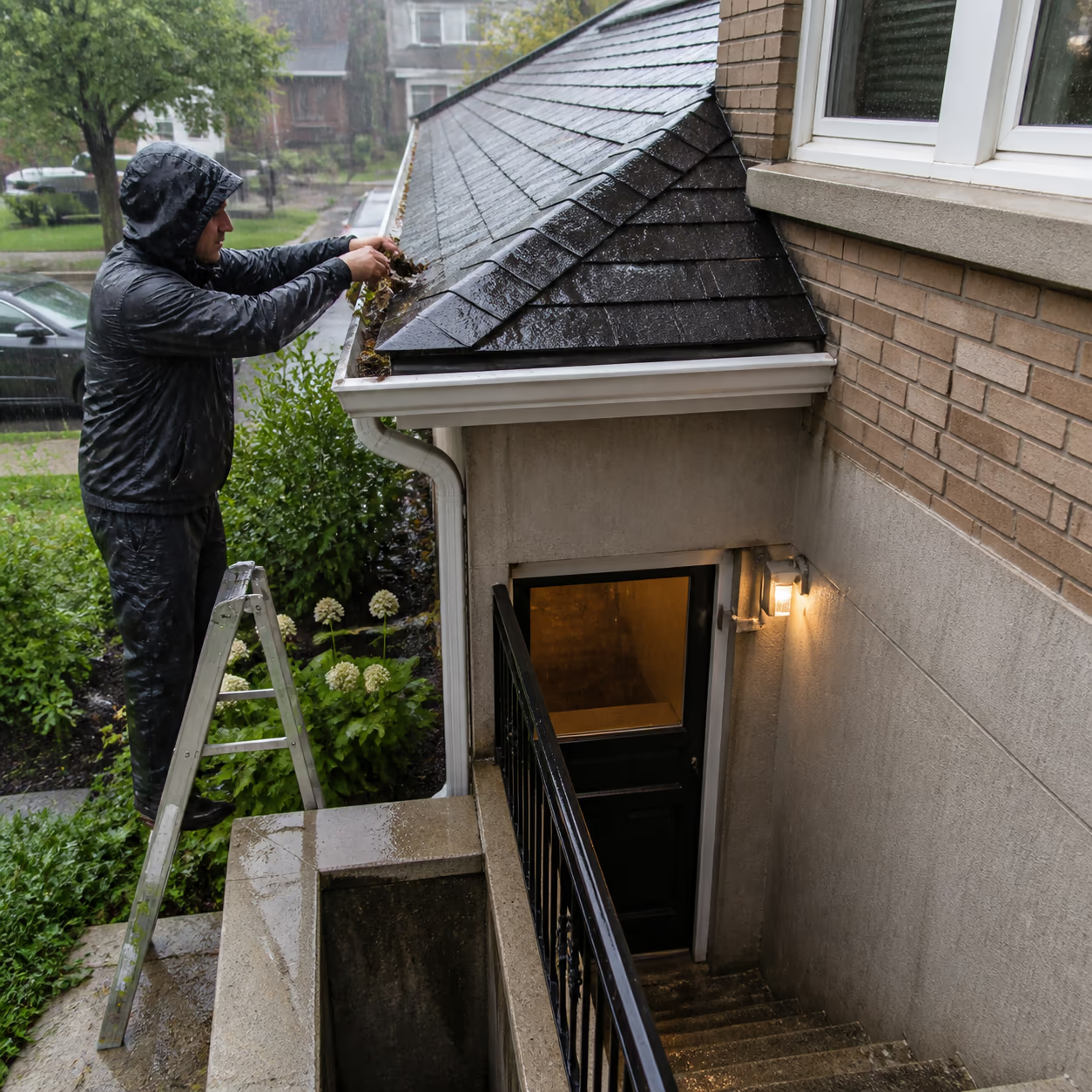
- 01Check the gutters and downspouts, and clear them of leaves and debris.
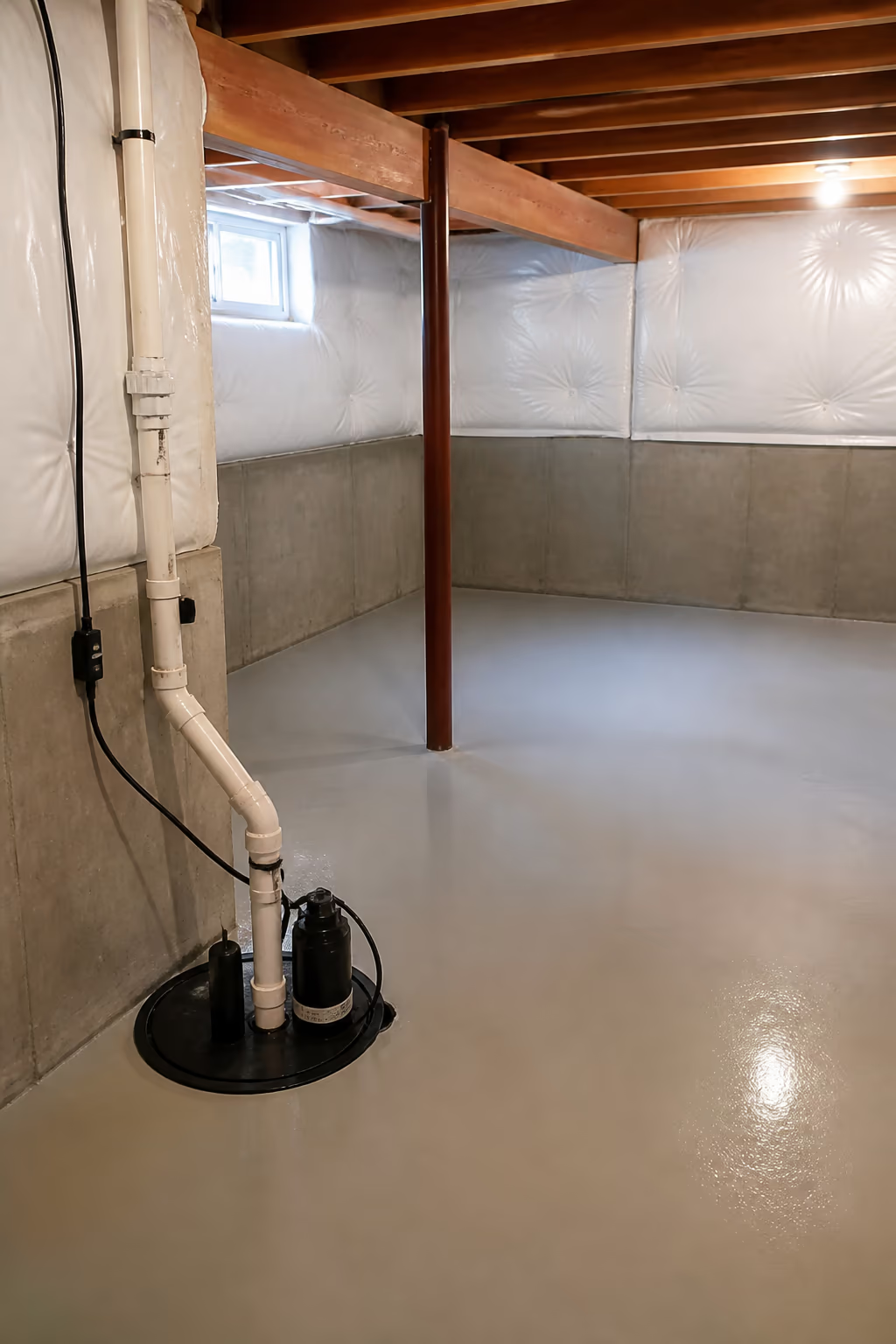
- 02Test the sump pump by pouring water into the pit and watching it run.
- 03Seal obvious gaps around basement windows and doors where water can enter.
- 04Move valuables, documents, and electrical items off the basement floor.
- 05Keep a supply of towels, buckets, and a wet-dry vacuum handy.
- 06Charge phones and keep a flashlight and a battery-powered radio ready.
Add a few supplies to the list for the day of the storm. A generator is a bigger decision, but a flashlight, extra batteries, drinking water, and a first-aid kit cover most households. If you have a sump pump, check that its discharge line carries water well away from the foundation rather than straight back against the wall.
For cleanup supplies, choose products you can trust. Look for EcoLogo-certified cleaners, which point to environmentally responsible formulas that still handle the job, and for any disinfecting or mould treatment, use a product with a Health Canada DIN so you know the claim on the label is registered. Have these ready before the storm, because stores sell out quickly when a warning is issued. If you would rather leave the stocking and cleanup to a team, eco friendly cleaning services Ottawa providers already carry these certified, low-fume products for the post-storm job.
The Step-by-Step Process
When a severe thunderstorm warning is issued for Ottawa, move through your checklist calmly and in a sensible order. Do the outdoor work early, before the rain begins, and save the indoor checks for when the storm has passed.
- 01Secure loose items on the deck, balcony, and yard that the wind can pick up.
- 02Bring in or anchor patio furniture, planters, and outdoor toys.
- 03Close and lock windows, and pull valuable electronics away from them.
- 04Move basement valuables onto shelves or the upper floor.
- 05Fill the bathtub with water if you rely on electric pumps and the power may go out.
- 06Keep the sump pump running and listen for the switch cycling.
During the storm, stay inside and away from windows, and avoid using corded electronics or running water during close lightning. After the storm passes, check the property for damage before you worry about cleaning. Look for downed branches, roof damage, and any sign that water entered the home.
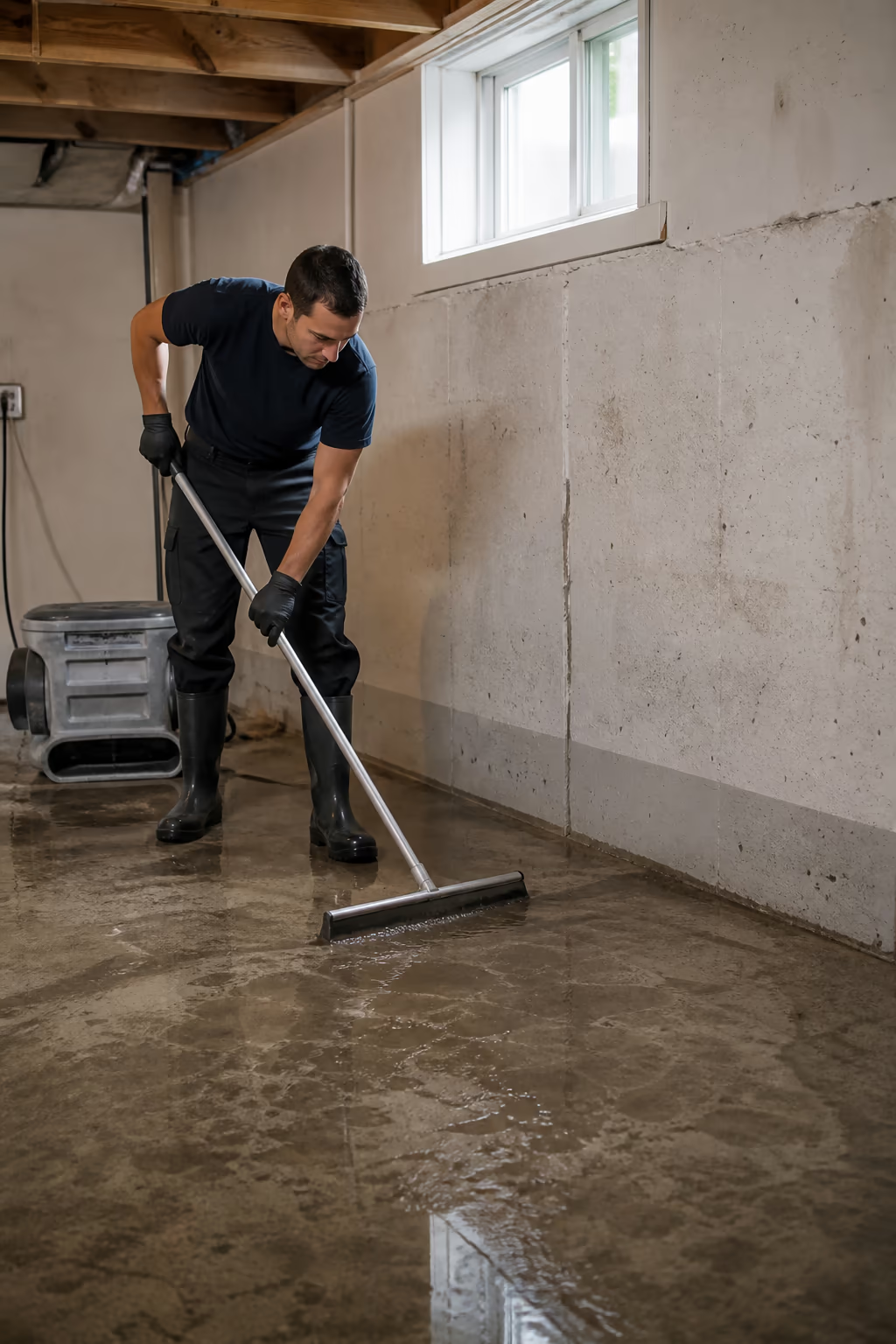
If water has entered the basement, act quickly. Remove standing water with a wet-dry vacuum or a pump, lift wet carpet where you can, and move soaked furniture outdoors or onto plastic. The faster you dry the space, the smaller the chance of mould, and the simpler the cleanup becomes.
Then clean and disinfect the affected areas. Wash hard surfaces with an appropriate cleaner, let everything dry thoroughly with fans and dehumidifiers, and treat any musty smell before it spreads. In the days that follow, watch for signs of mould, and if it appears, deal with it early while it is still small.
After the storm, check your appliances before you use them. If power came back after an outage, give the fridge and freezer time to cool and check for water that may have reached outlets or appliances. Never touch a switch or appliance while standing in water, and if you have any doubt about the electrical system, call a licensed professional before powering anything back on.
Common Mistakes and How to Avoid Them
Most storm problems come from a handful of predictable mistakes, and they are all avoidable with a little planning.
- 01Waiting until the warning is issued to clear gutters, check the pump, or move valuables.
- 02Storing important items on the basement floor, where the first surge of water reaches them.
- 03Blocking the sump pump discharge, so the water it removes flows back toward the house.
- 04Entering water or wading through a flooded basement without turning off the power.
- 05Leaving wet carpet and wet walls to dry slowly, which invites mould and odours.
- 06Drying the space but skipping the disinfection, so bacteria linger on surfaces.
Another common mistake is ignoring the water the storm leaves behind. Even a thin film of water on a basement floor can damage laminate and soak the baseboards, and the smell it leaves is hard to remove once it sets in. Treat every bit of damp as something to dry, not something to hope dries on its own.
There is also the mistake of rushing the cleanup and cutting corners. Pulling up soaked carpet before it stains the floor, using fans and dehumidifiers for days rather than hours, and inspecting the attic and walls for hidden leaks are all part of doing the job once. A thorough cleanup now beats a bigger repair later.
There is also the quiet mistake of overlooking the roof and gutters until they fail. A clogged eavestrough or a downspout that empties against the foundation is an invitation for water to find its way inside, and the damage often shows up weeks later as a stain or a musty smell. A simple seasonal check of the roof, gutters, and grading around the house prevents most of these surprises.
How Good Cleaner Co. Helps After a Storm
At Good Cleaner Co., we know that a storm can leave more than a mess; it can leave moisture, odours, and the worry that follows water damage. When you call us after a heavy rain, we start by assessing what the water touched, so we can clean the right areas properly rather than doing a surface wipe.
We clean and disinfect affected surfaces, help with the deep work that is hard to reach, and leave your home drier, fresher, and closer to normal. The goal is to turn the aftermath of a storm into a clean, healthy space you can move forward from.
Costs, Timing and When to Call a Professional
The cost of post-storm cleaning varies widely because it depends on the size of the affected area, how much water entered, and how much deep work is needed. Typical ranges shift with the market and the scope, so it is worth getting an itemised quote rather than assuming a flat price. If you compare a few providers, you will get a realistic sense of what your cleanup needs.
Timing matters more than price after a storm. Water and damp surfaces need attention within the first day or two, while mould and stains are still preventable. If the water reached walls, carpet, or belongings, or if you are short on time, a professional team is the fastest way to get the space clean, disinfected, and drying.
A good provider will assess the affected area, use appropriate products, and explain what they will do before they start. If you are comparing providers after a storm, our guide to choosing a commercial cleaning company is a useful starting point for the questions that matter, so you can choose a team you trust while the clock is running.
Formatted Step-by-Step Storm Cleanup Checklist
Work through this checklist after the storm has passed and you have confirmed the property is safe:
- 1.Check the property for downed branches, roof damage, and signs of water entry.
- 2.Remove standing water and pull up wet carpet or rugs so the space can dry.
- 3.Move soaked furniture and belongings out of the affected area and off the floor.
- 4.Clean and disinfect affected surfaces, then dry thoroughly with fans and dehumidifiers.
- 5.Inspect the space over the next days for mould, musty odours, or hidden leaks.
- 6.When the cleanup is too big to handle alone, house cleaning options in Ottawa bring a trained team to restore your home after the storm.
FAQ
How do I prepare my home before a thunderstorm?
Clear the gutters, test the sump pump, secure loose outdoor items, and move valuables off the basement floor. Charge your phone and keep a flashlight, batteries, and drinking water ready before the storm arrives.
What should I do when a severe thunderstorm warning is issued?
Take it seriously. Secure outdoor items, close and lock the windows, and move electronics away from them. Stay inside and away from windows during the storm, and avoid using corded electronics during close lightning.
How quickly should I clean up after a basement flood?
Within the first day or two. Remove standing water, lift wet carpet, and start drying with fans and dehumidifiers as soon as possible. The faster the space dries, the smaller the chance of mould and lasting odours.
Can I clean a flooded area myself?
Small areas can be handled at home with a wet-dry vacuum, towels, fans, and an appropriate cleaner. Larger floods, or water that reached walls, carpet, and belongings, are worth handing to a professional team that can dry and disinfect properly.
How do I prevent mould after a storm?
Dry the space thoroughly and quickly, remove wet carpet and padding, and use a dehumidifier for a few days. Watch for musty smells and visible spots, and treat mould early while it is still small.
Are the cleaning products safe for my family?
Reputable companies use certified, low-fume products and train staff to apply them correctly, so treated rooms are safe to use once the clean is finished. For disinfecting and mould treatment, look for products with a Health Canada DIN.
How long does it take for a home to dry after water damage?
It depends on how much water entered and how well the space can dry. A small basement can dry in a few days with fans and a dehumidifier, while a larger flood can take a week or more. Professional drying equipment speeds the process significantly.
Do I need a professional after every storm?
No. A little water on a hard floor can often be handled at home. If water reached walls, carpet, or stored belongings, or if you are short on time, a professional team gives you the fastest, most thorough path back to normal.
What should I include in a storm emergency kit?
A flashlight, extra batteries, drinking water, a first-aid kit, and a battery-powered radio cover most households. Add charged phones, a supply of towels and buckets, and any medication your family needs, and keep it all somewhere easy to reach when the warning goes out.
Wrapping Up
Thunderstorms and heavy rain in Ottawa are a fact of summer, but the damage they can cause is largely preventable. A little preparation before the season, clear gutters, a working sump pump, and valuables off the basement floor, keeps most homes safe through even a heavy downpour.
When a storm does leave its mark, act quickly and clean thoroughly. Remove the water, dry the space, disinfect what was touched, and watch for mould in the days that follow. Whether you handle the cleanup yourself or bring in a team, the goal is the same: a home that is dry, clean, and ready for the next forecast.
Need a hand after the storm? Contact Good Cleaner Co. for a free quote and a cleanup plan tailored to your Ottawa home.
Keep reading
More from Good Cleaner
Services that fit
- Residential Home Cleaning Services in OttawaRecurring home cleaning services in Ottawa for one-time, weekly, biweekly and monthly care, built around your schedule and your standards. Eco-friendly products, background-checked staff.
- Janitorial Services in OttawaRecurring janitorial services in Ottawa for offices, warehouses, retail, dealerships and schools. Eco-friendly commercial cleaning, customized plans.
About the author
Service areas
- Ottawa
- Kanata
- Nepean
- Orléans
- Barrhaven