
Does a Cluttered and Dirty Home Cause Stress? Cortisol & Anxiety Guide
We have all stood in a room that made us feel heavy. Maybe it was a countertop buried under mail, a kitchen left with dishes overnight, or a bedroom where clothes covered every surface. That unsettled feeling is not imagination. The state of our surroundings shapes our mood, focus, and sleep more than most of us realise, and the encouraging part is that small, consistent changes can shift it.
Quick Summary
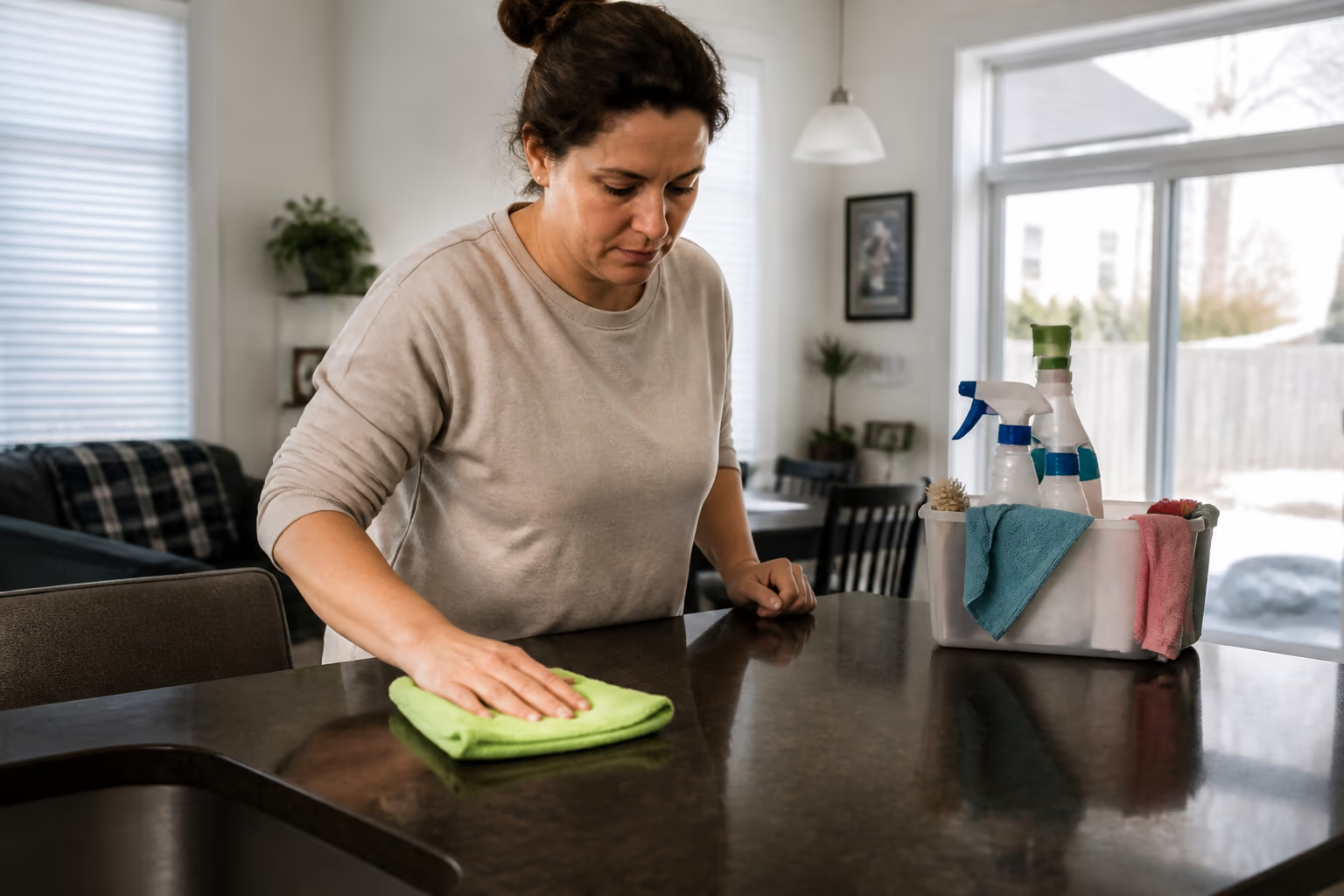
Yes, a cluttered and dirty home can genuinely raise your stress level. Visual clutter competes for your attention, nudges up cortisol (the body's main stress hormone), and can leave you feeling mentally drained before the day even begins. This guide explains the science behind clutter stress, how regular cleaning and decluttering help, and the simple routines that make a measurable difference.
In this guide
Why Visual Clutter Wears You Down
Clutter is not just an eyesore. It is a constant stream of visual information that your brain has to process and file away, even when you are not consciously looking at it.
Every unread letter, loose cable, and misplaced jacket signals unfinished business. Psychologists describe this as attentional competition: each object in your field of view is competing for a small slice of your mental bandwidth, and when there is too much of it, your brain stays slightly on edge.
Over weeks and months, that low-level background tension adds up. It makes it harder to relax on the sofa, harder to concentrate on a work call, and harder to switch off at night. What feels like a purely cosmetic problem slowly becomes a daily source of friction.
The fix does not require a spotless showroom. It requires clearing the surfaces that your eyes land on most, so your brain has fewer competing signals to sort through.
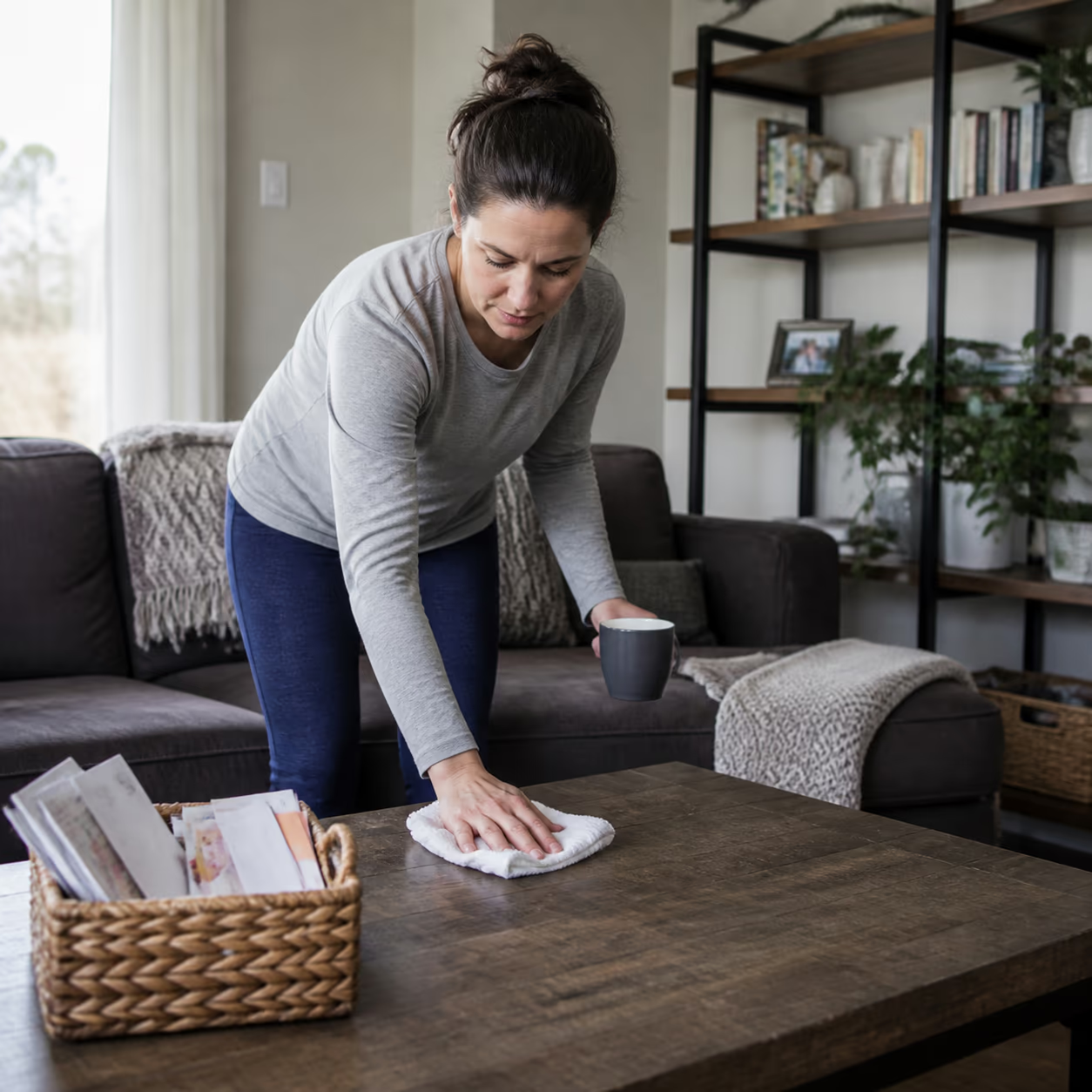
Clearing the surfaces your eyes land on most lowers the background tension. The Cortisol Connection: What the Research Suggests
Cortisol is the hormone your body releases in response to stress, and it follows a natural daily rhythm. It should peak in the morning to help you wake up and taper off through the evening so you can rest.
Research on household environments has found that people who describe their homes as cluttered or chaotic tend to report higher stress and more difficulty unwinding at the end of the day. The pattern makes sense: a messy room is a never-ending to-do list, and a to-do list you cannot finish keeps your stress response switched on.
When your surroundings feel out of control, your sleep quality can suffer too. A bedroom full of visual noise makes it harder for your mind to settle, which is one reason a calm, tidy space feels so much more restful.
It is worth saying what this is not. A tidy home will not cure anxiety on its own, and there is no single number that measures your stress. But the relationship is real enough that reducing clutter is one of the more accessible ways to take the edge off a busy day.
How a Dirty Home Adds to the Load
Dirt and clutter tend to arrive together, but they stress you in different ways. Where clutter taxes your attention, grime adds a second layer: it can smell, it can harbour allergens, and it can make a space feel physically heavier.
Part of that load is physical. Health Canada's guidance on fine particulate matter identifies older adults and people with an underlying breathing or heart condition among the groups most affected, and recommends a mop, a damp cloth or a HEPA vacuum to reduce indoor exposure. Health Canada also notes a limit worth knowing: “Outdoor particulate matter levels may often be higher than indoor levels.”
Dust, pet dander, and tracked-in particles settle into carpets, bedding, and upholstery. For people with allergies or asthma, that buildup can trigger symptoms that make the home feel less like a sanctuary and more like a place to escape.
A dirty kitchen or bathroom also carries a mental toll. Sticky counters, soap scum, and musty towels signal neglect, and many people feel guilt or embarrassment about a home that has slipped. That emotional load is real, and cleaning it away is one of the fastest ways to lighten it.
The two problems feed each other. When a space is cluttered, it is harder to clean, and when it is dirty, it is easier to let the clutter pile up. Breaking that cycle usually starts with the smaller job: clearing surfaces so the room becomes cleanable again.
The Psychology of an Organized Home
An organized room does more than look nice. It gives your brain fewer loose ends to track and creates a quiet, predictable backdrop for the rest of your life.
Here is what a calm, orderly space tends to support:
- 1. Lower Baseline Stress:Clearing surfaces removes the visual backlog that keeps your stress response mildly activated.
- 2. Better Focus and Productivity:With fewer distractions in view, it is easier to concentrate on work, meals, and time with family.
- 3. More Restful Sleep:A tidy, dust-free bedroom helps your mind wind down and reduces allergen buildup that can disturb breathing at night.
- 4. A Sense of Control:Knowing where things are, and knowing the space is cared for, restores a feeling of competence and calm.
- 5. Easier Mornings:When keys, bags, and coffee supplies have a home, the morning rush stops feeling like a daily scramble.
- 6. Reviewing our homemade citrus all-purpose cleaner recipe offers natural, low-chemical ideas for keeping everyday surfaces fresh between professional cleanings.
None of this means you need a minimalist magazine spread. The goal is a home that works for you, with visible surfaces clear enough that the room reads as calm.
Realistic Ways to Declutter Without Burning Out
Decluttering does not have to mean a weekend of ruthless purging. The people who keep a tidy home tend to rely on small habits rather than dramatic one-time efforts.
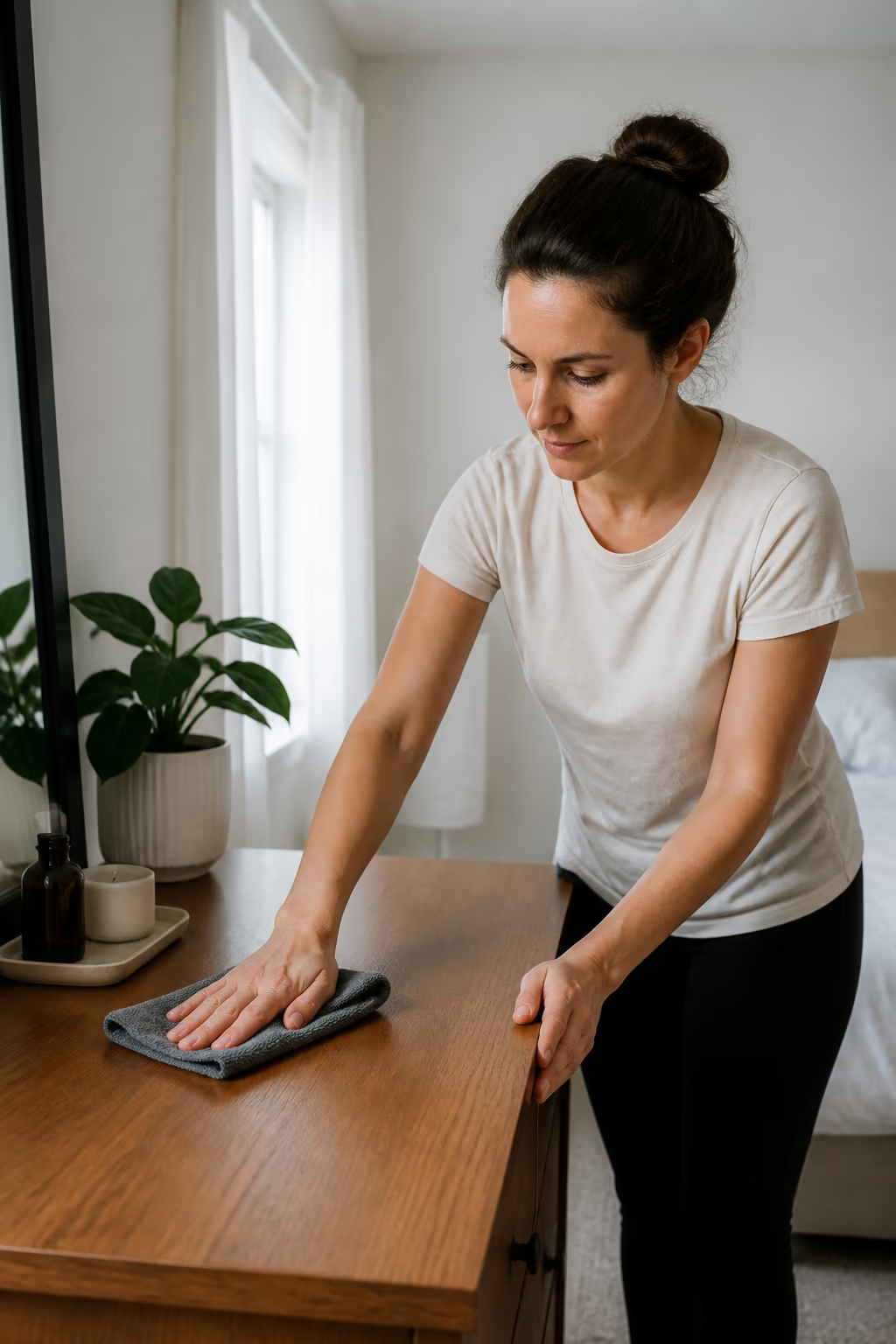
Start with one surface. Pick the kitchen counter or the bedroom dresser, clear it completely, and find a home for each item. Finishing one visible space builds momentum and gives you proof that the change is possible.
Set a timer for fifteen minutes. A focused evening reset, returning things to their drawers and wiping down counters, keeps the mess from compounding. Fifteen minutes will not fix a full basement, but it will stop the everyday surfaces from spiralling.
Sort by decision, not by sentiment. When you do tackle a cupboard or closet, work through keep, donate, and recycle. Ask when you last used something, not whether you might need it someday, and keep the keep pile honest.
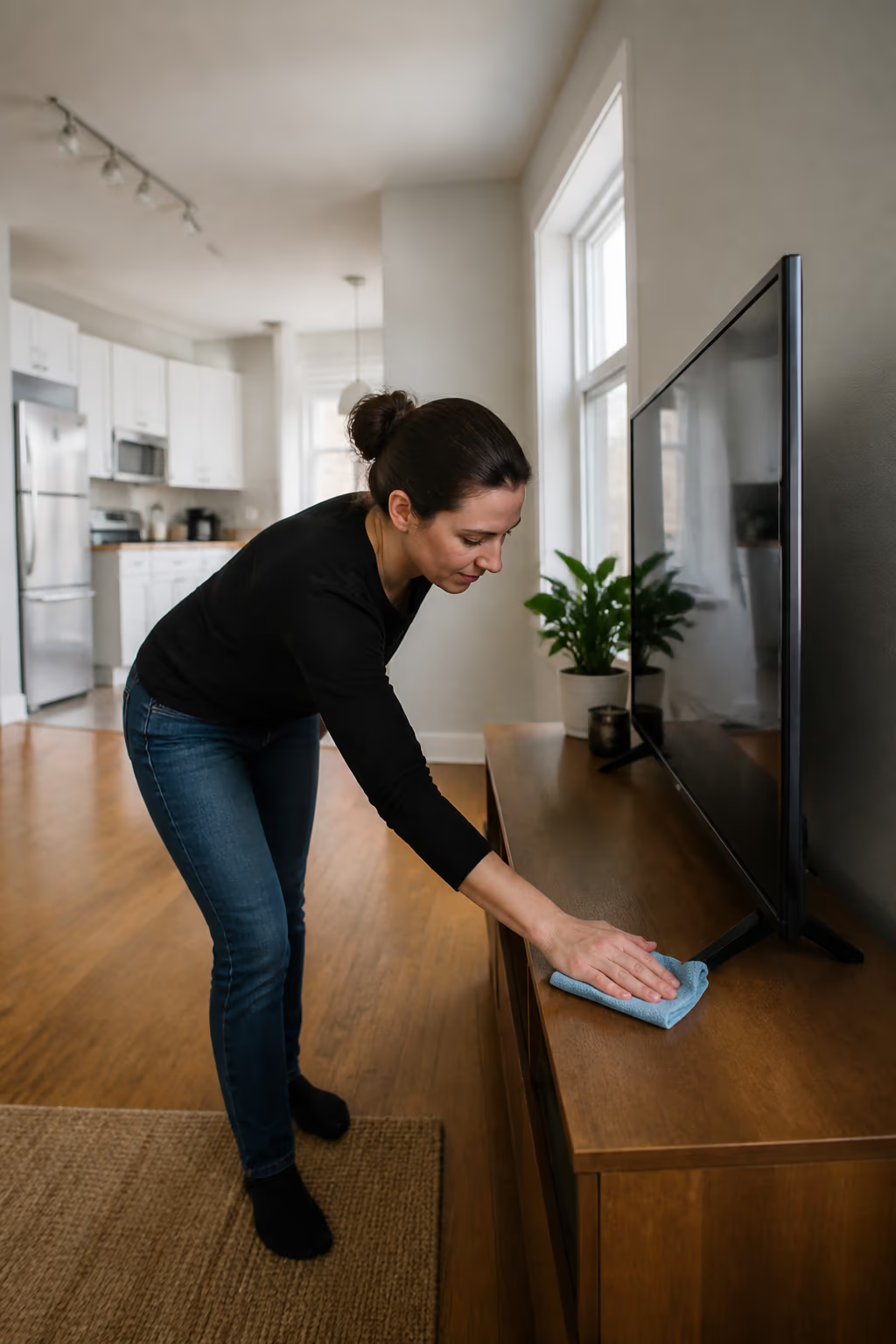
Pair the decluttering with a clean. A room that has just been dusted, vacuumed, and wiped feels different from one that has simply been rearranged, and the two together give you the full psychological reset.
How Cleaning Your Space Actually Changes How You Feel
The relationship between your home and your mood runs both ways. A stressful week can leave your home messier, and a messier home can make you feel more stressed. Cleaning interrupts that loop.
Even a modest reset shifts how a room feels. Clearing a cluttered desk or a cluttered counter provides near-immediate relief, in part because it removes the visual reminder of everything still to do.
Regular upkeep matters more than intensity. A home that gets a light daily reset and a proper weekly clean stays at a calm baseline, while a home that is only tackled every few weeks cycles between neglect and overwhelm.
If the deep chores are what stop you, that is exactly what a professional clean is for. Handing off the heavy work removes the mental burden of knowing it is there, and it gives you a clean slate to maintain.
Formatted Step-by-Step De-Cluttering and Stress Relief Checklist
Work through this checklist whenever clutter and grime start to feel heavy:
- Step 1.Start with a 15-Minute Evening Surface Purge:Return misplaced items to their drawers and clear the main counters in the rooms you use most.
- Step 2.Create Clear-Surface Zones in Bedrooms and Workspaces:Keep nightstands and desks free of everything except what you use in that spot.
- Step 3.Sort Accumulated Items into Keep, Donate, and Recycle:Move through one cupboard or shelf at a time so the task stays manageable.
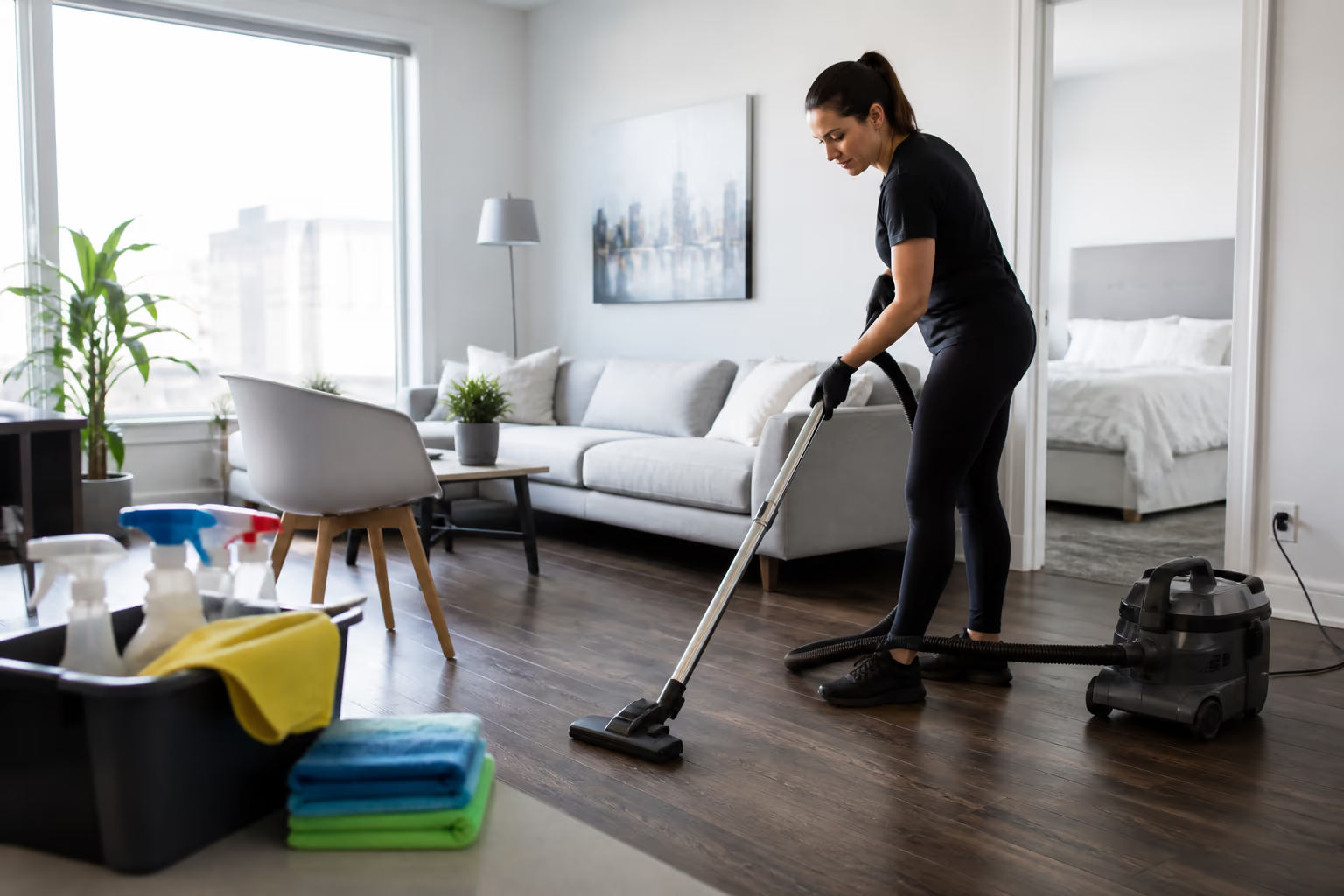
- Step 4.Vacuum High-Traffic Rugs to Remove Dust and Pet Dander:Fewer allergens in the air means easier breathing and a lighter feeling at home.
- Step 5.Wipe Down Kitchen and Bathroom Surfaces Weekly:Routine cleaning stops grease and soap scum from building up into an overwhelming job.
- Step 6.Contracting professional residential home cleaning services in Ottawa through Good Cleaner Co. lifts the recurring burden of deep chores and restores a calm, orderly home.
Serving Homes Across Ottawa
The stress of a cluttered home does not care which neighbourhood you live in. Families in Barrhaven, Kanata, Nepean, and the older streets of Sandy Hill all juggle busy schedules, and all of them benefit from a reset that returns the house to a calm baseline. Whether you are in a townhouse in Orleans or an apartment near downtown Ottawa, the same principles apply: clear the visual noise, keep the surfaces maintained, and let the room breathe. Residents of shared buildings can lean on building and condo cleaning services for the common areas, which frees up energy for keeping their own unit calm.
Good Cleaner Co. Professional Service Introductions & Specializations
Good Cleaner Co. has been helping Ottawa households and businesses keep calm, clean spaces for years. Here is what we offer:
Seasonal Maintenance & Local Environmental Factors in Ontario
Cleaning in Ottawa means adapting to serious seasonal shifts, and the same factors that affect your floors and air quality also affect how heavy a dirty home feels:
Quality Assurance & Health Canada Disinfection Compliance
A clean home should also be a safe one, and professional cleaning in Ontario operates within a clear set of health and safety rules:
- WHMIS 2015 Workplace Safety Compliance:Commercial cleaning products carry standardized hazard labels and Safety Data Sheets, so technicians and occupants stay safe.
- Health Canada DIN Registered Disinfectants:Disinfectants that make germ-killing claims for hard surfaces hold a Drug Identification Number issued by Health Canada, which verifies those claims.
- EcoLogo Environmental Certification:EcoLogo-certified chemistry is designed to be low in synthetic VOCs and biodegradable, reducing the chemical load in your home and the environment.
FAQ
Why does clutter sometimes feel more stressful for women than for men?
Research in this area suggests that women often carry more of the mental load for household order, and they tend to feel the stress of a cluttered home more directly. The effect is tied to expectations and shared responsibility as much as biology, and it eases when the load is shared.
Can a dirty environment really increase feelings of depression?
It can contribute. Living in persistent dirt and clutter can create feelings of overwhelm and hopelessness, and the constant visual reminders of unfinished tasks can compound low mood. Cleaning and organizing are not a treatment for depression, but they can meaningfully reduce one source of daily stress.
How quickly does decluttering lower stress?
The fastest relief is nearly immediate. Clearing one visible surface removes the visual cue that was triggering your attention, and most people notice a calmer feeling within minutes. Sustained change comes from keeping the space maintained.
Does clutter affect concentration at work and at home?
Yes. A cluttered environment competes for your attention and makes it harder to focus on a single task. Clearing your desk and your main living surfaces gives your brain fewer distractions to filter out.
What is the best way to start when a whole house feels overwhelming?
Pick one room, and in that room pick one surface or one drawer. Finish it completely before moving on. Small, completed wins build momentum far better than trying to tackle everything at once.
How often should I clean to keep clutter stress under control?
A light daily reset plus a proper weekly clean is a solid baseline for most households. If allergies or pets are a factor, add more frequent vacuuming and dusting to keep airborne irritants low.
Is a messy home a sign of a personal failing?
No. Mess accumulates because life is busy, not because of a character flaw. The goal is not a showroom; it is a space that supports your wellbeing, and that looks different for every household.
Does professional cleaning help with clutter stress if the problem is mostly stuff?
Cleaning and decluttering are different jobs, but they support each other. A professional clean removes the grime and resets the space, which makes it far easier to keep surfaces clear. For the sorting itself, most people find a friend or a step-by-step method more useful.
Can clutter really affect sleep?
It can. A bedroom full of visual noise makes it harder for your mind to settle, and dust and pet dander in bedding and carpets can disturb breathing. A calm, dust-free bedroom supports deeper, more restful sleep.
What is the fastest way to make a room feel calmer today?
Clear the floor and the main surfaces, open a window for fresh air, and remove the trash and the dishes. Even a ten-minute reset changes how the room feels, and the effect on your mood is immediate.
Wrapping Up
A cluttered and dirty home can quietly raise your stress, drain your focus, and make rest harder to come by, but the reverse is also true: an orderly, maintained space supports a calmer mind. Contact Good Cleaner Co. today to book recurring home cleaning services in Ottawa and take the heaviest chores off your hands.
Keep reading
More from Good Cleaner
- The Connection Between Decluttering and Mental Health: Anxiety & Cortisol Guide
- The Benefits of Minimalism: Why Decluttering Simplifies Home Cleaning & Elevates Well-Being
- How to Clean a Messy House Like a Professional Cleaner: 6-Step Fast System
- DIY Citrus All-Purpose Cleaner: Vinegar & Peel Degreaser Recipe
Services that fit
- House Cleaning Services in OttawaRecurring weekly, bi-weekly and monthly home cleaning built around your family's routine, with non-toxic chemistry and background-checked staff.
- Professional Office Cleaning Services in OttawaNightly and after-hours office cleaning for corporate offices, clinics and professional suites, with after-hours scheduling and eco-friendly products.
About the author
Service areas
- Ottawa
- Barrhaven
- Kanata
- Nepean
- Orleans
- Sandy Hill