
Pros And Cons Of Steam Cleaners
Steam cleaners promise a chemical-free way to lift grime, but before you buy one you should weigh what they do well against where they fall short. A steam mop or handheld steamer is a powerful tool for some surfaces and the wrong choice for others. This guide breaks down the real pros and cons so you can decide whether a steam cleaner earns a place in your Ottawa cleaning routine.
Quick Summary
Steam cleaners lift grime without chemicals but work well on some surfaces and poorly on others, so weighing the pros and cons before buying one matters. This guide covers where a steam cleaner shines, where it falls short, safety and maintenance, and how it performs through Ottawa's seasons.
In this guide
What Is a Steam Cleaner and How Does It Work?
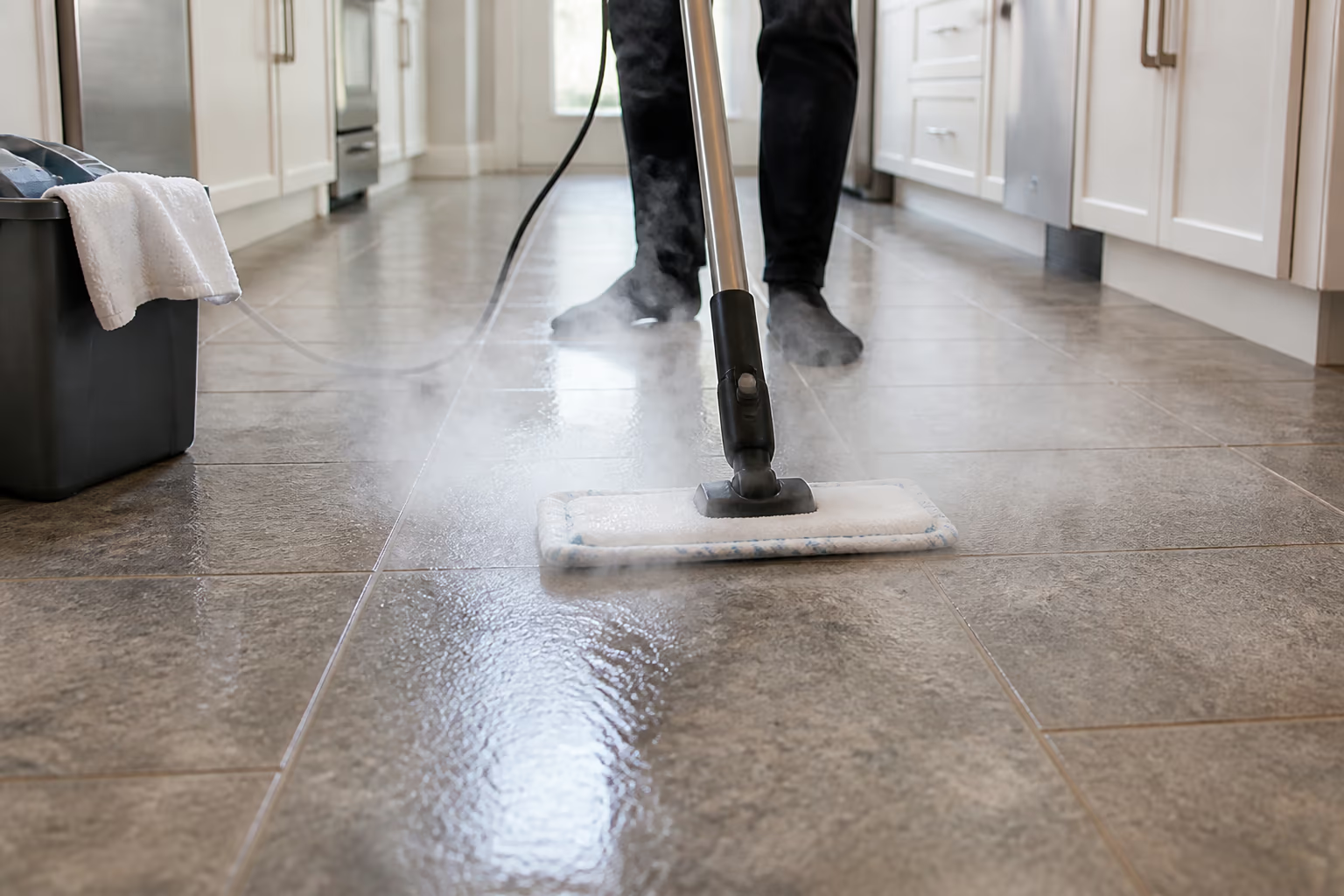
A steam cleaner heats water until it becomes hot vapour, then directs that vapour onto a surface through a nozzle, pad or brush. The heat and moisture loosen dirt, grease and grime so a wipe or a pass with the pad lifts it away without heavy scrubbing chemistry. Because the water is heated inside the unit, a steam cleaner needs only water to do its work, and that is the heart of its appeal.
There are a few common types, and each suits a different job.
- Steam mops are made for hard floors and push a damp, hot pad across tiles, stone and sealed wood.
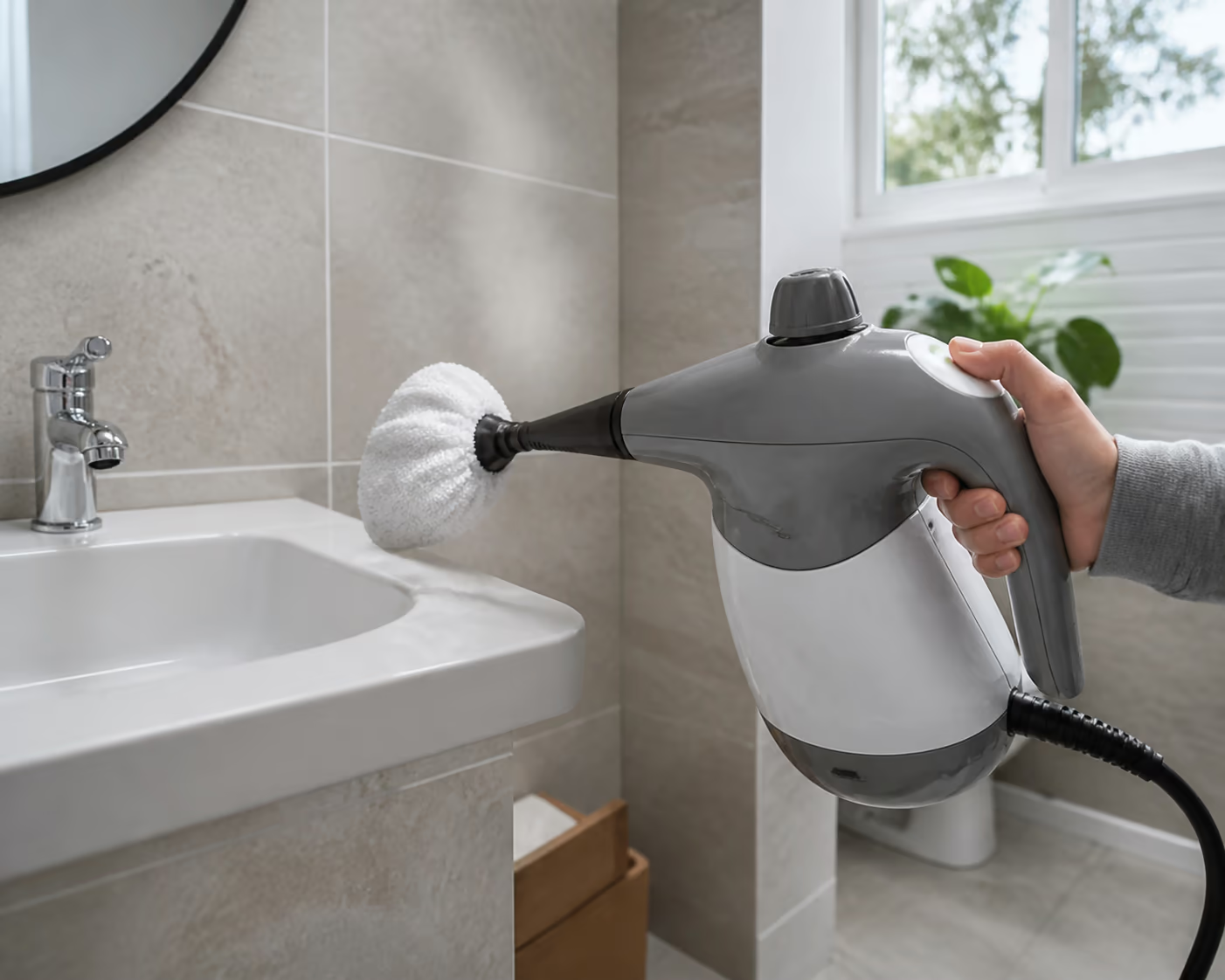
- Handheld steamers are small and portable, good for grout, taps, counters, windows and small appliances.
- Cylinder steam cleaners have a separate water tank and a long hose, offering sustained steam for bigger jobs like bathrooms and large floor areas.
- Steam generators are the heavy-duty version, most often seen in commercial settings where a team needs continuous high-temperature steam.
The water supply and heating time vary by model, as does the temperature of the steam. Cheaper units may take several minutes to heat up, while better models reach working temperature faster and hold it through the session. Before you choose, think about the surfaces in your home and how often you will actually use the machine, because that decides which type makes sense for you.
The Pros of Steam Cleaning
The case for a steam cleaner rests on three big ideas: less chemistry, high temperatures and a genuinely deep clean on hard surfaces.
- 01It cleans with water alone, cutting down on bottles, sprays and chemical residues around children and pets.
- 02The heat helps lift dried-on grease, soap scum and cooked-on food that cold products struggle with.
- 03It reaches grout lines, tile seams and crevices where cloths and mops leave residue behind.
- 04Many models work on sealed hard floors, stone and glass without leaving streaks or film.
- 05It can refresh upholstery, curtains and mattress fabric where heat is safe to use.
- 06With the right attachment, it degreases ovens, stovetops and extractor fan filters without harsh scrubbing.
For kitchens and bathrooms, the combination of heat and steam is the strongest selling point. Grease on a stovetop and soap scum on a shower door respond well to steam because the hot vapour softens the bond between the mess and the surface. You still wipe, but you wipe far less and with far less effort.
The Cons and Limitations of Steam Cleaners
Honesty matters when you are weighing a purchase, and steam cleaners have real limitations that many first-time buyers only discover later.
- 01Steam is hot, so there is a genuine burn risk, especially around children and pets, and surfaces are hot to the touch right after cleaning.
- 02It does not disinfect in the sense many people assume; heat can kill many germs, but results depend on contact time and temperature, so it is not a substitute for proper sanitisation.
- 03Moisture can damage surfaces that are not sealed, including unsealed grout, unfinished wood, laminate and some paints.
- 04It is not suited to deep-pile carpet, delicate fabrics or electronics, where water and heat cause harm.
- 05The machines need regular descaling, and hard water, like the water in much of the Ottawa area, can shorten their life.
- 06A quality unit with attachments is a real investment, and basic models often lack the pressure and accessories that make steam useful.
- 07The water tank is small on many models, so large rooms mean repeated refills and re-heating.
None of these are fatal flaws, but they shape what the machine actually does for you. A steam cleaner excels at hard-surface maintenance and degreasing; it does not replace a vacuum, a gentle mop for delicate floors, or a professional deep clean.
Where a Steam Cleaner Shines
The best way to use a steam cleaner is to match it to the surfaces where heat is an advantage.
- Sealed tile and stone floors, where steam lifts grime from the grout lines.
- Bathroom surfaces:shower doors, glass screens, taps, toilet exteriors and sealed counters.
- Kitchen surfaces:stovetops, range hoods, oven interiors and stainless steel, wiped quickly after steaming.
- Windows and mirrors, where the streak-free finish of steam makes glasswork faster.
- Upholstery and curtains, only where the fabric label permits steam and moisture.
When you keep the steamer on these hard, sealed surfaces, it delivers the visible results that justify owning one. The grout brightens, the shower door stays clearer and the stovetop needs less chemical degreasing between professional deep cleans.
Where Steam Cleaners Fall Short
There are just as many places where a steam cleaner should stay in the cupboard.
- Deep-pile carpet and rugs, where moisture collects in the fibres and can encourage musty smells.
- Unsealed wood floors and laminate, where repeated moisture can warp and dull the surface.
- Electronics, screens, printers and keyboards, where water and heat damage components.
- Delicate fabrics such as silk, wool and rayon, which may shrink or mark.
- Fresh paint and soft plastics, which can blister or soften under heat.
- Everyday dusting, which is faster with a cloth or duster than with steam.
The discipline of using the right tool for the right surface is what separates a steam cleaner that helps from one that damages. Read your floor and fabric care labels before you steam, and when in doubt, test an unseen corner first.
Safety and Maintenance for Steam Cleaners
A steam cleaner works at high temperature, so a few habits keep you and your home safe.
- Never point the nozzle at people or pets, and keep the unit and its cord away from walkways and young children.
- Let freshly steamed surfaces cool before you or a pet touches them.
- Fill the tank with the water the manufacturer recommends, and descale it on schedule.
- Empty and air the tank and accessories after each use so moisture does not sit in the machine.
- Store the unit upright and dry, away from heat sources and out of reach of children.
- Check the cord and nozzle for wear, and replace worn pads and brushes as the manual directs.
Hard water is the quiet enemy of a steam cleaner. Minerals build up inside the boiler and block the flow, so a regular descale with the product the maker suggests keeps the steam strong and the machine alive longer.
Steam Cleaning and Health: What the Science Supports
The main health claim behind steam cleaning is that it reduces the need for chemical products, and that is true and genuinely useful in homes with children, pets or sensitivities. The high temperature of steam can also kill a wide range of germs on hard, non-porous surfaces, which is why steam is used in some commercial and food-service settings.
The health case has a moisture caveat attached to it. Health Canada's mould guidance names excessive moisture as one of the most common causes of poor indoor air in homes, because moisture promotes the growth of both mould and dust mites, so anything that leaves a surface damp needs a drying plan attached. The federal advice is short: “To prevent mould, fix any moisture problems right away and control humidity levels in your home.”
That said, the honest version of the story is more careful. Steam does not clean every surface the same way, and the temperature drops quickly once the vapour leaves the nozzle. For true disinfection you need sustained heat and contact time, which is why the task, the surface and the product all matter. In professional cleaning, trained staff match the method to the surface, follow the product labels and handle any chemicals under the workplace rules, including the hazard communication requirements such as WHMIS 2015 where they apply. A home steam cleaner is a useful tool in that mix, but it is not a magic answer to every hygiene question. Understanding the difference between microbial clean vs sterile clean approaches helps explain why a quick steam pass is not the same as a validated disinfection process.
Good Cleaner Co. approaches disinfection the same careful way: trained staff, certified products and the right method for each surface, rather than relying on any single tool or temperature claim. When a home or office needs a genuinely sanitised space, we document the process and the products used.
Steam Cleaners Through the Ottawa Seasons
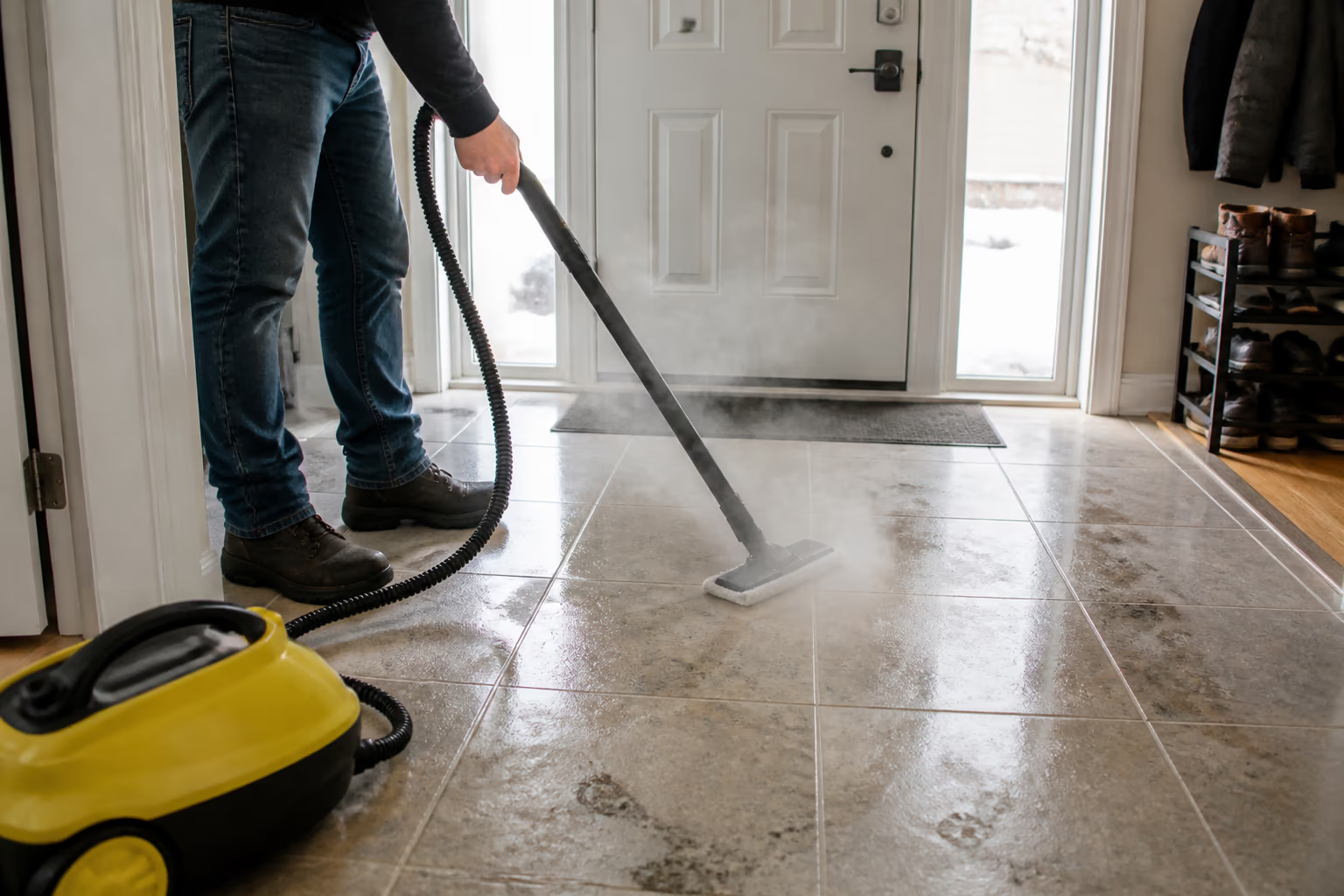
Canadian winters change what a floor cleaner has to deal with. From late November to March, salt, sand and melting slush are tracked through Ottawa entryways, and that gritty mix can grind into tile, stone and sealed floors. A steam cleaner is genuinely useful here, because the hot vapour lifts the greasy salt film that a plain damp mop simply smears around.
In spring, pollen and mud arrive with open windows and wet boots, and in fall, leaves and dust find their way inside. The same tool that handles winter salt also cuts through these seasonal layers, especially at the entryway and on kitchen and bathroom floors. Pair the steamer with a regular sweep, a vacuum for carpets and a professional deep clean at the change of seasons, and your hard floors stay in good condition all year round.
What You Need Before You Start
Getting the most from a steam cleaner takes a little preparation, and the effort pays off in better results and fewer damaged surfaces.
- Check the care labels on your floors, fabrics and upholstery, and steam only what is safe to steam.
- Sweep or vacuum first, because steam lifts grime but cannot pick up loose dust and crumbs.
- Fill the tank with the recommended water and give the unit time to reach temperature.
- Test an unseen corner before you steam a full floor or a visible surface.
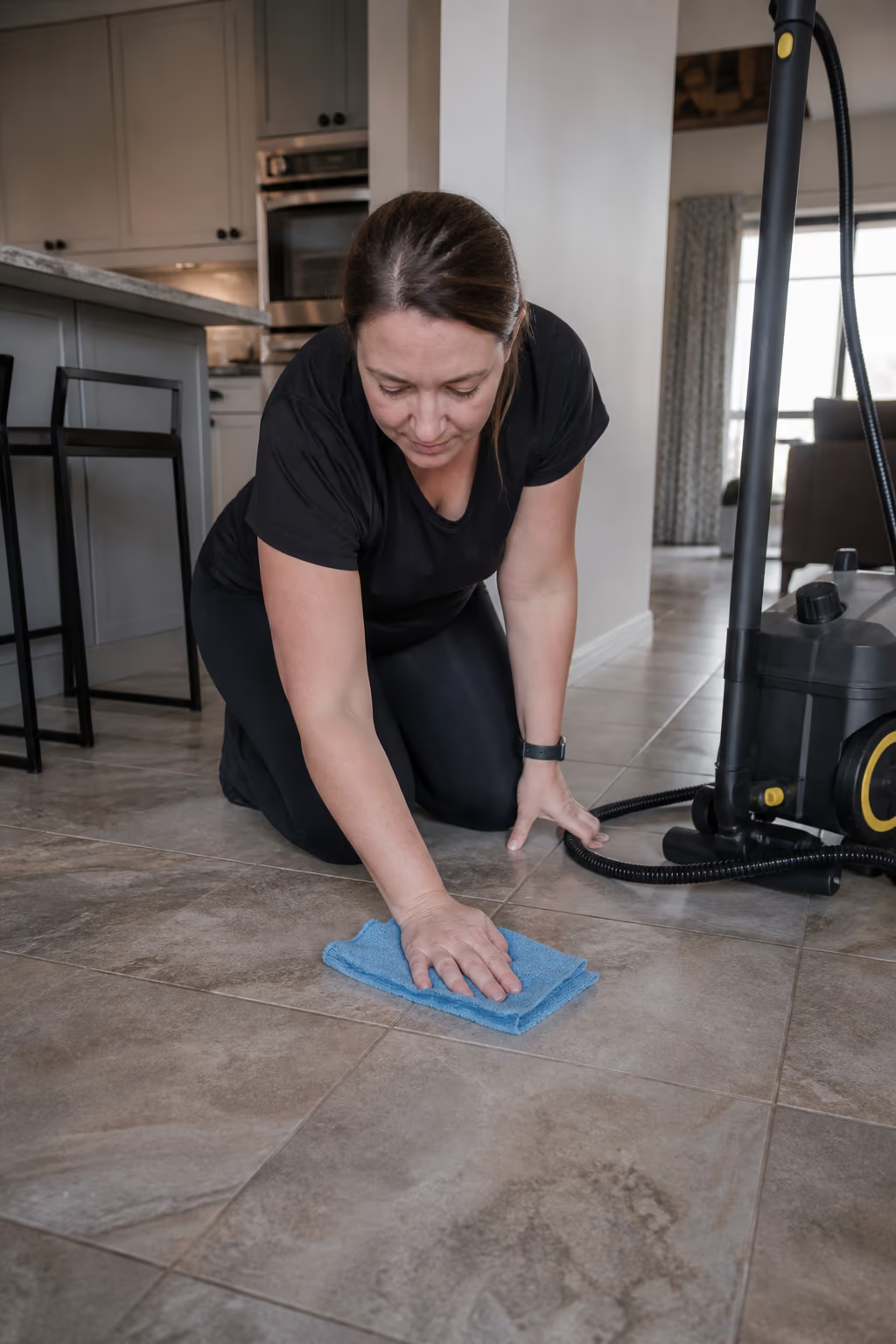
- Keep a dry cloth and a spare pad on hand to wipe and finish as you go.
- Empty and dry the unit after each use and descale it on the schedule the manual recommends.
Common Mistakes and How to Avoid Them
Most steam cleaner problems come down to a few repeatable mistakes.
- Steaming dirty floors without sweeping first, which turns grit into a muddy film.
- Using steam on unsealed wood, laminate or delicate fabric and causing moisture damage.
- Expecting steam alone to disinfect, when contact time and method also matter.
- Skipping descaling and letting hard water clog the boiler.
- Leaving the unit and hot surfaces unattended around children and pets.
- Buying a basic model without the attachments the job needs, then being disappointed.
Set the machine up to do what it does well, keep it maintained and use it on the right surfaces, and it becomes a dependable part of your routine rather than a source of frustration.
Costs, Timing and When to Call a Professional
Steam cleaners come in a wide range of prices, and the differences come down to build quality and features more than brand. Handheld steamers are the most affordable entry point, steam mops sit in the middle and cylinder and generator models cost more because they add sustained pressure and a larger water supply. The right price depends on the surfaces you clean and how often you actually use it, so compare a few models and read independent reviews before you decide. For context on what professional cleaning costs look like by comparison, our commercial cleaning pricing in Ottawa guide breaks down the factors that shape typical rates.
Timing matters too. Steam a floor when you have time to let it cool and dry, and avoid steaming unsealed surfaces when they are still vulnerable. For the deepest grime, the grout you cannot brighten and the floors that need professional care, a steam cleaner is a companion to professional cleaning, not a replacement. Good Cleaner Co.
If you are weighing whether to manage a cleaning project yourself or hire it out, our commercial cleaning provider checklist is a useful starting point for the questions that matter, and the same standards of transparency, training and equipment apply to residential home care.
Formatted Step-by-Step Steam Cleaner Checklist
Use this checklist to get the best from your steam cleaner safely, every time.
- Sweep or vacuum the area and check that the surface and fabrics are safe to steam.
- Fill the tank with the recommended water, let the unit reach temperature and test an unseen corner.
- Steam the dirtiest hard surfaces first, working from the top down so nothing is redistributed.
- Wipe with a clean dry cloth as you go, and replace the pad when it becomes saturated.
- Let the floor and surfaces cool, then empty and air the unit before you store it.
- For the grime a home steamer cannot shift, the grout you cannot brighten and the thorough clean a busy schedule leaves little time for, reviewing our recurring home cleaning services in Ottawa provides a trained team for professional upkeep.
FAQ
Is a steam cleaner worth it for a typical home?
It is worth it if you have sealed tile, stone or other hard surfaces and you will use it for kitchens, bathrooms and seasonal floor care. For a home with mostly carpet and delicate floors, the value is harder to justify.
Can a steam cleaner replace my regular mop and chemicals?
It can replace a damp mop and many spray products on hard, sealed surfaces, but you still need a vacuum, a gentle option for delicate floors and a professional clean for the deepest work. For an overview of automated options for that vacuuming step, our robotic vacuum cleaners pros and cons guide covers what these machines handle well and where they fall short.
Is steam cleaning safe for wood floors?
Only sealed wood, and only with care. Unsealed wood, laminate and some painted surfaces can warp or dull under repeated moisture, so check the care label and test an unseen corner first.
Can I use a steam cleaner on carpet?
Steam is not a good choice for deep-pile carpet and rugs, where moisture collects and can cause musty smells. Carpet is better served by vacuuming, professional extraction cleaning and the products made for it.
Does a steam cleaner kill germs?
The high temperature of steam can kill many germs on hard, non-porous surfaces, but results depend on sustained heat and contact time. It is a helpful tool, not a substitute for proper sanitisation with the right products and method.
Is a steam cleaner safe around children and pets?
It is safe when stored and used carefully. The unit and freshly steamed surfaces are hot, so keep them out of reach, never point the nozzle at people or pets, and let surfaces cool before a child or pet touches them.
How often should I use a steam cleaner?
Use it for weekly hard-floor maintenance and deeper kitchen and bathroom sessions as needed, and keep the daily sweeping and vacuuming in place. Match the frequency to your floors, your household and the seasons.
Does a steam cleaner work on grout?
Yes, on sealed grout, where the heat lifts built-up grime that cloths leave behind. Unsealed grout is more delicate, so clean carefully and avoid over-wetting it.
How do I look after a steam cleaner?
Empty and air the tank after each use, descale it on schedule, check the cord and nozzle, and replace worn pads and brushes as the manual directs. Hard water makes regular descaling especially important.
How much does a good steam cleaner cost?
Prices vary widely with the type and features, from affordable handheld units to premium cylinder and generator models. Choose based on the surfaces you clean and how often you will use it, not just the price tag.
Wrapping Up
Steam cleaners are genuinely useful for hard-surface cleaning, cutting back on chemical products and lifting grime that plain mopping smears around, but they are not a replacement for a vacuum, a gentle clean on delicate floors or a professional deep clean. Match yours to the right surfaces, keep it maintained and use it alongside a complete routine. For the grime, grout and seasonal build-up that a home steamer cannot handle, a professional team keeps your home truly clean. Contact Good Cleaner Co. for a free quote and a cleaning plan tailored to your home.
Keep reading
More from Good Cleaner
Services that fit
- Residential Home Cleaning Services in OttawaRecurring home cleaning services in Ottawa for one-time, weekly, biweekly and monthly care, built around your schedule and your standards.
- Janitorial Services in OttawaRecurring janitorial services in Ottawa for offices, warehouses, retail, dealerships and schools. Eco-friendly commercial cleaning, customized plans.
About the author
Service areas
- Ottawa
- Kanata
- Nepean
- Orléans
- Barrhaven