
The Best All-Purpose Cleaners to Use for Your Home: Product Guide
This is a practical buying guide, not a brand pitch. We explain what the numbers on the label mean, which cleaners work best on which surfaces, and how to spot a genuinely safe product. The honest version: most homes need just two or three well-chosen cleaners, not a shelf full of specialized bottles. Buy the right ones, use them the right way, and your counters, floors, and fixtures will last longer and look better. We also show you when a DIY citrus cleaner is a smart choice and when a commercial product is worth the money.
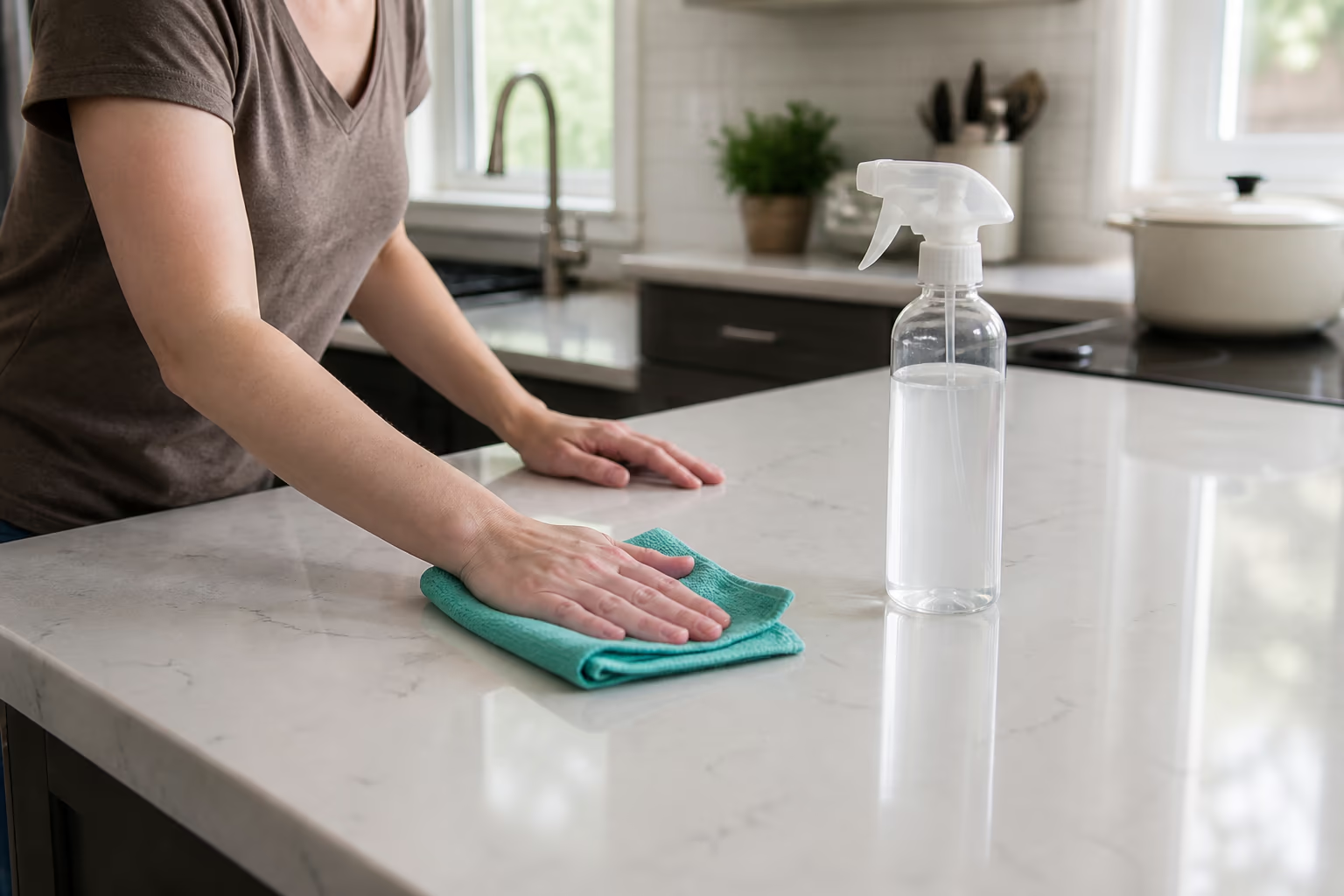
Quick Summary: The best all-purpose cleaner for your home depends on the surface you are cleaning, not on the most expensive bottle on the shelf. A pH-neutral, plant-based spray protects quartz, granite, marble, and hardwood, while a slightly alkaline degreaser is better for kitchen grease. This guide walks through surface compatibility, pH balance, non-toxic chemistry, and EcoLogo certifications so you can build a short, safe cleaning kit for an Ottawa home.
Matching Cleaning Chemistry to Home Surface Types
Using harsh acidic or abrasive chemical sprays across modern Ottawa homes can permanently etch natural stone, strip hardwood finishes, and discolour quartz countertops.
All-purpose cleaners vary significantly in chemical composition, ranging from alkaline degreasers (pH 9–11) to pH-neutral plant-based formulas (pH 7.0).
Choosing the best cleaner for your specific home materials ensures effective dirt emulsification without risking cosmetic or structural surface damage.
The reason pH matters is simple. Acid dissolves minerals, which is great for soap scum but bad for marble and limestone. Alkalis break down grease and protein, which is useful in the kitchen but can dull a sealed hardwood floor. A pH-neutral formula sits in the middle and is safe for the widest range of surfaces.
When in doubt, the pH-neutral product is the safer bet. It may require a little more elbow grease on a greasy stovetop, but it will not damage your surfaces while you work. For the tough jobs, a dedicated degreaser used only where needed beats a harsh all-purpose product used everywhere.
Key Selection Factors for Safe Household Sprays
Discover 4 core criteria for selecting non-toxic, high-performance all-purpose cleaners:
Taken together, these four criteria point to the same conclusion: the best all-purpose cleaner is one you can trust on your most delicate surface. If a product is safe for quartz and hardwood, it will be safe for everything else in the house.
Matching Cleaners to Common Home Surfaces
Most homes have a handful of surface types, and each one has a best-case cleaner.
Quartz and granite counters need a pH-neutral spray. Acidic cleaners such as vinegar can strip the resin in quartz, and abrasive powders can scratch the polish. A plant-based neutral formula lifts everyday grime without dulling the finish and works well for daily wipe-downs.
Hardwood floors want a cleaner designed for sealed polyurethane. Too much water, harsh soap, or ammonia will damage the finish over time. A pH-neutral, low-moisture option applied with a lightly dampened microfibre mop is the safest routine.
Glass and mirrors need a streak-free formula with minimal residue. A dedicated glass cleaner or a dilution of plant-based concentrate works better than using an oily multi-surface spray.
Stainless steel and ceramic are forgiving, but they still prefer non-abrasive cleaners. A neutral all-purpose spray followed by a dry buff keeps the shine without scratching.
Bathroom tile and grout are another story. Grout is porous and absorbs soap scum and mildew, so it benefits from a dedicated bathroom cleaner with a disinfectant, applied regularly and rinsed well. A gentle toothbrush or grout brush handles the seams without the harshness of bleach-heavy formulas, and our guide on when to use a steam cleaner for the best results explains when heat and pressure work better than a spray.
Laminate countertops are common in rentals and renovated kitchens, and they want the same gentle treatment as quartz. Because the printed pattern sits under a thin protective layer, abrasive scrubbing or acidic sprays can wear it down and leave a cloudy patch. A pH-neutral spray and a soft microfibre cloth keep laminate looking new for years.
For most households, that means a short list: a pH-neutral all-purpose spray, a glass cleaner, a bathroom disinfectant, and a kitchen degreaser. Four products cover nearly every surface you will clean in a week.
Natural vs. Commercial Cleaners: What Actually Works
There is a persistent idea that natural cleaners are weaker than commercial ones. The truth is more interesting: they are different tools for different jobs.
For everyday cleaning, plant-based commercial concentrates are often better than homemade recipes because they are formulated with the right surfactant blend and a balanced pH. They also carry certifications like EcoLogo that verify what the label claims.
For spot jobs and light maintenance, a DIY cleaner from our homemade citrus all-purpose cleaner recipe can be just as effective and much cheaper. Citrus peel infusions cut light grease, and a diluted castile soap solution handles counters and tables safely.
The honest guideline is simple: use the certified commercial product for routine deep cleaning of your important surfaces, and use a DIY mix for quick touch-ups where a professional-grade formula is not needed. The two approaches complement each other rather than competing.
One thing to watch: never mix vinegar with bleach or other disinfectants. The combination releases a toxic gas. If you use a DIY citrus cleaner, keep it in a clearly labelled bottle and store it away from commercial products to avoid any mix-up.
Storage matters too. Keep cleaners in their original containers, label any DIY mixtures clearly, and store them out of reach of children and pets. A tidy, well-labelled shelf prevents mix-ups and makes the whole routine safer.
Formatted Step-by-Step Surface-Safe Cleaning Protocol
Follow this protocol when applying all-purpose sprays:
- 01Test Spray Solution on an Inconspicuous Surface Patch:Verify colourfastness and finish safety.
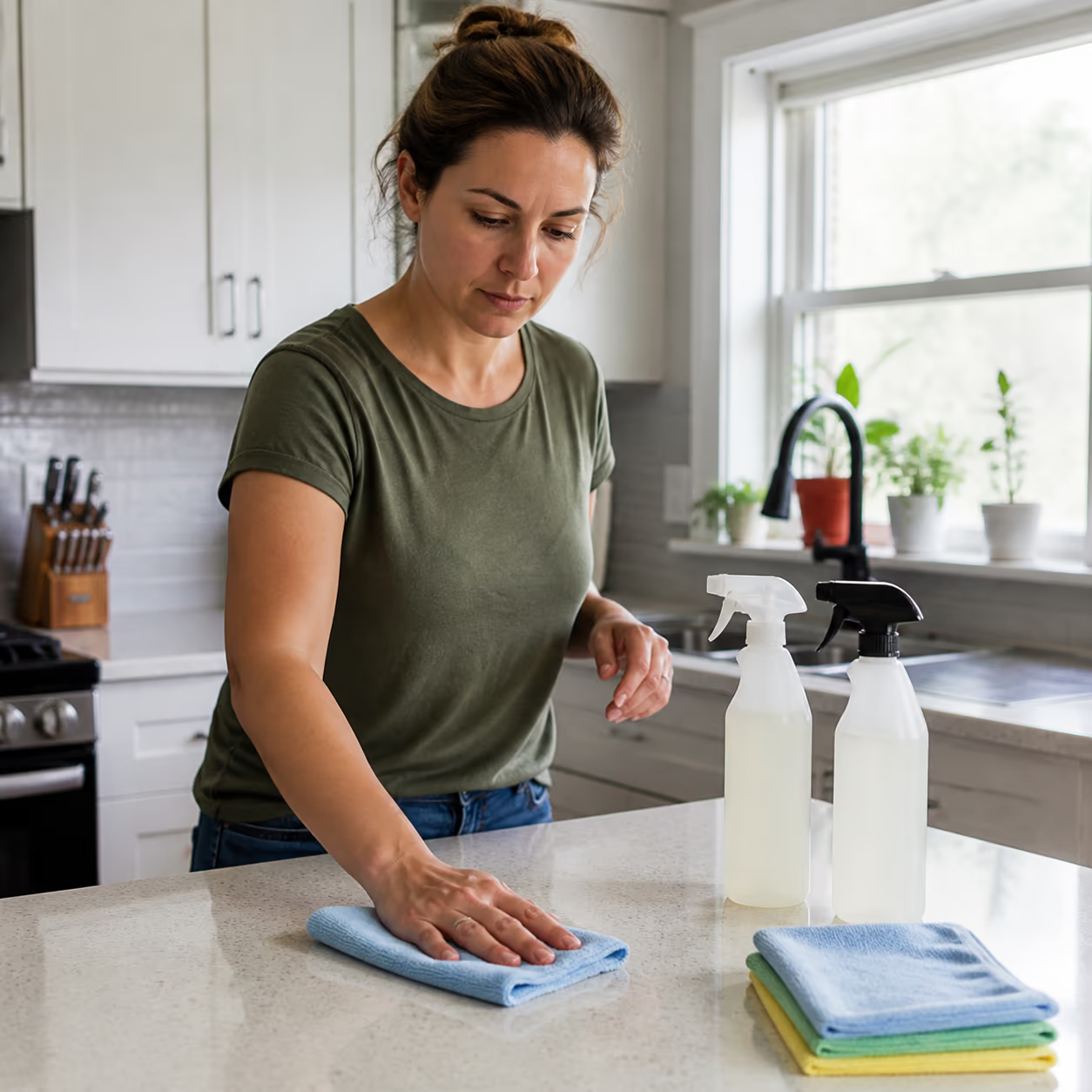
- 02Spray Directly onto Microfibre Cloth Rather Than Surface:Prevent overspray pooling on electronic seals.
- 03Allow 2-Minute Dwell Time for Surfactants to Emulsify Dirt:Let chemistry break down oils naturally.
- 04Wipe in S-Pattern Motion with Clean Microfibre Side:Prevent smearing lifted dust and grease.
- 05Buff Surface with Dry Microfibre Cloth to Restore Shine:Leave counter and glass surfaces streak-free.
- 06If you need a team or a recurring schedule, use home cleaning services in Ottawa to discuss scope, access, and timing before deciding whether it fits.
Serving Ottawa's Neighbourhoods
Good Cleaner Co. provides eco-friendly home cleaning and non-toxic surface care right across Ottawa, from the newer kitchens in Kanata and Nepean to the heritage hardwood and marble in older neighbourhoods like the Glebe and Sandy Hill. Wherever you live, the same chemistry standards protect your counters, floors, and fixtures, and our eco friendly cleaning services Ottawa page outlines how those standards apply to a full visit.
How to Read a Cleaning Product Label
The fastest way to choose a safe cleaner is to read the label like a professional would. You do not need a chemistry degree, just a few minutes and the right questions.
There is a published way to read one. Health Canada's household chemical safety tips say to read the label for the ingredients and any special handling instructions, and to look for and understand the hazard symbols printed on the front of the product. Health Canada is explicit about the risk: “Household chemical products, such as cleaning liquids and powders, drain cleaners, paint and paint thinners, liquid laundry detergent packets and windshield washer fluid can be dangerous.”
Look for the pH value or a pH-neutral claim. If the label says nothing, check whether it is marketed as safe for natural stone. Stone-safe products are usually pH-neutral by design.
Check the ingredient list for plant-based surfactants such as alkyl polyglucosides, which come from coconut or corn. These clean effectively and break down quickly. Steer clear of products that hide everything behind the word fragrance, which can mask a long list of synthetic chemicals.
Look for a third-party mark. EcoLogo and Green Seal are independent programs that test real environmental and safety claims. A product that carries one of these marks has been verified rather than simply marketed as green.
Finally, if the product claims to disinfect, it must carry a Health Canada Drug Identification Number. If there is no DIN, the product is a cleaner, not a disinfectant, and should not be relied on for germ-killing claims.
You can apply these same checks to any brand you already own. Pull the bottles out from under the sink and read them once. You will probably find that two or three of them are doing ninety percent of the work, and the rest can be retired.
Once you know what to look for, the whole aisle stops being confusing. A cleaner that lists plant-based surfactants, shows a pH-neutral or stone-safe claim, carries an EcoLogo or Green Seal mark, and either has a DIN or clearly avoids a disinfectant claim is a product you can trust. Everything else is marketing.
Practical planning for this situation
For a homeowner, start with the actual task: choosing a cleaner for a surface. Write down the material, soil, label, test spot, ventilation, and the result the product is meant to achieve. That prevents a broad label from replacing the details that determine safe, useful work.
Decide which work belongs in the regular routine and which needs extra time, access, or approval. A practical scope lets another person understand the job without relying on a branded promise.
Seasonal considerations in Ottawa
Local conditions deserve attention when they change the task. Here, winter grit and summer humidity can change the soil, but not the need to match product to material. Review the space before changing products, equipment, or frequency.
A short review is enough: name what has changed, identify the affected area, and choose a response that fits the material and the people using the space.
Safe, responsible cleaning
Follow product labels and equipment instructions, and choose a method that suits the material. Keep people away from wet or actively cleaned areas.
Pause when access, a surface, or a safety requirement is unclear. Asking before continuing protects the property and the people using it better than a shortcut.
Partnering with Good Cleaner Co. for Safe Surface Maintenance
Good Cleaner Co. combines years of regional experience, background-checked technicians, EcoLogo green chemistry, and commercial HEPA technology to deliver outstanding results across Ottawa. If you are still comparing providers, our guide on how to review a cleaning company in Ottawa walks through what to check before you hire.
Our account managers work directly with home and business owners to design customized schedules that fit your operational budget and timeline. Contact Good Cleaner Co. today to request a commercial facility audit.
How to review the routine
Describe the current condition in plain language before altering the routine. Begin with the material, soil, label, test spot, ventilation, and the result the product is meant to achieve. This keeps the decision tied to the space instead of a generic checklist.
Ask a person who uses the area what creates the most friction. It may be a difficult entry, a storage issue, a time when work cannot happen, or a finish that needs a gentler method.
Try one visible adjustment at a time. Record why it was made, the area it affects, and what a satisfactory result looks like. That makes the next review much easier.
Keep feedback specific: name the room, surface, timing, and expected result. Clear notes help people work through a problem without blame or vague expectations.
Revisit the plan after a change in use, condition, or season. A routine should be stable enough to follow and flexible enough to remain useful.
FAQ
What is the best all-purpose cleaner to use on quartz kitchen countertops in Ottawa?
pH-neutral plant-based cleaners (pH 7.0) are safest for quartz because acidic (vinegar) or high-alkaline cleaners strip resins and cause dull spots.
Can all-purpose cleaners be safely used on hardwood floors in Ontario homes?
Only pH-neutral formulas designed specifically for sealed polyurethane hardwood should be used; excessive water or harsh chemicals damage wood grain.
What is the difference between EcoLogo certified cleaners and conventional sprays?
EcoLogo-certified cleaners are independently tested to prove zero toxic VOC emissions, rapid biodegradability, and zero aquatic environmental toxicity.
Are all-purpose cleaners effective at killing bacteria and viruses on home surfaces?
All-purpose cleaners emulsify dirt and grease but do not kill germs unless labelled as a disinfectant with a Health Canada DIN number.
Why should cleaning sprays be applied to microfibre cloths instead of directly onto surfaces?
Spraying cloths prevents liquid pooling in electrical outlets, appliance button seals, and seam joints while maximizing surfactant contact with the surface you are cleaning.
What natural ingredients make effective DIY all-purpose cleaners for Ottawa households?
Diluted white vinegar, citrus peel infusions, and liquid castile soap diluted in distilled water create effective, eco-friendly household sprays.
How do plant-based surfactants break down grease and oil on home surfaces?
Surfactant molecules possess hydrophilic (water-attracting) heads and lipophilic (oil-attracting) tails that trap oil droplets and suspend them in water for easy wiping.
What cleaning products does Good Cleaner Co. use for residential home cleaning in Ottawa?
Good Cleaner Co. exclusively uses EcoLogo-certified non-toxic all-purpose sprays and Health Canada DIN registered disinfectants.
How do I choose a safe cleaner for granite countertops?
Use a pH-neutral, stone-safe spray and wipe with a soft microfibre cloth. Avoid vinegar, lemon juice, and abrasive powders, which can etch or dull the surface over time.
Is there one all-purpose cleaner that works on every surface in a home?
No single product is ideal for everything. A pH-neutral plant-based spray covers most surfaces, but glass, disinfecting, and heavy grease each work better with a dedicated product.
How often should I deep clean my kitchen counters with a commercial all-purpose cleaner?
Daily wiping with a neutral spray keeps counters clean, while a weekly pass with a disinfectant or degreaser handles the tougher build-up on a schedule that suits your household.
What is the safest way to clean a marble countertop?
Use a pH-neutral, stone-safe cleaner with a soft microfibre cloth, and wipe up spills quickly. Acidic or abrasive products will etch marble and dull its finish.
How often should I replace my microfibre cloths?
Replace them when they stop picking up dirt or start to feel slick, usually every few months with regular use. Wash them separately from towels, skip fabric softener, and they will keep their grip much longer.
What does pH-neutral actually mean on a cleaning label?
It means the formula sits near a pH of 7, which is the middle of the acid-alkaline scale. Neutral cleaners are gentle on natural stone, sealed hardwood, and most finished surfaces, which is why they are the safest default for everyday home cleaning.
Wrapping Up
Choosing surface-matched, pH-neutral all-purpose cleaners protects home finishes and maintains indoor air quality in every room. Contact Good Cleaner Co. today to book a home cleaning visit in Ottawa.
Keep reading
More from Good Cleaner
About the author
Service areas
- Ottawa
- Kanata
- Nepean
- Orleans
- Barrhaven