
How To Make DIY Natural Laundry Detergent At Home
Making your own DIY natural laundry detergent at home is simpler than most people expect, and it lets you control exactly what touches your family's clothes. With a handful of affordable ingredients, a mixing bowl and about twenty minutes, you can create a detergent that cleans everyday loads without the dyes, synthetic fragrances and harsh additives found in many commercial products. It is a natural fit for households with sensitive skin, babies or anyone trying to reduce what goes down the drain. This guide walks through the ingredients, the simple process and the habits that keep your laundry fresh.
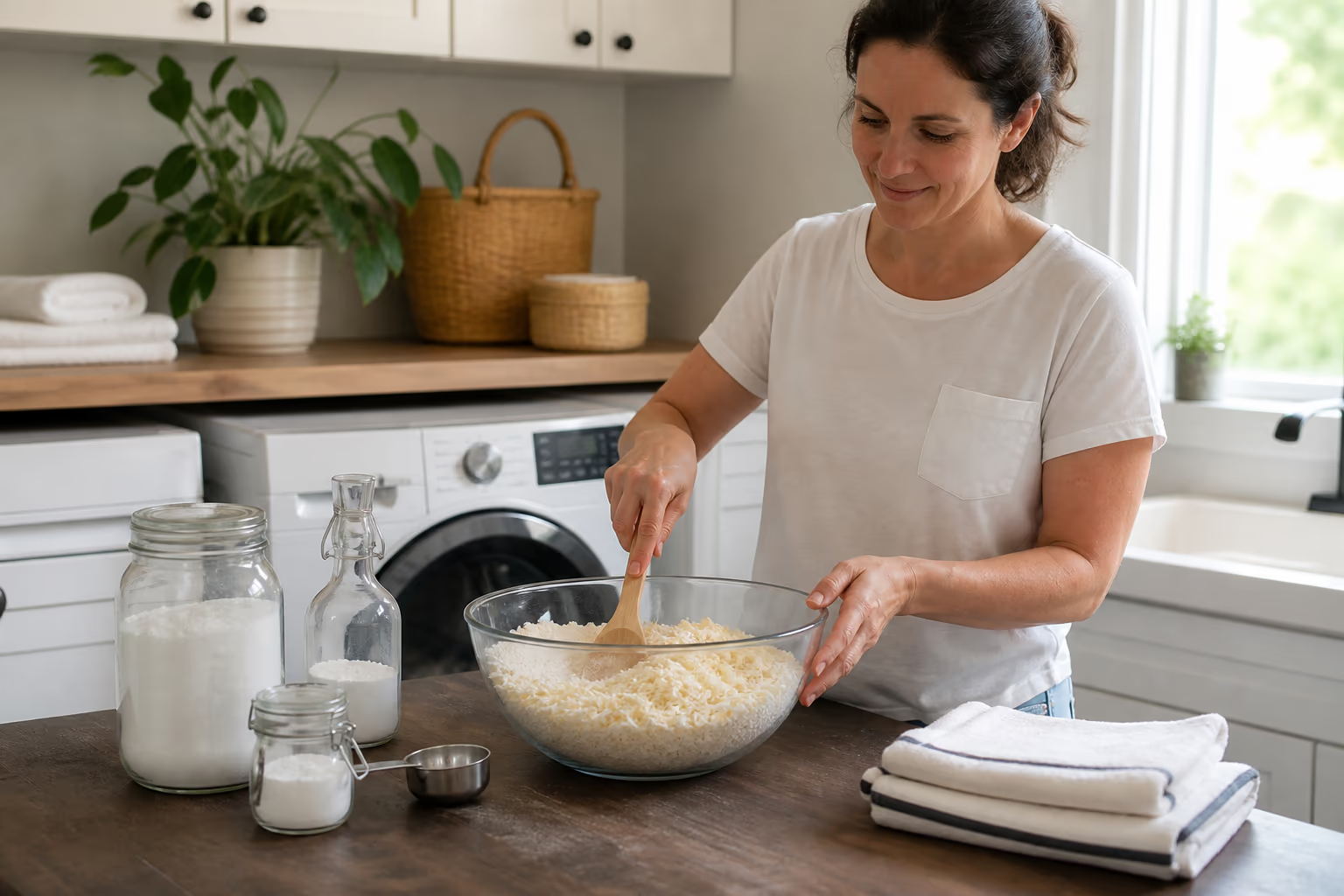
Quick Summary
Making DIY natural laundry detergent at home takes a handful of affordable ingredients, a mixing bowl and about twenty minutes, and it avoids the dyes and synthetic fragrances in many store-bought products. This guide walks through the ingredients, the simple recipe and step-by-step process, and how to store and troubleshoot it.
In this guide
Why Make Your Own Natural Laundry Detergent
Commercial detergents clean well, but many of them carry a long list of ingredients, including synthetic fragrances, optical brighteners and dyes that can irritate sensitive skin and leave a residue on fabrics. A homemade detergent keeps the ingredient list short, familiar and easy to say out loud, which is a real advantage when someone in your home has allergies or skin sensitivities.
Making your own is also a matter of cost and control. The ingredients are inexpensive, and a single batch stretches across many loads, so the per-load cost tends to be modest. You decide whether to add any scent at all, and you know precisely what is in the container, because you put it there. For many families, that combination of savings, simplicity and transparency is the reason they try it in the first place.
There is a practical Canadian angle as well. Water hardness varies across Ontario, and harder water makes it harder for detergent to lift soil. Washing soda, one of the core ingredients in a DIY formula, is a natural water softener that helps cleaning agents work better. All the ingredients are easy to find at Canadian grocery stores, hardware stores and co-ops, and they store well for months.
There is an environmental angle worth weighing too. Many commercial detergents rely on synthetic fragrances and brighteners that end up in the wastewater, and for households on a septic system, which are common in rural parts of Ontario, a simpler formula means fewer unfamiliar compounds entering the tank. Homemade detergent is not a cure-all, but it is one small way to lower the chemical load your home sends down the drain while keeping clothes clean. This recipe fits into a broader approach to natural cleaning around the house, and our guide on DIY natural and safe cleaning covers other simple swaps worth trying.
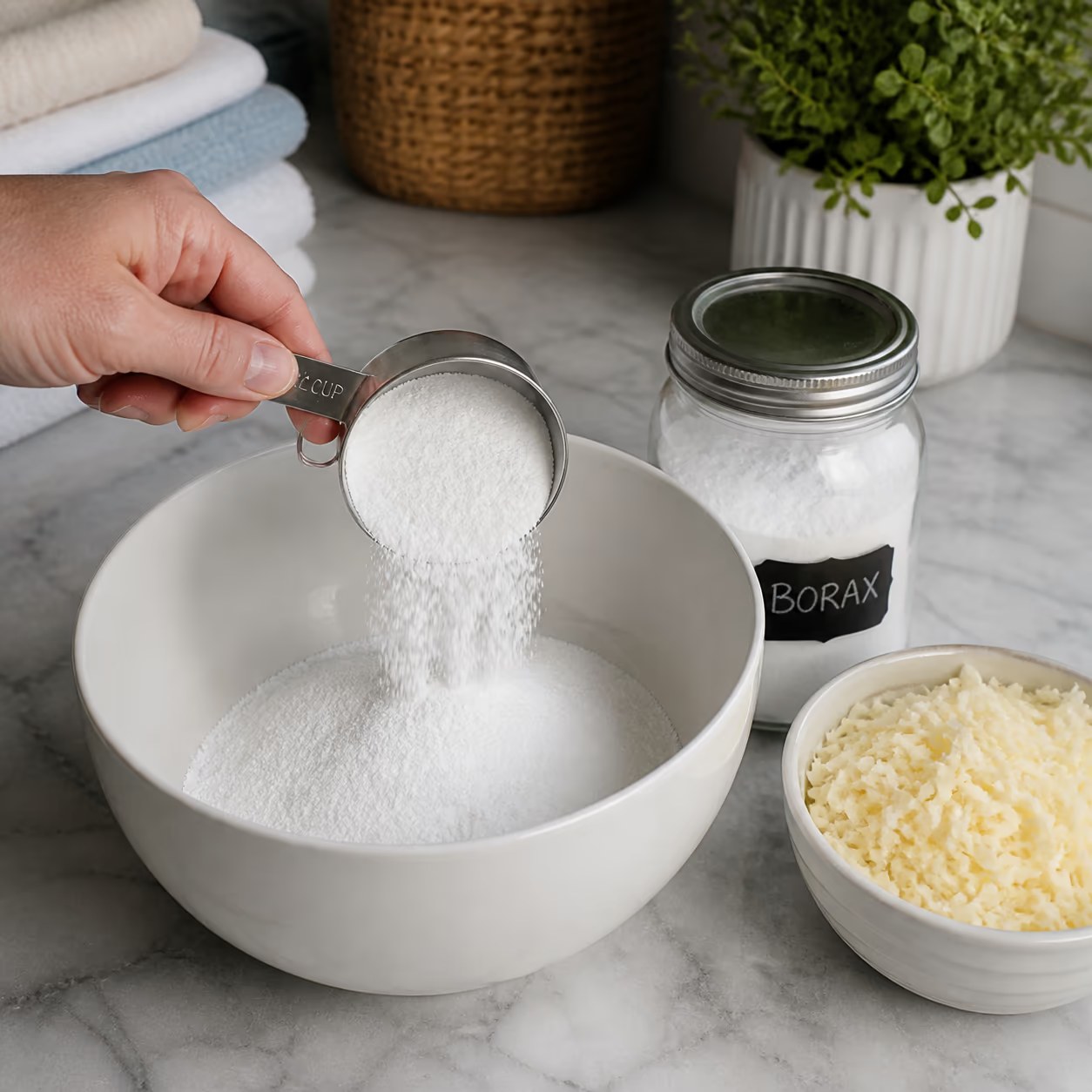
The Ingredients and What Each One Does
A basic homemade detergent uses just a few ingredients, and understanding each one helps you adjust the recipe to your own water and laundry.
- Washing soda, also called sodium carbonate, softens water and helps remove grease and soil from fabric.
- Borax, or sodium tetraborate, boosts cleaning power, helps with odours and is a common laundry builder.
- A bar of mild vegetable soap, such as castile soap, grated finely, provides the main cleaning action and gentle suds.
- Baking soda is optional, and it adds a mild freshening and softening effect.
- Coarse salt is used in some recipes as an extra builder that can help in hard water.
- Essential oils are optional, and a few drops add a light natural scent.
Homemade does not mean exempt from the handling rules. Health Canada's advice applies to anything you mix at home: never combine household chemical products, because some mixtures produce harmful gases, and store what you make tightly closed, labelled, and out of reach of children and pets. Health Canada is explicit about the risk: “Household chemical products, such as cleaning liquids and powders, drain cleaners, paint and paint thinners, liquid laundry detergent packets and windshield washer fluid can be dangerous.”
It is worth being honest about what a homemade detergent does and does not do. These simple formulas clean everyday laundry well, but they do not contain the enzymes, optical brighteners and specialised stain fighters that many commercial detergents use. For heavily soiled work clothes, grease spots or tough stains, you may need to pre-treat the item or reach for a dedicated stain product. That is not a weakness; it is simply a different trade-off, and one many households are happy to make.
A note on amounts: the recipe is forgiving, and you do not need to measure to the gram. Start with the one-to-one ratio of washing soda to borax, adjust up or down based on how your laundry comes out, and keep notes on what worked. Some families add a little more washing soda in hard-water areas, while others drop the borax entirely for sensitive skin, and both approaches produce clean, fresh laundry.
What You Need Before You Start
The shopping list is short, and you likely already own the tools. Plan for about twenty minutes the first time you make a batch.
- One cup of washing soda, which is roughly 250 millilitres.
- One cup of borax, roughly 250 millilitres, if you choose to use it.
- One bar of mild vegetable soap, around 140 grams, grated.
- A large mixing bowl and a spoon for stirring.
- An airtight container, such as a large glass jar or plastic tub, for storage.
- A grater or a food processor for the soap.
- A fine mask and gloves, because cleaning powders create dust when they are handled.
- A label and a marker so the container is clearly identified.
Because these are dry powders, safe handling matters. Wear a mask and gloves while you measure and stir, work in a well-ventilated area, and wipe up any spilled powder rather than sweeping it into the air. Store the finished detergent in a labelled container out of the reach of children and pets. The same habit of reading and following product guidance applies here as it does in a professional setting: under WHMIS 2015, every workplace cleaning product is paired with a safety data sheet that spells out handling, first aid and storage, and professional cleaning teams are trained to follow those details.
You can also add optional extras to tailor the batch to your home. A quarter cup of baking soda adds gentle freshening, a couple of tablespoons of coarse salt can help in hard water, and a few drops of a mild essential oil give a natural scent. Each addition is small, so you can adjust one batch at a time until the formula feels right for your family.
The Simple Recipe and Step-by-Step Process
The basic powdered recipe has four steps and needs no heat and no special equipment beyond a grater or food processor.
Start with the soap. Grate the whole bar on the fine side of a grater, or pulse it in a food processor until it is a coarse powder. The finer the soap, the more easily it dissolves in the wash, so take your time here. Once the soap is grated, set it aside.
Combine the dry ingredients in your bowl. Add one cup of washing soda and one cup of borax, if you are using it, to the grated soap, and stir everything together until the mixture is uniform. If you want a light scent, add a few drops of an essential oil now and stir again. The mixture should look like a fine, slightly textured powder.
Transfer the finished detergent to your airtight container and label it clearly with the name and the date. A closed container keeps moisture out, which matters because the powders will clump if they absorb humidity from the air. Store the container somewhere dry and reachable, and you are ready to wash.
Use one to two tablespoons per regular load. Start at the lower amount, and increase slightly only if your water is hard or your clothes are heavily soiled. Because the powder is concentrated, a little goes a long way, and a single batch will cover many loads.
If you prefer a liquid detergent, the same powders can be dissolved to make a gel, but the powder version is the better place to start. Powder stores compactly, has no water to dilute it, and is simpler to measure and travel with. Once you have made one successful batch, you can experiment with a liquid formula if it suits your washer and your habits.
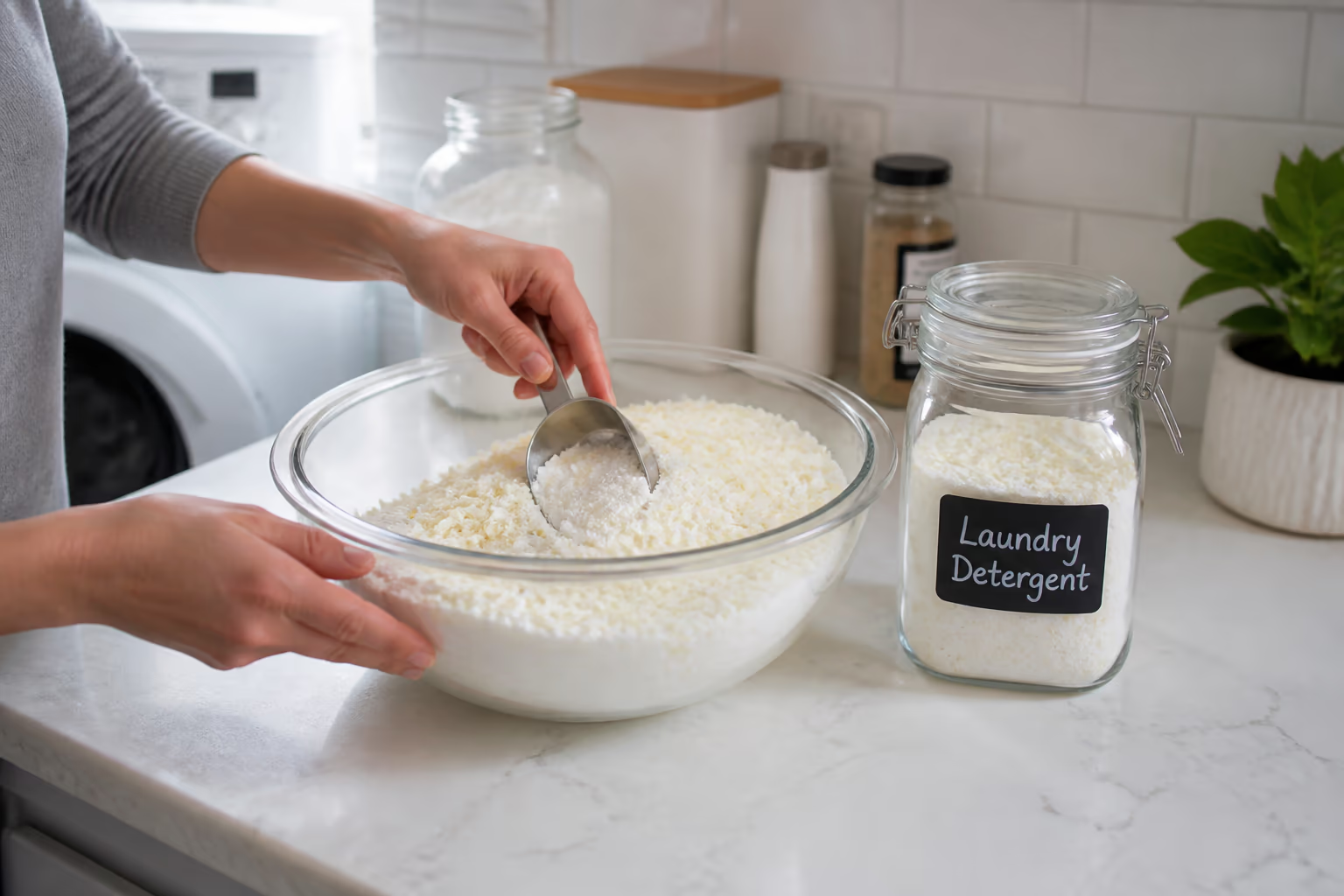
How to Use Your Homemade Detergent Well
Using a homemade detergent well is mostly about a few small habits that keep results consistent.
- Start with one tablespoon for a regular load and adjust from there.
- Dissolve the powder in a little warm water before adding it to the washer, which helps it work evenly, especially in cold cycles.
- Pre-treat oily or heavy stains with a little soap or a stain remover before the wash.
- Use the warmest water your fabric care label allows for heavily soiled loads.
- Expect fewer suds than commercial detergents, which is completely normal for a low-sudsing formula.
- Test the detergent on one or two loads before committing your whole wardrobe.
If you use a front-loading or high-efficiency washer, you can use a little less powder, because these machines need far less detergent overall. If you notice a powdery residue on dark clothes, the usual cause is using too much or not letting the powder dissolve fully; reduce the amount and dissolve the powder in water before you add it. Freshness comes from the wash itself, so a lightly scented or unscented detergent still leaves clothes clean and smelling neutral.
Storage, Troubleshooting and Common Mistakes
Most problems with homemade detergent are easy to diagnose and fix, and they usually come down to moisture, amount or expectations.
- Clumping in the jar happens when moisture gets in. Store the detergent in an airtight container, and break up any clumps with a spoon before using.
- White residue on dark clothing usually means you used too much or the powder did not dissolve. Cut the amount or dissolve it in warm water first.
- No suds is normal. Homemade formulas are low-sudsing by design, and suds are not a measure of cleaning power.
- A faint scent is expected. Essential oils fade over time, so if you want a stronger scent, add a drop to the wash itself rather than the batch.
- If someone in your home prefers to avoid borax, skip it and use washing soda and soap alone; the formula still cleans everyday loads.
- Heavy stains may need pre-treatment, because a simple homemade formula lacks the enzymes of commercial products.
Keep your expectations honest and the routine simple. Homemade detergent handles everyday loads, freshens clothing and reduces the chemicals you bring into your home. For genuinely tough jobs, a stain remover, a longer soak or professional care is the right tool, and there is no shame in using all three together.
It also helps to give your washing machine a little care of its own. Over time, detergent residue, fabric softener and hard-water minerals can build up inside the drum and hoses, which can affect both the machine and the freshness of your wash. Running a regular cleaning cycle with the product recommended for your machine, or following the manufacturer's care instructions, keeps the machine working well and lets your homemade detergent perform at its best.
When a Professional Home Clean Matters
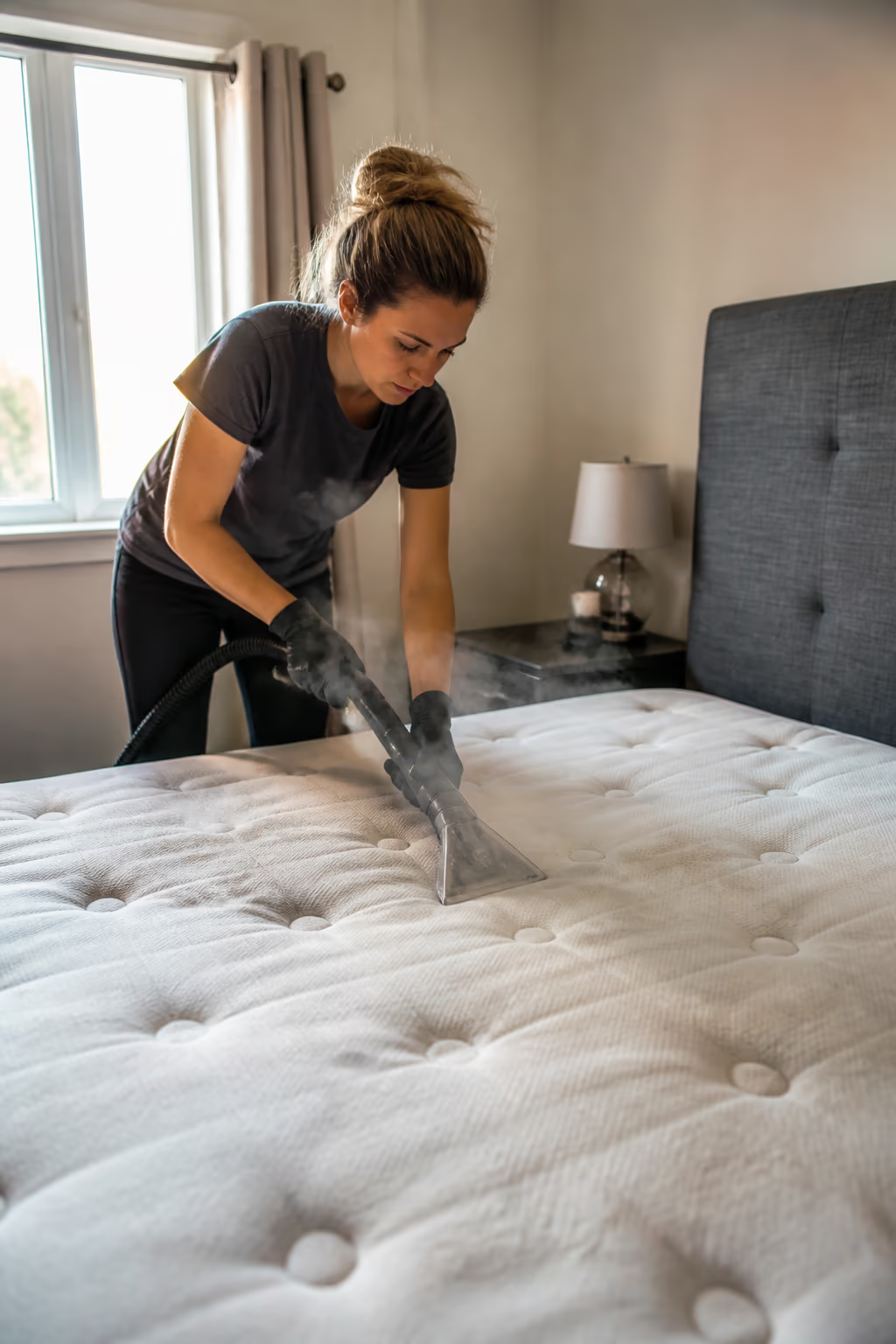
DIY detergent is a great everyday option, but some cleaning jobs are simply too large or too delicate for the laundry room. Mattresses, upholstered furniture, area rugs, heavy curtains and comforters all trap dust, stains and odours deep in their fibres, and they respond best to the steam equipment, extraction tools and trained technique of a professional team. A deep refresh of these items a couple of times a year keeps the whole home feeling cleaner and reduces the load on your own washing machine.
Timing matters as well. Spring and fall are natural moments to book a deeper home refresh, because they line up with wardrobe changes, bedding rotations and the seasonal dust that collects in Ottawa homes. A professional visit a couple of times a year complements your weekly routine and gives the whole home a reset without turning your weekend into a marathon.
That is where Good Cleaner Co. comes in. Our residential home cleaning services in Ottawa are built around your schedule and standards, so your weekly routine and our deeper clean work together. For a general sense of what that deeper clean runs, our page on the typical cost of cleaning services in Ottawa breaks down the usual ranges.
If you are comparing cleaning providers, our guide to choosing a commercial cleaning company is a useful starting point for the questions that matter, even for a home, because the same standards of transparency, training and product choice apply to any good cleaning company.
Formatted Step-by-Step DIY Laundry Detergent Checklist
Work through these steps once to make a batch, then keep the jar stocked for easy refills.
- 1.Gather one cup of washing soda, one cup of borax and one bar of mild vegetable soap, plus your bowl and airtight container.
- 2.Grate the bar of soap finely, or pulse it in a food processor until it forms a coarse powder.
- 3.Combine the grated soap with the washing soda and borax, and stir until the mixture is uniform.
- 4.Store the detergent in a labelled airtight container in a dry spot, and break up any clumps before use.
- 5.Use one to two tablespoons per load, dissolve it in warm water for best results, and adjust for hard water or heavy soil.
- 6.For the deep fabric and home tasks that a wash cycle cannot reach, reviewing our recurring home cleaning services in Ottawa provides a trained team for regular, thorough upkeep.
FAQ
Is homemade laundry detergent safe for all fabrics?
For everyday fabrics, yes, and it is gentler on sensitive skin because it is free of synthetic fragrances and dyes. Delicate or heavily treated fabrics still deserve the care instructions on their labels.
Will it work in cold water?
It works in cold water, but the powder dissolves more easily in warm water, and warm or hot water lifts oil and soil better. For a cold wash, dissolve the powder in a little warm water before adding it.
How much should I use per load?
Start with one tablespoon for a regular load. Increase to two if your water is hard or your clothes are heavily soiled, and use less in a high-efficiency washer.
Why is there almost no suds?
That is normal. Homemade formulas are low-sudsing by design, and suds are not a measure of cleaning power. The washing soda and soap do the work, not the foam.
Does it remove stains and odours?
It cleans everyday soil and most odours well. Heavy grease and tough set-in stains may need pre-treatment or a dedicated stain product, because the simple formula does not include enzymes.
Is borax necessary, and is it safe to use?
Borax is optional. It boosts cleaning and helps with odours, but you can skip it and use washing soda and soap alone. Handle any cleaning powder with gloves and a mask, and keep it away from children.
How long will a batch last?
Stored in an airtight container in a dry place, a batch keeps for months. How many loads you get depends on how much you use per wash, but one to two tablespoons a load goes a long way.
Can I add a scent to the detergent?
Yes. A few drops of an essential oil added when you mix the batch gives a light, natural scent, and it fades over time. If you want a stronger scent, add a drop to the wash itself.
Can I use homemade detergent in a high-efficiency washer?
Yes. Use a smaller amount, starting at one tablespoon, because high-efficiency machines need less detergent. The low-sudsing formula is well suited to these washers and leaves less residue behind.
Does the detergent need to be stored away from children and pets?
Yes. Washing soda and borax are household cleaning powders, and they should be stored in a clearly labelled container out of the reach of children and pets. Wear gloves and a mask when you handle the dry powders.
Wrapping Up
Making your own DIY natural laundry detergent at home is a simple, affordable way to take control of what touches your family's clothes. Grate a bar of mild soap, combine it with washing soda and borax, store the powder in an airtight jar, and use a tablespoon or two per load. It cleans everyday laundry, reduces the chemicals and synthetic fragrances in your home, and is easy on sensitive skin. For the larger fabric and deep-cleaning tasks that a washing machine cannot handle, Good Cleaner Co. can help with a cleaning plan tailored to your home.
Keep reading
More from Good Cleaner
Services that fit
- House Cleaning Services in OttawaHouse cleaning services in Ottawa for one-time, weekly, biweekly, and monthly home care, with customizable cleaning and eco-friendly options.
- Janitorial Services in OttawaRecurring janitorial services in Ottawa for offices, warehouses, retail, dealerships and schools, with eco-friendly commercial cleaning and customized plans.
About the author
Service areas
- Ottawa
- Kanata
- Nepean
- Orleans
- Barrhaven