
How To Keep Your Home Dust-Free
Learning how to keep your home dust-free not only enhances its appearance but also creates a healthier living environment. Dust is a mix of dead skin flakes, fabric fibres, pet dander, pollen and fine particles that drift in from outside, and it settles on every surface in every room. The good news is that you do not need harsh chemicals or endless weekends to control it. With the right tools, the right order of work and a few lasting habits, you can keep surfaces cleaner for longer and make the air in your home feel fresher.
Quick Summary
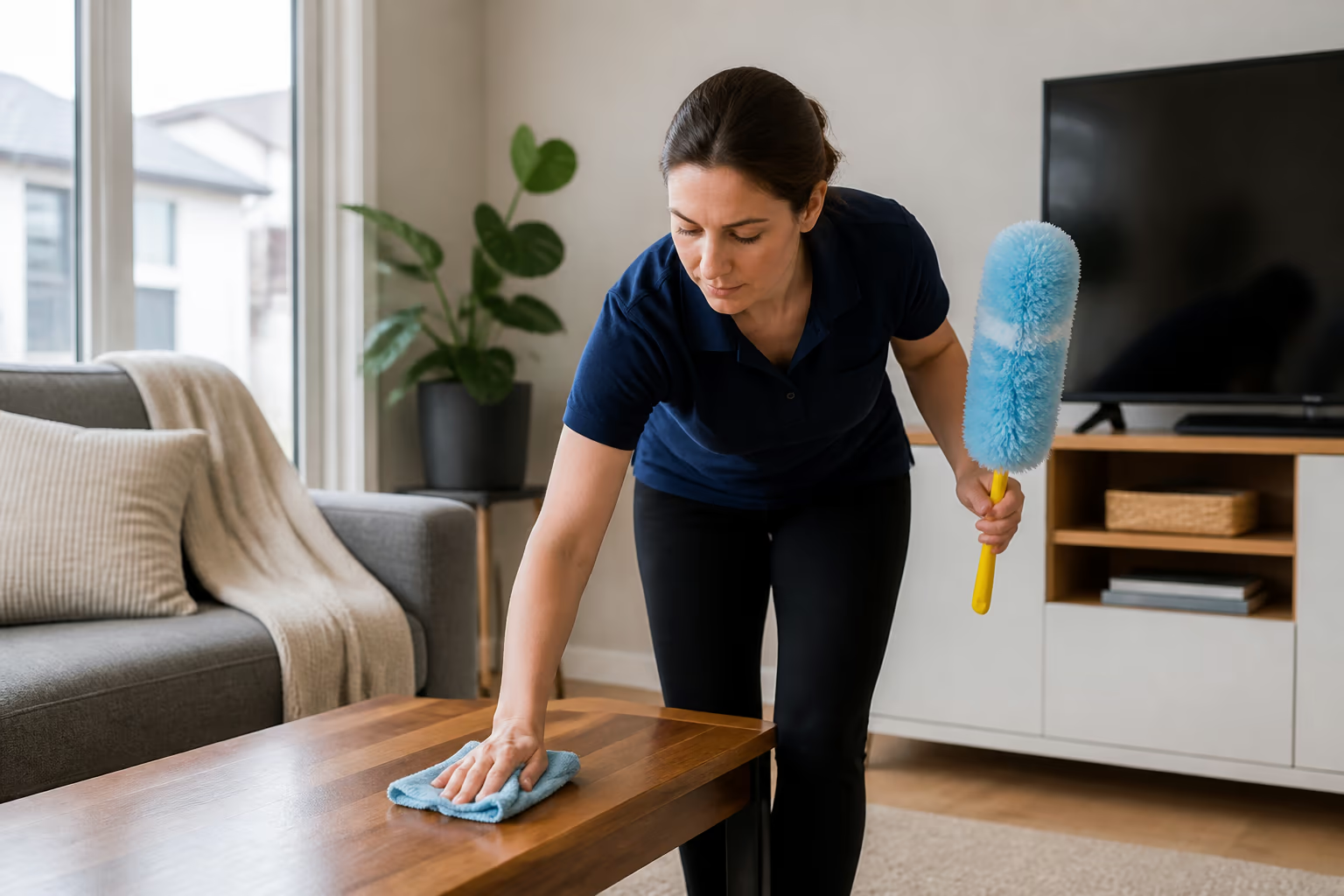
Keeping a home dust-free comes down to the right tools and order, not harsh chemicals. Work from high to low with a damp microfibre cloth, vacuum slowly, wash bedding regularly and change the furnace filter often to keep surfaces cleaner and the air fresher for longer.
In this guide
Why Dust Is a Constant Problem in Ottawa Homes
Dust is not one single substance, and that is why it keeps coming back. Every home continuously produces dust from the people and pets who live in it, the fabrics and furniture it contains, and the air that moves through it. Skin flakes shed as we move and sleep, carpets release fibres, drywall and wood wear away in microscopic amounts, and cooking, laundry and candle use add their own particles. Because the sources are always active, dust is never something you remove once and forget.
Two of Health Canada's household recommendations do most of the work here: clean floors with a damp mop or cloth rather than dry sweeping, and vacuum with a HEPA filter or a central vacuum vented outdoors. Both are about capturing particles instead of relocating them. Health Canada states it plainly: “The most effective way to improve your indoor air is to identify activities that can contribute to poor indoor air quality and remove or reduce the sources of indoor air pollutants.”
The Ottawa climate adds its own seasonal load. In winter, homes are sealed up and heated, so the furnace recirculates the same air again and again while humidity drops. Salt, sand and grit from winter boots get tracked across entryways and grind into a fine dust on hard floors and mats. When spring arrives and the windows finally open, pollen and fresh outdoor air blow through, bringing a new layer of particles. In fall, dry leaves and garden soil find their way in on shoes and clothing. Each season changes what your dust is made of, but the result is the same: surfaces need attention all year round.
Dust control matters even when you are not allergic. A home with less dust stays visibly cleaner between cleanings, which means you spend less time chasing the same film off tables and shelves. Less dust also means less load on your furnace filter, less sneezing on dry winter mornings, and a space that simply feels lighter and more comfortable. For households with allergies or asthma, the stakes are higher, because dust carries dust mite matter, pet dander and pollen that can trigger symptoms.
Where Dust Settles and Hides
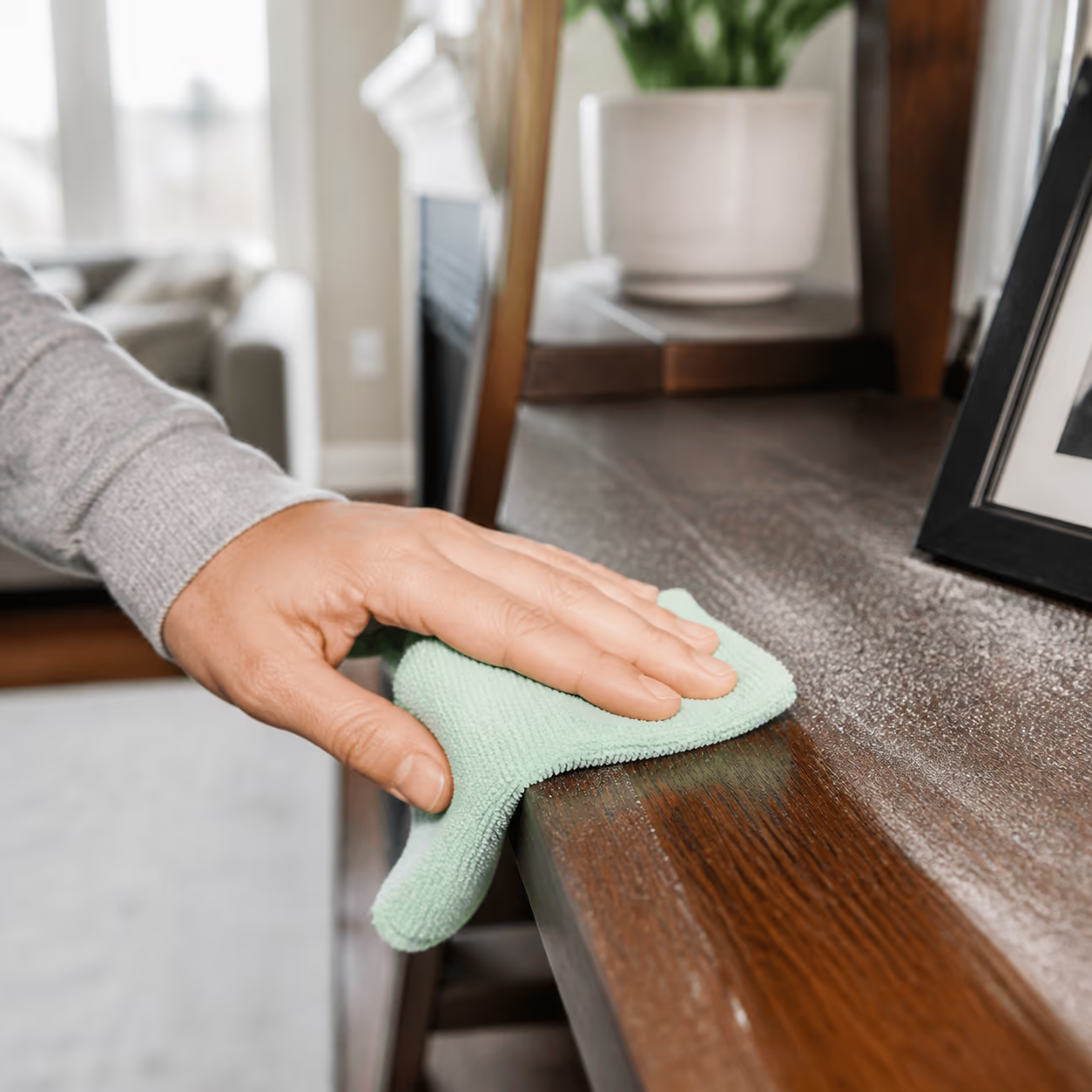
Understanding where dust gathers tells you exactly where to aim your effort. Dust follows gravity and air currents, so it collects on every horizontal surface and in every corner where air slows down.
- Ceiling fans, light fixtures and the tops of door frames and cabinets.
- High shelves, wall art, picture frames and the tops of tall furniture.
- Window sills, blinds, curtains and the tracks of sliding windows.
- Under and behind beds, sofas and appliances.
- Carpets, area rugs and runners, where dust works its way down into the pile.
- Bedding, mattresses, pillows and upholstered furniture.
- Electronics, televisions, speakers and entertainment centres, which attract dust with static.
- Vent covers, furnace returns and the baseboards along every wall.
You do not need to obsess over the hidden spots on a daily basis. What matters is that a weekly dusting touches the visible high-traffic surfaces, while a deeper rotation a few times a year reaches the tops of cabinets, under the bed and behind the sofa. If you always clean in the same order, from high to low, you stop re-depositing the dust you have just removed.
What You Need Before You Start
You probably already own most of what you need for a strong dust-free routine. The trick is choosing tools that trap dust instead of tools that simply push it around the room.
- Microfibre cloths, which grab and hold dust far better than cotton rags or feather dusters.
- A vacuum cleaner with a HEPA filter and useful attachments, including a soft brush and a crevice tool.
- An extendable duster for ceiling fans, high shelves and door frames.
- A damp mop or microfibre flat mop for hard floors.
- A bucket and a mild cleaning solution for spot washing surfaces.
- A low-fume furniture polish or wood cleaner if you have finished wood surfaces.
When you shop for supplies, look for low-fume, plant-based products and keep an eye out for the EcoLogo certification or another recognised eco-label, which signals that the formulation meets environmental standards. For tasks that genuinely need a sanitising product, choose one with a Drug Identification Number, or DIN, registered with Health Canada, and follow the dwell time printed on the label so the product has time to work. Under WHMIS 2015, the workplace hazard rules, every commercial cleaning product carries a safety data sheet, and professional cleaners are trained to read those sheets, dilute products correctly and wear the right protective gear. That same discipline is why a trained team gets surfaces clean without leaving behind harsh residue or strong fumes.
The Step-by-Step Process
A reliable order makes dusting faster and stops you from doing the same work twice. The golden rule is to work from high to low, so the dust that falls as you clean lands on surfaces you have not cleaned yet, or on surfaces you will clean last.
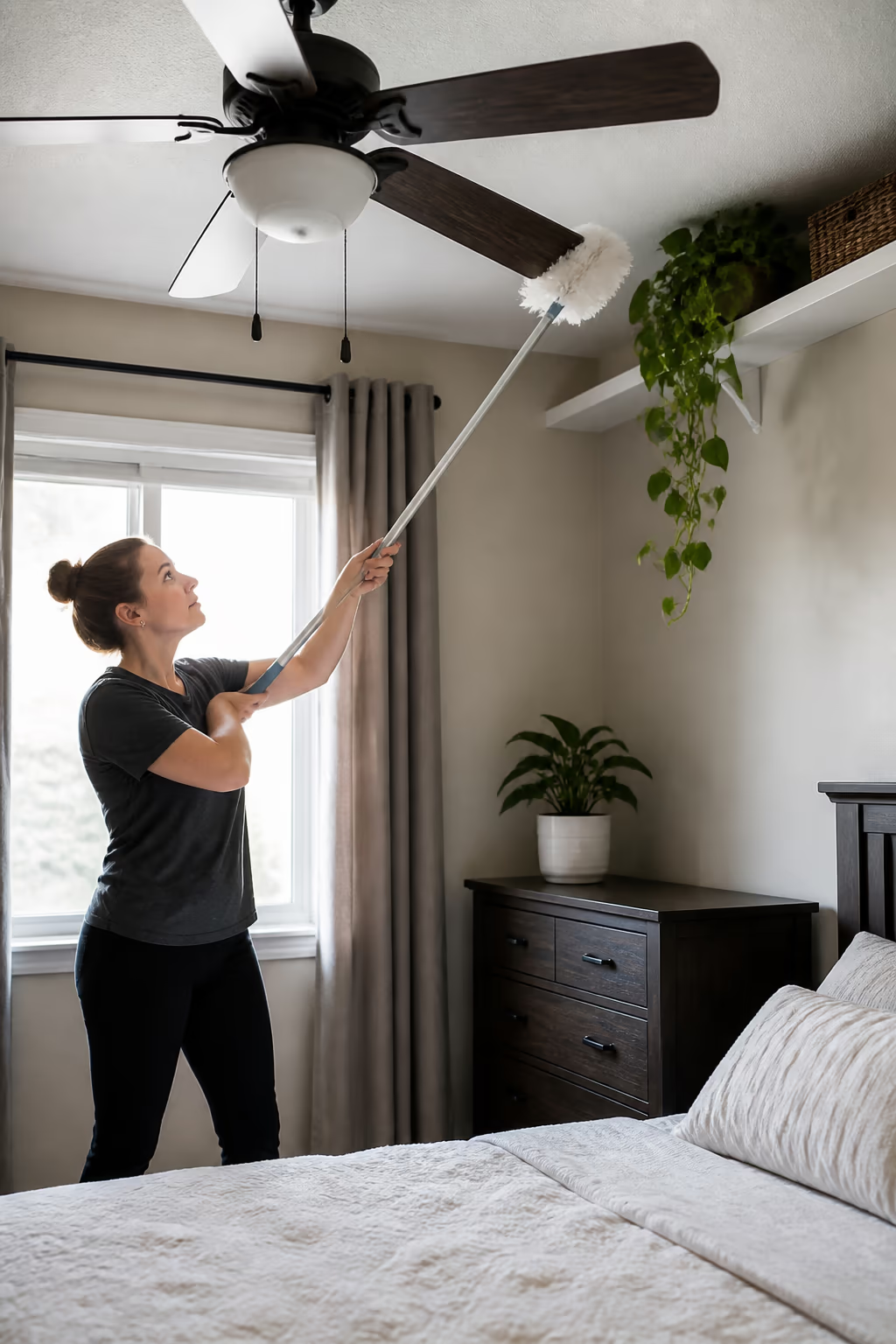
Start high. Dust the ceiling fan blades, the tops of door frames, high shelves and light fixtures first. Use a damp microfibre cloth or an extendable duster, and take the cloth to the bin as soon as it is heavy, because shaking it out just returns the dust to the air. Next, work down the vertical surfaces: wall art, window sills, blinds and the fronts and tops of tall furniture.
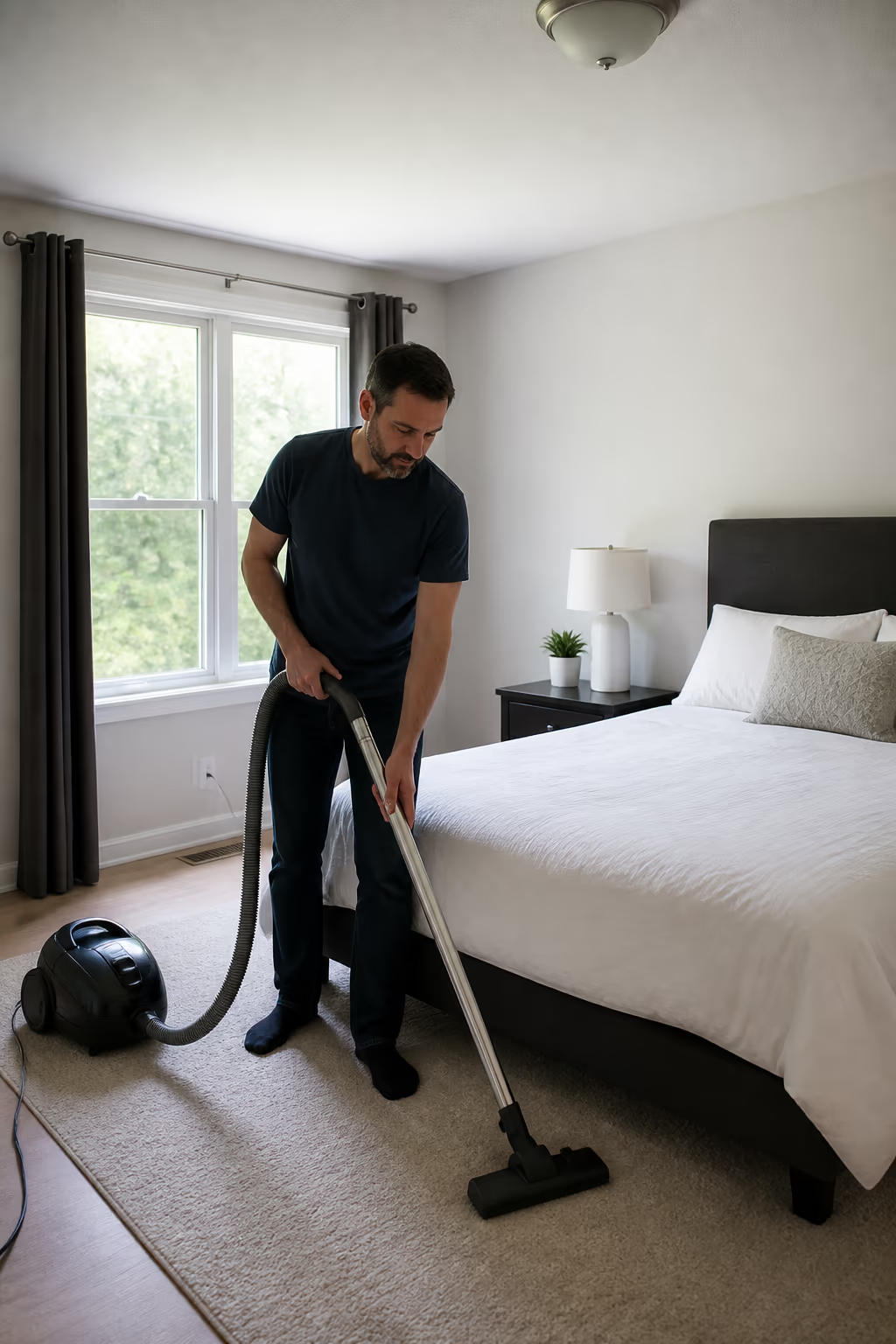
Then move to the low surfaces. Wipe tables, counters, desks and shelves with a slightly damp microfibre cloth so the dust clings to the cloth instead of flying. Follow the grain of wood furniture and switch to a fresh cloth section for electronics, which hold onto dust with static. Finally, reach the floor: vacuum carpets and rugs slowly so the suction can pull dust out of the pile, and mop or wipe hard floors with a damp cloth to trap what the broom would scatter.
Bedding deserves its own rhythm. Sheets, pillowcases and duvet covers should be washed regularly, because fabric sheds fibres and collects skin flakes all night. Keep the bedroom tidy, reduce the number of decorative cushions if you can, and vacuum the mattress and under the bed as part of your deeper cleaning days. When you finish a room, close it briefly while the dust settles, then do a quick final pass over the surfaces you just cleaned.
The same high-to-low approach works in the workplace, and our guide on maintaining a dust free office environment adapts it for shared office spaces.
Natural and Low-Fume Ways to Keep Dust Down
You do not need a strong chemical arsenal to control dust, because dust removal is mostly mechanical: you are lifting particles off surfaces and taking them out of the room. Natural and low-fume methods do this well and are easier on people, pets and the air inside your home.
Damp cleaning is your best daily tool. A slightly damp microfibre cloth collects dust and holds it, while a dry cloth or a feather duster tends to scatter it back into the air. On hard floors, a damp mop picks up far more than a dry sweep. If you like a fresh scent without harsh chemicals, a small amount of vinegar diluted in water or a few drops of a mild essential oil can add a pleasant note, but keep expectations honest: scents freshen, while the damp cloth is what actually removes the dust.
Humidity and airflow play a real role. Very dry, static-charged air in a heated Ottawa winter makes dust cling to electronics and fabric and makes it float longer when disturbed. Light, regular ventilation on mild days exchanges stale indoor air, and a good furnace filter changed on the manufacturer's schedule captures a large share of airborne dust before it can settle. These habits do not replace cleaning, but they reduce how much dust your cleaning needs to move.
Long-Term Prevention and Routine Habits
Prevention is a set of small, repeatable habits that keep dust from accumulating in the first place. You do not need to be perfect; you need to be consistent.
- Wipe shoes or take them off at the door to keep street dirt, salt and grit out of the house.
- Place doormats at every entrance and shake or wash them regularly.
- Use microfibre cloths and damp mopping instead of feather dusters and dry brooms.
- Dust high to low and let each room settle before your final pass.
- Wash bedding regularly and vacuum the mattress and under the bed on a schedule.
- Reduce clutter, because every object is another surface for dust to settle on.
- Vacuum carpets slowly and move furniture you can manage when you deep clean.
- Change the furnace filter on the manufacturer's schedule.
- Keep windows closed on high-pollen days and open them for a few minutes on mild, dry days.
- Ask your cleaning team to rotate the hidden spots so no surface is forgotten.
Routine beats intensity. A twenty-minute weekly dusting that you actually do beats a marathon cleaning session that happens twice a year. Tie the task to a habit you already have, such as changing your hand towels or taking out the recycling, and keep the cloths and duster where you can reach them without hunting. For people with allergies, consistent dusting, along with washing bedding and keeping humidity comfortable, supports the advice your doctor or allergist gives you. The same steady, room-by-room habit carries over well to the bathroom, where our guide on how to keep your bathroom germ free and sparkling covers the moisture and germ side of the routine.
Common Mistakes and How to Avoid Them
Most dusting efforts fall short not because of laziness, but because of a few easily fixed mistakes.
- Using a feather duster or a dry cloth, which launches dust into the air instead of trapping it.
- Cleaning from low to high, so dust falls onto surfaces you have already cleaned.
- Shaking dust out of cloths inside the room, which sends it straight back into the air.
- Forgetting the vertical and hidden surfaces, where the visible dust builds up unnoticed.
- Vacuuming carpet too quickly, which skims the surface instead of pulling dust from the pile.
- Skipping the bedding, which sheds fibres and collects skin flakes every night.
- Using strong, heavily scented products that leave residue and can irritate sensitive households.
- Ignoring the furnace filter until dust is visibly collecting on vents.
Each of these has a simple fix. Switch to damp microfibre, always work top to bottom, take dusty cloths to the bin, and give carpets the slow pass they need. When you change these habits together, the amount of dust you see on your shelves and floors drops noticeably, and the cleaning you do actually stays done for longer.
Costs, Timing and When to Call a Professional
A dust-free routine is mostly a matter of your own time, and the core supplies are inexpensive. Microfibre cloths and a decent duster cost very little, a HEPA vacuum is a longer-term investment, and furnace filters are a modest recurring item. The real ongoing cost is a small amount of weekly effort, which is why consistency matters more than buying more products.
Professional help becomes genuinely useful in a few situations. If you are moving into a newly renovated or previously occupied home, if allergies or asthma flare when the house is dusty, or if your schedule simply does not allow for the deeper tasks, a trained team can do the intensive work quickly. A professional deep clean of high shelves, vents, carpets, upholstery and overlooked corners gives you a strong reset, and then a lighter weekly routine keeps the gains. If your carpets need work beyond what a vacuum can lift, our carpet cleaning price Ottawa page outlines what a deeper carpet clean typically costs. Good Cleaner Co. combines local experience, background-checked staff and carefully selected, low-fume products to keep Ottawa and area homes clean and healthy. Our residential home cleaning services in Ottawa are built around your schedule and standards.
If you are comparing cleaning providers, our guide to vetting commercial cleaners is a useful starting point for the questions that matter, even for a home, because the same standards of transparency, training and product choice apply to any good cleaning company.
Formatted Step-by-Step Dust-Free Cleaning Checklist
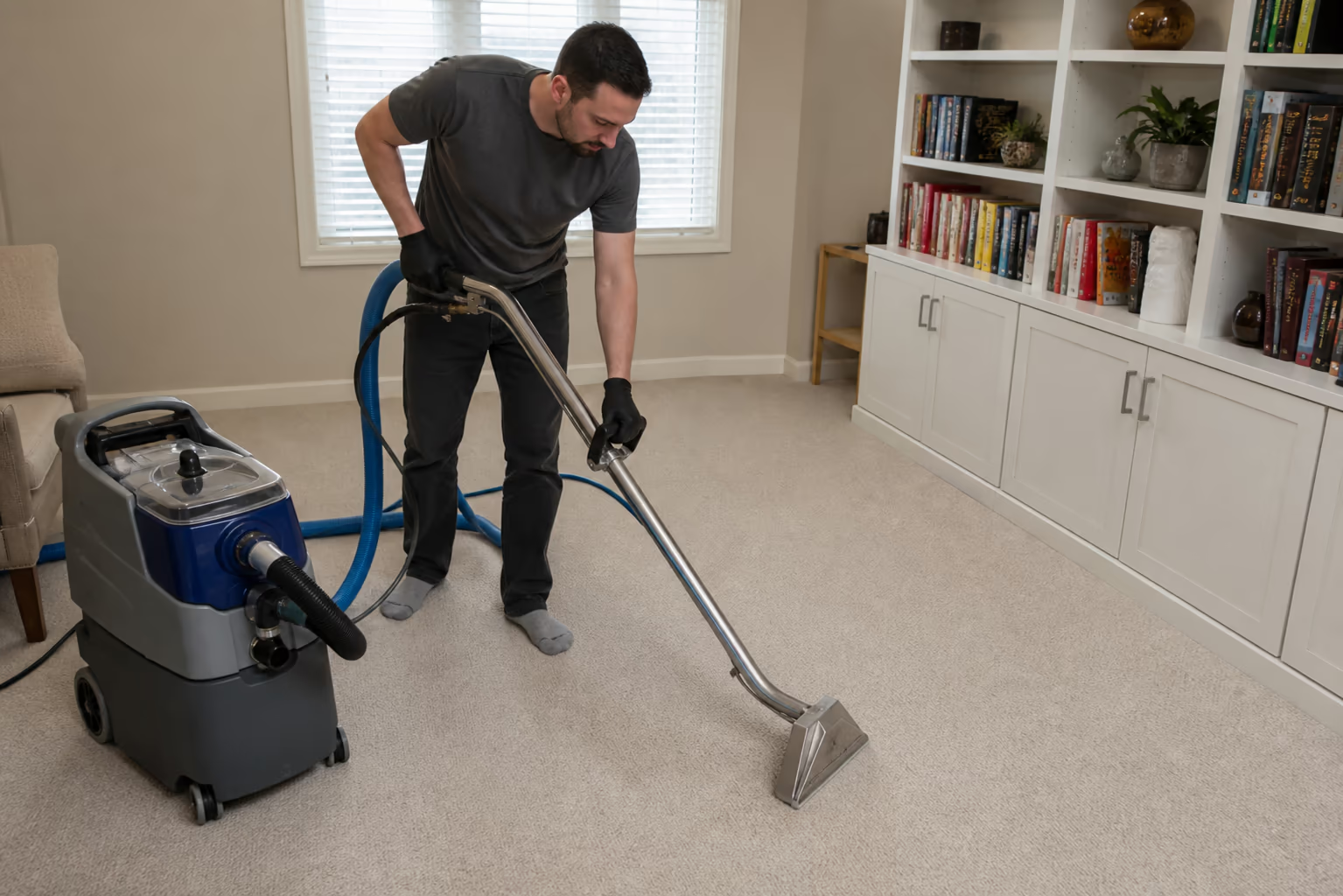
Work through these steps as a weekly routine, and add the deeper tasks on a rotating schedule.
- 1.Gather your microfibre cloths, duster and vacuum, and open windows on a mild day for fresh air.
- 2.Dust high to low, starting with ceiling fans, door frames and high shelves before moving to sills and furniture.
- 3.Wipe low surfaces and electronics with a slightly damp microfibre cloth, and take the soiled cloth to the bin.
- 4.Vacuum carpets slowly and thoroughly, then mop or wipe hard floors with a damp cloth to trap the dust.
- 5.Wash bedding on schedule, vacuum the mattress and under the bed, and change the furnace filter when due.
- 6.For a deeper reset, a move-in or a busy season, reviewing our trusted home cleaning crews in Ottawa provides a trained team for regular, thorough upkeep.
FAQ
How often should I dust my home?
A weekly dusting of the high-traffic surfaces keeps most homes looking clean, with deeper passes on the hidden spots every few weeks. Homes with pets, allergies or frequent open windows may need a little more.
What is the best tool to remove dust?
A slightly damp microfibre cloth is the most effective everyday tool because it traps and holds dust instead of scattering it. A vacuum with a HEPA filter is the best tool for carpets, mattresses and upholstery.
Do I need harsh chemicals to keep dust away?
No. Dust removal is mostly mechanical, so damp microfibre cloths, a good vacuum and consistent habits do the real work. Low-fume, plant-based products keep things fresh without harsh residue.
Why does my home get dusty so fast?
Dust comes from people, pets, fabric, furniture and the air itself, so it is always being produced. In a heated, sealed Ottawa winter, the furnace recirculates the same air, and salt and grit from boots add extra particles.
Should I dust or vacuum first?
Dust first, working from high to low, and vacuum or mop the floor last. That way the dust that falls during your cleaning lands on the floor, which you clean at the end.
How do I keep dust off my electronics?
Electronics attract dust with static, so use a fresh, slightly damp microfibre cloth or a dedicated electronics wipe, and dust them in your weekly rotation. Turn devices off and allow them to cool before cleaning.
Can a furnace filter really reduce dust?
Yes. A clean, correctly rated furnace filter captures a large share of airborne dust before it settles, and it reduces the load on your heating system. Change it on the manufacturer's schedule for the best result.
When should I hire a professional cleaner?
Consider a professional when you need a deep reset, after a renovation or move, when allergies flare, or when your schedule cannot cover the deeper tasks. A trained team reaches the high shelves, vents and hidden corners quickly and thoroughly.
Wrapping Up
Keeping your home dust-free comes down to the right tools, the right order and consistent habits. Work from high to low with damp microfibre cloths, vacuum and mop slowly and thoroughly, wash your bedding on schedule, and let a clean furnace filter do some of the work for you. These simple practices cut the dust on your surfaces and in your air, and they make every cleaning day easier. For a deep reset or a regular schedule that keeps the whole house comfortable, Good Cleaner Co. can help with a cleaning plan tailored to your home.
Keep reading
More from Good Cleaner
Services that fit
- House Cleaning Services in OttawaHouse cleaning services in Ottawa for one-time, weekly, biweekly, and monthly home care, with customizable cleaning and eco-friendly options.
- Janitorial Services in OttawaRecurring janitorial services in Ottawa for offices, warehouses, retail, dealerships and schools, with eco-friendly commercial cleaning and customized plans.
About the author
Service areas
- Ottawa
- Kanata
- Nepean
- Orleans
- Barrhaven