
How To Get Rid Of Dust Mites Naturally For Allergy Relief
If you wake up stuffy, sneezing or itchy in your own bedroom, dust mites may be the quiet culprit. These microscopic creatures feed on the dead skin flakes we all shed every day, and they thrive in the warm, humid places where we sleep and rest. The good news is that you do not need harsh chemical foggers or expensive treatments to win the fight. With a consistent routine of hot washing, HEPA vacuuming, humidity control and natural cleaning methods, you can dramatically reduce dust mite populations and the allergy symptoms they trigger. This guide walks through what actually works, what to skip, and how Good Cleaner Co. helps Ottawa homes stay comfortable and allergen-friendly all year round.
Quick Summary
Dust mites thrive in warm, humid bedding and trigger allergy and asthma symptoms, especially overnight. A consistent routine of hot washing, HEPA vacuuming and humidity control, adjusted with Ottawa's seasons, naturally reduces dust mite populations without harsh chemical foggers.
In this guide
Why Dust Mites Are a Problem in Ottawa Homes
Dust mites are not insects and they do not bite, but the proteins in their droppings and body fragments are a common trigger for allergic reactions and asthma symptoms. For many people, symptoms peak at night, because we spend roughly a third of our lives in bed, nose to pillow, in the exact place where mites concentrate. The mattress, pillow and duvet collect skin flakes through the night and hold the warmth and moisture that mites need, which is why the bedroom is always the starting point for any serious control plan.
Health Canada's household guidance is specific about this: use a mattress and pillow protector, vacuum mattresses, and wash sheets once a week in hot water to protect against dust mites. It is an unglamorous routine, and it targets the bedding where mite allergen actually concentrates. The federal guidance opens with the reason it matters: “Poor indoor air quality can affect your health.”
The climate in Ottawa adds a seasonal twist. Summers can be humid, and humidity above about fifty per cent encourages dust mite reproduction, so populations grow fastest in the warmer months. Winters bring sealed-up houses and recirculated furnace air, which changes how dust moves through a home without eliminating the mites. The practical result is that dust mite control is not a one-time fix; it is an ongoing routine that you adjust as the seasons change.
Why should you care even if you are not sensitive to them? Dust mites are part of household dust, and household dust is something every home produces continuously. Even without allergies, cutting down on dust makes surfaces stay cleaner for longer, reduces the load on your furnace filter, and makes the air in your home feel fresher. Good Cleaner Co. treats dust control as a core part of any thorough home cleaning, because a cleaner home is simply a healthier place to live.
If you are wondering whether your symptoms are allergy-related, pay attention to when they flare. Waking up congested, sneezing in the bedroom, or feeling worse right after making the bed are all clues. An allergy test from your doctor can confirm dust mite sensitivity, and once you know what you are dealing with, you can target your cleaning where it matters most: the bed, the floor and the upholstery.
Where Dust Mites Hide and Why They Thrive
Understanding where mites live tells you exactly where to spend your effort. They prefer soft, warm, absorbent materials that collect skin flakes and hold onto moisture.
- Mattresses, pillows, duvets and box springs, where skin flakes accumulate through the night.
- Blankets, comforters, throw pillows and the fabric headboard.
- Carpets, area rugs and runners, especially ones with a thick pile.
- Upholstered sofas, armchairs and cushions.
- Curtains and fabric window coverings.
- Stuffed toys and pet beds.
- Clothing, especially items kept in damp or overcrowded closets.
Mites do not drink water the way we do. Instead, they absorb moisture from the air, which is why they multiply fastest when indoor humidity is high and why they flourish in bedrooms and bathrooms. Their ideal environment is warm, dark and humid, and the surface of a mattress warmed by your body overnight is close to perfect for them.
This is why simply dusting with a feather duster does very little. It moves mites and allergens into the air, where they settle somewhere else a few minutes later. To actually reduce the population, you need to do three things: remove the food source, remove the mites and their droppings, and make the environment less welcoming. Each of the following sections tackles one part of that plan.
If you notice bite marks or blood spots on the sheets rather than just morning stuffiness, that points to a different pest, and our guide on how to get rid of bed bugs quickly walks through the distinct steps that problem needs.
What You Need Before You Start
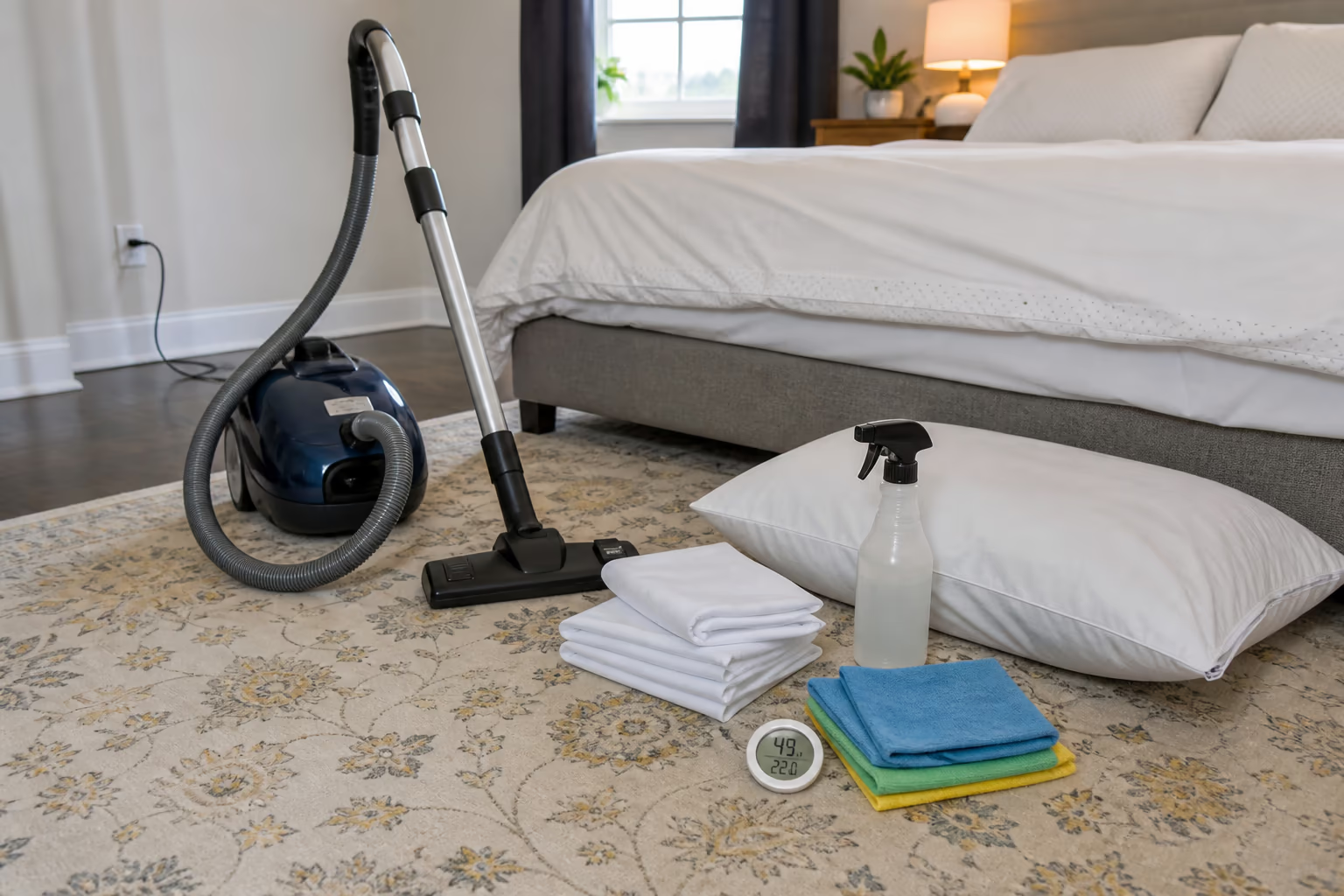
You probably already own most of what you need, and you do not have to buy a cabinet full of specialty products. Focus on tools that remove and trap dust rather than tools that just push it around.
- A vacuum cleaner with a HEPA filter, ideally with a hose and crevice tool.
- Allergen-proof covers for your mattress, pillow and duvet.
- A washing machine and dryer that can handle hot water and high heat.
- Microfibre cloths, which trap dust far better than cotton rags or feather dusters.
- A spray bottle with plain water or a mild natural cleaner for spot treatments.
- A steam cleaner or garment steamer for upholstery and mattress freshening.
- A hygrometer, a small device that measures indoor humidity, if you want to track it.
If you are shopping for new supplies, look for Canadian retailers and eco-friendly labels. A product carrying an EcoLogo certification or another recognised eco-label signals that the formulation meets environmental standards while still doing the job. When a task genuinely calls for a sanitising product, choose one with a Drug Identification Number, or DIN, registered with Health Canada, and follow the dwell time on the label so the product actually has time to work. Under WHMIS 2015, the workplace hazard communication rules, every commercial cleaning product comes with a safety data sheet, and a professional company's staff are trained to read those sheets and use the right protective gear. That training matters even in a home setting, because it means products are diluted, applied and rinsed correctly rather than used at the wrong strength.
The Step-by-Step Process
A reliable rhythm makes dust mite control more manageable and keeps results consistent over time. You can work through the whole plan over a weekend and then maintain it with a lighter weekly routine.
- 01Start in the bedroom, because that is where you spend the most time and where mites concentrate. Strip the bed completely, including the pillow protectors, and put the bedding straight into the wash. Wash bedding weekly in hot water, using the hottest temperature the fabric allows, because heat is the most effective way to kill dust mites without chemicals. If an item cannot be washed in hot water, dry it on high heat in the dryer for at least a full cycle.
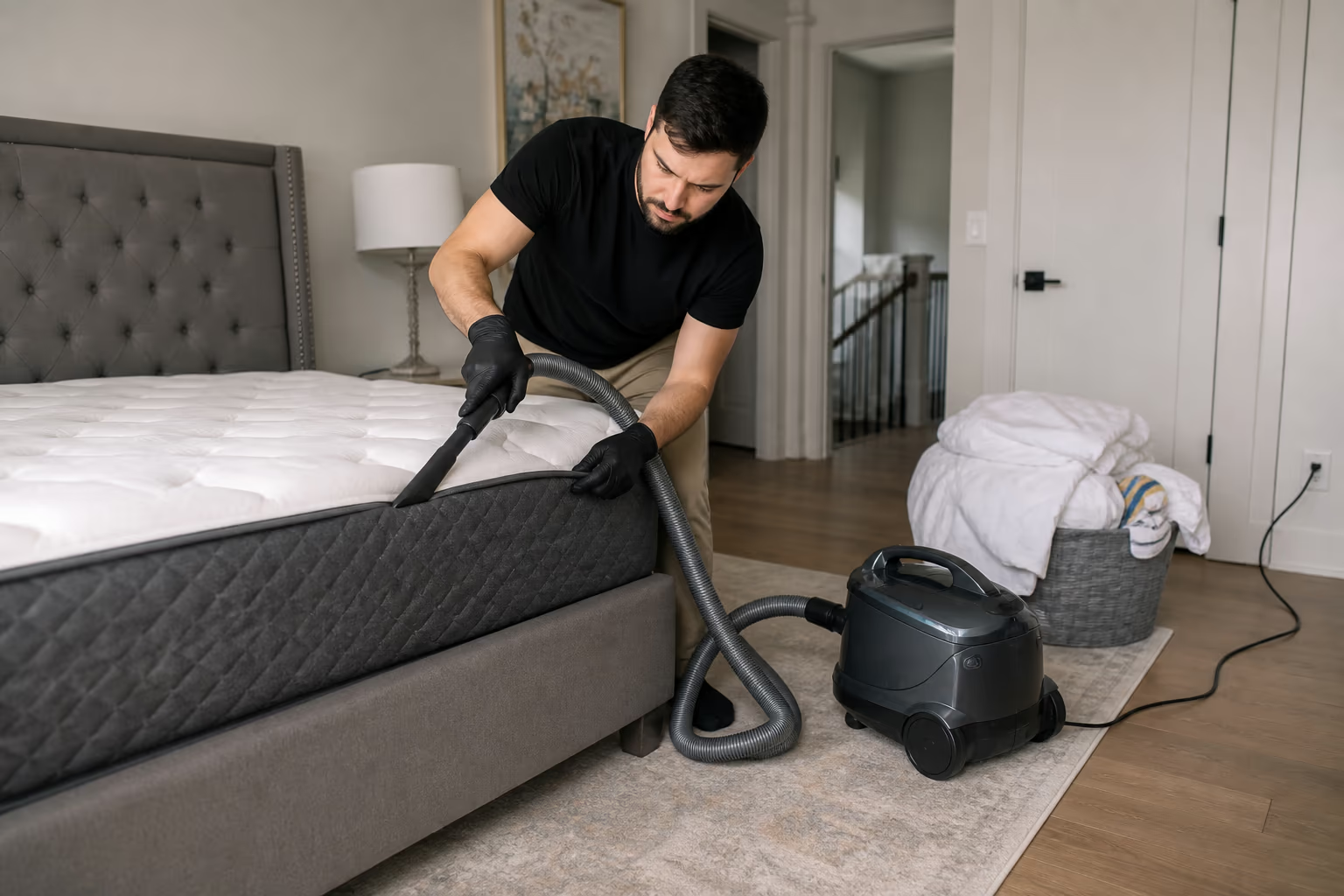
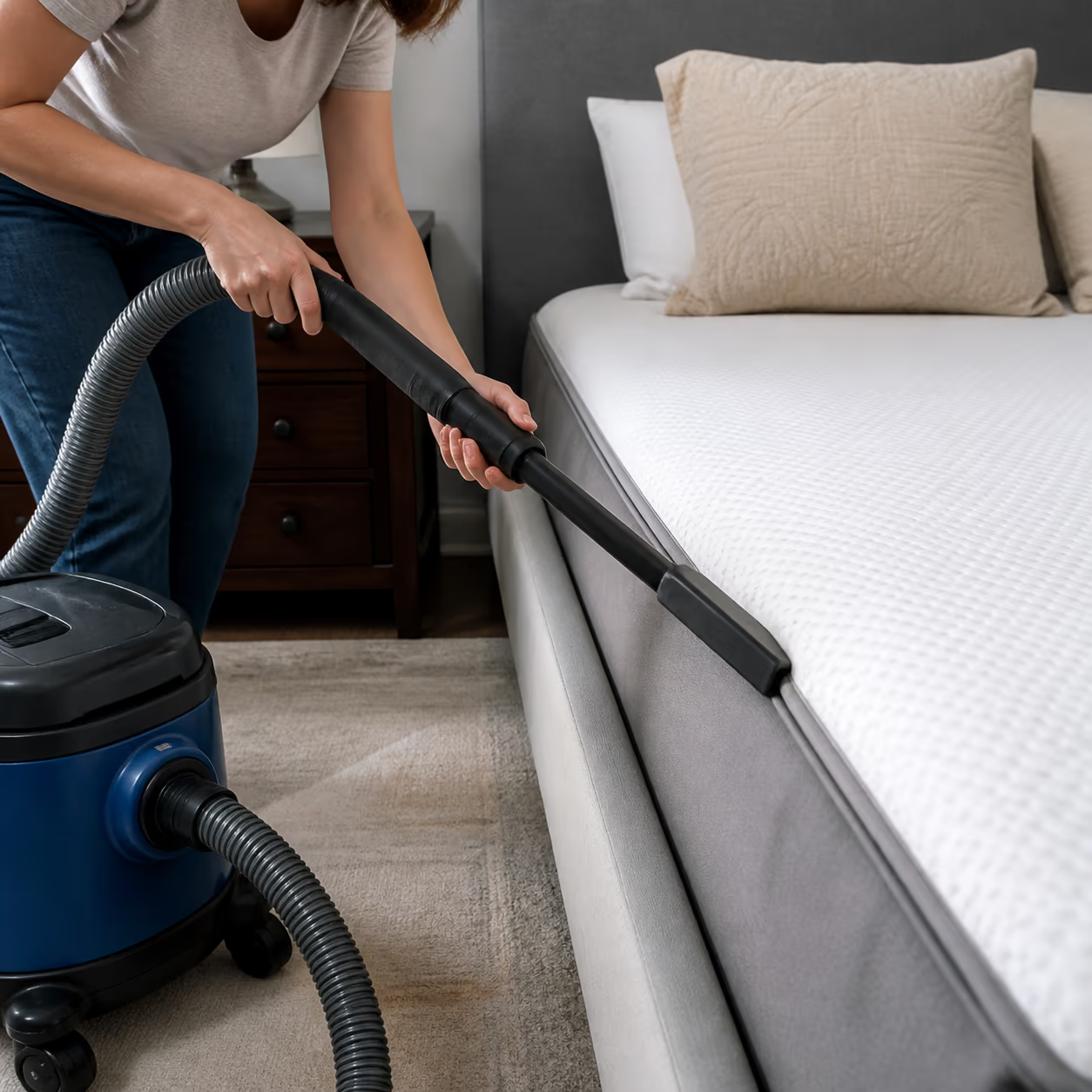
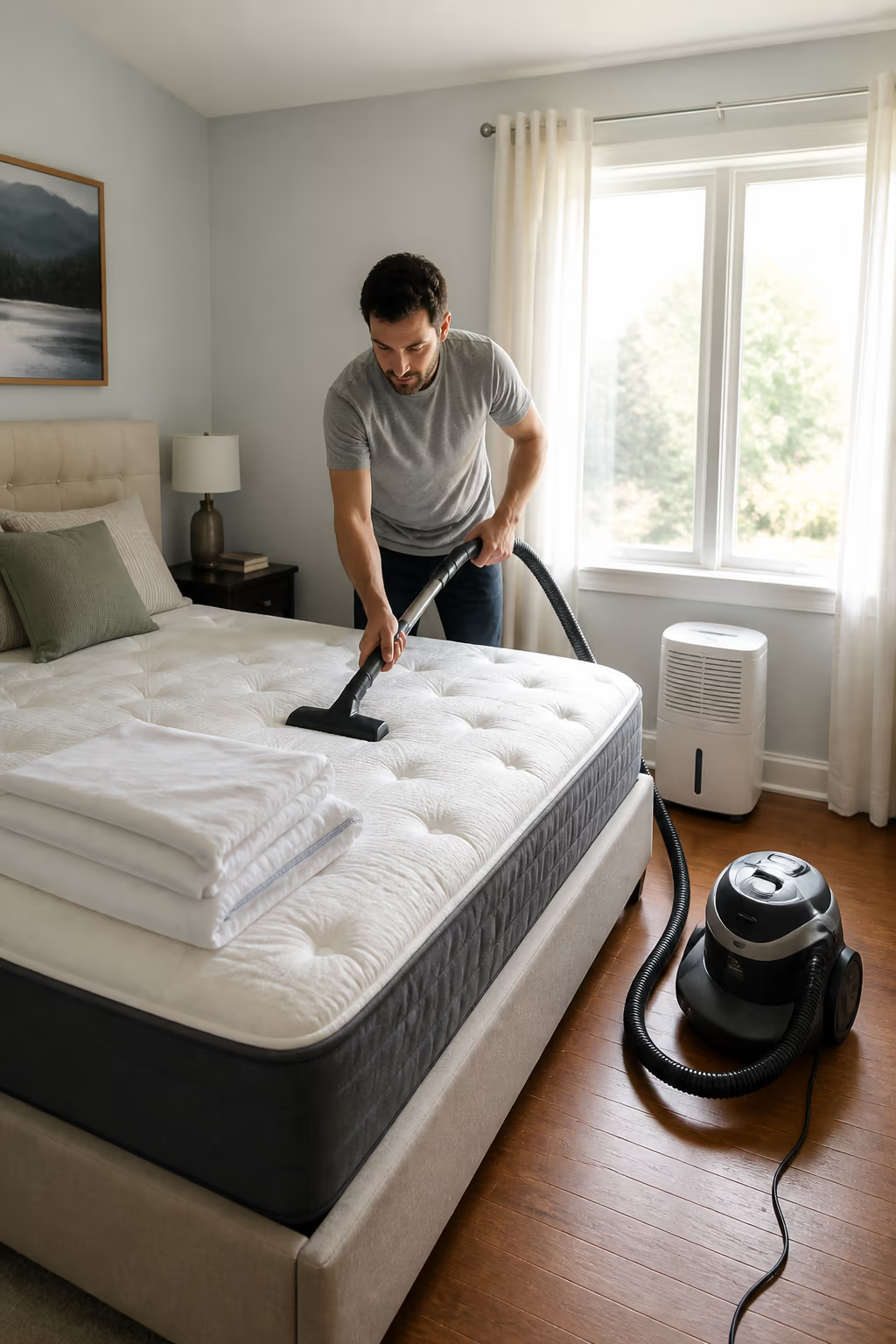
- 02While the bedding is washing, vacuum the mattress and box spring with the upholstery attachment, then use the crevice tool along the seams where dust gathers. Follow up by wiping the mattress with a slightly damp microfibre cloth to collect what the vacuum missed. Steam can be used on upholstery and mattress edges, but keep in mind that steam adds moisture, so allow the area to dry completely before you make the bed again.
- 03Next, work the floor. Vacuum carpets and rugs slowly and methodically, because fast passes simply skim the surface. Move furniture you can manage, reach the edges and corners, and consider choosing area carpets with a short pile that are easier to keep clean. Hard floors should be mopped or wiped with a damp microfibre cloth, which traps the dust that a dry broom would simply push around the room.
- 04Finish with the soft surfaces. Vacuum upholstered furniture with the upholstery tool, wash or freeze stuffed toys, and launder curtains when the fabric allows. Then address humidity: keep indoor humidity between about thirty and fifty per cent, run a dehumidifier in damp basements or bathrooms, and use the bathroom fan after showers. A hygrometer helps you see where you stand so you are not guessing.
Long-Term Prevention and Routine Habits
Prevention is a set of small habits that add up to a much lower mite population over time. You do not need to be perfect; you need to be consistent.
- Encase your mattress, box spring, pillow and duvet in allergen-proof covers and zip them shut.
- Wash bedding weekly in hot water and dry it on high heat.
- Vacuum at least weekly with a HEPA-filter vacuum, including under the bed.
- Mop hard floors with a damp microfibre cloth instead of sweeping with a dry broom.
- Keep indoor humidity between about thirty and fifty per cent.
- Reduce clutter in the bedroom, because every surface is a place where dust can settle.
- Keep stuffed toys limited, and wash or freeze them on a regular schedule.
- Wash pet beds and launder pet bedding regularly.
- Change the furnace filter on the manufacturer's schedule.
- Open the windows for a few minutes on dry days to exchange stale indoor air.
Routine matters more than intensity. A short weekly routine that you actually follow beats an intensive weekend clean that you only manage twice a year. Put the bedding wash on the same day each week, tie it to another habit such as changing your hand towels, and keep the vacuum somewhere easy to reach so you are not hiding the work from yourself.
For people with diagnosed dust mite allergies, consider combining your home routines with medical advice. Your doctor or allergist can recommend the right combination of avoidance strategies and symptom relief. Home cleaning supports that plan, but it works best alongside professional guidance about your specific sensitivities.
Common Mistakes and How to Avoid Them
Many well-meaning efforts fall short because of a handful of common mistakes. Knowing them in advance saves you time and frustration.
- Using a feather duster or a dry broom, which stirs dust into the air instead of trapping it.
- Washing bedding in cold or warm water, which does not kill mites the way heat does.
- Skipping the allergen-proof covers and relying on washing alone.
- Vacuuming quickly over carpet, which picks up surface dust but leaves the deep pile alone.
- Forgetting the mattress, the pillow and the seams, which are the highest-traffic surfaces.
- Letting humidity climb without ever measuring it, so mites keep reproducing.
- Reaching for strong chemical foggers, which can irritate sensitive households without removing allergens.
- Washing bedding and then drying it on low heat, which leaves mites alive in damp fabric.
The good news is that each of these mistakes has a straightforward fix. If you switch to hot washing, HEPA vacuuming, damp mopping, humidity control and a weekly rhythm, you address the root causes instead of the symptoms. Consistency is what separates a home that is genuinely cleaner from one that simply looks clean on the surface.
Formatted Step-by-Step Dust Mite Removal Checklist
Work through these steps once as a deep clean, then repeat the high-frequency ones weekly.
- 1.Strip the bed, bag the bedding, and wash everything on the hottest setting the fabric allows, then dry it on high heat.
- 2.Vacuum the mattress, box spring, seams and headboard with a HEPA vacuum and the crevice tool.
- 3.Work the floors slowly, vacuuming carpets and area rugs before damp-mopping the hard floors with a microfibre cloth.
- 4.Refresh upholstery, curtains, stuffed toys and pet bedding with the vacuum, the steamer or a cold wash.
- 5.Measure and adjust the humidity so it sits between about thirty and fifty per cent, and change the furnace filter on schedule.
- 6.For a thorough reset or when allergies are severe, reviewing our house cleaning options in Ottawa provides a trained team for regular, deep upkeep.
Natural Cleaning Methods That Actually Work
Natural methods focus on temperature, moisture and mechanical removal, and they work because they attack the conditions mites need to survive instead of trying to poison them.
Heat is your strongest natural ally. Washing bedding on a hot cycle and drying on high heat removes the vast majority of dust mites and their allergens from fabric. A steam cleaner or a garment steamer can refresh upholstery and mattress edges without any soap, as long as you let everything dry completely afterward.
Cold is the other end of the temperature scale. Freezing is useful for items you cannot wash, such as delicate pillows or stuffed toys. Place the item in a sealed plastic bag and keep it in the freezer for at least twenty-four hours. Freezing kills adult mites, but be aware that it does not remove their droppings, so wash or vacuum the item afterward to take away the allergen proteins.
Dryness changes the environment itself. Mites struggle when humidity drops below about fifty per cent, so a dehumidifier in the humid months and fresh air on dry days make your home far less welcoming. During Ottawa summers, running a dehumidifier in the basement or a small unit in the bedroom can make a noticeable difference.
Mechanical removal is the workhorse of the whole plan. HEPA vacuuming physically lifts mites, droppings and skin flakes out of your carpet and mattress. Microfibre damp mopping traps dust on hard floors. Washing removes allergens from fabric. None of these methods relies on a strong-smelling chemical, which is why they are ideal for homes with children, pets, asthma or chemical sensitivities.
When you want a natural-smelling boost, a mild dilution of vinegar and water or a few drops of an essential oil can add a fresh scent, but keep your expectations honest: scents mask odours rather than removing allergens. The real work is done by heat, dryness and thorough cleaning. Good Cleaner Co. builds its home cleaning around these same principles, pairing the right products with the right tools so that nothing is simply moved from one surface to another.
The same principle, treat the source rather than mask it, applies to other stubborn household smells, and our guide on how to get rid of smoking odor works through it step by step.
Costs, Timing and When to Call a Professional
Dust mite control is mostly a matter of your own routine, and the core supplies are inexpensive. Allergen-proof mattress and pillow covers are a modest one-time purchase, a HEPA vacuum is a longer-term investment, and a hygrometer costs very little. The ongoing cost is mainly your time: weekly washing and vacuuming are the real price of keeping mite populations low.
Professional help becomes valuable in a few situations. If your allergies are severe, if a move into a new or previously occupied home brings on symptoms, or if the deep cleaning tasks are simply too much for your schedule, a trained team can do the intensive work quickly and thoroughly. A professional deep clean of mattresses, carpets and upholstery gives you a strong reset, and then you can maintain the gains with your own weekly routine. For carpets holding a heavy mite population, our carpet cleaning service Ottawa team can run a deeper extraction than a home vacuum reaches.
When you compare cleaning providers, ask about the equipment they use, whether they vacuum with HEPA filters, how they handle bedding and upholstery, and what training their staff receive. Products applied by professionals should be chosen for the surface and the occupants, and the staff should be able to explain what they are using and why. Good Cleaner Co. combines local experience, background-checked staff and carefully selected products to keep Ottawa and area homes clean, comfortable and allergy-friendly. Our residential home cleaning services in Ottawa are built around your schedule and standards.
If you are still deciding between providers, our commercial cleaning company vetting guide is a useful starting point for the questions that matter, even for residential work, because the same standards of transparency, training and product choice apply to any good cleaning company.
FAQ
How often should I wash my bedding to control dust mites?
Weekly is the practical target for bedding you sleep on every night. Wash it in the hottest water the fabric allows and dry it on high heat, because heat is what kills the mites and removes the allergens.
Do allergen-proof covers really help?
Yes, when they are properly fitted and zipped shut. Covers create a barrier that keeps mites and their droppings out of the mattress and pillow, and they are an inexpensive, low-effort part of the overall plan.
Will freezing my pillows and stuffed toys get rid of mites?
Freezing for at least twenty-four hours kills adult mites, but it does not remove the droppings they leave behind. Wash or vacuum the item after freezing to take away the allergen proteins.
Can a dehumidifier actually reduce dust mites?
Yes. Mites need humidity to survive, so keeping indoor humidity between about thirty and fifty per cent slows their reproduction. A dehumidifier is especially helpful in Ottawa summers and in damp basements.
Are natural cleaning methods as effective as chemical treatments?
For dust mites, natural methods that combine heat, dryness and thorough mechanical cleaning are effective, and they are better tolerated in homes with children, pets or sensitivities. There is no need to use strong chemicals for routine mite control.
Do dust mites bite or spread disease?
No. Dust mites are not insects and they do not bite. The problem is the allergens in their droppings and body fragments, which can trigger allergic reactions and asthma symptoms in sensitive people.
How quickly will I notice an improvement in my allergy symptoms?
Many people feel a difference within a week or two of consistent washing, vacuuming and humidity control. Full improvement often takes a few weeks, because it takes time to bring the mite population down and to remove the settled allergens.
Should I have my air ducts cleaned for dust mites?
Duct cleaning can help when the ducts are visibly dirty or dust builds up quickly, but the highest-impact surfaces are your bed, carpet and upholstery. Focus your routine there first, and consider duct service as part of a wider home maintenance plan.
Wrapping Up
Getting rid of dust mites naturally comes down to heat, dryness and consistent cleaning. Wash your bedding hot and dry it on high, vacuum with a HEPA filter, keep the humidity between about thirty and fifty per cent, and protect the mattress and pillows with allergen-proof covers. These simple habits reduce the mites, remove the allergens, and make your home easier to breathe in. For a deep reset or a regular schedule that keeps the whole house comfortable, Good Cleaner Co. can help with a cleaning plan tailored to your home.
Keep reading
More from Good Cleaner
Services that fit
- House Cleaning Services in OttawaHouse cleaning services in Ottawa for one-time, weekly, biweekly, and monthly home care, with customizable cleaning and eco-friendly options.
- Janitorial Services in OttawaRecurring janitorial services in Ottawa for offices, warehouses, retail, dealerships and schools, with eco-friendly commercial cleaning and customized plans.
About the author
Service areas
- Ottawa
- Kanata
- Nepean
- Orléans
- Barrhaven