
How To Clean Hardwood Floors And Preserve Their Beauty
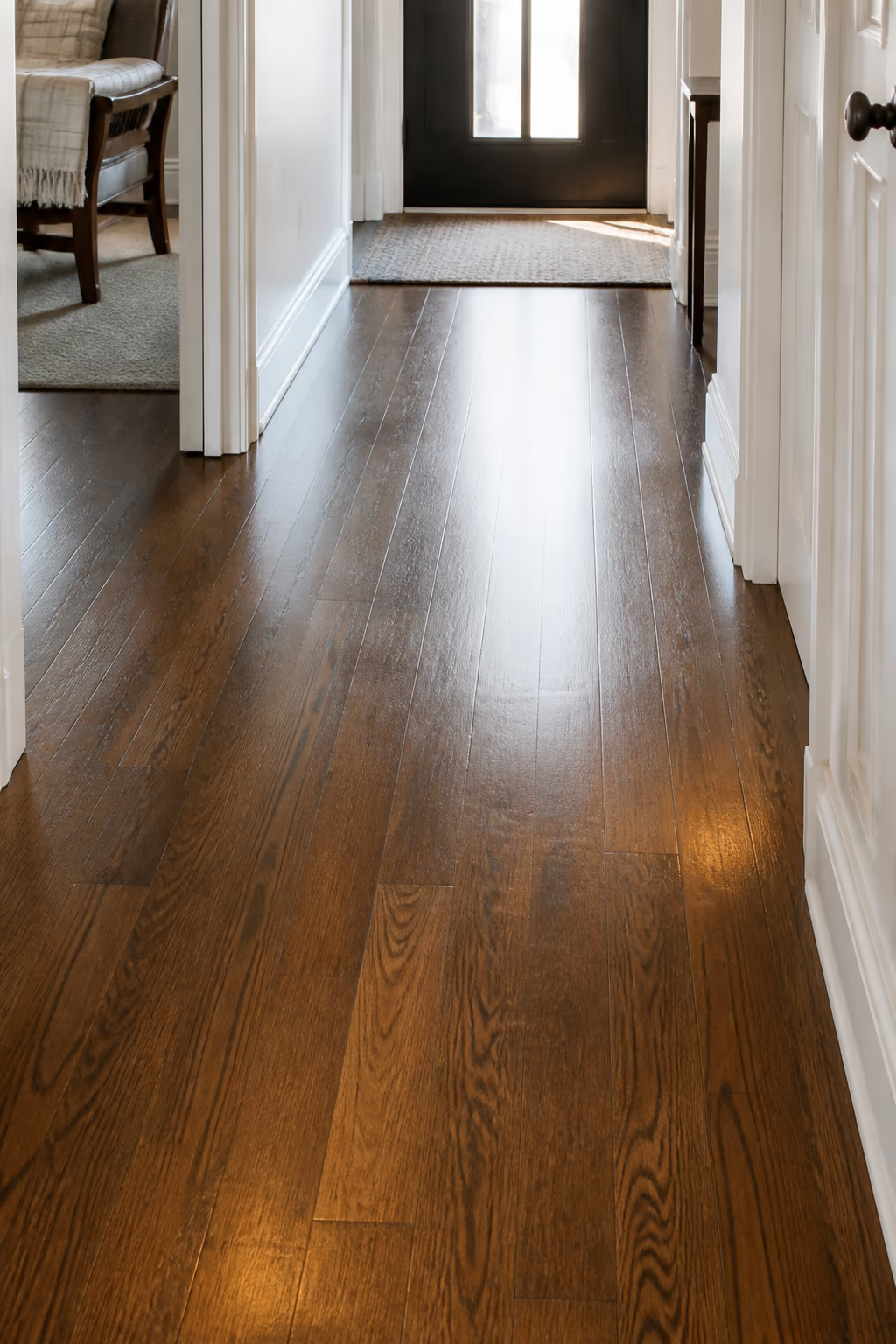
Hardwood floors reward owners who clean them gently. The traditional mopping routine that works on tile or vinyl, a bucket of soapy water sloshed across the surface, is the worst thing you can do to sealed wood. Excess water seeps into the seams and moisture swells the boards, while harsh chemicals strip the finish that protects them. How to clean hardwood floors and preserve their beauty comes down to a different approach: less water, gentler products and a routine that keeps the finish intact so the wood stays warm and elegant for decades.
Quick Summary
Preserving hardwood floors means avoiding the traditional bucket-and-mop routine, since excess water seeps into seams and swells the boards while harsh chemicals strip the protective finish. The better approach uses less water, gentler products and a consistent routine that keeps the finish intact so the wood stays warm and elegant for decades.
In this guide
Why Preservation Starts with the Way You Clean
The beauty of a hardwood floor lives in its finish. The protective layer on top of the wood is what gives the floor its depth and glow, and it is also what takes the wear. Every time you clean with too much water or the wrong product, you are slowly damaging that layer. Over years of these small insults, the finish clouds, the seams swell and the wood loses the colour and sheen that made you choose it in the first place.
Preserving your floors is not about cleaning them less; it is about cleaning them smarter. The goal of every wipe and mop is to remove dirt without removing finish. That means choosing a cleaner designed for sealed hardwood, using a mop that is barely damp, and letting the floor dry quickly so moisture never has a chance to work into the wood.
It also helps to think of hardwood as furniture you walk on. You would not soak a fine wooden table or scrub it with harsh chemicals, and the floor deserves the same respect. When you treat the floor like the investment it is, the daily routine becomes gentler almost without thinking, and the floor keeps its beauty far longer.
What You Need Before You Start
Preserving hardwood does not require expensive equipment. What matters is having tools that are soft, clean and matched to the job, so nothing you use damages the very surface you are trying to protect.
- A microfiber mop or dust mop, because microfiber lifts and holds dust instead of scratching or smearing it.
- A vacuum with a hard-floor setting and the beater bar turned off, so no grit is spun into the finish.
- A pH-neutral hardwood floor cleaner that is gentle on sealed wood and free of wax, vinegar and ammonia.
- Several soft, lint-free cloths for spot cleaning, drying and buffing.
- A few felt pads for furniture legs and a quality entry mat for the doors, because prevention protects the floor better than any cleaner.
- A dry microfiber cloth for the final buff that restores the glow after damp cleaning.
The single most important item is the mop. A thick, soaked sponge mop holds far too much water for hardwood. Choose a flat microfiber mop with a head you can wring, and get into the habit of wringing it hard before it touches the floor. If you can squeeze water out of the mop, the floor is about to get more moisture than it should. For a shorter reference on the same core method, see our guide to clean hardwood floors safely.
The Gentle Routine That Protects the Wood
How to clean hardwood floors and preserve their beauty follows a simple sequence that protects the finish at every step. The routine has three passes, and each one has a purpose.
The first pass is dry. Sweep or vacuum the floor to remove the dust, sand and grit that act like sandpaper on the finish. This single step does more to preserve your floors than any mop, because it stops the abrasive particles from being ground into the wood by foot traffic. Work from the edges toward the centre so you are not spreading dust across freshly cleaned areas.
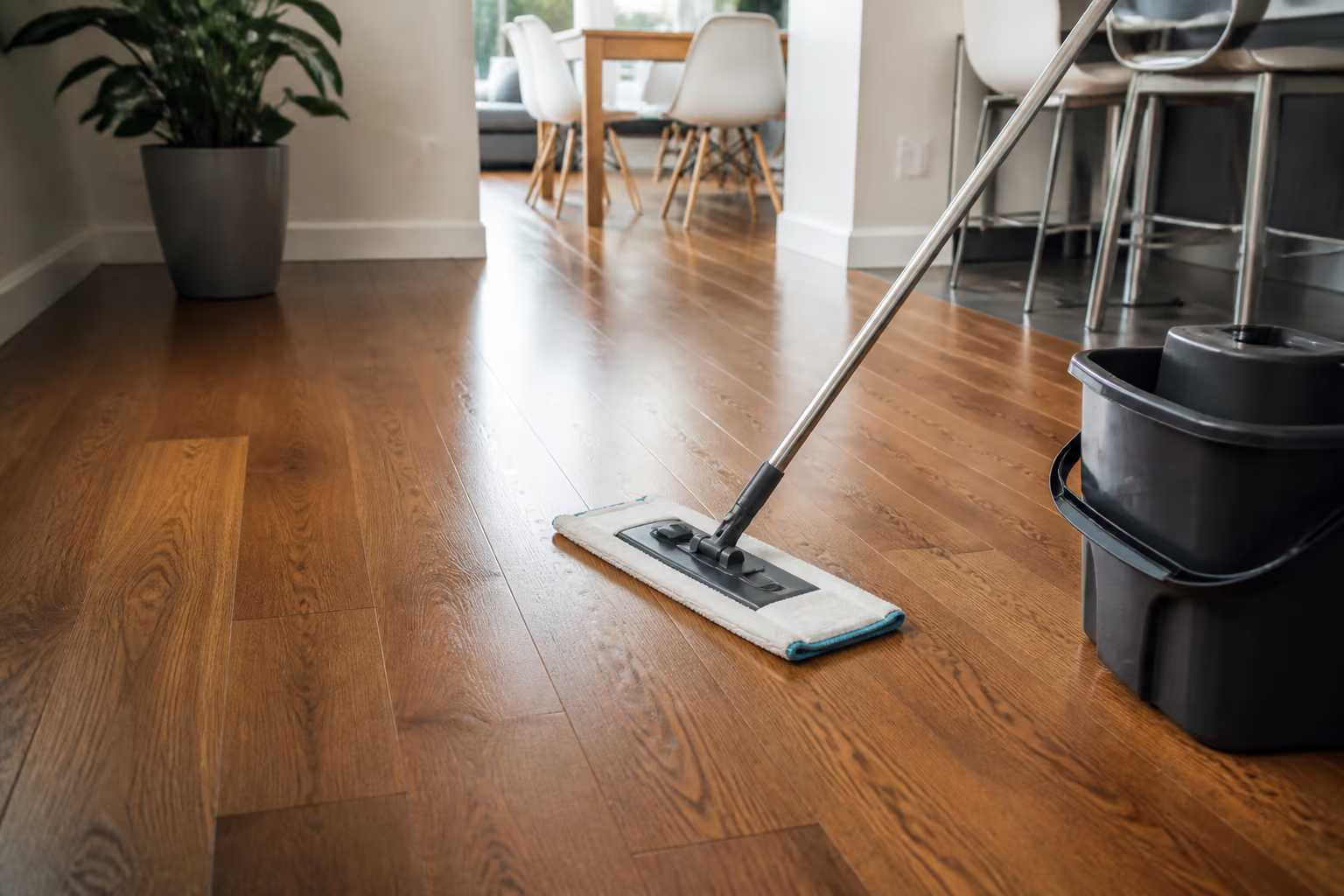
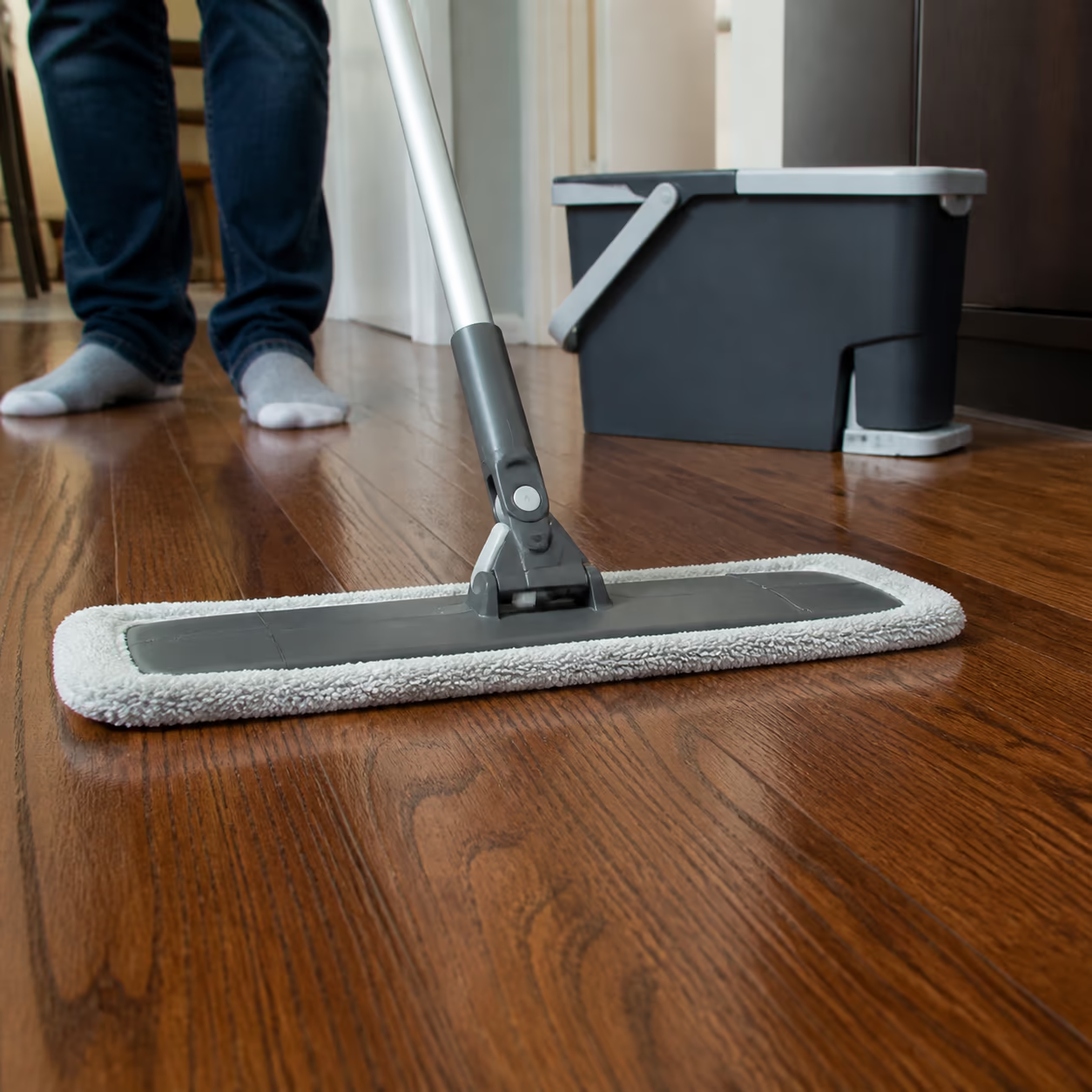
The second pass is damp, not wet. Spray a fine mist of pH-neutral hardwood cleaner onto the floor or the mop head, then mop in the direction of the grain, working in small sections. The goal is to lift the remaining film of dirt, not to flood the wood. Change the water and rinse the mop head often, and follow immediately with a dry cloth so no moisture lingers on the finish.
The third pass is the buff. Once the floor is dry, go over it lightly with a clean, dry microfiber cloth in a circular motion. This polishes the finish, smooths out the faintest residue and returns the soft glow that makes hardwood look cared for. The buff takes a couple of minutes and is the difference between a floor that is simply clean and one that looks beautiful.
Spot Cleaning, Spills and Pet Accidents
Even with a good routine, life happens. Spills, muddy boots and pet accidents all arrive unannounced, and how you handle them decides whether they become permanent marks on an otherwise lovely floor.
Standing liquid is the enemy of both the finish and the air. Health Canada's mould guidance identifies excessive moisture as one of the most common causes of poor indoor air in homes, and advises fixing moisture problems right away. The federal advice is short: “To prevent mould, fix any moisture problems right away and control humidity levels in your home.”
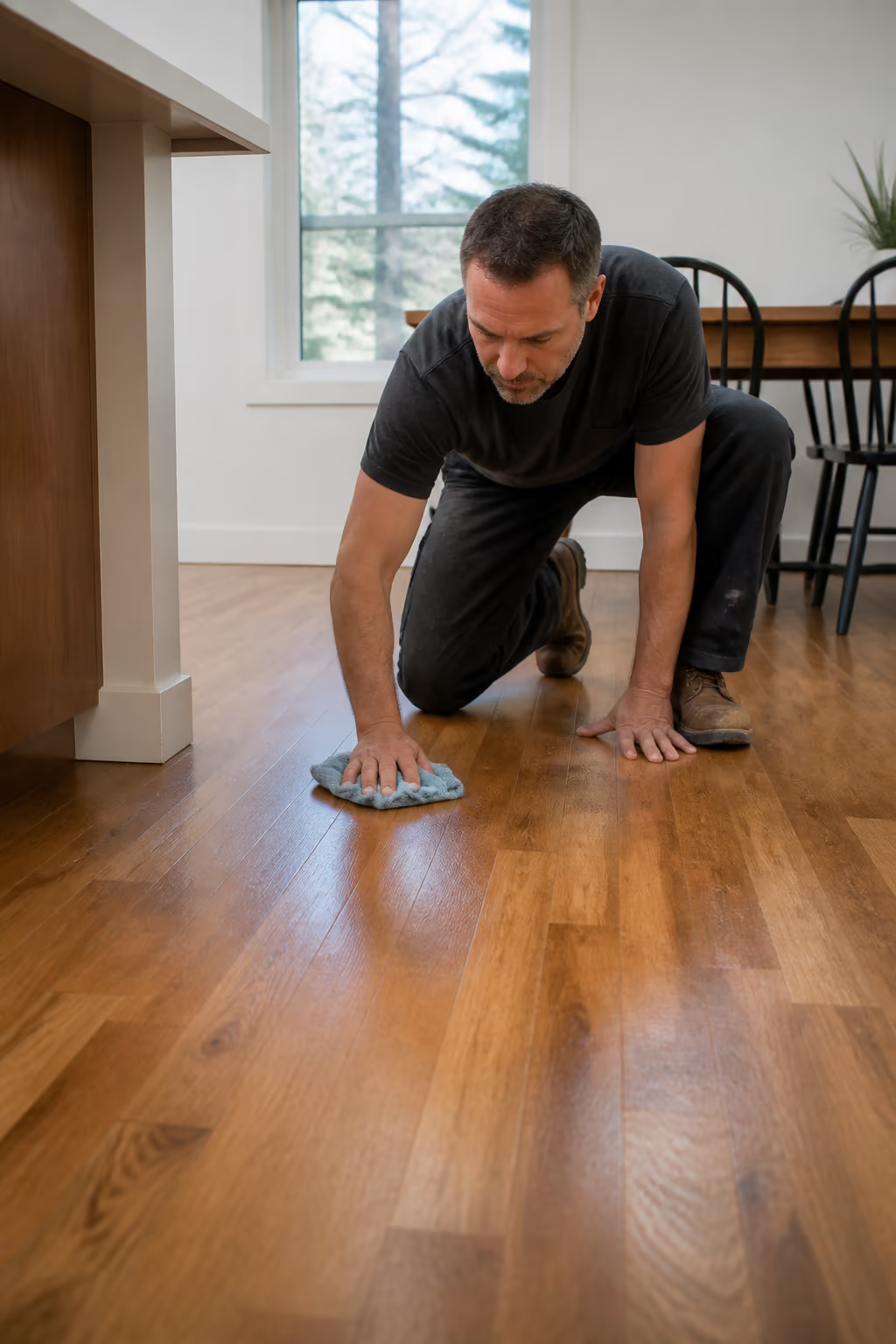
The golden rule for spills on hardwood is speed. Liquid that sits on the finish will eventually seep into the seams and stain the wood, so blot the spill immediately with a soft cloth, working from the outside toward the centre so it does not spread. Follow with a dry cloth, and there is rarely any need for a cleaner at all.
For a sticky spill, a barely damp cloth with a little hardwood cleaner is enough. Wipe along the grain and dry the spot afterward. For dried-on marks, soften them first with a damp cloth before you wipe, and never scrape with a knife, credit card or abrasive pad, which will scratch the finish.
Pet accidents deserve special care. Blot up the mess, clean with a hardwood-safe product, and dry the area thoroughly. Left to soak in, urine can darken and stain the wood beneath the finish. If a stain has already set, a professional may be able to reduce it, but the finish that protects the rest of the floor is often affected too.
Muddy boots are the other daily threat. A mat at the door and a quick sweep of the entryway stop most of it, but when mud does arrive on the finish, let it dry, brush or vacuum it off, and follow with a barely damp cloth. Wiping mud while it is wet simply smears it across a larger area and drives the grit deeper into the finish.
Common Mistakes That Damage Hardwood Over Time
Most hardwood damage is slow and invisible until it is done, which makes prevention the only practical defence. The habits below are the ones that quietly age a floor years ahead of its time.
- Mopping with a soaking wet mop and letting water pool, which swells the boards and curls the seams.
- Using vinegar, ammonia or all-purpose cleaner, which slowly etches the finish and leaves it cloudy.
- Scrubbing with abrasive pads or steel wool, which cuts fine scratches that scatter light and collect dirt.
- Walking on the floor with grit underfoot, which grinds sand into the finish with every step.
- Dragging furniture without felt pads, which gouges and dents the wood.
- Leaving spills and pet accidents to dry, which lets moisture and stains reach the wood.
The common thread is moisture and friction. Keep both away from the finish and you have solved most of the problem. Add good mats, felt pads and a dust routine, and the floor that would have needed refinishing in a decade can easily last twice that long.
Seasonal Care and Ottawa's Winter Salt
Ottawa's winters are beautiful and hard on floors. From late November to the spring melt, salt, sand and slush come through the door every day, and that grit is the fastest way to wear a finish down. Each step grinds the salt into the wood, leaving fine scratches that dull the surface and, in time, let moisture into the boards.
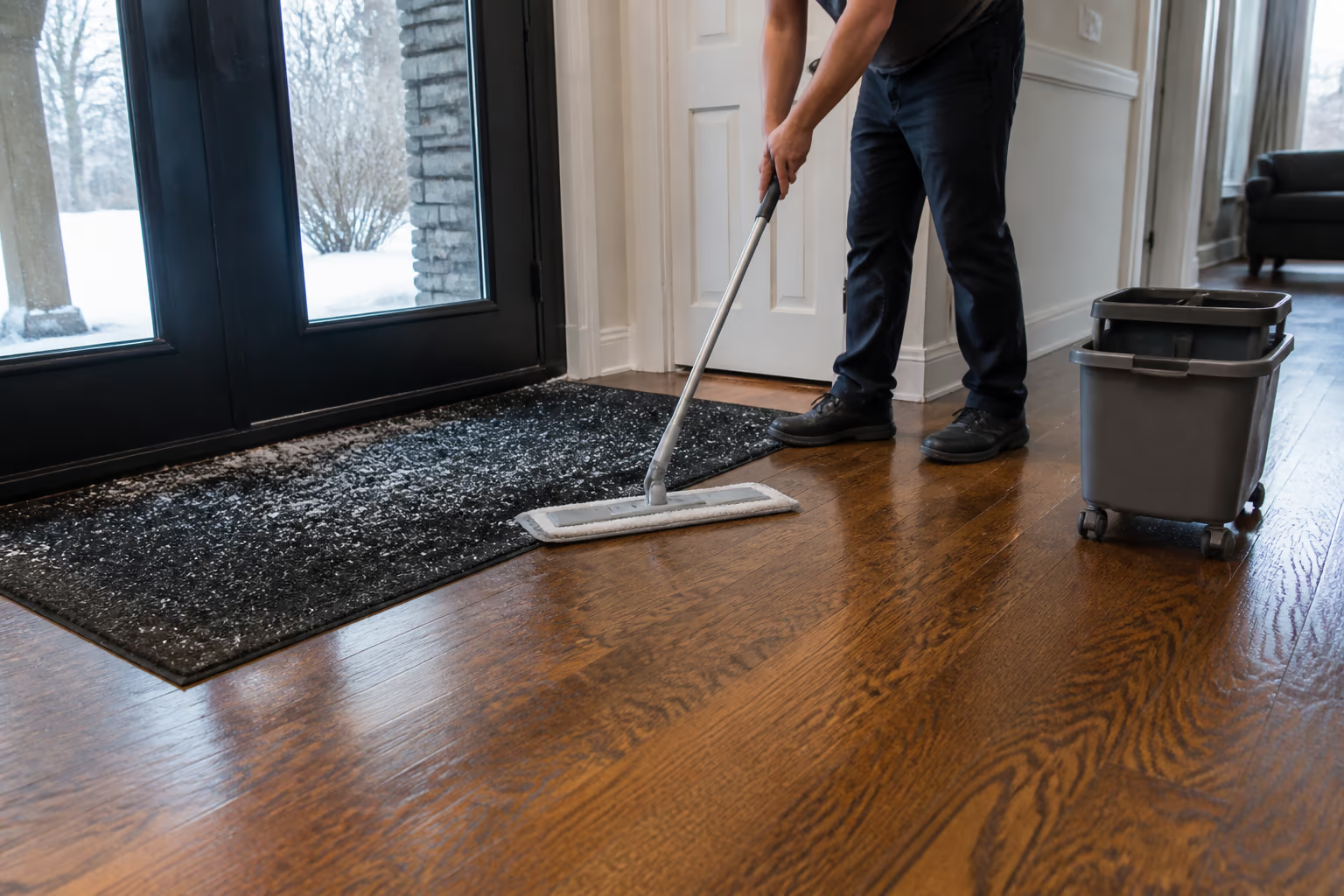
The defence starts at the door. A heavy-duty mat outside and a second mat inside catch the bulk of the salt and sand, and sweeping or vacuuming the entryway daily stops the rest from spreading through the house. On wet days, a barely damp mop at the door keeps the salt from sitting on the finish and pulling moisture in.
Spring brings the payoff of winter vigilance. When the snow melts, the salt that has collected on the floor shows up as a dull, hazy layer, and a thorough clean with a hardwood-specific product, followed by a buff, usually restores the look. If the winter has left scratches, a polish or a professional screening can bring back the shine without a full sand and refinish.
Humidity is the quieter part of the winter story. Forced-air heating dries the air, and very dry air can make boards shrink and gaps appear, while the moisture of spring can make them swell. Keeping indoor humidity in a moderate range, around forty to fifty per cent when you can, reduces both, and a dehumidifier in a damp basement or a humidifier in a dry upper level helps the floor stay stable and the finish stay flat.
Good Cleaner Co. builds its hardwood care around these Canadian realities. The team uses damp techniques and pH-neutral products chosen for sealed wood, protects entryways through the winter, and handles any chemical product under WHMIS 2015 rules. When disinfection is required, the team relies on certified products, including those carrying a Health Canada DIN, and applies them only where they are genuinely needed, so the finish is never treated with more than it needs.
When to Refinish and When to Call a Professional
There comes a point in every hardwood floor's life when cleaning is not enough. When the finish is worn through in traffic lanes, when water no longer beads on the surface, or when scratches are too deep to buff out, the floor is ready for a refinish. That is a major job, but a well-maintained floor can go fifteen years or more before it is needed.
Refinishing is a professional's work. It involves sanding away the old finish and a thin layer of wood, then applying new coats, and doing it wrong removes more wood than necessary and shortens the floor's life. If your floor is simply dull but the finish is intact, a professional cleaning and a polish will usually restore it without sanding.
Timing the work also matters. A refinish needs the room clear and enough time for the finish to cure, which makes it a project to plan around, not a last-minute job. A professional team can quote a realistic window for your floor size and finish type, and can recommend whether a screening, a polish or a full sand is the right call for the condition you are seeing. Honest advice beats an expensive guess. For more on how bookings and scope typically work, see our cleaning services faq.
Good Cleaner Co. specialises in the care that keeps refinishing far in the future. The team cleans hardwood with the right tools and products, protects the finish through every season, and works to documented processes so every visit is consistent. Choosing a provider that understands wood is important, and the same scrutiny applies whether you hire for a home or a business. If you are comparing providers, our checklist for hiring a commercial cleaner is a useful starting point for the questions that matter, including training and how the team handles a delicate surface like hardwood.
Formatted Step-by-Step Hardwood Preservation Checklist
Use this checklist to clean hardwood floors and preserve their beauty, in an order that protects the finish at every step.
- Step 1.Sweep or vacuum the floor with the beater bar off to remove the grit that would grind into the finish.
- Step 2.Damp-mop with a pH-neutral hardwood cleaner, working in the direction of the grain and keeping the mop barely damp.
- Step 3.Dry the floor right away with a clean cloth so no moisture lingers on the finish or seeps into the seams.
- Step 4.Buff the dry floor with a microfiber cloth to restore the glow and smooth out fine residue.
- Step 5.Protect the floor with entry mats, felt pads and a daily entryway sweep, especially through Ottawa's winter.
- Step 6.When a trained team would preserve your floors on a schedule, our residential cleaning visits in Ottawa are built around your standards.
FAQ
Is it bad to mop hardwood floors with water?
Not if the mop is barely damp. Excess water is the problem, because it seeps into the seams and swells the wood. Use a microfiber mop that is wrung out until it is almost dry, and follow with a dry cloth.
What is the best cleaner for hardwood floors?
A pH-neutral cleaner made for sealed hardwood, free of vinegar, ammonia, wax and abrasives. Avoid all-purpose detergents and anything acidic, which strip and cloud the finish over time.
How can I protect hardwood floors from pet accidents?
Clean accidents promptly and blot rather than rub, then dry the area thoroughly. A hardwood-safe cleaner helps, and the key is never letting moisture soak into the wood. Felt pads and entry mats reduce the everyday wear that opens the door to damage.
How often should hardwood floors be refinished?
A well-maintained hardwood floor can go fifteen years or more between refinishing. The floor tells you when it is due: worn traffic lanes, water that no longer beads and scratches too deep to buff. Regular professional care extends that interval.
Can vinegar and water clean hardwood floors?
Vinegar is acidic and slowly etches the finish, leaving the floor cloudy and dull. It is fine for many surfaces but not for sealed wood. Use a pH-neutral hardwood cleaner instead.
How do I remove scratches from hardwood floors?
Light scratches often disappear with a hardwood polish or a gentle buff. Deeper scratches in the finish may need a professional screening, while gouges into the wood itself may need a refinish. Scratches that sit in the finish are treatable; damage to the wood is not.
Why does my hardwood floor look grey or cloudy?
Cloudiness usually comes from a build-up of product, from vinegar etching the finish or from moisture that has gotten into the wood. A professional cleaning can remove residue, but once moisture has damaged the boards, the floor may need refinishing.
Does winter salt damage hardwood floors?
Yes. Salt and sand act like sandpaper, scratching the finish and letting moisture into the wood. Entry mats, a daily entryway sweep and a gentle clean at the door through the winter protect the floor and keep the finish intact.
How long can a hardwood floor last with good care?
Solid hardwood can last for decades, and many Ottawa homes have original floors that are fifty years old or more. The finish is the part that wears; the wood beneath it lasts when the finish is protected with gentle cleaning, mats and prompt spill care.
Wrapping Up
How to clean hardwood floors and preserve their beauty comes down to respecting the finish: keep the water minimal, choose pH-neutral products, and clean in the direction of the grain so the wood is never soaked or scrubbed. Protect the entryways through Ottawa's winter, catch spills while they are fresh, and let a professional handle the deep care that keeps a refinish years away.
Good Cleaner Co. treats hardwood like the investment it is, with the right tools, certified products and a documented process that follows WHMIS 2015 rules. If you would like a team to preserve your floors on a schedule that fits your home, contact us for a free quote and a cleaning plan tailored to your wood floors.
Keep reading
More from Good Cleaner
Services that fit
- House Cleaning Services in OttawaHouse cleaning services in Ottawa for one-time, weekly, biweekly, and monthly home care, with customizable cleaning and eco-friendly options.
- Janitorial Services in OttawaRecurring janitorial services in Ottawa for offices, warehouses, retail, dealerships and schools. Eco-friendly commercial cleaning, customized plans, free quote.
About the author
Service areas
- Ottawa
- Kanata
- Nepean
- Orleans
- Barrhaven