
How to Clean a Messy House Like a Professional Cleaner: 6-Step Fast System
This is a practical guide, not a pep talk. We break down the professional cleaning method into steps you can follow tonight, explain why each step exists, and point out the common mistakes that make people slower. The honest version: you do not need more willpower, you need a better order of operations. Once the order is right, the work gets faster and the results last longer. Everything in this guide works for a single room or a whole house, so you can start small and scale up.
Quick Summary
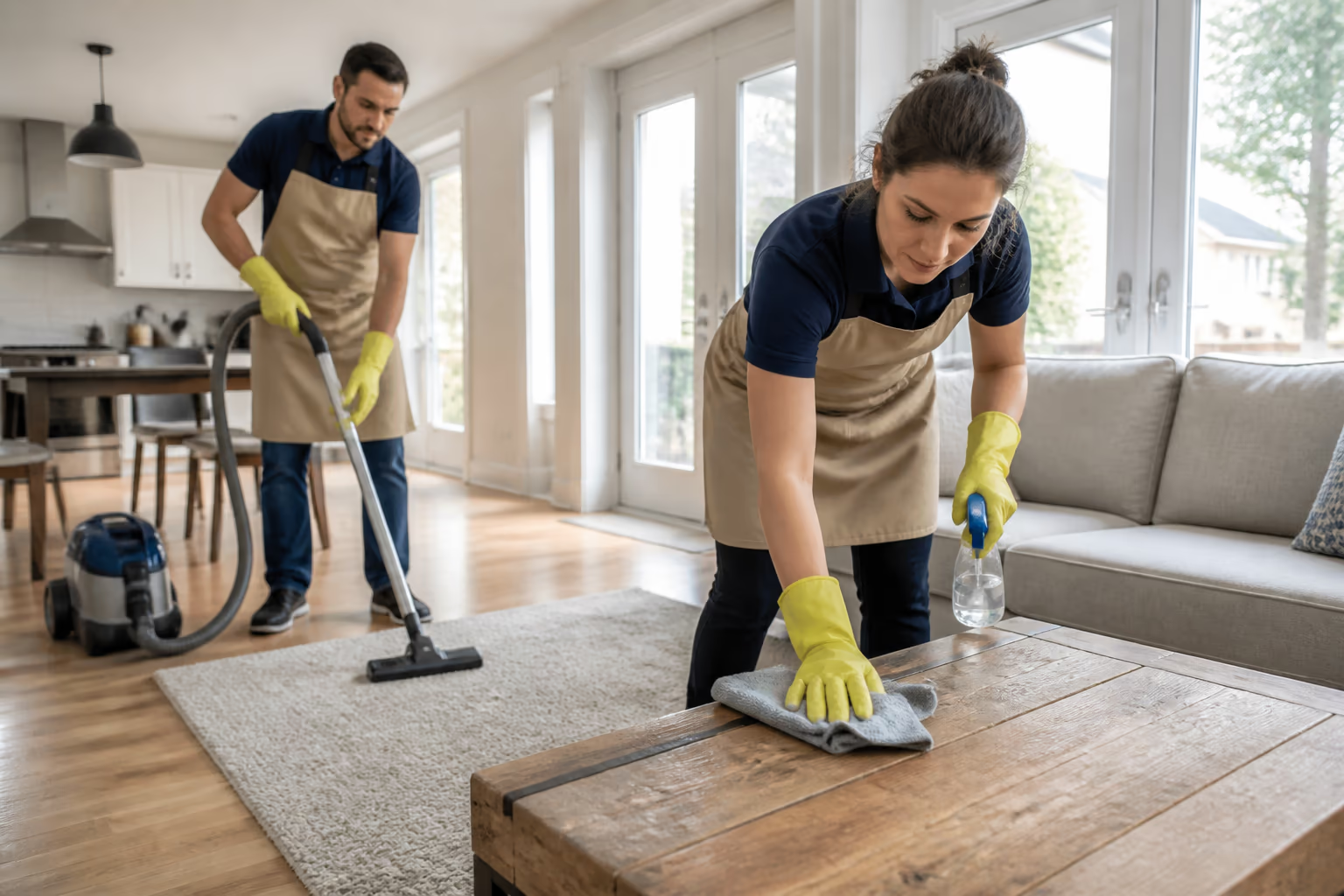
Cleaning a messy house feels overwhelming until you have a system. Professional cleaners use a simple 6-step routine that works top-to-bottom and left-to-right with colour-coded microfibre cloths, and it turns an intimidating mess into a manageable checklist. This guide walks through the method step by step so you can use it at home tonight, whether you live in a downtown Ottawa condo or a family home in the suburbs.
In this guide
The Science of Systematic Top-to-Bottom Speed Cleaning
Cleaning an extremely messy home can feel overwhelming without a structured professional plan.
Amateur cleaners often waste time jumping between rooms, re-cleaning dusty floors, or scrubbing dried grease without proper chemical dwell time.
Adopting a systematic 6-step professional cleaning routine means less wasted motion, which makes the job faster while ensuring spotless, disinfected living spaces.
The logic is simple. Dirt and dust fall downward, so if you wipe high surfaces first, the debris lands on surfaces you have not cleaned yet. If you vacuum first instead, you will end up re-vacuuming after the dust settles. Professionals order the work so that each step prepares the next one.
The same logic explains the left-to-right rule. Cleaning in one continuous path means you never cross back over a spot you just finished, and you always know exactly where you stopped. It sounds fussy, but it eliminates the aimless back-and-forth that eats up time. The same left-to-right, top-to-bottom logic carries over to other spaces too, and how to clean an office like a professional cleaner applies the identical system to a workplace instead of a home.
Core Principles of Professional House Cleaners
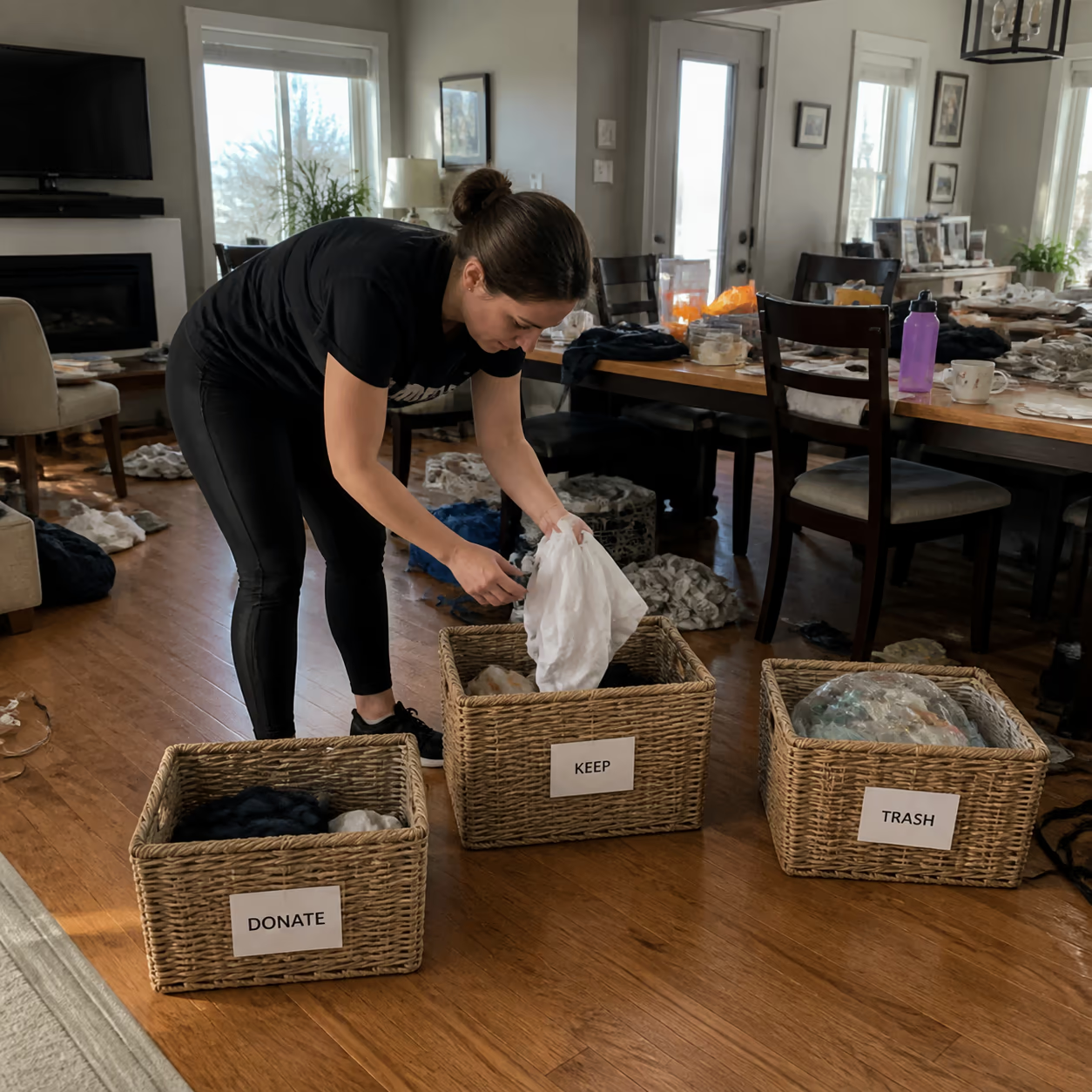
Discover 4 core principles used by professional house cleaning technicians:
These four principles are not optional extras; they are the reason the system works. Remove any one of them and you reintroduce the wasted motion that makes cleaning feel like a chore that never ends.
One habit belongs in the sequence for reasons beyond speed. Health Canada's ventilation advice recommends leaving interior doors open, using bathroom and kitchen fans, and opening windows when outside conditions permit, all of which move air while you work through the rooms. Health Canada states it plainly: “The most effective way to improve your indoor air is to identify activities that can contribute to poor indoor air quality and remove or reduce the sources of indoor air pollutants.”
Room-by-Room Strategy for a Messy Home
Once the system is in place, apply it one room at a time so the mess never spreads back into a finished space.
Start with the bathroom. It is small, the dirt is concentrated, and finishing it gives you an early win. Spray the shower and toilet, let the products dwell, then clean the mirrors and counters while the chemistry works. For bathroom-specific technique beyond this overview, see how to clean a bathtub like a professional cleaner.
Move to the kitchen next. Clear the counters, spray the stove and backsplash, and let the degreaser sit while you wipe down the front of the appliances. Finish with the sink and the floor.
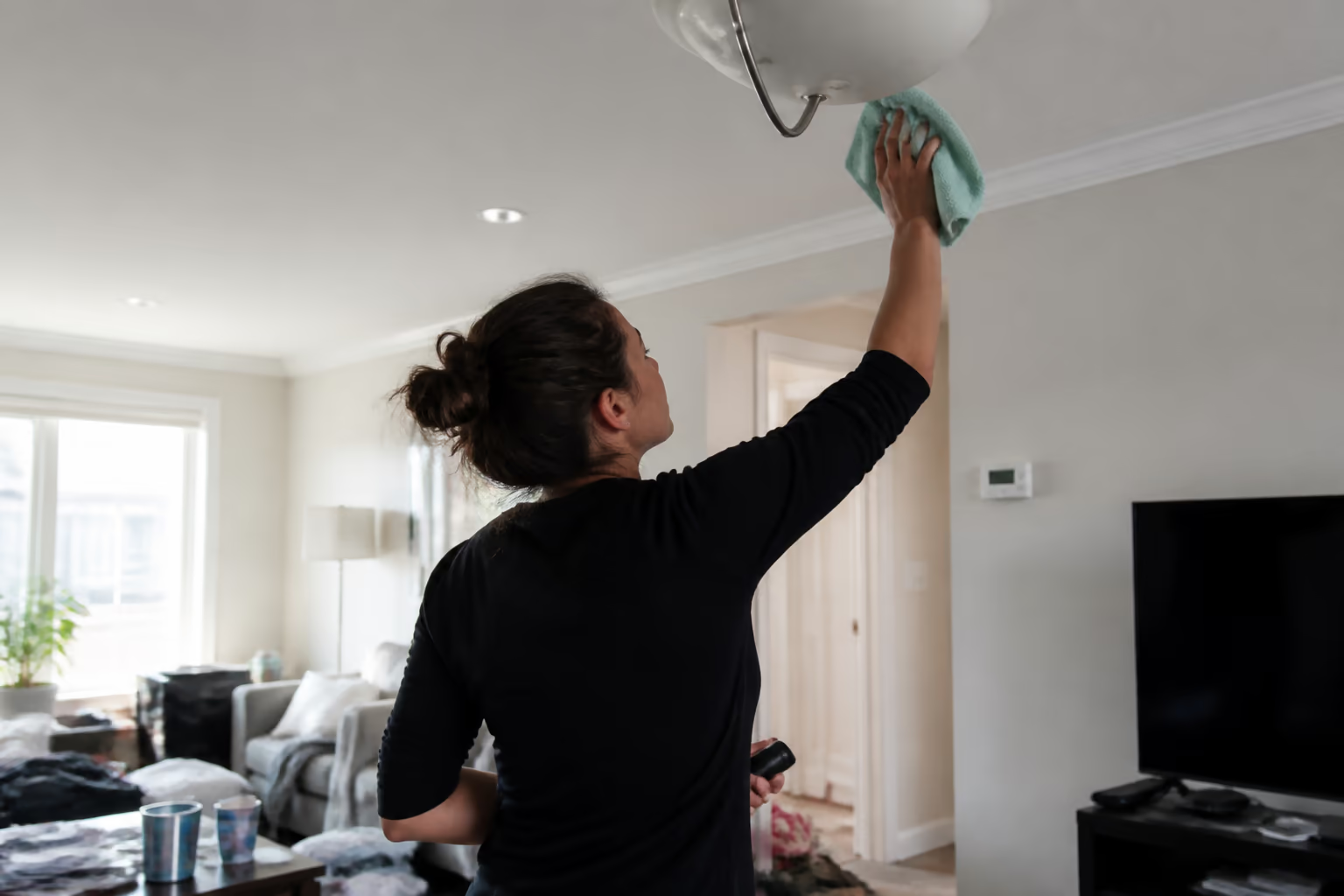
Then work through the living areas and bedrooms top-to-bottom. Dust the ceiling corners, light fixtures, and window sills first, then wipe surfaces, then vacuum or mop the floor. By the time you reach the floor, everything above it is already clean.
If a room is deeply cluttered, do not try to perfect it in one pass. Clear the floor and the main surfaces, clean them, and set the rest aside in a labelled box. You can sort the box later without letting the clutter block the cleaning.
The final step is a walkthrough. Look for missed spots, re-fold the throw blankets, fluff the pillows, and open the windows briefly to air the rooms out. That ten-minute polish is what makes a clean house look professionally cleaned.
If you have pets, add one more step to the routine. Vacuum furniture and wash pet bedding on a rotating schedule, and use a lint roller or microfibre mitt on fabric surfaces before you dust. Pet hair and dander settle into carpets and upholstery quickly, and they are the fastest way for a clean room to look messy again.
Building a Cleaning Toolkit for the Job
You do not need a van full of specialty products to clean like a professional. A small, well-chosen kit covers almost every surface in a home.
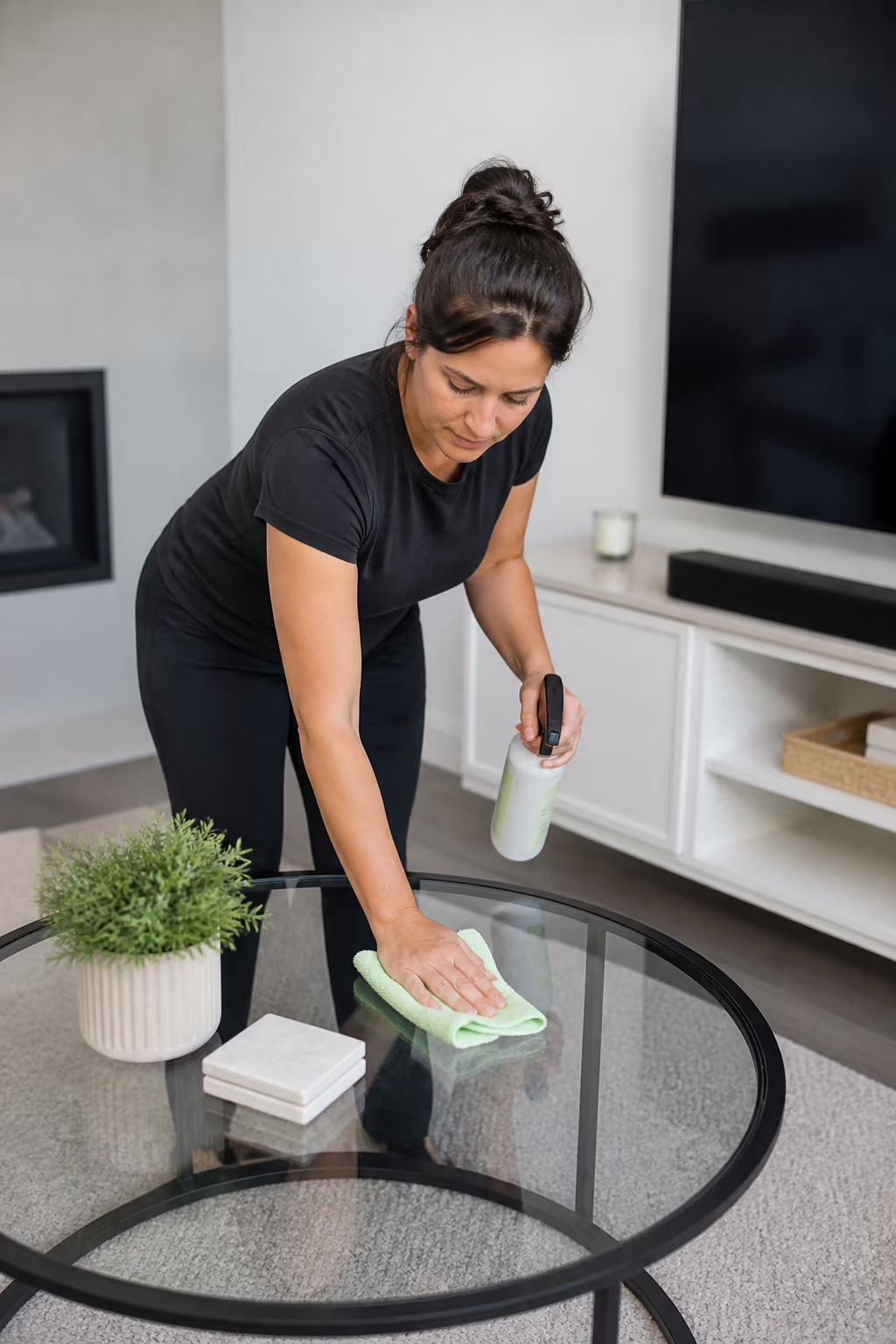
Start with microfibre cloths. Buy enough to use a fresh one per task, and keep the colours separate: one for glass, one for counters, one for bathrooms, one for floors. Microfibre picks up dust and bacteria mechanically, so you use far less chemical.
Add a pH-neutral all-purpose cleaner, a glass cleaner, a bathroom disinfectant, and a kitchen degreaser. Look for EcoLogo-certified, low-VOC options that are safe for children and pets. One good multipurpose spray replaces a shelf of single-use products.
Finish the kit with a commercial HEPA vacuum for carpets and a microfibre flat mop for hard floors. These two tools do more to keep a home clean than any bottle of cleaner, and they make the daily upkeep dramatically faster.
Keep the kit organized. A small caddy or a bucket with a tray lets you carry the whole routine from room to room, so you are not hunting for a spray bottle halfway through. Refill the caddy as you go, and restock microfibre cloths when they start to wear.
Formatted Step-by-Step Professional Messy House Cleaning Checklist
Follow this checklist to clean your house like a pro:
- Step 1.Declutter All Surfaces and Clear Floor Obstacles Room by Room:Put away misplaced items into storage baskets.
- Step 2.Spray EcoLogo Multipurpose Cleaner on High-Touch Surfaces to Dwell:Allow plant-based surfactants 5 minutes to break down grease.
- Step 3.Dust High Ceiling Corners, Light Fixtures, and Window Sills Top-to-Bottom:Work downward so falling dust lands on uncleaned floors.
- Step 4.Wipe Kitchen Countertops, Appliances, and Vanity Surfaces Left-to-Right:Follow a continuous circular path around each room.
- Step 5.HEPA Vacuum Carpets and Damp Mop Hard Floors Work Out Toward Doors:Finish by cleaning floors from back corners out toward exits.
- Step 6.If you need a team or a recurring schedule, use residential home cleaning services in Ottawa to discuss scope, access, and timing before deciding whether it fits.
Serving Ottawa's Neighbourhoods
Good Cleaner Co. provides professional house cleaning across Ottawa, from downtown condos in Centretown and Sandy Hill to family homes in Kanata, Nepean, and Orleans. Our teams follow the same structured method described in this guide, so you get consistent, repeatable results whether you book a one-time deep clean or a weekly visit.
Common Cleaning Mistakes That Slow You Down
Most people clean slower than they need to because of a handful of repeat mistakes. Fix these and the whole job speeds up.
The first is skipping the declutter step. Spraying cleaner around clutter just moves the mess from the counter to the floor. Remove the clutter once, at the start, and you stop handling the same items twice.
The second is letting products dry on the surface. Spray, wait, then wipe. If a cleaner dries onto a counter, you are now scrubbing off dried residue, which takes far longer than the original grease.
The third is using one cloth everywhere. A single rag moves bathroom bacteria to the kitchen and leaves streaks on glass. Colour-coded microfibre cloths keep each job clean and cut down on re-wiping.
The fourth is cleaning from the bottom up. Vacuuming before dusting means the falling dust lands on a floor you already finished. Always work top-to-bottom.
Once you remove these four mistakes, the same amount of effort produces a visibly better result. That is the difference between cleaning hard and cleaning smart.
If a whole house still feels like too much, start with one room and time yourself. Most people find the first room takes twice as long as the rooms that follow, simply because the method is new. Once the rhythm clicks, the rest of the house goes faster. Before you know it, the whole cleaning routine stops feeling like a dreaded chore and becomes a straightforward set of steps.
Practical planning for this situation
For a household facing an overwhelming clean-up, the sensible starting point is resetting a messy house. Begin with a walk-through and write down safety hazards, laundry, dishes, rubbish, high-use rooms, and the tasks that can wait until the home is usable again. That gives the work a real boundary and avoids treating a generic package as if it already understood the space.
Use the written notes to decide what belongs in a regular routine and what needs separate time, access, or approval. The useful test is whether another person could read the scope and understand the task without being told to rely on a promise.
Seasonal considerations in Ottawa
Local conditions matter, but they do not require a script. In this topic, winter coats and wet footwear, spring pollen, and humid bathrooms can change which jobs need attention first. Review the condition of the actual space before changing the products, equipment, or frequency.
A short seasonal review is usually enough: notice what has changed, name the affected area, and agree on the practical response. That keeps maintenance connected to the property rather than a broad list of place names.
Safe, responsible cleaning
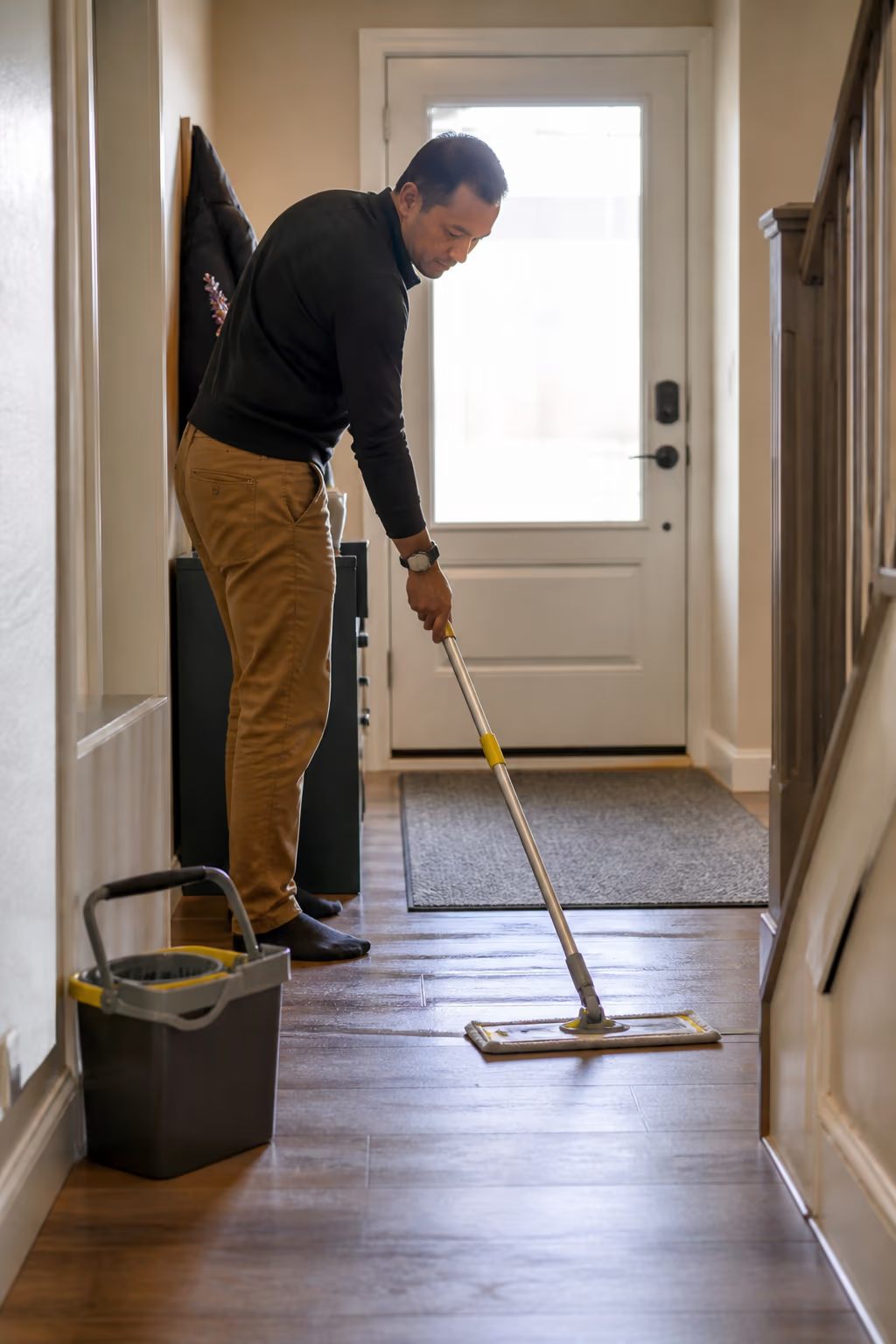
Choose methods that suit the material and follow the product or equipment instructions. Keep people away from a wet or actively cleaned area, and stop when a surface reacts unexpectedly.
When a task involves an unfamiliar finish, access issue, or safety concern, ask before continuing. A careful pause is more useful than a confident shortcut and protects the people using the space.
Considering professional help
A service conversation should stay anchored in the space and the requested work. For resetting a messy house, explain safety hazards, laundry, dishes, rubbish, high-use rooms, and the tasks that can wait until the home is usable again. Ask for the proposed tasks, timing, and any limits in writing.
If you want to explore help, use Ottawa residential cleaning teams to describe the scope and decide whether it suits the situation. This is a request for information, not a promise about a result.
How to review the routine
Before changing the routine, take a few minutes to describe the present condition in plain language. Start with safety hazards, laundry, dishes, rubbish, high-use rooms, and the tasks that can wait until the home is usable again. This makes it possible to decide what is necessary without inflating a small issue into a large project.
Ask the people who use the space what causes the most friction. Their answer may be a difficult entry, a storage gap, a time when work cannot happen, or a surface that needs a gentler method. Those details are the basis for a useful plan.
Try one visible adjustment at a time. Record why it was made, what area it affects, and what a satisfactory result looks like. That approach is easier to review than changing a whole routine at once.
Keep feedback specific: name the room, surface, timing, and expected result. Clear notes help a household, volunteer group, or service team work through a problem without blame or vague expectations.
Revisit the plan after a genuine change in use, condition, or season. A routine should be steady enough to follow and flexible enough to stay useful.
FAQ
What is the single most important rule when cleaning a messy house?
Always declutter first. Clearing surfaces before cleaning allows you to spray and wipe without moving obstacles around.
Why do professional cleaners use microfibre cloths instead of paper towels?
Microfibre split fibres trap dust and bacteria mechanically without scratching surfaces or leaving lint behind. They hold onto soil and rinse clean, so one set of cloths replaces a stack of paper towels.
How long does a deep house cleaning take for a 3-bedroom home in Ottawa?
A professional team of 2 cleaners typically completes a deep house cleaning in 3 to 4 hours using structured top-to-bottom methods. On your own, budget roughly a full day, broken into rooms, with the same system.
Should I clean from the top of the house down or room by room?
Both work, but the rule inside each room is the same: top-to-bottom and left-to-right so dust never lands on a clean surface.
What order should I clean rooms in a messy home?
Start with the bathroom for an early win, move to the kitchen, then living areas and bedrooms, and finish with floors and a final walkthrough.
How do I get rid of a strong smell in a messy house?
Remove the source first, wash soft surfaces, and ventilate. After that, a citrus-based cleaner from our citrus cleaning spray recipe helps freshen surfaces naturally, while odour-absorbing steps like baking soda tackle lingering smells in carpets and upholstery.
Is it better to hire a professional cleaner for a badly messy house?
Often yes. A professional team has commercial equipment and experience, so a deeply soiled home is cleaned faster and more thoroughly than a first-timer can manage alone. If you are budgeting for that option, typical cleaning costs in Ottawa give a general sense of what to expect before you request a quote.
How often should a messy home be professionally deep cleaned?
Most Ottawa families book a deep clean seasonally, with regular weekly or bi-weekly maintenance in between to keep the mess from building back up.
How do I book a professional house cleaning in Ottawa?
Send a request through the booking form and we will come back to you with the scope and the price. Nothing is charged online. You can also call or text 613-664-5678, or email info@goodcleaner.ca, and the office answers between 8 AM and 8 PM every day.
Can I use the same system for a single-room clean-up?
Yes. The order is the same for one room or a whole house: declutter, spray, dust top-to-bottom, wipe, and finish with the floor.
What should I buy first if I am building a home cleaning kit?
Start with microfibre cloths, a pH-neutral all-purpose cleaner, a glass cleaner, and a HEPA vacuum or microfibre flat mop. Those cover most of a home's surfaces.
How do I keep a house clean after the big clean is done?
Keep a five-minute tidy as a daily habit: clear the kitchen counters, do a quick sweep of high-traffic floors, and put things back where they belong. The maintenance visits or light weekly cleans then stay short because the mess never piles up again.
Wrapping Up
A messy house becomes manageable when the next action is small and visible. Pick one room or one category, set a realistic timer, remove obvious rubbish, and return only the items that belong there. Do not pull every drawer open at once; that usually creates more decisions than a tired person can finish. Keep a donation bag and a laundry basket nearby for items that need to leave the room. When the basics are under control, add cleaning in the order that makes sense for the space. Progress is a reset, not a test of whether the home looks perfect.
Keep reading
More from Good Cleaner
About the author
Service areas
- Ottawa
- Kanata
- Nepean
- Orleans
- Barrhaven
- Manotick