
How Often Should You Clean A Bathroom? Should It Be An Hour?
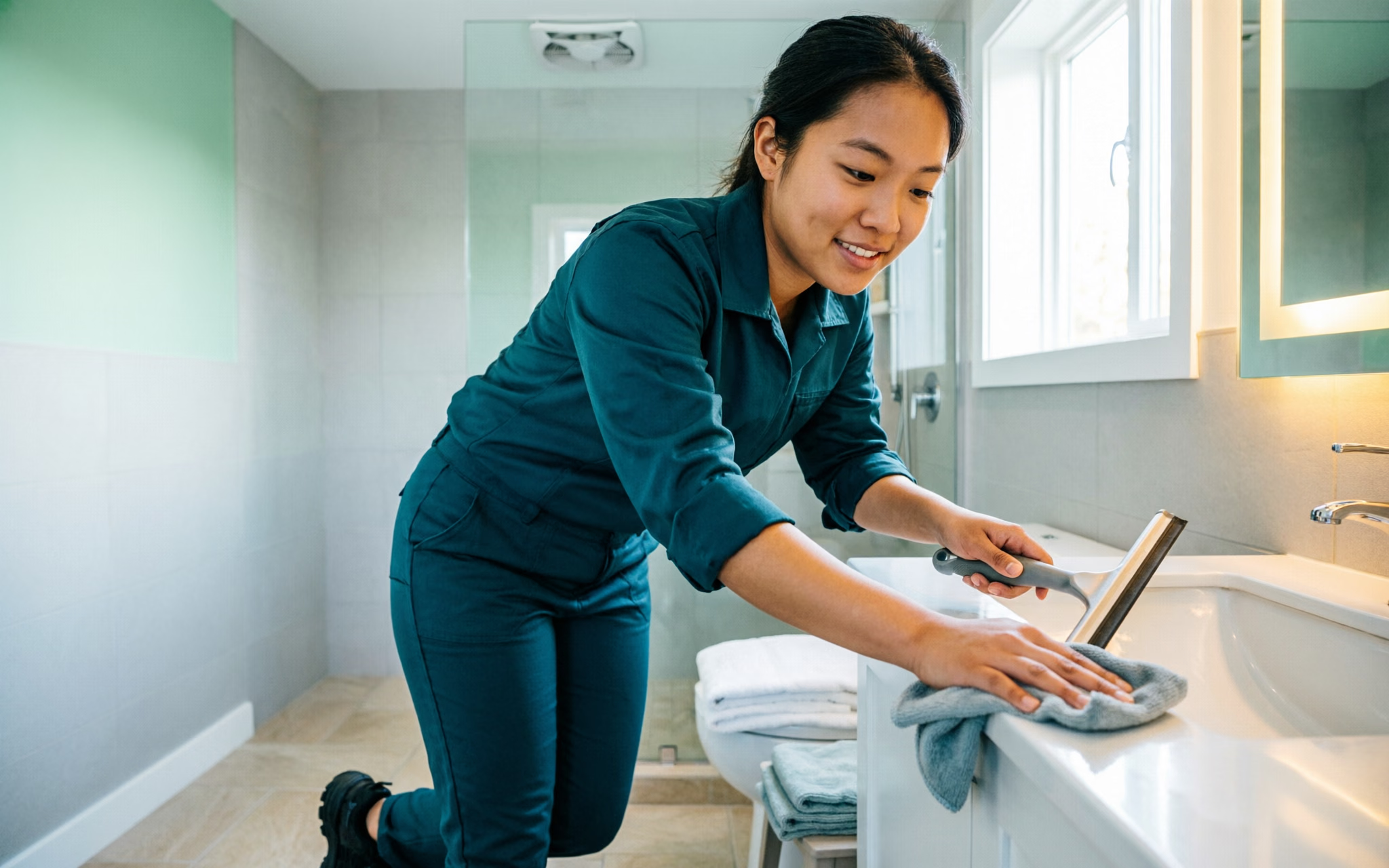
How often should you clean a bathroom? is one of those household questions with a more useful answer than people expect. The honest answer is that it depends on how the bathroom is used, but there is a practical rhythm that works for most homes: daily touch-ups, a weekly clean, and a deep clean a few times a year. This guide walks through each layer, including what the hour-long bathroom clean really means, and how Ottawa's climate shapes the schedule.
Quick Summary
Bathroom cleaning frequency works best on a rhythm of daily touch-ups, a weekly clean and a deep clean a few times a year, adjusted for Ottawa's humidity. Keeping this schedule prevents mould, protects fixtures and finishes, and keeps the job small instead of an occasional heavy scrub.
In this guide
Why Bathroom Cleaning Frequency Matters
A bathroom is the hardest-working room in the house for its size. It handles water, heat, humidity and heavy use in a small space, which makes it the room most likely to show wear if cleaning slips. Getting the frequency right is the difference between a bathroom that looks fresh with little effort and one that needs a full project to bring back.
Moisture is why frequency matters more here than anywhere else in the house. Health Canada notes that excessive moisture is one of the most common causes of poor indoor air because it promotes both mould and dust mites, and advises fixing moisture problems and cleaning up any mould right away. A bathroom cleaned on a schedule is really a bathroom dried on a schedule. The federal advice is short: “To prevent mould, fix any moisture problems right away and control humidity levels in your home.”
Frequency matters for health as much as appearances. Moisture and warmth make a bathroom the most likely room for mould and mildew to take hold, especially around grout, caulking and shower curtains. A regular schedule catches those problems while they are still small, instead of waiting until they need heavy scrubbing or replacement.
There is also a simple value argument. A bathroom cleaned on a steady rhythm stays in better condition, which protects the fixtures and finishes that are expensive to replace. Grout, caulk and enamel all last longer when they are not left to sit under soap scum and hard water.
Finally, the frequency question matters because bathrooms are personal. Everyone uses them, and everyone has an opinion about how clean they should be. A clear schedule removes the guesswork and keeps the standard consistent without anyone having to nag.
One more reason the frequency matters is that it protects the people who do the cleaning. A bathroom kept on a schedule takes minutes to maintain, while a bathroom left for weeks turns into an afternoon of scrubbing. The room that is cleaned on a rhythm is also the room that gets cleaned at all, because the job never feels big enough to put off. The same logic works for other parts of the home: see how often should you clean exterior windows and how often should you clean your home for the equivalent rhythms elsewhere in the house.
The Daily and Weekly Bathroom Routine
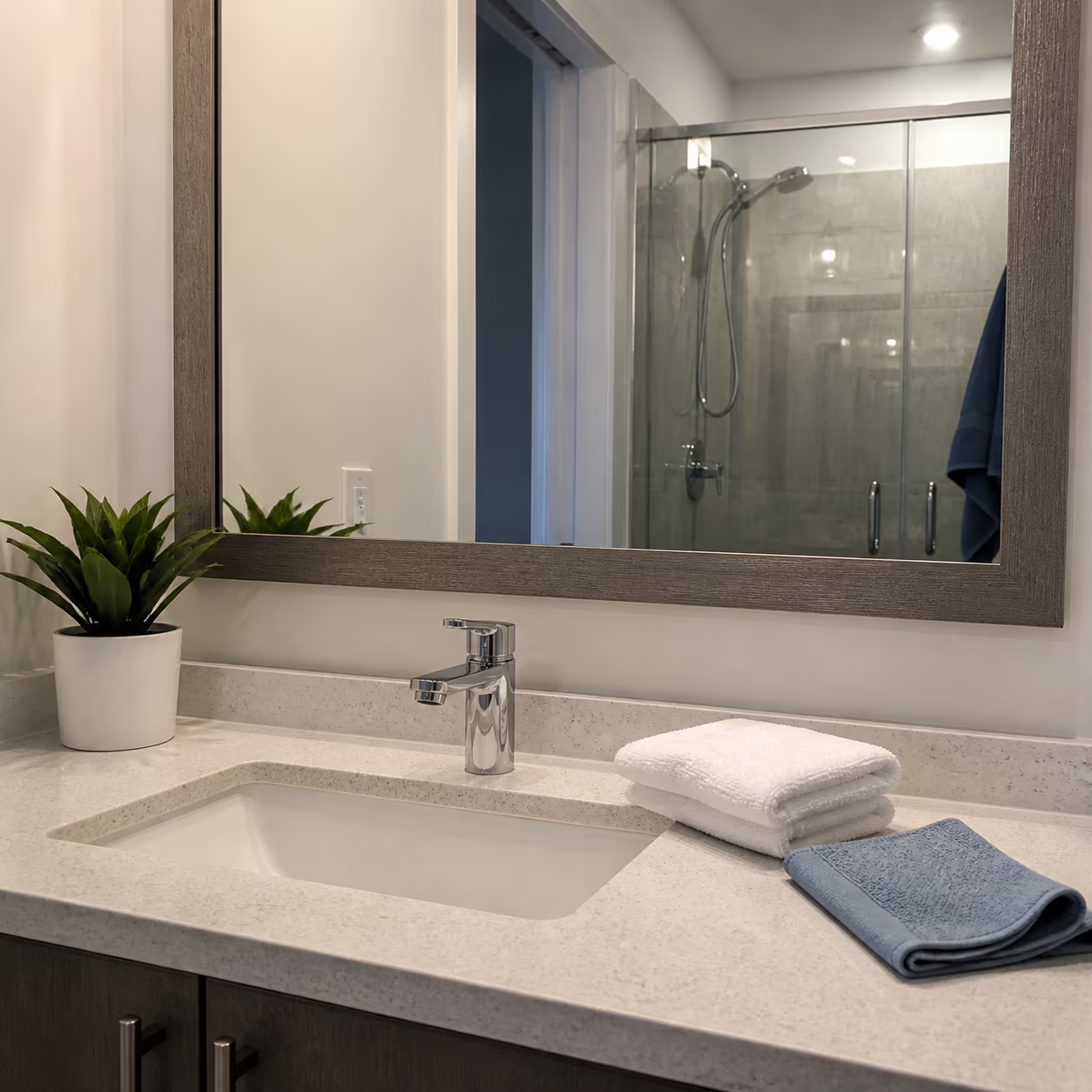
Most homes do best with a quick daily touch-up and a proper weekly clean. The daily pass is fast and keeps the room from ever looking tired, while the weekly clean handles the deeper work.
- Hanging towels to dry and straightening the room.
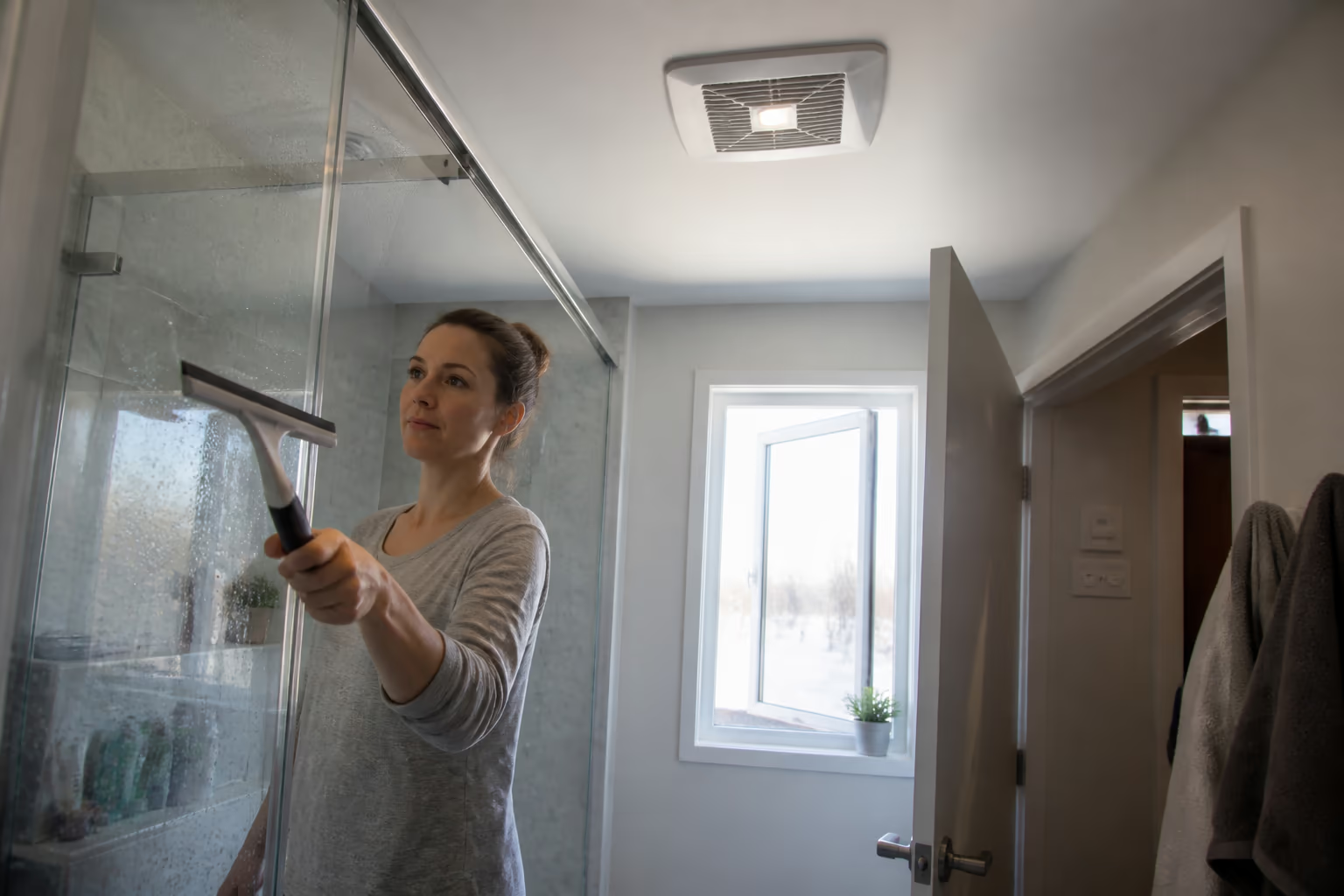
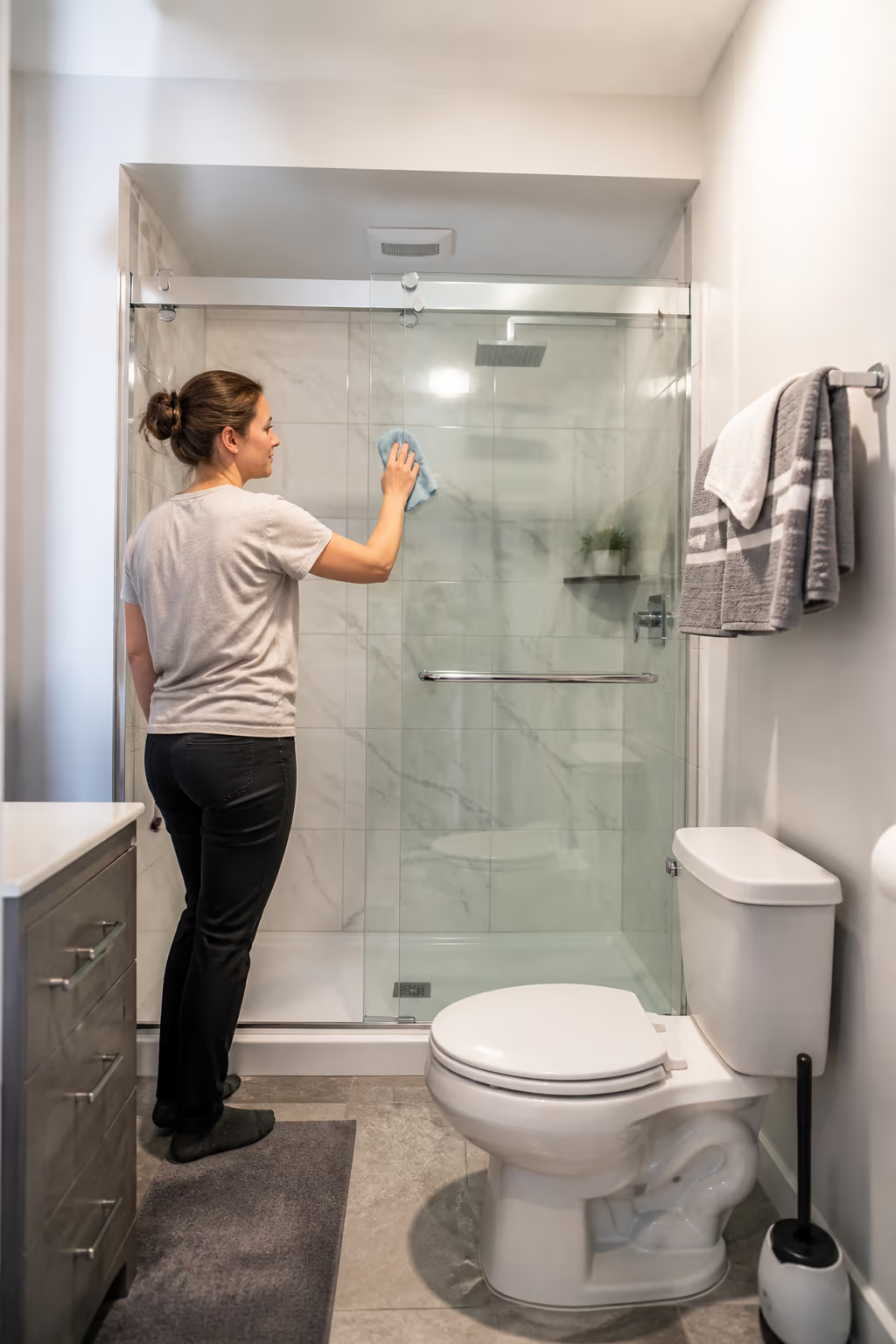
- Squeegeeing the shower glass or wiping the shower door after use.
- Wiping the sink, counter and tap to clear toothpaste and splashes.
- Emptying the bin when it is full and spot-checking the floor.
- Opening a window or running the fan to clear moisture.
The weekly clean is the layer that really keeps a bathroom looking after. It is the pass that tackles the toilet, the shower and the grime that a daily wipe-down leaves behind.
- Cleaning the toilet inside and out, including the base and behind the seat.
- Scrubbing the shower, tub and tiles to remove soap scum.
- Washing the mirror, windows and any glass surfaces.
- Mopping the floor and wiping baseboards.
- Washing towels and bath mats, or starting the laundry.
This rhythm suits most households well. A busy family bathroom may need the daily pass a couple of times a day, while a rarely used guest bathroom can stretch the weekly clean further. The important thing is that the weekly clean actually happens, because that is the layer that keeps the room healthy.
One of the best habits is to keep the daily pass genuinely daily, even if it is only two minutes. Squeegeeing the shower door after every use is the single highest-value habit in a bathroom, because it stops soap scum and limescale from ever forming. The small daily actions are what make the weekly clean quick.
What Deep Bathroom Cleaning Covers and How Often
Beyond the daily and weekly rhythm, a bathroom needs a deep clean a few times a year. This is the project that handles what weekly cleaning cannot, and it is easy to forget because it does not show up on any weekly checklist.
- Descaler or a limescale treatment on taps, shower heads and the shower door.
- Grout and tile deep cleaning, including the grout lines that darken with soap scum.
- Caulking inspection and repair where it has cracked or lifted.
- Cleaning under and behind fixtures, including the toilet base and vanity.
- Washing or replacing the shower curtain and liner.
- Cleaning exhaust fan vents and any visible duct grilles.
A deep clean every three to six months is a sensible standard for most homes, with a more frequent schedule for hard water or a busy family bathroom. Ontario's hard water can leave mineral deposits that build up quietly, which is one reason the quarterly deep clean is worth protecting.
How to Clean a Bathroom in the Right Order
The order in which you clean a bathroom matters more than people think. Working in the right sequence means the products have time to work, the dirt rinses away properly, and you do not end up re-cleaning the same spot twice.
- Start with the surfaces that need products to dwell, such as the shower and toilet, before you clean the rest.
- Work from high to low, cleaning walls and fixtures before the floor.
- Clean the mirror and glass while the room dries, then finish with the floor last.
- Save the floor for the end so debris from earlier steps does not land back on a clean floor.
- Rinse products well and dry the shower glass and fixtures to avoid streaks and limescale.
A sensible order is shower and tub first, then toilet, then sink and mirror, then floor. It keeps the dirtiest work contained, gives the products their dwell time, and leaves the room with one clean, dry finish rather than a series of half-done jobs.
The "Should It Be an Hour?" Question
The title of this guide asks whether cleaning a bathroom should take an hour, and it is a fair question because people genuinely wonder whether they are spending too long or too little time. The honest answer is that an hour is a comfortable amount for a thorough clean of a typical bathroom, but the useful number is not the hour, it is the rhythm.
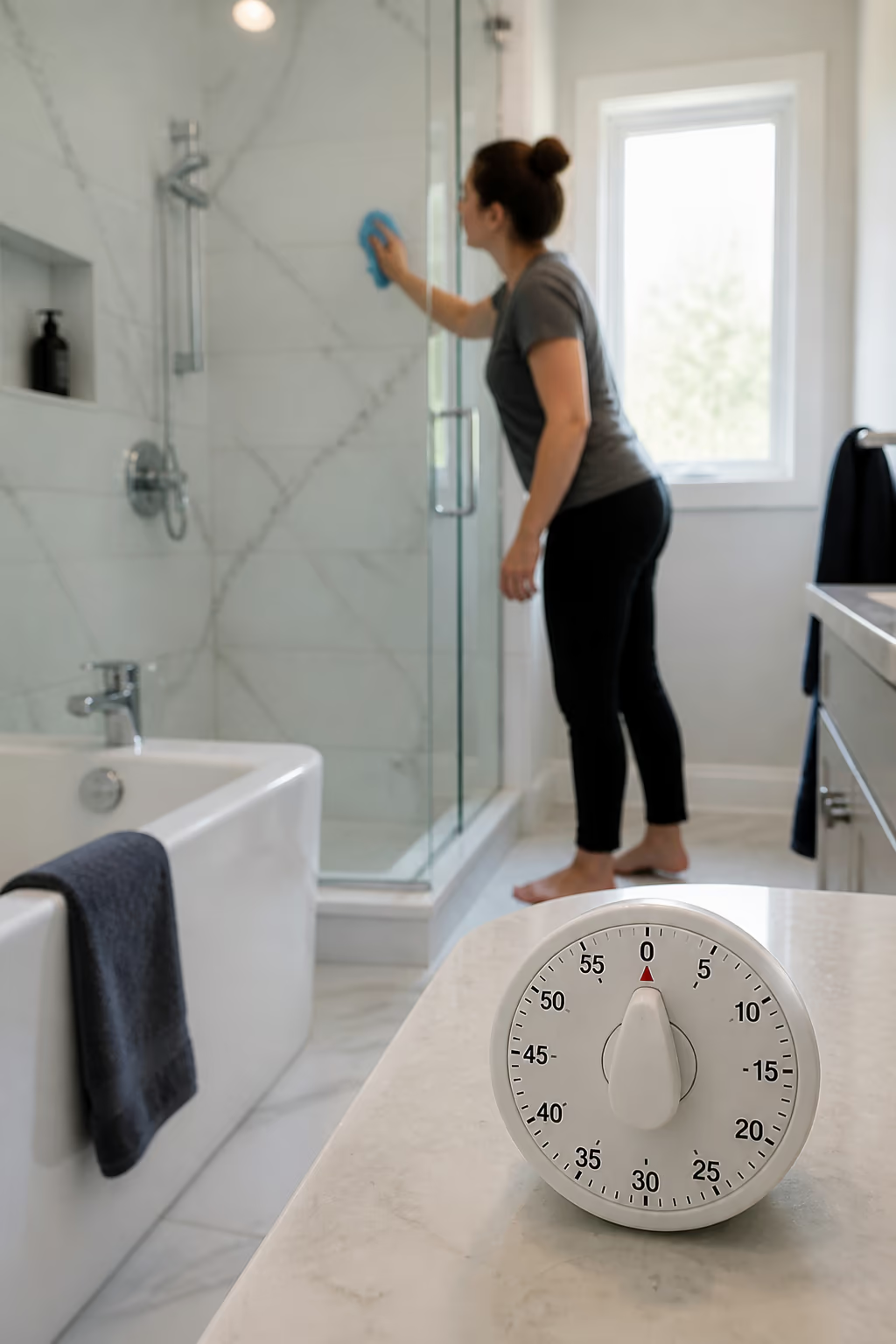
A focused weekly clean of a standard bathroom takes most people somewhere around forty-five minutes to an hour when it includes the toilet, shower, mirror, floor and fixtures. Add a deep clean with grout work, descaling and caulking, and the same bathroom can take longer. The trick is that an hour feels long only when it is the only cleaning the bathroom gets.
If the bathroom has been left for a while, an hour may not be enough, and that is the point of the frequency question. A bathroom kept on a weekly rhythm needs an hour or less to maintain. A bathroom left for months needs a project. The schedule you choose decides how big the job feels, which is why starting the rhythm matters more than timing the task.
As a rough guide, budget about an hour for a thorough weekly bathroom clean and about two hours for a deep clean of the same room. Those numbers vary with the size of the bathroom and how much build-up there is, but they give you a realistic sense of what the job takes before you start.
How Ottawa's Climate Affects Your Bathroom
Ottawa's climate shapes a bathroom schedule in ways that surprise people. Cold winters mean homes are sealed tight, humidity rises, and windows stay shut, which makes the bathroom a prime spot for condensation and mildew.
Running the exhaust fan during and after showers, drying the shower glass or door, and leaving the bathroom door open to let air move are small habits that reduce the moisture load. During the deep months of winter, those habits matter more than a few extra minutes of cleaning, because they stop the mould from getting a foothold in the first place.
The transition seasons add their own work. Spring is a good time for the first deep clean of the year, including grout and caulking checks. Fall is a good time to make sure the fan works and the bathroom is ready for a winter of closed windows. Tying the deep cleans to the seasons makes the schedule easy to remember.
In the deepest weeks of winter, when windows stay shut and the furnace runs, the bathroom can become the wettest room in the house. If the fan is weak or the vent is clogged, consider cleaning the vent and checking the fan before the cold season, and keep the bathroom door open after showers to let the moisture spread out.
How Good Cleaner Co. Approaches Bathroom Cleaning
Good Cleaner Co. treats a bathroom as a room with its own care requirements, not just another surface to wipe. The team works through the room in a deliberate order, from the shower and fixtures down to the floor, and uses products chosen for each surface. Where a product carries a disinfection claim, it holds a valid Health Canada DIN, and staff follow the label as written.
The approach also respects the home. Products are chosen with the household in mind, staff are background-checked, and the room is left safe to use, which matters in a space the family touches barefoot and with bare hands. The goal is a bathroom that is not only clean but ready for the family to step back into. The same trained approach carries over to office cleaning services in Ottawa, where washrooms see even heavier daily use.
If you are comparing providers, our guide to comparing commercial cleaners is a useful starting point for the questions that matter, including the products used and how the team handles the details. A company that is clear about all of it is the one worth booking.
Common Mistakes and How to Avoid Them
A few mistakes make bathroom cleaning harder than it needs to be, and most come from the wrong tools or the wrong timing.
- Using an abrasive scrubber on acrylic and enamel, which scratches the finish.
- Letting products dry on surfaces, which leaves streaks and build-up.
- Forgetting the exhaust fan, so moisture sits and mould gains ground.
- Cleaning the toilet and shower with the same cloth, which spreads germs.
- Skipping the weekly clean, then needing a heavy project clean to catch up.
- Ignoring grout and caulking until they need repair or replacement.
The fix is to keep the rhythm simple and the tools right. A squeegee, a good all-purpose cleaner, a toilet brush and a separate cloth for the toilet and the rest of the room cover most of the job. Add a limescale product for hard water and the deep tasks look after themselves.
Products matter too. A bathroom needs a cleaner that handles soap scum and hard water, not just an all-purpose spray, and a limescale product where the water is hard. Choosing products for the bathroom rather than borrowing from the kitchen saves effort and protects the finishes.
Formatted Step-by-Step Bathroom Cleaning Checklist
Use this checklist to keep a bathroom clean on a rhythm that works.
- Step 1.Start with the dry tasks:empty the bin, hang towels and put away loose items.
- Step 2.Clean the shower and tub, working from the top down and rinsing well.
- Step 3.Clean the toilet last in the wet order, using a separate cloth and brush.
- Step 4.Wipe the mirror, sink and fixtures, then mop the floor from the back corner out.
- Step 5.Finish by running the fan or opening the window so the room dries out.
- Step 6.When you want the bathroom cared for as part of the whole home, our house cleaning options in Ottawa are built around your schedule and standards.
FAQ
How often should you clean a bathroom?
Most homes do best with a quick daily touch-up and a thorough weekly clean, with a deep clean every three to six months. A busy family bathroom may need more, and a guest bathroom can manage with less.
Should cleaning a bathroom take an hour?
An hour is a comfortable amount for a thorough weekly clean of a typical bathroom, including the toilet, shower, mirror and floor. If it takes much longer, the bathroom has likely been left too long, and the answer is a steadier rhythm.
How often should the toilet be cleaned?
The toilet should be wiped daily and cleaned thoroughly at least weekly. In a busy household, a mid-week clean of the bowl and seat keeps it fresh between the full weekly passes.
How do I stop mould and mildew in the bathroom?
Control moisture first: run the fan during and after showers, dry the shower glass or door, and leave the door open to let air move. Regular cleaning of grout and caulking stops mould from gaining a foothold.
How often should a shower be deep cleaned?
A quick wipe after each shower keeps soap scum down, a weekly scrub handles the build-up, and a deep clean of the grout and limescale every three to six months keeps the shower looking new.
Are bathroom cleaning products safe to mix?
No. Never mix bleach with other cleaners, and keep disinfectants separate from acids and ammonia products. Read the label and use one product at a time, following the instructions.
How often should towels and bath mats be washed?
Towels should be washed every three to four days, and bath mats weekly or more often in a busy home. Damp towels and mats are a shortcut for mildew, so a regular laundry rhythm helps the bathroom stay fresh.
What is the most common bathroom cleaning mistake?
Using the same cloth for the toilet and the rest of the room, which spreads germs rather than cleaning. Keep a separate cloth for the toilet and wash cloths between rooms.
How often should I descale a shower head and taps?
Every few months, or more often with hard water. Soaking the shower head and taps in a limescale product keeps the water flowing and prevents the mineral build-up that hard water leaves behind.
Do I need different products for the shower and the toilet?
Yes. A bathroom cleaner handles soap scum on the shower and tiles, while a disinfectant is better for the toilet. Matching the product to the surface works better and protects the finishes, so keep separate products for each job.
Wrapping Up
How often should you clean a bathroom? comes down to a rhythm that fits your home: daily touch-ups, a weekly clean, and a deep clean a few times a year. Add the moisture habits that matter through an Ottawa winter, and the room stays fresh without a big project. Contact Good Cleaner Co. for a free quote and a cleaning plan tailored to your home.
Keep reading
More from Good Cleaner
Services that fit
- House Cleaning Services in OttawaHouse cleaning services in Ottawa for one-time, weekly, biweekly, and monthly home care, with customizable cleaning and eco-friendly options.
- Janitorial Services in OttawaRecurring janitorial services in Ottawa for offices, warehouses, retail, dealerships and schools. Eco-friendly commercial cleaning, customized plans, free quote.
About the author
Service areas
- Ottawa
- Kanata
- Nepean
- Orleans
- Barrhaven