
How Clutter Affects ADHD Symptoms
Living with attention-deficit/hyperactivity disorder is hard enough without your environment working against you, and clutter is one of the most common environmental pressures people with ADHD describe. A cluttered room asks your brain to process more information at once, which can deepen the very symptoms you are trying to manage. This guide explains how clutter affects ADHD symptoms and the practical steps you can take to make your space work for you.
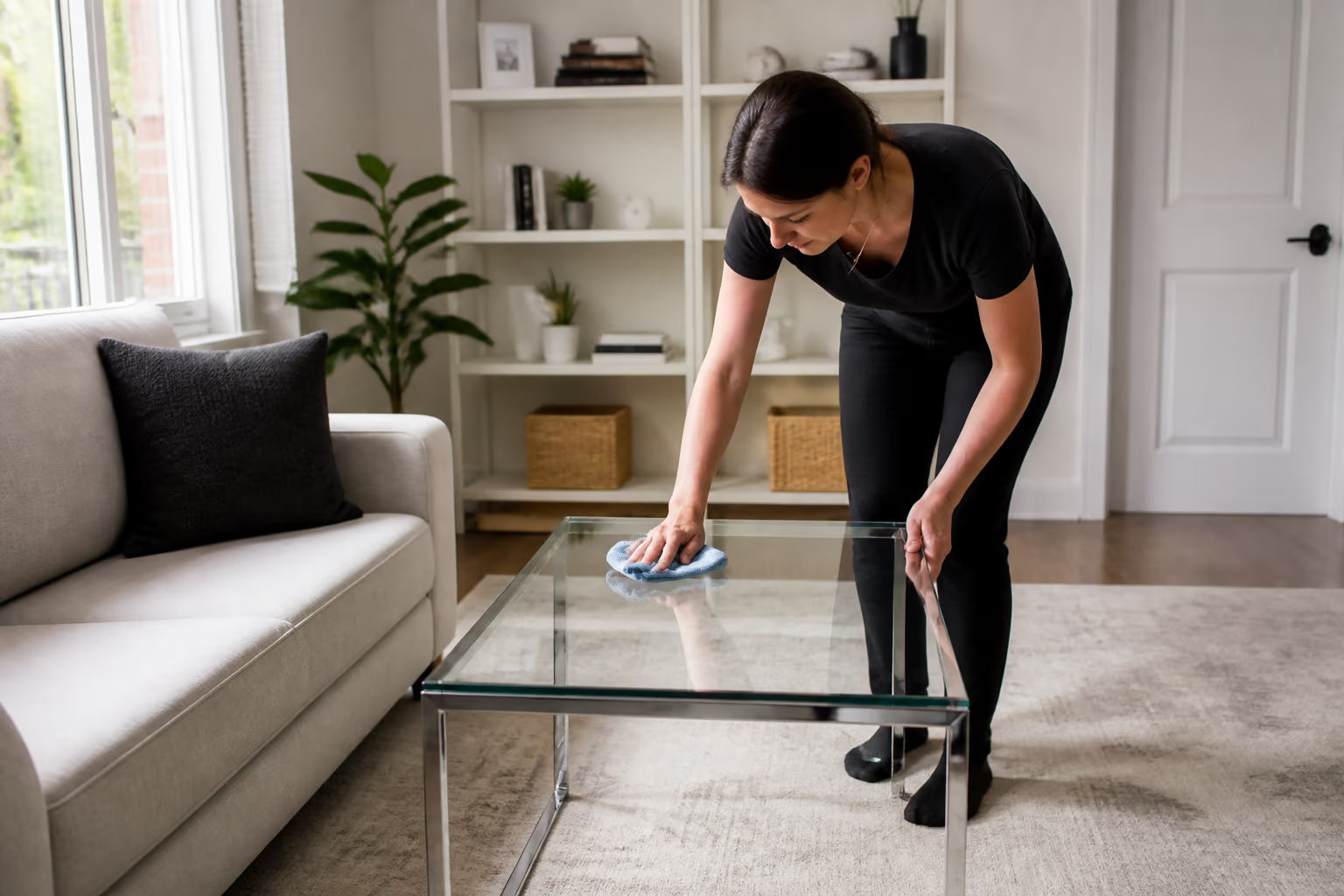
Quick Summary
Clutter is one of the most common environmental pressures people with ADHD describe, since a cluttered room forces the brain to process more visual information at once, which can deepen attention and focus symptoms. This guide explains that connection and the practical, zone-by-zone decluttering steps that make a space easier to manage.
In this guide
How Clutter Affects ADHD Symptoms
Attention-deficit/hyperactivity disorder affects focus, organisation and impulse control, and it is well recognised that environmental factors can influence how severe those symptoms feel on a given day. Clutter is exactly that kind of factor: a space packed with loose items, unfinished tasks and visual noise can make it harder to focus, easier to feel overwhelmed and harder to start a task at all.
The link is practical, not mystical. Every object in view is information your brain has to sort, and for someone with ADHD that sorting takes more effort. When a room is cluttered, the mental load of filtering out the noise can push working memory and attention past their limits, which shows up as more distractibility, more procrastination and more stress.
That is not a character flaw and it is not laziness. It is the interaction between how the brain is wired and the environment it is operating in, and the encouraging part is that the environment is something you can change.
The effect can be strongest in the spaces you need most. A cluttered desk makes focusing harder, a cluttered kitchen makes cooking and tidying more draining and a cluttered bedroom can make rest feel further away. Targeting the rooms you rely on delivers the clearest gains.
The Practical Signs to Look For
People with ADHD often describe clutter in a few familiar ways. If any of these sound like your space, the clutter may be doing more work than you realised:
- You struggle to start a task because the room around you feels overwhelming
- You lose items you use daily, like keys, phones and important papers
- You buy duplicates because you cannot find the first copy
- You avoid having people over because tidying feels unmanageable
- You feel more anxious and more scattered in cluttered rooms than in clear ones
- You start projects constantly but finishing them feels out of reach
These patterns feed each other. Clutter makes it harder to finish, unfinished projects add more clutter, and the cycle continues. Breaking it does not require a perfect, minimalist home, just a system that lowers the mental load.
None of these signs mean you are failing. They are clues about how your environment is working, and once you notice them, you can start changing the environment instead of blaming yourself.
Visual Noise and Executive Function
The phrase visual noise captures the problem well. Every item in view, whether it is clean or dirty, is a signal competing for your attention, and for a brain with ADHD there is no automatic filter that drops it out. The result is a low hum of distraction that never quite switches off.
Executive function is the part of the brain that plans, starts and finishes tasks, and it is exactly the area ADHD affects most. Clutter adds to the planning load: before you can work, you have to decide where things go, what to keep and what to ignore, and that is real work on top of the task itself.
The good news is that this works in reverse too. When the room is clear, the planning load drops, starting becomes easier and finishing feels more likely, which is why so many ADHD management strategies start with the environment rather than with willpower.
None of this is an argument that every home must be spotless. It is an argument that the level of clutter you live with is one of the few things you can actually control, and small reductions in visual noise can produce out-of-proportion improvements in how your day feels.
This is why the size of the change does not always match the size of the effort. Moving one box, clearing one shelf or removing one pile can tip a room from draining to workable, and that tipping point is worth finding in each space you live in.
Why Decluttering Helps Focus and Calm
When the visual noise drops, something practical happens: your brain has fewer competing signals to filter. For someone with ADHD, a clear surface can mean the difference between starting a task and circling it for an hour.
A calmer environment also reduces the self-criticism that often travels with ADHD. Seeing a tidy, workable space builds a small sense of competence, which makes the next task a little easier to begin. That momentum is real, and it is one of the reasons decluttering is recommended so often as part of managing ADHD.
None of this requires a designer home. A single cleared table, a labelled drawer and a working place for your keys can change how a room feels and how you operate in it.
Clearing space can also protect your energy for the things that matter. When the room stops demanding your attention, the attention you save is available for work, family, rest or simply getting out the door on time, which for many people is the real win.
The same logic applies to digital clutter. Notifications, open tabs and a full desktop are visual noise in another form, and clearing a digital workspace alongside a physical one extends the calm without any extra cleaning time.
A Simple Decluttering Method That Works
The trick with ADHD is that big decluttering projects trigger the same overwhelm they are meant to fix. A smaller, timed, single-category approach works better than a weekend-long purge.
- Pick one small area, not a whole room
- Set a short timer so the task has a clear end
- Sort items into keep, toss and relocate on the spot
- Keep the items you actually use within arm's reach
- Stop when the timer ends and celebrate the visible result
Start with one drawer, one shelf or one counter. Set a short timer, make a quick three-way decision for each item, and stop when the timer ends. Small wins build trust with yourself, and a trusted routine beats a dramatic reset you avoid starting.
The three-way decision is simple: keep, toss or relocate. Keep items you have used in the last few months, toss or recycle what is genuinely past its life, and relocate things that belong elsewhere in the home. The moment you hesitate on an item, it goes to the keep pile for now, because the point is a finished session, not a perfect decision.
Organising for an ADHD-Friendly Home
Organisation works best when it works with your brain, not against it. The goal is a home where the default action is easy, so you do not need to rely on willpower every time.
- Put daily items where you actually look for them, not where they 'should' go
- Use open, visible storage so you can see what you own
- Label zones so returning items is a quick decision, not a puzzle
- Keep a designated landing spot for keys, wallet and phone at the door
- Reduce visual noise in the rooms where you need the most focus
These are small decisions, but together they lower the everyday effort of living with ADHD. When the system is simple enough to follow on your worst day, it is a system that works.
The entryway matters most in Canada, where winter means boots, coats, mittens and bags arriving at the door all at once. A clear landing zone with hooks, a mat and a bin for winter gear keeps the season's clutter from flooding the rest of the home, and it gives you a calm starting point every time you walk in.
The point is not perfection. An ADHD-friendly home has rough edges and busy days, and that is fine. What matters is that the system makes the default action easy, so the rough days cost you less effort.
When to Call in Professional Help
There is no shame in getting help with a task that drains you, and decluttering is one of the most common things people hire help for. A professional cleaner or organiser can work alongside you at your pace, and a recurring service keeps the space from sliding back. Our cleaning services faq page answers common questions about booking, scheduling and what to expect from a visit.
Many people with ADHD find a maintenance cleaner especially valuable. A scheduled visit handles the deep cleaning that feels overwhelming, so you come back to a space that supports you rather than one that demands from you. Products matter too: reputable companies use certified, low-fume chemistry and follow WHMIS 2015 labels, so the home is safe for everyone in it.
If you are comparing providers, our commercial cleaning company evaluation guide walks through the questions that matter, from training to how quality is checked and reported.
A decluttering or cleaning visit can be structured however you need. Some clients want the team to work on the deep cleaning while they sort a drawer themselves, others want hands-on help with decisions. Either way, a professional works at your pace and leaves the room looking and feeling different.
Building Routines That Stick
Routines help, but they only help when they are simple enough to follow. For someone with ADHD, a complicated routine is just another thing to fail at, so keep the habits small, visible and tied to things you already do.
- Reset a single surface every evening, like the kitchen counter or your desk
- Use a two-minute rule for small tidying tasks
- Tie a new habit to an existing one, like wiping the sink after brushing your teeth
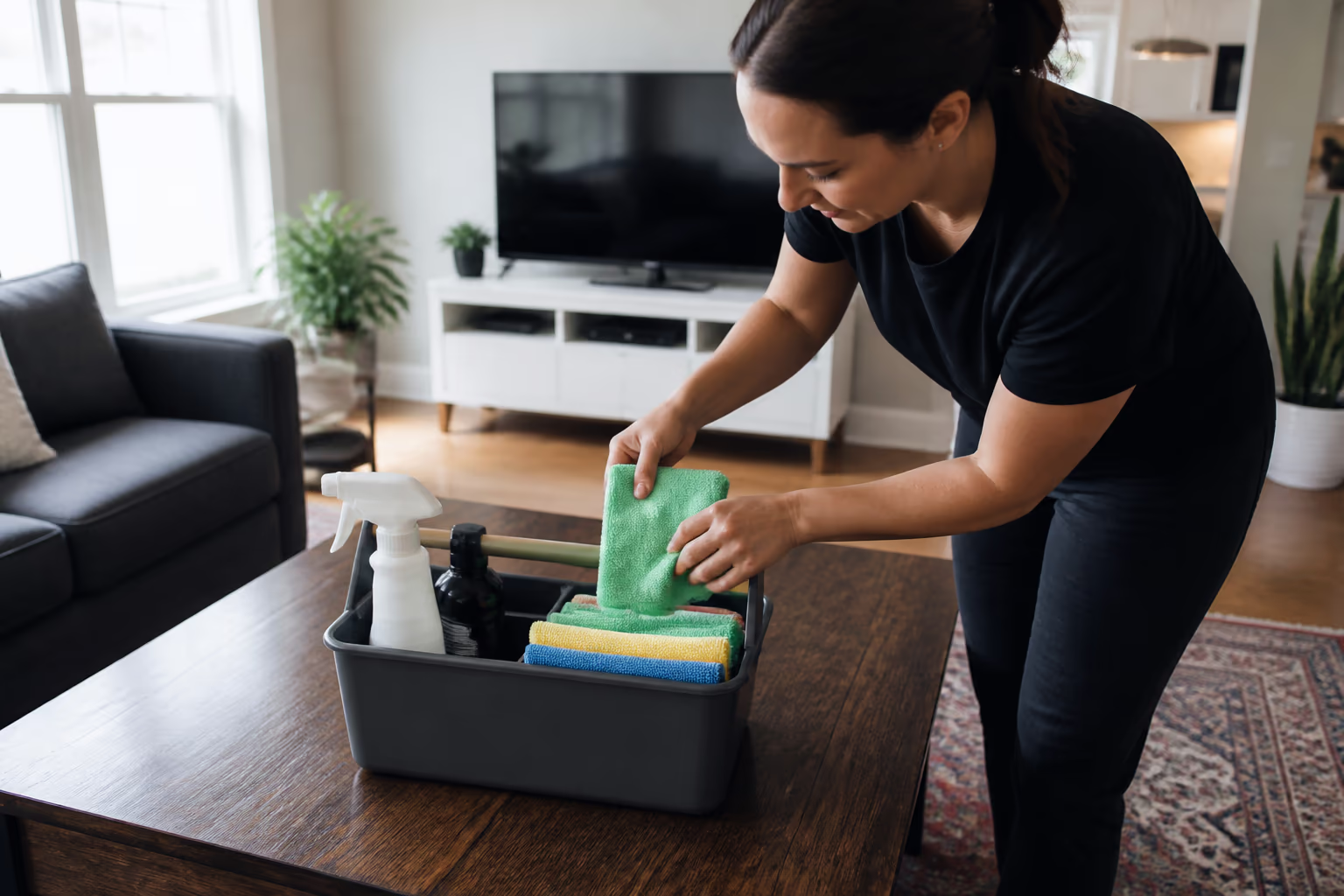
- Keep cleaning supplies visible and in the room where you use them
- Book recurring help for the deep work so maintenance stays manageable
Give yourself grace on the days the routine does not happen. A missed evening is not a failed system; it is just a missed evening. What keeps the habit alive is restarting it tomorrow without turning it into a lecture to yourself.
Reminders help when they are invisible to effort. A note on the door, supplies already on the counter or a phone timer set to a familiar time all do the remembering for you, which is exactly what an ADHD-friendly system should do.
A Zone-by-Zone Approach to Decluttering
If you want to move beyond a single drawer, a zone-by-zone approach keeps the job manageable. Divide the home into small zones, one per session, so the project has a shape instead of a vague 'the whole house' hanging over you.
- The entryway:hooks, a shoe mat and a bin for winter gear
- The kitchen counter:clear one working surface and keep it clear
- The desk:keep only the task at hand on the surface
- The bedroom floor:a clear floor and a tidy surface near the bed
- The bathroom:visible products you use daily, everything else stored
Some zones matter for the air as well as the eye. Health Canada's ventilation advice recommends keeping baseboards and heating vents clear of furniture and leaving interior doors open, both of which are easier in a room that has been thinned out. Health Canada states it plainly: “The most effective way to improve your indoor air is to identify activities that can contribute to poor indoor air quality and remove or reduce the sources of indoor air pollutants.”
Each zone follows the same small process: clear, sort, decide, put away. When a zone is done, leave it, and resist the urge to start the next one the same day. Ending on a win keeps the momentum for tomorrow.
Keep a list of your zones so you can see progress. A simple checklist with five or six zones makes the project feel concrete, and crossing one off at a time builds exactly the kind of visible momentum that ADHD responds to well.
Formatted Step-by-Step Clutter-Busting Checklist
Use this checklist when the clutter feels like too much, and work through it at whatever pace feels manageable:
- Step 1.Choose one small area, set a timer and sort items into keep, toss and relocate.
- Step 2.Put daily-use items where you naturally look for them, and label the zones so returning things is easy.
- Step 3.Reduce visual noise in your most-used rooms by clearing surfaces and using visible storage.
- Step 4.Set up a landing spot at the door for keys, wallet and phone so nothing gets lost in transit.
- Step 5.Keep the momentum with a daily two-minute reset and a simple evening routine.
- Step 6.Booking our house cleaning options in Ottawa brings a professional team in for the deep work, so you come home to a space that supports you.
FAQ
Does clutter actually make ADHD symptoms worse?
For many people, yes. Clutter adds visual and mental noise that makes focusing and starting tasks harder, and it can deepen feelings of overwhelm and stress. Clearing the environment is one of the practical ways to lower that load.
Is this a cure for ADHD?
No. Decluttering is an environmental support, not a treatment. ADHD is a real condition that is managed with the help of qualified professionals, and an organised space simply makes day-to-day living less effortful.
How do I start when the whole house feels cluttered?
Start smaller than you think. Pick one drawer or one counter, set a short timer and work in short bursts. The goal is momentum and a visible win, not a single heroic cleanup.
What is the best organising system for ADHD?
The system that you will actually use, which usually means visible, open storage, labelled zones and items kept where you look for them. Complicated systems fail because they demand too much memory and willpower.
Are professional cleaners safe for my family and pets?
Reputable companies use certified, low-fume products and follow WHMIS 2015 labels, and disinfectants carry a Health Canada DIN. Trained staff apply them correctly, so the home is safe once the work is done.
How often should I book professional cleaning?
It depends on your space, your schedule and how quickly things accumulate. A weekly or bi-weekly maintenance visit is common for people who want the deep work handled while they keep the daily routine.
Will a cleaner judge my cluttered home?
Professional cleaners work in homes in every possible state, and discretion and non-judgement are part of the job. You can also book a declutter session that works alongside you at your pace.
What should I do while the cleaner is working?
You can leave the space, work in another room or tackle a small organising task. Many clients use the visit as a fresh start, and a maintenance cleaner returns to a reset home.
Can clutter cause anxiety even without ADHD?
Yes. Clutter raises visual load and can trigger stress for anyone, and the effect is simply stronger for people with ADHD. A clearer environment is one of the rare changes that helps almost everyone, ADHD or not.
What if I feel too overwhelmed to even start?
Then start smaller than you were planning. The goal is a visible win, not a finished room. One drawer, one counter or one surface, done, is a real step forward.
Wrapping Up
Clutter does not define you, and it does not have to control your day. A clearer space lowers the mental load of ADHD, builds small wins and gives you room to focus on what matters. Start small, build simple routines and do not hesitate to bring in help for the deep work. You do not need to fix everything at once, and a home that works for you is a home that gives you energy back. Contact Good Cleaner Co. for a free quote and a cleaning plan built around your home.
Keep reading
More from Good Cleaner
- The Connection Between Decluttering and Mental Health: Anxiety & Cortisol Guide
- Does a Cluttered and Dirty Home Cause Stress? Cortisol & Anxiety Guide
- The Benefits of Minimalism: Why Decluttering Simplifies Home Cleaning & Elevates Well-Being
- How to Choose the Best Commercial Cleaning Company in Ottawa: Vendor Selection Guide
Services that fit
- House Cleaning Services in OttawaHouse cleaning services in Ottawa for one-time, weekly, biweekly, and monthly home care, with customizable cleaning and eco-friendly options.
- Janitorial Services in OttawaRecurring janitorial services in Ottawa for offices, warehouses, retail, dealerships and schools, with eco-friendly commercial cleaning and customized plans.
About the author
Service areas
- Ottawa
- Kanata
- Nepean
- Orleans
- Barrhaven