
Tips For Maintaining A Clean And Hygienic Restaurant
A clean and hygienic restaurant is not a single big clean at the end of the week; it is a set of daily routines that protect your customers, your staff and your reputation. Every shift brings new food residue, new hand contact and new opportunities for bacteria to spread, which is why the restaurants that stay busy for years are the ones with a system, not just good intentions. This guide explains what a genuinely clean restaurant looks like, how to split the work across daily, weekly and deep cleaning, and the products and habits that keep food safe. It also covers the mistakes that quietly undo a good routine and when a professional cleaning team is worth the investment.
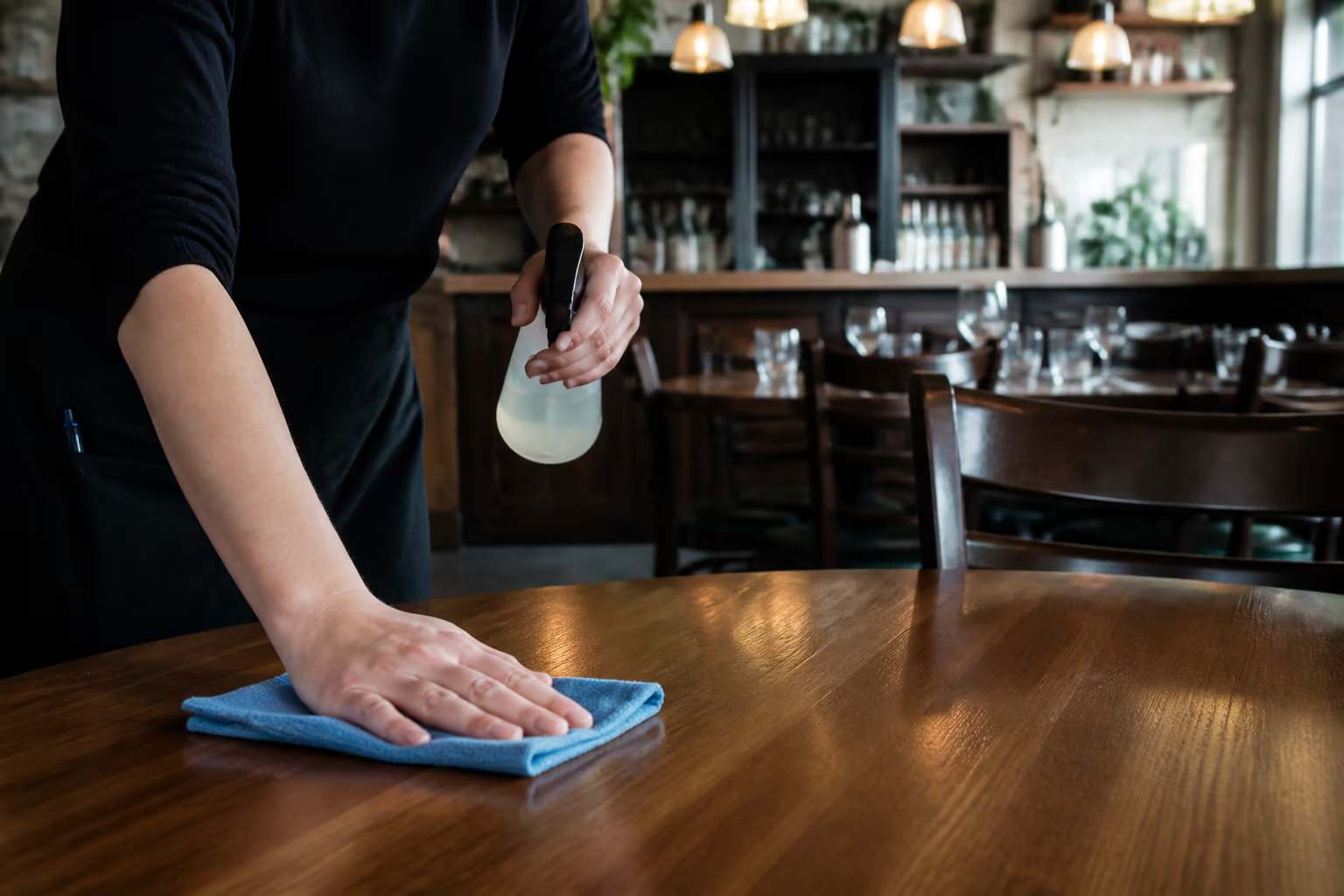
Quick Summary
Restaurant hygiene depends on daily routines, not a single weekly clean, since every shift brings new food residue and hand contact that can spread bacteria. This guide covers how to split work across daily, weekly and deep cleaning, safe products, high-touch surfaces, and the mistakes that quietly undermine restaurant cleanliness.
In this guide
What a Clean and Hygienic Restaurant Looks Like
A clean restaurant is more than a wiped counter and a swept floor. It is a space where every surface that touches food, every surface that hands touch, and every corner that traps moisture has a place in a routine. Walk into a well-run Ottawa restaurant and you will notice the obvious things first: gleaming stainless steel, polished floors and an entryway that is clear of the salt and sand that the Ottawa winter drags in. Look closer and the differences show in the details: clean gaskets on the fridge doors, sorted and labelled bins, dated food containers and cloths that are rotated rather than used until they turn grey.
The standard has to be consistent across the whole operation, because food safety does not care whether a surface is at the front of the house or the back. The same attention given to the bar top has to reach the shelf above the prep line, the underside of the dishwasher and the wall behind the fryer. When every zone is treated with the same level of care, the routine becomes easier to maintain, because nothing is allowed to turn into a slow-moving problem that later needs a full deep clean to fix.
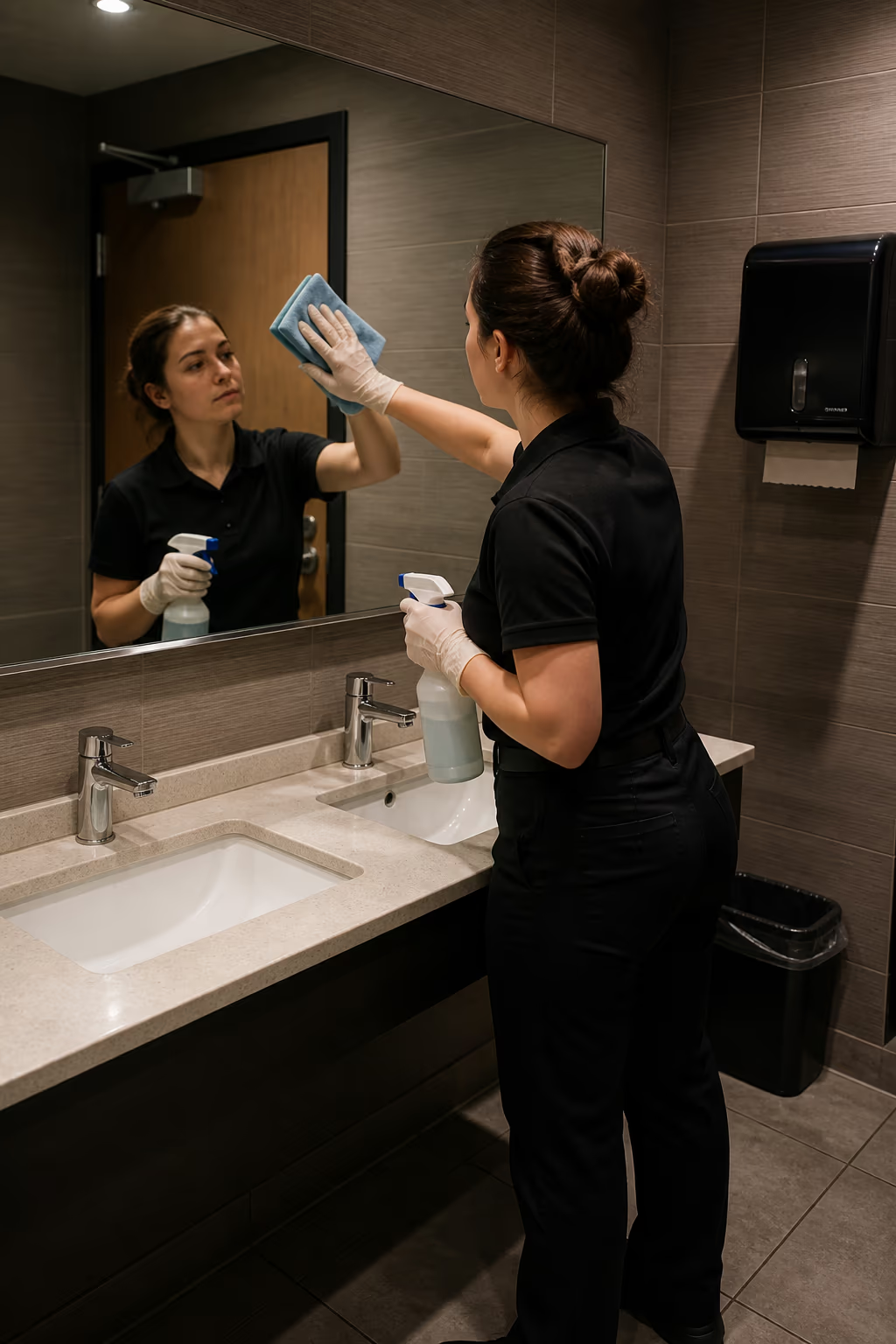
Consistency is also what guests notice, even when they cannot name it. A clean washroom, a tidy service area and a fresh-smelling dining room tell customers the same thing an inspector would tell you: that the people running this kitchen care about the details. That impression is worth protecting, because it is one of the first things diners talk about when they decide whether to come back.
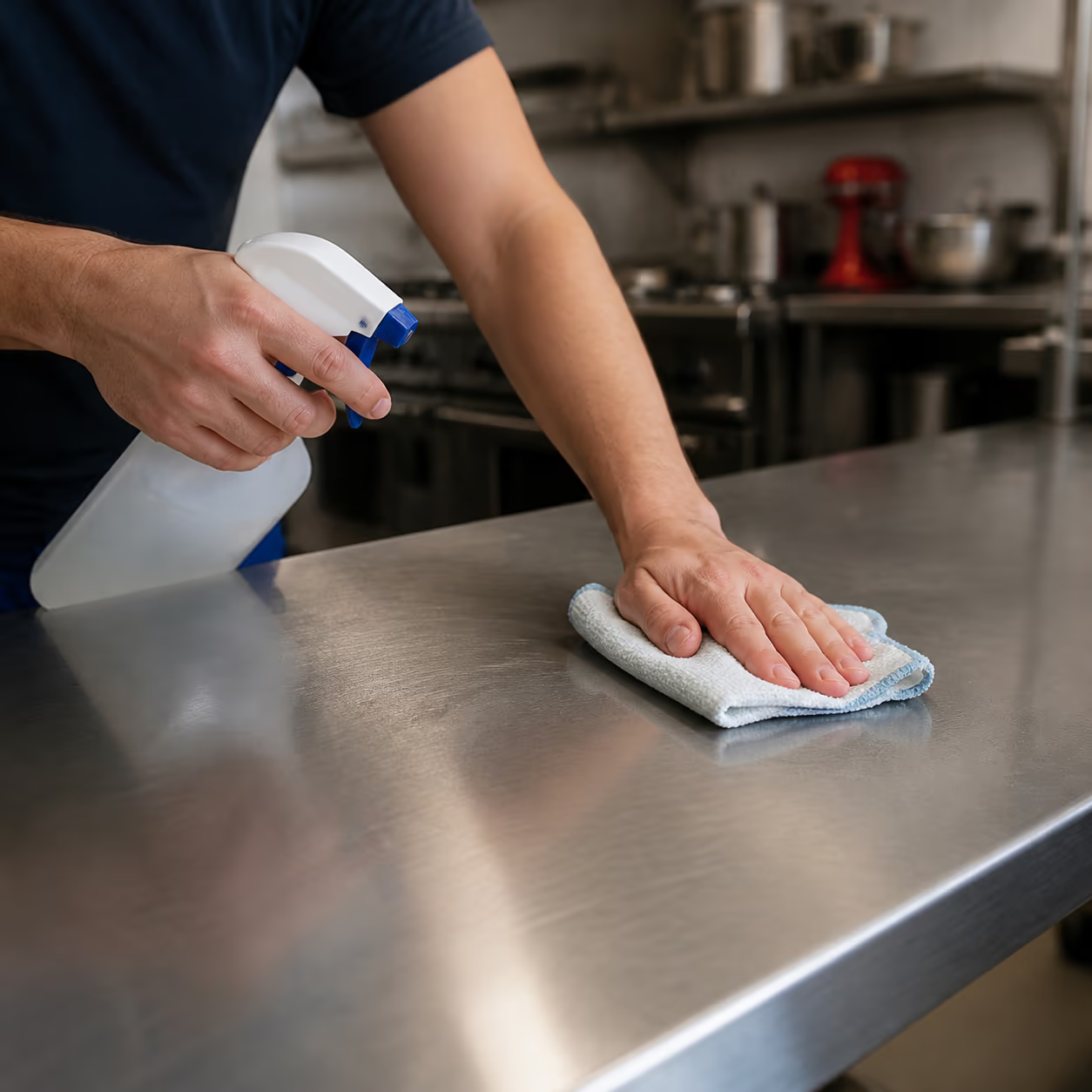
The Zones That Decide Restaurant Cleanliness
Restaurant hygiene is easiest to manage when you think in zones rather than as one big job. The food-contact zone covers everything that touches food directly: prep surfaces, cutting boards, utensils, plates and the interior of fridges and freezers. These surfaces need cleaning and sanitising after every use, because any residue left on them can transfer bacteria to the next dish.
The hand-contact zone covers the things every person touches as they move through the space: door handles, light switches, taps, POS terminals, kiosk screens, phone handsets and the railings and chairs that guests touch. These are the surfaces where colds and stomach bugs spread fastest, and they need frequent attention through a busy service, not just at the end of the night.
The moisture zone covers sinks, drains, dishwashers, ice machines and the areas around them, where standing water and food residue create the conditions that bacteria and pests love. Each zone needs a different product and a different frequency, and that is where many restaurant routines fall apart: one all-purpose cleaner is asked to do every job, and the high-risk surfaces are treated the same as the low-risk ones. Deciding, in writing, which product and which schedule each zone gets is the single clearest step you can take toward a genuinely clean restaurant.
Daily, Weekly and Deep Cleaning in a Restaurant
Daily cleaning is the non-negotiable foundation of restaurant hygiene. Every shift ends with the prep surfaces cleaned and sanitised, the floors swept and mopped, the bins emptied, the dishwasher run and the high-touch points wiped down. In most kitchens this work is done by the line staff and the closing crew, and it needs to be specific enough that a new employee can follow it without guessing: which cleaner for which surface, which cloths are reserved for food contact and what clean actually looks like when you are finished.
Weekly cleaning catches the build-up that daily work misses: the inside of the oven and the range hood filter, the backsplash and the wall tiles, the fridge shelves, the baseboards and the areas under the equipment. Monthly and quarterly deep cleaning go further, covering the floor under and behind heavy equipment, the vents and exhaust ducts, the ceiling tiles, the grout and the corners that accumulate grease no one sees. This is the tier of work where a professional team earns its keep, because it requires the right products, the right equipment and enough time to do it properly.
A written schedule that names the task, the zone, the frequency and the person responsible turns keep the place clean from an aspiration into a system. When a task is written down, it can be checked, and when it can be checked, it actually gets done. Most restaurants that struggle with cleanliness are not staffed by people who do not care; they simply have no clear record of what should have been done and when.
High-Touch Surfaces and the Staff Habits Around Them
The habits of your staff are the real engine of a clean restaurant, because a routine only works when the people running it are consistent. Small habits make a large difference: changing cloths between tasks, washing hands before and after handling food, storing cloths in sanitising solution rather than letting them sit wet on the counter, and labelling products so the degreaser never ends up in the food-prep spray bottle.
It also helps to make the routine visible. A laminated task sheet by the door, a simple colour code for cloths (for example, a different colour for food-contact, hand-contact and mopping), and a closing checklist that someone signs off on all turn vague expectations into a repeatable system. When the system is clear, a busy Friday service does not mean a skipped routine; it means the routine simply gets done a little faster.
Training is part of the same picture. New staff should be shown the routine rather than handed a list, and a short weekly check catches the habits that drift over time. Restaurants that treat cleaning as a taught skill rather than a chore consistently keep cleaner kitchens, because the knowledge lives with the team instead of with one manager.
Winter and Seasonal Demands on an Ottawa Restaurant
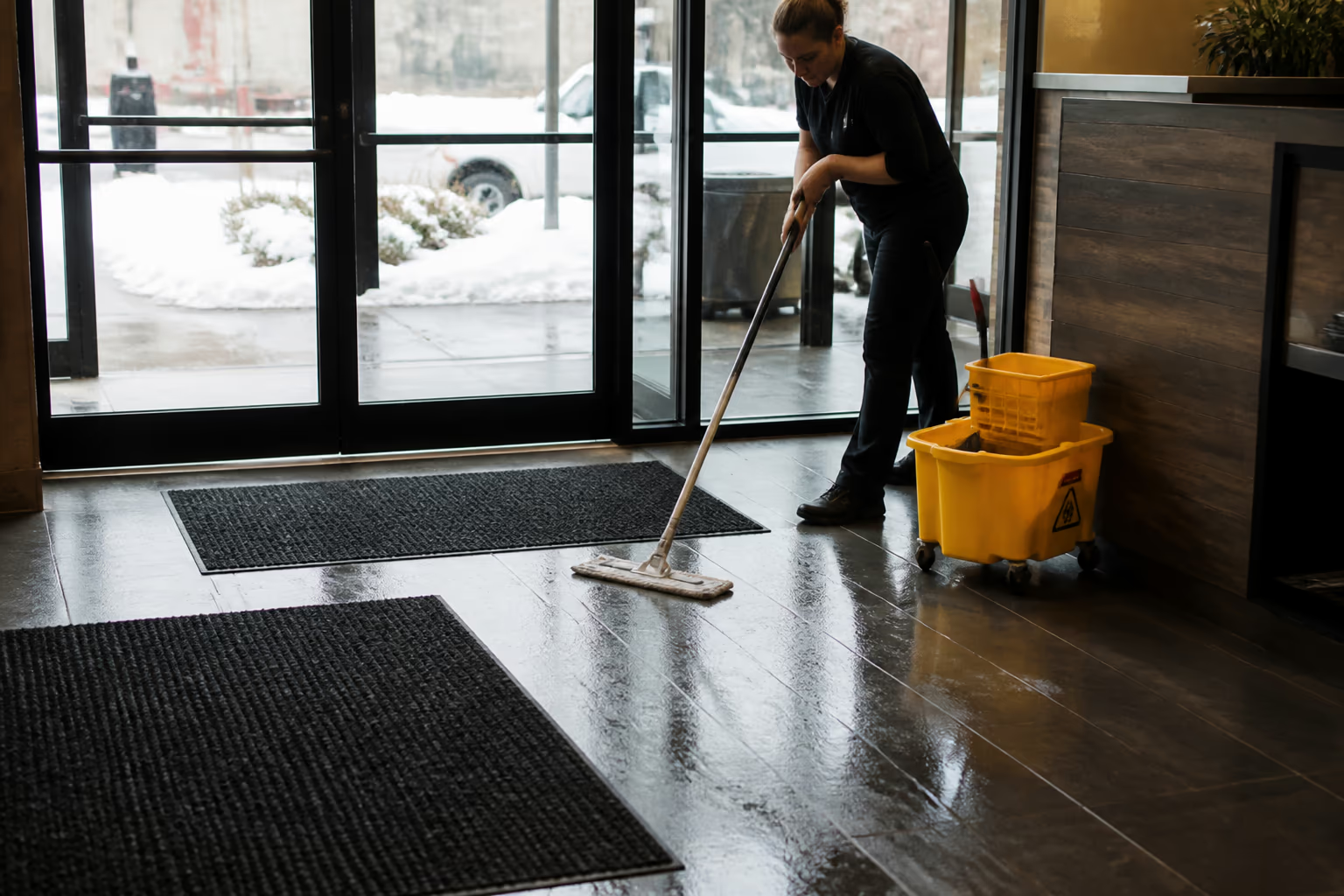
Ottawa's climate adds specific demands to restaurant cleaning. From late autumn through spring, salt, sand and slush are tracked in through every entrance, so mats need to be laid out early and laundered regularly, and entry floors need more frequent mopping to keep the salt from etching tile and the wet residue from becoming a slip hazard. The staff entry and the change area deserve the same attention as the guest entrance, because both bring the same weather in.
Seasonal swings also change how often you deep clean. When windows stay closed through the winter, cooking vapours and grease build up on surfaces faster, so range hoods, vents and walls need more frequent attention. When the weather warms and patios open, the service area grows and so does the surface area that needs daily cleaning. Adjusting the schedule by season, rather than running the same routine all year, keeps a restaurant ahead of the build-up instead of always reacting to it. For more background on managing a closed-window kitchen through the colder months, our essential tips for maintaining clean air guide covers the same seasonal build-up from the air-quality side.
Cleaning Products and Chemicals Used Safely in Canada
The products you choose matter as much as the schedule. In Canada, products that make disinfectant or health claims carry a Health Canada Drug Identification Number, which means they have been assessed for effectiveness and safety. Products that make no such claims are regulated under the Consumer Chemicals and Containers Regulations. That distinction matters in a restaurant, because a product that simply smells fresh is not the same as one that has been verified to reduce the bacteria that cause foodborne illness.
A commercial kitchen is a workplace, and that changes what is required. Ontario's WHMIS legislation applies to all workplaces except farms and requires hazardous-product information to reach staff through container labels, safety data sheets and a worker education program. The province states the employer duty: “Employers must pass the information about workplace hazardous products on to their employees and provide worker education programs.”
Commercial cleaning teams in Canada handle these chemicals under WHMIS 2015, which requires Safety Data Sheets and training for anyone who uses them at work. In a restaurant kitchen, that discipline protects your staff and keeps food-contact surfaces from being exposed to the wrong product. The practical rule is simple: use the mildest product that gets the job done, follow the label, protect food and food-contact surfaces during cleaning, and rinse anything that will touch food again. Stronger is not automatically better, and the right product used correctly beats the strongest product used carelessly.
Common Mistakes That Undermine Restaurant Hygiene
Most cleanliness failures in a restaurant are not dramatic. They are small, repeated oversights that compound: a cloth used for the floor and then for the counter, a spray bottle topped up without being relabelled, a prep surface wiped with a dry cloth so the bacteria are pushed around rather than lifted, or a drain that never gets cleaned because no one wants to look at it. Each one on its own seems minor, and together they are exactly how a good restaurant develops a problem it cannot explain.
Other common mistakes include relying on one product for every job, cleaning in the wrong order so dust lands on finished surfaces, forgetting the areas behind and under equipment, and skipping the sanitising step because the cleaning step made the surface look clean. The fix is not to work harder but to work more systematically: match the product to the surface, work from high to low, and inspect your own work the way an inspector would.
Another mistake is treating the visible areas as the whole job. A spotless dining room does not excuse a range hood that has not been cleaned since the last inspection, and an inspector, like a food-safety illness, will find the places no one looks. Rotating attention through the hidden zones on a schedule is what separates a clean restaurant from a restaurant that simply looks clean.
How Good Cleaner Co. Approaches Restaurant Hygiene
Good Cleaner Co. brings the same discipline to restaurant cleaning that a well-run kitchen brings to food prep: the right product for the right surface, verified staff who follow a documented process, and consistent inspection so the standard holds between visits. These routines sit alongside our broader janitorial services for restaurants that also need washroom, office and staff-area care beyond the kitchen. For the deep work that a daily crew cannot fit into a service week, a trained team with commercial equipment reaches the range hoods, vents, floors and grout that quietly build up grease and grime.
The approach is practical about your schedule too. Deep cleaning is planned around service so the kitchen is ready when you need it, whether that means early mornings, overnight work or a quieter weekday. Products are chosen with a food environment in mind, and the work is checked after each visit so a problem is caught before it becomes a complaint.
If you are comparing providers for your front of house, kitchen, offices or staff areas, our commercial cleaning company vetting guide is a useful starting point for the questions that matter: who actually does the work, what the scope covers, how products are chosen for a food environment and how quality is checked after each visit.
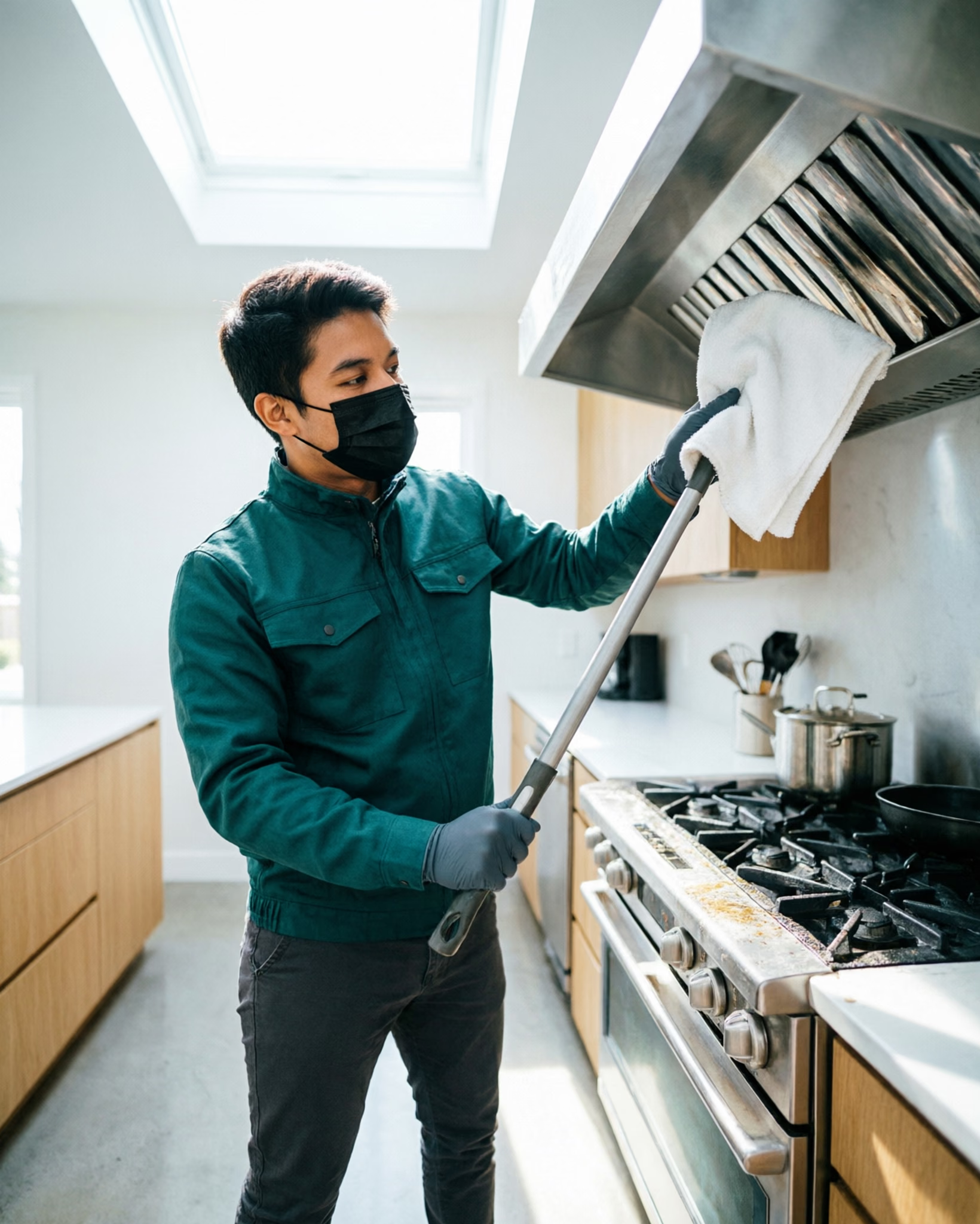
Formatted Step-by-Step Restaurant Cleaning Checklist
Use this checklist when you want to reset a restaurant to a genuinely clean and hygienic state in one focused pass. It keeps the work organised and makes sure the high-risk surfaces are never left until last.
- Step 1.Clear the decks:take everything off the counters and prep surfaces, move small equipment away from the walls, and lay out the cloths, brushes and products you will use so food and cleaning chemicals never mix.
- Step 2.Work from high to low:clean the vents, range hood, wall tiles and cabinet tops first, then the counters and backsplash, and leave the floors until last so falling dust and grease land on surfaces you have not finished.
- Step 3.Clean food-contact surfaces with the right product, let it dwell where the label calls for dwell time, then sanitise and rinse so no residue is left to touch the next meal.
- Step 4.Tackle the hand-contact and moisture zones:door handles, taps, POS terminals and railings, then the sinks, drains, dishwasher surrounds and the area around the ice machine.
- Step 5.Finish with the details that make a space feel cared for:polish the stainless steel, reset the entry mats, empty and reline the bins, and do a final inspection before you switch off the lights.
- Step 6.When the deep work is more than your team can fit into a week and you want trained staff with commercial equipment and food-safe products, our office cleaning programs in Ottawa are a practical next step for your restaurant, offices and staff areas.
FAQ
How often does a restaurant need a professional deep clean?
It depends on the volume of service, the type of food you prepare and how much grease your kitchen produces. Many Ottawa restaurants schedule a deep clean monthly, with heavier work on range hoods and vents every quarter. A professional team can assess your operation and recommend a practical cadence that fits your service week.
What is the difference between cleaning and sanitising?
Cleaning removes dirt, grease and food residue, while sanitising reduces the bacteria left behind to a safe level. Both matter in a restaurant: clean first, then sanitise, and let the product dwell for the time the label specifies. Skipping either step leaves a surface that looks clean but is not actually hygienic.
Are the cleaning products used around food and customers safe?
Reputable companies choose products for a food environment and train staff to apply them correctly. Food and food-contact surfaces are protected or rinsed during cleaning, so the space is safe for the next service. If you have concerns, ask exactly which products will be used and where.
Why does grease in my kitchen come back so quickly?
Grease reappears because cooking vapours keep reaching the same surfaces and because a quick wipe only lifts the top layer. A degreaser with real dwell time, rinsed properly, removes more of the oil so the surface stays clean longer. Regular attention to the range hood and filter makes the biggest difference.
Do I need to worry about the drains in my kitchen?
Yes. Food residue in drains and traps attracts bacteria and pests and causes odours. A weekly flush with an approved product and a deeper clean of the traps keeps the whole kitchen smelling and performing properly. Drains are easy to overlook and quick to fix once they are on the schedule.
Should I hire a professional or train my own staff to deep clean?
Most restaurants use their own staff for daily cleaning and bring in professionals for the deep work: range hoods, vents, floors under equipment and grout. The two work well together, because the daily routine protects the investment in the deep clean and the deep clean keeps the daily routine from ever being overwhelmed.
How do I know a cleaning company is right for a restaurant?
Ask who does the work, what the scope covers, whether the products are suitable for a food environment and how quality is checked after each visit. A company that can answer those questions clearly is a better fit than one that only quotes a price.
What should I look for after a professional clean?
Check the areas that are easy to miss: the top of the range hood, the inside of the fridge gaskets, the floors under equipment and the corners by the doors. A thorough job shows up in the details, not just in the visible counters.
Wrapping Up
A clean and hygienic restaurant is built on a realistic routine, the right products and the discipline to follow through every shift. When the daily work is consistent and the deep work happens on schedule, your customers stay safe, your team works in a better space and your reputation grows one clean service at a time. For the deep cleaning your crew does not have time to finish, Good Cleaner Co. can bring trained staff and food-safe products to your restaurant, offices and staff areas. Contact Good Cleaner Co. for a free quote and a cleaning plan tailored to your business.
Keep reading
More from Good Cleaner
Services that fit
- Commercial Office Cleaning Services in OttawaRecurring commercial cleaning services in Ottawa for restaurants, offices, kitchens and staff areas, built around your service hours and your hygiene standards. Food-safe products, background-checked staff.
- Janitorial Services in OttawaRecurring janitorial services in Ottawa for offices, warehouses, retail, dealerships and schools. Eco-friendly commercial cleaning, customized plans.
About the author
Service areas
- Ottawa
- Kanata
- Nepean
- Orléans
- Barrhaven