
8 Essential Duties of a Professional Janitor Every Facility Owner Should Know
A professional janitor is not the same as someone who turns up with a mop and a spray bottle. The job is a skilled trade with defined routines, commercial equipment, certified chemistry, and health and safety training behind it. In this guide we explain what those duties are, why they matter for your building, and how to make sure the service you pay for actually covers them.
Quick Summary
If you manage a commercial building, knowing what a professional janitor actually does helps you hire well, write a tighter scope of work, and get a genuinely cleaner facility for the money you spend. This guide explains the eight core duties every facility owner should expect, plus the training, safety, and quality standards that separate a certified crew from a casual cleaner.
In this guide
What a Professional Janitor Brings to Your Building
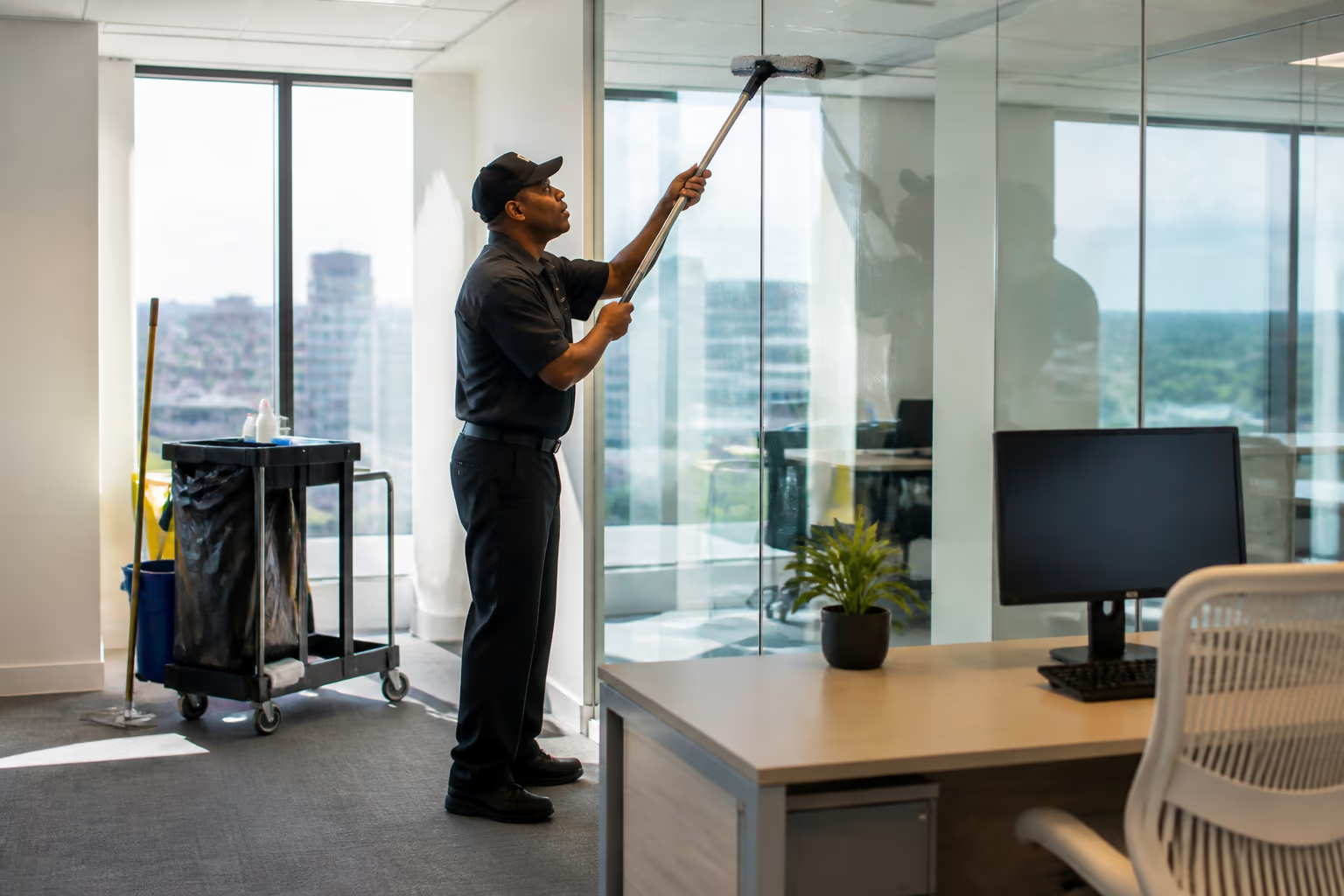
The value of a professional janitor shows up in the details: cleaner washrooms, floors that last longer, fewer sick days among staff, and a building that leaves a better impression on clients and tenants. The role has grown well beyond emptying bins and pushing a broom.
A professional janitor follows a documented scope of work, uses colour-coded microfibre to avoid cross-contamination, tracks the correct dwell time for disinfectants, and checks their own work before they leave. That discipline is what separates results from appearances.
For facility owners, this matters for liability too. A trained crew understands WHMIS 2015 labelling, handles chemicals safely, and works with your building's lockup protocols. When something goes wrong, you want a team that is accountable.
Beyond the daily clean, a professional janitorial program protects the value of your property itself. Regular care extends the life of flooring, keeps washroom fixtures working, and reduces the dust that builds up inside HVAC systems. That is money saved on repairs and replacement down the road.
The 8 Essential Duties of a Professional Janitor
Here are the eight duties that should appear in any professional janitorial scope of work. Each one has a real purpose, and together they keep a facility genuinely clean:
Building Security, Keyholder Safety & Facility Lockup Protocols
Professional janitorial work usually happens after hours, which means security and lockup routines are part of the job. A reliable crew handles this responsibly:
Preventative Surface Sealing:
Applying protective barriers to porous tile grout, natural hardwood, or stone floors prevents deep stains from soaking in and becoming permanent.
High-Touchpoint Disinfection Schedules:
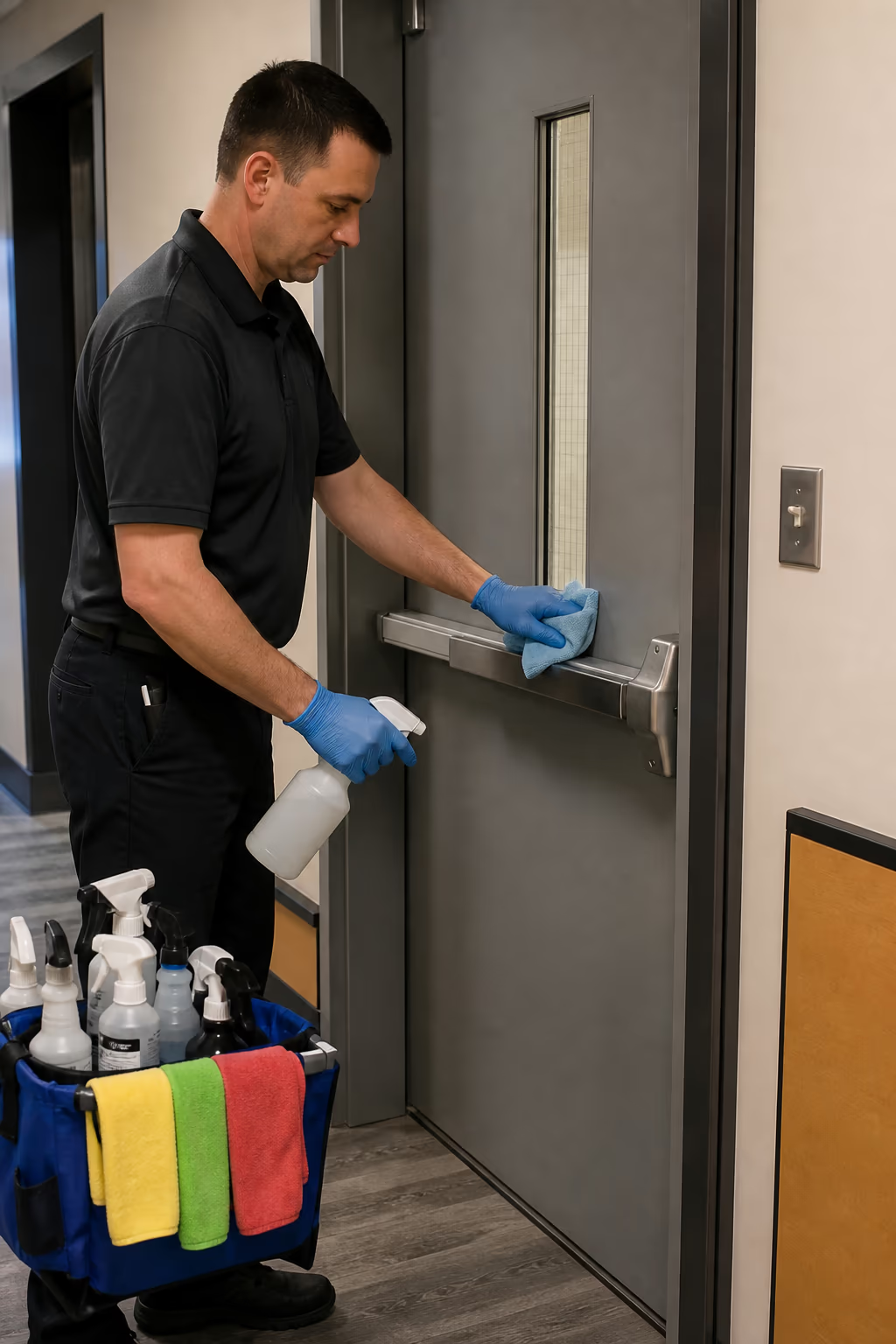
Prioritizing door handles, light switches, elevator buttons, and shared workstations, which are the surfaces people touch most often.
Commercial Air Quality Monitoring:
Pairing surface cleaning with sealed HEPA air filtration to reduce the fine dust and allergens that settle into carpets and upholstery.
After-Hours Access & Lockup Protocols:
Cleaning teams follow your building's keyholder and alarm procedures so the space is secure when they leave.
Training, WHMIS 2015 & Ongoing Quality Control
Behind every well-kept building is a team that has been trained to do the job safely and consistently. That training starts before a cleaner ever walks through your door. New technicians learn the building's layout, the scope of work, the chemical list, and the safety data sheets for every product they will handle.
The obligation behind that training is statutory. Ontario's Occupational Health and Safety Act requires employers to instruct, inform and supervise workers to protect their health and safety, and to take every precaution reasonable in the circumstances for their protection. Chemical handling and equipment training are how a cleaning employer discharges those duties in practice. The province lists the duty in one line: “Take every precaution reasonable in the circumstances for the protection of a worker”.
Under WHMIS 2015, every cleaning chemical carries a hazard label and a corresponding Safety Data Sheet that explains proper handling, storage, and first-aid measures. A professional crew reads those sheets, dilutes products correctly, and stores concentrates in clearly labelled containers away from occupied areas.
Quality control is what keeps the standard from slipping. Good providers run regular supervisor audits, use digital checklists that log each visit, and follow up on any issue you raise. Equipment is serviced on a schedule so vacuums keep their suction and floor machines stay balanced.
A well-run janitorial program also communicates. You should receive a clear schedule, a contact person for questions, and a simple way to report issues between visits. When problems do come up, they get fixed fast, and the same issues do not keep recurring week after week.
What to Look for When Hiring a Professional Janitor
When you compare cleaning providers, look past the marketing. Ask about training, the products they use, how they supervise quality, and whether they carry WSIB coverage. A written scope of work should spell out exactly which duties are included and which are not.
A short, honest test: does the company put its standards on paper? Reputable firms share their checklist, their chemical list, and their safety procedures before you sign. For a step-by-step framework, our commercial cleaning company evaluation guide walks through exactly how to compare providers fairly and avoid the common pitfalls.
A written agreement protects both sides. The contract should state the frequency, the exact scope, the chemicals and equipment used, and the price. It should also explain how scheduling changes, damages, and quality complaints are handled, so there are no surprises at renewal time.

Formatted Step-by-Step Daily Janitorial Workflow Checklist
A consistent daily workflow keeps results predictable. Here is the routine a professional crew follows on every visit:
- Step 1.Prep the Space:Clear surfaces, note any spills or damage, and gather the tools and products you need for the zones you are cleaning.
- Step 2.Dust and Vacuum High to Low:Remove loose dust from surfaces and floors first, so wet cleaning does not turn it into streaks or mud.
- Step 3.Clean and Disinfect Touchpoints:Apply the right chemistry to high-touch surfaces and let it sit for the contact time listed on the label.
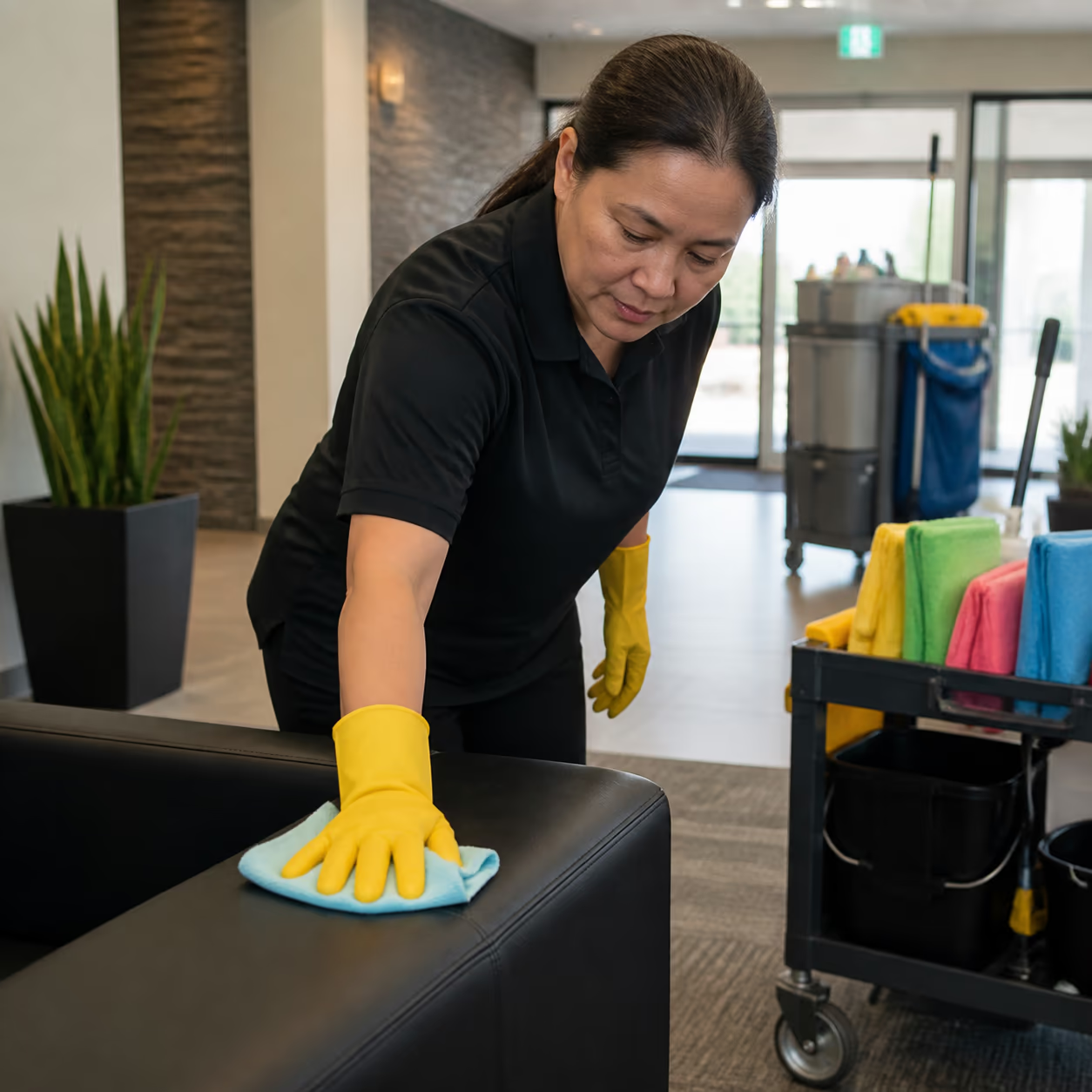
- Step 4.Wipe Down with Colour-Coded Microfibre:Use separate cloths for washrooms, kitchens, and desks so contaminants never move between zones.
- Step 5.Inspect and Close Out:Walk the space, empty bins, restock supplies, and lock up according to the building's protocol.
- Step 6.Booking professional commercial janitorial services in Ottawa through Good Cleaner Co. puts a trained, supervised crew on the same workflow for your facility.
Serving Ottawa's Business Neighbourhoods
Good Cleaner Co. provides professional janitorial coverage across Ottawa's commercial districts, from the office towers downtown to business parks in Kanata, the retail corridors of Nepean and Barrhaven, and the growing commercial zones in Orleans. Whatever neighbourhood your building is in, the duty list and quality standard are the same. For office suites and shared workplaces, our office cleaning services in Ottawa apply the same eight-duty standard described above.
Good Cleaner Co. Professional Service Introductions & Specializations
Good Cleaner Co. has been cleaning Ottawa homes and businesses for years, and the same professional standards apply across everything we do. Here is what we offer:
Seasonal Maintenance & Local Environmental Factors in Ontario
Property maintenance across Ottawa and the National Capital Region means adapting your cleaning routine to serious seasonal weather shifts:
Quality Assurance & Health Canada Disinfection Compliance
Commercial facilities and homes in Ontario work within a clear set of safety and health rules:
FAQ
How often should a commercial building in Ottawa be professionally cleaned?
Frequency depends on foot traffic, occupant density, and the season. High-traffic lobbies, washrooms, and kitchens may need daily or several-times-a-week service, while private offices can often be covered weekly. A site walk-through helps set the right schedule.
What is the difference between a janitor and a cleaner?
In practice the terms overlap, but a professional janitor typically handles a wider scope: floor care, washroom sanitation, waste removal, supplies restocking, and building lockup. A cleaner often focuses on surface cleaning in homes or offices. When you hire commercial janitorial services, confirm the full duty list in writing. For the complete list beyond these eight duties, see our full breakdown of daily janitor duties and responsibilities.
Are janitorial chemicals safe for staff who work in the building overnight?
Yes, when the products are used properly. Reputable companies use EcoLogo-certified, low-VOC chemistry, train staff under WHMIS 2015, and follow label instructions for contact time and ventilation. You can ask to see the Safety Data Sheets before you sign.
Do I need to provide my own cleaning supplies and equipment?
Most professional janitorial companies bring their own commercial equipment and certified products. If your building has specific surface requirements or you want a particular chemical line, that is usually noted in the scope of work.
What should a janitorial scope of work include?
A good scope lists every duty, the frequency, the products and equipment, the quality standard, and the working hours. It should also cover WSIB coverage, keyholder procedures, and how quality is checked and reported.
How do I know the cleaning was actually done well?
Ask about supervision and quality checks. A professional crew works against a checklist, and many companies do supervisor walkthroughs or digital reporting with photos. You can also schedule your own spot checks at any time.
How quickly can I get a janitorial quote for my facility?
Contact Good Cleaner Co. online or by phone. We do an onsite facility assessment and deliver a proposal, usually within a day or two, so you can compare and plan.
What happens if a cleaner damages something in my building?
Professional companies carry WSIB coverage. Report any damage promptly with a photo, and a reputable provider will make it right.
Can janitorial services cover multiple buildings or locations?
Yes. Commercial providers often service multi-site accounts across a city. A single contract can cover several locations with one consistent duty list, one chemical standard, and one reporting system.
How do janitorial crews handle sensitive or confidential spaces?
Discretion is part of professional service. Cleaners are trained not to handle paperwork, not to discuss what they see, and to follow any confidentiality rules your building sets. Background-checked staff and signed confidentiality terms are standard with reputable providers.
Should I hire in-house staff or a commercial janitorial company?
It depends on your size and budget. In-house staff give you direct control but come with hiring, training, benefits, and liability costs. A commercial janitorial service brings trained crews, supervision, and equipment, often at a lower all-in cost for small and mid-size facilities.
How does a professional janitorial crew handle spills or emergency cleanups?
Most commercial janitorial contracts include a spill response procedure. Crews are trained to identify hazards, contain the spill safely, and use the right absorbents and disinfectants. For larger incidents, the provider should have an on-call contact so the issue is handled quickly, not left until the next scheduled visit.
Wrapping Up
A professional janitor brings more than a clean floor. They bring a documented routine, the right equipment, certified chemistry, and a safety culture that protects your people and your building. Contact Good Cleaner Co. today to schedule a consultation and see the difference a professional janitorial program makes in Ottawa.
A Good Duty List Leaves Room for the Site
A janitor is most effective when the task list reflects the building instead of a generic checklist. A reception area, washroom, lunchroom, loading entrance, and clinic room have different traffic and risk points. Review the scope with the site contact, note what is daily versus periodic, and record exceptions such as spills or access limits. Clear reporting helps the next shift continue the work without guessing.
Keep reading
More from Good Cleaner
About the author
Service areas
- Ottawa
- Kanata
- Nepean
- Barrhaven
- Orleans