
10 Essential Dental Office Cleaning Standards for Canadian Medical Practices
Patients trust a dental office to be spotless, and the standard is genuinely higher than in most commercial settings. Between patients, surfaces can be exposed to saliva, blood, and aerosols, so cleaning has to be deliberate, documented, and done with products that are actually registered for the job. This guide walks through the ten cleaning standards that matter most in a Canadian dental practice, explains the reasoning behind each one, and offers a practical daily routine.
Quick Summary
A dental office has to meet much higher cleaning standards than an ordinary workplace. This guide covers the ten essential cleaning and disinfection standards Canadian dental practices should follow, and how they connect to RCDSO infection control expectations.
In this guide
The RCDSO & IPAC Compliance Imperative in Canadian Dentistry
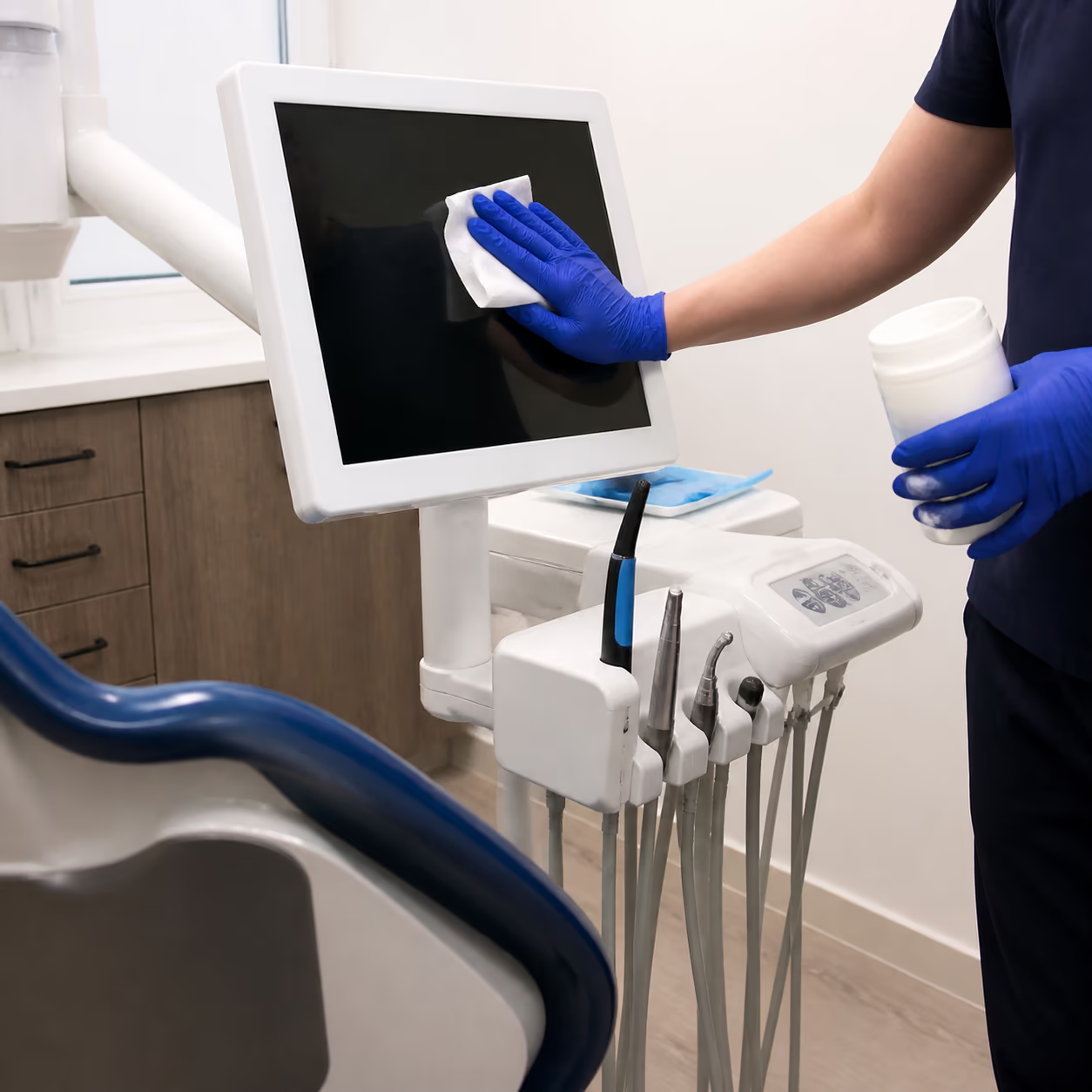
Dental operatories and medical clinics in Ontario are high-risk environments for cross-contamination. Procedures using high-speed handpieces and ultrasonic scalers create fine airborne bio-aerosols that carry saliva, blood, and oral bacteria, and those particles settle onto operatory lights, delivery units, cabinetry, and flooring around the chair.
The Royal College of Dental Surgeons of Ontario (RCDSO) and Public Health Ontario set strict Infection Prevention and Control (IPAC) expectations for all dental facilities. These are not suggestions; they are the baseline that keeps patients and staff safe.
Failing to maintain compliant cleaning standards puts patient health at risk, exposes the practice to regulatory scrutiny, and damages a reputation that took years to build. For a dental team, cleaning is part of clinical care, not an afterthought.
Why Dental Operatories Are Different From Ordinary Offices
It helps to understand why dental cleaning is not the same as office cleaning. In a typical office, the main concern is dust and everyday germs. In a dental operatory, the concern is bloodborne pathogens, oral bacteria, and aerosolized particles. Even a business that follows executive office cleaning premium standards for its boardrooms does not need the same infection control protocols a dental operatory requires.
That difference changes the products, the frequency, and the documentation. A dental operatory needs hospital-grade disinfectants with a Health Canada Drug Identification Number, applied between every patient, not just at the end of the day.
It also changes the surfaces. Dental practices favour non-porous, seamless materials that can be disinfected easily, because porous surfaces like carpet and fabric trap bio-aerosols that cannot be reliably cleaned. That is why you rarely see carpets in clinical areas.
The 10 Essential Dental Office Cleaning Standards
These ten standards cover the ground a dental practice needs to hold itself to, from the operatory to the waiting room:
Operatory Surface Disinfection Between Patients
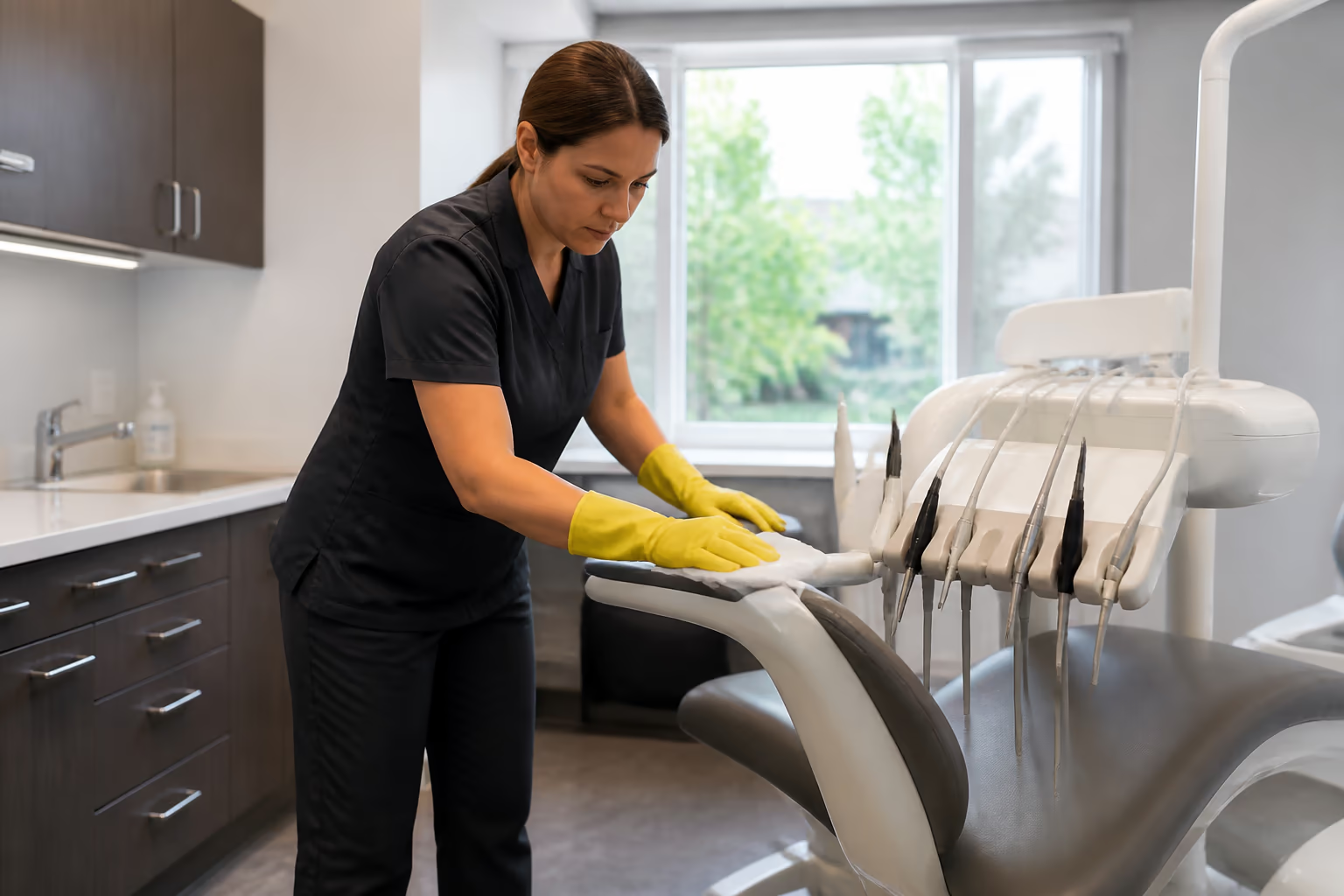
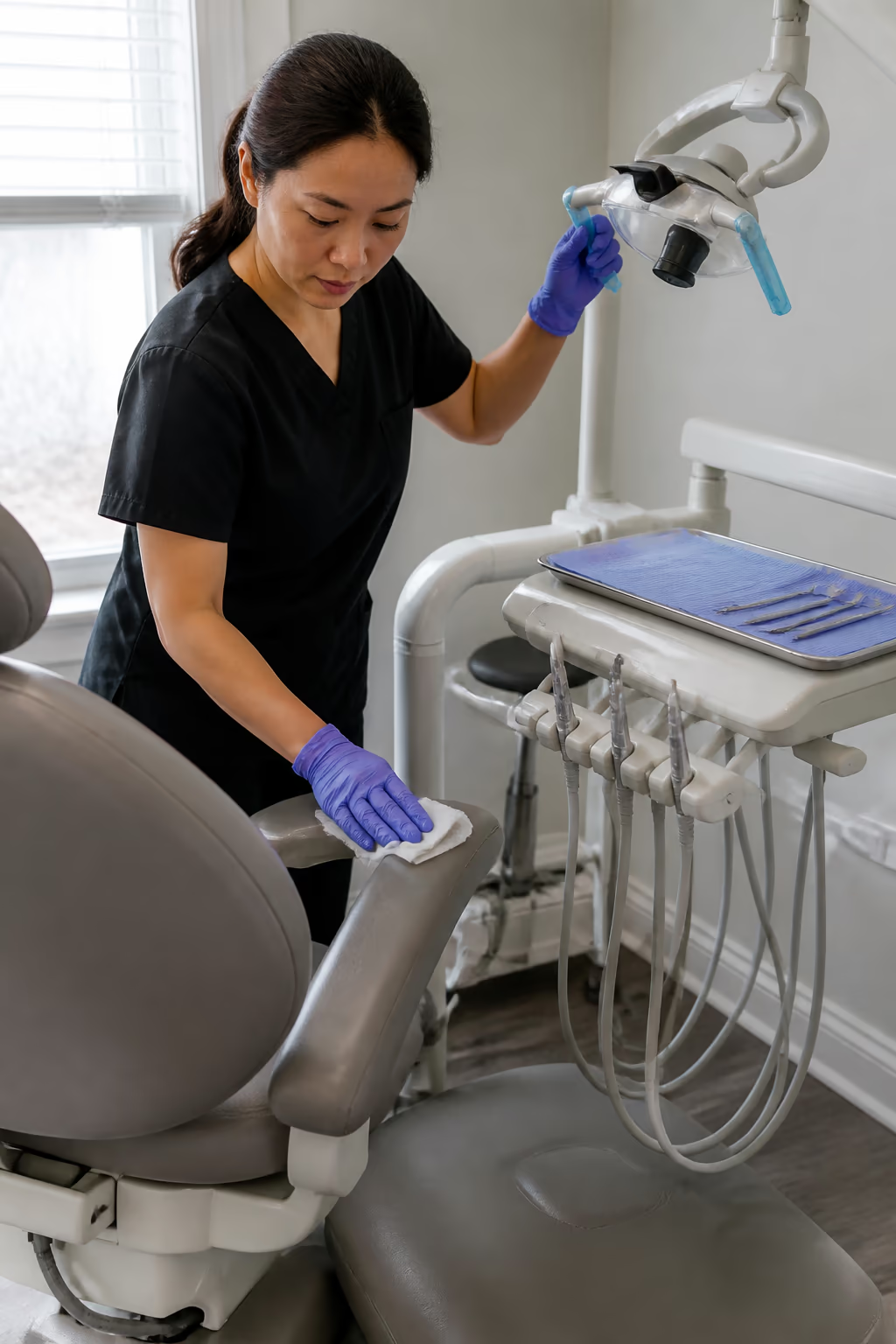
The heart of dental cleaning is the terminal clean between patients. When a patient leaves the chair, the entire clinical contact zone is disinfected before the next patient sits down.
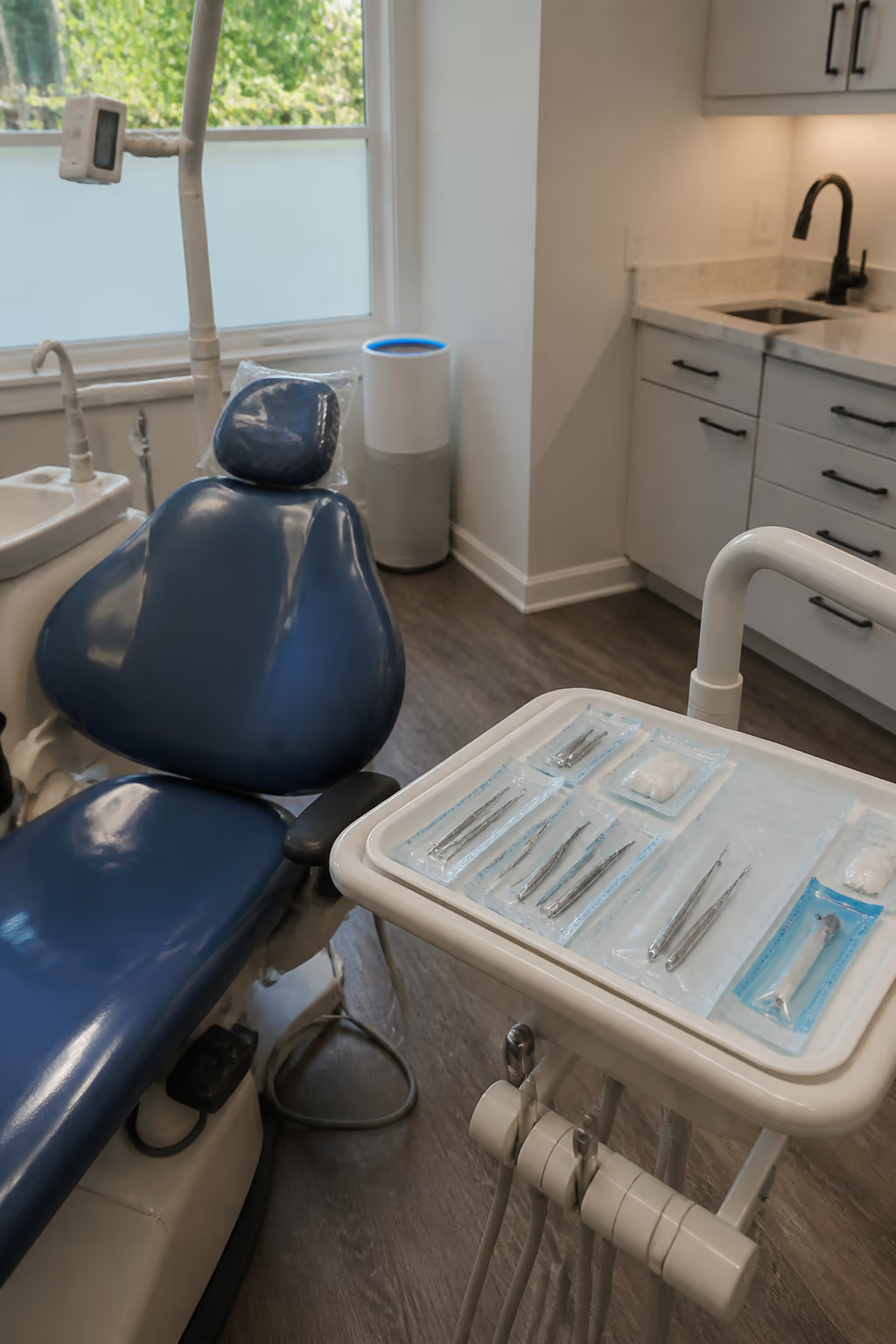
That includes the dental chair armrests and headrest, the delivery unit tray, the spittoon, the overhead lamp handles, and any counter surface that was touched. The product used is a hospital-grade DIN disinfectant, and it stays on the surface for the full dwell time printed on the label.
A common mistake is to wipe quickly and move on. As with any disinfectant, the product needs wet contact time to work, so the team applies it, lets it sit, and then wipes. This step is non-negotiable in a compliant practice.
Sterilization Bay and Instrument Zones
The sterilization room is where instruments are cleaned, packaged, and autoclaved, and it is divided into a dirty side and a clean side. The separation is physical, and the cleaning respects it.
On the dirty side, instruments are received and cleaned before sterilization. On the clean side, sterilized instruments are packaged and stored. Cleaning the two sides with the same cloth or mop can carry contamination from the dirty side to the clean side, so separate tools and separate procedures are required.
The sterilization room surfaces are disinfected daily, and the autoclave exterior and surrounding counters are wiped down so the room itself does not become a contamination source.
Waiting Room and Reception
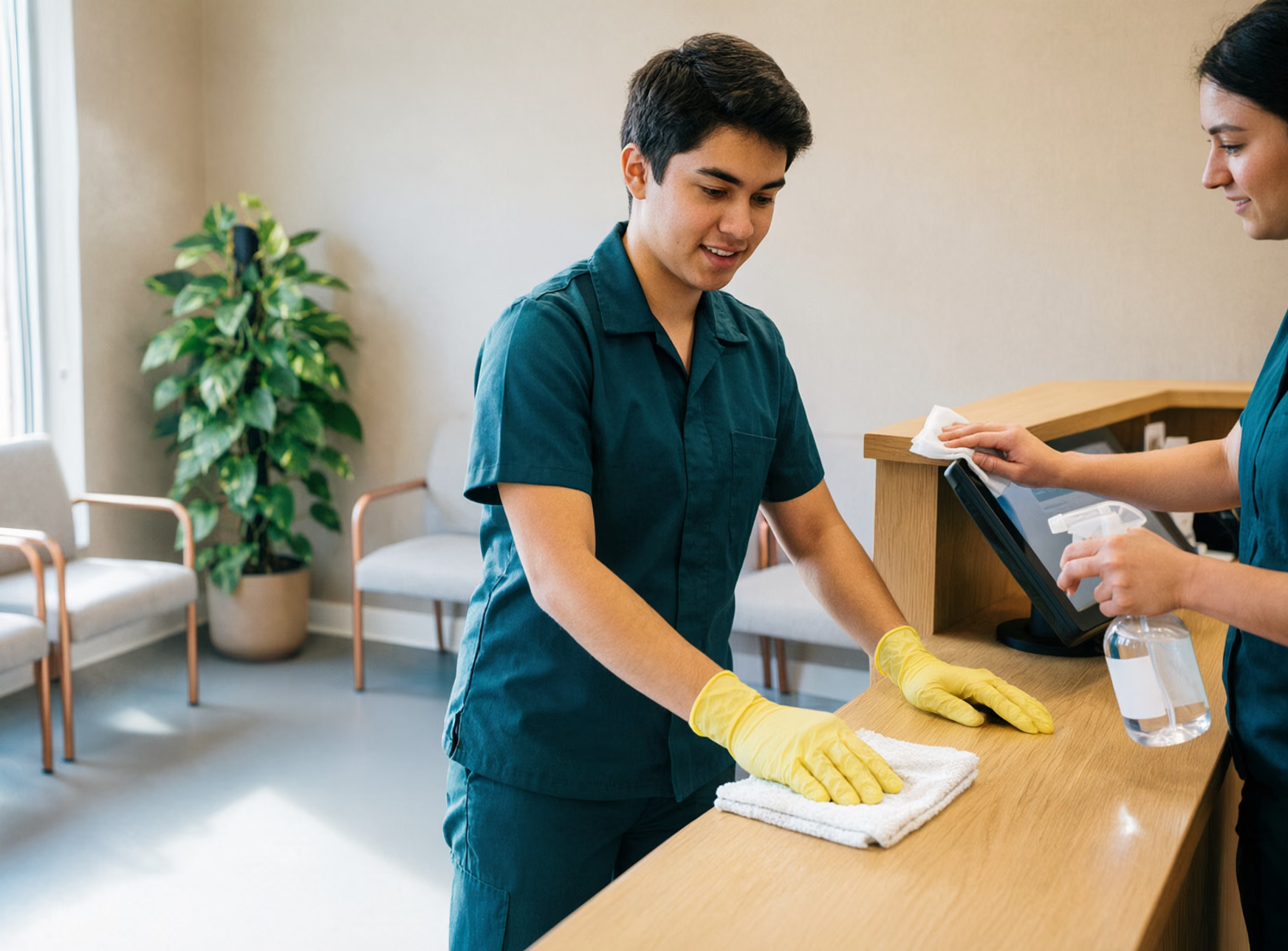
The waiting room is often the busiest part of the practice, and it is full of high-touch surfaces. Chairs, armrests, check-in touchscreens, clipboards, and reception counters are touched by every patient who walks through the door.
These surfaces need to be wiped with a non-toxic DIN disinfectant several times a day, not just at closing time. Because patients may arrive with colds and other respiratory viruses, the waiting room is a real route for transmission if it is not maintained.
Good ventilation also helps. HEPA air purifiers in the waiting room and clinical areas reduce the load of airborne particles, which is why air filtration is one of the ten standards.
Floors, Air, and Housekeeping Routines
Clinical floors are chosen for cleanability. Seamless vinyl or sealed flooring can be damp-mopped with a neutral disinfectant daily, which removes the aerosolized soil and amalgam dust that settles during the day. Carpets are avoided in clinical zones because they cannot be effectively disinfected.
Air quality is part of infection control. Standalone HEPA purifiers and HVAC return vents are inspected and their filters replaced on schedule, so the air in clinical rooms keeps moving through filtration.
These housekeeping routines are documented on a cleaning log. The log records what was cleaned, when, and with what product, and it is the evidence that infection control is being followed consistently. Reviewing our [medical disinfection standards guide](/cleaning-vs-sanitizing-vs-disinfecting/) helps clinical administrators train internal staff on the difference between cleaning, sanitizing, and disinfecting.
Training Your Cleaning Team and Staff
Even the best disinfectant fails if it is used incorrectly, which is why training is one of the quiet pillars of a compliant dental practice. Cleaning staff and clinical staff need to know not just what to clean, but how the products work and why the sequence matters.
Training here is a statutory duty rather than a courtesy. Ontario's WHMIS legislation requires the employer to pass hazardous-product information to workers and to provide a worker education program covering the labels and safety data sheets they will meet. The province states the supplier duty: “Suppliers of hazardous products must label their products and give safety data sheets before they sell or import them.”
Start with the difference between cleaning and disinfecting, then move to dwell times. A disinfectant that is wiped off early is wasted, and staff who understand the chemistry are far more likely to follow the label.
It also helps to assign clear responsibility. Designating who cleans the operatories, who handles the sterilization bay, and who manages the waiting room removes the guesswork about whose job a surface is. Regular refresher training keeps everyone current as products and protocols evolve.
How to Build a Dental Cleaning Schedule
A consistent schedule is what turns these standards into an everyday routine. Most practices build their day around three cleaning beats:
The schedule works best when it is written down and visible, so every team member knows what should have happened by a given time.
Formatted Step-by-Step Dental Clinic Disinfection Checklist
Follow this checklist to maintain a consistent daily cleaning routine in a dental practice:
- Step 1.Terminal Operatory Surface Disinfection Between Patients:Wipe dental chair armrests, delivery unit trays, spittoons, and overhead lamp handles with hospital-grade DIN wipes.
- Step 2.Sterilization Room and Bio-Hazard Waste Sweep:Disinfect instrument counter surfaces, wipe autoclave exteriors, and confirm bio-hazard waste containers are sealed.
- Step 3.Reception and Waiting Room Sanitization:Wipe waiting area seating, armrests, check-in touchscreens, and reception counters with a non-toxic DIN disinfectant.
- Step 4.Operatory Floor Damp Mopping:Mop seamless clinical floors with a microfibre flat mop and freshly diluted hospital-grade disinfectant.
- Step 5.Nightly HEPA Filter and Vent Inspection:Check standalone HEPA purifiers and HVAC return vents to confirm continuous air exchange in clinical rooms.
- Step 6.Booking professional [office cleaning services in Ottawa](/service-post/office-cleaning-services-ottawa/) through Good Cleaner Co. gives your practice a consistent, healthcare-grade janitorial routine.
Dental Office Cleaning Across Ottawa Clinics
Dental practices across Ottawa share the same standards, but each clinic has its own layout. A single-operatory clinic in a converted home in the Glebe or Old Ottawa South has different cleaning needs than a large multi-chair practice in a medical building in Kanata or Nepean. Clinics in downtown Ottawa and the ByWard Market often clean around tight schedules with little down time between patients, so an efficient daily routine matters. Wherever your practice is located, the ten standards apply the same way, and a cleaning partner who understands healthcare settings is worth the investment.
Practical Next Steps for Dental office cleaning standards
Turn this guide into a short task list for the actual rooms, materials, and people involved. Name the visible result you need, the surface limits to respect, and the access or timing that changes the order of work. That gives the next person clear decisions instead of a broad catalogue of services.
Keep the list with the supplies or site notes, then revise it when the space or its use changes.
When the Routine Needs to Change
Review dental office cleaning standards when use, materials, or conditions change instead of following a generic seasonal script. A spill, event, occupancy change, construction dust, new equipment, or recurring mark may need a specific adjustment. Inspect the affected area, record what changed, and update the task rather than adding unrelated products or extra steps.
Canadian weather can change the moisture or grit arriving at an entrance, but the right response still depends on the flooring, access, and actual condition. Check mats, floors, storage, and drying areas regularly. Treat a recurring issue as a maintenance question, not as dirt that must be scrubbed harder.
Check Results and Escalate the Right Problems
A useful review asks whether the agreed task is complete, whether the surface was treated appropriately, and whether anything needs follow-up. Walk the area in normal light, compare it with the written scope, and note what remains. It is better to record a limitation honestly than to promise a perfect result.
Pause when a request involves product-specific, safety, plumbing, electrical, damage, infection-control, or health concerns. Use the responsible organisation's instructions or a qualified specialist where appropriate. Cleaning advice cannot replace a repair assessment, product label, workplace policy, or professional health guidance.
A Practical Note on Dental office cleaning standards
The strongest routine is one people can understand, carry out, and review without adding unnecessary products or hidden assumptions. Keep a dated note of what changed, what was observed, and which surface or room needs attention next. That record helps a household, site manager, or service provider decide whether to adjust the task, arrange maintenance, or simply keep the current routine. It also stops a one-off problem from becoming a vague instruction that is passed from person to person.
FAQ
What is the difference between cleaning and hospital-grade disinfection in a dental clinic?
Cleaning removes visible organic soil and bio-aerosol droplets from surfaces. Hospital-grade disinfection uses Health Canada DIN-registered germicides to destroy the bacteria, fungi, and bloodborne viruses that remain after cleaning.
Why are carpets prohibited in dental operatory rooms?
Carpets trap bio-aerosols, blood droplets, and amalgam dust that cannot be reliably disinfected. Operatories need non-porous, seamless vinyl or sealed flooring that can be damp-mopped with disinfectant.
What disinfectants are safe for dental chair vinyl?
Dental chair vinyl needs alcohol-free or low-alcohol Health Canada DIN disinfectants, such as hydrogen peroxide-based formulas, to prevent cracking and discolouration over time.
How often should a dental operatory be disinfected?
Clinical contact surfaces are disinfected after every patient. The operatory also gets a full terminal clean at the end of the day, including floors and counters.
Can a regular janitorial company clean a dental office?
Ordinary office cleaning does not meet dental infection control needs. Healthcare-grade cleaning uses hospital-grade disinfectants, zoned microfibre, and documented routines.
How should bio-hazard waste be handled in a dental clinic?
Sharps and bio-hazard waste are contained in approved containers, sealed, and removed according to provincial regulations. The waste storage area is cleaned and disinfected as part of the daily routine.
What should a dental office cleaning log record?
A cleaning log should record which surfaces were cleaned, when, and with which product, along with any issues found. It provides the evidence that infection control is being followed consistently.
How can a dental office reduce aerosol load in clinical rooms?
Use high-volume evacuation during procedures, keep HEPA air purifiers running, maintain HVAC return vents, and schedule time for air to exchange between patients.
How do I get a dental office cleaning quote in Ottawa?
Contact Good Cleaner Co. with your clinic's square footage, number of operatories, and cleaning frequency, and we will put together a healthcare-grade cleaning plan. Reviewing typical cleaning costs in Ottawa beforehand can help you budget before requesting a detailed quote.
Wrapping Up
Adhering to strict dental office cleaning standards protects patient health, supports your RCDSO IPAC program, and upholds the reputation of your practice. A consistent cleaning routine is an investment in your patients' trust and your team's peace of mind. Contact Good Cleaner Co. today to schedule a dental clinic cleaning evaluation.
Keep reading
More from Good Cleaner
About the author
Service areas
- Ottawa
- Kanata
- Nepean
- Barrhaven