
What Are Day Porter Services? 7 Key Operational Benefits for Commercial Buildings
Nightly janitorial crews keep a building clean after hours, but they cannot respond to the mess that builds up between nine and five. A day porter fills that gap, working alongside the people in the building to keep high-visibility areas presentable from opening to closing. In this guide we explain what day porter services are, walk through the 7 key operational benefits, and help you decide whether your building needs one.
Quick Summary
Day porter services put a dedicated cleaner inside your building during business hours, handling washroom restocking, lobby care, spill response, and trash removal while your tenants and customers are actually using the space. This guide explains what day porters do and breaks down the 7 operational benefits they bring to commercial buildings.
In this guide
Understanding the Strategic Value of Daytime Facility Porters
In high-traffic commercial buildings, maintaining a clean environment during business hours is essential for tenant satisfaction and safety. While nightly janitorial crews execute deep cleaning after hours, daytime foot traffic creates continuous soil, washroom depletion, and wet floor hazards that no amount of overnight cleaning can prevent.
Daytime coverage is also how a building holds a legal standard through the hours it is busiest. Ontario's industrial establishments regulation requires a floor or other surface used by any worker to be kept free of obstructions, hazards and accumulations of refuse, snow or ice, and that is a continuous condition rather than an overnight one. The same regulation sets the floor standard: “A floor or other surface used by any worker shall, (a) be kept free of, (i) obstructions, (ii) hazards, and (iii) accumulations of refuse, snow or ice; and (b) not have any finish or protective material used on it that is likely to make the surface slippery.”
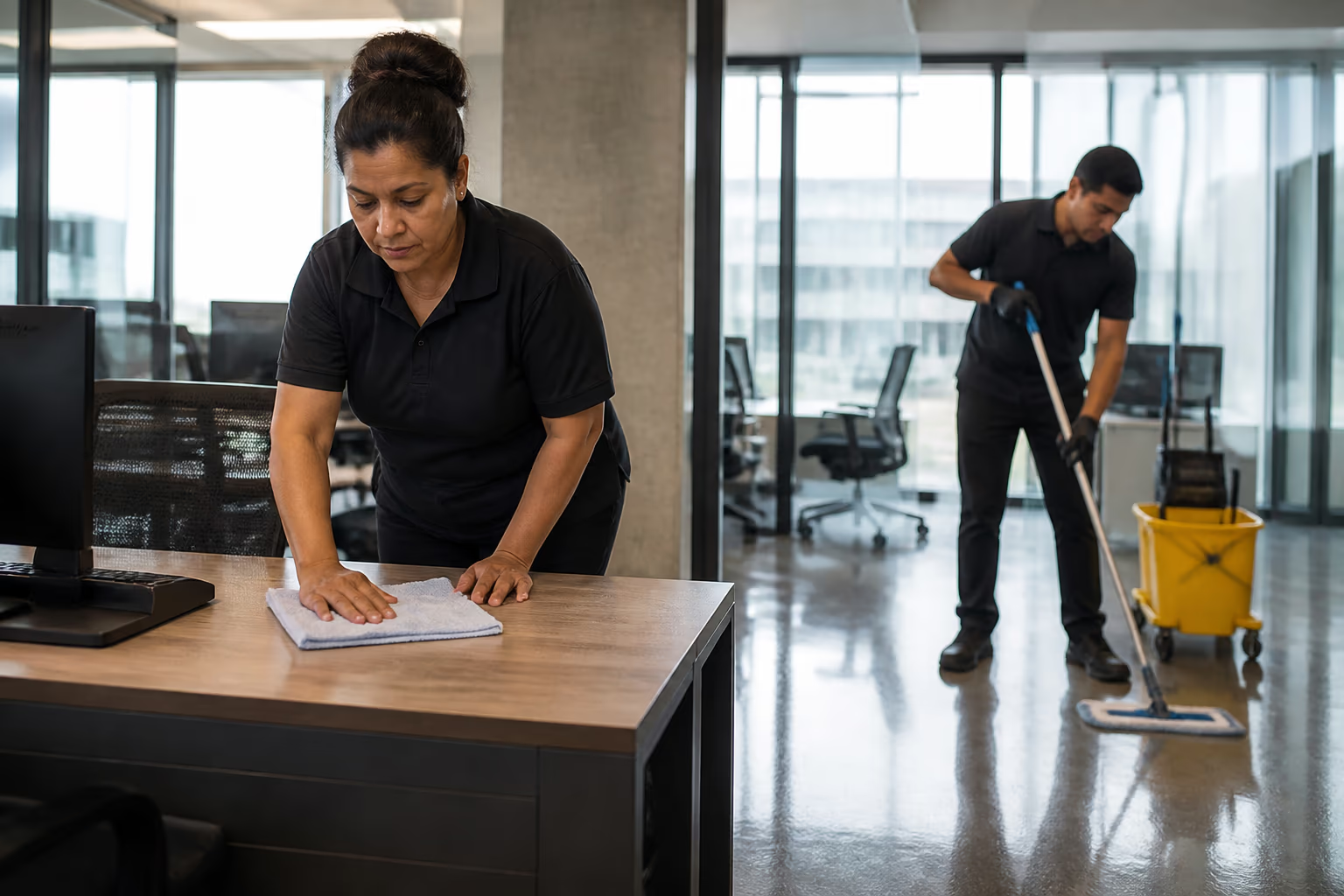
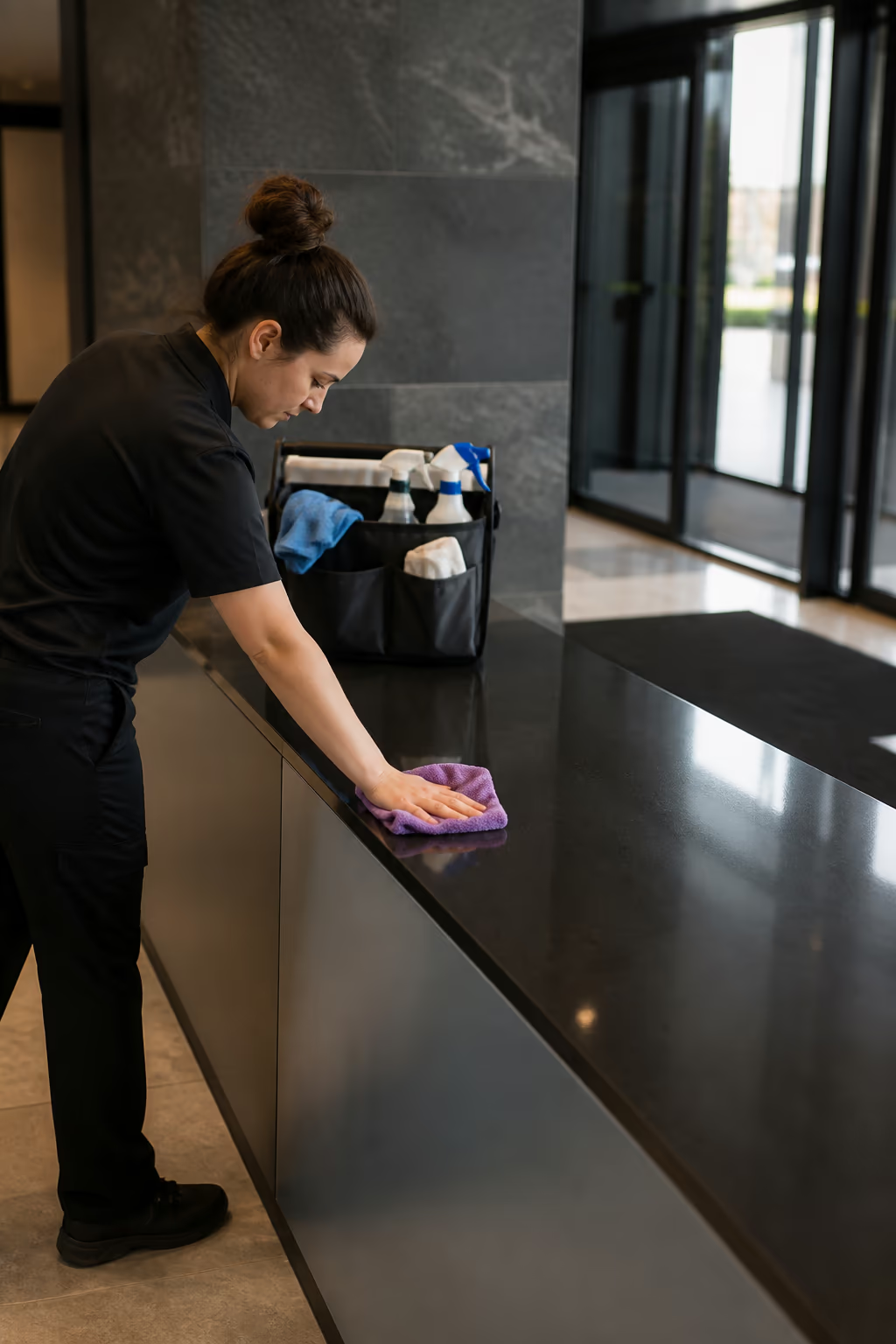
A day porter is a dedicated, uniformed cleaning technician who operates inside commercial facilities during business hours. Porters provide real-time maintenance, ensuring high-visibility areas like lobbies, elevators, and shared washrooms remain spotless throughout the day.
Deploying professional day porters bridges the critical gap between nightly janitorial shifts. The result is a building that looks as good at three in the afternoon as it did at seven in the morning, which protects the property's reputation, keeps tenants happy, and reduces the safety risks that come with unattended spills and clutter. Pairing that daytime coverage with our office cleaning services in Ottawa gives a building consistent care around the clock.
The 7 Key Operational Benefits of Day Porter Services
Here are the 7 operational benefits that make day porter services valuable for commercial buildings:
Core Operational Responsibilities of a Commercial Day Porter
Day porters perform a wide range of essential daytime facility maintenance duties:
- 1.Continuous Foyer & Entrance Mat Maintenance:Mop up tracked-in winter meltwater and calcium chloride salt slurry from entrance foyers to prevent slip hazards and floor damage.
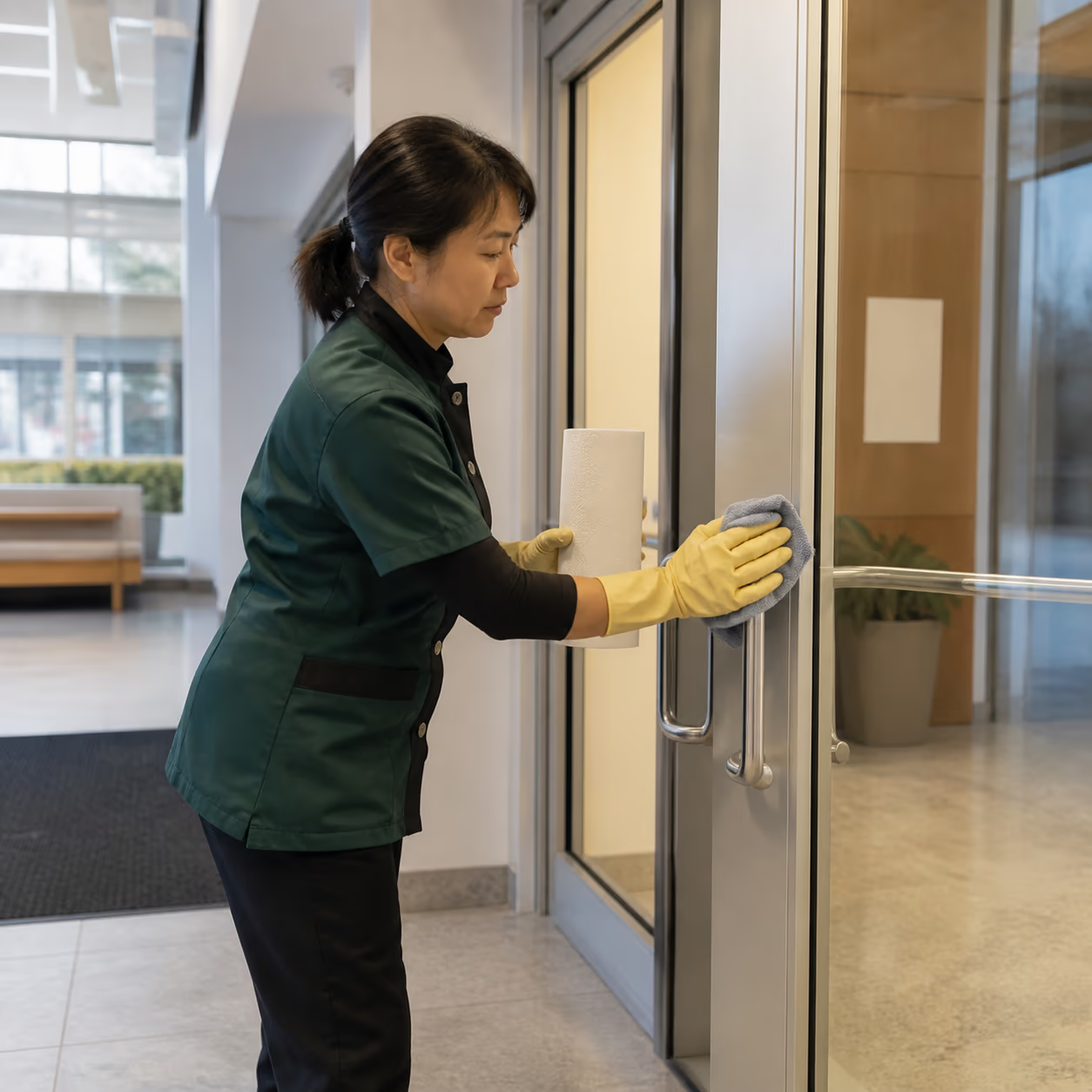
- 2.High-Frequency Washroom Restocking & Touchpoint Disinfection:Restock toilet tissue, paper towels, and soap dispensers while sanitizing high-touch door handles multiple times per shift.
- 3.Immediate Emergency Spill Response:Neutralize coffee, liquid, and mud spills on tile and carpeted floors before stains set or cause slip-and-fall injuries.
- 4.Mid-Day Breakroom & Kitchenette Detailing:Wipe lunchroom tables, clean food crumbs, degrease counters, and empty overflowing cafeteria recycling bins.
- 5.Trash and recycling monitoring:Check lobby, hallway, and common-area bins through the day and empty them before they overflow.
- 6.Reviewing our commercial cleaning property managers guide helps facility managers determine optimal day porter staffing ratios and contract structures.
How Day Porters Work Without Disrupting the Office
Day porters work in a building full of people, so the way they work matters almost as much as what they do. Professional porters are trained to be visible but unobtrusive, wearing a uniform that identifies them and using quiet equipment that does not disturb the office.
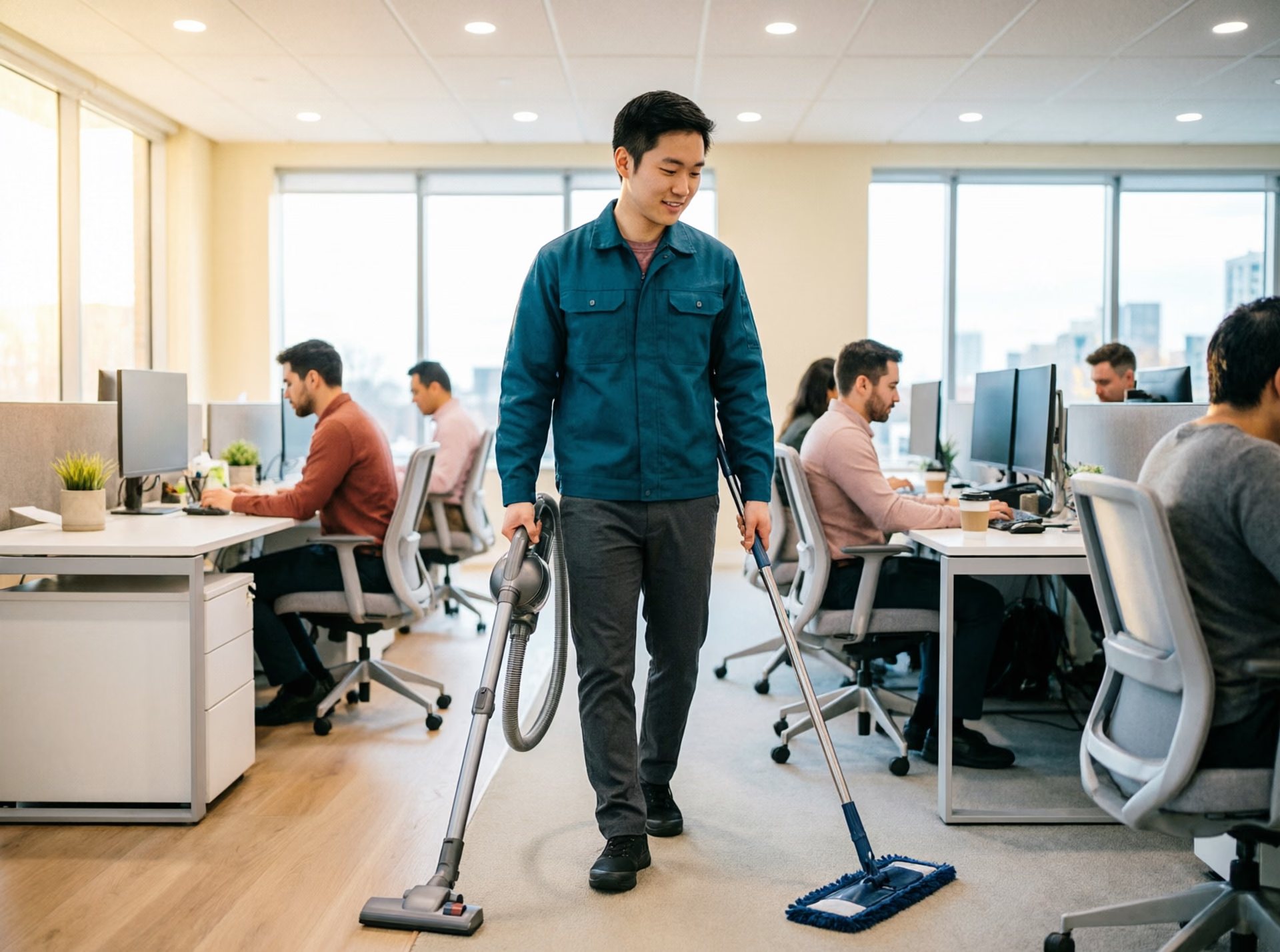
Equipment choices make a real difference. Low-noise HEPA vacuums, microfibre mops, and spray bottles allow a porter to clean a busy lobby without the roar of a commercial floor machine. Timing matters too, with heavier tasks scheduled around arrival rushes, lunch, and meetings rather than in the middle of them.
Good communication is part of the role. A porter who knows the building manager, the reception team, and the regular tenants can resolve issues before they become complaints, and can quietly flag maintenance concerns that the nightly crew would not see until the next day.
Day Porter vs. Nightly Janitorial: How the Two Work Together
Day porters and nightly janitorial crews are not competing services; they are two halves of a continuous facility hygiene programme. Each one handles the tasks it is best suited for.
The day porter owns the real-time work: spills, restocking, lobby care, and the constant small messes created by people using the building. The nightly crew owns the deep work: heavy vacuuming, floor scrubbing, thorough washroom sanitization, and the tasks that need the building empty.
When the two are coordinated, the building gets the best of both. The night crew starts every morning with a clean slate, the day porter keeps it that way through business hours, and the cycle repeats. Buildings that run both tend to see fewer complaints and a visibly higher standard of care. Our day porter services overview covers the role from the building owner's perspective in more detail.
Is a Day Porter Right for Your Building?
Day porter services are not needed by every building, but they are a strong fit for a specific profile of property. High-traffic lobbies, multi-tenant towers, medical clinics, retail centres, and schools all benefit because they generate constant mess through the day. Institutions like churches have their own rhythm too; our church cleaning services guide covers scheduling around services and events.
The clearest signal that a building needs a day porter is simple: if the building looks tired by mid-afternoon, or if washrooms are running out of supplies during peak hours, nightly cleaning alone is not keeping up. Measuring daily foot traffic and washroom use gives a facility manager the data to decide how many porter hours the building actually needs.
For facilities still working out their overall strategy, our cleaning strategy guide for property managers covers how to structure cleaning contracts and staffing decisions across a portfolio. When you know what day porters do, you can decide whether they are worth the investment for your building.
Day Porter Shift Structures and Staffing Options
Day porter coverage is not all-or-nothing. Buildings can choose the structure that fits their traffic patterns and budget, from a full daytime shift to a few targeted peak hours.
Full-day coverage runs the length of the business day, typically from early morning to late afternoon. This option suits busy towers, medical clinics, and retail centres where there is almost always something to clean. Peak-hour coverage focuses a porter on the busiest windows, such as the lunch rush or the morning arrival, and is a cost-effective entry point for buildings that only struggle at specific times.
A hybrid approach is also common. A building might run a full-time porter for the lobby and washrooms and rely on the nightly crew for everything else, or add a part-time porter on high-traffic days. Whichever structure you choose, the porter needs a clear written list of duties, a defined walk-through route, and a daily log so the facility manager can see what was done.
Getting the Most From Your Day Porter
Hiring a day porter is only the start; how the role is set up determines how much value it delivers. The most successful day porter programs start with a written scope that says exactly which areas the porter owns and what counts as a completed task.
Clear communication channels matter just as much. A porter who knows how to reach the facility manager, and who is encouraged to flag maintenance issues, becomes an extra pair of eyes on the building rather than just a cleaner. Tenants who know the porter by name are also more likely to report a spill than to walk past it.
Finally, review the program after the first few weeks. Check the daily logs, walk the building at different times of day, and adjust the porter's hours and route to match what you actually see. A day porter program that is reviewed and tuned quickly becomes a reliable part of the building's operations.
Formatted Step-by-Step Daytime Porter Duty Checklist
Ensure flawless daytime building operations by deploying this 5-step day porter duty checklist:
- Step 1.Continuous Entrance Foyer & Vestibule Mat Maintenance:Mop up tracked-in winter salt slurry and extract moisture from entrance walk-off mats during peak morning arrivals.
- Step 2.Multi-Shift Washroom Restocking & High-Touch Disinfection:Restock paper products, replenish hand soap, and sanitize washroom door handles every 2 to 3 hours.
- Step 3.Rapid Emergency Spill Response & Hazard Mitigation:Respond immediately to liquid spills on hard floors, placing yellow caution cones and damp-mopping the area dry.
- Step 4.Mid-Day Breakroom & Kitchenette Sanitation Sweeps:Wipe cafeteria tables, sanitize food prep counters, and clean microwave exteriors following lunch hours.
- Step 5.High-Volume Waste & Recycling Bin Emptying:Monitor and empty lobby, hallway, and patio trash cans before containers reach full capacity.
- Step 6.Contracting professional commercial janitorial services in Ottawa through Good Cleaner Co. guarantees experienced daytime porter support.
Serving Ottawa's Business Neighbourhoods
Day porter programs deliver the same continuous care whether your building is a downtown Ottawa tower, a corporate campus in Kanata, or a professional building in Nepean, Orleans, or the Glebe. The standard is consistent across every neighbourhood we serve.
Practical Next Steps for Day porter services guide
Turn this guide into a short task list for the actual rooms, materials, and people involved. Name the visible result you need, the surface limits to respect, and the access or timing that changes the order of work. That gives the next person clear decisions instead of a broad catalogue of services.
Priorities
Start with the areas that affect normal use and describe the expected result in plain language.
Materials
Check care instructions before using abrasion, heat, water, or a new product on an unfamiliar finish.
Timing
Note occupied, locked, or soon-to-be-used areas so the routine does not create disruption.
Keep the list with the supplies or site notes, then revise it when the space or its use changes.
When the Routine Needs to Change
Review day porter services guide when use, materials, or conditions change instead of following a generic seasonal script. A spill, event, occupancy change, construction dust, new equipment, or recurring mark may need a specific adjustment. Inspect the affected area, record what changed, and update the task rather than adding unrelated products or extra steps.
Canadian weather can change the moisture or grit arriving at an entrance, but the right response still depends on the flooring, access, and actual condition. Check mats, floors, storage, and drying areas regularly. Treat a recurring issue as a maintenance question, not as dirt that must be scrubbed harder.
Check Results and Escalate the Right Problems
A useful review asks whether the agreed task is complete, whether the surface was treated appropriately, and whether anything needs follow-up. Walk the area in normal light, compare it with the written scope, and note what remains. It is better to record a limitation honestly than to promise a perfect result.
Pause when a request involves product-specific, safety, plumbing, electrical, damage, infection-control, or health concerns. Use the responsible organisation's instructions or a qualified specialist where appropriate. Cleaning advice cannot replace a repair assessment, product label, workplace policy, or professional health guidance.
A Practical Note on Day porter services guide
The strongest routine is one people can understand, carry out, and review without adding unnecessary products or hidden assumptions. Keep a dated note of what changed, what was observed, and which surface or room needs attention next. That record helps a household, site manager, or service provider decide whether to adjust the task, arrange maintenance, or simply keep the current routine. It also stops a one-off problem from becoming a vague instruction that is passed from person to person.
FAQ
What is the main role of a commercial day porter in an office tower?
A day porter maintains continuous daytime cleanliness by restocking washrooms, cleaning lobbies, responding to liquid spills, and keeping common areas presentable for building occupants.
How do day porters operate without disturbing office workers?
Day porters use quiet microfibre mops, low-noise HEPA vacuums, and non-intrusive restocking routines designed specifically for open business hours.
Why are day porter services critical during Ottawa winters?
Ottawa winters bring heavy snow, ice, and salt slurry into building lobbies. Day porters continuously clean foyer floors to prevent slip-and-fall injuries and salt damage to the flooring.
How many day porter hours does a building typically need?
It depends on foot traffic, washroom use, and square footage. A facility manager can measure daily usage to decide between a few peak hours and a full daytime shift.
Can a day porter handle outdoor entrance cleaning?
Yes. Day porters routinely sweep entrance aprons, clear litter from outdoor entryways, and clean glass entrance vestibules as part of their daytime rounds.
What is the difference between a day porter and a regular janitor?
A day porter works during business hours in high-visibility areas, while a regular janitor typically works night shifts performing heavy floor scrubbing and carpet vacuuming.
Do day porters restock washroom supplies?
Yes, restocking toilet paper, paper towels, and hand soap is one of the core day porter duties, checked multiple times per shift so washrooms never run out.
How do day porters reduce slip-and-fall risk?
By responding to spills immediately, placing caution signs, and drying wet floors, day porters remove the hazards that lead to slip-and-fall incidents.
Are day porter services available for retail and medical buildings?
Yes. Retail centres, medical clinics, and schools all use day porters because their high daytime traffic creates the same constant mess that makes the service valuable.
How do I schedule a day porter evaluation for my building?
Contact Good Cleaner Co. to walk through your facility, review your foot traffic and washroom use, and build a daytime coverage plan that fits your budget.
Wrapping Up
Integrating professional day porter services ensures continuous daytime hygiene, enhances tenant satisfaction, and protects physical assets. Contact Good Cleaner Co. today to schedule a day porter evaluation for your Ottawa building.
Keep reading
More from Good Cleaner
Services that fit
- Janitorial Services in OttawaRecurring janitorial services in Ottawa for offices, warehouses, retail, dealerships and schools, with customized plans and eco-friendly chemistry.
- Professional Office Cleaning Services in OttawaNightly and after-hours office cleaning for corporate offices, clinics and professional suites, with after-hours scheduling and eco-friendly products.
About the author
Service areas
- Ottawa
- Downtown Ottawa
- Kanata
- Nepean
- Orleans
- The Glebe