
Church Cleaning Services Guide: Sanctuary & Community Space Hygiene
This guide walks through what worship facility cleaning actually involves, from sanctuary pews to nursery toys, and explains why trained staff matter more than elbow grease. We cover the specific tasks, the seasonal challenges of an Ontario church building, and how to build a cleaning schedule that works around worship services. The honest version: a church needs cleaning care that respects both the building and the people who use it. Whether your congregation is a small rural chapel or a large downtown parish, the same principles apply.
Quick Summary
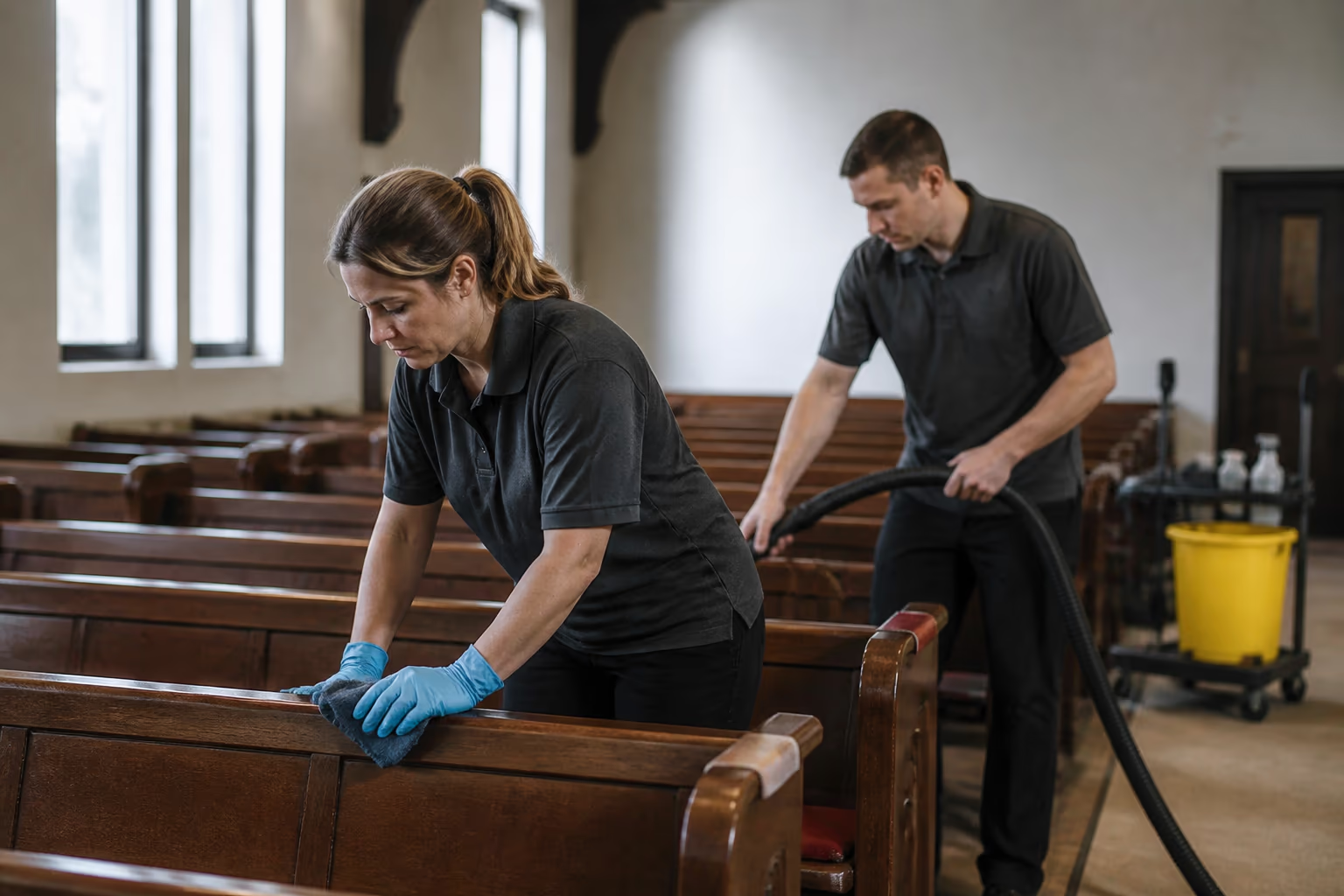
If you look after a church, synagogue, mosque, or temple in Ottawa, you know that a worship building is not an office. It hosts large gatherings on a fixed weekly schedule, runs food events, and cares for historic woodwork, stained glass, and nursery rooms used by infants. A professional church cleaning service protects all of it with trained staff and non-toxic products, and this guide explains exactly what that service covers and how to schedule it around your services.
In this guide
The Unique Sanitation Requirements of Sacred Facilities
Places of worship across Ottawa host large weekend congregations, mid-week community suppers, nursery childcare, and youth gatherings.
A sanctuary is still a workplace for the people who clean it. Ontario's WHMIS legislation applies to all workplaces except farms and requires hazardous-product information to reach workers through labels, safety data sheets and worker education programs. The province states the supplier duty: “Suppliers of hazardous products must label their products and give safety data sheets before they sell or import them.”
High foot traffic in sanctuary aisles, shared hymnals, wooden pews, and fellowship hall kitchens requires specialized cleaning care.
Working with a respectful janitorial company ensures that historic architectural features, stained glass, and altar furnishings are maintained with extreme care.
A church building is not an office tower. The sanctuary may hold a century-old wood pulpit, a pipe organ, memorial brass, and windows that were installed long before modern cleaning products existed. The wrong cleaner or the wrong chemical can cause permanent damage in minutes.
This is why a trained team matters. They know which surfaces need microfibre, which need brass polish, and which need nothing more than a light dusting.
Core Cleaning Tasks for Sanctuaries & Community Halls
Discover 4 core cleaning priorities for religious facilities:
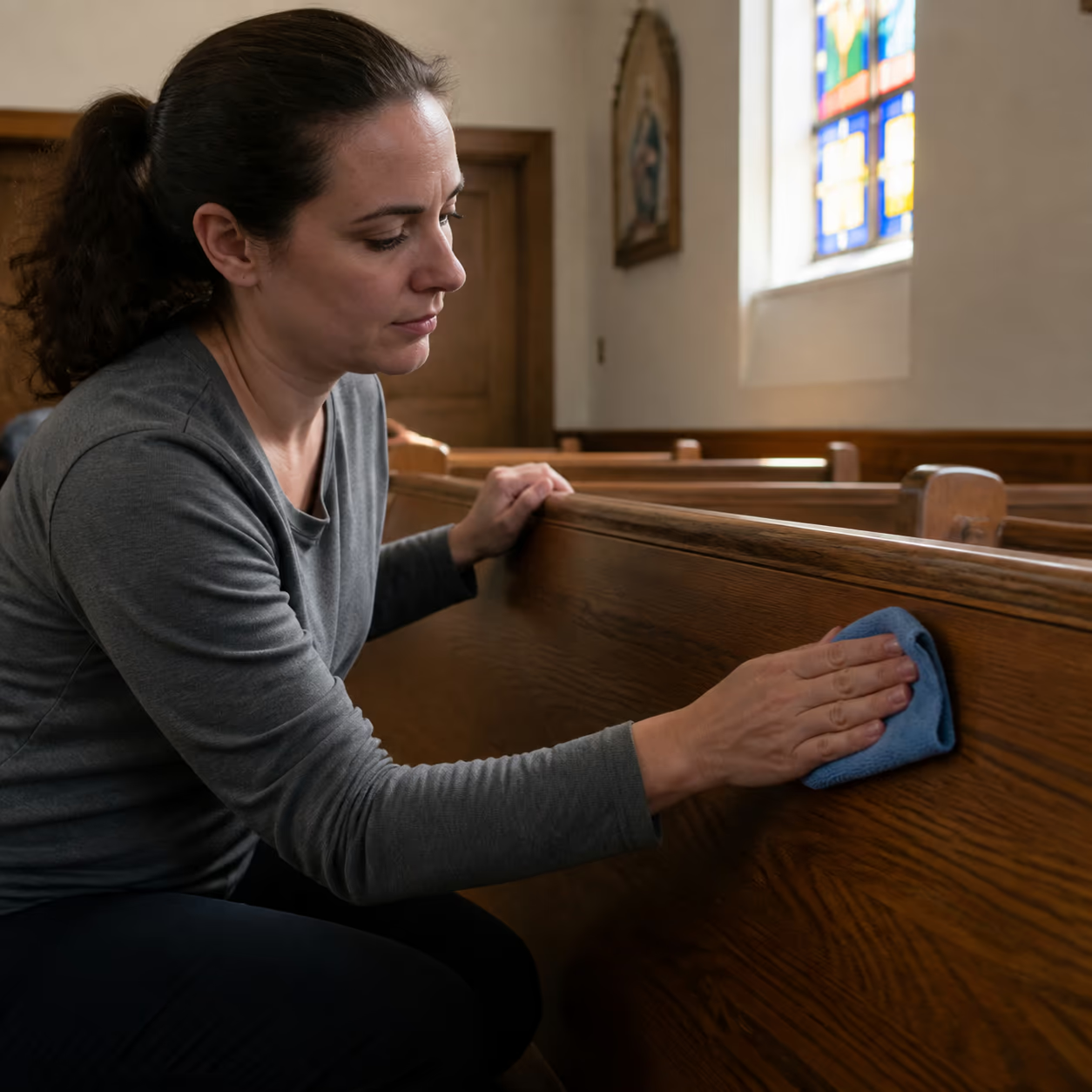
1. Sanctuary Pew & Altar Dusting:
Microfibre conditioning of wooden pews and altar elements without harsh chemical strippers.
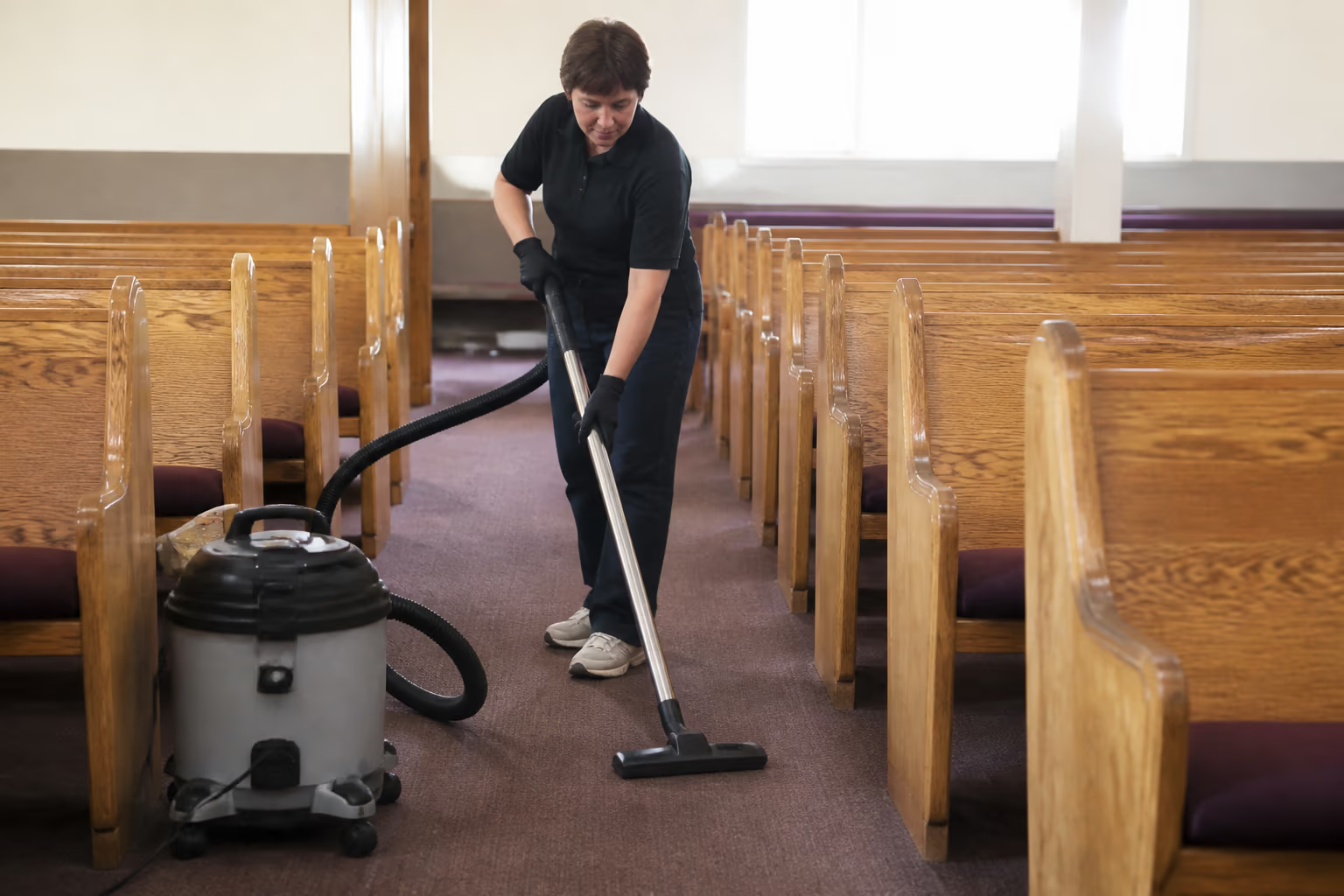
2. HEPA Carpet Aisle Vacuuming:
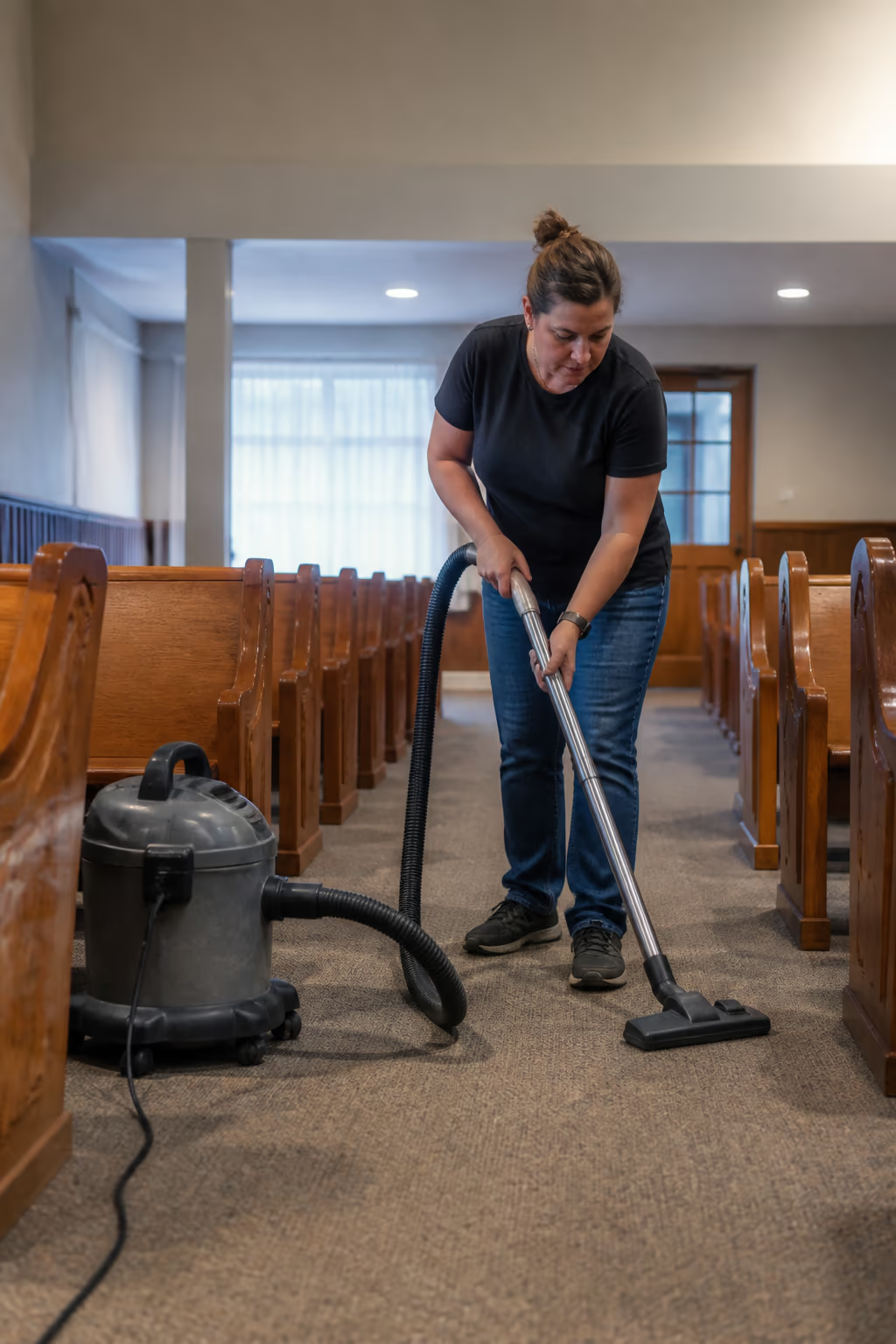
Commercial HEPA vacuuming removes tracked-in winter salt grit and pollen from sanctuary aisles.
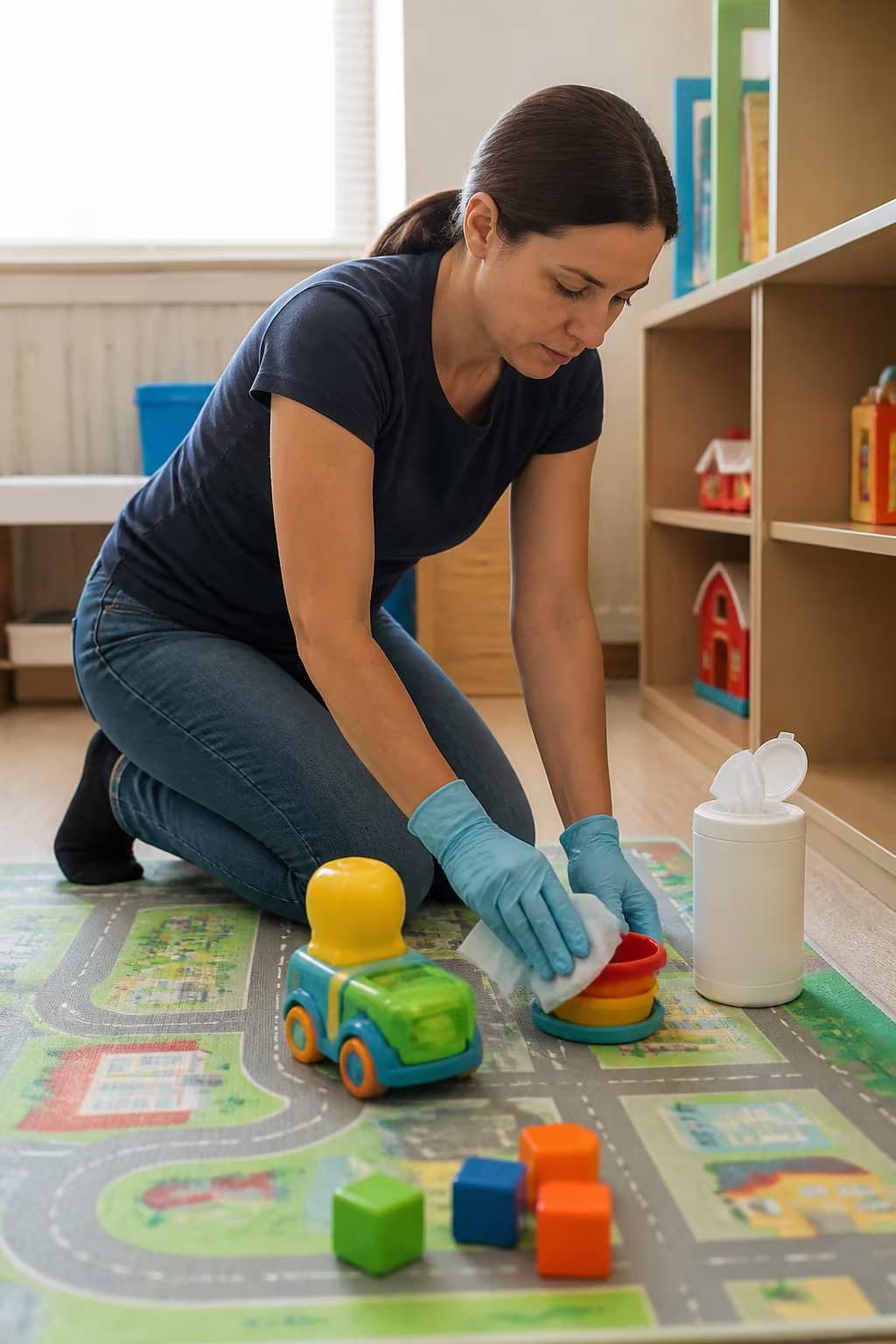
3. Nursery Toy & Floor Disinfection:
Food-safe sanitization of children's play areas, toys, and crib surfaces.
4. Reviewing our DIY citrus all-purpose cleaner guide provides safe eco-friendly surface cleaning ideas.
A Deeper Look at Sanctuary, Nursery, and Fellowship Hall Cleaning
The sanctuary is the heart of the building, and it deserves the gentlest care in the whole church. Wooden pews are usually finished with varnish or oil that harsh cleaners can strip, so we condition them with pH-neutral products and microfibre cloths rather than abrasive pads. For general wall-care techniques that extend beyond a sanctuary's wood trim, a comprehensive guide to cleaning walls effectively covers safe methods for painted and finished surfaces.
Nursery rooms sit at the opposite end of the risk scale. Babies put toys in their mouths and crawl on floors, so every surface needs food-safe disinfectants and thorough rinsing.
Fellowship halls and kitchens handle everything from potluck dinners to funeral receptions. Countertops, dining tables, and food-prep surfaces need the same sanitation you would expect in a commercial kitchen, while floors and washrooms get their own deep-cleaning cycles.
Carpets in a church see a lot of wear. Aisle runners take the brunt of weekend foot traffic, and winter salt gets dragged in from the parking lot. Commercial HEPA vacuuming keeps the pile clean between extractions, while hot water extraction removes the deep-set soil and allergens that regular vacuuming cannot reach.
The common thread is scheduling. Because worship spaces are in active use on weekends, most professional cleaning happens on weekday evenings or Friday afternoons, so the building is fresh and ready before the first service.
Administrative offices and washrooms should not be an afterthought either. Church offices host volunteers and staff, and washrooms see heavy use before and after every gathering. A complete program keeps those spaces clean and stocked on the same schedule as the sanctuary and halls.
A few surfaces catch first-time clients by surprise. Candle wax on wood floors, tarnish on memorial brass, and water marks on stained glass all need specific treatments rather than a general all-purpose cleaner. Ask a professional team how they handle these before you book, and you will get a much better sense of their experience with worship buildings.
Formatted Step-by-Step Worship Facility Cleaning Checklist
Follow this checklist for comprehensive church janitorial care:
- 1
Dust Wooden Sanctuary Pews and Altar Furniture with pH-Neutral Wood Conditioners:
Protect historic woodwork finishes.
- 2
Vacuum Sanctuary Carpet Aisles with Commercial HEPA Filtration Units:
Remove salt slurry and dust particles thoroughly.
- 3
Disinfect Children's Nursery Toys, Cribs, and Play Mats with Food-Safe Sanitizers:
Ensure germ-free environments for infants.
- 4
Clean Fellowship Hall Kitchen Countertops and Dining Tables:
Sanitize food preparation and community dining zones.
- 5
Restock and Sanitize Worship Facility Washrooms Before Weekend Services:
Maintain clean, fully stocked washroom amenities.
- 6
If you need a team or a recurring schedule, use commercial janitorial services in Ottawa to discuss scope, access, and timing before deciding whether it fits.
Serving Ottawa's Faith Communities
Good Cleaner Co. cleans places of worship across Ottawa, and the work is planned around the calendar rather than against it: services, funerals, weddings, community meals and the volunteer schedule all shape when a crew can be on site.
Working with Congregations and Facility Committees
A church cleaning program works best when the cleaning team and the facility committee talk openly about schedules, expectations, and budgets.
Start with a walkthrough of the building. A professional company will note the finishes, the problem areas, and the times when the space is empty enough to clean. That walkthrough becomes the basis for a realistic scope of work.
During the walkthrough, pay attention to the details that drive cost. High ceilings mean ladders and extension tools. Old carpet in the aisles may need gentler extraction. A busy nursery may need daily disinfection during cold and flu season. Knowing these factors upfront keeps your quote honest.
Most congregations prefer a flat monthly or weekly rate rather than surprise billing. Ask for a clear list of what is included, what is extra, and how often each task happens, from nightly washroom restocks to quarterly carpet extraction. Congregations working with a tight budget can compare affordable cleaning services to get a general sense of typical rate structures before requesting a detailed quote.
Communication matters during special events too. Weddings, funerals, and holiday services often need extra attention before or after the gathering. A good cleaning partner leaves room in the schedule for those moments.
It also helps to put the plan in writing. A short scope of work that lists each room, how often it is cleaned, and who is responsible removes most of the guesswork for both sides. When a new committee member takes over, the same document keeps the program running without missing a beat.
Understanding the Value of a Professional Church Cleaning Team
Many congregations rely on volunteer cleaning teams, and that can work for smaller buildings. But volunteers have real limits: they clean on their own time, they lack commercial equipment, and they may not know how to handle a stubborn stain on a heritage pew without damaging it.
A professional team brings three things volunteers usually cannot: commercial HEPA vacuums, EcoLogo-certified chemistry, and staff who have been trained on sacred-space protocols. That combination means consistent results every week, not just when someone has the energy.
A professional company follows WSIB requirements, which protects the congregation if a cleaner is injured or a surface is damaged. That peace of mind is part of the value.
There is also a stewardship argument. A church building is one of the most expensive assets a congregation owns. Protecting it with regular professional maintenance costs far less than repairing water damage, refinishing ruined pews, or replacing a stained carpet. In that sense, professional cleaning is not an expense; it is part of preserving the building. The same shared-space stewardship applies to building and condo cleaning services, where common areas need the same consistent standard of care.
For congregations with a heritage designation, the case is even stronger. Condition assessments and grant applications often ask about maintenance programs. A documented professional cleaning schedule is evidence that the building is being cared for, which supports heritage funding applications.
Practical planning for this situation
For a congregation or building committee, the sensible starting point is church cleaning that respects a worship space. Begin with a walk-through and write down service times, sacred items that must not be moved, nursery use, kitchens, access, and the person who approves special-event work. That gives the work a real boundary and avoids treating a generic package as if it already understood the space.
Use the written notes to decide what belongs in a regular routine and what needs separate time, access, or approval. The useful test is whether another person could read the scope and understand the task without being told to rely on a promise.
Seasonal considerations in Ottawa
Local conditions matter, but they do not require a script. In this topic, snow, salt, and crowded holiday services can change the order of work in a church building. Review the condition of the actual space before changing the products, equipment, or frequency.
A short seasonal review is usually enough: notice what has changed, name the affected area, and agree on the practical response. That keeps maintenance connected to the property rather than a broad list of place names.
Safe, responsible cleaning
Choose methods that suit the material and follow the product or equipment instructions. Keep people away from a wet or actively cleaned area, and stop when a surface reacts unexpectedly.
When a task involves an unfamiliar finish, access issue, or safety concern, ask before continuing. A careful pause is more useful than a confident shortcut and protects the people using the space.
Considering professional help
A service conversation should stay anchored in the space and the requested work. For church cleaning that respects a worship space, explain service times, sacred items that must not be moved, nursery use, kitchens, access, and the person who approves special-event work. Ask for the proposed tasks, timing, and any limits in writing.
If you want to explore help, use janitorial cleaning teams in Ottawa to describe the scope and decide whether it suits the situation. This is a request for information, not a promise about a result.
How to review the routine
Before changing the routine, take a few minutes to describe the present condition in plain language. Start with service times, sacred items that must not be moved, nursery use, kitchens, access, and the person who approves special-event work. This makes it possible to decide what is necessary without inflating a small issue into a large project.
Ask the people who use the space what causes the most friction. Their answer may be a difficult entry, a storage gap, a time when work cannot happen, or a surface that needs a gentler method. Those details are the basis for a useful plan.
Try one visible adjustment at a time. Record why it was made, what area it affects, and what a satisfactory result looks like. That approach is easier to review than changing a whole routine at once.
Keep feedback specific: name the room, surface, timing, and expected result. Clear notes help a household, volunteer group, or service team work through a problem without blame or vague expectations.
Revisit the plan after a genuine change in use, condition, or season. A routine should be steady enough to follow and flexible enough to stay useful.
FAQ
How does Good Cleaner Co. handle scheduling around church services and events?
We provide completely flexible scheduling, performing janitorial duties on weekday evenings or Friday afternoons prior to weekend services.
Can Good Cleaner Co. care for historic wooden pews and stained glass windows?
Yes. Our technicians use non-abrasive microfibre cloths and pH-neutral wood conditioners specifically formulated for heritage property finishes.
How often should a church sanctuary be professionally cleaned?
Most congregations book weekly janitorial rounds plus quarterly deep cleaning, with extra visits before major services like Christmas, Easter, and weddings. High-use rooms such as nurseries and fellowship kitchens may need attention more often.
Do church cleaning services include the kitchen and fellowship hall?
Yes. We sanitize food-prep surfaces, dining tables, and community kitchen zones to the same standard as a commercial kitchen.
What is the difference between a standard office clean and a church clean?
Church cleaning adds heritage surface care, nursery-grade disinfection, and scheduling that respects worship times and special events.
Can you work around weddings, funerals, and holiday services?
Yes. We coordinate with the facility committee to schedule extra cleanings before and after special gatherings.
Do you provide washroom restocking as part of church janitorial service?
Yes. Washroom cleaning and restocking are part of our standard worship facility program, so supplies are ready before every service.
How do I get a church cleaning quote for my Ottawa congregation?
Send a request through the booking form and we will come back to you with the scope and the price. Nothing is charged online. You can also call or text 613-664-5678, or email info@goodcleaner.ca, and the office answers between 8 AM and 8 PM every day.
Do you clean the administrative offices and Sunday school rooms too?
Yes. Our church janitorial program covers offices, meeting rooms, and Sunday school spaces on the same schedule as the sanctuary and nursery.
Can we keep some volunteer tasks and hire professionals for the rest?
Yes. Many congregations mix the two. We handle the heavy lifting such as deep cleaning, carpet extraction, and heritage wood care, while volunteers manage light tidying between visits.
How long does a typical church cleaning visit take?
A standard weekly visit for a mid-size church takes a few hours depending on square footage and the tasks scheduled for that night. We give you a clear timeline during the quote so your team knows what to expect.
Do I need to be present during a church cleaning visit?
No. Many congregations give us a key or arrange for a staff member to let us in and lock up. We follow the access plan you set, and we always confirm the building is secure before we leave.
Wrapping Up
A church-cleaning plan should protect both the worship space and the rhythm of the congregation. Map service times, funerals, weddings, classes, food programs, and volunteer activities before setting cleaning hours. Identify areas that need quiet handling, items that should not be moved, and the person to contact if a spill or damage is found. Separate routine washroom and entry work from sanctuary care and event resets so volunteers and paid cleaners know where their roles begin and end. A respectful, written plan keeps cleaning practical without treating a shared spiritual space like an ordinary office.
Keep reading
More from Good Cleaner
- Church Janitorial Services: Reverent & Detailed House of Worship Maintenance
- Commercial Cleaning Checklist by Industry: Customized Janitorial Tasks
- Commercial Cleaning for Property Managers: Complete Facilities Maintenance Guide
- How to Choose the Best Commercial Cleaning Company in Ottawa: Vendor Selection Guide
About the author
Service areas
- Ottawa
- Kanata
- Nepean
- Orleans
- Barrhaven
- Stittsville