
7 Essential Elevator Cleaning & Maintenance Tips for Canadian Commercial Buildings
In a busy office tower, an elevator cab can carry hundreds of people a day, which makes it one of the most germ-dense surfaces in the building and one of the first things visitors see. It also takes real mechanical abuse: winter salt, grit, and moisture get dragged into the cab and into the door tracks, where they can cause expensive jams. This guide lays out the cleaning and maintenance routine that keeps an elevator looking good and running reliably.
Quick Summary
Elevators are the most-touched space in many commercial buildings, yet they are often the last thing on a cleaning schedule. Daily disinfection of call buttons and handrails, careful stainless steel care, and regular vacuuming of door tracks keep the cab clean, safe, and reliable. This guide covers the essential elevator cleaning routine for Canadian buildings.
In this guide
Why Elevator Hygiene Matters in a Commercial Building
Elevators are the vertical backbone of any multi-storey building. Hundreds of occupants press the same call buttons, grip the same handrails, and stand shoulder to shoulder in the same small cab every day. That concentrated traffic makes the elevator a genuine hotspot for germs and a visible measure of how well a building is maintained.
The hygiene side matters for occupant health. Call buttons and handrails are touched constantly, and in a small enclosed space any surface contamination is more likely to be transferred hand to hand. Daily disinfection of these touchpoints is the single most effective habit a cleaning crew can add.
The maintenance side matters for your budget. During Ontario winters, de-icing salt and grit get tracked into the cab and into the door sills. If that grit sits in the door tracks, it can interfere with the door sensors and cause jams, and elevator repair calls are not cheap. A cleaning routine that includes the tracks is protecting your equipment, not just appearances.
The good news is that elevator care does not require exotic equipment. The tools are the same vacuum, microfibre cloths, and disinfectants a janitorial crew already carries. The difference is simply making the elevator part of the daily and weekly rotation instead of an occasional afterthought.
The High-Touch Surfaces That Need Daily Attention
Not every surface in an elevator needs the same level of care. Focus the daily routine on the places hands actually go:
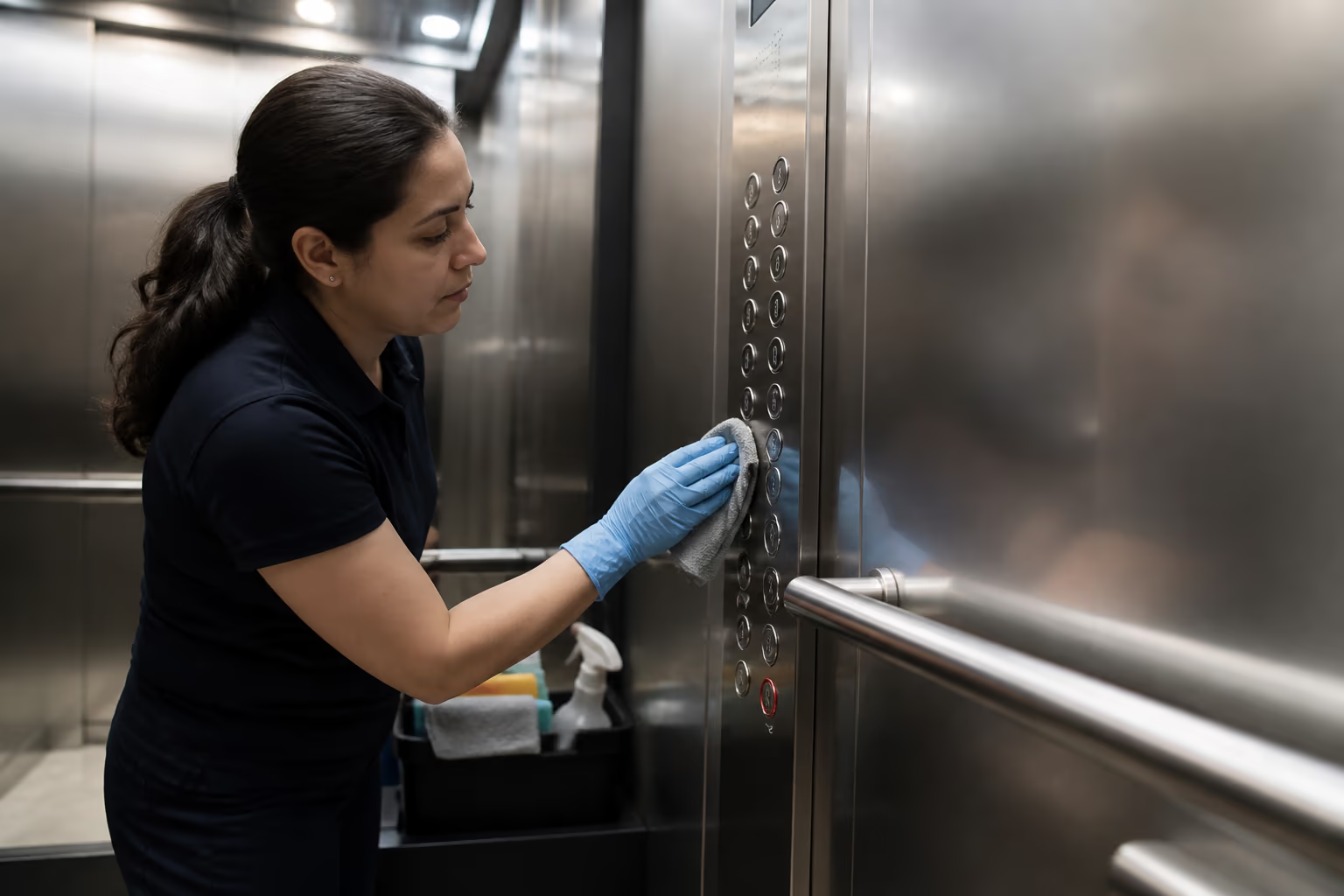
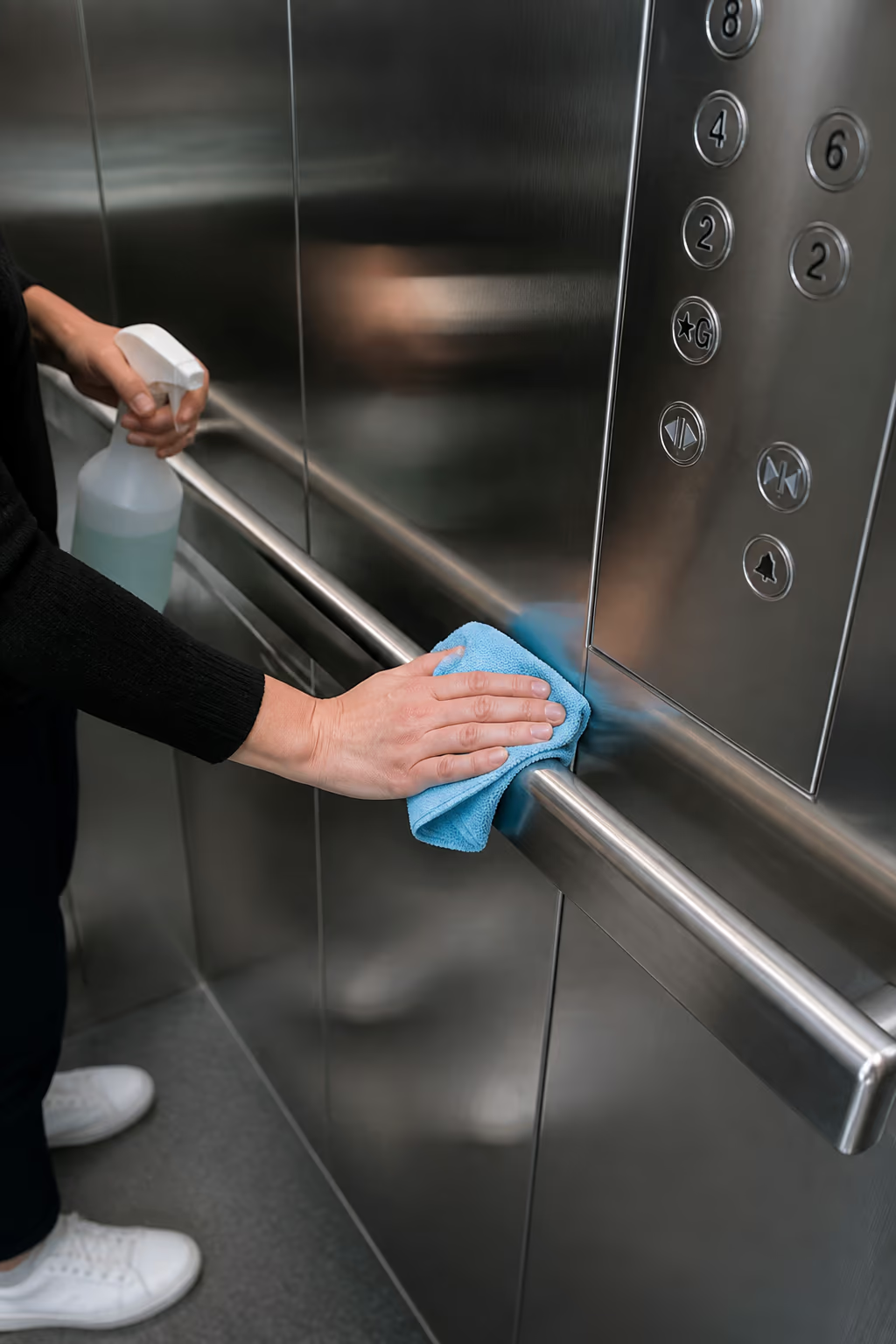
- 01Call Buttons and Control Panels:The buttons that every rider presses are the most contaminated surface in the cab. Disinfect them daily with a non-corrosive product applied to a cloth, never sprayed directly at the panel.
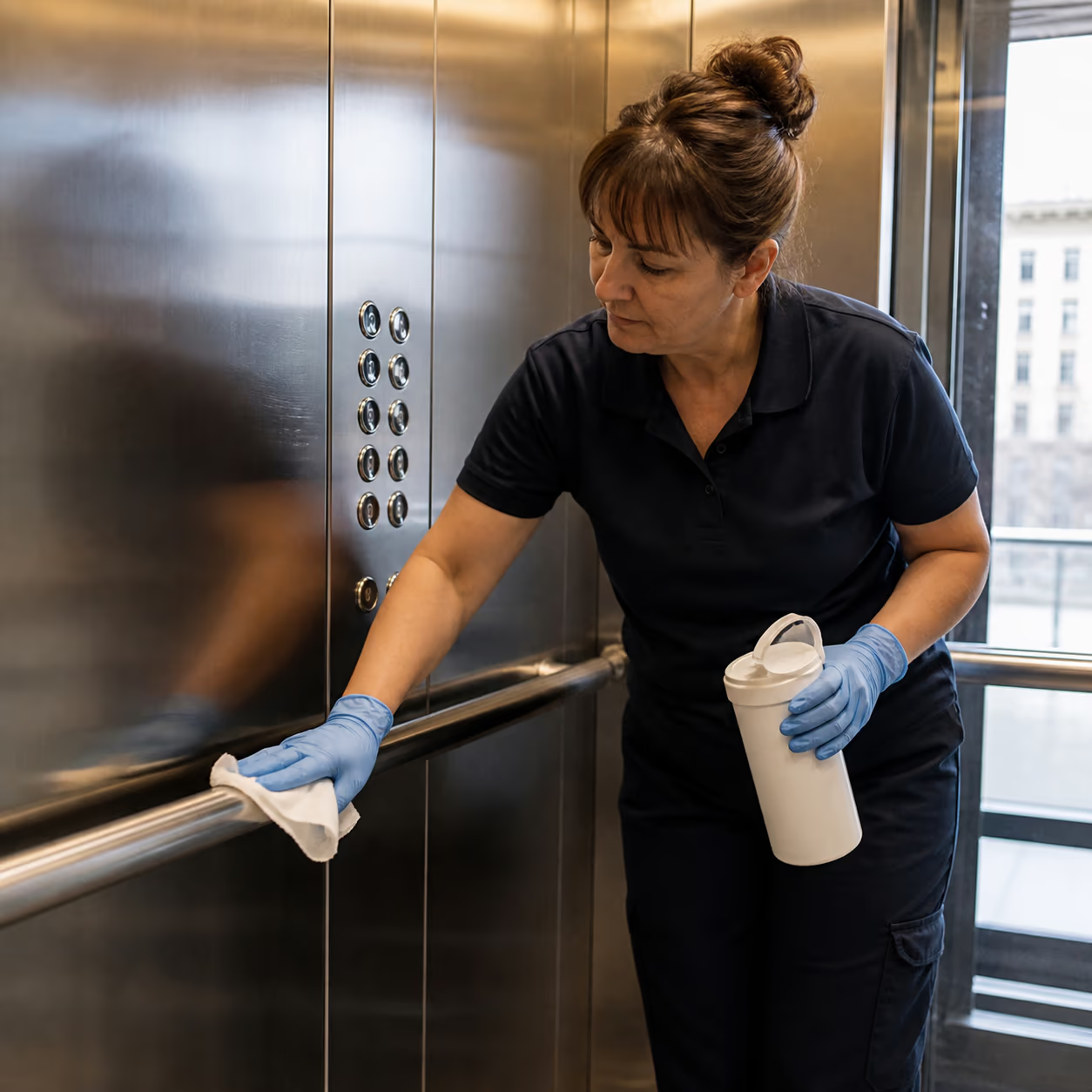
- 02Handrails:Riders grab the handrail for balance on every trip. Wipe it down with the same disinfectant used on the buttons.
- 03Cab Doors and Door Edges:Doors are touched and pushed constantly. Clean them along with the walls, and pay attention to the edges where fingerprints collect.
- 04Mirrors and Glass Panels:Mirrors catch every fingerprint and smudge. A streak-free glass cleaner keeps the cab looking sharp.
- 05The Floor:Mats and flooring take the worst of winter salt and everyday soil. Vacuum daily and damp-clean the floor as part of the nightly routine.
Daily attention to these touchpoints is a small time investment with an outsized payoff. It is the difference between an elevator that feels cared for and one that riders avoid touching with their fingertips.
Stainless Steel, Glass, and Panel Care
Stainless steel elevator walls look premium when they are clean and tired when they are covered in smudges. The care is more particular than it looks. Brushed stainless steel has a grain, and wiping against that grain leaves visible streaks and scratches over time. The rule is simple: always wipe along the grain, and use a non-abrasive microfibre cloth with a stainless steel or citrus-based polish.
When it comes to the control panel, the critical habit is how the disinfectant is applied. Spraying liquid directly onto the panel allows moisture to seep behind the buttons, where it can short-circuit sensitive electronics and cause expensive circuit board damage. The safe method is to mist the product onto the cloth first, then wipe the panel. The same logic applies to mirrors and glass: apply the cleaner to the cloth and use a lint-free or waffle-weave cloth for a streak-free finish.
Elevator walls also collect hand oils and skin oils that turn into a dull film over time. A weekly deep clean along the grain removes that film, while a daily quick wipe keeps the shine between deep cleans. It is the same principle as a car: a regular wash protects the finish far more than an occasional full detail.
For a natural, streak-free option between professional visits, our citrus cleaning spray recipe is a useful reference for light surface care that does not leave residue.
Door Tracks, Thresholds, and Winter Grit
The area most elevator cleaning routines miss is the part that keeps the doors working: the threshold tracks at the bottom of the cab and the landing doors. During the winter, calcium chloride and rock salt get tracked in on boots, and that gritty mix collects in the narrow door grooves.
Those tracks are also where a legal duty lands. Ontario's industrial establishments regulation requires a floor or other surface used by any worker to be kept free of obstructions, hazards and accumulations of refuse, snow or ice, which is a precise description of what collects in an elevator threshold through a Canadian winter. The same regulation sets the floor standard: “A floor or other surface used by any worker shall, (a) be kept free of, (i) obstructions, (ii) hazards, and (iii) accumulations of refuse, snow or ice; and (b) not have any finish or protective material used on it that is likely to make the surface slippery.”
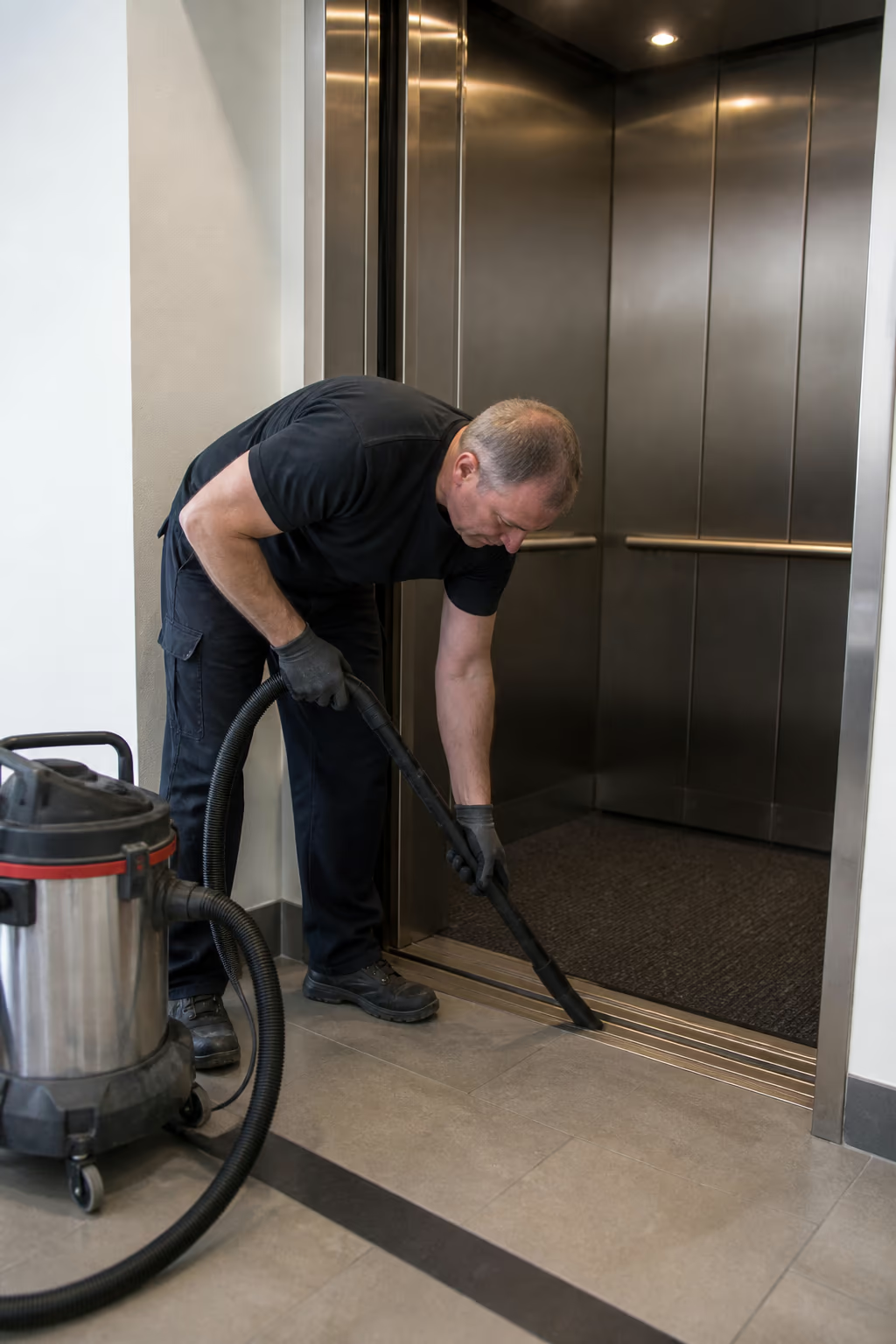
When grit accumulates in the tracks, it can block the door from closing properly or confuse the sensor that tells the door to reverse. The result is a jammed or slow elevator, and a service call that could have been prevented with a vacuum. The fix is simple and should happen daily in winter: use a crevice attachment on a commercial vacuum to pull the grit out of the tracks, and follow up with a damp microfibre wipe to lift any residue.
Property managers should check the tracks during their own walkthroughs as well. A quick look at the door grooves tells you whether the nightly cleaning is actually covering them, and it catches buildup early, before it turns into a service call.
Elevator Carpets and Flooring
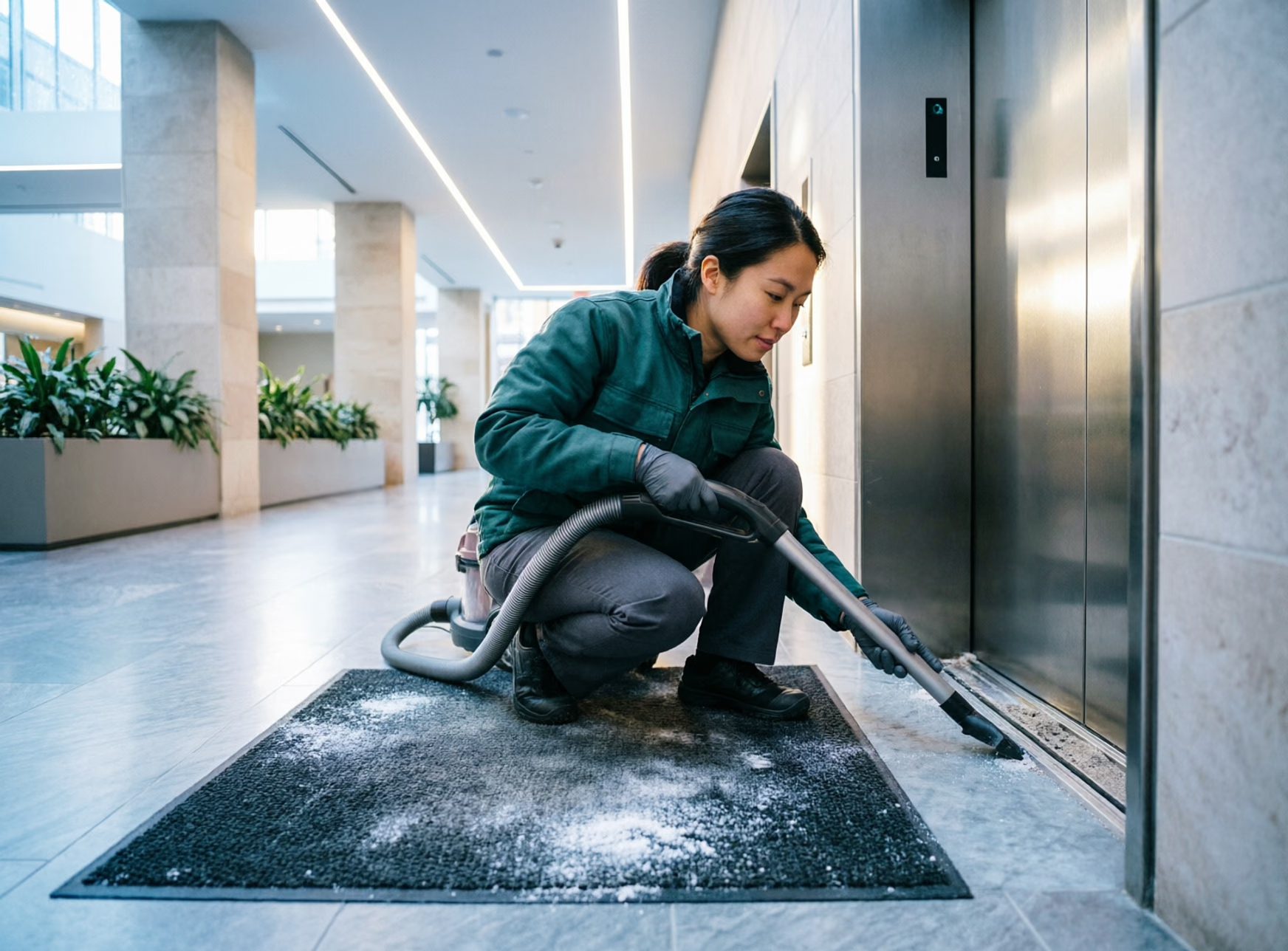
The elevator floor works harder than it looks. In the winter it collects salt slurry and melted snow; in the summer it collects dust and tracked-in grime. A rubber or carpet mat at the cab floor traps much of that, but only if it is cleaned regularly.
Vacuum the floor and mat daily to remove loose grit before it gets ground into the surface. In winter, check the mat and floor for salt residue and wet-extract any buildup so the salt does not etch the finish or leave white rings. A clean, dry elevator floor is also a safety matter, because moisture on the floor combined with polished shoes is a slipping hazard.
Choosing the right cab flooring also reduces work. A textured rubber mat hides light soil and grips better in wet weather, while a light-coloured carpet shows every scuff. Property managers who match the mat to the building's traffic often find the nightly routine gets easier.
Building an Elevator Maintenance Routine
Elevator care works best as a schedule rather than a reaction. A simple rotation keeps every surface covered without over-cleaning:
Consistency is what separates a well-maintained elevator from one that gets cleaned only when someone complains. A professional janitorial crew follows this kind of schedule automatically. A written schedule also makes it easy to hand off the work between crews and to verify that it was done, and when a building has several elevators the same rotation applies to each cab, so no single elevator becomes the one everyone quietly avoids. The same discipline applies to the washrooms near the elevator lobby, where our bathroom deep cleaning checklist keeps fixtures consistent between visits.
Formatted Step-by-Step Elevator Cab Maintenance Standard
Follow this standard for daily elevator sanitation:
- Step 1.Disinfect Call Buttons and Control Panels with a Non-Corrosive Microbicide:Apply the product to a microfibre cloth first, then wipe the panel so moisture never seeps behind the buttons.
- Step 2.Polish Stainless Steel Walls Along the Grain Lines:Use a citrus-based stainless steel polish on a non-abrasive cloth, wiping in the direction of the metal grain to avoid streaks.
- Step 3.Vacuum Threshold Door Tracks Daily to Remove De-Icing Salt and Grit:Use a narrow crevice attachment to pull winter road salt and debris out of the door grooves before it causes a jam.
- Step 4.Clean Mirrors and Glass Panels with an Anti-Streak Cloth:Use a lint-free or waffle-weave cloth with glass cleaner applied to the cloth for a clear, streak-free finish.
- Step 5.Deep-Extract Subfloor Carpets to Remove Winter Moisture and Salt Slurry:Vacuum and extract cab floors and mats regularly so salt residue does not etch the surface or leave white rings.
- Step 6.Contracting professional commercial janitorial services in Ottawa through Good Cleaner Co. ensures proper elevator maintenance and a consistent schedule.
Elevator Care for Ottawa Commercial Buildings
Elevator maintenance matters across Ottawa's commercial districts, from the office towers downtown to the corporate campuses in Kanata and the business parks in Nepean and Orleans. Winter is the toughest season everywhere, because salt and grit travel from every lobby into every cab. A janitorial crew that checks elevator tracks and touchpoints daily protects both the building's image and its equipment, whichever part of the city it serves. Buildings with residential floors above a commercial lobby can extend the same daily standard upstairs through our house cleaning services in Ottawa.
Start With a Site Walkthrough
Before changing a routine for an elevator, walk the space at the time it is actually used. Note the cab finish, door tracks, buttons, thresholds, and traffic pattern. A plan based on a quiet room at noon can fail during a busy morning, after a delivery, or at the end of a shift.
- Identify the surfaces and high-traffic points before selecting a product or tool.
- Set the order of work so clean areas are not re-soiled by a later task.
- Confirm where supplies, waste, and damp cloths can be stored safely between visits.
Choose a few visible priorities instead of applying the same process everywhere. A stainless-steel panel, mirror, rubber floor, or stone threshold may need different tools, timing, and drying time. The useful standard is a clean, orderly space that remains practical for the people who work there. Painted corridor walls near the elevator lobby need a gentler approach too, and our guide on cleaning walls without damaging paint covers that method in detail.
Write down the agreed tasks, frequency, access limits, and who can answer questions. That short record prevents a well-intended cleaning change from becoming an assumption about service, products, or responsibility.
Use Less Waste by Making the Routine More Precise
The practical way to avoid scratches, residue, and water where it does not belong is to measure and prepare rather than use more product than the job needs. Follow the directions on a labelled product, use clean water and cloths, and change a tool when it is no longer doing useful work.
- Use a small, clearly labelled set of supplies instead of a collection of mystery bottles.
- Separate routine cleaning from any product used for a label-directed disinfection task.
- Replace worn pads, cloths, and brushes before they start spreading residue or scratching finishes.
Avoid turning an environmental choice into a blanket promise. A product still has to suit the surface, and a reusable tool still has to be washed and dried properly. Good housekeeping is specific: use the mildest compatible method, then stop when the task is complete.
For an Ottawa property, track the mess that actually arrives at the door or accumulates in the room. Salt, rain, slush, pollen, food crumbs, and ordinary paper clutter each call for a different response; no single bottle solves all of them.
Review the Result With the People Who Use the Space
After a few visits, record conditions that need a building or elevator contractor. Ask whether the order of work makes sense, whether a surface is being missed, and whether the timing interrupts anyone. Specific observations are more useful than a vague request to make the place greener or cleaner.
- Check the result in normal lighting and at the time of day the area is busiest.
- Escalate damaged finishes, persistent moisture, and equipment faults instead of repeatedly cleaning around them.
- Keep the revised task list short enough that a new staff member can understand it without guessing.
Keep the review factual. A photograph of a recurring mark, a note about a wet-floor bottleneck, or a count of overflowing bins gives the next decision a practical basis. It also helps distinguish a cleaning issue from a maintenance problem such as a leak, damaged seal, or failing fixture.
If the scope needs to change, update it before the next visit. Clear expectations protect the space, the people doing the work, and the people relying on the result. That is more credible than a broad claim about perfection, safety, or environmental performance.
FAQ
Why should liquid cleaning sprays never be sprayed directly onto elevator button panels?
Spraying liquid directly onto a control panel allows moisture to seep behind the buttons, where it can short-circuit sensitive electronics and cause expensive circuit board damage. The safe method is to apply the product to a cloth first and then wipe the panel.
How often should elevator door threshold tracks be vacuumed in Ottawa commercial buildings?
During the winter, tracks should be vacuumed daily to remove calcium chloride grit and salt that can cause the doors to jam or confuse the closing sensors. A lighter weekly vacuum is usually enough in the warmer months.
What is the best product for cleaning brushed stainless steel elevator walls?
A pH-neutral, citrus-based stainless steel polish applied with a non-abrasive microfibre cloth works best. Wipe strictly along the direction of the metal grain to avoid streaks and fine scratches.
How often should elevator cabs be disinfected?
In a busy commercial building, the cab should be disinfected daily, with extra attention to call buttons, control panels, and handrails. During cold and flu season, increasing the frequency is a sensible precaution.
Can elevator cleaning prevent mechanical problems?
Yes, to a meaningful degree. Keeping salt and grit out of the door tracks prevents jams and sensor faults, and regular care keeps finishes from degrading. Cleaning is maintenance, not just appearances.
How do I clean elevator mirrors without leaving streaks?
Apply the glass cleaner to a lint-free or waffle-weave cloth rather than spraying the mirror, then wipe in overlapping strokes. A dry microfibre buff after cleaning removes any remaining haze.
Does Good Cleaner Co. provide elevator cleaning as part of janitorial service?
Yes. Elevator care is part of our commercial janitorial program, covering touchpoint disinfection, stainless steel care, floor and mat cleaning, and daily door track vacuuming.
What should a property manager check during an elevator walkthrough?
Check the call buttons and handrails for residue, look at the stainless steel for streaks, inspect the floor mats for salt buildup, and ask whether the door tracks are being vacuumed daily in winter.
Are the cleaning products used in elevators safe for occupants?
Yes. We use non-toxic, low-VOC products, and disinfectants are applied to cloths rather than sprayed, so there is no lingering chemical haze in the enclosed cab.
How do I get a commercial janitorial quote that includes elevator care for my Ottawa building?
Contact Good Cleaner Co. with your building size, elevator count, and service frequency, and we will include elevator maintenance in a proposal tailored to your property.
Wrapping Up
A clean, well-maintained elevator protects occupant health, protects your equipment, and shapes how visitors judge your building. Contact Good Cleaner Co. today to book janitorial cleaning teams in Ottawa for your property.
Keep reading
More from Good Cleaner
About the author
Service areas
- Ottawa
- Kanata
- Nepean
- Orleans
- Barrhaven