
Common Area Cleaning in Multi-Tenant Buildings: 10 Best Hygiene Practices
Whether it is a residential condominium in Barrhaven, an office tower in downtown Ottawa, or a mixed-use building in Kanata, the same principle applies: common areas are only as clean as the last cleaning pass. High-touch surfaces like elevator buttons, door handles, and mailroom counters need frequent attention, while floors and waste stations need a dependable daily routine. This guide breaks down the practices that keep shared spaces looking and feeling cared for, and explains when professional commercial janitorial services in Ottawa are the practical answer.
Quick Summary
In a multi-tenant building, the lobby, elevators, and corridors are shared by everyone, which means they are also shared by every germ that comes through the front door. This guide covers the hygiene practices that keep common areas genuinely clean, where the risks concentrate, and how to build a cleaning schedule that protects tenants and the property alike.
In this guide
Why Common Areas Deserve Their Own Cleaning Plan
A private suite or office can go a few days between cleans without anyone really noticing. Common areas cannot. Every resident, tenant, and visitor passes through them, and each person leaves behind soil, dust, and germs on the surfaces they touch.
Shared floors also carry the clearest legal standard in the building. Ontario's industrial establishments regulation requires a floor or other surface used by any worker to be kept free of obstructions, hazards and accumulations of refuse, snow or ice, and that duty covers the corridors and lobbies staff cross on every shift. The same regulation covers lighting: “Where natural lighting is inadequate to ensure the safety of any worker, artificial lighting shall be provided and shadows and glare shall be reduced to a minimum.”
That constant traffic changes the cleaning math. The lobby that looks fine in the morning will show scuffs, smudges, and tracked-in dirt by the afternoon. Without a plan that matches the traffic, common areas slowly decline even while individual units stay clean.
A written cleaning plan also protects the property. Consistent care keeps floors, walls, and fixtures in good condition longer, which matters for property values and for keeping tenants happy. For condo boards weighing their options, our building and condo cleaning services page outlines what a managed program typically covers.
Building a Cleaning Schedule That Matches the Traffic
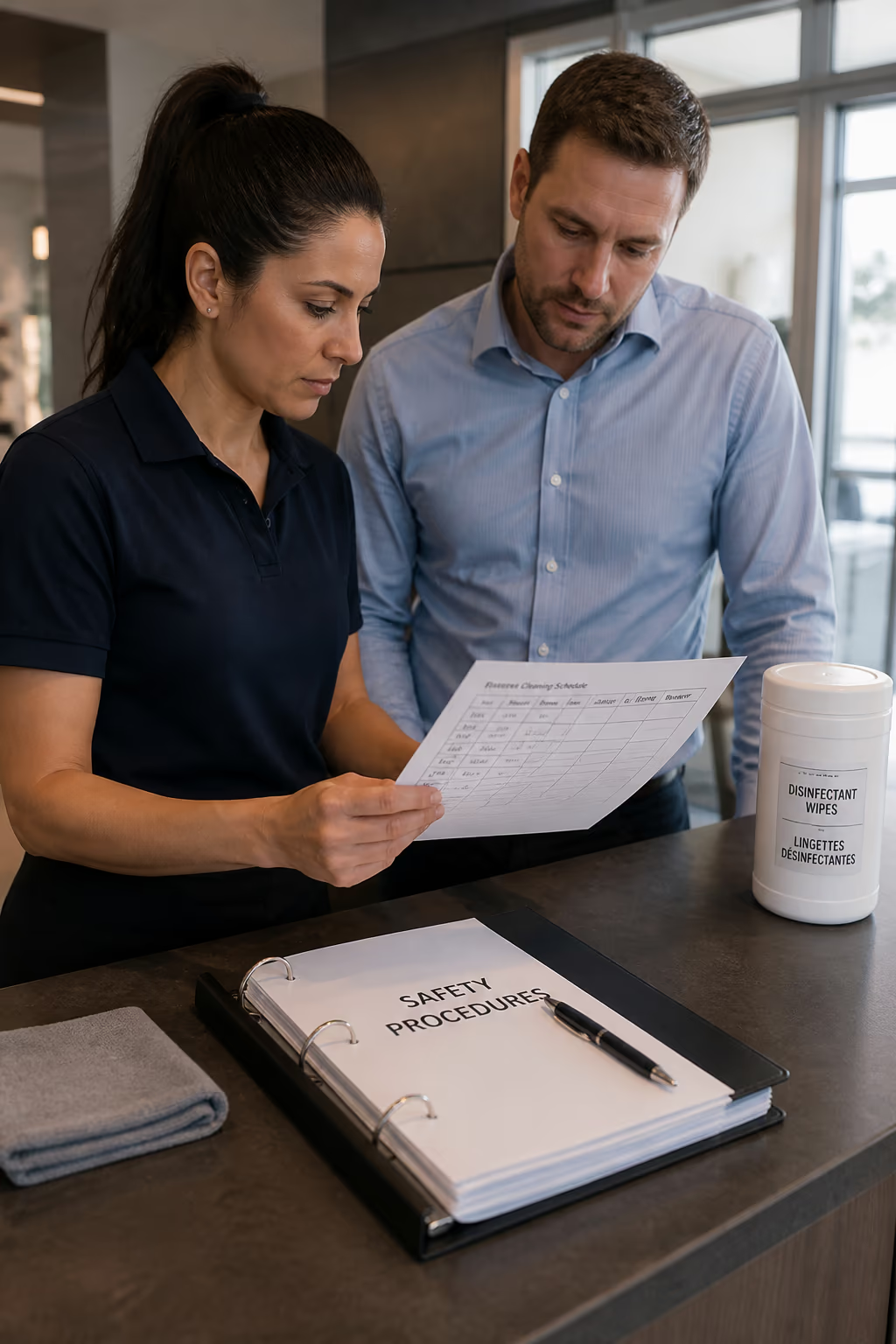
The right schedule depends on how busy the building is, but the fundamentals are the same. High-touch surfaces get cleaned more than once a day, floors get a full pass overnight, and deeper tasks like mat extraction and lobby scrubbing happen on a weekly or monthly rhythm.
A good schedule is also visible. Tenants feel the difference when cleaning happens reliably, and a consistent routine makes it easier to spot problems early, before they become complaints or costly repairs.
For buildings with a property manager, a professional janitorial provider takes the guesswork out of the calendar and brings staff trained to handle shared spaces properly.
When a Professional Janitorial Team Is Worth It
Some building tasks are hard to keep up with using in-house staff alone. Elevator sanitization through the day, lobby and corridor cleaning at night, and periodic deep tasks like mat extraction all add up quickly.
A professional team brings the right equipment, trained staff, and a dependable schedule, which is especially valuable for property managers juggling multiple buildings. It also gives tenants a consistent standard they can rely on.
Seasonal changes matter too. In the winter, entrance matting needs more frequent attention because of salt and snow. In the summer, waste rooms and recycling areas need closer care because heat speeds up odours. A good schedule flexes with the calendar rather than staying identical all year.
The Nightly and Weekly Rhythm of Common Area Cleaning
Multi-tenant cleaning works best when it is split into two layers: the tasks that happen every night and the deeper tasks that happen weekly or monthly.
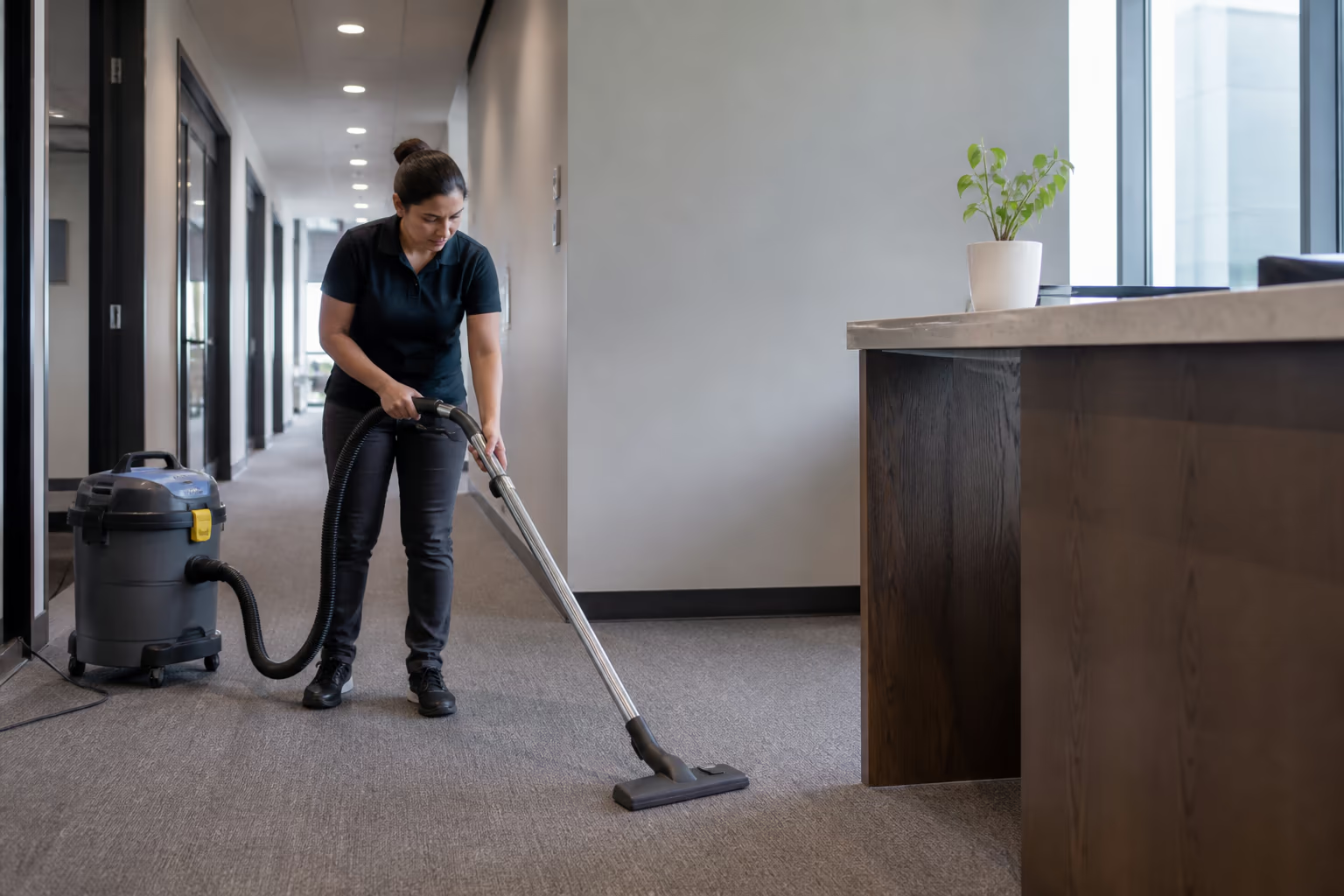
The nightly layer is about resetting the building. Corridors get a full floor pass, lobbies get vacuumed or mopped, waste bins get emptied, and the high-touch surfaces that saw traffic all day get a wipe-down. When the building opens in the morning, it looks and smells reset.
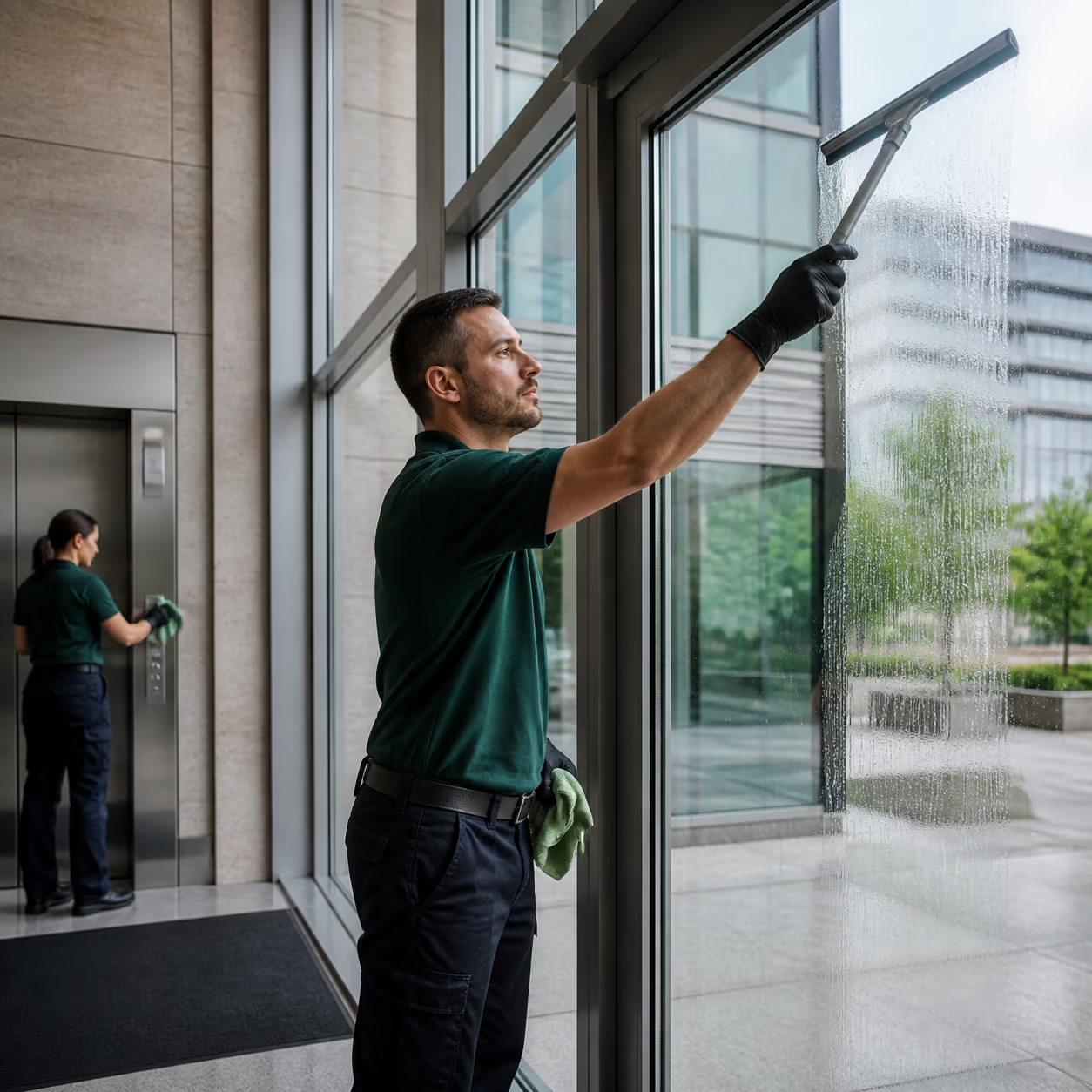
The weekly and monthly layer handles what a nightly pass cannot. Entrance mats get wet-extracted to dissolve salt build-up, glass and mirrors get a streak-free detail, baseboards and vents get dusted, and elevator cabs get a deeper clean. These tasks keep the building from slowly degrading under daily use.
A clear written schedule, shared with the whole team, makes sure nothing falls through the cracks. Property managers who can see what happens on which day find it far easier to spot gaps and fix them before tenants do.
Working With a Janitorial Provider: What to Expect
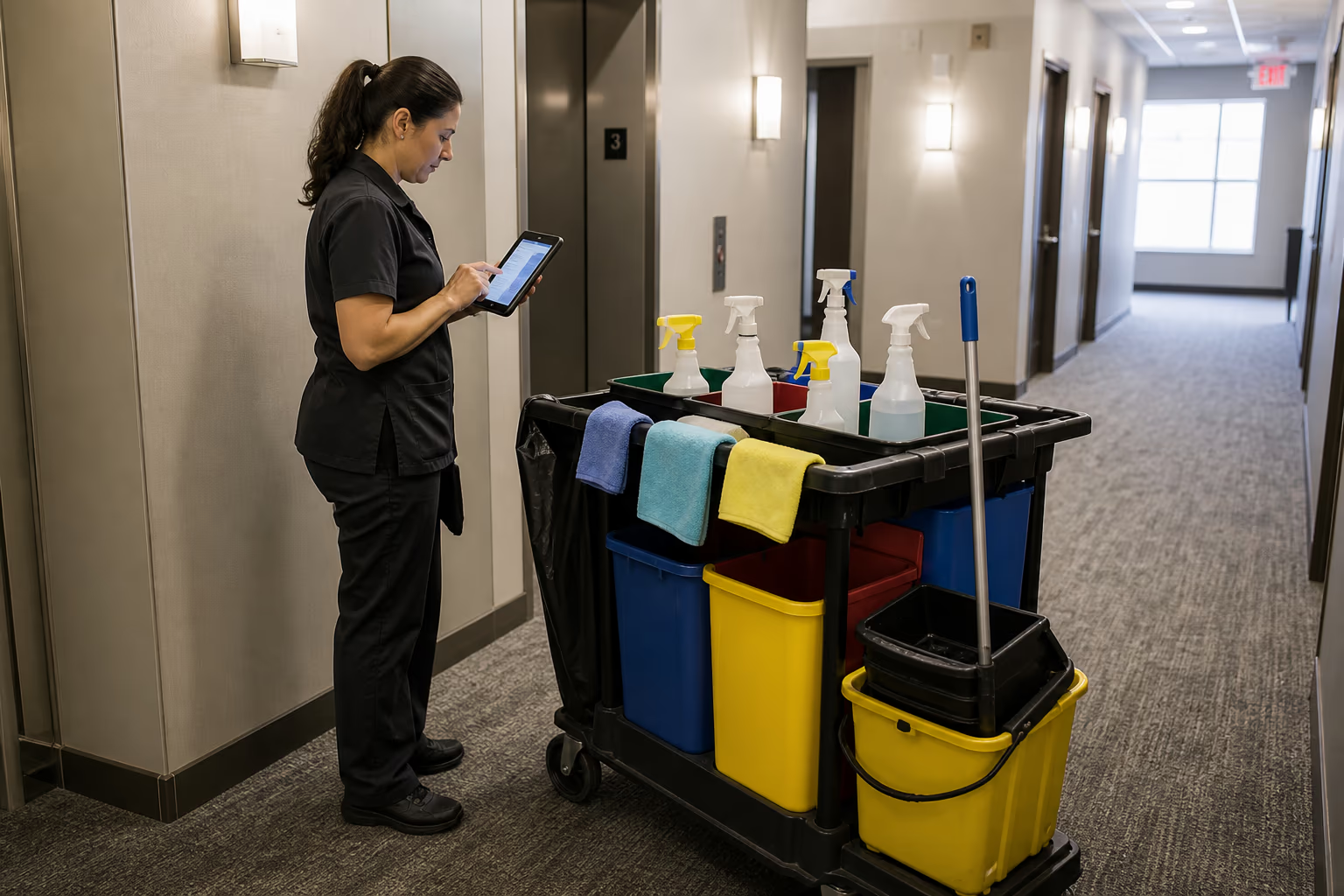
When a property manager brings in a janitorial provider, the relationship works best when expectations are clear from the start. The scope of work should list every common area, the frequency of each task, and the products and equipment the crew will use.
Good providers also communicate. A weekly report of completed tasks, a quick note when supplies run low, and a point of contact who answers questions all make the service feel reliable rather than invisible.
A professional provider should also be flexible enough to match the building's rhythm, whether that means extra elevator wipe-downs during flu season, additional mat service during a heavy snow week, or a deeper lobby clean before a tenant event. That responsiveness is what separates a good cleaning contract from a merely routine one.
Formatted Step-by-Step Multi-Tenant Common Area Checklist
Run through this checklist to keep shared spaces clean and hygienic week after week:
- Step 1.Clean and Sanitize High-Touch Surfaces Through the Day:Elevator buttons, door handles, and keypads should be wiped down at least a couple of times a day, more when traffic is heavy.
- Step 2.Service Entrance Matting Daily:Vacuum mats every day and wet-extract them regularly to keep salt and grime from spreading onto lobby floors.
- Step 3.Clean Mailroom Counters and Package Lockers:Wipe shared counters and keypads daily, and keep the area free of cardboard clutter.
- Step 4.Do a Full Floor Pass on Corridors and Lobby Overnight:Damp-mop hard floors and vacuum carpeted areas while traffic is low, so the space is fresh by morning.
- Step 5.Empty Waste and Recycling Receptacles Nightly:Full bins create odours and attract pests. Consistent emptying keeps common areas presentable.
- Step 6.Contracting professional commercial janitorial services in Ottawa through Good Cleaner Co. gives your building a complete common area program, scheduled and maintained for you.
Serving Ottawa's Multi-Tenant Buildings
Good Cleaner Co. looks after shared spaces across Ottawa, from condominiums in Orleans and Barrhaven to office buildings in downtown Ottawa, Kanata, and Nepean. Whatever the building type, the hygiene standards stay consistent, so tenants get the same care whether they are in the east end or the west end.
Practical Next Steps for Common area cleaning multi tenant buildings
Turn this guide into a short task list for the actual rooms, materials, and people involved. Name the visible result you need, the surface limits to respect, and the access or timing that changes the order of work. That gives the next person clear decisions instead of a broad catalogue of services.
Keep the list with the supplies or site notes, then revise it when the space or its use changes.
When the Routine Needs to Change
Review common area cleaning multi tenant buildings when use, materials, or conditions change instead of following a generic seasonal script. A spill, event, occupancy change, construction dust, new equipment, or recurring mark may need a specific adjustment. Inspect the affected area, record what changed, and update the task rather than adding unrelated products or extra steps.
Canadian weather can change the moisture or grit arriving at an entrance, but the right response still depends on the flooring, access, and actual condition. Check mats, floors, storage, and drying areas regularly. Treat a recurring issue as a maintenance question, not as dirt that must be scrubbed harder.
Check Results and Escalate the Right Problems
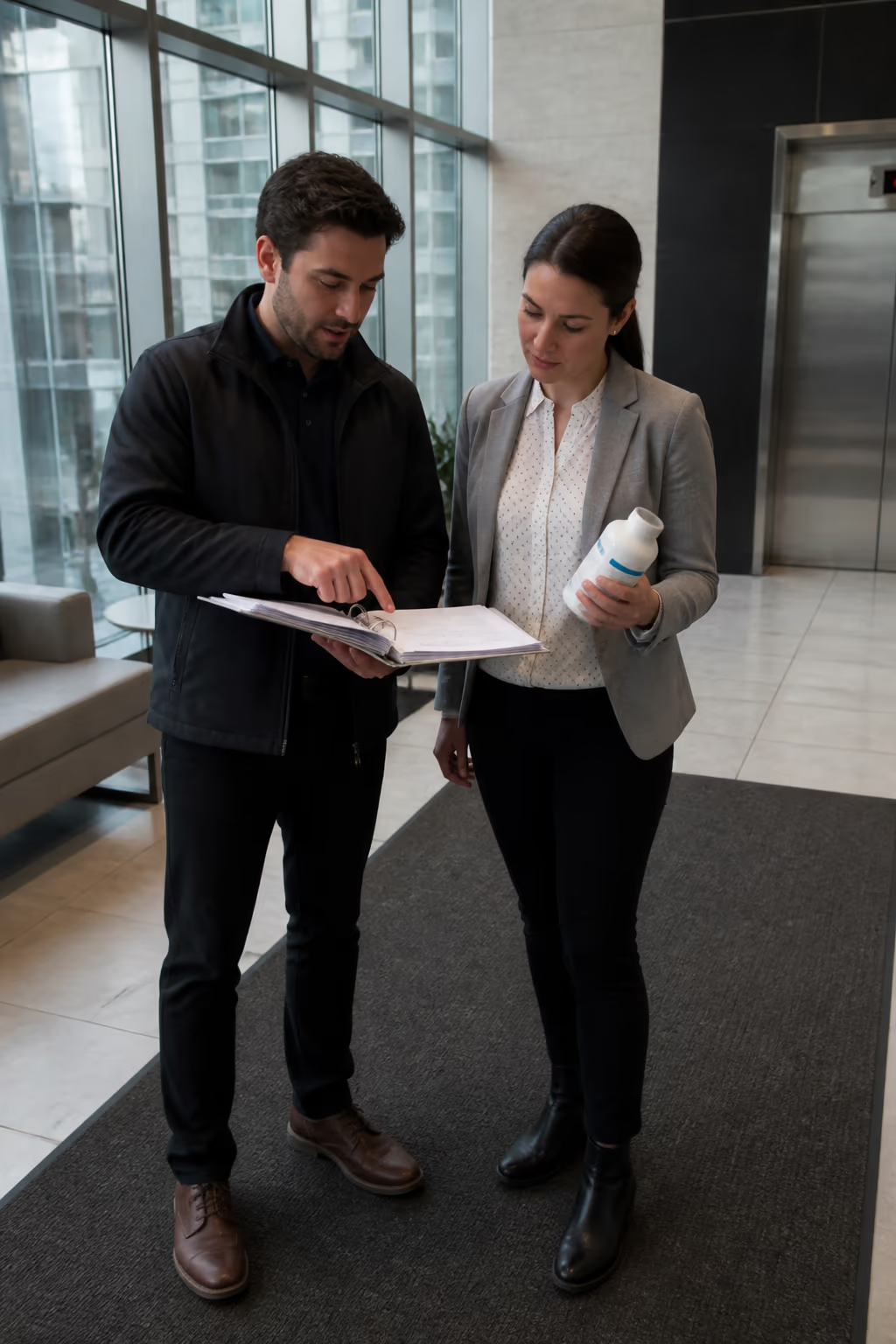
A useful review asks whether the agreed task is complete, whether the surface was treated appropriately, and whether anything needs follow-up. Walk the area in normal light, compare it with the written scope, and note what remains. It is better to record a limitation honestly than to promise a perfect result.
Pause when a request involves product-specific, safety, plumbing, electrical, damage, infection-control, or health concerns. Use the responsible organisation's instructions or a qualified specialist where appropriate. Cleaning advice cannot replace a repair assessment, product label, workplace policy, or professional health guidance.
Partnering with Good Cleaner Co. for Multi-Tenant Building Care
Good Cleaner Co. combines years of regional experience, background-checked technicians, EcoLogo green chemistry, and commercial HEPA technology to deliver consistent results across Ottawa.
Our account managers work directly with home and business owners to build schedules that fit your budget and timeline. Contact Good Cleaner Co. today to request a commercial facility audit.
A Practical Note on Common area cleaning multi tenant buildings
The strongest routine is one people can understand, carry out, and review without adding unnecessary products or hidden assumptions. Keep a dated note of what changed, what was observed, and which surface or room needs attention next. That record helps a household, site manager, or service provider decide whether to adjust the task, arrange maintenance, or simply keep the current routine. It also stops a one-off problem from becoming a vague instruction that is passed from person to person.
FAQ
How often should elevators be cleaned in a multi-tenant building?
Elevator buttons and handrails should be wiped down at least two to four times a day in most buildings, and more during flu season. A full floor pass inside the cab is usually done overnight.
What is the best way to maintain entrance matting during an Ottawa winter?
Vacuum the mats daily to lift salt and grit, and wet-extract them every couple of weeks to dissolve the salt slurry that builds up. Clean matting protects the lobby floor behind it.
Who is responsible for cleaning common areas in a commercial office tower?
Usually the property management company contracts a janitorial provider to look after shared concourses, washrooms, lobbies, and corridors, while individual tenants look after their own suites.
How do I stop odours in the waste and recycling room?
Empty the bins on a schedule, clean the room itself regularly, and make sure the bins are lined. Odour-control products help, but consistent emptying is the main fix.
What surfaces in a lobby get touched the most?
Door handles, elevator buttons, reception desks, and the front counter are the main ones. These benefit from the most frequent wiping during the day.
Is it better to clean common areas at night?
For floors and any task that takes time, yes. Night cleaning means lower traffic, fewer interruptions, and a fresh building in the morning. Touchpoint sanitization still needs to happen during the day.
Can the same cleaning products be used everywhere in a shared building?
Not always. Floors need pH-neutral care, glass needs streak-free products, and high-touch surfaces need a registered disinfectant. Matching the product to the surface protects finishes and gets better results. Our piece debunking common cleaning misconceptions covers a few more assumptions like this one.
How often should corridor floors be deep-cleaned?
Most buildings do a daily damp-mop or vacuum pass, with a deeper scrub or extraction every few months. High-traffic areas may need the deeper pass more often.
Do tenants really notice the cleaning schedule?
They notice when it slips. A consistent routine keeps the building presentable, reduces complaints, and makes the property feel well managed.
How do I get a common area cleaning program for my building?
Contact Good Cleaner Co. with your building's square footage and traffic level, and we will design a schedule that covers your lobbies, elevators, corridors, and waste rooms.
Wrapping Up
Maintaining clean common areas in a multi-tenant building protects the property and the people in it. Contact Good Cleaner Co. today to book janitorial cleaning teams in Ottawa and keep your shared spaces in top condition.
Keep reading
More from Good Cleaner
About the author
Service areas
- Ottawa
- Kanata
- Nepean
- Orleans
- Barrhaven