
High-Rise Building Cleaning: Challenges And Solutions For Multi-Floor Properties
Cleaning a high-rise building is a different world from a single-storey home. Every task multiplies across floors, stairwells, elevators and lobbies, and a small mistake on the twentieth floor becomes a bigger problem by the time it reaches the ground. This guide covers the main challenges of high-rise building cleaning and the practical solutions professional teams use to keep tall properties clean, safe and presentable.
Quick Summary
Cleaning a high-rise building differs from a single-storey home because every task multiplies across floors, stairwells, elevators and lobbies, so a small mistake on an upper floor can become a bigger problem lower down. This guide covers the main challenges of multi-floor cleaning and the practical solutions professional teams use.
In this guide
Why High-Rise Building Cleaning Is Different
A high-rise property brings together dozens of separate spaces that each need their own cleaning rhythm: private suites, corridors, lobbies, stairwells, elevators, amenity rooms, parking garages and exterior glass. Multiply that by twenty or thirty storeys and you have a scale that a single cleaner with a bucket cannot manage on their own.
The biggest difference is logistics. Equipment, supplies and staff have to move vertically through the building, water has to be managed on every floor and waste has to travel back down. What should I know about high rise building cleaning challenges? really comes down to how a team plans that movement before the first wipe happens.
For residents and property managers, the visible result is what matters: common areas that look fresh, windows that let in light and hallways that never smell stale. For the cleaning team, that result depends on scheduling, equipment and safety systems working together across the whole building.
Good Cleaner Co. approaches tall buildings with a documented plan rather than an improvised routine. Each property gets a scope of work, a schedule and a named contact, so expectations are set before the first visit and quality stays consistent from floor to floor.
The Main Challenges of Multi-Floor Cleaning
Every tall building has its own pressures, but a few challenges show up in almost every high-rise cleaning program:
- Vertical logistics:moving staff, water and supplies between floors without blocking elevators during peak hours
- Common area traffic:lobbies, corridors and amenity rooms that are used constantly and show wear quickly
- Window and glass access:exterior panes that need specialist equipment and trained access crews
- Hard-to-reach surfaces:high ceilings, light wells, atriums and upper shelving that ordinary cleaning misses
- Coordination with residents:schedules that have to respect quiet hours, deliveries and building rules
- Waste handling:managing bins, recycling and bulky items across many floors with a single chute or lift
None of these are impossible, but each one changes how a cleaning plan is built. A professional team maps the building before it quotes, so the schedule matches the real traffic and the real access points rather than a generic checklist.
Budget is part of the challenge too. High-rise programs tend to cost more per visit than single-storey work because of the time spent moving staff and equipment vertically, so a good provider helps you set a frequency that protects the building without overpaying.
Window Cleaning and Exterior Access
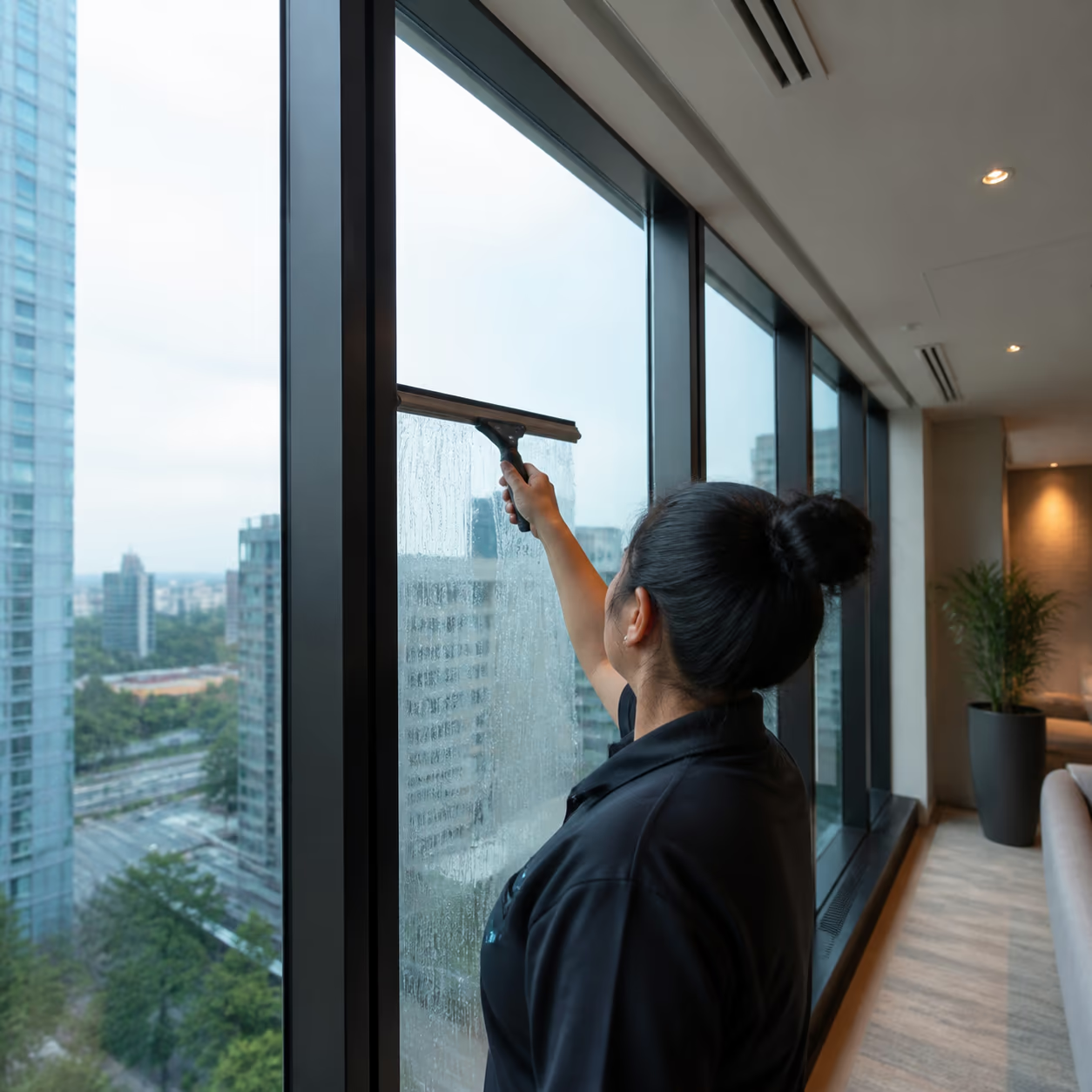
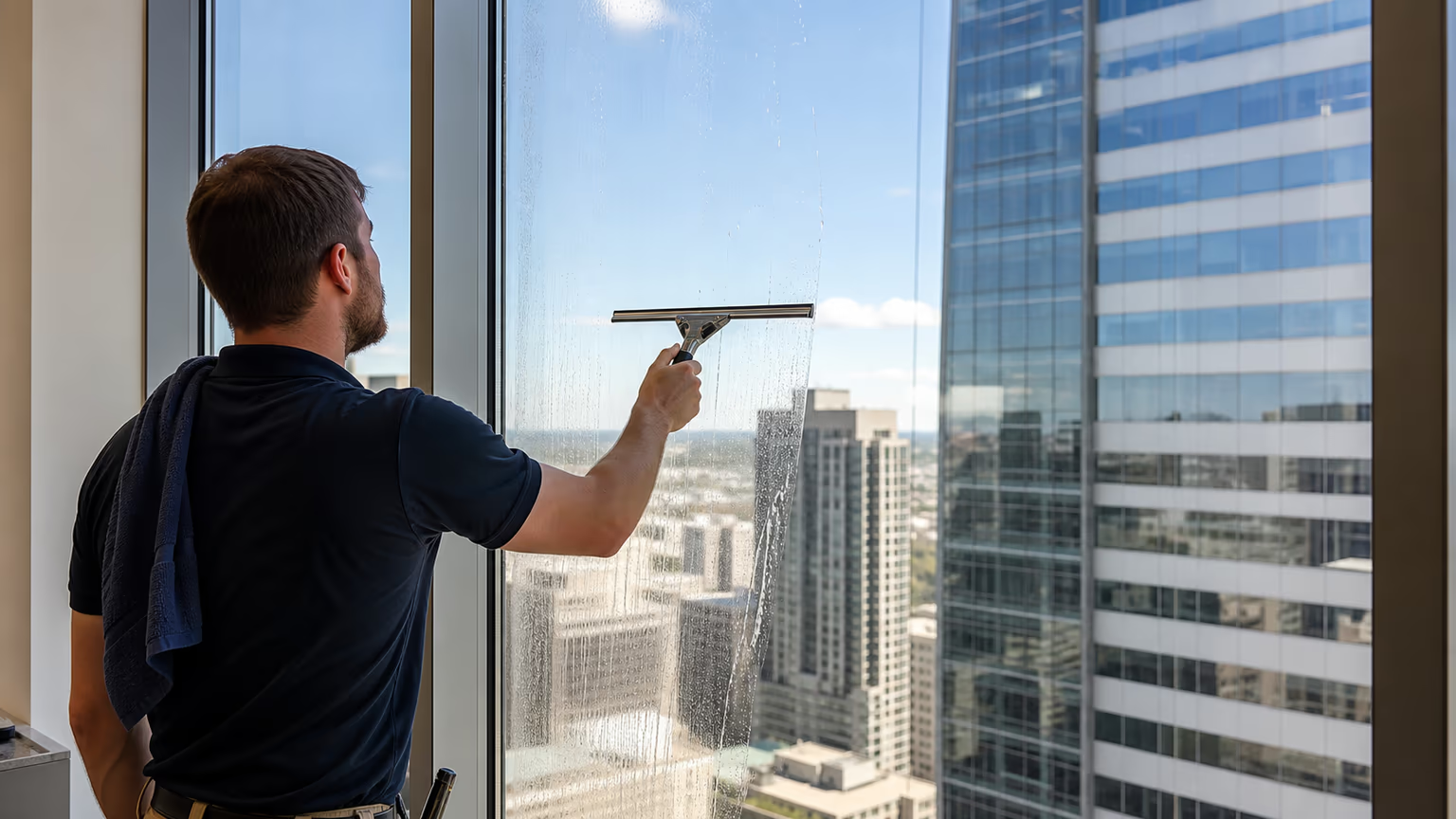
Windows are usually the most visible cleaning task in a high-rise, and also the most specialised. Ground-floor glass can often be handled with extension poles, but anything above the first couple of storeys needs a trained crew working from access equipment with the right certification.
Interior windows are easier, but still need planning. Cleaning crews work around tenants, pull blinds where needed and use squeegee systems that leave a clean result without dripping onto sills below. Timing matters too: exterior window work is weather-dependent, and a good provider schedules it around rain, wind and the seasons.
Safety is non-negotiable here. Access work follows Canadian workplace safety rules, and teams use certified harnesses, anchor points and trained operators. When you compare providers, ask how window access is handled and whether the crew is certified for the height involved.
Exterior window work is usually scheduled once or twice a year depending on the building and the weather. A good provider tracks when each facade was last serviced, so glass is cleaned before it looks tired rather than after tenants start to notice.
A good window program also protects the surfaces below it. Cleaning crews cover sills, carpets and fixtures before they start, and they report cracked glass or failing seals to the property manager so small issues do not become building-wide repairs.
Common Areas, Lobbies and Amenity Spaces
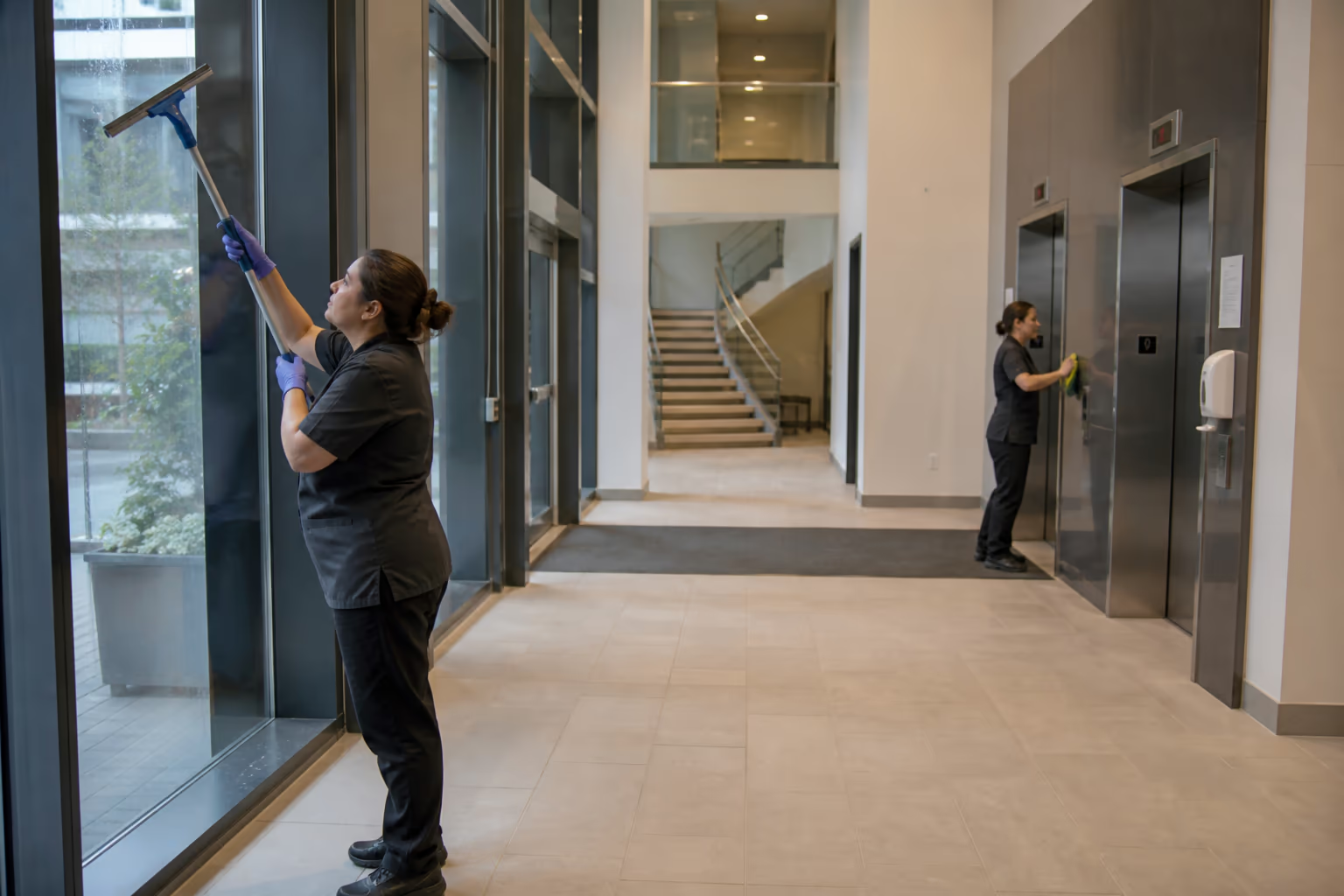
The lobby is the first thing everyone sees, and it takes a surprising amount of punishment. Lobby floors, concierge desks, elevators and entrance doors are touched constantly, so they need daily attention while deeper tasks happen on a slower cycle.
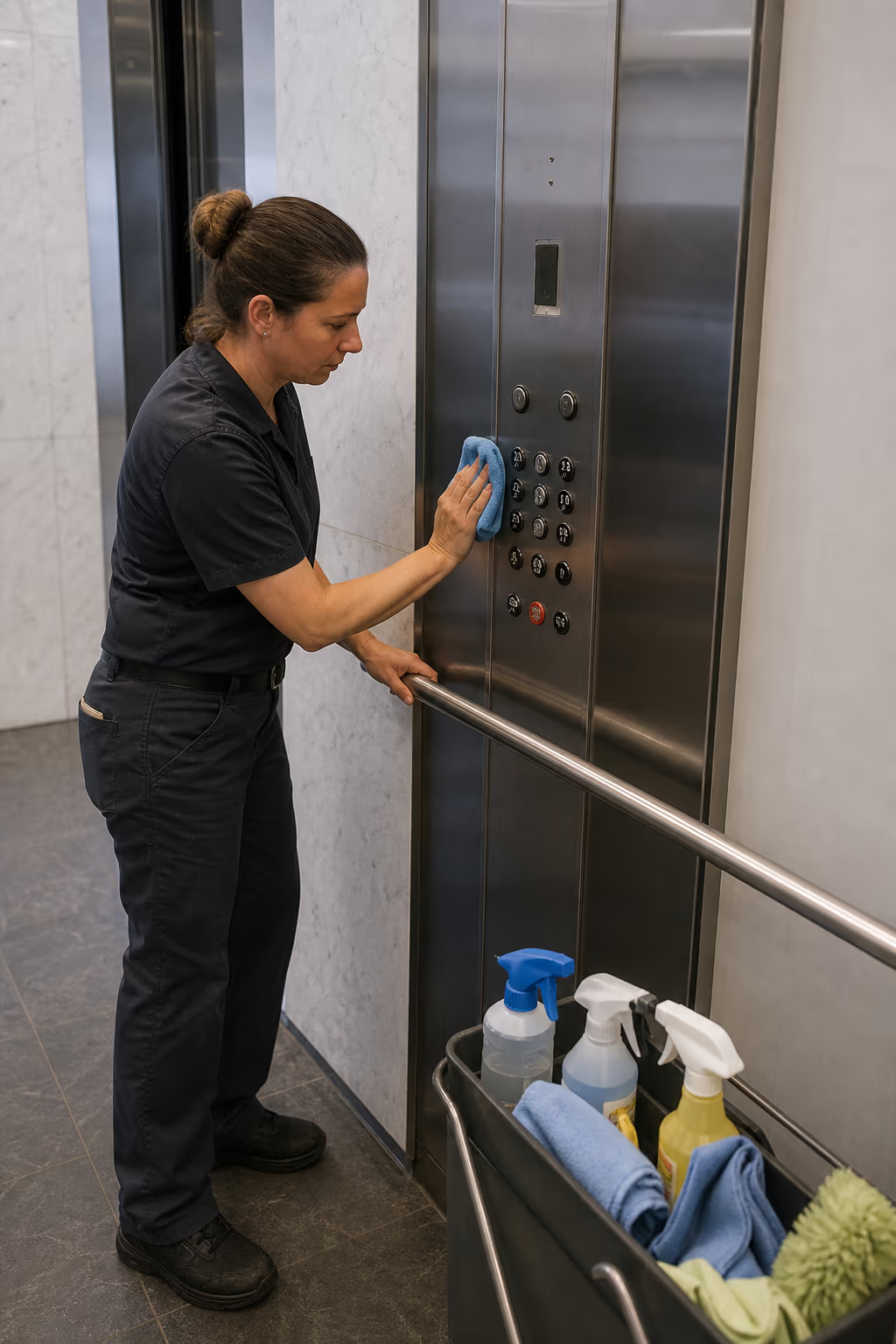
- Daily:vacuuming and spot-cleaning entry floors, wiping elevator panels, polishing entrance glass, clearing entry mats
- Weekly:damp-mopping hard floors, cleaning lobby furniture and surfaces, wiping stairwell railings
- Monthly:deep carpet extraction, wall spot cleaning, detailing fixtures and vents
Common areas carry a statutory floor standard as well. Ontario's industrial establishments regulation applies to office buildings and requires a floor used by any worker to be kept free of obstructions, hazards and accumulations of refuse, snow or ice. In a tower, the lobby and the corridors are where that requirement is tested every single day. The same regulation covers lighting: “Where natural lighting is inadequate to ensure the safety of any worker, artificial lighting shall be provided and shadows and glare shall be reduced to a minimum.”
Amenity rooms add another layer. Gyms, party rooms, pools and rooftop terraces have their own surfaces, equipment and usage patterns. A professional program schedules these by how often they are used, not by a one-size-fits-all calendar.
A well-planned lobby schedule protects both appearance and flooring. Entry mats are changed and cleaned on a rotation, seasonal spills are handled promptly and the stone or tile near the doors gets extra attention through winter. The goal is a space that looks cared for every hour of the day, not just right after the crew leaves.
Shared amenity spaces also set the tone for a building. A clean gym, a tidy party room and a welcoming rooftop terrace tell residents and prospective buyers that the property is managed well, which is a real consideration for owners who care about the building's reputation.
Elevators, Stairs and Vertical Logistics
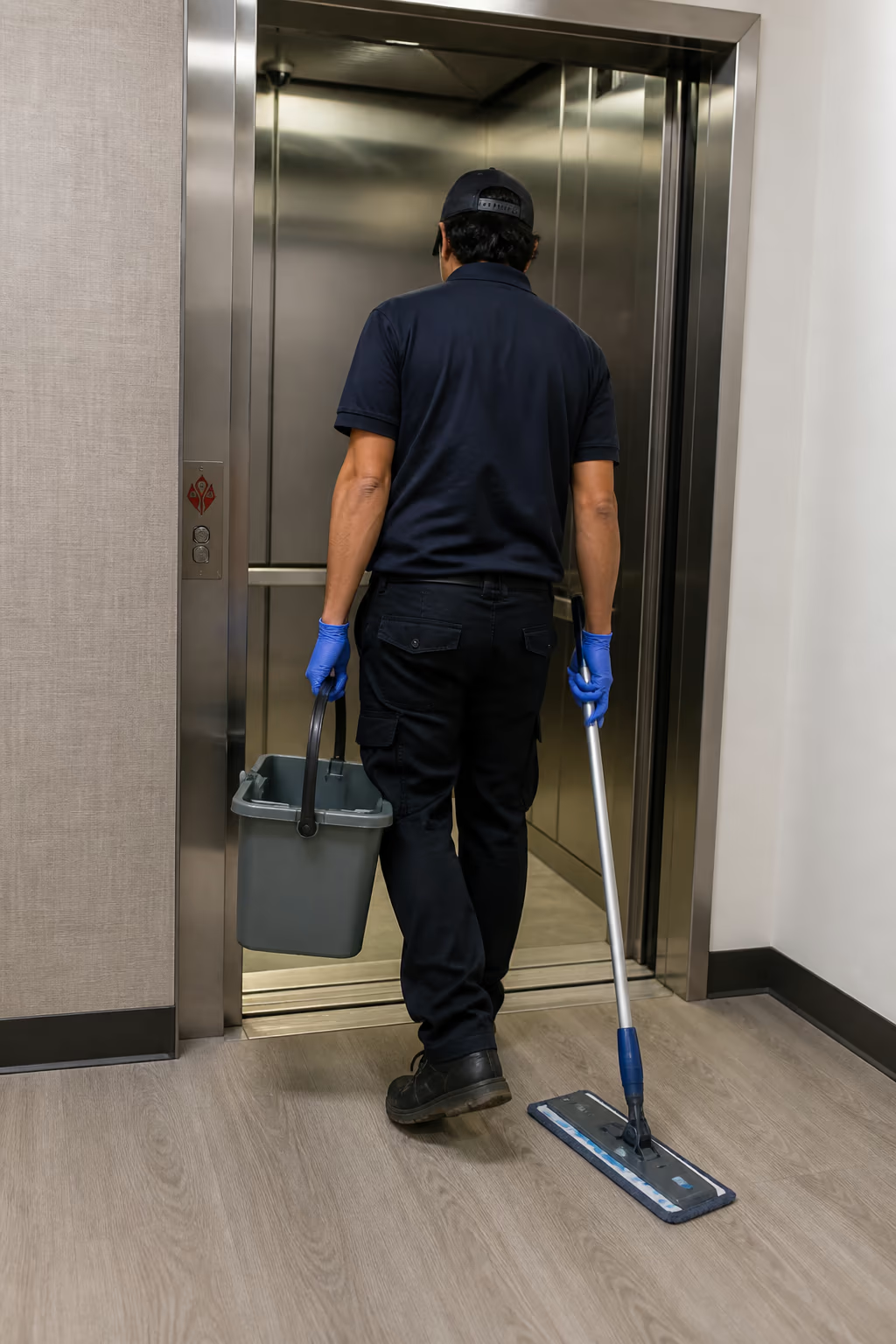
Getting people and equipment up and down is one of the quiet logistics of high-rise cleaning. Elevator cars need daily attention because everyone touches the buttons and panels, and they are cleaned at off-peak hours so service is not blocked during busy periods.
Stairwells are the hidden workhorse of a tall building. They are not glamorous, but they carry dust, litter and foot traffic between floors, and they need a consistent vacuum-and-dust routine that keeps up with use. Many teams work stairs from the top down, so loose dust settles onto already-cleaned lower levels.
Water management matters on every floor. Professional crews carry buckets and mops that are cleaned and changed between zones so dirt and cleaning solution do not move around the building. Microfibre systems that use less water are common in modern high-rise programs because they are lighter to carry and dry faster, and they fit the vertical commute.
Waste and bulky-item removal also follow the vertical plan. Bins are collected on a schedule, recycling is separated at the source and larger items are moved during service windows so they never pile up in corridors. A clear waste plan keeps hallways clear and odours under control across all floors.
Health, Safety and Compliance in Tall Buildings
Cleaning a building with hundreds of occupants means the products matter as much as the routine. Commercial cleaning products in Canada are covered by WHMIS 2015, which requires clear labels and Safety Data Sheets for every chemical a worker handles. A professional team reads those sheets, dilutes products to the label and stores concentrates away from occupied areas.
- Confirm staff are trained on WHMIS 2015 labels and Safety Data Sheets
- Use certified disinfectants and respect the contact time on the label
- Prefer low-fume, low-residue products for enclosed corridors and suites
- Store and label concentrates so they are never confused with water or spray bottles
- Keep a clear record of what product is used where, for audits and resident questions
Disinfectants used on hard surfaces carry a Health Canada Drug Identification Number, which is how you know their disinfection claims are verified. Certified products such as EcoLogo cleaners meet independent environmental standards, a real consideration in a building where water and product move through the system every single day. The same close-quarters hygiene discipline covered in our call centre cleaning high density workspace hygiene guidance applies just as directly to a high-rise lobby, where many people touch the same surfaces throughout the day.
None of this is bureaucracy for its own sake. It is the layer that keeps residents, staff and cleaning crews safe while dozens of storeys get serviced on a regular cycle.
A written product schedule also makes life easier for residents. When a building can show which certified products are used where, owners and tenants feel more confident about odours, residues and the safety of shared spaces, especially in buildings with children and pets.
Seasonal and Ontario-Specific High-Rise Demands
Ontario winters are the real test for a high-rise. Salt, grit and melt water get tracked into every lobby and elevator, and they are hard on floors, stone and carpet. Entry mats, daily vacuuming and prompt spill care are the first line of defence, and periodic damp extraction keeps salt damage from setting into flooring.
Summer brings humidity, which in a high-rise means attention to washrooms, kitchens, locker rooms and any corner without good air movement. Regular cleaning and prompt attention to moisture keep mould and mildew from taking hold in shared spaces.
Spring is the natural reset. Once the worst of the salt passes, carpet extraction, hard floor care and a top-to-bottom detail of the entryway help the building recover and start the warmer months clean. A responsive provider adjusts the program with the season rather than keeping one static routine all year.
Winter also brings slip and safety considerations. Wet entry floors become hazards in seconds, so prompt drying, absorbent mats and a quick response to tracked-in snow matter as much as appearance. A professional crew keeps walkways dry through the season, which protects residents, visitors and the building's safety record alike.
Planning a High-Rise Cleaning Program That Lasts
A high-rise cleaning program works best when it is written down and reviewed. The scope of work should name every zone, the frequency for each task and the standard you expect, so the whole team is working from the same plan rather than from memory. Many of the same office cleaning tips for best building maintenance apply here, since a written schedule and clear task ownership keep any multi-tenant property looking consistent.
- Agree on a written scope of work before the first visit
- Set frequencies by real use and traffic, not by a generic calendar
- Decide which tasks are daily, weekly and monthly
- Agree on how quality is checked and how issues are reported
- Review the program seasonally and whenever the building changes
Three things keep a program realistic: the frequency each zone really needs, the depth of cleaning required and the budget available. Those three rarely align perfectly, so an honest conversation between the property manager and the provider matters.
A program that is agreed in writing and reviewed regularly is far more reliable than one that depends on goodwill. That is the difference between a cleaning routine and a cleaning habit, and buildings that treat the job this way tend to stay cleaner for longer.
Choosing a Professional High-Rise Cleaning Provider
The right provider makes the difference between a clean building and one that only looks clean from the lobby. A good starting point is to ask how the company plans vertical work, what its staff are trained on and how it documents quality.
Look for providers that map the building before they quote and send background-checked staff who follow a documented process. Ask how elevator work is scheduled, how windows are handled and what products are used, then compare the answers side by side. Understanding why cleaning career has high turnover rates can help you ask sharper questions about training and staff retention when you compare providers.
If you are comparing providers, our commercial cleaning company evaluation guide walks through the questions that matter, from training to how quality is checked and reported.
Transparency is a good sign. A provider that shares its process, walks you through its products and puts its quality checks in writing is more likely to deliver what it promises than one that only quotes a price.
Formatted Step-by-Step High-Rise Building Cleaning Checklist
A consistent workflow keeps results predictable across dozens of floors. Here is the routine a professional high-rise crew follows on every pass, and you can use it as a starting point and adjust the steps to your building's layout, access points and traffic patterns:
- Step 1.Map the route:plan which floors, zones and elevators to use so staff move efficiently without blocking peak-hour traffic.
- Step 2.Work from high to low:dust and vacuum the top of the building down so falling dust does not settle on finished surfaces below.
- Step 3.Clean and disinfect high-touch points:elevator panels, door handles, railings and lobby surfaces get the certified product and the label contact time.
- Step 4.Finish common areas and glass:polish glass, spot-clean walls and leave lobbies, corridors and amenities presentation-ready.
- Step 5.Inspect and close out:walk the finished floors, restock supplies and flag any damage or recurring issues to the property manager.
- Step 6.Booking our trusted home cleaning crews in Ottawa brings the same planned, supervised routine to your space.
FAQ
How often should a high-rise building be cleaned?
It depends on the building and its traffic. Lobbies, elevators and high-traffic common areas may need daily attention, while private corridors and amenities can be covered weekly or monthly. A professional team assesses the building and sets a schedule that matches real use.
Who cleans the windows on upper floors?
Exterior glass above the first few storeys needs a trained, certified access crew using the right equipment. Interior windows and ground-floor glass are usually handled by the regular cleaning team, and a good provider plans exterior work around weather and tenant access.
Are the cleaning products safe for residents and pets?
Reputable companies use certified, low-fume products and train staff to apply them correctly. Disinfectants carry a Health Canada DIN and are used at label strength with the required contact time, so treated spaces are safe once the product dries.
How does cleaning get scheduled without blocking the elevators?
Professional crews map elevator use around peak hours, deliveries and resident moves, and often do elevator and stairwell work at off-peak times. Service elevators and service hours are part of the plan rather than an afterthought.
How do you keep a high-rise lobby clean all day?
High-traffic lobbies are usually touched up daily, with spot-cleaning between scheduled visits. Entry mats, prompt spill response and a quick sweep-and-polish routine keep the first impression strong even between deep cleans.
What is the difference between routine cleaning and a deep clean?
Routine cleaning covers the visible surfaces on a set schedule. A deep clean adds carpet extraction, wall washing, fixture detailing and hard-floor care on a slower cycle, usually monthly or seasonally, and is built into the program rather than booked separately.
How do I get an accurate quote for high-rise cleaning?
Request a walk-through of the building, the zones that need service and the frequency you want, then compare itemised quotes rather than bare prices. A provider that maps the building before quoting is more likely to deliver a realistic program.
Can one provider cover both janitorial and suite cleaning?
Yes. Many commercial providers service both common areas and individual suites under one contract, with one schedule, one chemical standard and one reporting system. That keeps the whole building consistent.
Do cleaning crews work during the day or at night?
Both, depending on the building. Lobbies and common areas are often cleaned around peak hours, while office floors, elevators and stairwells may be serviced in the evening when foot traffic is low. The schedule is set around the building, not the other way round.
What happens if a cleaner damages something in the building?
Report any damage promptly with a photo, and a reputable provider will make it right through its claims process.
Wrapping Up
High-rise building cleaning is about planning as much as elbow grease. Vertical logistics, window access, common-area traffic and seasonal demands all need a documented program rather than an improvised routine. Good Cleaner Co. maps each building before it starts, and matches the plan to how the property is actually used. Contact Good Cleaner Co. for a free quote and a cleaning plan built around your building.
Keep reading
More from Good Cleaner
Services that fit
- Professional Office Cleaning Services in OttawaOffice cleaning services in Ottawa for corporate offices, clinics and professional suites. After-hours scheduling, eco-friendly products, free quote on 613-664-5678.
- Janitorial Services in OttawaRecurring janitorial services in Ottawa for offices, warehouses, retail, dealerships and schools. Eco-friendly commercial cleaning, customized plans, free quote.
About the author
Service areas
- Ottawa
- Kanata
- Nepean
- Orléans
- Barrhaven