
Are Chemical Cleaners Harmful? Eco-Friendly & Non-Toxic Alternatives Guide
This is a practical guide for Ottawa homeowners who want cleaner indoor air without giving up results. Whether your home is a newer build in Kanata, a heritage row house in the Glebe, or a condo tower downtown, the products you spray on your counters end up in the air you breathe. We walk through the risks of common synthetic ingredients, the certifications that actually mean something, and the simple swaps that keep a household safe for kids and pets.
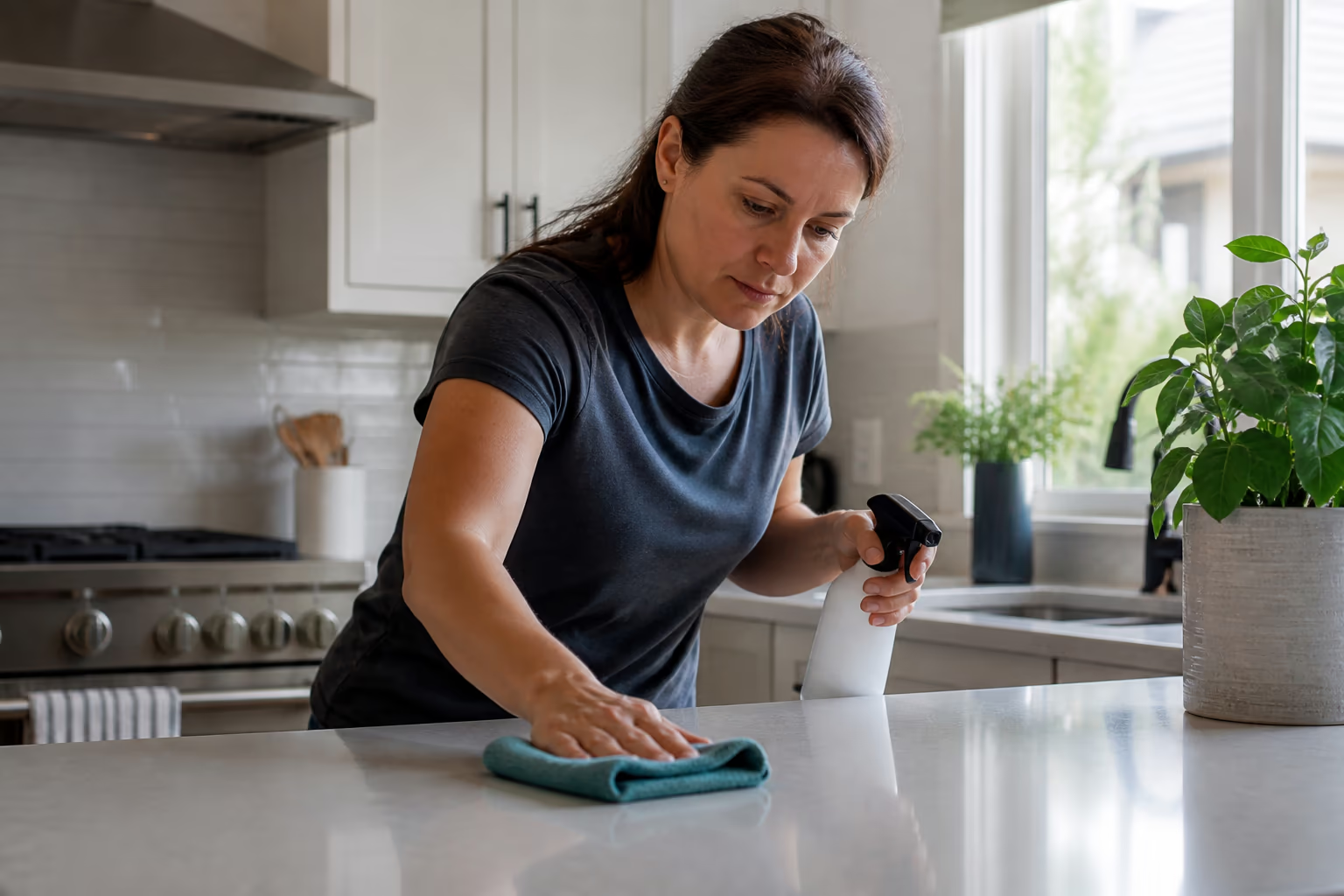
Quick Summary
Most conventional household cleaners rely on synthetic chemicals that can irritate eyes, skin, and airways, especially in tightly sealed homes during the colder months. This guide explains which ingredients to watch for, how to tell a genuinely non-toxic product from clever marketing, and how to keep a home clean and fresh without harsh chemistry.
In this guide
The Invisible Health Hazards of Household Synthetic Chemicals
Many conventional cleaning sprays contain synthetic Volatile Organic Compounds (VOCs), phthalates, synthetic fragrances, and corrosive chlorine bleach. These ingredients are excellent at cutting grease, which is why they became so popular, but they come with a real trade-off for indoor air.
Federal guidance is direct about how to reduce that exposure. Health Canada's household chemical safety tips say never to mix household chemical products, because some mixtures can produce harmful gases, and to open windows or use exhaust fans to keep the home well ventilated during and after a job. The federal advice starts at the shelf: “When you are buying a household chemical product, read the label to determine its ingredients and any special handling instructions.”
Regular exposure to synthetic cleaning chemicals has been linked to asthma flare-ups, eye and throat irritation, chronic headaches, and worsening indoor air pollution. In Ottawa, where homes stay closed up for much of the year, those fumes have nowhere to go, so the concentration inside a bathroom or kitchen can build up quickly during winter.
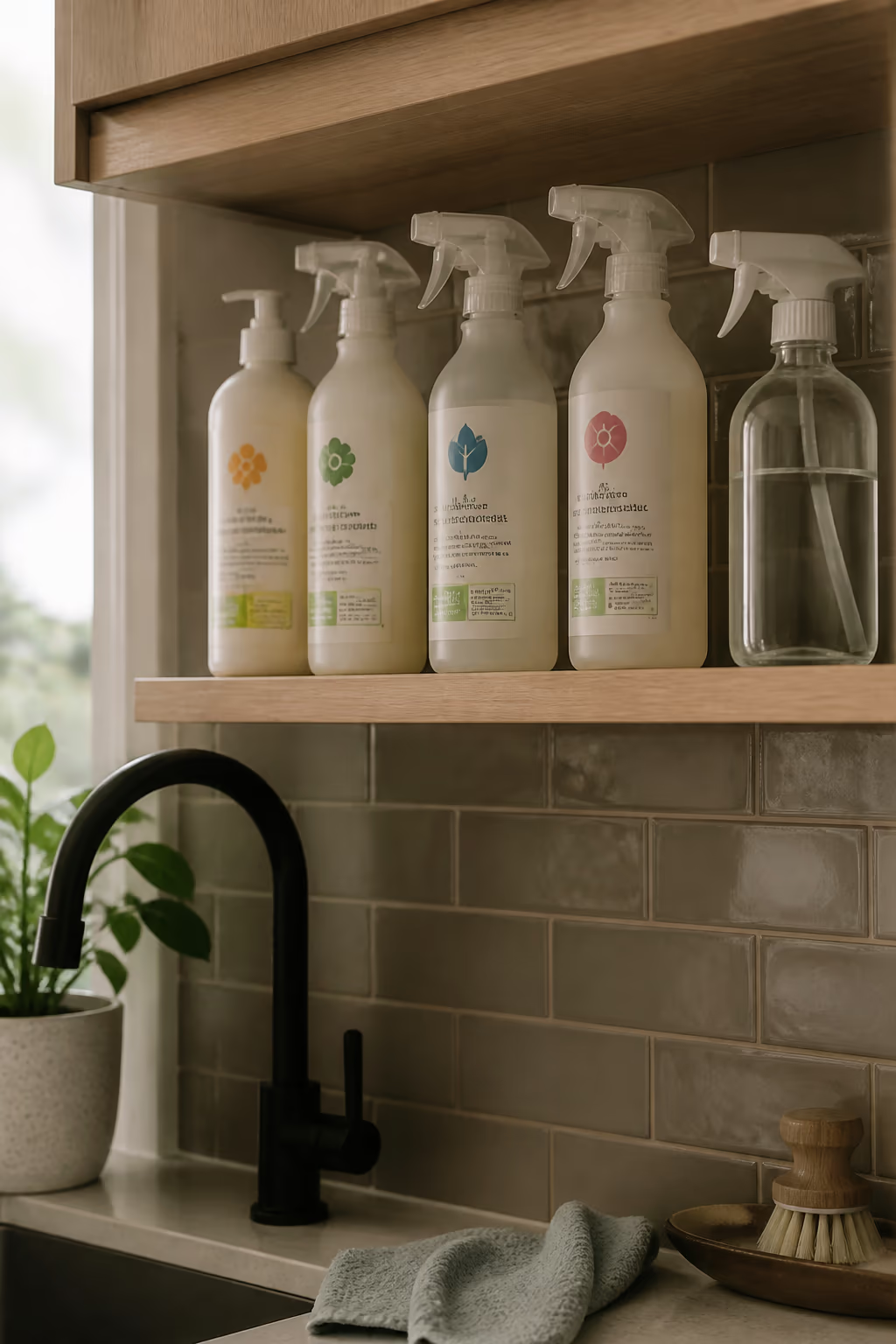
Replacing harsh chemical sprays with EcoLogo certified plant-based products removes a large part of that load. Plant-derived surfactants clean grease and soap scum without the same volatile chemistry, which means less residue in the air and on the surfaces your family touches every day.
To understand why, it helps to know what a VOC actually is. Volatile Organic Compounds are a broad family of chemicals that evaporate at room temperature. In a cleaning product, they are often the carrier that delivers the active ingredient and the scent. Once you spray, those molecules drift into the air and settle on surfaces, which is why the smell of a freshly cleaned bathroom can linger long after the chore is done. In a small, unventilated space, that lingering smell is a sign the chemistry is still circulating.
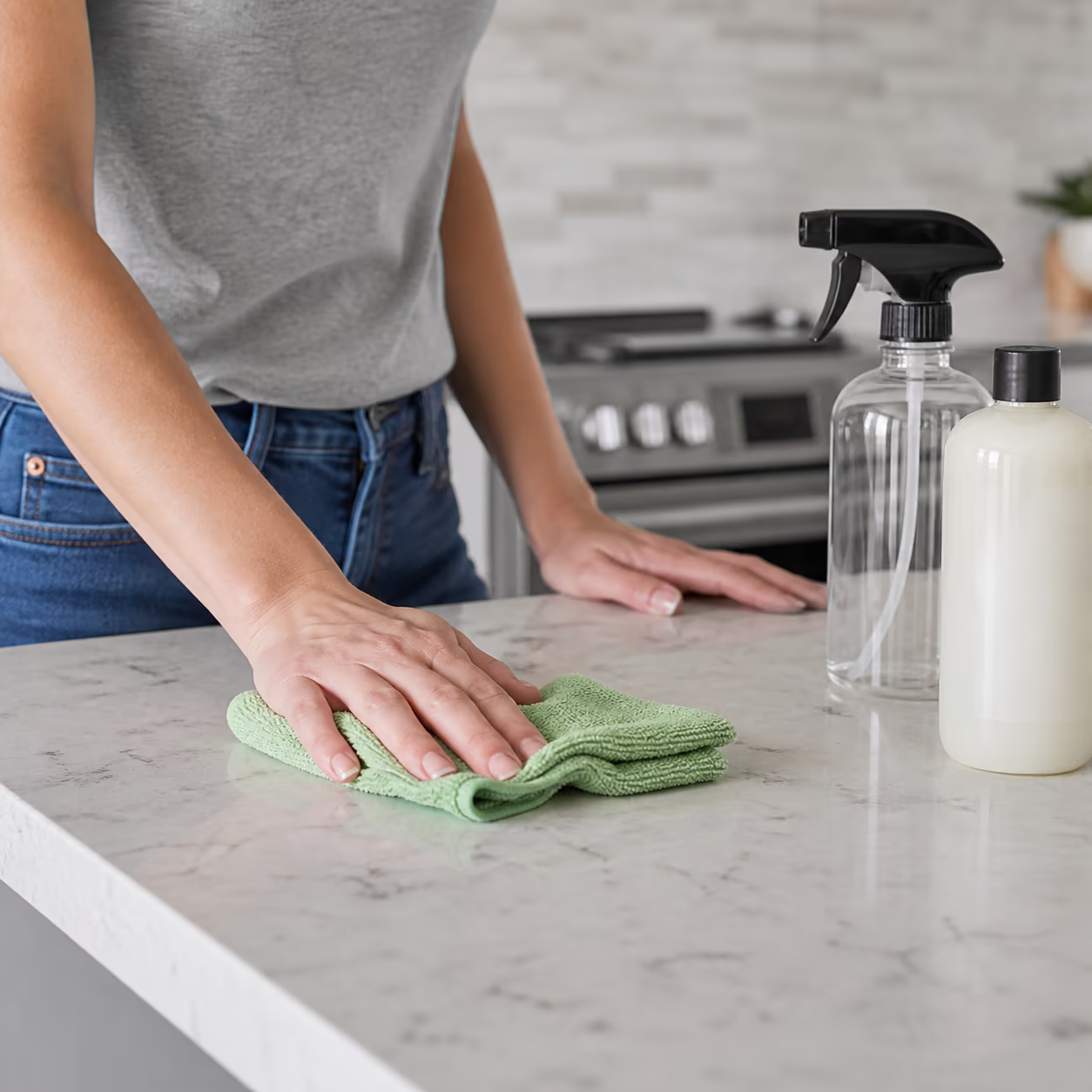
Comparing Chemical VOC Risks vs. Plant-Based Green Cleaners
Making the switch does not mean accepting a weaker clean. Modern plant-based formulas are built from sugar glucosides and other biodegradable surfactants that handle everyday kitchen grease, soap scum, and bathroom film just as well. Discover 4 major benefits of switching to non-toxic green cleaners:
The Four Standards of a Truly Non-Toxic Cleaner
Not every product with a leaf on the label deserves the non-toxic claim. When you are shopping, these four standards separate genuine plant-based chemistry from greenwashing:
Formatted Step-by-Step Non-Toxic Cleaning Chemistry Checklist
Follow this checklist for safe household cleaning:
- Step 1.Audit Home Cabinets to Eliminate Toxic Ammonia and Chlorine Bleach:Dispose of dangerous synthetic chemicals properly through your local hazardous waste depot.
- Step 2.Choose EcoLogo Certified Non-Toxic Plant-Based Surfactants:Look for third-party green certifications on labels, not just the word "green."
- Step 3.Use Citric Acid for Mineral Scale and Baking Soda for Scouring:Citric acid dissolves hard water deposits without synthetic acids. Baking soda is a mild abrasive for scrubbing and odours, and it neutralizes the acid if the two are mixed.
- Step 4.Ensure Proper Ventilation During Deep Bathroom Cleaning Operations:Keep exhaust fans running and open a window while you clean.
- Step 5.Store Botanical Cleaners Safely in Labelled Recyclable Spray Containers:Keep all cleaning products clearly labelled and out of reach of children.
- Step 6.If you need a team or a recurring schedule, use residential home cleaning services in Ottawa to discuss scope, access, and timing before deciding whether it fits.
How to Read a Cleaning Product Label Like a Pro
Reading labels is the fastest way to separate real non-toxic products from marketing. A quick scan takes less than a minute and saves you from buying products that simply repackage the same synthetic chemistry. Here is what to check before you buy:
What Switching to Non-Toxic Cleaners Really Costs
There is a common worry that green cleaning costs more, and it is worth being honest about it. Eco-friendly concentrates can carry a slightly higher price per bottle than conventional sprays, but the difference narrows once you compare how they are used. If you want a clearer starting number before making the switch, our guide to average cleaning costs in Ottawa gives a quick sense of what a routine visit runs before extras.
Concentrated plant-based formulas are diluted on site, so one bottle stretches much further than a ready-to-use spray. Because they do not produce the same fumes, you also spend less on ventilation and are less likely to need separate products for different rooms. For most households, the monthly cleaning budget ends up close to the same, and the improvement in indoor air quality is a benefit no price tag can measure.
It is also worth considering the cost of getting it wrong. Chemical cleaners that are too harsh can damage finished surfaces over time, and the health effects of repeated exposure are hard to put a price on. Seen that way, a slightly higher price per bottle starts to look like a reasonable safeguard for the air your family breathes all winter.
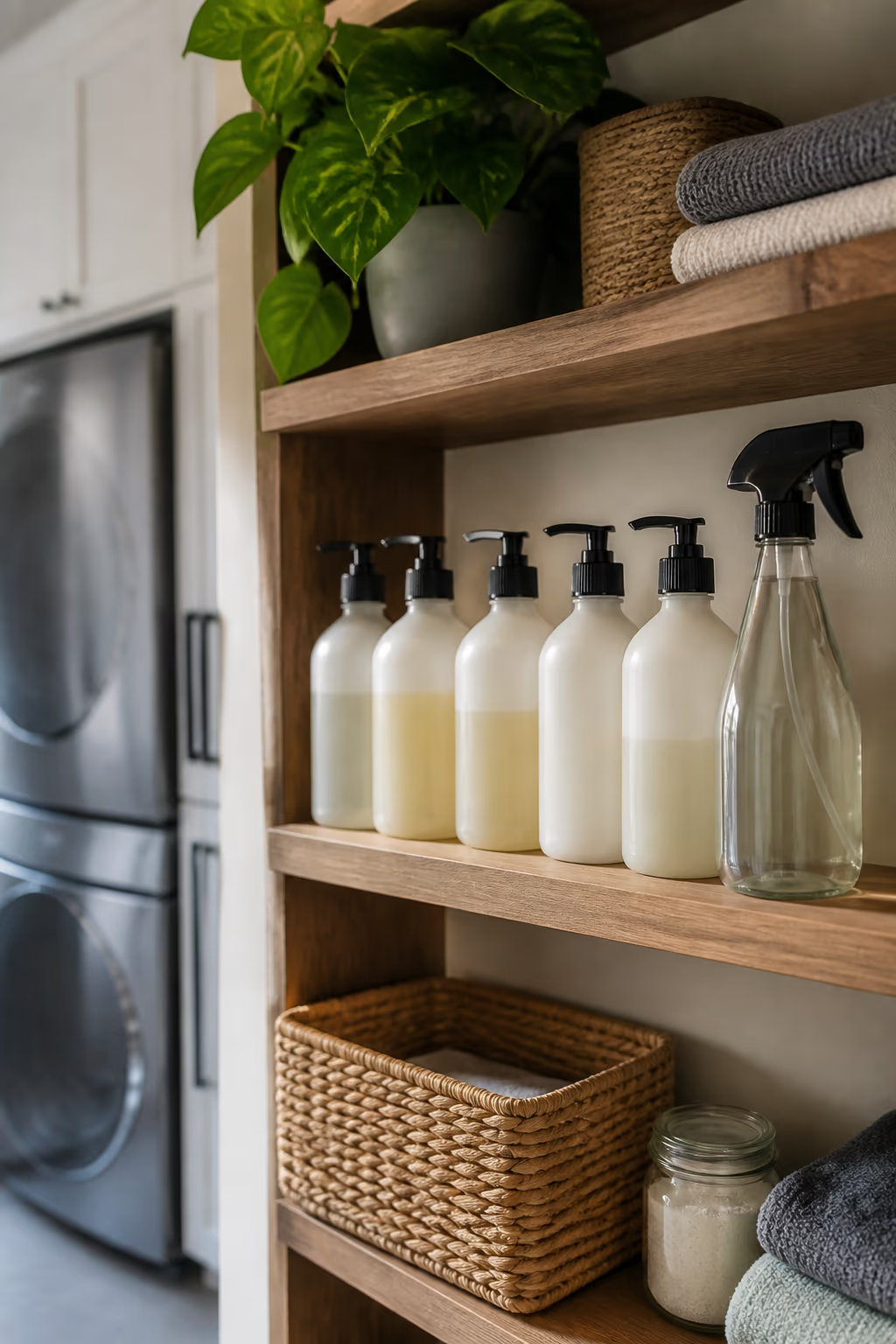
A Room-by-Room Non-Toxic Cleaning Routine
The easiest way to make the switch stick is to work room by room, so the non-toxic routine becomes a habit instead of a project. Here is a practical starting point for a typical Ottawa home:
Serving Ottawa Homes with Non-Toxic Cleaning
Good Cleaner Co. brings the same certified green chemistry to homes across Ottawa, from family houses in Barrhaven and Orleans to apartments in Sandy Hill and Westboro. Wherever you live, the standard is the same: plant-based cleaners, HEPA vacuuming, and a focus on indoor air quality that respects the way Ottawa winters keep us indoors.
Our teams are trained on the products they use and the reasons behind them. When you book a green cleaning service, you are not just getting a cleaner home; you are getting a routine that keeps synthetic residues out of your family's air.
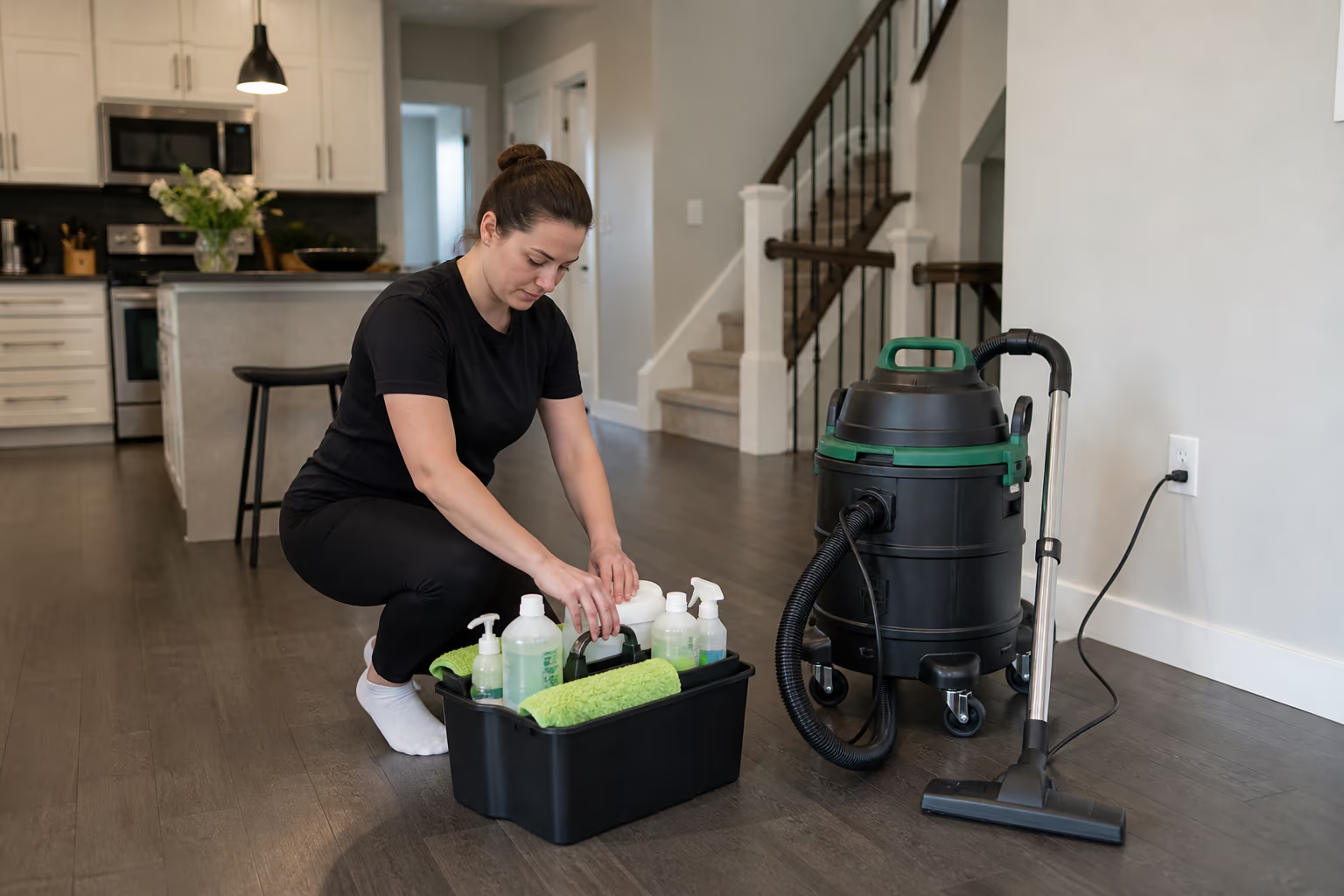
Practical planning for this situation
For a household or workplace, start with the actual task: deciding how to use chemical cleaners safely. Write down the label, surface, ventilation, storage, mixing risks, and who can access the product. That prevents a broad label from replacing the details that determine safe, useful work.
Decide which work belongs in the regular routine and which needs extra time, access, or approval. A practical scope lets another person understand the job without relying on a branded promise.
Seasonal considerations in Ottawa
Local conditions deserve attention when they change the task. Here, closed winter windows and humid rooms make ventilation and drying worth more attention. Review the space before changing products, equipment, or frequency.
A short review is enough: name what has changed, identify the affected area, and choose a response that fits the material and the people using the space.
Safe, responsible cleaning
Follow product labels and equipment instructions, and choose a method that suits the material. Keep people away from wet or actively cleaned areas.
Pause when access, a surface, or a safety requirement is unclear. Asking before continuing protects the property and the people using it better than a shortcut.
Partnering with Good Cleaner Co. for Green Home Care
Good Cleaner Co. combines years of regional experience, background-checked technicians, EcoLogo green chemistry, and commercial HEPA technology to deliver consistent results across Ottawa.
Our account managers work directly with homeowners to build schedules that fit your routine and budget. Contact Good Cleaner Co. today to request a home cleaning assessment.
How to review the routine
Describe the current condition in plain language before altering the routine. Begin with the label, surface, ventilation, storage, mixing risks, and who can access the product. This keeps the decision tied to the space instead of a generic checklist.
Ask a person who uses the area what creates the most friction. It may be a difficult entry, a storage issue, a time when work cannot happen, or a finish that needs a gentler method.
Try one visible adjustment at a time. Record why it was made, the area it affects, and what a satisfactory result looks like. That makes the next review much easier.
Keep feedback specific: name the room, surface, timing, and expected result. Clear notes help people work through a problem without blame or vague expectations.
Revisit the plan after a change in use, condition, or season. A routine should be stable enough to follow and flexible enough to remain useful.
FAQ
Are synthetic cleaning chemical fumes dangerous in unventilated rooms?
Yes, they can be. Concentrated synthetic VOC fumes can cause eye, nose, and throat irritation and can trigger asthma attacks, especially in rooms that stay closed during winter. Open a window or run the exhaust fan whenever you clean.
How do EcoLogo green cleaners compare in cleaning strength to chemical bleaches?
EcoLogo plant-based surfactants and bio-enzymes break down grease, soap scum, and organic soils effectively without the same toxic fumes. For tough jobs, giving the product a little more contact time usually closes the gap.
Do botanical disinfectants really work against viruses and bacteria?
When a botanical disinfectant carries a Health Canada DIN, its claims have been tested and approved for the label. Follow the contact time on the bottle, which is usually a few minutes, and it will do the job. The key is to let the surface stay visibly wet for the full listed time before wiping it dry.
How can I tell if a "green" cleaner is actually non-toxic?
Look for third-party certification marks like EcoLogo, read the full ingredient list, and avoid products that hide behind the single word "fragrance." If a company will not share its Safety Data Sheet, treat that as a red flag.
Can I keep my home clean without any harsh chemicals?
Yes, for everyday maintenance. Plant-based all-purpose cleaners, microfibre cloths, and simple ingredients like white vinegar and baking soda handle most routine cleaning. For disinfection, use a DIN-registered product where it matters, and remember that microfibre cloths removed with warm water and rinsed between rooms do more of the heavy lifting than most people expect.
Is chlorine bleach always a bad choice?
Chlorine bleach is a powerful disinfectant, and there are places where it is genuinely useful, like treating mould on hard surfaces. The concern is regular exposure to the fumes in small, unventilated rooms, so use it sparingly and ventilate well.
What should I do with old chemical cleaners I no longer want?
Do not pour them down the drain. Ottawa households can drop off household hazardous waste at city depots, and many neighbourhoods hold regular collection events. Check the City of Ottawa website for the nearest location, and always keep the original labels on containers so the depot staff can identify what they are handling.
Are non-toxic cleaners safe around babies and pets?
Plant-based, fragrance-free formulas are far gentler for households with babies and pets. That said, keep any cleaning product out of reach, and let surfaces dry before letting pets and small children back into the room.
Does switching to non-toxic cleaners help with allergies?
For many people, yes. Removing strong synthetic fragrances and VOCs from your cleaning routine reduces the chemical load in the air, which can help with respiratory sensitivity and skin irritation.
How do I get a non-toxic cleaning quote for my home?
Contact Good Cleaner Co. by phone or online form with your home size and preferred frequency, and we will put together a green cleaning plan for your Ottawa home.
Wrapping Up
The safest choice is not a product label alone; it is a product used for the right surface, at the labelled dilution, with ventilation and storage that suit the space. Read the label before mixing anything, keep products in their original containers, and do not combine cleaners unless the manufacturer explicitly says to. If a scent, residue, or irritation concerns you, pause the job and get product-specific advice from the manufacturer or a qualified professional. Cleaning decisions are practical risk decisions, so a smaller, well-understood product list is often easier to manage than a crowded cupboard.
Keep reading
More from Good Cleaner
Services that fit
- Home Cleaning Services in OttawaRecurring weekly, bi-weekly and monthly house cleaning built around your family's routine, with non-toxic chemistry and background-checked staff.
- Professional Office Cleaning Services in OttawaNightly and after-hours office cleaning for corporate offices, clinics and professional suites, with after-hours scheduling and green cleaning products.
About the author
Service areas
- Ottawa
- Kanata
- Nepean
- Orleans
- Barrhaven