
Maintaining Clean Air for Your Home: HEPA & Humidity Control Guide
Ottawa winters are long and dry, and summers are humid enough to encourage mould in the wrong spots. That combination makes indoor air quality a real concern for homeowners. The good news: most of the fixes are straightforward, and none of them require expensive equipment. Here is how to keep your home's air clean and comfortable all year.
Quick Summary
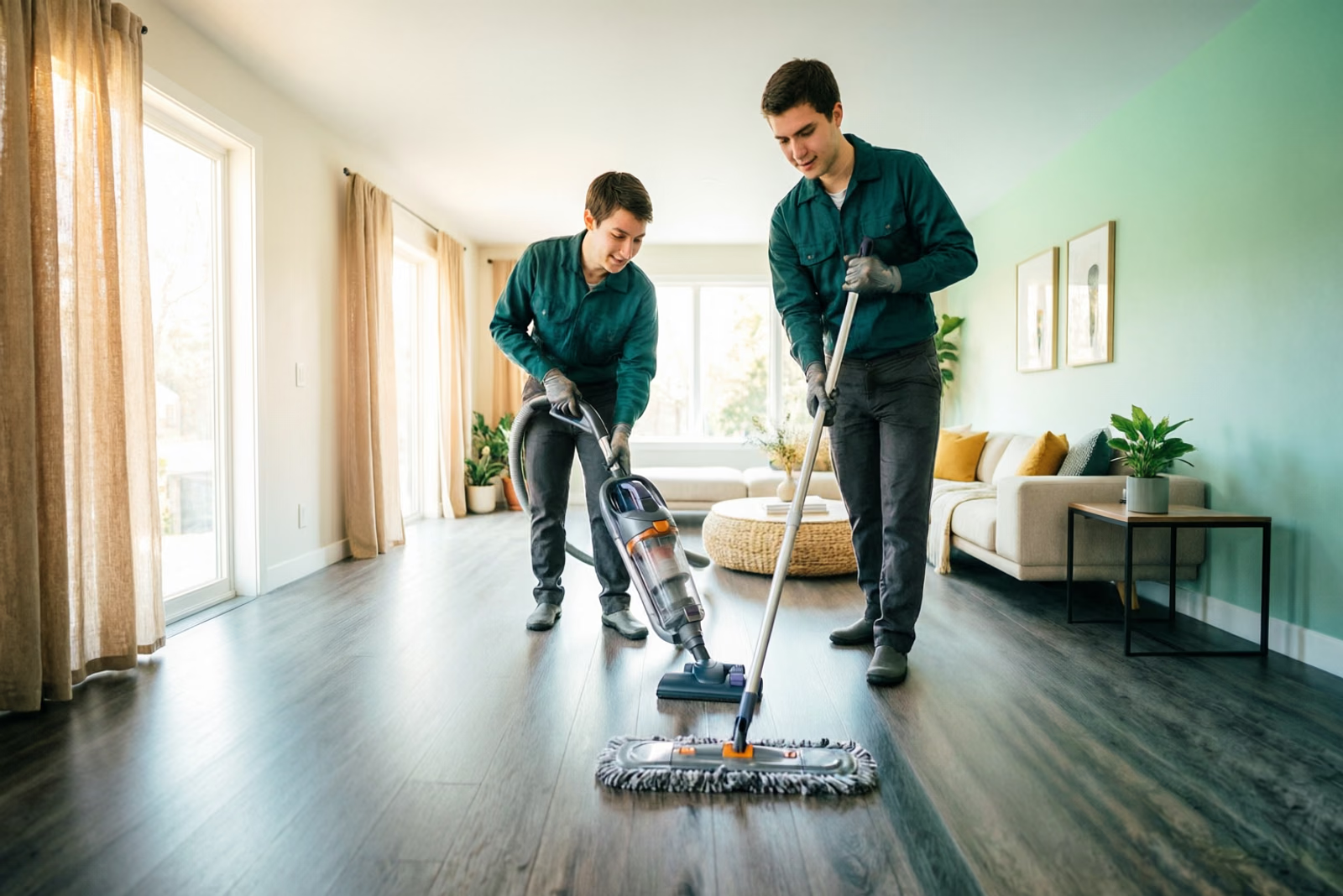
The air inside your home can hold more pollutants than the air outside, especially in a climate like Ottawa where homes stay sealed for months. This guide explains practical ways to keep indoor air clean, from HEPA vacuuming and humidity control to low-VOC products and regular maintenance.
In this guide
Understanding Indoor Air Quality in Ottawa's Climate
Indoor air quality matters because you spend most of your time indoors. In a sealed house, pollutants like dust, pet dander, cooking particles, and chemical residues from cleaning products can build up. When the windows stay shut for months at a time, those particles have nowhere to go.
Health Canada is direct about the priority: the most effective way to improve indoor air is to identify the activities contributing to it and remove or reduce the sources, rather than filter the result afterwards. It also names house cleaning and laundry among those activities, while noting that regular cleaning can help improve indoor air quality. The federal guidance opens with the reason it matters: “Poor indoor air quality can affect your health.”
Ottawa's weather makes it worse in two directions. Winter brings dry indoor air and a house closed tight for warmth, which concentrates dust and dries out noses and throats. Summer brings humidity, and moist rooms such as basements and bathrooms can start to grow mould if they are not ventilated.
The practical goal is simple: remove sources where you can, filter the air where you cannot, and keep humidity in a comfortable range. That combination reduces dust, allergens, and the musty smells that signal hidden moisture problems.
Certain people are more sensitive to indoor air than others. Children, older adults, and anyone with asthma or allergies feel the effects of dust, dander, and chemical residues more quickly. That is a good reason to build clean-air habits even when nobody in the house complains about them yet.
Key Strategies for Cleaner Home Air
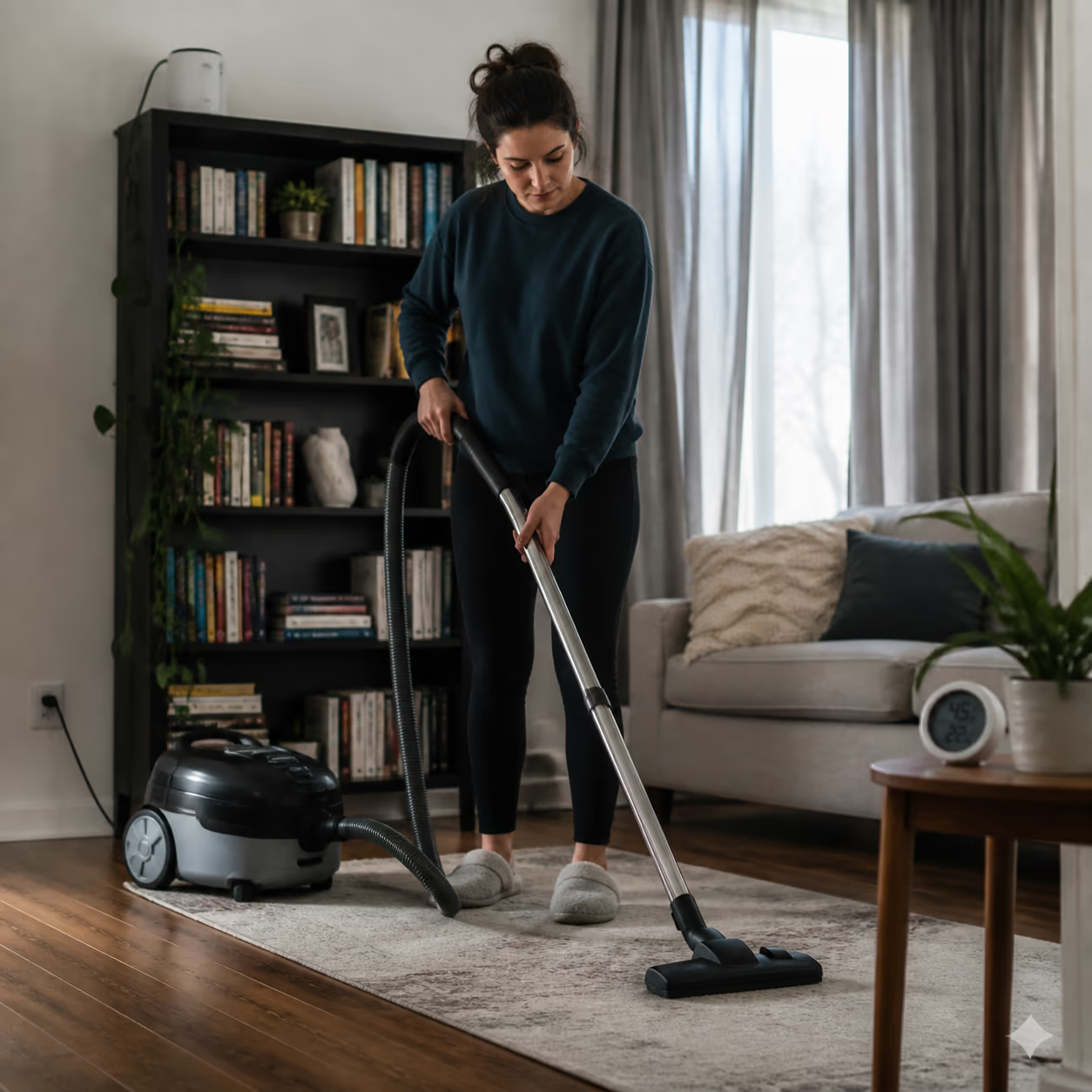
These are the highest-impact habits for cleaner indoor air:
You do not need to do all of these at once. Pick the ones that address your home's biggest issues first, then add more as they become routine. Small, consistent habits move the needle more than a one-time deep clean. If bedding and soft furnishings are your biggest source of dust, our guide on how to deep clean your laundry covers the full routine.
Reducing Indoor VOC Sources & Chemical Off-Gassing
Volatile organic compounds, or VOCs, are chemicals that evaporate into the air from products like certain paints, adhesives, and cleaning supplies. Some VOCs cause headaches or irritate the eyes and throat, especially in a sealed home. Reducing them starts with what you bring into the house.
Fragrance is a common hidden source of VOCs. A product can list fragrance without naming the chemicals behind it, and synthetic fragrance can linger in carpets and upholstery. If you want to cut the chemical load, choose fragrance-free or naturally scented products and let the space air out after cleaning.
Cleaning products are the easiest place to start. Many conventional cleaners carry strong fragrance and solvents. Switching to low-VOC, EcoLogo-certified, or plant-based products reduces the chemical load in every room you clean. Open a window when you do use stronger products and store them away from living areas. Oven cleaners are a common offender here, and our tips to clean your oven cover a gentler approach that still cuts through baked-on grease.
New furniture, paint, and flooring can off-gas for weeks. When you renovate or buy new pieces, ventilate well, and let new items air out before bringing them into tight spaces. If you are sensitive, a HEPA air purifier in the room can help during that period.
Bathrooms and basements deserve extra attention. Humid rooms off-gas faster, and mould spores are an allergen in their own right. Run the exhaust fan after showers, keep bathroom doors open when possible, and address any musty smell quickly before it spreads.
- Choose Low-VOC or Fragrance-Free Cleaners: Fewer added chemicals means less off-gassing after you clean.
- Air Out New Purchases: Let new furniture, rugs, and paint dry and air before using the room normally.
- Store Chemicals Away from Living Areas: Keep cleaners, paints, and solvents out of bedrooms and busy rooms.
- Ventilate After Renovations: Open windows and run fans for a few days after painting or installing new flooring.
Formatted Step-by-Step Indoor Air Quality Maintenance Checklist
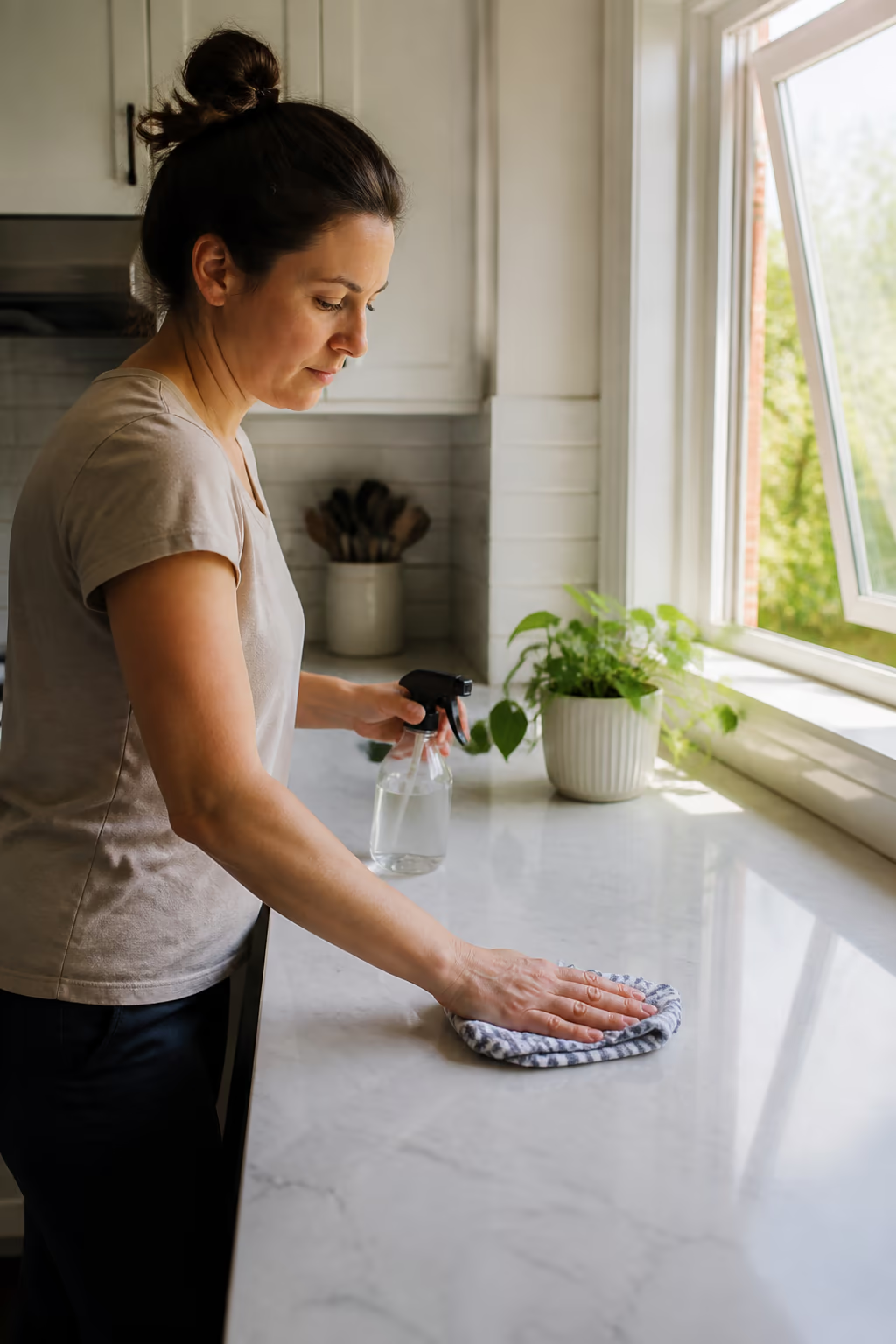
Work through this checklist to keep your home's air clean through every season:
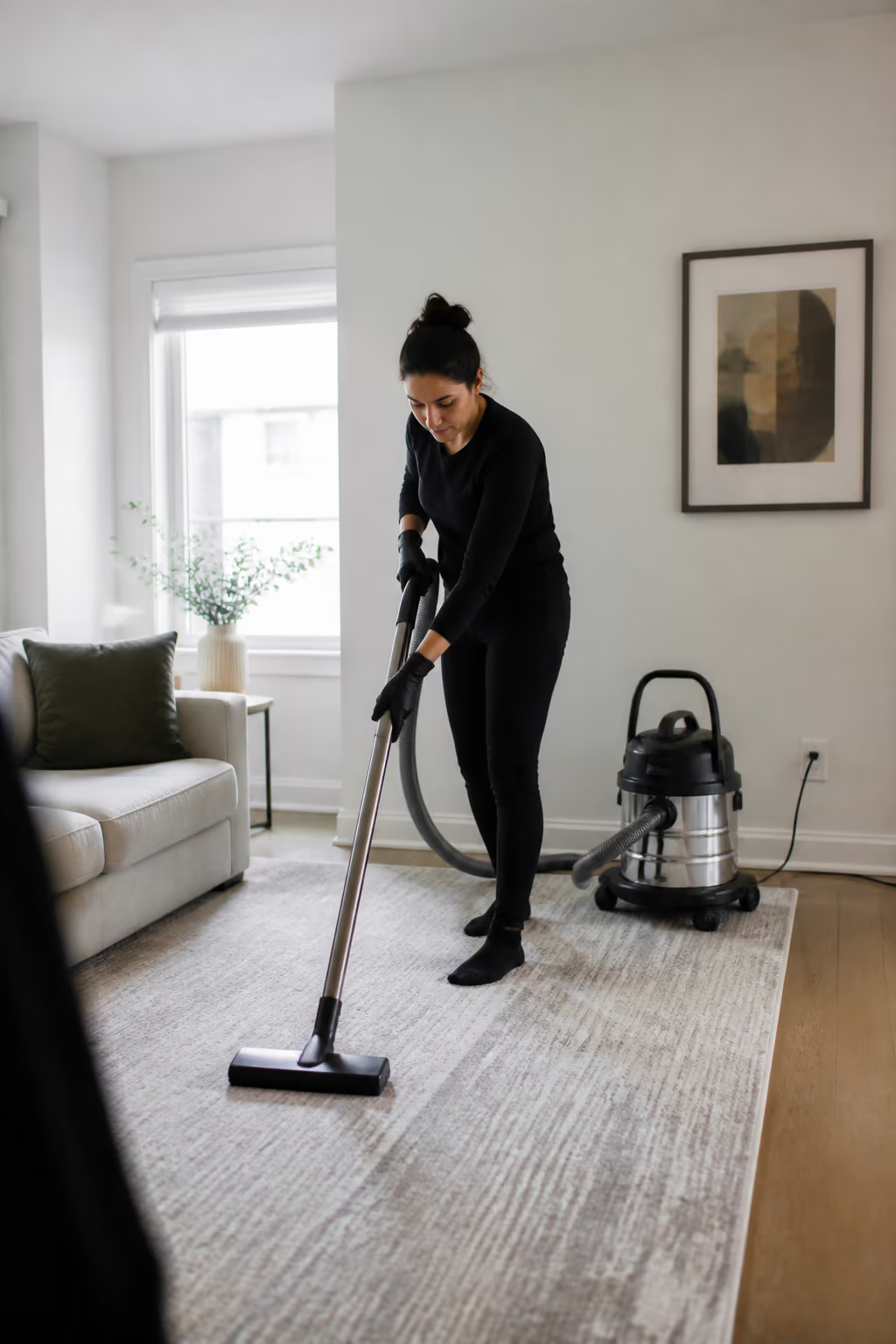
- Step 1.Vacuum and Dust with HEPA Tools:Use a sealed HEPA vacuum and dust high to low to keep allergens moving downward and out.
- Step 2.Check and Manage Humidity:Measure the humidity in problem rooms and use ventilation or a dehumidifier to stay in a comfortable range.
- Step 3.Switch to Low-VOC Products:Swap out harsh cleaning products for certified, low-VOC options that clean without chemical off-gassing.
- Step 4.Change Filters and Maintain Equipment:Replace furnace, HRV, and vacuum filters on schedule so the equipment does not add dust back.
- Step 5.Ventilate and Air Out:Open windows when weather allows, run exhaust fans when cooking, and air out new purchases and renovations.
- Step 6.Booking professional residential home cleaning services in Ottawa through Good Cleaner Co. adds HEPA vacuuming and low-VOC cleaning to your routine without lifting a finger.
Serving Ottawa Homeowners Across the City
Good Cleaner Co. brings clean-air cleaning habits into homes across Ottawa, from older houses in Centretown and the Glebe to newer builds in Kanata, Barrhaven, and Orleans. Whatever your home's age, the same HEPA and low-VOC standards apply.
Older Ottawa homes with forced-air heating and newer builds with HRV systems each have their own air quality quirks. We adapt the cleaning approach to the home, focusing on the rooms and surfaces that affect the air you breathe most.
Good Cleaner Co. Professional Service Introductions & Specializations
Good Cleaner Co. has been cleaning Ottawa homes and businesses for years, and the same professional standards apply across everything we do. Here is what we offer:
Seasonal Maintenance & Local Environmental Factors in Ontario
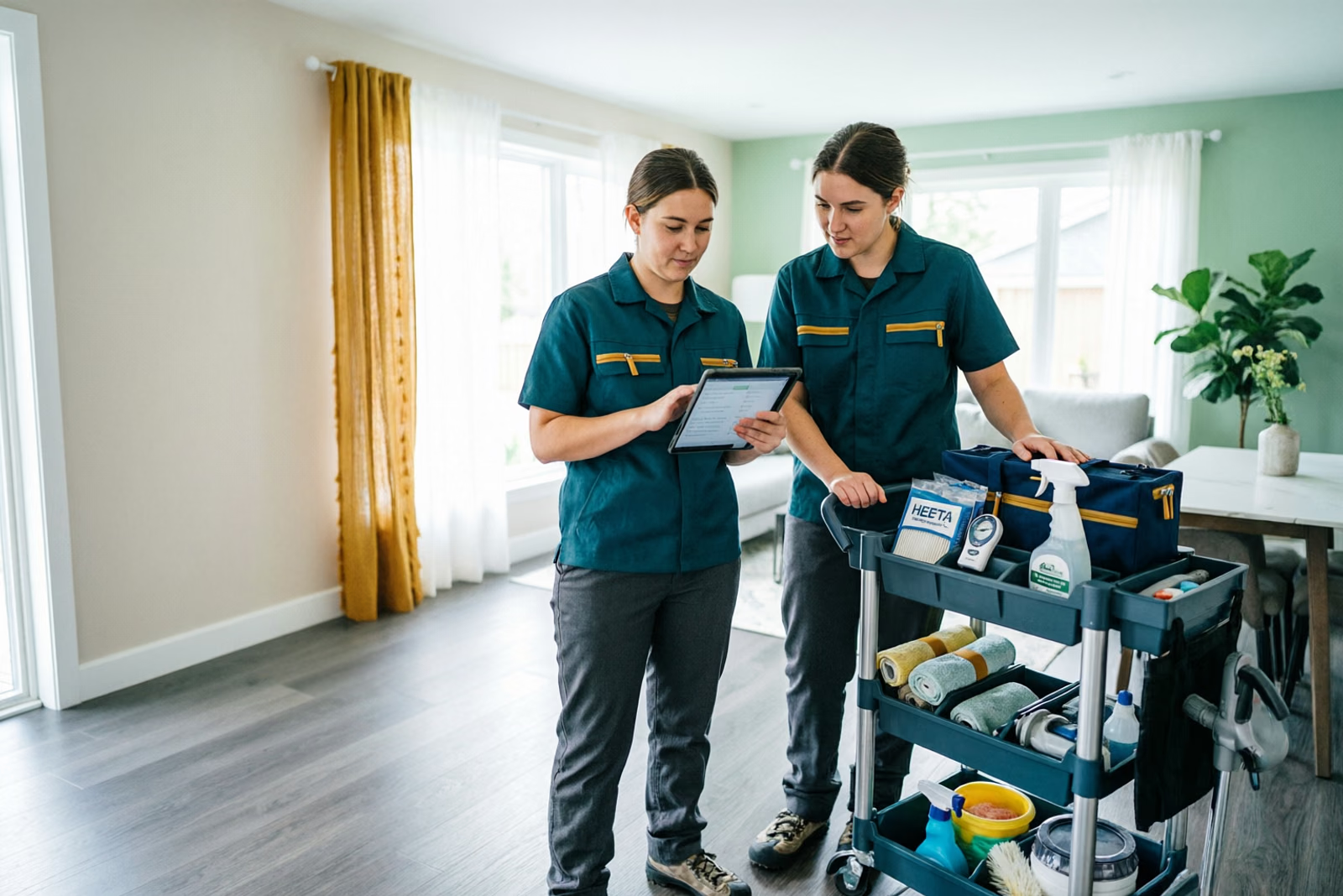
Property maintenance across Ottawa and the National Capital Region means adapting your cleaning routine to serious seasonal weather shifts:
Quality Assurance & Health Canada Disinfection Compliance
Commercial facilities and homes in Ontario work within a clear set of safety and health rules:
FAQ
How often should I change my furnace or HRV filter?
Check the manufacturer's guidance, but most homes do well replacing standard furnace filters every one to three months and more often during heavy use seasons. A clean filter catches dust before it circulates, which is one of the easiest wins for indoor air.
What humidity level is best for an Ottawa home?
A comfortable indoor range is roughly 30 to 50 percent relative humidity. In winter, dry furnace heat can push it below 30 percent; in summer, damp basements can push it above 50 percent. A simple hygrometer helps you see where your home actually sits.
Can a HEPA vacuum really improve my allergies?
Yes, for many people. A sealed HEPA vacuum captures fine dust, pollen, and dander instead of releasing them back into the room, which reduces the amount of allergens recirculating in the air. It works best alongside regular dusting and washing of soft furnishings.
Are low-VOC cleaning products as effective as regular ones?
Yes, when you choose a product matched to the job. Modern plant-based and EcoLogo-certified cleaners handle everyday dirt, grease, and grime well, and disinfectants registered with Health Canada still carry verified claims. You do not have to trade effectiveness for a lower chemical load.
How do I reduce dust in my home?
Reduce it at the source: vacuum with a HEPA vacuum, dust high to low with microfibre, wash bedding on a schedule, and consider removing clutter that traps dust. Sealing gaps around windows and doors also reduces the dust that drifts in from outside.
What is the best way to clean indoor air in winter?
Because windows stay shut, focus on filtration and source control: change furnace filters on schedule, vacuum with HEPA, use low-VOC products, and run exhaust fans when cooking. A portable HEPA purifier can help in the rooms you use most.
Should I buy a portable air purifier?
A HEPA purifier is worth it in rooms where you spend the most time or where allergies are worst, like a bedroom or home office. Match the unit size to the room, and remember it works alongside cleaning and ventilation, not instead of them.
What causes that musty smell in my basement?
Musty smells usually mean moisture and the start of mould. Check for leaks, keep the basement ventilated, run a dehumidifier during humid months, and clean or remove any mouldy materials. If the problem is widespread, a professional assessment is a good idea.
Are plants good for indoor air quality?
Plants are lovely to live with and add some humidity, but they should not be relied on to purify a whole house. The effective tools remain filtration, ventilation, humidity control, and reducing sources of dust and chemicals.
How often should I have my home professionally cleaned for air quality?
Many families book a professional clean every two to four weeks to stay on top of dust and allergens. Add a deeper clean, including carpet extraction, at the change of seasons. For a maintenance schedule that fits your home, our residential cleaning visits in Ottawa can be tailored to your routine.
Do you use low-VOC products in your cleaning?
Yes. If anyone in your home is sensitive to fragrance, we can adjust the product mix for your visits.
How quickly can I book a home cleaning visit?
Contact Good Cleaner Co. online or by phone. We confirm a time that works for you, usually within a day or two, and tailor the visit to your home's priorities, from allergy season dusting to a full deep clean. For a sense of typical house cleaning costs in Ottawa, we can also provide a written estimate before you book.
How do I know if my indoor air quality is actually poor?
Common signs include lingering musty smells, a lot of visible dust, allergy symptoms that improve when you leave the house, and condensation on windows. A hygrometer and a simple check of your filters can point you toward the biggest issue.
What should a professional clean include for better air quality?
Look for HEPA vacuuming, dusting from high to low, low-VOC products, and attention to bedding, carpets, and vents. For a comparison of providers and what to expect, our commercial cleaning company evaluation guide is a useful starting point.
Can carpet cleaning improve indoor air?
Yes, when it is done right. Hot water extraction removes dust, allergens, and salt residue that settle deep in carpet fibres, which regular vacuuming cannot reach. It is especially valuable in spring and after winter.
Should I run a humidifier in winter?
Many Ottawa homes drop below 30 percent humidity in winter, which can dry out skin and sinuses. A humidifier helps when the air is too dry, but keep an eye on the level so you do not push the house into the range where condensation and mould become a problem.
Do air purifiers remove pet dander?
Yes, a HEPA purifier captures dander that floats through the air, and washing pet bedding and vacuuming with HEPA helps remove what has settled. No single tool removes all dander, but together they make a real difference for people with sensitivities.
Wrapping Up
Clean indoor air comes from a handful of steady habits: HEPA vacuuming, humidity control, low-VOC products, good ventilation, and regular maintenance. Contact Good Cleaner Co. today to add professional, low-VOC home cleaning to your routine and breathe easier all year.
Cleaning Supports Air Quality but Does Not Replace Ventilation
Dusting, vacuuming, and reducing indoor sources can make a room more comfortable, but they cannot fix a ventilation, moisture, combustion, or filtration problem. If you notice persistent odours, visible moisture, soot, or symptoms that improve outside the building, seek appropriate building or health guidance. Change filters only as the equipment maker directs, and avoid sealing a room so tightly that normal fresh-air circulation is lost.
Keep reading
More from Good Cleaner
About the author
Service areas
- Centretown
- Glebe
- Kanata
- Barrhaven
- Orleans