

Salt Stain Removal: 9 Safe Ways to Clean Entryway Floors
White streaks and crunchy residue near your doorway? You’re dealing with salt stain removal entryway floors problems that show up every winter across Canada. Road salt and de‑icing products are great for sidewalks, but they are rough on floors. When they melt and dry, they leave mineral deposits that etch finishes, dull wood, and make tile look chalky.
This guide gives you a complete, Canadian‑specific plan for salt stain removal entryway floors: a step‑by‑step checklist, surface‑specific methods for wood, tile, concrete, laminate, and carpet, product recommendations you can buy locally, realistic CAD cost ranges, and a prevention strategy that actually works. If you want a broader home routine, see the cleaning checklist to keep your house always clean.
Why Salt Stains Happen (and Why They’re So Stubborn)
Winter salt is hygroscopic, meaning it pulls moisture out of the air. That moisture keeps floors damp longer, and when it evaporates it leaves a white mineral residue. Those minerals bond to finishes, dull the surface, and can even etch into porous materials like concrete, grout, and unsealed wood. The longer the salt sits, the harder it is to remove.
In Canada, entryways take the most damage. People come in with salty boots, snow melts on mats, and the mixture spreads across the highest‑traffic area in the home or building. Without quick cleanup, stains return within days.
Salt Stains vs Efflorescence vs Dirt: What Are You Seeing?
Not every white mark in an entryway is salt. In winter, three common residue types show up, and each needs a slightly different approach.
Salt stains are typically a chalky white film or ring left behind after melted snow dries. They wipe off with a mild acid like vinegar because the residue is mineral‑based. These stains are most obvious on dark tile, slate, and hardwood finishes.
Efflorescence looks similar but usually appears on porous materials like concrete, stone, or grout. It is caused by salts migrating through the material from moisture below the surface. Efflorescence can be more persistent, and the key is to reduce moisture (seal the surface and improve drying) in addition to cleaning the residue.
Dirt and grime are often darker, not white. They come from soil, boot tread, or organic material. These stains respond best to neutral pH cleaners and mechanical agitation rather than vinegar.
If you’re unsure which one you have, test a small area with a vinegar‑water mix. If the mark dissolves quickly, it is likely salt. If it reappears within a day or two, moisture‑driven efflorescence may be the cause, and prevention will matter as much as cleaning.
Quick Diagnosis: What Floor Type Are You Cleaning?
The best salt stain removal entryway floors method depends on the surface. Using the wrong cleaner can damage finishes or leave slippery residue. Identify your floor type first:
- Hardwood: Warm look, visible grain, sensitive to moisture.
- Laminate or vinyl: Printed surface with a protective top layer.
- Tile and grout: Hard surface with visible grout lines.
- Concrete or stone: Porous and durable but stain‑prone.
- Carpet or mats: Salt crystals embed in fibres and hold odours.
Tip for homeowners: If your floor “beads” water, it is likely sealed and more forgiving. If it darkens immediately when damp, treat it as porous and keep moisture to a minimum.
Tip for condos and multi‑unit buildings: Entryways may include multiple surfaces (tile at the door, laminate inside). Clean the most delicate surface first and avoid dragging dirty cloths across different materials.
Tip for rentals: Always use the mildest solution first to avoid damaging finishes that you might be responsible for restoring. When in doubt, use a neutral pH cleaner and test in a hidden corner.
If you’re unsure, do a small test in a hidden corner. A safe rule: use minimal water on wood, neutral pH cleaners for most surfaces, and always dry immediately.
Salt Stain Removal Entryway Floors Checklist (9 Safe Steps)
This checklist is the safest all‑purpose routine for salt stain removal entryway floors. It takes 30–60 minutes for a standard entryway and works for most surfaces with minor adjustments. Difficulty: easy to moderate depending on stain depth.
- Dry debris removal: Vacuum or sweep first. This prevents salt grit from scratching surfaces during wet cleaning.
- Prepare a mild solution: Mix 1 part white vinegar with 3 parts warm water. For heavy stains, a 1:2 ratio can be used on tile or concrete (not on unsealed wood).
- Apply sparingly: Use a damp microfibre cloth or mop, not a soaking wet one.
- Let it sit: Give the solution 5–10 minutes to dissolve minerals.
- Gently scrub: Use a soft brush or microfibre pad. Avoid abrasive pads that scratch finishes.
- Rinse: Wipe again with clean water to remove residue.
- Dry immediately: Use a clean towel or fan to prevent slip hazards and wood warping.
- Inspect: Look for any white haze. Repeat spot treatment if needed.
- Protect: Consider a floor sealant or protective wax if your surface allows it.
Why these steps matter: Salt crystals act like tiny abrasives. If you skip the vacuum step, you can grind them into the finish. If you skip rinsing, the dissolved minerals can dry back into a haze. And if you skip drying, you leave a slip hazard and invite moisture damage.
Time estimate by size:
| Entryway Size | Typical Time | Difficulty |
|---|---|---|
| Small (under 80 sq ft) | 20–40 minutes | Easy |
| Medium (80–200 sq ft) | 40–60 minutes | Easy to moderate |
| Large (200+ sq ft) | 60–90 minutes | Moderate |
Tool tip: If you have a microfibre mop with removable pads, keep a second clean pad ready for rinsing. This prevents re‑depositing salt onto freshly cleaned areas.
For tools that work best on winter grime, see cleaning tools you should replace often.
How Often Should You Do Salt Stain Removal Entryway Floors?
Frequency depends on how much foot traffic you get and how intense the winter season is. In most Canadian regions, salt tracking peaks from November to March. The goal is to clean before salt crystallises and bonds to the surface.
- Daily or every other day: Quick dry sweep or vacuum during peak winter.
- Weekly: Full salt stain removal entryway floors routine using the checklist above.
- Monthly: Deep clean with grout or baseboard detailing.
- After storms: Spot clean the same day to prevent heavy buildup.
If your entryway connects to common areas or hallways, increase cleaning frequency. Salt spreads quickly in multi‑unit buildings, and the cost of repairs adds up fast.
Seasonal Maintenance Plan (Canadian Climate)
Salt stain removal entryway floors isn’t just a winter task. A seasonal plan keeps surfaces protected year‑round and reduces the work required during peak snow months.
- Autumn (prep season): Inspect entry mats, add a boot tray, and apply sealant if your floor type allows it. This creates a barrier before salt season starts.
- Winter (peak season): Increase dry debris removal and use salt neutralisers after storms. Keep airflow high so floors dry faster.
- Spring (recovery season): Deep clean grout lines, baseboards, and corners where salt collects. Consider a light polish or re‑coat on hardwood.
- Summer (maintenance season): Focus on dust and humidity control so floors don’t stay damp and sticky.
Planning by season prevents the “all at once” deep clean that happens every March. It also makes it easier to budget for supplies and service visits.
Spring deep‑clean mini checklist:
- Lift mats and vacuum underneath to remove trapped grit.
- Detail baseboards and corners where salt dust settles.
- Check grout lines for white haze and re‑seal if needed.
- Inspect wood finishes for dull patches that may need a re‑coat.
- Wash or replace entry mats if fibres are flattened.
Surface-Specific Salt Stain Removal Methods
Here’s how to adjust the checklist based on your surface.
Hardwood floors
Hardwood is the most sensitive surface. Use a barely damp microfibre cloth with a mild vinegar‑water mix (1:4 or 1:3). Never soak the floor. Wipe quickly, rinse with a clean damp cloth, and dry immediately. Avoid steam unless the floor is fully sealed and the manufacturer allows it.
Pro tip: If you notice dull patches after cleaning, it may be salt etching the finish. A re‑coat may be required in spring to restore shine.
Laminate and vinyl
Laminate and vinyl handle mild moisture better than wood but still should not be soaked. Use a neutral pH floor cleaner or vinegar‑water mix. Rinse with clean water and dry. Avoid abrasive pads that can scratch the protective layer.
Tile and grout
Tile is durable but grout is porous. Use the vinegar mix for the tile surface and a soft brush for grout lines. Rinse thoroughly to prevent sticky residue. In humid months, ensure grout dries fully to prevent mould.
Concrete or stone
Concrete and stone are porous and absorb salt deeply. Use a neutral pH cleaner or specialised salt neutraliser. For heavy buildup, a gentle scrub with a stiff (not metal) brush helps. Rinse and dry. Consider sealing annually to prevent future absorption.
Carpet and mats
Salt crystals embed in fibres. Vacuum thoroughly, then spray a 1:1 vinegar‑water mix and blot (do not rub). For heavy stains, use a carpet extractor or enzyme cleaner. Dry quickly to avoid odours and mildew.
Natural stone (slate, limestone, marble)
Natural stone is porous and can be etched by acids. Avoid strong vinegar on limestone or marble; use a stone‑safe neutral pH cleaner instead. Rinse and dry well. If stains keep returning, consider a penetrating stone sealer in spring.
Entry mats and runners
Mats are the first defence against salt. Shake them weekly and wash or hose them down when they look grey. If you have a runner, vacuum it daily and lift it periodically to clean underneath so salt does not get trapped against the floor.
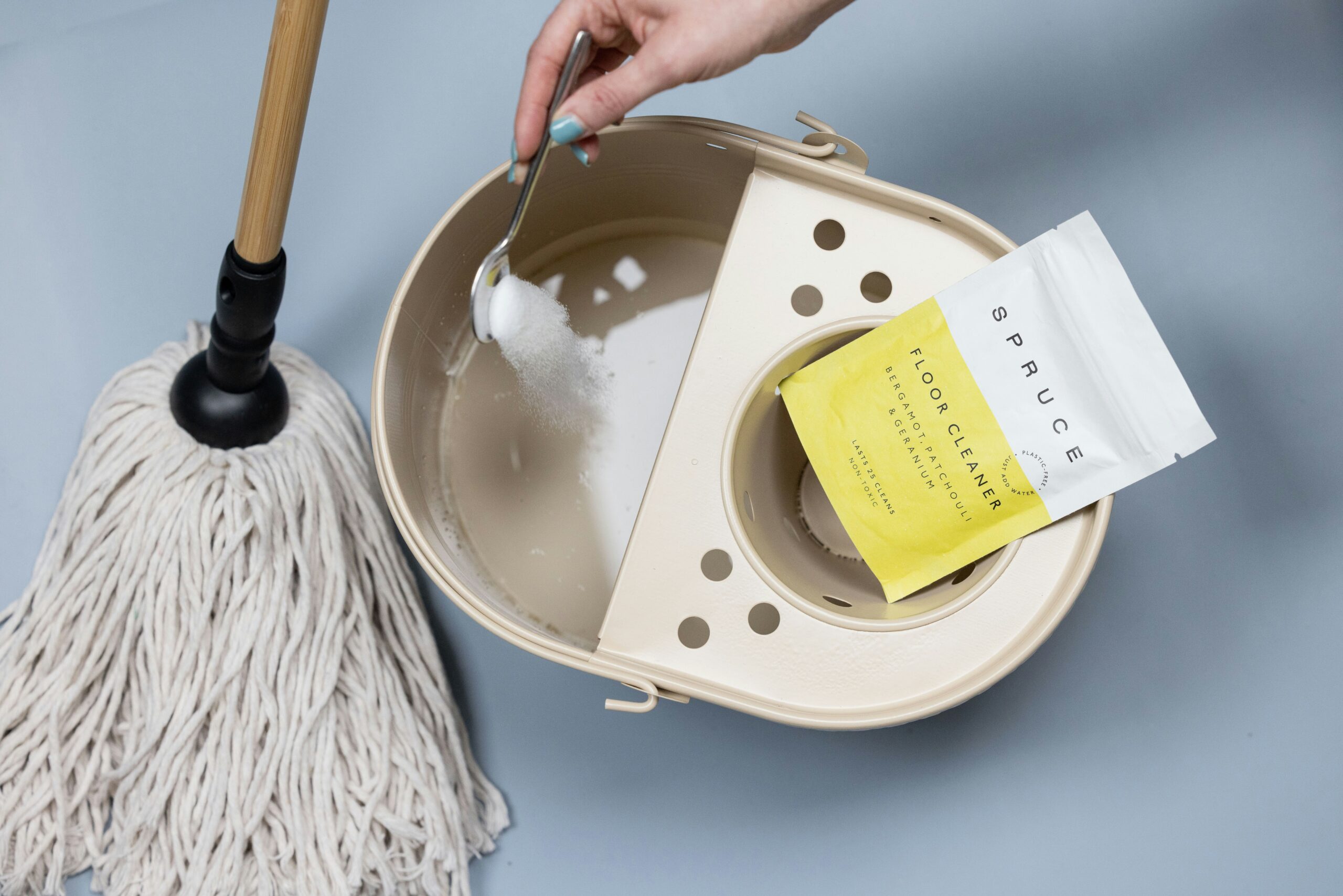
Best Products for Salt Stain Removal Entryway Floors in Canada
These products are widely available in Canada and work well for salt stain removal entryway floors. Prices are approximate in CAD.
Budget‑friendly options
- White vinegar — $3–$6 per 4L at Walmart Canada or Loblaws.
- Microfibre mop kit — $15–$25 at Canadian Tire.
- Dish soap — $3–$6 for light cleaning on tile or vinyl.
Mid‑range and professional options
- Neutral pH floor cleaner (Zep or Dustbane) — $15–$30 per 4L at Canadian Tire or Home Hardware.
- Formula KK Salt Reducer — $25–$40 per 4L from specialty suppliers.
- Steam cleaner — $100–$250 at Costco Canada (best for tile or sealed floors).
| Product Type | Best For | Price Range (CAD) | Notes |
|---|---|---|---|
| White vinegar | Tile, concrete, vinyl | $3–$6/L | Eco‑friendly, great for salt residue |
| Neutral pH cleaner | All hard floors | $10–$30 | Low residue, safe for frequent use |
| Salt neutraliser | Heavy winter buildup | $20–$40 | Professional‑grade for stubborn stains |
| Microfibre system | Daily maintenance | $10–$25 | Captures salt dust without scratching |
For general service options, see cleaning services. If you want to compare DIY vs professional, the cleaning services FAQ outlines what professionals typically include.
Choosing the Right Cleaner: Vinegar, Neutral pH, or Salt Reducer?
Most homeowners start with vinegar because it is inexpensive and effective on mineral residue. However, it is not the only option. Choosing the right cleaner depends on your floor type and how severe the staining is.
Vinegar solutions are mildly acidic, which helps dissolve salt crystals quickly. They are great for tile, concrete, and vinyl, but should be used carefully on natural stone and unsealed wood. If you use vinegar, always rinse with clean water and dry fully so the acid does not dull the finish.
Neutral pH cleaners are the safest all‑around choice. They clean without stripping finishes, which makes them ideal for hardwood, laminate, and most tile. They do not dissolve salt as aggressively as vinegar, but they reduce the risk of damage on sensitive surfaces. This is why many professional cleaners use neutral pH products as the default.
Salt reducers or neutralisers are designed for heavy winter buildup. They are more expensive but work faster on thick white residue, especially in commercial lobbies or large entryways. If you notice recurring stains after vinegar cleaning, a salt reducer is often the next step.
A simple rule: start with the mildest product that works. If stains remain after two gentle passes, move up to a stronger option. This protects your floors and extends their life.
DIY Starter Kit and Budget
If you handle salt stain removal entryway floors yourself, a small, dedicated kit saves time and keeps results consistent. Here’s a practical starter list for Canadian winters:
- Microfibre cloths (10‑pack) — $10–$20 CAD
- Microfibre mop with spare pads — $15–$30 CAD
- White vinegar (4L) — $3–$6 CAD
- Neutral pH cleaner — $15–$30 CAD
- Soft‑bristle brush — $6–$12 CAD
- Absorbent towels or drying cloths — $10–$20 CAD
Monthly supply cost: $15–$40 CAD for most homes, assuming you are reusing cloths and pads. The biggest cost is usually time. If you spend more than 1–2 hours per week on winter entryway maintenance, professional service can be more cost‑effective.
Safety and Floor-Type Precautions
Salt stain removal entryway floors is safe when done with mild solutions and proper ventilation. CCOHS and Health Canada both recommend reducing chemical exposure, ventilating enclosed spaces, and wearing gloves when using cleaners.
- Ventilate entryways when using vinegar or cleaning solutions.
- Wear gloves to protect skin from drying or irritation.
- Keep pets and children away until floors are dry.
- Test first on a hidden spot to avoid discolouration.
Reference safety guidance from CCOHS and Health Canada.
Moisture Control and Drying: The Hidden Step
Drying is the most overlooked part of salt stain removal entryway floors. Even a clean floor can turn into a slip hazard if it stays damp. Moisture also pushes salts deeper into porous materials, which is why stains sometimes reappear.
Best practices:
- Use dry towels after mopping to absorb surface water.
- Increase airflow by opening a door or window for 10–15 minutes.
- Use a small fan if the entryway is enclosed or has no airflow.
- Avoid over‑wetting in the first place so drying time is short.
For wood or laminate, drying immediately is non‑negotiable. For tile and concrete, drying prevents the white haze from reforming and keeps floors safer for residents and visitors.
Extra tip for small entryways: If your doorway has no airflow, crack the door for a few minutes after cleaning or place a small portable fan nearby. Faster drying not only prevents slips but also reduces the chance that salt re‑crystallises into a visible film.
DIY vs Professional Salt Stain Removal Entryway Floors: Costs
DIY salt stain removal entryway floors can be as low as $10–$50 for supplies, while professional services range depending on floor type and severity. Canadian pricing generally falls in these ranges:
| Scenario | DIY Cost (CAD) | Professional Cost (CAD) |
|---|---|---|
| Small entryway (50–100 sq ft) | $10–$30 | $75–$200 |
| Medium entryway (200–400 sq ft) | $20–$60 | $150–$300 |
| Large or commercial entryway | $50–$120 | $0.25–$0.75 per sq ft |
Routine maintenance visits for larger buildings can be as low as $0.10–$0.20 per sq ft, while deep salt removal runs higher. Professional cleaning is worth it for unsealed hardwood, large foyers, or heavy commercial traffic. Pros use neutralisers, HEPA vacuums, and drying fans that reduce long‑term damage. If you need a quote, the cleaning cost estimator is a quick way to compare options.
Regional ranges: In large urban centres like Toronto or Vancouver, rates trend higher because winter demand spikes and labour costs are higher. In smaller cities, costs can be closer to the low end of the range. If you manage multiple properties, bundled service plans often reduce the per‑visit rate.
Example cost scenario: A 500 sq ft condo lobby in Toronto might pay $200–$350 for a deep salt removal visit, with lighter maintenance visits around $120–$180 during peak winter. In a smaller city, the same job could be closer to $150–$250. The difference usually comes down to travel time, staffing, and after‑hours access requirements.
When should you hire professionals?
- Unsealed or older hardwood where moisture damage is a risk.
- Large entryways or lobbies where DIY time adds up quickly.
- Recurring stains that return within a day or two.
- Commercial properties with liability concerns and public traffic.
Professional Workflow and Quality Checks
Professional crews follow a strict workflow to prevent scratches and residue. A typical salt stain removal entryway floors service looks like this:
- Pre‑inspection: Identify floor type and severity.
- Dry vacuum: Remove grit using a HEPA or backpack vacuum.
- Dissolve and neutralise: Apply neutral pH cleaner or salt neutraliser.
- Scrub gently: Use microfibre pads or soft brushes.
- Rinse: Remove residue with clean water.
- Dry and inspect: Prevent slips and check for haze.
Quality control includes a wipe test (clean cloth on the floor) and a slip check to ensure surfaces are dry. This is especially important in commercial lobbies where liability risks are higher.
Residential vs Commercial Entryways
Salt stain removal entryway floors looks different in a condo lobby than in a single‑family home. The principles are the same, but the scale and risk are higher in commercial settings.
- Residential homes can usually manage weekly cleaning and seasonal deep cleans.
- Condos and apartments need more frequent cleaning because traffic is continuous and salt spreads quickly.
- Retail and office lobbies require strict slip prevention, signage, and faster drying times.
In commercial buildings, documentation matters. A simple cleaning log and photo evidence help managers prove that entryways were maintained properly during heavy winter periods.
Troubleshooting Stubborn Salt Stains
If salt stains keep coming back, it usually means one of three things: the salt is deep in a porous surface, the floor finish is damaged, or moisture is entering from below.
- Haze that returns after cleaning: Often efflorescence. Reduce moisture, seal the surface, and repeat cleaning.
- Dull patches on hardwood: Salt may have etched the finish. A re‑coat or buffing service may be required.
- Sticky or slippery feel: Residue from cleaners wasn’t fully rinsed. Re‑mop with clean water and dry thoroughly.
If a stain does not lift after two or three gentle attempts, stop scrubbing aggressively. Over‑scrubbing can damage finishes. At that point, a professional assessment is usually cheaper than refinishing the floor.
Quality Control Checklist
Whether you clean yourself or hire a professional, a quick quality check prevents missed spots and reduces slip hazards.
- Visual check: No white haze, streaks, or dull patches.
- Touch check: Floor should feel clean and dry, not sticky.
- Edge check: Baseboards and corners are where salt collects.
- Mat check: Mats are clean, dry, and positioned correctly.
This simple checklist takes two minutes and keeps entryways safe, especially in busy buildings where slip risks are high.
Prevention Tips for Canadian Winters
Salt stain removal entryway floors is easier when you prevent stains in the first place. These strategies save time and reduce long‑term damage:
- Double mat system: A scraper mat outside and absorbent mat inside can reduce salt tracking dramatically.
- Remove boots at the door whenever possible.
- Shake and rinse mats weekly during winter.
- Seal floors annually to reduce absorption in wood, grout, and concrete.
- Keep a quick‑clean kit near the door for post‑storm touch‑ups.
Entryway Design Tweaks That Reduce Salt Stains
Small design changes can cut down how much salt reaches your floors. These upgrades are inexpensive and make the biggest difference in Canadian winters.
- Boot tray: A raised tray captures meltwater so it doesn’t spread.
- Two‑stage mat system: A scraper mat outside and an absorbent mat inside trap both grit and moisture.
- Bench or seating: Encourages people to remove boots instead of walking through the home.
- Runners or transition mats: Protect the busiest path without covering the whole floor.
These changes reduce how often you need full salt stain removal entryway floors cleaning. In high‑traffic homes or buildings, the savings in labour time quickly add up.
10-Minute Quick Maintenance Routine
On busy winter weeks, you don’t always have time for a full clean. This short routine keeps salt from building up between deep cleans and takes about 10 minutes.
- Shake out mats and dump any boot tray water.
- Vacuum or sweep the entryway and along baseboards.
- Spot wipe visible white marks with a damp microfibre cloth.
- Dry quickly with a towel to avoid slick spots.
Doing this twice a week dramatically reduces the need for heavy scrubbing. It also keeps salt from migrating deeper into grout or wood pores, which is what causes stubborn stains in spring.
Common Salt Stain Removal Mistakes
- Skipping vacuuming, which grinds grit into the surface.
- Using too much water on hardwood or laminate.
- Using harsh chemicals like bleach or ammonia on finished floors.
- Not rinsing, leaving a sticky film that attracts more dirt.
- Leaving floors damp, increasing slip hazards and warping risk.
Frequently Asked Questions
How often should I do salt stain removal entryway floors in winter?
Weekly cleaning is ideal during peak winter, with quick sweeps or vacuuming every day or two. After major storms, a same‑day wipe prevents deep staining.
What is the best DIY method for salt stain removal entryway floors?
The safest DIY method is a vinegar‑water solution (1:3), applied with a damp microfibre mop. Always rinse and dry immediately to prevent residue and moisture damage.
Are salt stains permanent?
Most salt stains are removable if treated quickly. Deep etching on hardwood may require refinishing, which is why regular maintenance is important.
Do I need a special cleaner for salt stains?
Not always. White vinegar works well for many surfaces. For heavy buildup or porous floors, a neutral pH cleaner or salt neutraliser performs better.
How long does salt stain removal entryway floors take?
A small entryway takes 30–60 minutes. Larger entryways or deep stains can take 1–2 hours, especially if multiple passes are needed.
Is steam cleaning safe for entryway floors?
Steam is safe for tile and sealed floors, but it’s risky on unsealed wood or laminate. Always test first and follow manufacturer guidance.
Should I hire professionals?
Hire professionals if you have unsealed hardwood, large commercial entryways, or stains that return quickly. Professional services reduce long‑term damage and include drying equipment.
Can I use baking soda for salt stains?
Yes, baking soda can help on concrete or tile because it is mildly abrasive and neutralises odours. Make a paste with water, apply gently, and rinse well. Avoid baking soda on delicate wood finishes unless you test first.
Will salt permanently damage grout?
Salt can dry out and weaken grout over time, especially if moisture is trapped. Regular cleaning and annual grout sealing prevent most long‑term damage. If grout is already crumbling, professional repair may be required.
Are vinegar solutions safe for pets and kids?
Vinegar is generally safer than harsh chemicals, but floors should still be rinsed and dried before pets or kids walk on them. The smell fades quickly once dry, and the residue is minimal.
Is floor sealing worth it?
For wood, concrete, and grout, sealing is one of the best defences against recurring salt stains. It creates a barrier that reduces absorption and makes future cleaning much easier.
What if I already see dull or etched areas?
Dull spots often mean salt has damaged the finish rather than just sitting on top. Light buffing or a maintenance coat can restore shine on sealed surfaces. If the area still looks rough after cleaning, consider a professional assessment before using stronger chemicals.
Conclusion
Consistent salt stain removal entryway floors care protects your surfaces, prevents slips, and keeps your home looking sharp all winter. With a simple checklist, the right products, and good prevention, most stains can be removed without heavy chemicals.
Think of it as winter maintenance: a few minutes each week saves you from costly repairs and keeps your entryway looking clean even in the harshest months.
Start with a quick sweep today, and you’ll notice a big difference by the next storm.
Need professional help? GoodCleaner can build a custom plan for winter salt removal that protects your floors and keeps entryways safe.