


7 Essential Church Cleaning Tips for Sacred Spaces in Canada
Table of Contents
- Understanding the Unique Demands of Religious Facility Cleaning
- Professional Church Cleaning Service Costs in Canada
- DIY vs Professional: When to Hire Versus Handle Yourself
- Step-by-Step Church Cleaning Procedures
- Recommended Products for Canadian Church Cleaning
- Common Mistakes to Avoid
- Special Considerations for Canadian Facilities
- How Often to Clean: Frequency Recommendations
- Frequently Asked Questions
Looking for professional church cleaning services to maintain your sacred space? Religious facilities present unique cleaning challenges that require specialised knowledge, appropriate products, and respect for their spiritual significance. In this comprehensive guide, we’ll cover sanctuary maintenance, wooden pew care, flooring management, and help you decide between DIY and professional cleaning approaches for Canadian congregations.
Understanding the Unique Demands of Religious Facility Cleaning
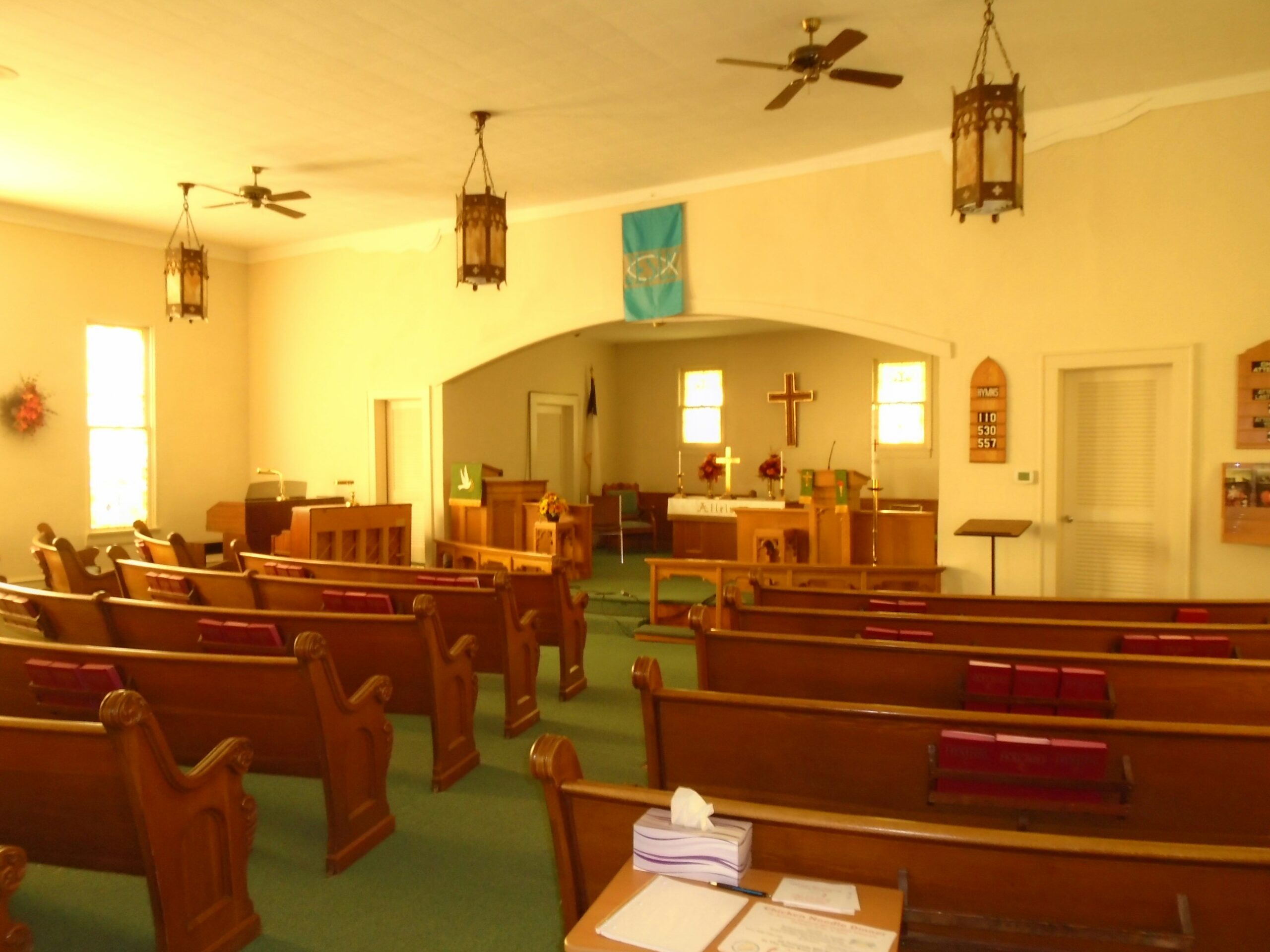
Churches and religious facilities present cleaning challenges distinct from commercial buildings. The combination of high foot traffic, diverse surface materials including delicate wood and stained glass, spiritual significance of artefacts, and multiple event schedules requires a tailored approach.
Professional janitorial staff working in religious spaces must balance thorough sanitisation with preservation of sacred items while maintaining an atmosphere of reverence. Key considerations include:
- Scheduling flexibility – Cleaning must occur around worship services, community events, and prayer times
- Diverse surface materials – Wood pews, stained glass, stone floors, and delicate textiles
- Sacred artefact protection – Careful handling of religious items and furnishings
- High-touch point sanitisation – Door handles, pew armrests, and railings require regular disinfection
Health Canada Compliance Requirements
In Canada, all disinfectants used in any facility must be registered with Health Canada and hold a Drug Identification Number (DIN). This requirement ensures manufacturers have substantiated claims about germicidal effectiveness and safety. Always verify the DIN on product packaging before use in your religious facility.
Professional Church Cleaning Service Costs in Canada
Understanding the financial investment required for professional church cleaning helps religious organisations budget appropriately and compare service quality.
Pricing Models
Professional cleaning companies typically offer three pricing structures:
- Hourly rates – $25-$75 per hour (average $50/hour), used when cleaning scope varies
- Square footage pricing – $0.05-$0.26 per square foot, depending on cleaning depth and condition
- Flat rate per visit – $85-$250 per visit for small buildings with straightforward layouts
For Canadian churches in urban areas, rates tend to run 15-25% higher than rural locations due to regional wage differences and transportation costs.
Monthly Service Costs by Facility Size
| Facility Size | Weekly Cleaning | Tri-Weekly | Monthly Cost |
|---|---|---|---|
| Small (1,500 sq ft) | $150 | $225 | $600 |
| Medium (5,000 sq ft) | $400-$850 | $600-$1,100 | $2,400-$3,400 |
| Large (10,000+ sq ft) | $650-$1,100 | $975-$1,650 | $2,600-$4,400 |
Specialised Services Pricing
Deep cleaning and specialised maintenance command premium pricing:
- Deep cleaning – $0.14-$0.26 per square foot
- Wooden pew polishing and conditioning – $2-$5 per pew
- Stained glass window cleaning – $12-$25 per panel
- Chandelier cleaning – $75-$200 per fixture
- Carpet extraction – $0.19-$0.22 per square foot
- Floor stripping and waxing – $0.22-$0.53 per square foot
Most Canadian churches find outsourced professional services 20-30% more cost-effective than employing full-time custodial staff, particularly when accounting for payroll taxes, workers’ compensation, and equipment maintenance.
DIY vs Professional: When to Hire Versus Handle Yourself
When DIY Maintenance Is Appropriate
Managing regular upkeep yourself works well for smaller congregations and routine tasks:
- Weekly dry dusting of pews and surfaces requires minimal skill
- Daily spot cleaning of spills prevents stains from setting
- Bathroom restocking and light surface wiping
- Vacuuming carpets with standard equipment
- Sweeping hard floors in low-traffic areas
Basic weekly maintenance typically requires 2-4 hours of volunteer effort in a small sanctuary. Most churches with active volunteer programmes can successfully handle daily and weekly tasks independently.
When Professional Services Are Essential
Certain tasks demand professional expertise and equipment:
- Deep sanitisation using hospital-grade disinfectants and electrostatic sprayers
- Wooden pew restoration requiring knowledge of wood finishes and specialised products
- Carpet steam cleaning and upholstery extraction
- Stained glass and heritage artefact cleaning requiring specialised training
- High-reach areas – ceiling cleaning, light fixture maintenance, interior window washing
- Event preparation – complete facility deep cleaning before major events or holiday services
- Post-event cleanup – managing large spill volumes and heavy soil from special gatherings
- Handling hazardous materials – lead paint in older facilities, asbestos abatement
The Hybrid Approach (Most Effective)
A hybrid approach combining volunteer efforts for routine tasks with professional quarterly deep cleaning optimises cost and maintenance outcomes:
- Volunteers handle daily tidying and restocking
- Professional monthly deep cleaning focusing on specialist tasks
- Quarterly professional deep sanitisation
- Annual professional pew restoration and floor care
Step-by-Step Church Cleaning Procedures
Daily Cleaning Tasks (15-30 minutes)
Maintaining basic cleanliness prevents rapid deterioration and keeps the space welcoming:
- Sanctuary floor care – Sweep or vacuum aisles, entry areas, and all carpeted regions. Pay special attention to high-traffic pathways and corners where dirt accumulates.
- High-touch point sanitisation – Wipe door handles, light switches, pew armrests, and railings with a microfibre cloth and approved disinfectant.
- Pew inspection and spot cleaning – Walk the rows and remove debris. Address visible spills immediately with a slightly dampened cloth.
- Restroom maintenance – Check and restock toilet paper, soap dispensers, and paper towels. Empty trash. Wipe sinks and counters with disinfectant wipes.
- Waste removal – Empty all trash and recycling bins, replacing liners.
Weekly Deep Cleaning Tasks (1.5-2 hours)
Weekly sessions address surface buildup and maintain wood condition:
- Wooden pew cleaning – Prepare a solution of diluted Murphy’s Oil Soap (approximately 2-3 drops per 500ml of warm water). Using a well-wrung microfibre cloth, gently wipe pew surfaces in the direction of the wood grain.
- Pew underseat cleaning – Use a vacuum with upholstery attachment to remove accumulated dust and debris from under seats.
- Rinsing and drying pews – Use a second microfibre cloth dampened with plain water to remove soap residue. Dry immediately with a clean, dry cloth.
- Floor maintenance – Mop hard floors using appropriate cleaners for the surface type.
- Restroom deep clean – Disinfect all surfaces including toilet seats, rims, countertops, and tile grout.
- Dusting elevated surfaces – Dust altar, pulpit, shelving, and light fixtures.
- Window and mirror cleaning – Clean windows, mirrors, and glass partitions using streak-free glass cleaner.
Monthly Deep Cleaning (2-3 hours)
Monthly sessions preserve finishes and address accumulated grime:
- Wooden pew polishing – Apply wood polish designed for church pews (such as Guardsman Furniture Polish) following manufacturer instructions
- Upholstered furniture cleaning – Vacuum cushioned seats or kneelers thoroughly
- Baseboards and wall washing – Wipe down all baseboards; lightly wash walls in high-traffic areas
- Kitchen and fellowship hall deep clean – Scrub countertops, sanitise sinks, degrease stovetops
- Light fixtures and ceiling inspection – Wipe fixtures and check for burned-out bulbs
- Carpet spot treatment – Address any stains that weekly cleaning didn’t remove
Quarterly Maintenance (3-4 hours)
Quarterly tasks prevent long-term deterioration:
- Cabinet and storage area purging and restocking
- Ceiling fan and high duct cleaning
- Door and window frame detail cleaning
- Electrical outlet and switch plate cleaning
Annual Deep Restoration (4-6 hours)
Annual work preserves the facility’s integrity and beauty:
- Comprehensive pew restoration – Professional-level polishing and conditioning using specialised wood restoration products
- Complete floor refinishing assessment – Determine if hardwood floors require refinishing (typically every 2-3 years, costing $3-$8 per square foot in Canada)
- Pressure washing exterior – Clean sidewalks, parking areas, and exterior surfaces
- HVAC system inspection – Check and replace furnace/AC filters
Recommended Products for Canadian Church Cleaning
Essential Cleaning Products Available in Canada
- Murphy’s Oil Soap (950 mL concentrate) – ~$5.69 CAD at Home Hardware, Canadian Tire, Walmart.ca – Ideal for pew and wood surface cleaning
- Murphy’s Oil Soap Refill (2.66 L) – $12-15 CAD – Bulk wood cleaning
- Guardsman Wood Polish (16 oz spray) – $8-12 CAD at Canadian Tire, Walmart.ca – Annual pew polishing
- Orange Glo 2-in-1 (16 oz spray, 3-pack) – $39.97 CAD at Walmart.ca – Quick polishing
- Lysol or Clorox Disinfectant – $4-8 CAD – High-touch point sanitisation
- Windex Glass Cleaner – $4-8 CAD – Windows and mirrors
- Microfibre Cloths (Pack of 10-20) – $8-15 CAD at Canadian Tire, Home Hardware
Natural and Eco-Friendly Alternatives
Environmental stewardship aligns with many faith community values. Canadian suppliers offer plant-based alternatives:
- The Bare Home – Refillable, biodegradable cleaning concentrates made in Canada
- Pacific Northwest Green Cleaning Products – Plant-based cleaners with natural citrus scents, available in Western Canada
- ECO ALL Wood Cleaner – 3-in-1 concentrated wood cleaner specifically for wood surfaces
- Baking soda – Natural deodorising for pews and carpets
- White vinegar and water solution – Dilute 1:1 for windows (avoid wood)
Professional services using eco-friendly products command a 10-15% premium but eliminate harmful VOC (volatile organic compound) exposure for congregants.
Common Mistakes to Avoid When Cleaning Religious Facilities
Product Selection Errors
- Using glass cleaner on wood – Most commercial glass cleaners contain ammonia, which strips finishes and permanently damages wooden pews
- Applying harsh chemicals – Acetone, lacquer thinner, and acidic cleaners accelerate wood degradation
- Oversaturating wood – Excess moisture causes warping, swelling, and mould growth. Cloths should be barely damp, not wet
Technique Failures
- Scrubbing against the wood grain – Causes visible scratches and lifts splinters. Always clean in the direction the wood grain runs
- Skipping the rinse step – Leaving soap residue causes cloudiness and stickiness. Use a second cloth with plain water to rinse
- Allowing moisture to sit – Not drying immediately enables water damage. Use the three-cloth method: cleaning cloth, rinse cloth, dry cloth
- Failing to test finishes first – Different pew finishes require different approaches. Perform a water-drop test on a hidden area first
Scheduling and Coordination Issues
- Cleaning during worship services – Creates disruption and disrespect. Schedule cleaning during off-hours
- Inadequate staff training – Volunteers unfamiliar with proper wood care risk permanent damage
- Infrequent deep cleaning – Delaying monthly or quarterly cleaning allows difficult-to-remove dirt accumulation
Special Considerations for Canadian Facilities
Winter and Climate Challenges
Canadian climate presents unique maintenance demands:
- Salt and road salt residue – Winter salt tracked indoors damages finishes and wood. Position entry mats and increase daily entrance area cleaning during winter months
- Humidity control – Canada’s variable humidity requires proper HVAC maintenance to prevent wood swelling, warping, or mould growth
- Seasonal deep cleaning – Schedule additional sanitisation before winter heating season (which dries air and can crack wood) and before summer humidity peaks
Heritage Building Preservation
Many Canadian churches occupy historic buildings with unique materials and finishes. Facilities with the following features should consult professional restoration specialists before implementing cleaning protocols:
- Original wood finishes over 50 years old
- Stained glass windows
- Historic paint or murals
- Marble or stone surfaces
- Irreplaceable textiles or furnishings
Improper cleaning can violate preservation requirements or damage irreplaceable artefacts. Professional church restoration companies understand Canadian heritage preservation standards and can guide appropriate maintenance.
How Often to Clean: Frequency Recommendations
Religious facilities require more frequent cleaning than typical office buildings due to high traffic during services and events. Average churches host 2-3 events weekly beyond Sunday services.
- High-touch areas – Daily sanitisation
- Pews and main sanctuary floor – Daily light cleaning, weekly detailed cleaning
- Restrooms – Daily deep cleaning, additional cleanings during/after events
- Wood polishing – Monthly maintenance, annual deep restoration
- Carpets – Weekly vacuuming, quarterly extraction, semi-annual professional cleaning
- Windows and stained glass – Monthly interior, quarterly exterior, annual deep clean for delicate stained glass
- Ceiling and high fixtures – Quarterly dusting and inspection
- Event-based – Additional pre- and post-event cleaning as needed
Practical Checklist: When to Hire Professionals
Hire professionals if:
- Facility exceeds 3,000 square feet with limited volunteer availability
- Pews show staining, dullness, or surface damage requiring restoration
- Monthly budget allows $200-400+ for specialised deep cleaning
- Building contains heritage materials requiring expert care
- Congregation experiences health concerns or wants professional-grade sanitisation
DIY approach works if:
- Facility is under 2,000 square feet with active volunteer programme
- Pews are in good condition needing routine maintenance only
- Budget constraints require minimal outside spending
- Congregation can commit 4-6 volunteer hours weekly
Frequently Asked Questions
How much do professional church cleaning services cost in Canada?
Professional church cleaning services in Canada typically cost $25-$75 per hour or $0.05-$0.26 per square foot. Small churches (1,500 sq ft) pay approximately $600 monthly for weekly cleaning, while large facilities (10,000+ sq ft) may spend $2,600-$4,400 monthly. Urban areas tend to be 15-25% higher than rural locations.
What is the best way to clean wooden church pews?
Use diluted Murphy’s Oil Soap (2-3 drops per 500ml warm water) with a barely damp microfibre cloth. Wipe in the direction of the wood grain, then rinse with a water-dampened cloth and dry immediately. Never oversaturate wood, and polish monthly with products like Guardsman Furniture Polish.
How often should a church be professionally cleaned?
High-touch areas require daily sanitisation. Pews and floors need weekly detailed cleaning. Monthly deep cleaning should address wood polishing and thorough restroom sanitisation. Quarterly professional deep sanitisation and annual pew restoration are recommended for optimal maintenance.
Can volunteers handle church cleaning instead of hiring professionals?
Yes, for small facilities under 2,000 square feet with active volunteer programmes. Basic weekly maintenance requires 2-4 hours of volunteer effort. However, specialised tasks like pew restoration, carpet extraction, stained glass cleaning, and high-reach areas should be handled by professionals.
What cleaning products are safe for stained glass windows?
Use only distilled water with a soft, lint-free cloth for regular dusting. For deeper cleaning, use a mild, pH-neutral cleaner specifically designed for stained glass. Avoid ammonia-based products and harsh chemicals. Annual professional cleaning is recommended for valuable or antique stained glass.
How do Canadian winters affect church cleaning requirements?
Winter salt tracked indoors damages wood finishes and flooring. Increase daily entrance area cleaning, position absorbent entry mats, and schedule additional deep cleaning before winter heating season begins. Heating dries air, which can crack wood, so maintain proper humidity levels.
What disinfectants are approved for use in Canadian churches?
All disinfectants must be registered with Health Canada and display a Drug Identification Number (DIN) on packaging. For general sanitisation, low-level disinfectants like Lysol or Clorox products with DIN numbers are appropriate. Hospital-grade disinfectants may be needed for enhanced sanitisation.
Should heritage churches use different cleaning methods?
Yes, facilities with original wood finishes over 50 years old, stained glass, historic paint, or irreplaceable textiles should consult professional restoration specialists before implementing cleaning protocols. Improper cleaning can violate preservation requirements and damage irreplaceable artefacts.
Conclusion
Effective church cleaning balances financial stewardship, preservation of sacred assets, and maintaining an inviting environment for spiritual practice. Canadian congregations benefit from understanding their facility’s unique needs, selecting appropriate products, and establishing realistic cleaning schedules.
Most successful religious facilities implement a structured approach: consistent volunteer effort for routine maintenance, strategic professional services for specialised tasks, and regular assessment to ensure standards remain high. Whether your congregation chooses DIY maintenance, professional services, or a hybrid approach, prioritising consistent and knowledgeable care ensures your religious facility remains a sanctuary worthy of its purpose.
Need professional church cleaning services in Canada? Contact GoodCleaner today for a free quote on sanctuary, pew, and religious facility maintenance!