
How To Remove Coffee Stains From Rugs And Carpets
Coffee is the drink that starts many Ottawa mornings, and it is also one of the most common causes of carpet and rug stains. A full mug toppled onto a light-coloured rug, a splash that catches the edge of the carpet by the kitchen, or a cup that tips across the living room floor can leave a brown mark that looks worse than the moment it happened. Coffee stains are built from tannins and oils, and they set quickly when they are left to dry. The good news is that most coffee stains can be removed completely if you act fast and use the right method. This guide explains why coffee stains are so stubborn, how to remove them from rugs and carpets step by step, and when a professional team from Good Cleaner Co. is the safest choice for delicate or high-value flooring.
Quick Summary
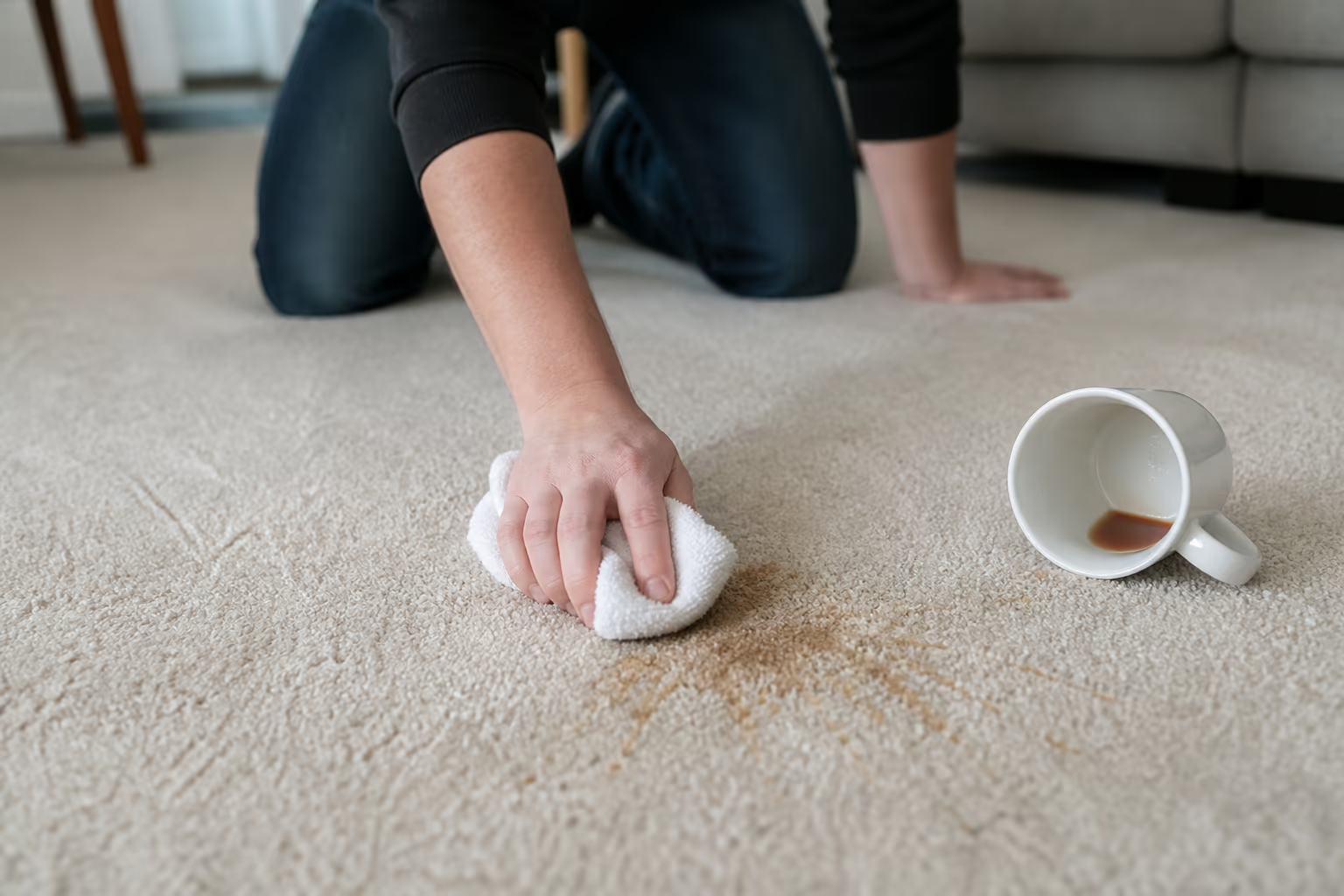
Coffee stains carpets and rugs because tannins and oils bind quickly to fibres, so acting within minutes with cool water and mild dish soap lifts most spills before they set. Delicate fibres like wool need gentler treatment, and heat from irons or hot mugs only locks stains in permanently.
In this guide
Why Coffee Stains Are So Stubborn
Coffee leaves two things behind: tannins and oils. Tannins are the natural compounds that give coffee its deep colour and slightly astringent character, and they bind readily to carpet fibres, especially wool, which is naturally absorbent. The oils in coffee, particularly in darker roasts or coffee that has been lightened with cream, add a greasy layer that plain water cannot lift on its own.
Time is the biggest enemy. A stain that is blotted up within a few minutes usually lifts with little more than cool water and a little dish soap. A stain that dries, or worse, is rubbed and ground into the fibres, can take several treatments and may leave a faint shadow. Heat sets coffee stains, so pressing the spot with a warm iron or leaving a hot mug resting directly on the carpet only locks the mark in. The same hot mug habit is behind many of the water rings that show up on wood furniture, and removing water rings from wood follows a similarly gentle approach.
The fibre matters as much as the timing. Synthetic carpets such as nylon and polyester resist staining well and clean up quickly with common products. Natural fibres such as wool, sisal and jute are more absorbent and more delicate, and they need gentler methods and lower concentrations of cleaner. An antique rug, a hand-knotted piece or a fine patterned wool carpet deserves careful treatment, because the wrong product can fade the dyes or distort the weave as surely as the coffee itself.
Act Fast - What to Do in the First Minutes
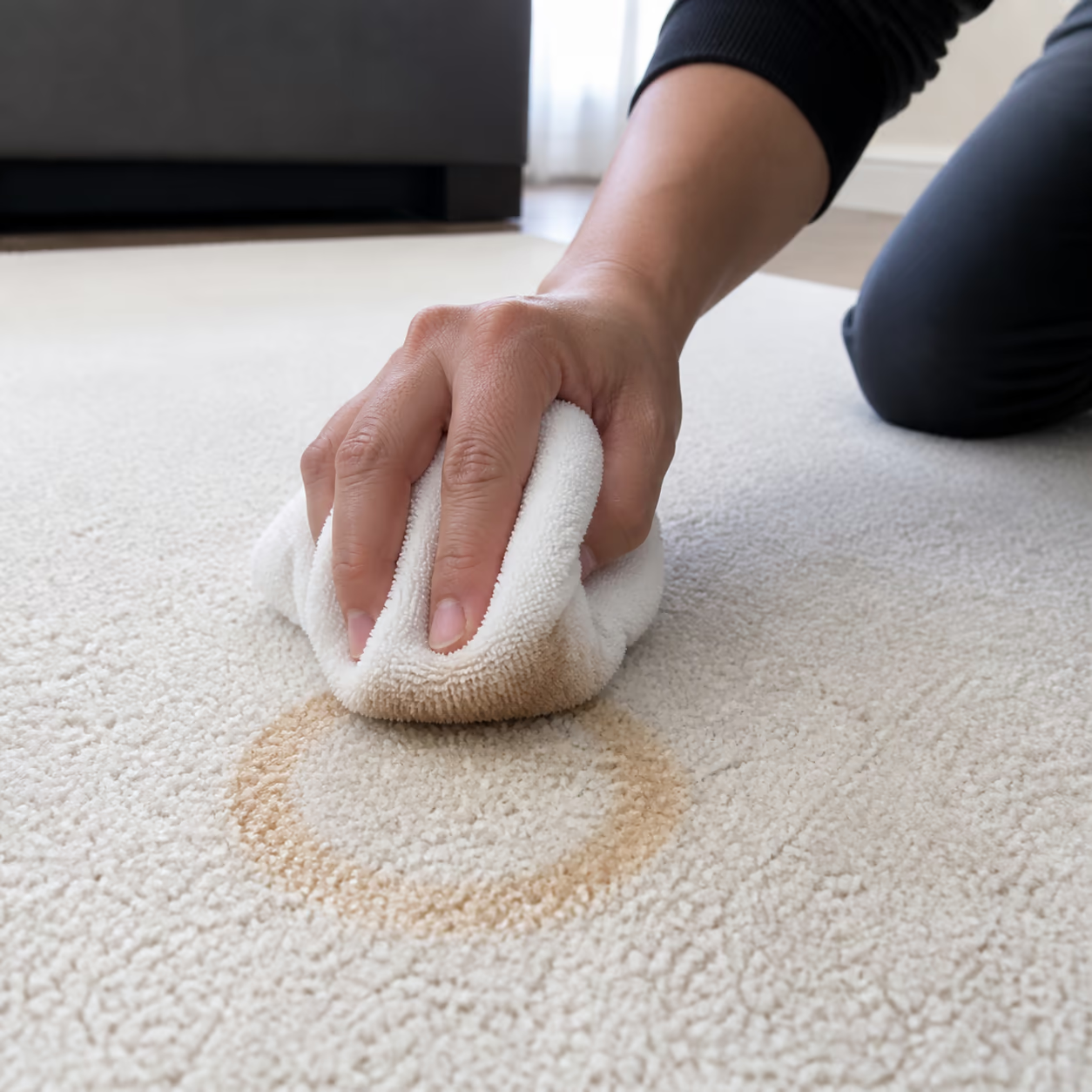
The first few minutes after a spill decide how much work the stain will take. Move quickly, but do not panic and do not scrub.
- Blot, do not rub. Press a clean white cloth or paper towel down and lift the liquid up.
- Work from the outside of the stain toward the centre so the spill does not spread.
- Lift as much liquid as you can before you add any cleaning solution.
- Use plain cool water on a cloth to dilute whatever remains.
- Blot the area dry so you can see how much colour is left.
- Test any cleaning product on a hidden section of the carpet first.
- Keep blotting until the cloth comes away clean, then rinse and blot again.
The word blot is the whole trick. Rubbing grinds the coffee deeper into the pile and can push the stain out from underneath, making it larger than it started. Blotting lifts the liquid straight up, which is exactly what you want.
What You Need Before You Start
Gather your supplies before you begin so you are not hunting for a cloth while the stain is drying. Most households already have everything on this list.
- Clean white cloths or paper towels in generous supply.
- Cool water in a spray bottle or a small bowl.
- A mild dish soap without dyes or fragrance.
- White vinegar, which helps break down the residue.
- A small bowl for mixing a cleaning solution.
- A spoon or a blunt butter knife to gently lift any coffee grounds.
- A soft carpet brush or an old toothbrush for gentle agitation.
- A dry cloth and a way to ventilate the room while the carpet dries.
Test your cleaning solution on a small, hidden corner of the carpet before you apply it to the stain. Some carpets, especially natural fibres and dyed rugs, react to cleaners by fading or bleeding colour. A quick test on an inconspicuous area tells you whether the product is safe before you commit it to the visible stain.
When you choose a carpet cleaning product, read the label and look for one that is suitable for your fibre type. Where you need a stronger treatment, choose a product registered with Health Canada and follow the directions, including the contact time and rinsing. For everyday stain removal, a gentle dish soap or a vinegar dilution does the job without harsh fumes. Under WHMIS 2015, professional cleaners are trained to read the safety data sheet for every product they use, which is how a trained team chooses the right cleaner, dilution and method for each carpet without damaging the fibres.
The Step-by-Step Process for Fresh Stains
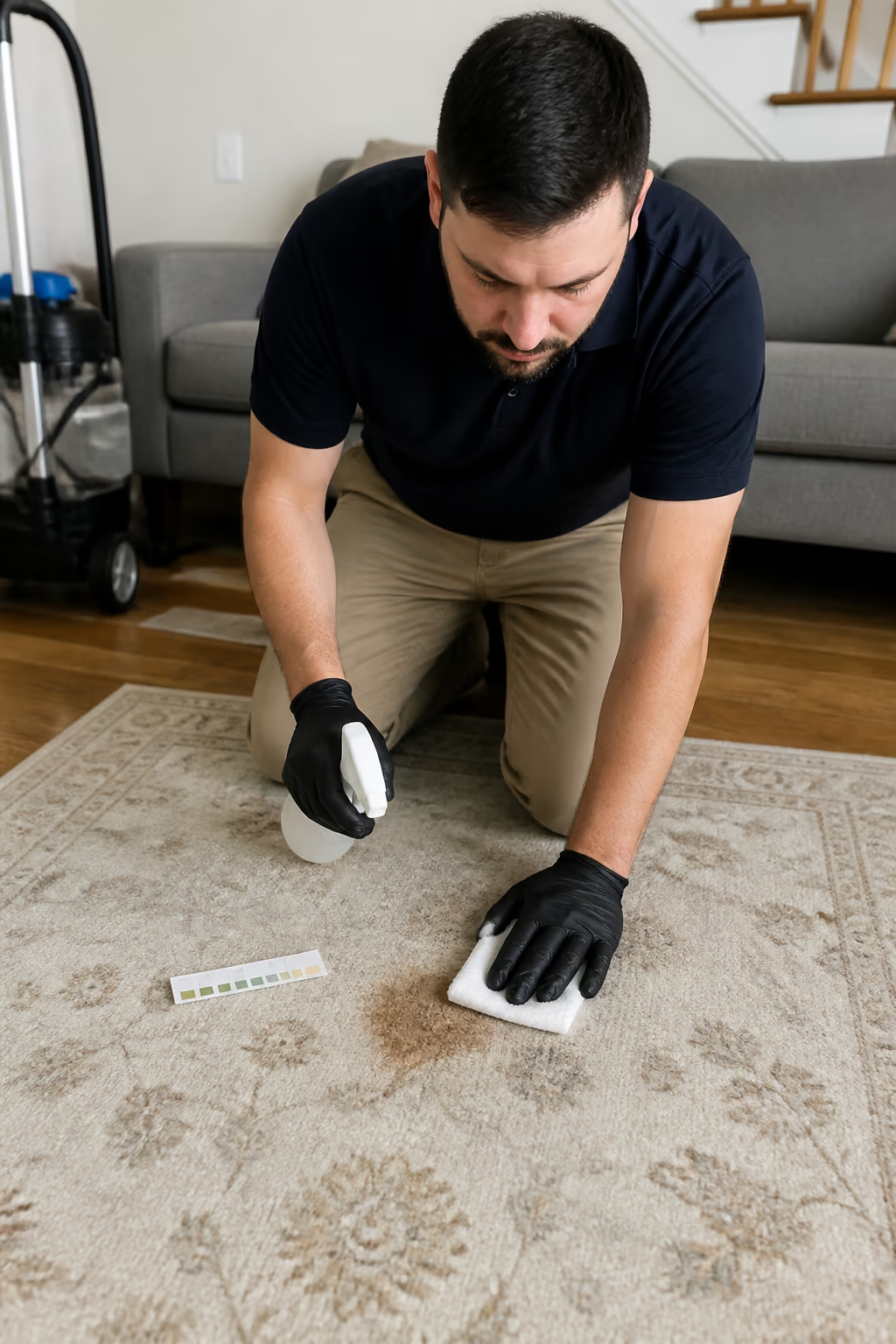
For a fresh coffee stain, work in a careful order: lift the liquid, dilute the residue, agitate gently, then rinse and dry. This same pattern works on both rugs and wall-to-wall carpet.
Start by blotting up as much liquid as you can. Press a clean white cloth onto the stain and lift, folding the cloth so you are always using a clean surface. Change cloths as soon as one is saturated, because a wet cloth simply transfers the stain back.
Once you have lifted what you can, mix a small amount of mild dish soap with cool water and dab the solution onto the stain with a clean cloth. Work from the outside edge in, using light pressure, then let the solution sit for a minute or two so it can break down the coffee. Blot the area again, this time with plain water on a fresh cloth, to rinse the soap out of the fibres.
Finally, blot the spot dry with a clean cloth or paper towel, pressing down to pull up the moisture. Leave the carpet to air dry and avoid walking on it until it is fully dry, because damp fibres attract new dirt and can develop a musty smell. If the stain is gone, you are finished; if a faint shadow remains, move on to the deeper treatment below. Musty carpet smells are a common household frustration, much like the challenge of removing dog odor from your home, and both respond well to thorough drying and cleaning.
Handling Dried and Set-In Stains
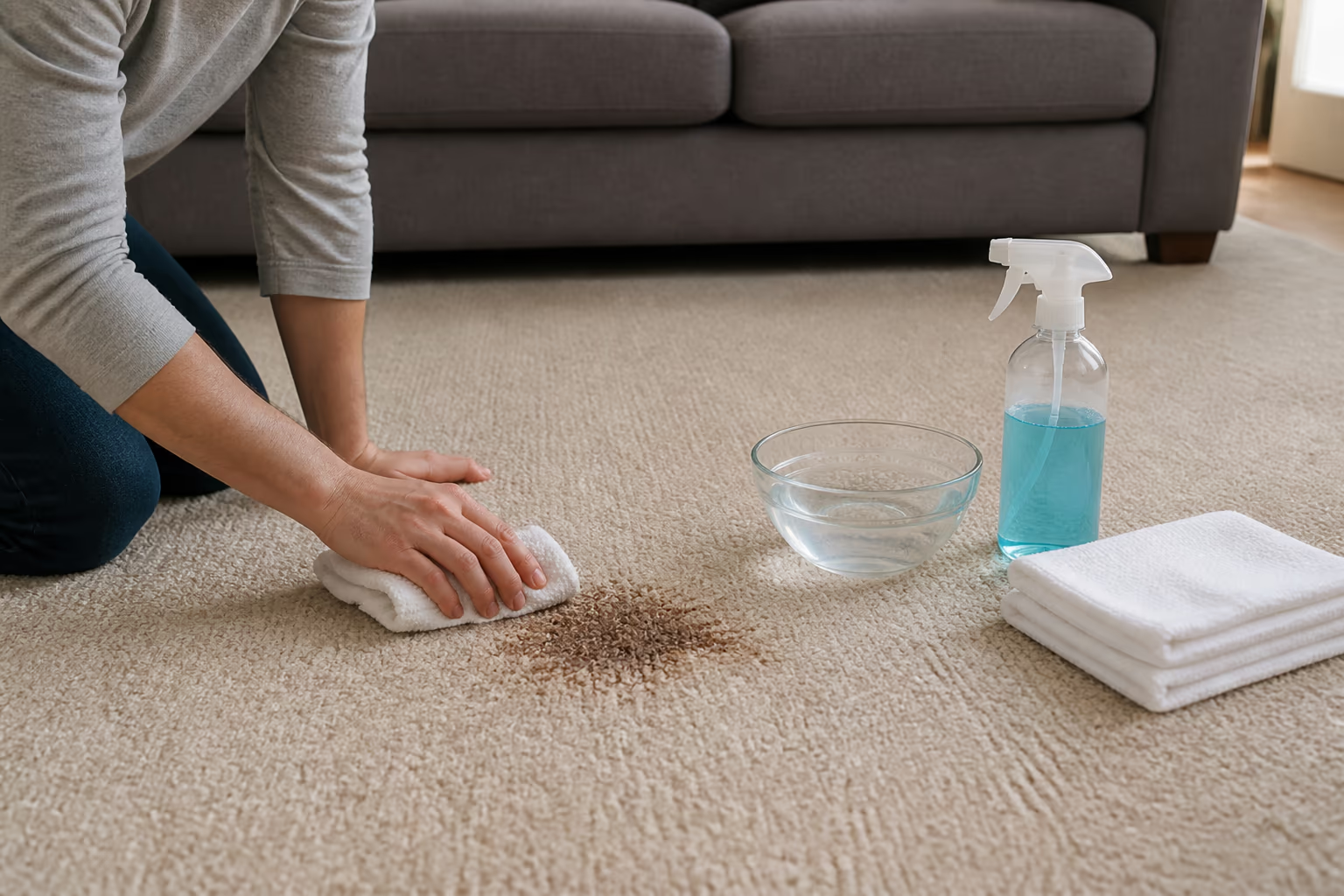
Dried coffee stains need more patience because the tannins have bonded to the fibre. Do not give up, but expect to repeat the process a few times.
- Resoak the area with cool water to soften the dried residue before you treat it.
- Apply a vinegar and water mixture, about one part white vinegar to two parts water, to help lift the tannins.
- Let the solution sit for a few minutes, then blot, rinse and blot again.
- If the stain persists, use a slightly stronger solution of dish soap and water and repeat.
- Allow the carpet to dry fully between treatments so you can judge the real progress.
- Consider a professional extraction machine or a professional's help if the shadow will not lift.
Persistent shadows often come from the oils in the coffee rather than the colour. If the brown is gone but a greasy mark remains, the dish soap method removes the oil, then rinse thoroughly so the soap does not attract dirt. For carpets that have been stained for weeks, a professional hot water extraction reaches deeper into the pile than a hand treatment and can often lift what home methods cannot.
Removing Stains from Wool and Delicate Rugs
Wool, sisal and other natural fibres need a gentler touch, and the same is true of antique or hand-knotted rugs. These pieces can be damaged by strong cleaners, hot water and vigorous scrubbing, so slow and careful is the right approach.
Use only cool or lukewarm water and a mild, pH-neutral soap on wool. Avoid bleach, strong detergents and any product that fizzes on contact, because the dyes in a natural rug can fade or run. Blot gently and rinse thoroughly, and never soak a wool rug, because the backing can shrink or the wool can felt.
If you own a valuable rug, a professional is often the safer choice from the start. A trained cleaner identifies the fibre, tests the dyes and chooses a method that removes the stain without damaging the piece. That care is worth the cost when the rug is an heirloom or a fine handmade investment.
What Not to Do on a Coffee Stain
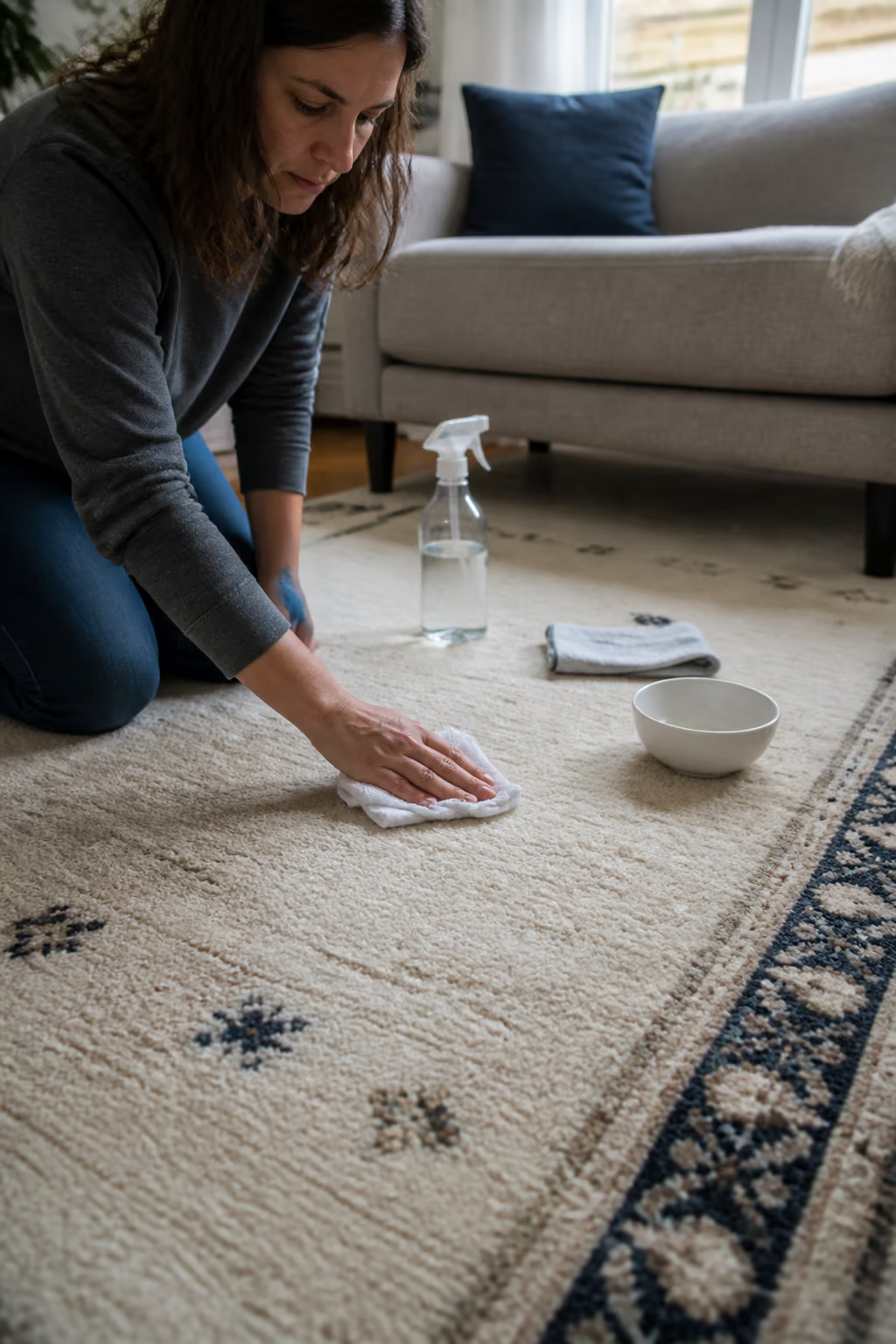
Knowing what to avoid is just as useful as knowing the steps, because the wrong move can turn a removable stain into a permanent one.
- Do not rub or scrub the stain, which grinds the coffee deeper into the fibres.
- Do not use hot water, which can set the tannins and cook the stain in.
- Do not press the area with a hot iron or leave a hot object on the spot.
- Do not soak the carpet with large amounts of cleaner that spread the stain wider.
- Do not use bleach on a coffee stain, which can discolour the fibres.
- Do not pile several products on at once, which makes it impossible to know which one worked.
- Do not walk on or replace furniture over the carpet until it is completely dry.
Soaking the fibre is one of the things not to do. Health Canada's mould guidance names excessive moisture as one of the most common causes of poor indoor air, and lists discolouration on fabrics and carpets among the signs worth inspecting for. The federal advice is short: “To prevent mould, fix any moisture problems right away and control humidity levels in your home.”
The most common way a coffee stain becomes permanent is heat and rubbing. Keep everything cool and gentle, work from the outside in, and give each treatment time to work before you judge the result.
When to Call a Professional
Most coffee stains respond to patient home treatment, but some situations call for professional carpet and rug cleaning. If a stain has been baked in by heat, if it covers a large area, if the carpet is wool, antique or fine, or if your own attempts have left the mark unchanged, a professional is the right next step.
A professional team brings extraction equipment that reaches deep into the pile, the knowledge to match products to fibres, and the training to test before treating. They can also address the odour and residue that build up in high-traffic carpets over time, leaving the whole floor cleaner, not just the spot. For landlords preparing a rental unit, a homeowner readying a sale, or a business refreshing a lobby, professional carpet care protects the value of the flooring. High-traffic commercial carpets, such as those covered by call centre cleaning high density workspace hygiene practices, benefit from this same regular attention.
Good Cleaner Co. combines local experience, background-checked staff and carefully selected products to keep Ottawa carpets and rugs clean and healthy. Our residential home cleaning services in Ottawa can include carpet care as part of a regular schedule or a one-time deep clean.
If you are weighing whether to manage a cleaning project yourself or hire it out, our commercial cleaning provider checklist is a useful starting point for the questions that matter, and the same standards of transparency, training and equipment apply to a home carpet.
Formatted Step-by-Step Coffee Stain Removal Checklist
Run through this checklist for a thorough result, and keep the first steps ready for the next accidental spill.
- 1.Blot up as much fresh coffee as possible with clean white cloths, working from the outside edge toward the centre.
- 2.Dilute and treat the stain with a mild dish soap or a vinegar and water solution, letting it sit for a minute or two.
- 3.Agitate gently with a soft brush or toothbrush, then blot with plain water to rinse the cleaner out of the fibres.
- 4.Blot the area dry, allow the carpet to air dry fully, and repeat the treatment if a faint shadow remains.
- 5.Protect the result by keeping the carpet dry and avoiding foot traffic and furniture until the fibres are completely dry.
- 6.For a large, set-in or valuable carpet, reviewing our residential cleaning visits in Ottawa provides a trained team for a thorough, fibre-safe clean.
FAQ
Can I remove an old coffee stain from my carpet?
Often, yes. Dried stains need more patience, but resoaking the area, treating it with a vinegar and water solution and blotting repeatedly can lift the tannins. If the stain has been there for weeks, professional extraction is the most reliable option.
Does vinegar remove coffee stains from carpets?
Vinegar helps. A dilution of one part white vinegar to two parts water breaks down the tannins and is gentle on most fibres. Rinse the area afterward with plain water so the vinegar does not leave its own smell behind.
Is it safe to use dish soap on a wool rug?
Only a mild, pH-neutral dish soap, and only after testing on a hidden area. Strong or fragrant detergents can damage wool and strip the natural oils from the fibres. When in doubt, call a professional.
How do I stop a coffee stain from spreading?
Blot from the outside edge toward the centre, and do not press hard enough to push liquid outward. Using a clean, dry cloth and lifting rather than rubbing keeps the spill contained.
Why did my coffee stain turn darker after cleaning?
Usually because the area was not rinsed thoroughly, or because the carpet is still damp and is attracting dirt. Rinse with plain water, blot dry and keep foot traffic off until the fibres are fully dry.
Can hot water remove coffee stains?
No, and it can make them worse. Heat sets the tannins and cooks the stain into the fibre. Use cool or lukewarm water and never press a hot iron or mug onto the spot.
When should I have my carpets professionally cleaned?
When a stain is large, set-in, or on a delicate fibre, when the carpet needs an overall refresh, or when you are preparing a property for rent or sale. A professional also reaches the deeper layers of the pile that home methods cannot.
What is the best way to treat coffee stains on a synthetic carpet?
Synthetic carpets such as nylon and polyester respond well to the same blot, treat, rinse and dry method, and they tolerate slightly stronger cleaners than wool. Always test first and rinse thoroughly.
Wrapping Up
Coffee stains do not have to be permanent. Blot up the spill quickly, treat the residue with a mild soap or vinegar solution, rinse and dry, and be patient with stains that have already set. Protect the fibres with cool water and gentle pressure, and call in a professional for large, old or valuable carpets. With the right steps, your Ottawa rugs and carpets can stay as clean as the morning that starts them.
Keep reading
More from Good Cleaner
Services that fit
- House Cleaning Services in OttawaHouse cleaning services in Ottawa for one-time, weekly, biweekly, and monthly home care, with customizable cleaning and eco-friendly options.
- Office Cleaning Services in OttawaProfessional office cleaning services in Ottawa for corporate offices, clinics and professional suites, with after-hours scheduling and eco-friendly products.
About the author
Service areas
- Ottawa
- Kanata
- Nepean
- Orléans
- Barrhaven