
Health And Safety In Janitorial Work
Janitorial work keeps the buildings we rely on clean, but the job itself comes with real hazards. From slippery floors and heavy lifting to handling chemicals and biohazards, the people who clean for a living face risks that deserve the same attention as the surfaces they maintain. In this guide we look at what health and safety in janitorial work really involves, and how a professional company protects both its staff and your property.
Quick Summary
Janitorial work carries real hazards, from slippery floors and heavy lifting to chemical handling and biohazard exposure, that deserve as much attention as the surfaces being cleaned. This guide covers what health and safety in janitorial work involves and how a professional company protects both its staff and your property.
In this guide
Why Health and Safety Matter in Janitorial Work
Janitors and cleaners keep the buildings we rely on functioning and hygienic. Without their dedicated efforts in ensuring health and safety in janitorial work, our schools, hospitals, offices, and public spaces would quickly become unsanitary places to work and visit.
That work sits inside a statutory duty, not just good intentions. Ontario's Occupational Health and Safety Act requires an employer to instruct, inform and supervise workers to protect their health and safety under clause 25(2)(a), and to take every precaution reasonable in the circumstances for the protection of a worker under clause 25(2)(h). For a cleaning crew, those two clauses cover the training, the equipment and the judgement calls made on site. The province sets a written threshold: “In workplaces in which more than 5 workers are regularly employed, prepare a written occupational health and safety policy, review that policy at least once a year and set up and maintain a program to implement it”.
That work is physically demanding and quietly dangerous. Cleaners lift and carry, reach and bend, handle chemicals, and move around other people's daily traffic. A professional approach to health and safety is what keeps those tasks from turning into injuries.
- Cleaners face slips, strains, and chemical exposures on a routine basis.
- A safe team is a more reliable team, with fewer absences and fewer incidents.
- Safety training reduces the risk of property damage as well as personal injury.
- Well-maintained equipment and clear procedures protect everyone who uses the building.
Safety in janitorial work matters for more than the workers themselves. A team that is well trained and properly equipped protects your building, your staff, and the public, because most cleaning mistakes are really safety mistakes.
A safer team also costs less in the long run. Fewer injuries mean fewer absences, and a cleaner who stays on the job long enough to learn your building and its routines.
The Main Hazards Janitorial Staff Face
Every cleaning job involves a short list of familiar hazards, and knowing them is the first step to controlling them.
A hazard is simply anything with the potential to cause harm, and janitorial work contains a full list of them. The difference between a safe shift and an incident usually comes down to training, equipment, and a clear procedure.
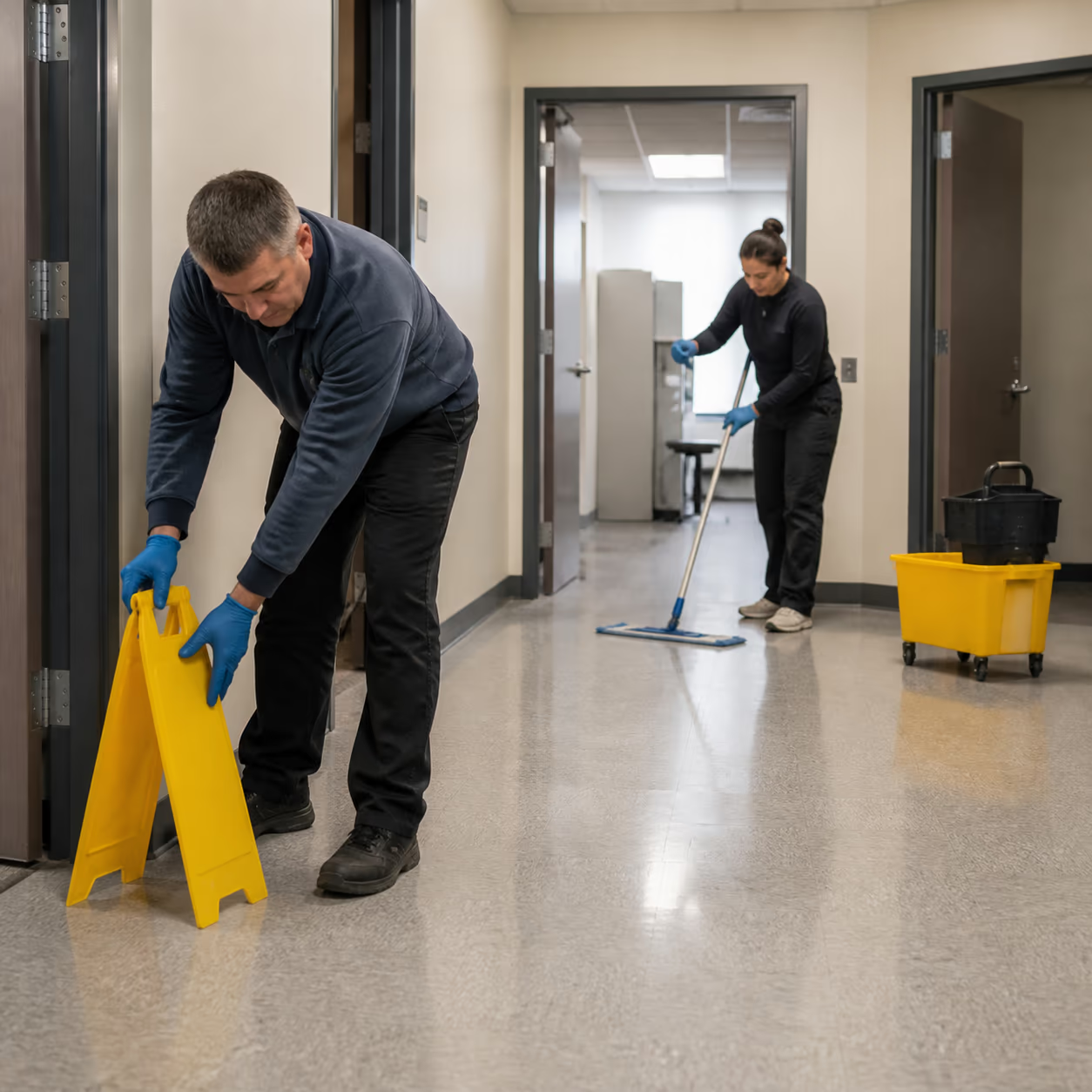
Sweeping and mopping create wet surfaces and trip hazards that members of the public also walk through. Wet floor signs, scheduled cleaning during low-traffic hours, and good housekeeping habits are simple controls that make a real difference.
- Slips, trips, and falls from wet floors, cluttered walkways, and loose cords.
- Muscular strain from lifting, pushing, pulling, and repetitive motions.
- Chemical exposure through skin contact, splashes, and fumes.
- Cuts and punctures from glass, sharps, and waste handling.
- Electrical and equipment hazards from machines, outlets, and extension cords.
- Stress and fatigue from tight schedules and physically repetitive work.
Slips, Trips and Falls: The Most Common Injury
Slips, trips, and falls are the most common injuries in janitorial work, and they are also the easiest to prevent.
- Use wet floor signs and keep them visible until the floor is dry.
- Route power cords out of walkways or secure them properly.
- Tack loose mats and carpet edges immediately.
- Keep walkways, stairs, and exits clear of equipment and rubbish.
- Wear footwear with slip-resistant soles suitable for the task.
Wet floors are the obvious cause, but clutter, cables, loose mats, and uneven surfaces contribute just as often. Cleaners move quickly between tasks, and speed combined with a hidden hazard is a recipe for a fall.
When the work itself involves cleaning up a spill or a large area, think about the floor you are about to create before you make it wet. Planning the route, the signage, and the timing reduces the risk for the cleaner and for everyone walking through the space.
Chemical Safety and WHMIS 2015
Cleaning chemicals are essential tools, but they are hazardous products that deserve respect. In Canada, workplace chemical safety is governed by WHMIS 2015, the Workplace Hazardous Materials Information System.
- Read the safety data sheet before using a new product.
- Never mix products unless the label explicitly says you can.
- Follow dilution rates; stronger is not better and can be dangerous.
- Wear the recommended gloves, aprons, and eye protection.
- Store chemicals in labelled containers, out of reach of children and the public.
- Report spills and exposures to a supervisor immediately.
WHMIS 2015 requires employers to keep safety data sheets (SDS) available for every hazardous product, to label containers properly, and to train workers on the hazards and safe handling of what they use.
Several practical rules follow. Never mix cleaning products, because some combinations, such as bleach with acidic cleaners, release dangerous fumes. Dilute concentrates according to the label, wear the gloves and eye protection listed on the SDS, and store chemicals away from food, washrooms, and any place members of the public can reach.
Where the situation allows, choose low-impact products with a recognised certification such as EcoLogo. They reduce the chemical load in the air and on surfaces, which is easier on cleaners, occupants, and the environment alike.
Ergonomics and Body Mechanics
Much of janitorial work is physical, and poor body mechanics cause the aches and injuries that drive cleaners out of the profession.
- Lift with the legs, keep loads close, and ask for help with heavy items.
- Use long-handled tools to avoid bending and reaching.
- Rotate between tasks so no single muscle group is overworked.
- Keep supplies at a reachable height instead of crouching for them.
- Report pain or discomfort early so it can be managed before it becomes an injury.
Lifting is the big one. When a bag, bucket, or piece of equipment is heavy, bend the knees and lift with the legs, keep the load close to the body, and ask for help rather than straining. Pushing a mop or vacuum should come from the legs and core, not the lower back.
Repetitive motions are a quieter hazard. The same twisting, reaching, and gripping done all day adds up, so rotate tasks, use tools that reduce strain, and take the short breaks that let muscles recover.
A workplace that respects ergonomics keeps its cleaning team healthy and reduces the turnover that forces businesses to retrain constantly. Investing in good tools and good habits pays back in reliability.
Bloodborne and Biohazard Handling
Janitors are often the first people to discover a needle, a pool of blood, or another biohazard, and they need a clear procedure for dealing with it safely.
- Never pick up needles, glass, or sharps by hand.
- Use a sharps container and report its location to the site contact.
- Cover any cut or broken skin with a waterproof dressing before starting work.
- Wear gloves, and change them after any blood or body-fluid exposure.
- Clean and disinfect the area only after the sharps and waste have been removed.
- Follow the workplace exposure and reporting procedure if you are injured.
The golden rule is to treat every body fluid as potentially infectious and never handle it with bare hands. Sharps should be lifted with tongs or a pick-up tool and placed in a puncture-resistant container, never thrown in the regular trash.
In healthcare, school, and public settings, this kind of preparedness is non-negotiable. A written procedure, the right supplies, and training give a cleaner the confidence to handle an unpleasant situation without taking a risk.
Winter Conditions in Canada
Canadian winters add a whole layer of risk to janitorial work, and Ottawa gets the full range of weather.
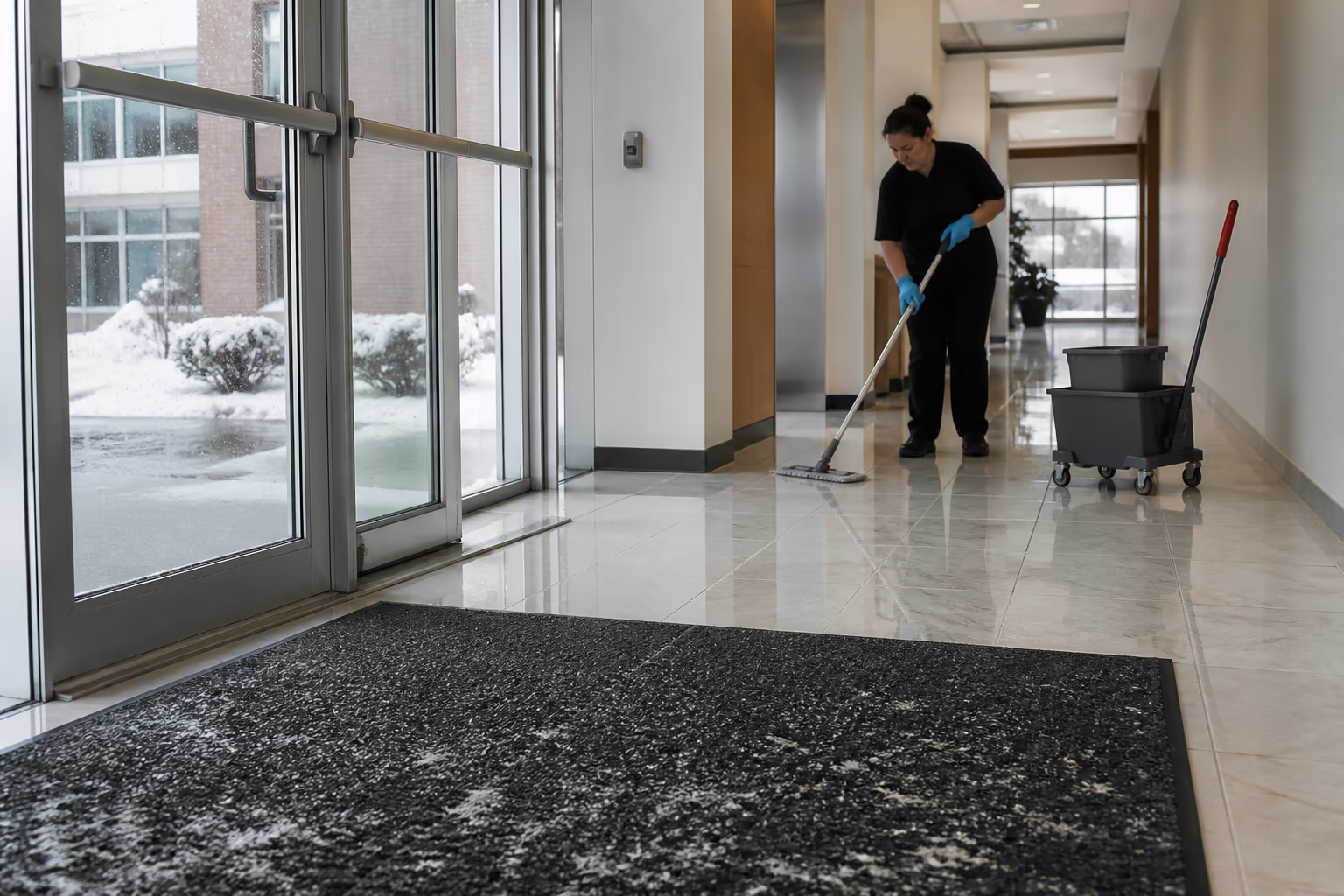
- Maintain heavy-duty entry mats and vacuum them daily in winter.
- Mop entry floors more often when salt and slush are being tracked in.
- Spread ice melter or sand on exterior walkways and clear snow promptly.
- Give staff who work outside regular breaks in a warm space.
- Check for icy patches on stairs, ramps, and loading docks before starting work.
Salt, slush, and ice are tracked into every lobby, and they turn entryways into slip hazards for staff and visitors alike. The people who maintain those entryways are exposed to the cold as well, so breaks, warm clothing, and a rotation of outdoor work matter.
A good winter routine protects the public, the building, and the cleaning team at the same time. Planning for the season is part of a professional janitorial service, not an extra.
A Safe Janitorial Routine
Safety is not a separate activity; it is built into the routine. A safe cleaning shift looks like this.
- 01.Review the task list and check the space for hazards before you begin.
- 02.Set up wet floor signs and route your work from clean to dirty, high to low.
- 03.Choose the correct product for the surface and use the equipment as intended.
- 04.Lift, carry, and mop using good body mechanics.
- 05.Dispose of waste, sharps, and chemicals in the right containers.
- 06.Inspect and log the completed work and report anything unusual.
A written routine is safer than an improvised one because it removes guesswork. When the steps are documented, a new worker can follow them, a supervisor can check them, and a client knows exactly what to expect.
The routine also builds in a final check. Walking the space one last time to confirm signage is down, bins are sealed, and everything is stored away closes the shift cleanly and safely.
Training, Supervision and Communication
Good safety systems do not end with a training session; they run through supervision and communication every day.
- Train new staff on every product and procedure they will actually use.
- Supervise the first weeks of independent work closely.
- Encourage reporting of hazards, near misses, and incidents.
- Hold a short safety review when a task, product, or season changes.
- Keep safety data sheets and emergency numbers where staff can reach them.
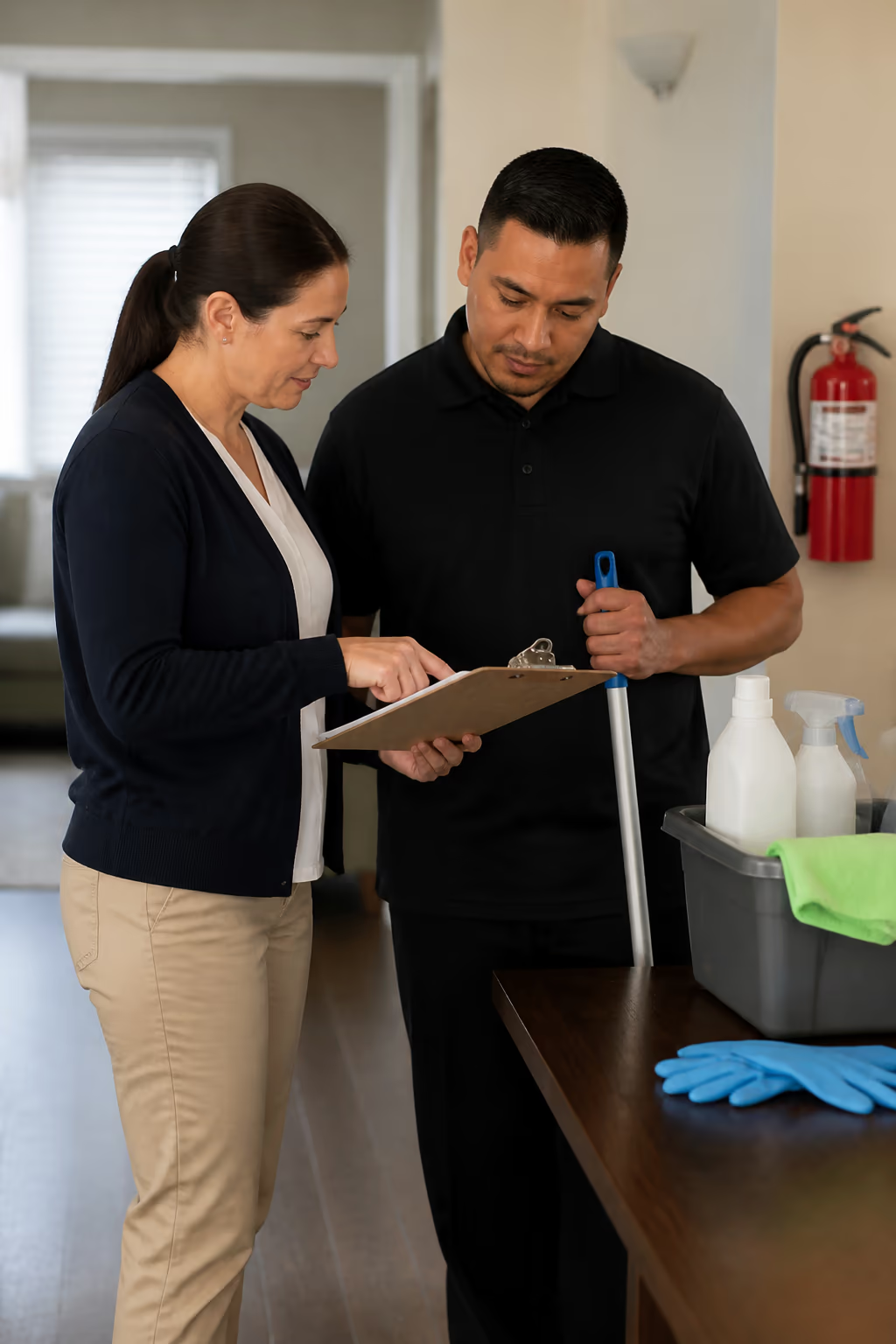
Training gives a worker the knowledge, but supervision makes sure it is used. A supervisor who walks the site, checks the wet floor signs, and answers questions reinforces the standards that keep people safe.
Communication matters just as much. Cleaners should feel able to report a hazard, a near miss, or an injury without fear, because a small report today prevents a larger incident tomorrow.
Common Safety Mistakes to Avoid
Even experienced teams slip into shortcuts, and a few mistakes cause most janitorial incidents.
- Never skip the wet floor sign, no matter how short the task.
- Read the label before every chemical application.
- Keep realistic schedules so staff are not forced to rush.
- Replace worn gloves, mats, and equipment before they fail.
- Stop and report anything unusual instead of improvising around it.
Skipping the wet floor sign is the classic one. The cleaner knows the floor is wet, so the sign feels like extra effort, but the visitor who walks in five minutes later does not.
Using the wrong chemical is another. A product meant for a different surface can damage the building or create a reaction, which is why reading the label before every application is non-negotiable.
Rushing is the root of many incidents. When a schedule is too tight, staff lift instead of thinking, skip protective gear, and take risks they would never take with a realistic timetable.
How Good Cleaner Co. Keeps Its Team Safe
At Good Cleaner Co., safety comes before speed.
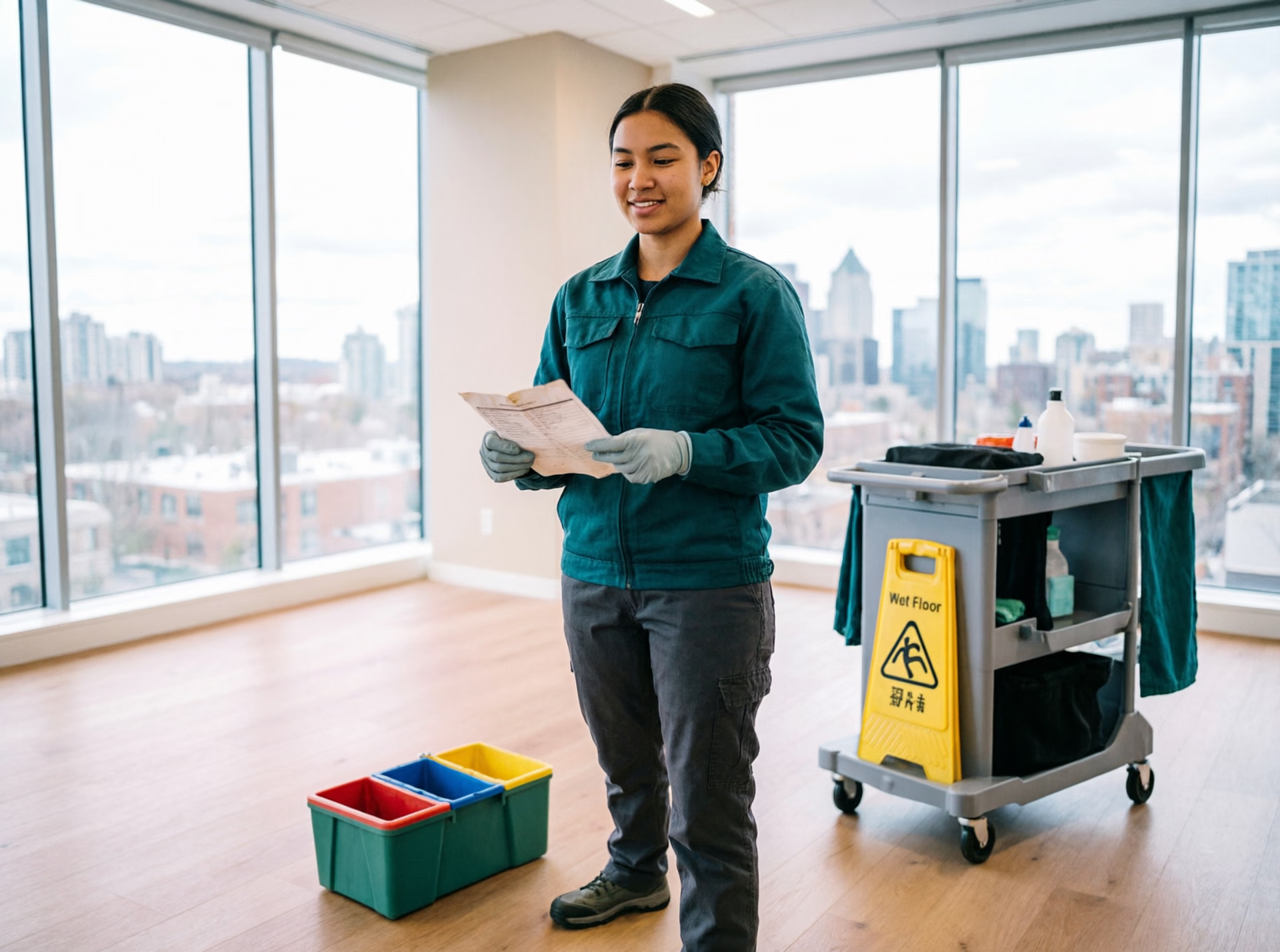
We equip our teams properly: colour-coded microfibre cloths, the right gloves and footwear, wet floor signage, and safe handling supplies for the jobs that need them. We document the work so a supervisor can verify it, and we make it easy for staff to report a hazard before it becomes an incident.
The result is a team that protects your property as carefully as it protects its own people. Our commercial janitorial services in Ottawa are built around trained, equipped staff who follow a documented process.
When to Hire a Professional Janitorial Provider
Many businesses clean with their own staff, and that can work well. But health and safety obligations grow with the size of the space, the products being used, and the number of people who walk through the doors.
A professional provider brings trained staff, the right equipment, and the procedures that protect you if something goes wrong. That is especially valuable for facilities with wet floors, heavy traffic, or sensitive areas, including our approach to call centre cleaning high density workspace hygiene, where a large number of people share close quarters all day.
If you are comparing providers, our commercial cleaning company evaluation guide is a useful starting point for the questions that matter. Ask about training, supervision, safety procedures, and how the company handles chemicals and incidents.
Whatever you decide, put the safety expectations in writing. A scope of work that names the products, the schedules, and the reporting rules makes it easy to hold a provider accountable and protects everyone involved.
Formatted Step-by-Step Janitorial Safety Checklist
Use this checklist to keep a cleaning team safe and a building protected:
- Step 1.Survey the space and identify hazards, including wet floors, clutter, cords, and sharps, before any cleaning begins.
- Step 2.Set up wet floor signs and route the work from clean to dirty and high to low, so the team works safely and thoroughly.
- Step 3.Select the correct WHMIS-labelled product for each surface, read the label, and wear the required protective equipment.
- Step 4.Use good body mechanics for lifting, mopping, and vacuuming, and take breaks during long or repetitive shifts.
- Step 5.Dispose of waste and chemicals properly, inspect the completed work, and report any hazard or unusual finding.
- Step 6.Scheduling janitorial cleaning teams in Ottawa provides a trained, equipped team that follows a documented safety process.
FAQ
What are the biggest risks in janitorial work?
Slips, trips, and falls are the most common, followed by muscular strain and chemical exposure. Each can be controlled with training, the right equipment, and clear procedures.
What is WHMIS 2015 and why does it matter?
WHMIS 2015 is the Canadian system for classifying and communicating workplace chemical hazards. It requires labels, safety data sheets, and worker training so that anyone handling a product knows what it can do.
Do janitors need special training to handle cleaning chemicals?
Yes. Workers should be trained on the products they use, including how to read a safety data sheet, dilute correctly, wear protective equipment, and never mix incompatible chemicals.
How can a business reduce slip-and-fall injuries?
Use wet floor signs, keep walkways clear, secure loose mats and cords, schedule wet work during low-traffic hours, and make sure cleaners wear slip-resistant footwear.
What should I look for in a professional cleaning company?
Look for trained and supervised staff, clear safety procedures, and the right equipment. Our commercial cleaning company vetting guide lists the questions worth asking.
How should a cleaning company respond to an accident on site?
A professional provider documents the incident, cares for anyone affected, reviews what happened, and updates the procedure so the same situation does not repeat. Ask a provider to describe this process before you hire them.
Wrapping Up
Health and safety in janitorial work is about protecting real people doing physically demanding jobs, and the people who visit the buildings they maintain. Trained staff, proper equipment, clear procedures, and honest communication turn a hazardous job into a safe one. When you need a team that takes that responsibility seriously, contact Good Cleaner Co. for a free quote and a janitorial plan built around your facility.
Keep reading
More from Good Cleaner
- How to Choose the Best Commercial Cleaning Company in Ottawa: Vendor Selection Guide
- Clean Offices & Employee Health: Reducing Sick Days Through Janitorial Hygiene
- Commercial Cleaning Checklist by Industry: Customized Janitorial Tasks
- After-Hours Janitorial Services in Ottawa: Benefits of Evening Office Cleaning
Services that fit
- Janitorial Services in OttawaRecurring janitorial services in Ottawa for offices, warehouses, retail, dealerships and schools. Eco-friendly commercial cleaning, customized plans and a free quote.
- Professional Office Cleaning Services in OttawaOffice cleaning services in Ottawa for corporate offices, clinics and professional suites. After-hours scheduling, eco-friendly products and a free quote.
About the author
Service areas
- Ottawa
- Kanata
- Nepean
- Orléans
- Barrhaven