
5 Pro Tips to Clean Your Oven Like a Professional Cleaner: Steam & Degreaser Guide
Ovens are the hardest-working appliance in most kitchens, and they show it. Between roasted vegetables, bubbling casseroles, and the inevitable spill that nobody sees until the next bake, grease builds up on the enamel, the glass, and the racks until it turns into a brown crust. This guide shares the five tips our technicians use to clean ovens like a professional, using steam, a gentle degreaser, and a little patience. Whether you are tidying your own kitchen or preparing a rental for turnover, the process is the same, and by the end you will know exactly how to bring a neglected oven back to life in an afternoon.
Quick Summary
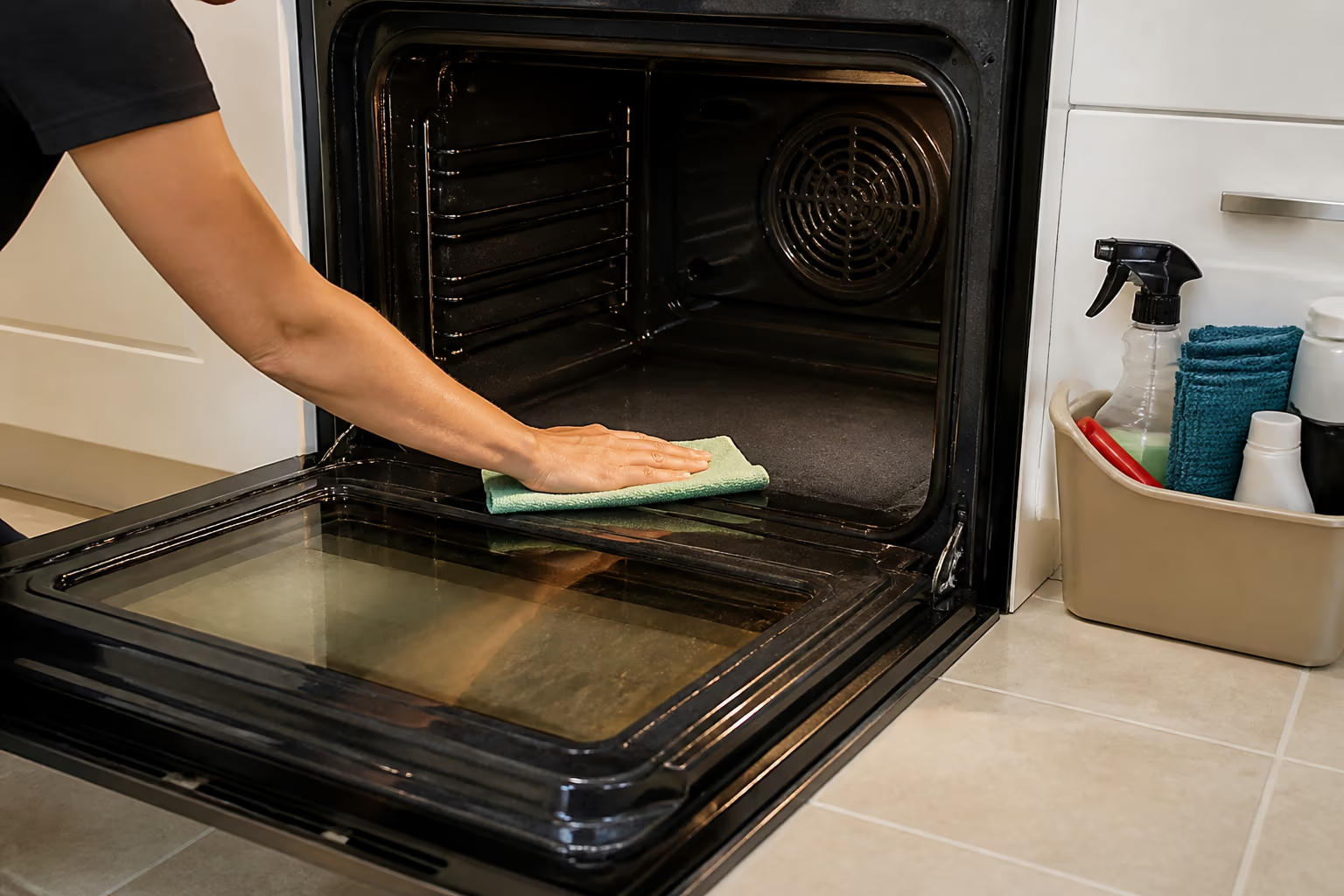
You do not need caustic oven spray to get a badly stained oven clean. Professional cleaners follow a simple order: pull out the racks, soften the baked-on grease with steam, apply a gentle degreaser, let it dwell, then wipe and rinse. These five tips walk through that process and leave your oven looking like new without the harsh fumes.
In this guide
Why Ovens Get So Hard to Clean
The crust that builds up inside an oven is not ordinary grease; it is grease that has been heated and reheated until the oils polymerize into a hard, baked-on film. That is why water and dish soap alone barely touch it, and why scraping it with a razor usually damages the enamel. The trick is to soften that film first, then lift it away with the right chemistry and a non-scratch pad.
Self-cleaning cycles exist to burn this film off at very high heat, but they use a lot of electricity, can create strong smells and smoke, and on older ovens they can trip the thermal fuse or damage the door lock mechanism. For everyday crud, steam and a degreaser are gentler, cheaper, and do not leave your kitchen smelling like a barbecue gone wrong. That is why we recommend the gentler route below for most homes.
Before You Start: Safety and Setup
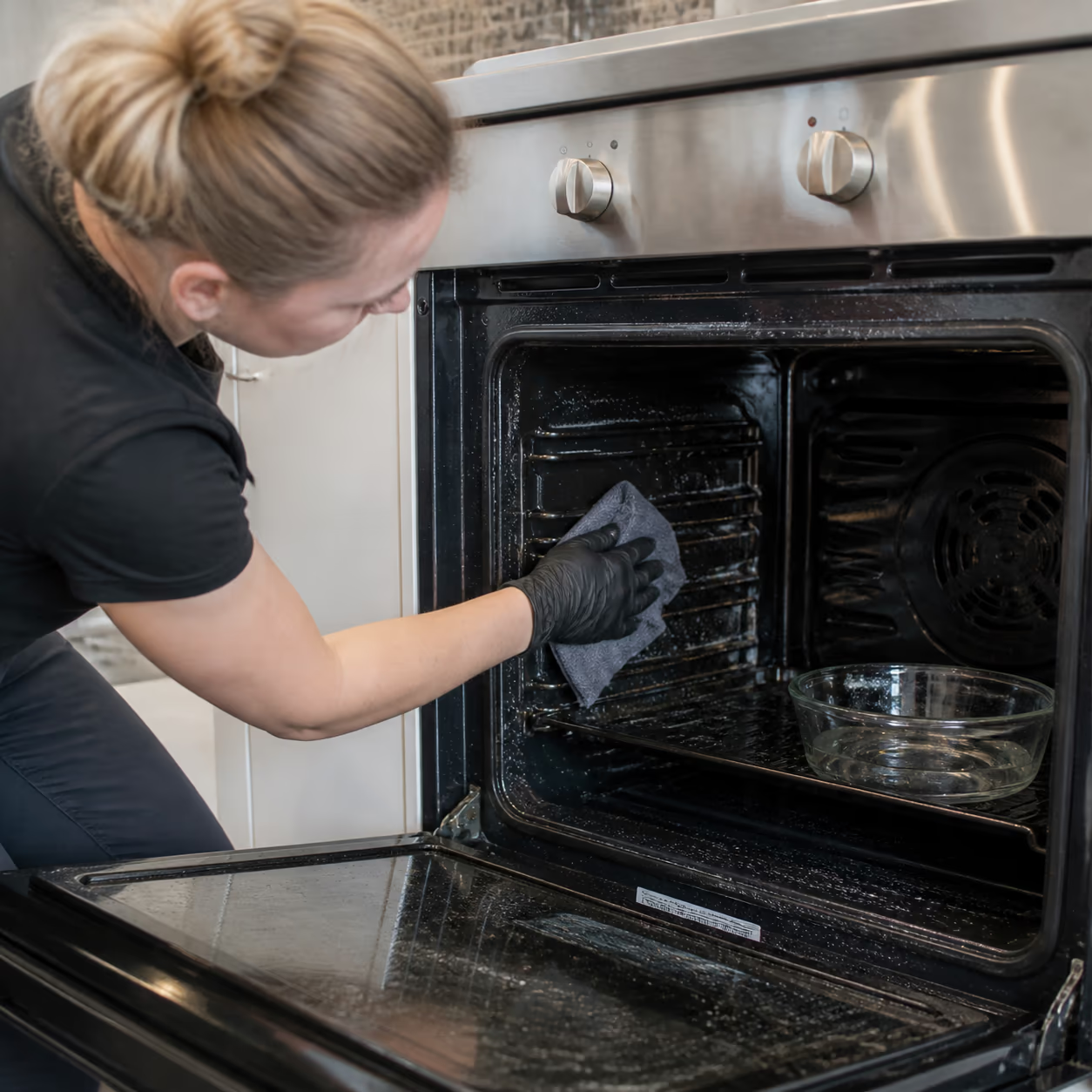
A safe oven clean takes a few minutes of setup, and skipping it is how people burn themselves or turn a routine job into a rescue mission. Start by confirming the oven is off and completely cool, then remove anything you can: racks, thermometer, and any removable panels.
- 01Turn Off and Cool:Never clean a hot oven, and double-check that the oven is completely off before you reach inside.
- 02Protect the Floor:Lay down an old towel or piece of cardboard in front of the oven to catch drips from the rack soak.
- 03Open a Window:Even gentle products are easier to work with in fresh air, especially in a small kitchen.
- 04Wear Gloves:A pair of rubber gloves protects your hands from degreasers and stops them picking up grease.
- 05Remove the Racks:Racks clean far better outside the oven, where you can soak them properly instead of scrubbing them in place.
Tip 1: Pull Out the Racks and Everything Loose
Professional cleaners always work from the outside in, and that starts by emptying the oven. Pull the racks, the meat thermometer, any pizza stone, and the broiler pan. The racks are the hardest part to clean in place because grease settles into the wire joints, so they get their own soak while you work on the interior.
While the racks soak, check the bottom of the oven for crumbs and debris. A build-up of food on the oven floor can smoke during the next bake, so sweep it out before you start on the grease.
Tip 2: Use Steam to Soften Baked-On Grease
Steam is the professional's secret for baked-on crud, and you do not need special equipment. Place a heat-safe bowl or pan of water on the lower rack, set the oven to a low temperature around 200 degrees Fahrenheit, and let it run for twenty to thirty minutes. The gentle steam softens the polymerized grease so a light scrub lifts it off instead of fighting it.
Many newer ovens also have a steam-clean function that does the same thing at a lower temperature than the self-clean cycle. Whichever method you use, let the oven cool slightly before you wipe, and never pour cold water into a hot oven, which can crack the enamel or the glass.
Tip 3: Choose a Gentle Degreaser That Works Without Fumes
You do not need the aerosol sprays that smell like a chemical spill. A paste of baking soda and water is the classic professional trick: spread it over the interior surfaces, leave it for fifteen to thirty minutes, then wipe. Baking soda is mildly alkaline, which breaks down grease, and it is gentle enough for the enamel coating.
Ventilation matters as much as the choice of degreaser. Health Canada's indoor VOC guidance recommends increasing ventilation to reduce exposure to volatile organic compounds indoors, and suggests using a range hood exhaust fan vented outside when you are working at the stove. Health Canada defines them this way: “Volatile organic compounds (VOCs) form a large group of chemicals commonly found in both indoor and outdoor air.”
For heavier build-up, a commercial citrus or plant-based degreaser works well and is far less harsh than caustic oven sprays. Whichever product you use, let it dwell. The single biggest mistake homeowners make is scrubbing too soon, before the product has had time to break down the grease. If you would rather use a store-bought spray on set-in stains, our guide on how to clean an oven with Easy-Off walks through that method from start to finish.
Tip 4: Restore the Oven Door Glass
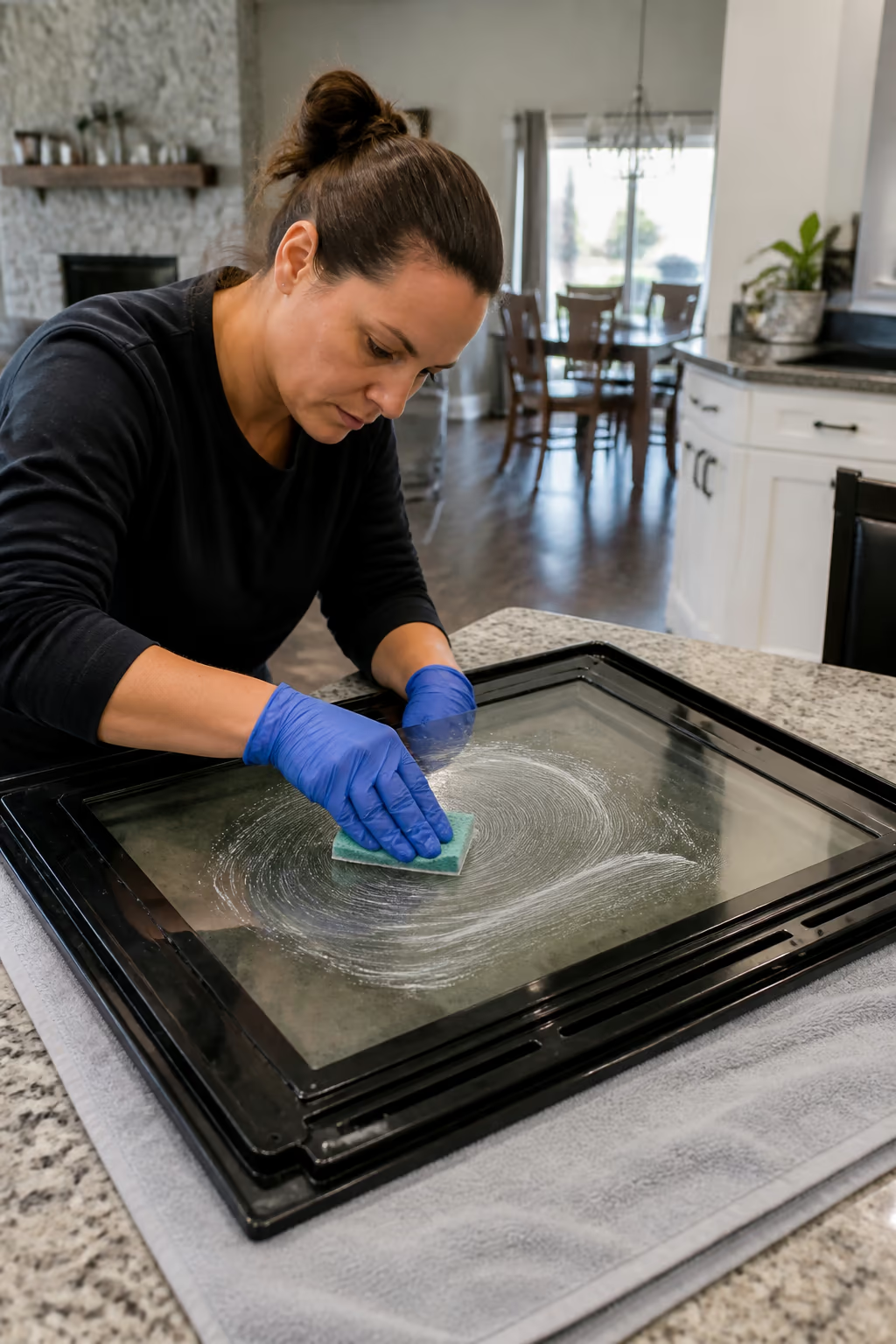
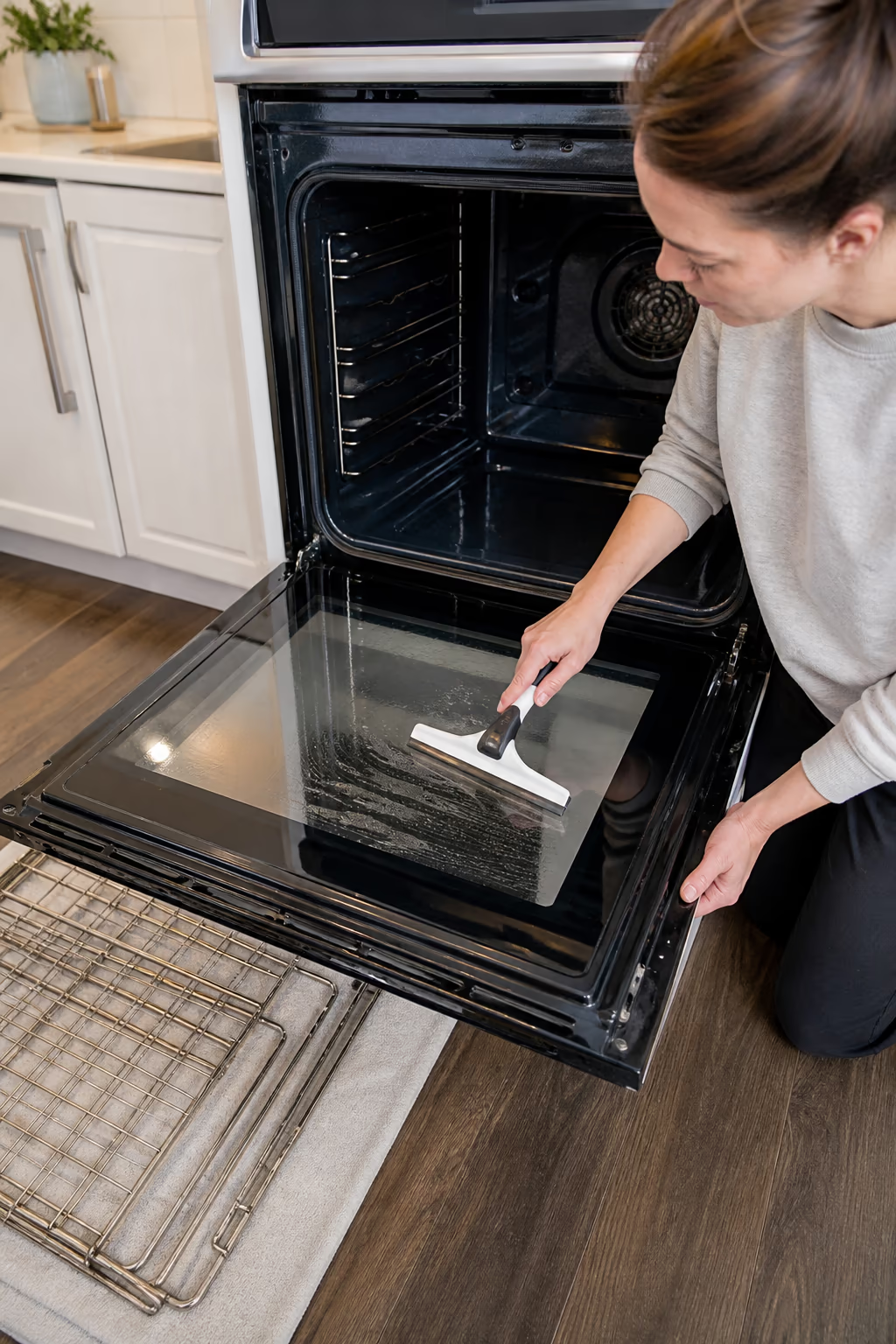
The glass in an oven door is usually double or triple paned, which makes it excellent insulation and frustrating to clean. Most modern doors lift off at a hinge or slide out on tracks, so check your manual. If the door comes off, set it on a towel and work on the inner pane with a baking soda paste and a non-scratch pad.
The critical warning is simple: do not let water get between the glass panes. If moisture works its way into the sealed unit, it leaves a foggy film you cannot wipe away, and the only fix is replacing the glass. Work gently, keep the water on the surface, and dry the edges with a cloth when you finish.
Tip 5: Degrease the Racks, Trays, and Drawer
While the interior soaks, turn to the parts you removed. Racks soak best in a bathtub or large bin of hot water with a degreaser, left for thirty minutes to an hour. A dryer sheet or ball of aluminium foil rubbed along the wire helps lift stubborn crust without scratching the metal.
The storage drawer under the oven collects crumbs and grease, so pull it out, vacuum it, and wipe it down while the racks soak. Reassemble only when every part is dry, and slide the racks back into their correct positions, which most ovens mark with a small notch.
When to Call a Professional
If the oven interior is covered in thick carbon, if the self-clean cycle left smoke stains, or if you are cleaning a rental between tenants, a professional deep-clean is often faster and safer than a weekend DIY project. Technicians have commercial steam units, professional degreasers, and the experience to clean around heating elements without damaging them. Knowing how much house cleaning costs in Ottawa ahead of time makes it easier to budget for that visit.
Professional oven detailing is also a common add-on to a move-in or move-out clean, which is why you will see it listed alongside the services below. If you are weighing which company to trust with a deep-clean, our commercial cleaning company evaluation guide covers the questions to ask before you book.
Formatted Step-by-Step Oven Deep-Clean Checklist
Use this checklist to work through the full oven detail in order:
- Step 1.Empty the Oven:Pull the racks, thermometer, broiler pan, and any loose parts before you start.
- Step 2.Run the Steam Phase:Place a heat-safe bowl of water inside, run the oven low for twenty to thirty minutes, then let it cool.
- Step 3.Apply the Degreaser:Spread a baking soda paste or plant-based degreaser over the interior and let it dwell.
- Step 4.Scrub and Wipe:Use a non-scratch pad to lift the softened grease, then rinse with a damp cloth.
- Step 5.Restore the Glass and Racks:Clean the door glass without soaking between the panes, and soak the racks separately.
- Step 6.For the toughest build-ups, reviewing our residential home cleaning services in Ottawa connects you with technicians who deep-clean ovens as part of a full kitchen detail.
Serving Ottawa Homes With Professional Oven Detailing
We clean a lot of ovens across Ottawa, from the condos of downtown and Little Italy to family homes in Nepean, Barrhaven, and Orleans. Built-up grease looks the same in every kitchen, and so does the method that works. Whether your oven is a rental turnover project or the one you cook on every night, the steam-and-degreaser approach is the standard. If the rest of the kitchen and the rest of the home need the same attention, our guide to clean a messy house like a professional cleaner covers a full room-by-room approach.
Start With the Actual Situation
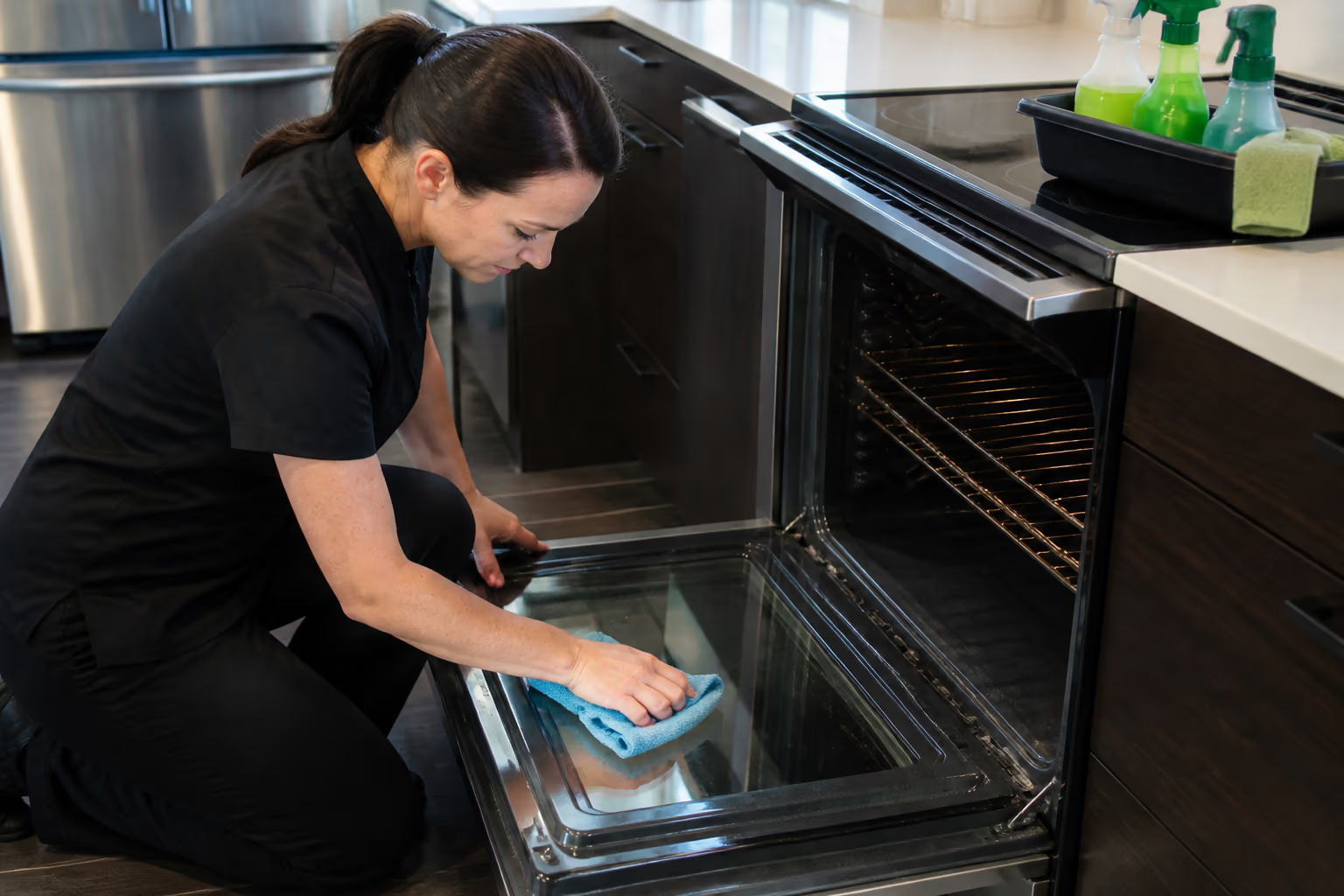
Before setting expectations for an oven-cleaning routine, look at the appliance manual, surface condition, ventilation, and the source of the soil. A plan copied from another workplace can miss the issue that people deal with every day, such as access at closing time, a crowded kitchenette, or a fragile finish.
- Identify the surface or behaviour that needs attention before choosing a response.
- Set a clear order so routine work does not create extra work later.
- Keep tools, messages, and handover notes where the right person can find them.
Focus on a few concrete outcomes. An enamel cavity, glass door, rack, gasket, or gas port may need its own timing, tool, or care instruction. A useful routine makes the next person’s work easier and avoids asking anyone to guess what “clean enough” means.
Put the agreed tasks, timing, and limits in plain language. A short list can be checked and improved; a sweeping promise about quality, safety, or service cannot.
Use a Deliberate, Low-Drama Process
The best way to remove baked-on residue without damaging the appliance is usually preparation, not more force. Read labels and care instructions, use the mildest compatible method, and give the task the time it needs. If the condition is unclear, test a small inconspicuous area or ask the responsible contact before continuing.
- Use a small, labelled set of suitable supplies or agreed communication channels.
- Change a cloth, pad, or approach when it is no longer appropriate for the job.
- Stop and escalate when a surface, safety issue, or workplace concern falls outside the agreed scope.
Separate ordinary upkeep from problems that require another decision. A leak, damaged surface, missing access card, unsafe spill, or conflict between coworkers is not fixed by working faster. Record what you observed and route it to the person who can act on it.
In Ottawa, the details often change through the year: wet entryways, salt, pollen, and dry indoor air can alter the workload. Adjust the task list to the condition of the space rather than relying on a generic seasonal script.
Review What Happened and Update the Next Step
After the first few attempts, inspect the oven before returning it to cooking use. Ask what helped, what was missed, and whether the timing created a new problem. Specific feedback such as a missed handle, unclear job duty, or crowded area at lunch is more useful than an abstract complaint.
- Check the outcome at the time the room or task is normally used.
- Escalate damage, persistent moisture, hazards, or unresolved conduct concerns promptly.
- Keep the revised instruction short enough that a new person can follow it without guessing.
Keep the review factual and brief. Notes, photographs where appropriate, or a simple checklist can show whether a concern repeats. They also help distinguish routine work from a maintenance issue, a staffing problem, or a conversation that needs a manager or qualified professional.
When the process changes, update the written scope or shared expectation before the next visit or shift. That makes the improvement repeatable and fair, and it is more trustworthy than claiming a guaranteed result.
FAQ
How often should I clean my oven?
For a home you use most days, a thorough clean every three to six months keeps build-up manageable. If you cook heavily, roast a lot, or host often, plan on doing it more frequently, and wipe small spills as they happen so they never bake into crust. A quick once-over after a big holiday meal goes a long way toward keeping the oven presentable.
Is it safe to clean an oven with baking soda and vinegar?
Yes, for everyday grime. Baking soda is a mild alkali that breaks down grease, and vinegar helps cut residue and shine the glass. They are far gentler than commercial oven sprays, though very heavy carbon may still need a stronger product.
Can I use the self-cleaning function instead of cleaning by hand?
You can, but it is not always the better option. Self-clean cycles run at very high heat, use significant electricity, and can create smoke and strong odours. On older ovens they can also strain the door lock and thermal fuse, so many homeowners prefer the steam-and-degreaser method.
Why does my oven smoke when I bake?
Smoke during baking usually comes from grease or food debris on the oven floor and elements, not from the food itself. A build-up on the bottom of the oven heats up during the cycle and burns, which is exactly why sweeping the floor out is one of the first steps in a proper clean.
What is the best way to remove burnt-on grease?
Soften it first, then lift it. Steam the interior, apply a baking soda paste or plant-based degreaser, let it dwell for at least fifteen minutes, and scrub with a non-scratch pad. Scrubbing dry crust without softening it just pushes the grease around.
Can oven cleaner damage the enamel or the heating element?
It can. Caustic sprays left on enamel too long can dull or etch the surface, and spraying directly onto heating elements can damage them. That is why professionals favour gentler chemistry and wipe carefully around the elements.
How do I clean the glass on the inside of the oven door?
If the door comes off, work on the inner pane with a baking soda paste and a non-scratch pad. If it does not, reach in carefully with the oven off and cool. Keep water on the surface and dry the edges, because moisture between the panes leaves a fog you cannot wipe away.
Should I clean the oven before I move out of a rental?
Yes, a clean oven is a standard part of a move-out clean and is one of the things a landlord walkthrough checks. Many tenants book a professional move-out deep-clean so the oven, stovetop, and kitchen pass inspection without a fight.
How long does a professional oven deep-clean take?
A professional detail usually takes one to two hours depending on how heavy the build-up is. The technician steams, applies degreaser, soaks the racks, and restores the glass, and most homes are ready to bake again the same evening.
Do I need to buy special products, or can I clean with things I already have?
For regular maintenance, a baking soda paste, a damp cloth, and a non-scratch pad are enough. For heavy carbon, a commercial citrus or plant-based degreaser helps, and professional technicians bring commercial steam units for the worst cases.
Wrapping Up
A clean oven is more than cosmetic; it bakes better, smells better, and lasts longer, and you can achieve it without harsh fumes if you follow the right order: empty, steam, degrease, dwell, and wipe. For the heaviest build-ups or a turnover clean, contact Good Cleaner Co. today, or review our trusted home cleaning crews in Ottawa to see how oven detailing fits into a full deep-clean.
Keep reading
More from Good Cleaner
- How to Clean an Oven Properly Like a Pro Using Easy-Off: Safety Guide
- The Best Ways to Clean Oven Racks: 4 Easy & Non-Toxic Methods for Sparkling Steel
- How to Clean Greasy Kitchen Cabinets: Degreasing Wood & Laminate Surfaces
- How to Choose the Best Commercial Cleaning Company in Ottawa: Vendor Selection Guide
Services that fit
- House Cleaning Services in OttawaRecurring weekly, bi-weekly and monthly home cleaning built around your family's routine, with non-toxic chemistry and background-checked staff.
- Professional Office Cleaning Services in OttawaNightly and after-hours office cleaning for corporate offices, clinics and professional suites, with after-hours scheduling and eco-friendly products.
About the author
Service areas
- Ottawa
- Nepean
- Barrhaven
- Orleans
- Kanata
- Little Italy