
Best Vacuum Cleaners for Allergies & Asthma: HEPA Filtration Guide
Ottawa residents deal with a full range of allergens: tree pollen in spring, ragweed in late summer, and pet dander and dust mites year-round. In homes closed up for months each winter, the right vacuum and the right routine make a measurable difference. This guide covers the science behind HEPA filtration, the features that separate a genuinely allergy-friendly vacuum from a marketing label, and how Good Cleaner Co. uses commercial-grade equipment in Ottawa homes.
Quick Summary
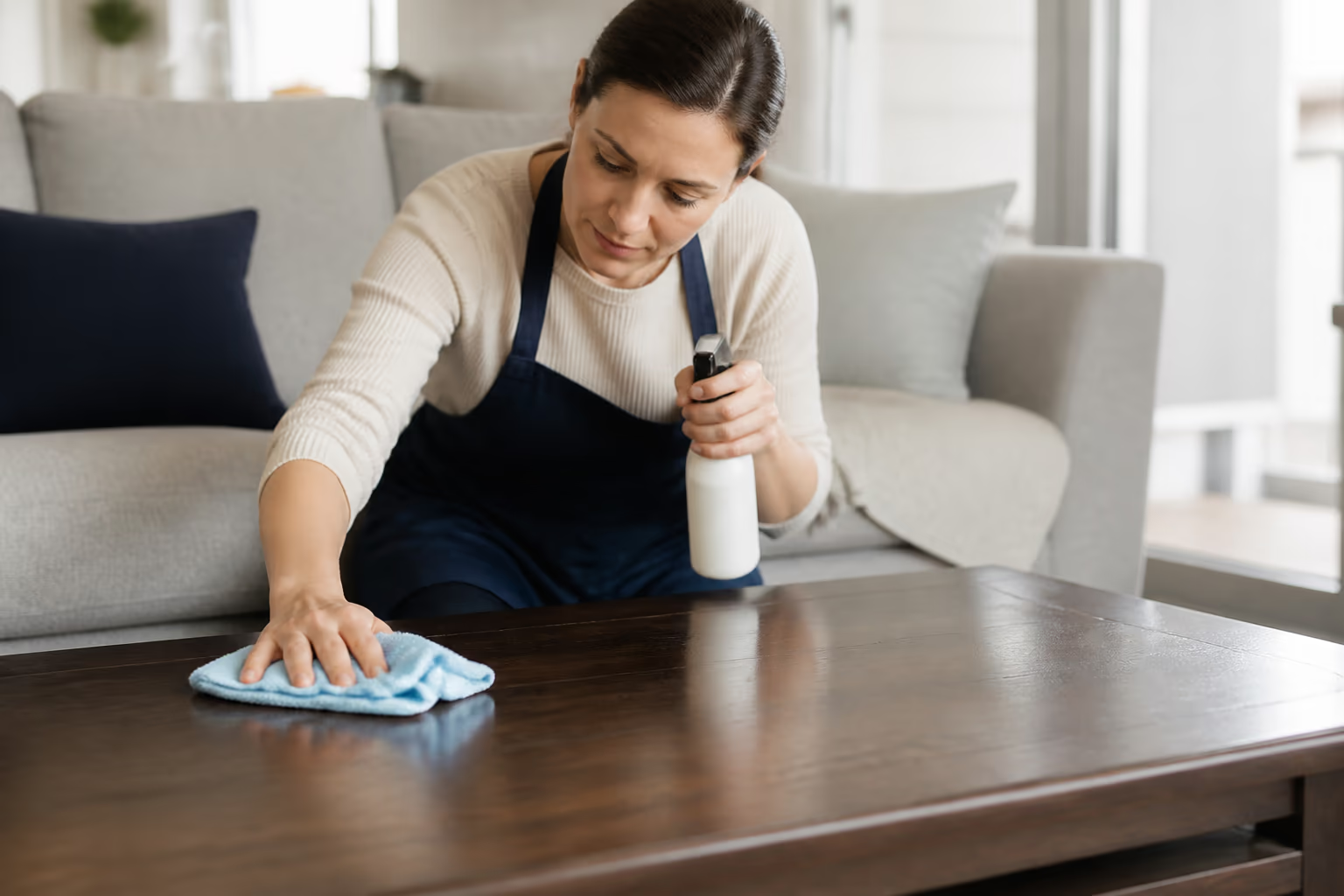
For people with allergies or asthma, a vacuum is a health tool, not just a household appliance. This guide explains what true HEPA filtration really means, which features matter for allergy relief, and how to vacuum in a way that keeps allergens out of the air you breathe.
In this guide
The Science of HEPA Filtration & Airborne Allergen Capture
For Ottawa residents suffering from seasonal asthma or perennial pet dander allergies, selecting the right vacuum cleaner is a matter of respiratory health. The vacuum is not just moving dust around; it either captures allergens or sends them back into the air.
The filtration argument has federal backing. Health Canada's guidance on fine particulate matter recommends cleaning with a mop, a damp cloth or a HEPA vacuum to reduce indoor exposure, and names children with asthma among the groups most at risk. Health Canada states: “Ventilation can help reduce indoor fine particulate matter levels by removing emissions from indoor sources like cooking.”
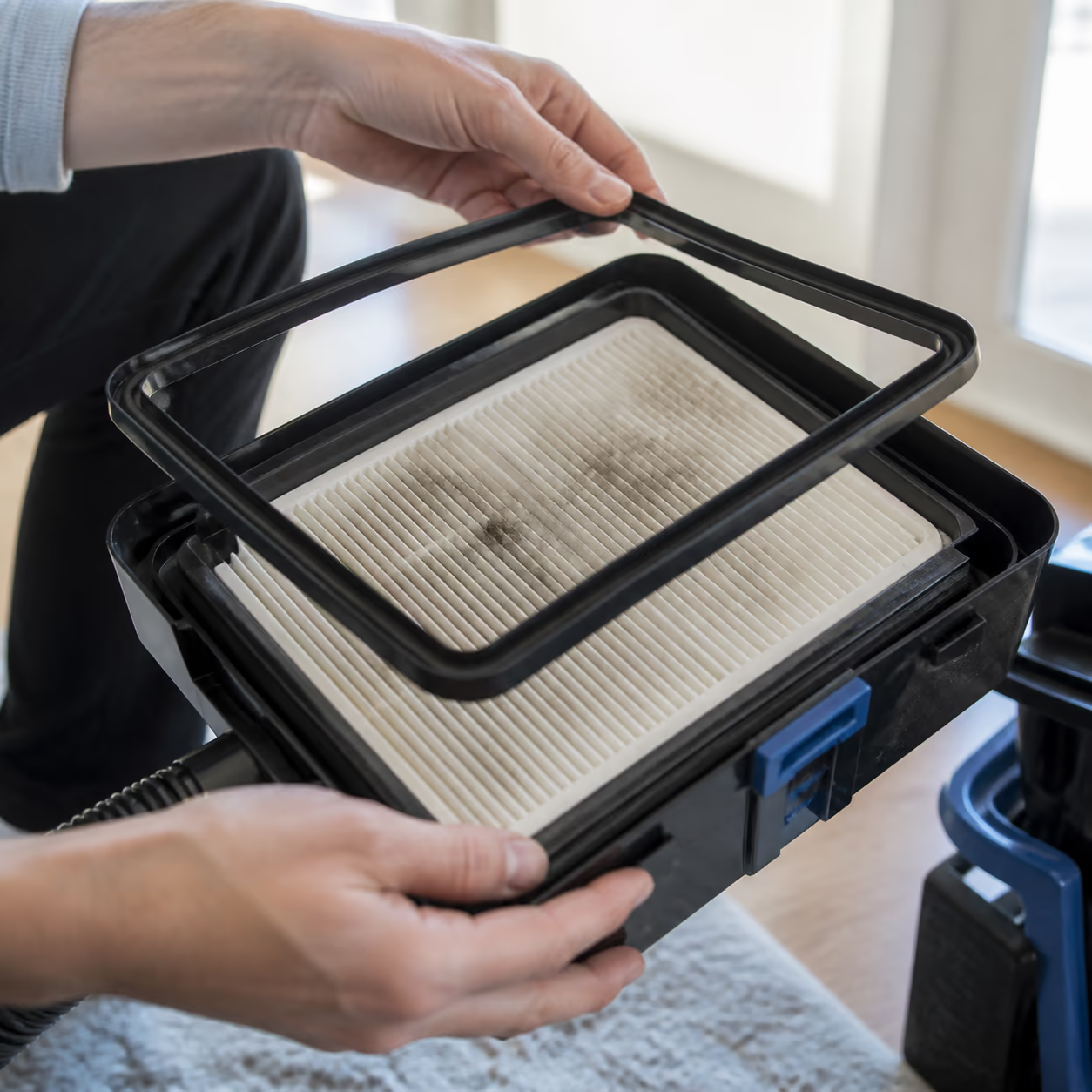
Standard bagless vacuums can exhaust microscopic allergen particles—such as dust mite droppings, mould spores, and ragweed pollen—back into living spaces, especially if the filter is not sealed or has not been cleaned. A true sealed HEPA (High-Efficiency Particulate Air) filtration system captures the vast majority of airborne particles down to 0.3 microns, preventing allergen recirculation. The words "HEPA-type" on a box do not mean the same thing as a certified sealed HEPA system, so the label matters.
Understanding how a sealed system works also helps you shop. In a sealed vacuum, the motor, dust chamber, and filter housing are gasketed so that every particle of air is pushed through the HEPA filter before it leaves the machine. If there is any gap, unfiltered air can escape and put allergens straight back into the room you are trying to clean.
Key Features of Allergy-Certified Vacuum Systems
Discover 4 technical features required in genuine asthma & allergy vacuum systems:
Formatted Step-by-Step HEPA Vacuuming Protocol for Asthma Relief
Follow this vacuuming protocol for maximum allergen reduction:
- Step 1.Vacuum High-Traffic Carpet Areas Twice Weekly:Prevent dust mite population buildup in the places people use most.
- Step 2.Use Soft-Bristled Brush Attachments on Upholstered Furniture:Extract dander from sofa cushions and chairs.
- Step 3.Vacuum Baseboards, Window Sills, and Mattress Tops Monthly:Remove hidden mould spores and pollen from overlooked surfaces.
- Step 4.Replace or Wash HEPA Filters According to Manufacturer Guidelines:Maintain optimal air suction and filtration.
- Step 5.Empty Vacuum Bags or Dust Canisters Outdoors Immediately:Prevent re-contaminating indoor air with a cloud of dust.
- Step 6.Contracting professional home cleaning services in Ottawa through Good Cleaner Co. guarantees commercial HEPA allergen extraction.
How to Choose the Right HEPA Vacuum for Your Home
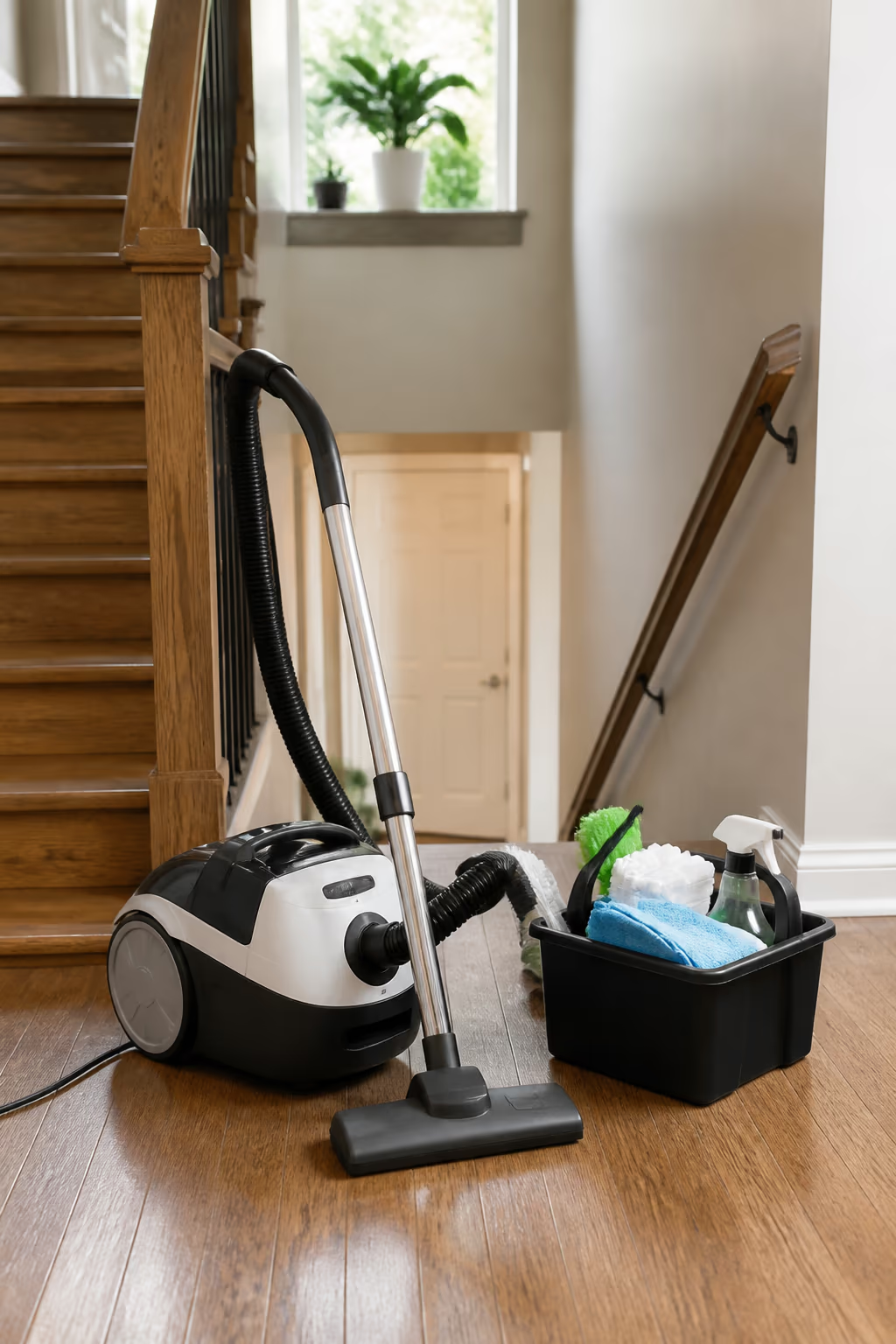
Choosing a vacuum for allergies comes down to matching the machine to your home and your allergies. Sealed HEPA systems come in bagged, bagless, stick, canister, and robot forms, so there is an option for every home type and budget. A few points are worth getting right:
| Dust mites | Pet dander | Pollen | Mould spores | |
|---|---|---|---|---|
| Sealed HEPA | a sealed HEPA vacuum with a motorized brush roll | keeps dirty air from bypassing the filter | captures airborne particles down to 0.3 microns | sealed HEPA air filtration units |
| H13 HEPA filter | traps fine particles before the exhaust | extracts pet dander proteins from deep fabric fibres | recirculates without HEPA extraction | traps fine particles before the exhaust |
| Motorized brush roll | twice weekly to prevent dust mite population buildup | dislodge embedded dander and pet hair | a motorized brush to lift embedded dander | remove hidden mould spores and pollen |
Understanding Common Indoor Allergens and Where They Hide
A vacuum only helps if you know what you are fighting. Ottawa homes accumulate a handful of allergens that are easy to overlook, and each one responds to a slightly different approach:
- Dust mites
- Microscopic creatures that thrive in bedding, upholstery, and carpets. They need moisture and dead skin cells, which is why bedrooms and frequently used couches are prime territory.
- Pet dander
- Tiny flakes of skin and protein from dogs and cats that settle into carpet fibres and fabric. They are lightweight, so they stay airborne and recirculate easily.
- Pollen
- Tree, grass, and ragweed pollen gets tracked in on shoes and clothing and settles on floors and window sills.
- Mould spores
- Damp basements, bathrooms, and areas near windows can release spores into the air, especially when humidity climbs in summer.
A Vacuuming Routine for Allergy-Prone Homes
The best vacuum in the world only helps if it is used the right way. A consistent routine does more for indoor air than an occasional deep clean:
- 01Vacuum the highest-traffic areas twice a week:entryways, living rooms, and bedrooms.
- 02Dust before you vacuum:Wiping surfaces first means the vacuum collects the dust that would otherwise settle again.
- 03Move furniture slightly:Getting under beds and sofas clears the biggest allergen reservoirs in the house.
- 04Wash vacuum filters on the schedule the manufacturer sets:A clogged filter is a health hazard and a performance problem.
- 05Keep windows closed on high-pollen days:Vacuuming pulls in outdoor air, so a closed window keeps pollen from being drawn in behind the machine.
Building these habits takes a few weeks, but the payoff is steady: fewer allergy symptoms, less dust on furniture, and a home that feels fresher. If the routine feels like too much to maintain on your own, a professional cleaning service can carry the load.
The Difference Between Vacuuming and Professional Carpet Extraction
A HEPA vacuum does the essential daily work of removing surface allergens, but it is not the same as a professional deep clean. Hot water extraction, the method used by professional carpet cleaners, flushes detergent and trapped soil out of the carpet pile.
- Vacuuming removes surface debris: It picks up dust, dander, and grit that sit in the upper layers of the carpet.
- Hot water extraction removes what is embedded: Professional extraction pushes hot water and cleaning solution into the pile and pulls it back out, along with years of trapped allergens and salt residue.
- The two work together: For allergy sufferers, a sealed HEPA vacuum on a weekly basis plus professional extraction twice a year is a strong combination.
- After extraction, HEPA vacuuming keeps it that way: Freshly extracted carpets stay cleaner longer when they are vacuumed regularly with a sealed machine.
How to Protect Your Home From Allergens Beyond the Vacuum
Vacuums do the heavy lifting, but they work best as part of a broader allergen-control strategy. Small changes around the house reduce the load the vacuum has to handle:
Wash bedding weekly in hot water:
Dust mites build up in sheets and pillowcases, so a weekly hot wash keeps their numbers low.
Use dust-mite-proof covers:
Mattress and pillow encasements create a barrier between you and the mites that live deep in the bedding.
Groom pets outside or on hard floors:
Brushing pets away from carpets keeps loose fur and dander from embedding in the pile.
Reduce clutter in bedrooms:
Fewer soft surfaces and knick-knacks means fewer places for allergens to settle.
Control humidity:
Keeping indoor humidity in a comfortable range discourages dust mites and mould from thriving.
Serving Allergy-Friendly Homes Across Ottawa
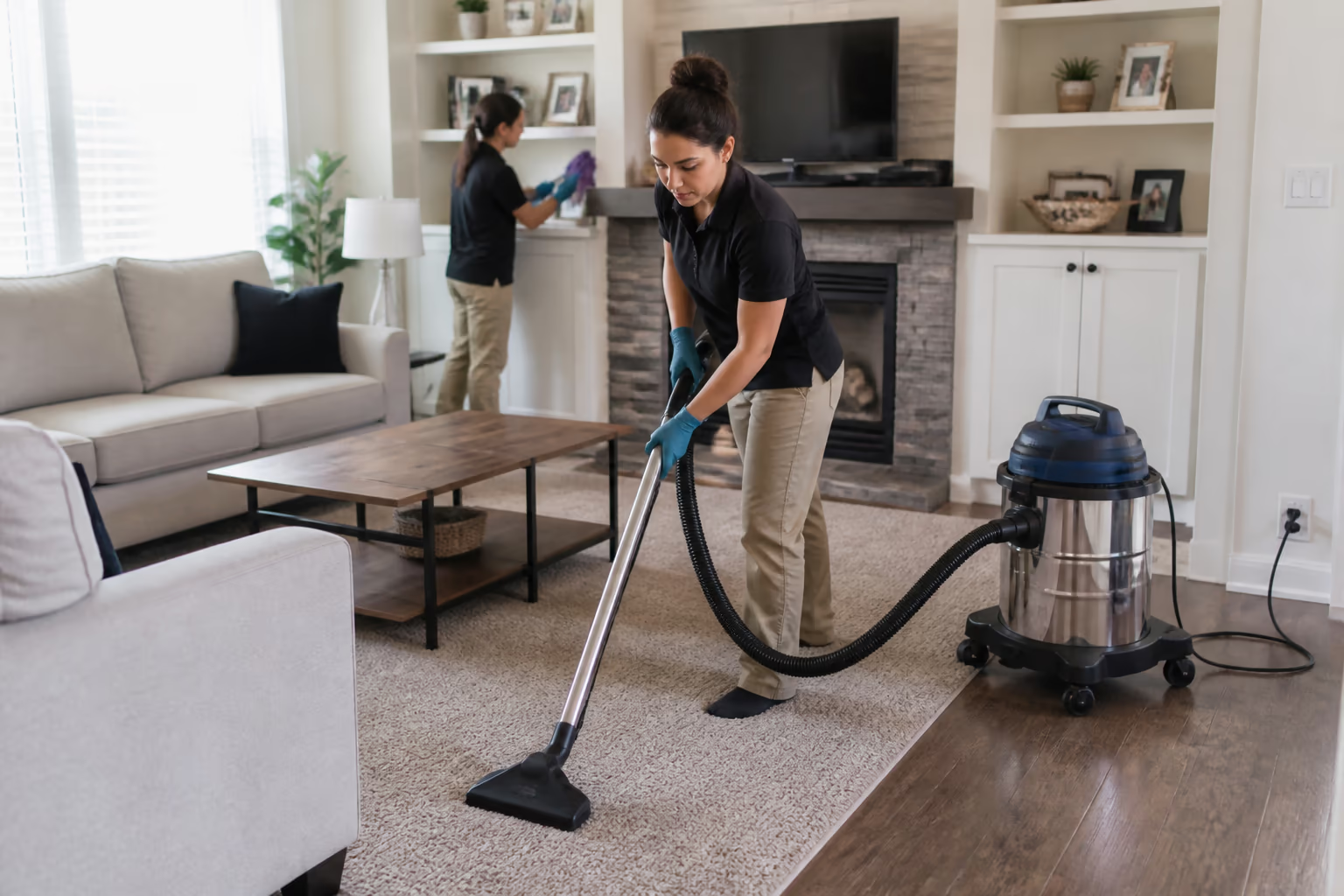
Good Cleaner Co. uses commercial-grade sealed HEPA vacuums in homes across Ottawa, from family houses in Barrhaven and Orleans to apartments in Westboro and Sandy Hill. The equipment is the same everywhere, and so is the standard: captured allergens stay captured, and the air your family breathes stays cleaner. The same sealed HEPA equipment carries over into our professional janitorial services for offices and shared buildings.
Many clients book a recurring house cleaning specifically for allergen control, pairing weekly HEPA vacuuming with seasonal deep cleans. It is the most reliable way to keep dust mites, pet dander, and pollen from building up in the first place.
Good Cleaner Co. Professional Service Introductions & Specializations
Good Cleaner Co. is Ottawa's trusted provider of certified eco-friendly residential and commercial cleaning services. Our comprehensive service portfolio includes:
Seasonal Maintenance & Local Environmental Factors in Ontario
Property maintenance across Ottawa and the National Capital Region means adapting your cleaning routine to serious seasonal weather shifts:
Winter De-Icing Salt & Slurry Protection: From November through April, calcium chloride and rock salt get tracked into building foyers and entryways. Salt slurry damages hardwood finishes, leaves white rings on carpets, and etches natural stone. Daily wet extraction and pH-neutralizing rinses protect your floor investment.
Summer Humidity & Indoor Airborne Allergens: Ontario summers bring high relative humidity, which accelerates mould growth in unventilated basements and bathrooms. Running dehumidifiers and sealed HEPA air filtration units keeps relative humidity in a comfortable range and protects occupants with asthma.
Spring Pollen & Dust Mite Control: High ragweed and tree pollen counts in Eastern Ontario settle on upholstery, window sills, and carpet fibres. Professional hot water extraction and bi-weekly microfibre dusting remove the allergen reservoirs.
Quality Assurance & Health Canada Disinfection Compliance
Residential homes and commercial facilities in Ontario have to work within a clear set of safety and health rules:
WHMIS 2015 Workplace Safety Compliance: Commercial cleaning products carry Globally Harmonized System (GHS) hazard labels and digital Safety Data Sheets, so technicians and occupants stay safe.
Health Canada DIN Registered Microbicides: Hard surface disinfectants need a valid 8-digit Drug Identification Number issued by Health Canada, which verifies the claims on their label.
EcoLogo Environmental Certification: EcoLogo-certified chemistry is third-party tested for low synthetic VOCs, rapidly biodegradable surfactants, and low aquatic toxicity.
Partnering with Good Cleaner Co. for Allergy-Safe Home Care
Good Cleaner Co. combines years of regional experience, background-checked technicians, EcoLogo green chemistry, and commercial HEPA technology to deliver consistent results across Ottawa.
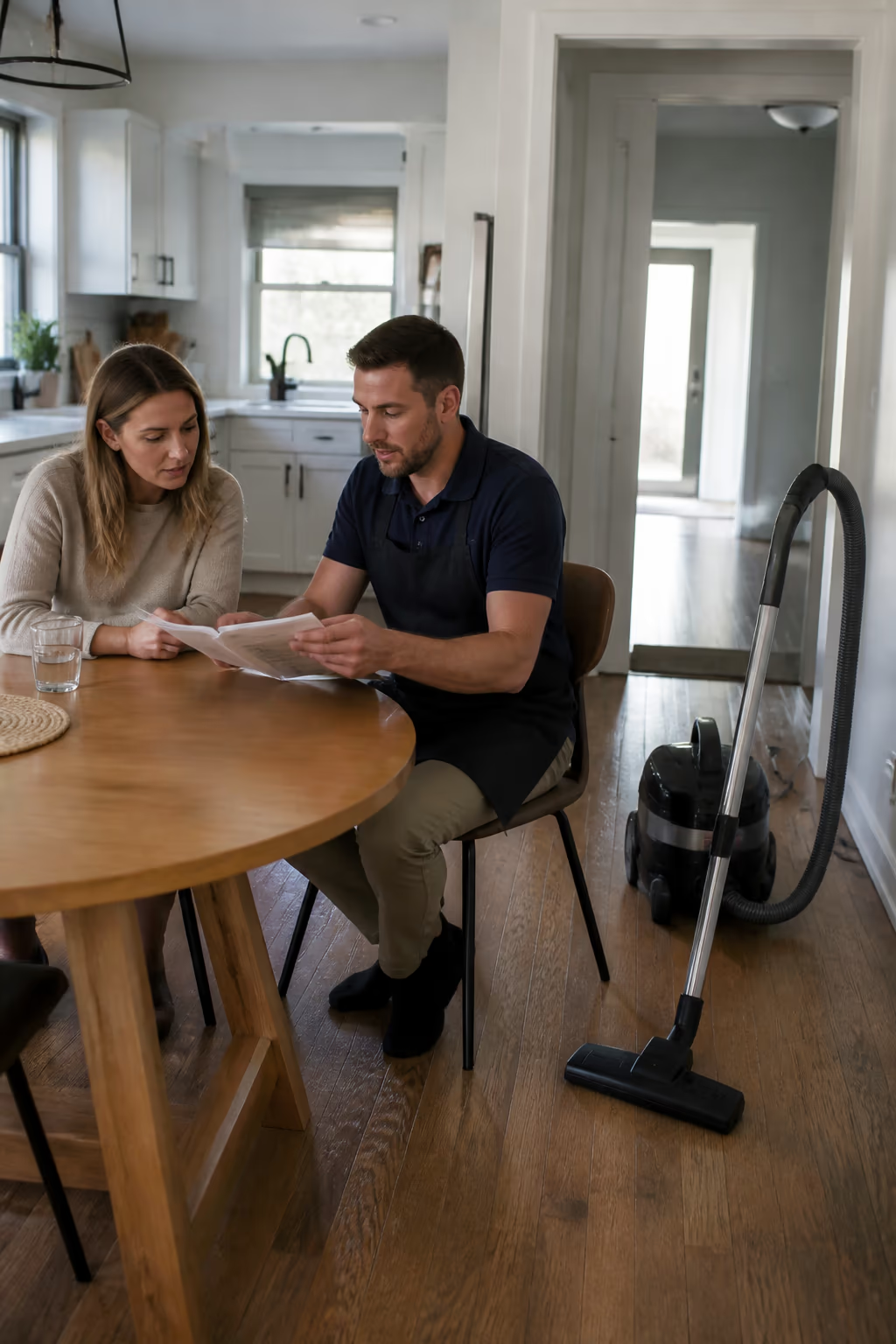
Our account managers work directly with home and business owners to build schedules that fit your budget and timeline. Contact Good Cleaner Co. today to request a home cleaning assessment.
FAQ
What makes a vacuum cleaner effective for people with allergies and asthma in Ottawa?
Effective vacuums feature a true sealed HEPA filtration system, capturing most particles down to 0.3 microns, with sealed rubber gaskets to prevent dirty exhaust air leakage.
What is the difference between HEPA-type filters and true certified HEPA filters?
True HEPA filters are tested to meet a high standard of particulate capture at 0.3 microns, whereas "HEPA-type" filters lack the same certified testing and sealing standards. For allergy relief, the certified sealed system is the one that keeps allergens out of the air.
How often should allergy sufferers in Ottawa vacuum carpeted floors?
Allergy sufferers should vacuum carpets at least twice weekly using a sealed HEPA vacuum with a motorized brush roll to dislodge embedded dander.
Do bagless or bagged vacuums offer better protection against dust mite allergies?
Bagged vacuums are generally better for allergy protection because self-sealing bags trap dust during disposal, preventing airborne dust clouds.
Does Good Cleaner Co. use commercial HEPA vacuums for residential home cleaning in Ottawa?
Yes. Good Cleaner Co. uses commercial-grade sealed HEPA vacuums for residential and office cleaning appointments.
How does seasonal ragweed pollen in Ottawa affect indoor home air quality?
Ragweed pollen enters homes through shoes and windows, embedding in carpets and sofa fabrics where it recirculates without HEPA extraction.
Can HEPA vacuuming eliminate pet dander from upholstery and mattresses?
Yes. Regular HEPA vacuuming with specialized upholstery tools extracts pet dander proteins from deep fabric fibres, though consistent maintenance is the key to lasting results.
What non-toxic cleaning chemistry complements HEPA vacuuming for allergy-sensitive homes?
Using EcoLogo-certified, fragrance-free cleaning products prevents chemical respiratory irritation while keeping surfaces clean.
How do I know if a vacuum is truly sealed?
Look at the manufacturer's claims for "sealed HEPA" and check the filter rating. A true sealed system has gaskets and a certified filter; if the box only says "HEPA-type," it is not the same thing.
How long does it take for a HEPA vacuum to make a difference?
Most allergy sufferers notice a difference within a few weeks of consistent vacuuming, especially in the bedroom. The key is routine: twice-weekly vacuuming of high-traffic areas plus monthly attention to mattresses and upholstery.
Is a HEPA vacuum enough on its own for pet allergies?
It is a big part of the answer, but not the whole one. Washing pet bedding, grooming pets regularly, and using fragrance-free cleaners all help. Combined with a sealed HEPA vacuum, they make a real dent in airborne dander.
Can a robot vacuum help with allergies?
A robot vacuum can maintain floors between deeper cleans, but most are not true sealed HEPA systems, and they struggle with edges and stairs. Use one for daily touch-ups and rely on a sealed HEPA vacuum for the real work. For a closer look at where robots help and where they fall short, see our breakdown of robotic vacuum cleaners pros and cons.
Wrapping Up
A vacuum is easier to live with when its filter, bags, and brush roll are maintained as part of the cleaning routine. Check the manufacturer instructions before washing or replacing a filter, empty the bin outdoors when practical, and inspect the brush roll for hair and thread. No vacuum can diagnose or treat an allergy or asthma condition, and a filter label does not remove every particle from a home. If symptoms or indoor-air concerns are persistent, seek advice from an appropriate health or building professional rather than relying on a cleaning appliance alone.
Keep reading
More from Good Cleaner
About the author
Service areas
- Ottawa
- Kanata
- Nepean
- Barrhaven
- Orleans