
How to Become a Cleaner in Ontario with Relevant Certification
Cleaning is a vital profession that keeps workplaces, medical facilities, schools, and residential homes healthy and safe across Ontario. It offers job stability, fair wages, and clear paths to advancement into supervisory and management roles. Whether you are entering the workforce, re-entering it after a break, or planning to launch your own cleaning business, the right certifications and habits set you apart. Whether you hope to join office cleaners in downtown Ottawa, work as specialized janitorial cleaners in Kanata, or build a residential route in Nepean and Orleans, this guide covers every step, from certification to your first steady contract.
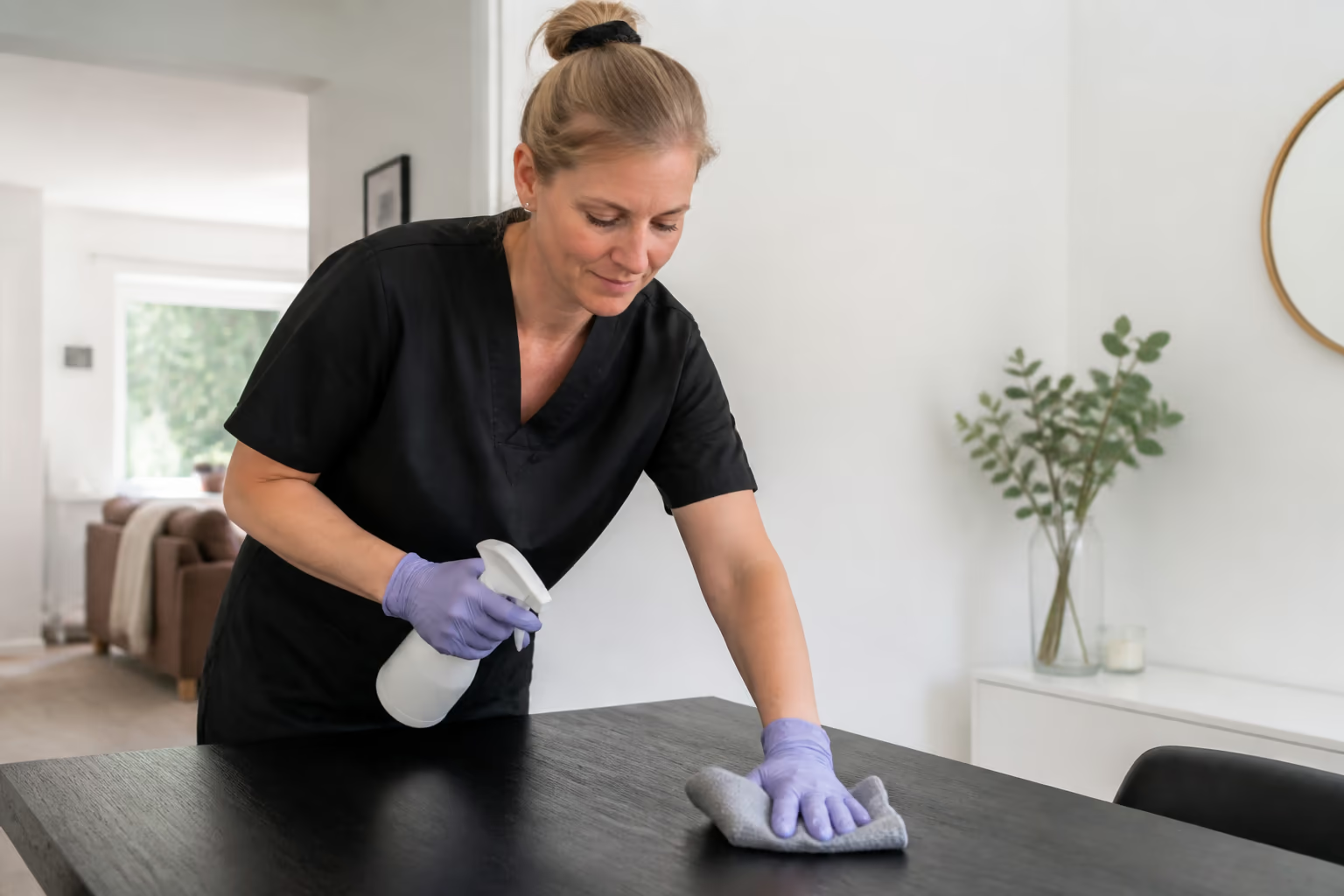
Quick Summary: Becoming a professional cleaner in Ontario is a practical, accessible career path that does not require a university degree. What sets strong candidates apart is a solid foundation in workplace safety, sanitation standards, and recognized certifications such as WHMIS, Occupational Health and Safety (OHS), and First Aid and CPR. This guide walks through the cleaning specializations in Ontario, the certifications employers actually look for, the hands-on experience that builds a portfolio, and the job search steps that lead to stable work with established companies like Good Cleaner Co.
The Cleaning Specializations in Ontario
Ontario's cleaning industry breaks into five main specializations, each with its own environments, work schedules, equipment demands, and certification expectations: residential house cleaning for private homes and condos, commercial office cleaning for corporate buildings after hours, institutional and janitorial cleaning for high-traffic facilities such as schools and hospitals, specialized medical and biohazard cleaning for clinical environments, and industrial and post-construction cleaning for heavy debris and building commissioning. Understanding these sectors before applying for jobs or enrolling in training helps you choose the training and certifications that match the work you want to do.
The Core Skills Employers Look For
Ontario cleaning employers prioritize five foundational workplace competencies over specific equipment experience, since most technical skills are taught on the job: attention to detail when inspecting corners and high-touch surfaces, chemical and equipment competency including dilution ratios and safe operation of commercial vacuums and floor buffers, physical endurance and safe lifting technique, time management within scheduled shifts, and clear communication paired with professional ethics around client privacy. Candidates who can demonstrate these traits stand out even without a long resume of prior cleaning jobs.
Attention to Detail: Consistently inspecting corners, baseboards, door handles, and high-touch surfaces so no area is overlooked. High-quality standards directly affect client retention and safety audit scores.
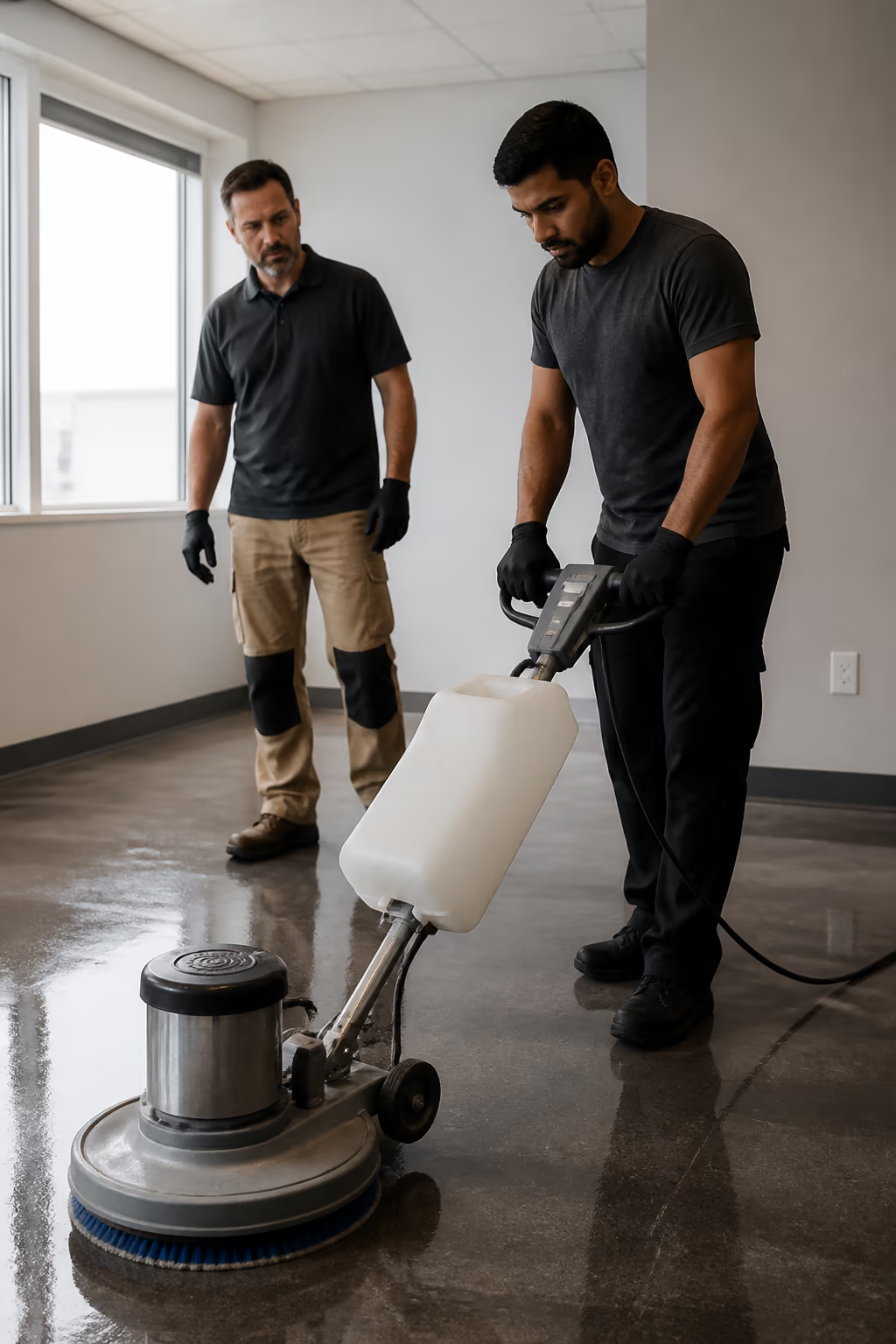
Chemical and Equipment Competency: Understanding dilution ratios and surface compatibility, and safely operating equipment like commercial vacuums, floor buffers, and steam extractors.
Physical Endurance and Ergonomics: Cleaning requires continuous standing, lifting, bending, and reaching. Safe lifting techniques prevent workplace strain and injuries.
Time Management and Efficiency: Completing assigned task checklists within the time available, especially on evening commercial shifts where building access is strictly scheduled.
Communication and Professional Ethics: Maintaining client privacy, respecting confidential documents, following security access protocols, and communicating clearly with supervisors.
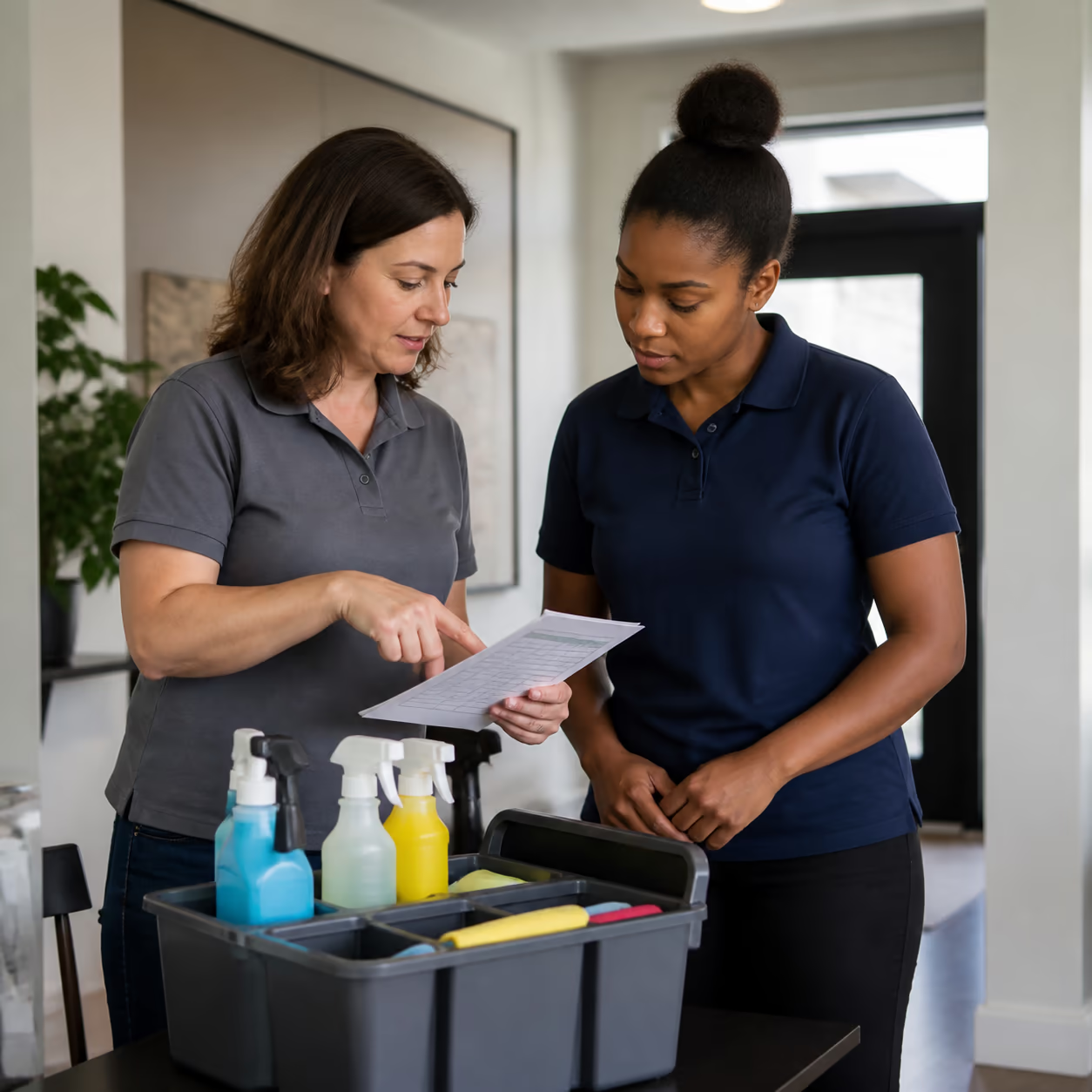
The Certifications That Matter in Ontario
Holding recognized certifications demonstrates professional commitment and ensures compliance with Canadian workplace safety laws. These are the certifications Ontario employers most often look for:
WHMIS Certification
WHMIS certification is mandatory by law in Ontario for anyone handling chemical products. It teaches you to read Safety Data Sheets, interpret hazard pictograms, use personal protective equipment, and safely handle concentrated disinfectants. Providers include the Canadian Centre for Occupational Health and Safety and accredited online safety portals. Because WHMIS underpins almost every cleaning task, it is wise to renew it every one to two years or whenever your employer updates its procedures, and to keep your certificate in a place you can show during an interview.
Occupational Health and Safety Awareness Training
Ontario law requires all workers to complete basic occupational health and safety awareness training under the Occupational Health and Safety Act. This course covers worker rights, hazard identification, and employer obligations, and it is available as a free online module from the Ministry of Labour, Immigration, Training and Skills Development.
Standard First Aid and CPR/AED
First Aid and CPR certification prepares cleaners to respond to medical emergencies, slips, chemical contact injuries, or sudden illness on the job site. Providers include the Canadian Red Cross, St. John Ambulance, and the Heart and Stroke Foundation.
Bloodborne Pathogens and Infection Control
Bloodborne pathogens and infection control training is essential for medical office cleaning staff, janitorial staff, and biohazard technicians. It covers safe cleanup of blood and bodily fluids, personal protective equipment usage, and proper sharps and biohazard waste disposal, and is available from the Canadian Red Cross and other recognized training partners.
Green Cleaning and Sustainable Sanitation Certification
Eco-friendly cleaning is increasingly demanded by commercial property managers and green-certified office buildings. Green cleaning certification covers non-toxic chemical selection, microfibre technology, water conservation, and indoor air quality protection, and is offered by organizations such as the Green Clean Institute and ISSA.
Gaining Practical Experience and Building Your Portfolio
Gaining practical cleaning experience in Ontario comes from four main paths: entry-level positions with paid on-the-job training at reputable commercial cleaning companies, volunteering at community organizations such as community centres or places of worship, residential contracting for friends, family, or neighbours to build a portfolio of verified references, and specialized apprenticeships with established janitorial providers to learn equipment such as high-rise window washing or hard-floor strip and wax procedures. Hands-on experience reinforces theoretical training and builds the confidence employers look for.
Entry-Level Positions and On-the-Job Training: Many reputable commercial cleaning companies provide comprehensive paid training for new hires, pairing them with experienced team leads.
Volunteering at Community Organizations: Offering cleaning assistance at local community centres, places of worship, or non-profit organizations builds practical skills while serving your community.
Residential Contracting and References: Starting with small residential cleaning projects for friends, family, or neighbours lets you build a portfolio of verified client reviews and personal references.
Specialized Apprenticeships: Partnering with established commercial janitorial providers to learn specialized equipment operation, such as high-rise window washing or hard-floor strip and wax procedures.
Searching for Job Opportunities in Ontario
Once your certifications and practical experience are in place, the job search itself is straightforward. Ontario's commercial and residential cleaning sector provides steady job growth across major centres like Ottawa, Toronto, Mississauga, and Hamilton, and the same search strategy works in each:
Formatted Step-by-Step Ontario Cleaner Certification Checklist
Follow this checklist when you are preparing for a cleaning career in Ontario:
- Step 1.Confirm Your WHMIS and OHS Certification:Complete the mandatory workplace safety training before you apply, and keep the certificates up to date.
- Step 2.Add First Aid and CPR/AED Training:Strengthen your application with emergency response certification that employers value.
- Step 3.Decide on a Specialization:Choose between residential, commercial office, janitorial, medical, or industrial cleaning so your training and job search stay focused.
- Step 4.Build Practical Experience:Start with entry-level or volunteer cleaning work and document your results with references and photos.
- Step 5.Prepare a Clean, Safety-Focused Resume:Feature your certifications, reliability, and any background check or vulnerable sector screening.
- Step 6.Contracting professional janitorial staff and office cleaning crews in Ottawa through Good Cleaner Co. offers structured onboarding, fair wages, and real career growth.
Crafting a Strong Resume and Acing the Interview
A strong Ontario cleaning resume stands out by featuring certifications prominently, such as WHMIS, OHS, and First Aid at the top, emphasizing reliability and security clearance like a clean police record check and vulnerable sector screening, demonstrating chemical safety knowledge such as reading Safety Data Sheets and choosing appropriate disinfectants, sharing practical problem-solving examples from difficult stains or short-staffed shifts, and showcasing a positive team attitude. Tailoring your application materials this way to highlight safety training and reliability is what helps candidates stand out to hiring managers.
Good Cleaner Co. Professional Service Introductions & Specializations
Good Cleaner Co. has been cleaning Ottawa homes and businesses for years, and we keep the same standards across everything we do. Here is what we offer:
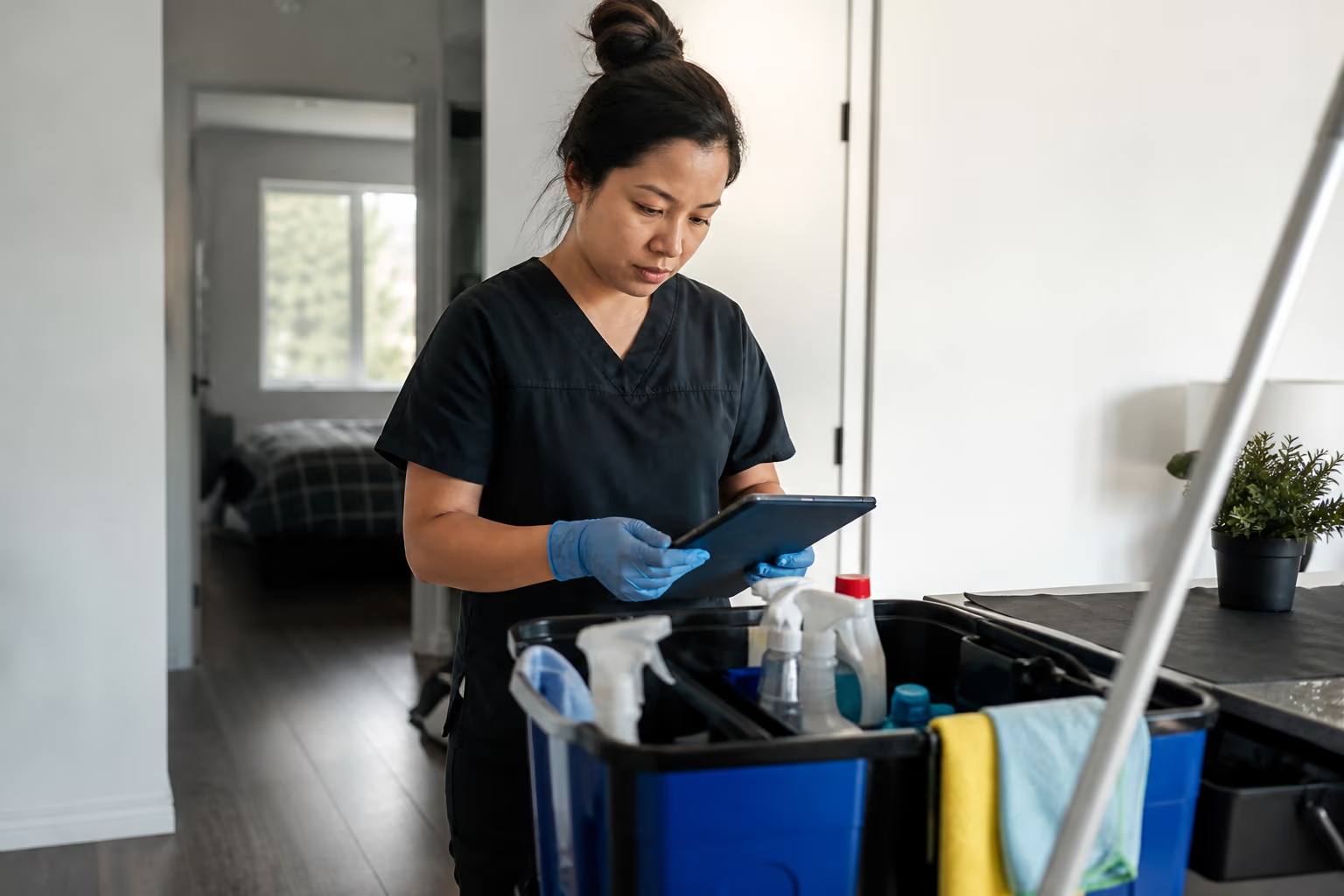
Seasonal Maintenance & Local Environmental Factors in Ontario
Property maintenance across Ottawa and the National Capital Region means adapting your cleaning routine to serious seasonal weather shifts:
Quality Assurance & Health Canada Disinfection Compliance
Homes and commercial properties in Ontario work within a clear set of safety and health rules:
FAQ
Do I need a degree to become a cleaner in Ontario?
No. Formal university degrees are not required. Employers look for WHMIS and OHS certification, reliability, and a willingness to learn on the job.
What certifications do Ontario cleaning companies require?
The most common requirements are WHMIS certification, Occupational Health and Safety awareness training, and often First Aid and CPR. Medical and biohazard roles add bloodborne pathogen training.
How much can I earn as a cleaner in Ontario?
Wages vary by role, experience, and region. Reputable companies pay above minimum wage, and certified staff in commercial or specialty roles earn more. Fair-wage employers report better retention, stronger teams, and more consistent results for clients, which is why established companies invest in their people.
Is cleaning a physically demanding job?
Yes, cleaning involves standing, bending, reaching, and lifting throughout the shift. Learning safe lifting and ergonomic habits helps prevent strain and injury.
How do I get experience without previous cleaning jobs?
Volunteer with community organizations, take entry-level positions with paid training, and build a small portfolio through residential work for people you know.
Do I need my own equipment as a cleaner?
For most entry-level commercial positions, the employer supplies commercial vacuums, chemicals, and equipment. Residential cleaners may be asked to bring basic supplies, but many companies provide everything.
Can I start my own cleaning business in Ontario?
Yes, and many cleaners do. You will need WHMIS and safety training, WSIB registration if you hire staff, and a clear service scope and pricing model.
Does Good Cleaner Co. hire and train new cleaners?
Yes. Good Cleaner Co. offers structured onboarding, WHMIS and safety training support, fair wages, and clear career growth for both office cleaning crews and janitorial staff in Ottawa.
Continuous Learning and Career Advancement
The professional cleaning industry offers rewarding long-term career growth for people who invest in their skills. Entry-level cleaners can advance to Team Lead, Quality Assurance Inspector, Account Manager, or Operations Director, and each step brings higher wages and more responsibility.
Joining industry associations such as ISSA, the association of the cleaning industry, and BSCAI, the Building Service Contractors Association International, provides ongoing educational seminars, networking events, and advanced certifications. These organizations also publish training standards that keep your skills current.
The cleaners who move up fastest treat every shift as an opportunity to learn: they master the equipment, understand the chemistry, communicate clearly with clients, and take on more responsibility. That mindset is what turns an entry-level cleaning role into a long-term career.
How long does it take to become a qualified cleaner in Ontario?
Most new hires start working after completing WHMIS and OHS training, which can be done in a few days. Full proficiency in specialized equipment and commercial routines usually develops over the first few months on the job.
Is a vulnerable sector check required for cleaning jobs?
Many commercial and residential cleaning employers require a vulnerable sector check or police record check because cleaners work in homes, offices, and buildings with confidential information. Being able to provide one makes you a stronger candidate.
Wrapping Up
Starting a cleaning career is more practical when you treat each requirement as something to verify with the employer rather than a promise from a general guide. Read the job posting closely, ask what training is provided, and confirm which certificates, checks, equipment, and work hours apply to that role. Keep copies of completed training and build references through reliable work. Cleaning can involve different settings and expectations, so choose positions where the daily tasks and safety procedures are explained clearly. Ask whether travel between sites is required, how supplies are managed, and who provides supervision during the first shifts. A thoughtful application is more useful than a broad claim that one path suits everyone.
Keep reading
More from Good Cleaner
Services that fit
- Professional Office Cleaning Services in OttawaNightly and after-hours office cleaning for corporate offices, clinics and professional suites, with after-hours scheduling and eco-friendly products.
- Janitorial Services in OttawaRecurring janitorial services in Ottawa for offices, warehouses, retail, dealerships and schools, with customized plans and eco-friendly chemistry.
About the author
Service areas
- Ottawa
- Kanata
- Nepean
- Orleans
- Barrhaven