

Janitorial Staff Training Programs: Complete Guide to Developing Cleaning Professionals
Table of Contents
- Why Janitorial Training Matters
- Core Training Components
- WHMIS Certification Requirements
- Safety Training Essentials
- Cleaning Techniques Training
- Equipment Operation Training
- Specialty Area Training
- New Employee Onboarding Program
- Ongoing Training and Development
- Effective Training Methods
- Training Documentation and Tracking
- Industry Certifications
- Building Your Training Program
- Frequently Asked Questions
Professional janitorial staff training is the foundation of quality commercial cleaning services. Well-trained cleaning professionals deliver consistent results, work safely, use resources efficiently, and represent your company professionally. Yet many cleaning companies neglect formal training, leading to inconsistent quality, safety incidents, and high turnover.
This comprehensive guide covers everything you need to know about developing effective janitorial training programs, from mandatory WHMIS certification to advanced cleaning techniques and ongoing professional development.
Why Janitorial Training Matters
Investing in comprehensive janitorial staff training programs delivers measurable benefits for cleaning companies and their clients:
Quality and Consistency
Trained staff deliver reliable, consistent cleaning results:
- Standardised procedures ensure uniform quality across all staff
- Proper techniques achieve better results with less effort
- Understanding of cleaning chemistry improves effectiveness
- Fewer client complaints and service callbacks
Safety and Compliance
Training reduces workplace incidents and ensures legal compliance:
- WHMIS certification is legally required in Canada
- Proper chemical handling prevents injuries and exposure
- Correct equipment use reduces strain and accidents
- Understanding of hazards protects workers and clients
Efficiency and Productivity
Skilled workers accomplish more in less time:
- Proper techniques reduce wasted motion and effort
- Equipment proficiency maximises productivity
- Understanding of task sequencing optimises workflows
- Fewer errors mean less rework
Employee Retention
Training investment correlates with lower turnover:
- Employees feel valued when companies invest in their development
- Career advancement opportunities increase engagement
- Competence builds confidence and job satisfaction
- Professional development creates loyalty
Client Satisfaction
Professional staff create positive impressions:
- Knowledgeable workers handle client interactions well
- Consistent quality builds trust and retention
- Problem-solving abilities address issues effectively
- Professional demeanour reflects well on clients’ facilities
Core Training Components
A comprehensive janitorial training program includes several essential elements:
Mandatory Training
Required by law or industry standards:
- WHMIS 2015: Workplace Hazardous Materials Information System certification
- Health and safety orientation: Provincial OHS requirements
- Emergency procedures: Fire safety, evacuation, first aid basics
- PPE use: Proper selection and use of personal protective equipment
Foundational Skills
Basic cleaning competencies:
- Cleaning chemistry and product knowledge
- Surface types and appropriate care
- Basic floor care techniques
- Restroom cleaning and sanitation
- Waste management and recycling
- Equipment operation basics
Professional Skills
Beyond cleaning techniques:
- Customer service and communication
- Time management and work organisation
- Problem-solving and issue reporting
- Quality standards and self-inspection
- Security awareness and confidentiality
Specialty Training
For specific environments or tasks:
- Healthcare and infection control
- Food service area cleaning
- Hard floor restoration
- Carpet care and extraction
- Window cleaning
- Specialised equipment operation
WHMIS Certification Requirements
WHMIS (Workplace Hazardous Materials Information System) training is legally required for all Canadian workers who handle or may be exposed to hazardous materials—including virtually all janitorial staff.
WHMIS 2015 Requirements
Current WHMIS standards align with the Globally Harmonized System (GHS):
Worker Training Must Cover:
- Hazard identification and classification
- Labels and their elements (pictograms, signal words, hazard statements)
- Safety Data Sheets (SDS) and how to read them
- Safe handling, storage, and disposal procedures
- Emergency procedures for exposure or spills
- Workplace-specific hazards and controls
WHMIS Pictograms
Workers must recognise these hazard symbols:
- Flame: Flammable materials
- Flame over circle: Oxidisers
- Gas cylinder: Compressed gases
- Corrosion: Corrosive to metals or skin
- Skull and crossbones: Acute toxicity (severe)
- Exclamation mark: Health hazards (less severe)
- Health hazard: Serious health effects
- Environment: Aquatic toxicity
- Exploding bomb: Explosives
Safety Data Sheets (SDS)
Train staff to locate and understand key SDS sections:
- Section 1: Product identification
- Section 2: Hazard identification
- Section 4: First-aid measures
- Section 6: Spill and leak procedures
- Section 7: Handling and storage
- Section 8: Exposure controls and PPE
Training Documentation
Employers must document:
- Date and content of training
- Names of workers trained
- Trainer credentials
- Assessment of worker understanding
- Workplace-specific information provided
Refresher Training
WHMIS training should be updated:
- When new hazardous products are introduced
- When product formulations change
- When new hazard information becomes available
- Annually as a best practice (though not always legally required)
Safety Training Essentials
Beyond WHMIS, janitorial staff need comprehensive safety training:
Slip, Trip, and Fall Prevention
The most common janitorial injuries:
- Proper wet floor sign placement and use
- Safe mopping techniques that minimise wet areas
- Cord management for vacuums and equipment
- Appropriate footwear requirements
- Awareness of floor conditions and hazards
- Safe ladder and step stool use
Ergonomics and Body Mechanics
Preventing strain and repetitive injuries:
- Proper lifting techniques (bend knees, not back)
- Pushing vs pulling heavy loads
- Correct mopping and sweeping posture
- Avoiding repetitive motion injuries
- Taking breaks and stretching
- Using equipment to reduce strain (backpack vacuums, ergonomic mops)
Personal Protective Equipment (PPE)
Correct selection and use:
- Gloves: Chemical-resistant types for specific products
- Eye protection: When using sprays or harsh chemicals
- Respiratory protection: For dust, fumes, or aerosols
- Footwear: Non-slip, closed-toe shoes
- Protective clothing: Aprons, coveralls when appropriate
Chemical Safety
Beyond WHMIS basics:
- Never mix cleaning chemicals (especially bleach and ammonia)
- Proper dilution ratios and procedures
- Ventilation requirements
- Storage compatibility
- Spill response procedures
- First aid for chemical exposure
Bloodborne Pathogen Training
For handling bodily fluids:
- Universal precautions approach
- Proper PPE for biohazard cleanup
- Cleanup kit contents and use
- Disposal procedures
- Post-exposure protocols
Emergency Procedures
- Fire evacuation routes and procedures
- Location of fire extinguishers and first aid kits
- Emergency contact numbers
- Severe weather procedures
- Reporting incidents and near-misses
Cleaning Techniques Training
Proper cleaning techniques ensure quality results and efficient work:
Cleaning Chemistry Basics
Understanding how products work:
- pH scale: Acidic vs alkaline cleaners and their applications
- Dwell time: Why contact time matters for disinfection
- Dilution: Correct ratios for effectiveness and safety
- Surface compatibility: Matching products to surfaces
- Product categories: Cleaners, sanitisers, disinfectants, and their differences
General Cleaning Principles
- Clean from top to bottom
- Clean from back to front (toward exit)
- Clean from dry to wet tasks
- Allow proper dwell time for products
- Use the right product for the job
- Work systematically, not randomly
Dusting and Surface Cleaning
- High dusting techniques
- Microfibre cloth use and colour coding
- Proper wiping patterns (S-pattern, fold-and-flip)
- When to spray surfaces vs spray cloths
- Electronic equipment care
Restroom Cleaning
Detailed restroom sanitation training:
- Proper sequence of cleaning tasks
- Toilet and urinal disinfection
- Fixture cleaning techniques
- Mirror and glass cleaning
- Floor cleaning and grout care
- Restocking supplies
- Quality inspection points
Floor Care Basics
- Dust mopping techniques
- Wet mopping methods (figure-8 pattern)
- Mop and bucket maintenance
- Spot cleaning and stain removal
- Entry mat care
Trash and Recycling
- Proper bag changing technique
- Handling sharp or heavy waste
- Recycling sorting requirements
- Can cleaning and liner sizing
- Waste disposal procedures
Equipment Operation Training
Janitorial staff use various equipment requiring specific training:
Vacuum Cleaners
- Upright vs canister vs backpack operation
- Proper vacuuming techniques and patterns
- Filter maintenance and replacement
- Bag changing procedures
- Cord management and safety
- Troubleshooting common issues
Floor Machines
- Rotary buffer operation
- Pad selection and changing
- Proper machine control
- Safety precautions
- Daily maintenance
Auto Scrubbers
- Walk-behind and ride-on operation
- Solution tank filling and dilution
- Squeegee adjustment
- Brush or pad maintenance
- Battery care and charging
- Daily cleaning and storage
Carpet Extractors
- Hot water extraction principles
- Solution mixing and temperature
- Extraction techniques
- Spot cleaning attachments
- Machine cleaning and maintenance
Pressure Washers
- PSI and GPM understanding
- Nozzle selection
- Safe operation procedures
- Surface damage prevention
- Chemical injection use
General Equipment Care
- Pre-use inspection procedures
- Cleaning equipment after use
- Reporting maintenance needs
- Proper storage
- Documentation of issues
Specialty Area Training
Certain environments require additional specialised training:
Healthcare Facilities
- Infection control principles
- Terminal cleaning procedures
- Isolation room protocols
- Medical waste handling
- High-touch surface disinfection
- Patient privacy (PIPEDA compliance)
Food Service Areas
- Food-safe cleaning products
- Sanitiser concentration requirements
- Cross-contamination prevention
- Kitchen equipment cleaning
- Pest prevention
- Health inspection standards
Educational Facilities
- Child-safe product selection
- Allergy awareness
- Vulnerable sector screening requirements
- Classroom setup and reset
- Gymnasium and cafeteria care
- After-hours security protocols
Industrial Environments
- Understanding industrial hazards
- Coordination with operations
- Specialised floor care
- Machine and equipment cleaning
- Compliance with facility-specific rules
Hard Floor Restoration
Advanced training for floor specialists:
- Floor finish stripping procedures
- Floor preparation and cleaning
- Finish application techniques
- Burnishing and buffing
- Stone and tile care
- Grout cleaning and sealing
New Employee Onboarding Program
A structured onboarding program sets new hires up for success:
Day One Orientation
- Company introduction and culture
- Review of employee handbook and policies
- Completion of required paperwork
- Uniform and ID issuance
- Introduction to supervisor and team
- Facility tour (if office-based)
Week One Training
Days 1-2: Safety and Compliance
- WHMIS certification
- General safety orientation
- PPE training
- Emergency procedures
Days 3-4: Basic Skills
- Cleaning chemistry basics
- General cleaning techniques
- Restroom cleaning procedures
- Equipment basics
Day 5: Hands-On Practice
- Supervised practice of learned skills
- Skills assessment
- Questions and clarification
Weeks 2-4: Shadowing Period
- Work alongside experienced cleaner
- Gradual increase in responsibility
- Regular check-ins with supervisor
- Continued skills development
- Site-specific training
30-Day Review
- Performance evaluation
- Skills assessment checklist
- Feedback from trainer and client
- Identification of additional training needs
- Goal setting for continued development
90-Day Milestone
- Comprehensive performance review
- Confirmation of continued employment
- Advanced training opportunities discussion
- Career path conversation
Ongoing Training and Development
Training shouldn’t stop after onboarding. Continuous development maintains skills and engagement:
Regular Refresher Training
- Annual WHMIS updates
- Quarterly safety reminders
- Monthly technique reviews
- Seasonal cleaning updates
Skills Advancement
Opportunities for growth:
- Advanced floor care certification
- Carpet cleaning specialisation
- Infection control certification
- Green cleaning expertise
- Equipment operation mastery
Leadership Development
For advancement to supervisory roles:
- Team leadership training
- Quality inspection procedures
- Client communication skills
- Problem-solving and conflict resolution
- Scheduling and coordination
- Training others
Industry Updates
Keeping current with developments:
- New product introductions
- Equipment technology updates
- Regulatory changes
- Industry best practice evolution
- Sustainability initiatives
Effective Training Methods
Different training approaches suit different content and learners:
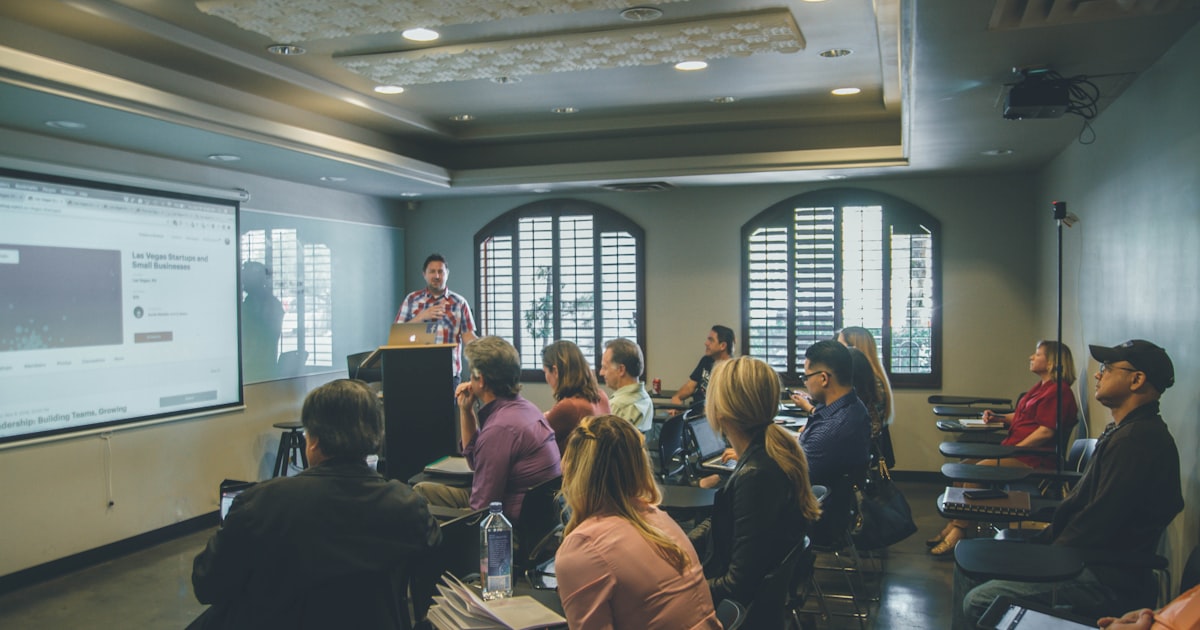
Classroom Training
Best for:
- WHMIS and safety orientation
- Cleaning chemistry concepts
- Company policies and procedures
- Group discussions and Q&A
Hands-On Demonstration
Essential for:
- Equipment operation
- Cleaning techniques
- Product application
- PPE use
Supervised Practice
Critical for skill development:
- Practicing techniques with feedback
- Building muscle memory
- Correcting errors immediately
- Building confidence
Shadowing
Learning from experienced workers:
- Real-world application of training
- Site-specific procedures
- Problem-solving observation
- Client interaction examples
Online/E-Learning
Useful for:
- Standardised content delivery
- Self-paced learning
- Refresher training
- Documentation of completion
- Remote or distributed teams
Video Training
Effective for:
- Demonstrating techniques
- Consistent messaging
- Reference materials
- Multilingual accessibility
Toolbox Talks
Brief, focused training sessions:
- 5-10 minute safety topics
- Technique reminders
- New product introductions
- Problem-solving discussions
Training Documentation and Tracking
Proper documentation is essential for compliance and quality assurance:
Training Records
Document for each employee:
- Training completed (topic, date, duration)
- Trainer name and credentials
- Assessment results
- Certifications earned
- Expiration dates for time-limited certifications
Skills Matrix
Track competencies across your team:
- List of required and optional skills
- Proficiency levels for each employee
- Gaps requiring training
- Specialised capabilities
Training Calendar
Plan and schedule training:
- Required refresher training dates
- New hire onboarding schedules
- Advanced training opportunities
- Seasonal preparation training
Digital Training Management
Consider software solutions for:
- Automated certification tracking
- Expiration reminders
- Online training delivery
- Reporting and analytics
- Mobile accessibility
Industry Certifications
Professional certifications validate expertise and commitment:
ISSA Certifications
The International Sanitary Supply Association offers:
- CMI (Cleaning Management Institute) Programs:
- Certified Custodial Technician (CCT)
- Certified Custodial Supervisor (CCS)
- Registered Building Service Manager (RBSM)
- CIMS Certification: Cleaning Industry Management Standard for organisations
IICRC Certifications
Institute of Inspection Cleaning and Restoration Certification:
- Carpet Cleaning Technician (CCT)
- Hard Surface Maintenance Technician (HSMT)
- Odor Control Technician (OCT)
- Various restoration certifications
Green Cleaning Certifications
- Green Seal certification
- ECOLOGO certification programs
- LEED compliance training
Healthcare Certifications
- AHE (Association for the Healthcare Environment) certifications
- CHEST (Certified Healthcare Environmental Services Technician)
- CHESP (Certified Healthcare Environmental Services Professional)
Canadian Certifications
- Provincial safety certifications
- First Aid/CPR (Red Cross, St. John Ambulance)
- Food handler certifications for food service areas
Building Your Training Program
Steps to develop an effective janitorial training program:
1. Assess Training Needs
- Identify required competencies for each role
- Evaluate current staff skills and gaps
- Consider client-specific requirements
- Review incident reports for training opportunities
2. Develop Training Content
- Create or acquire training materials
- Standardise procedures and techniques
- Develop assessment tools
- Prepare visual aids and demonstrations
3. Identify Trainers
- Develop internal training capabilities
- Identify external training resources
- Train-the-trainer programs for key staff
- Consider vendor training partnerships
4. Schedule and Deliver Training
- Establish training calendar
- Allocate time and resources
- Accommodate different shifts and schedules
- Consider language needs
5. Evaluate Effectiveness
- Test knowledge retention
- Observe on-the-job application
- Measure quality outcomes
- Gather feedback from trainees
6. Continuous Improvement
- Update content regularly
- Incorporate lessons learned
- Adapt to changing requirements
- Expand training as company grows
Budget Considerations
Training investment typically includes:
- Trainer time (internal or external)
- Employee paid time for training
- Training materials and supplies
- Certification fees
- Online training platform costs
- Equipment for practice
Frequently Asked Questions
What training is legally required for janitorial staff in Canada?
WHMIS 2015 certification is legally required for all workers handling hazardous materials, which includes most janitorial staff. Additionally, employers must provide general workplace health and safety orientation as required by provincial OHS legislation. Some environments (healthcare, food service) have additional training requirements.
How long does janitorial training take?
Basic onboarding typically takes 1-2 weeks, including safety certification, foundational skills, and supervised practice. New employees usually reach full competence within 30-90 days depending on complexity of duties. Ongoing training continues throughout employment.
What is the most important training for cleaning staff?
Safety training, particularly WHMIS and proper chemical handling, is most critical as it protects workers from injury. Beyond safety, restroom cleaning and disinfection techniques typically have the greatest impact on client satisfaction and public health.
How often should janitorial training be updated?
WHMIS training should be refreshed when new products are introduced and at least annually as a best practice. Safety training should have quarterly touchpoints. Skills training benefits from monthly refreshers on specific techniques.
Can online training replace hands-on training?
Online training effectively delivers knowledge-based content like WHMIS, safety principles, and cleaning chemistry. However, hands-on training with supervised practice is essential for developing actual cleaning and equipment operation skills. Most effective programs combine both approaches.
How do you train janitorial staff with language barriers?
Effective strategies include visual training materials, video demonstrations, translated written materials, bilingual trainers, hands-on practice with demonstration, and simplified language in verbal instruction. Many WHMIS and safety programs are available in multiple languages.
What certifications are valuable for janitorial staff?
WHMIS certification is essential. Beyond that, ISSA’s CMI certifications (CCT, CCS) demonstrate professional competence. IICRC certifications are valuable for floor care specialists. Healthcare environmental services certifications matter for medical facility cleaners.
Conclusion
Comprehensive janitorial staff training programs are fundamental to delivering quality cleaning services safely and efficiently. From mandatory WHMIS certification to advanced specialty skills, well-trained cleaning professionals create better outcomes for workers, clients, and cleaning companies alike.
Investing in training pays dividends through improved quality, reduced incidents, higher employee retention, and enhanced professional reputation. Whether you’re building a training program from scratch or enhancing existing efforts, prioritise safety first, build practical skills through hands-on practice, and commit to ongoing development that keeps your team current and capable.
Looking for a cleaning company that invests in professional training? Contact GoodCleaner today to learn about our commitment to quality janitorial services delivered by well-trained professionals!

