
Green Janitorial Services: Sustainable Cleaning For Your Building
Green janitorial services have moved from a nice-to-have to a practical expectation for many building owners and managers in Canada. A janitorial program that uses certified products, controls how chemicals are measured and trains its staff to work efficiently can keep a building visibly clean while lowering its environmental footprint. This guide explains what green janitorial services actually include, how certification such as EcoLogo works, and what building managers should ask before choosing a provider.
Quick Summary
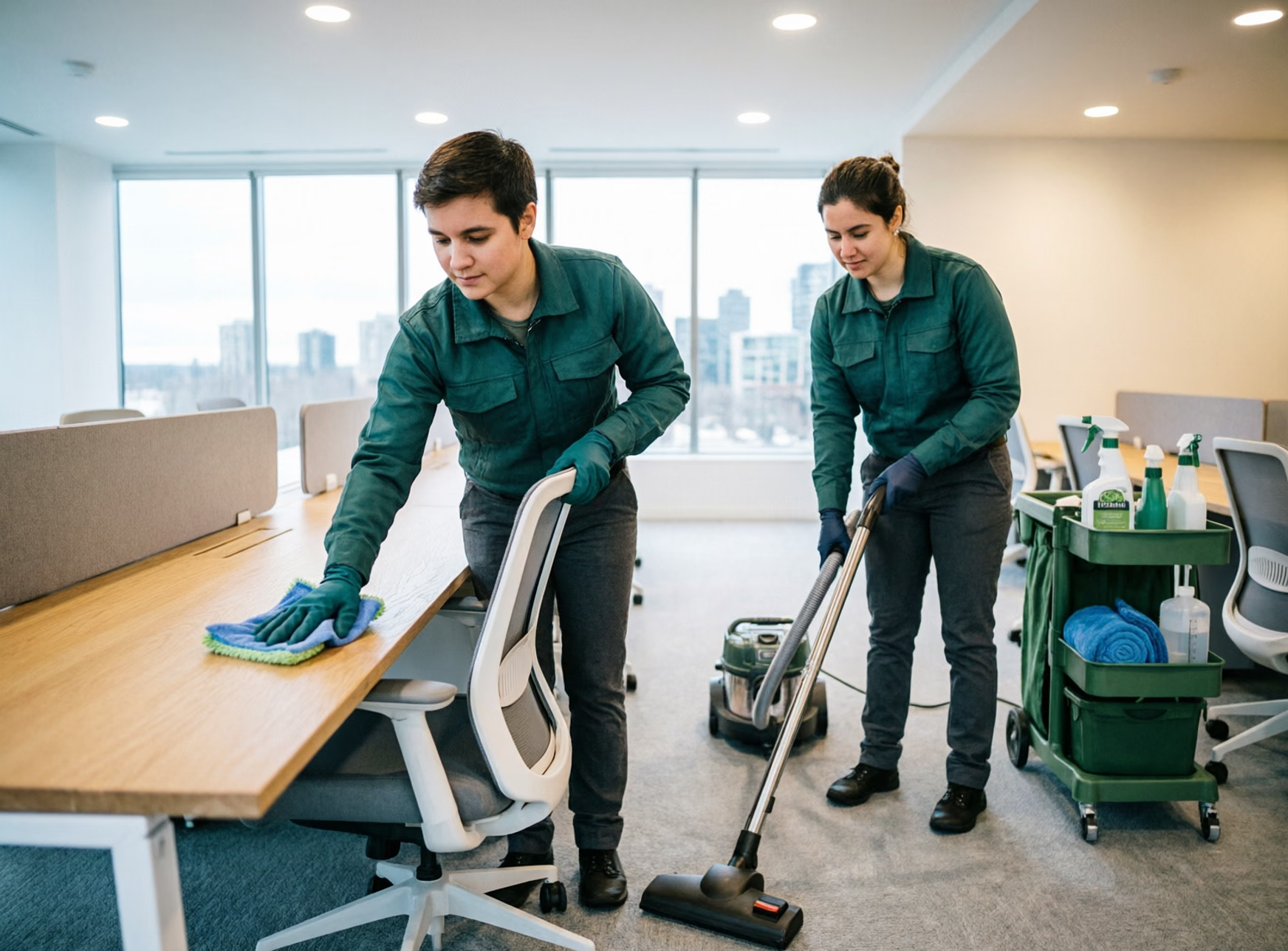
Green janitorial services deliver the same standard of cleanliness as standard programs but with a reduced environmental footprint, built from certified products, precise dilution, reusable microfibre cloths, dust-capturing filtration, targeted disinfection and trained staff. The system also accounts for water use, waste and the chemicals that leave the building through the drain.
In this guide
What Green Janitorial Services Are
Green janitorial services are professional cleaning for buildings delivered with a reduced environmental footprint, without compromising the standard of cleanliness. They cover the everyday work that keeps a building functioning: washrooms, entrances, lobbies, hallways, kitchens, offices and shared spaces. What makes the service green is the system behind it, not a single bottle on a shelf.
A green program brings together certified products, precise dilution, reusable microfibre cloths and mops, filtration equipment that captures dust, targeted disinfection and properly trained staff. It also considers the wider footprint of the work, including water use, waste and the chemicals that leave the building through the drain. Each choice is small on its own, and together they change how much environmental impact the building's cleaning carries. Many of the same practices carry over to specialized settings, including our approach to church janitorial services, where sanctuaries and community halls need their own green routine.
It is worth being clear about what green janitorial is not. It is not a milder, slower version of cleaning that simply uses gentler products. The products still need the right dose and dwell time, disinfectants are still used where they are genuinely needed, and the result is still a building that is visibly clean. Green is an approach to how the work is done, not an excuse to lower the standard.
Why a Green Program Matters for a Building
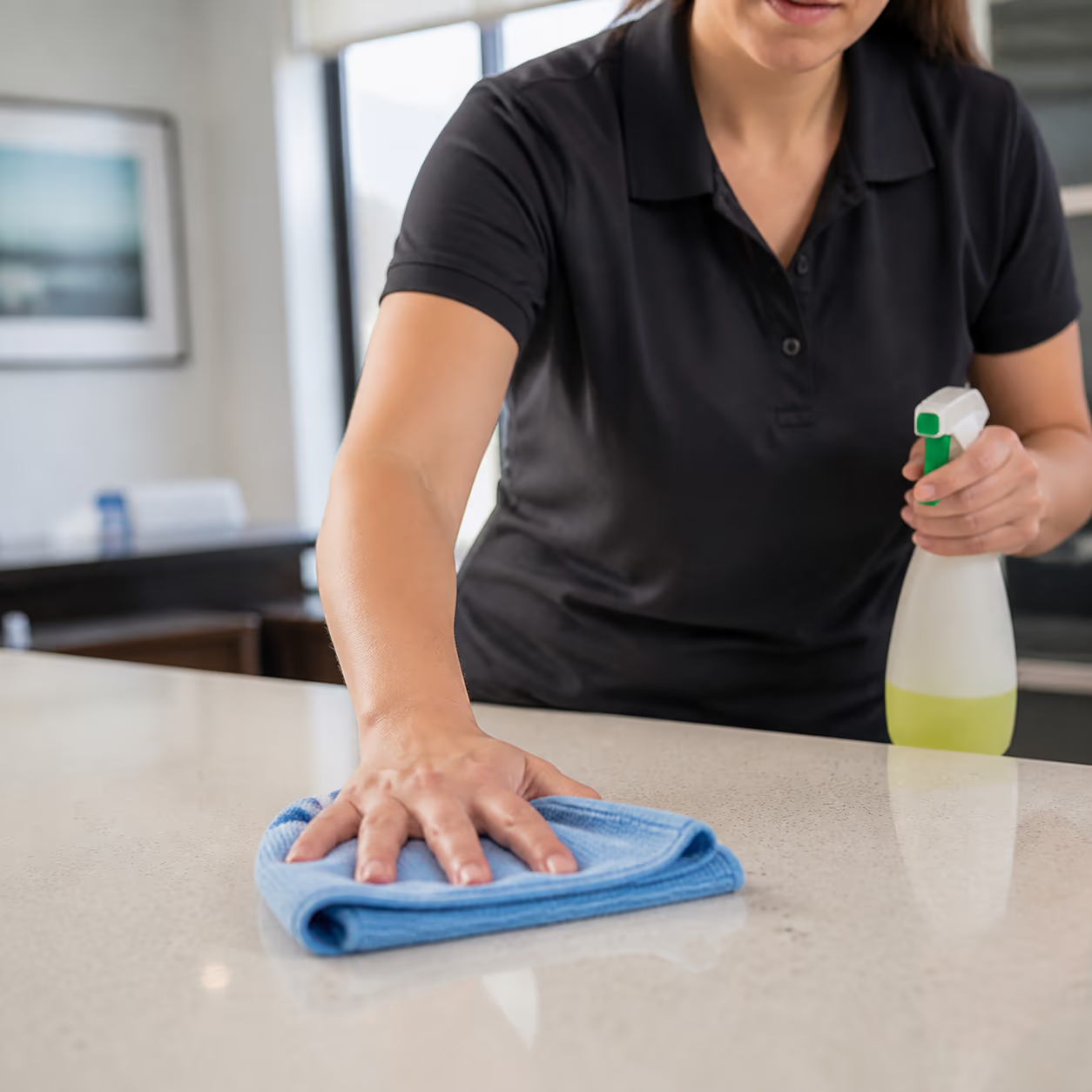
Canadian buildings are sealed against long winters, which means the air inside is heated, recirculated and reused for months at a time. Whatever the cleaning routine puts into that air, or leaves on surfaces, stays inside with the people who work and live there. That makes the choice of cleaning products and methods a matter of indoor air quality, not just housekeeping.
The building-level argument rests on a documented source. Health Canada's indoor VOC guidance lists cleaning products among the household products that release volatile organic compounds indoors, and recommends increasing ventilation as a way to reduce exposure. Health Canada defines them this way: “Volatile organic compounds (VOCs) form a large group of chemicals commonly found in both indoor and outdoor air.”
A green program tends to lower the chemical load in a building. Certified, low-VOC products and precise dosing leave less residue on surfaces, and equipment that filters rather than redistributes dust keeps the air cleaner. For occupants with allergies, asthma or sensitivities, that difference can be felt from one season to the next.
Sustainability is also becoming part of how a building is valued. Tenants ask more questions about environmental practices, some leases and corporate standards expect documented programs, and frameworks such as LEED and BOMA BEST recognise a responsible janitorial program. A documented green approach is increasingly a practical asset for a building rather than a marketing extra.
EcoLogo Certification and What It Really Means
EcoLogo is the certification most often seen on green janitorial products in Canada. It is the country's best-known third-party ecolabel, operated by UL Solutions, and it verifies that a product meets environmental and health criteria across its life. When a product carries the mark, an independent body has checked the claim rather than relying on words printed on a label.
Certification matters because the word green is used loosely. Any product can call itself eco-friendly, natural or green, but certification gives the claim evidence. For a building manager who is accountable for what goes into the building, an independent mark is a practical way to know that a product actually meets a recognised standard.
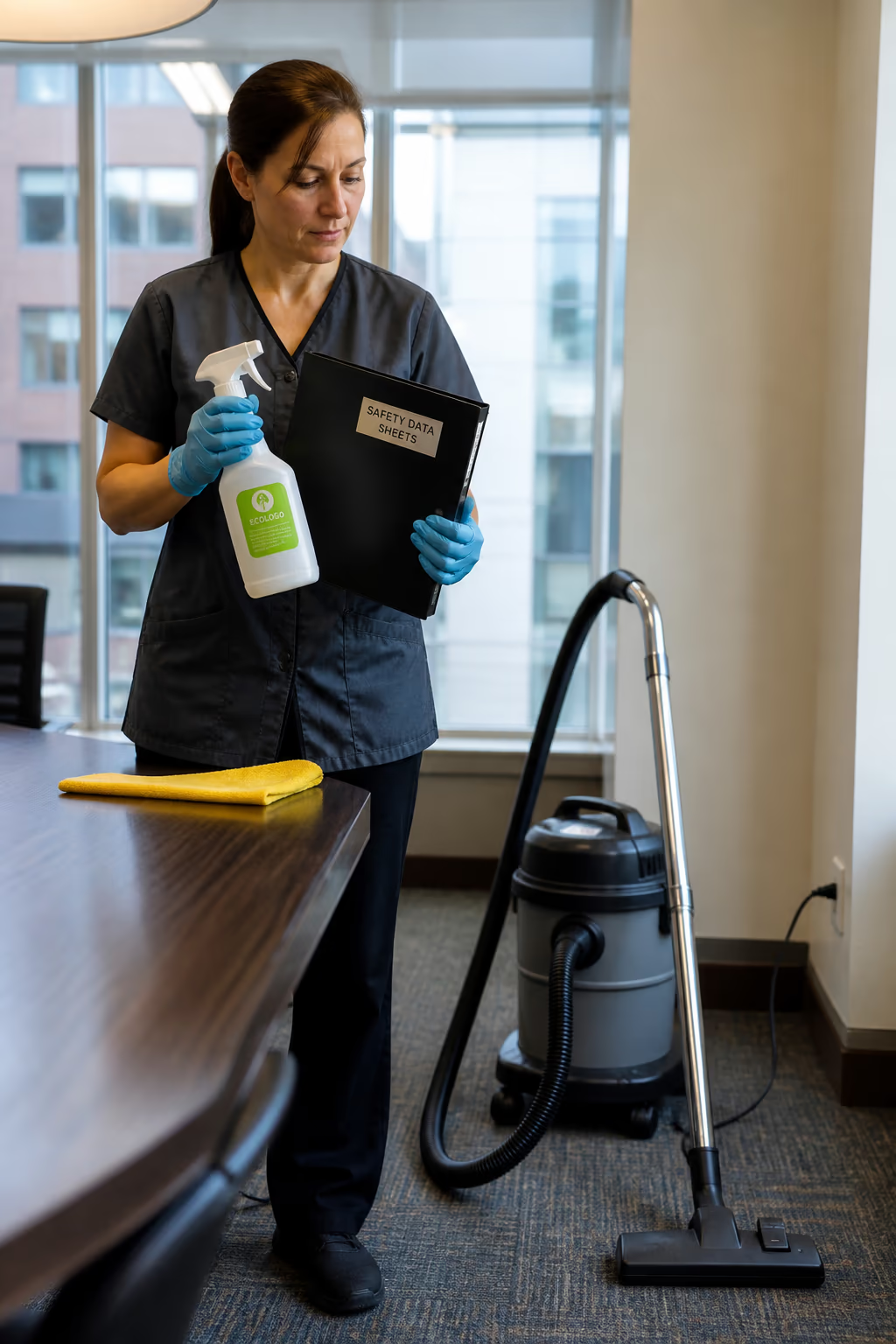
When a provider says it runs a green janitorial program, ask which products carry which certifications and ask to see them. A provider that lists the marks, carries the Safety Data Sheets and explains how the products are used is describing a real program. A provider that only uses the word green without specifics is making a claim you cannot verify.
The Products Behind a Green Janitorial Program
The products are the most visible part of a green program, and they cover the full range of a building's cleaning needs: washrooms, glass, entrances, kitchens, floors and the occasional deeper task. The green difference comes from the type of product chosen, how it is measured and how it is applied.
What to expect in a certified green product range:
- Certified general-purpose, glass and washroom cleaners rather than unbranded mystery bottles.
- Low-VOC or fragrance-free options for daily work where scent would linger.
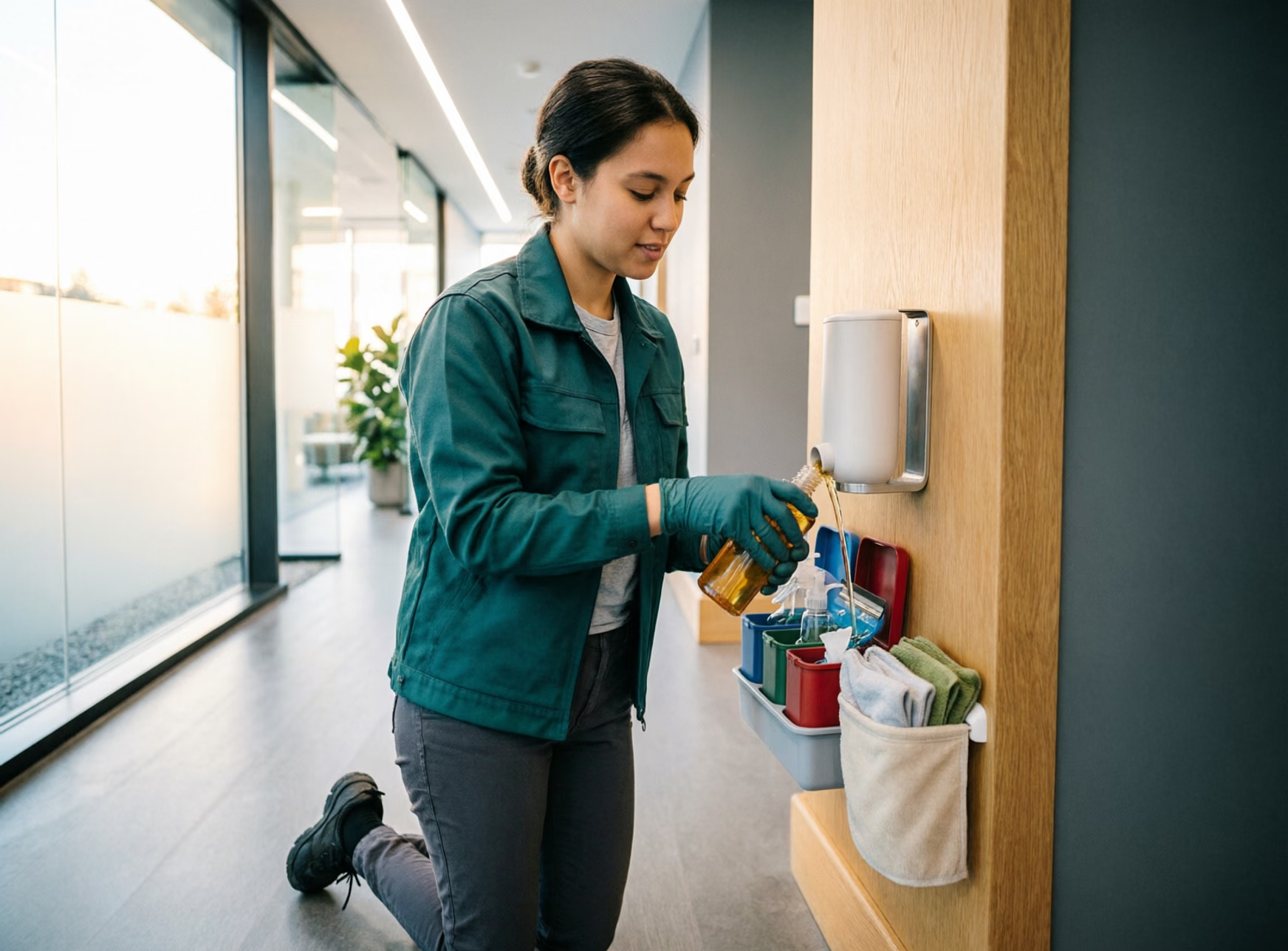
- Concentrated products diluted through a controlled system so every use is the right strength.
- Disinfectants chosen for the task and the surface, used only where a disinfectant claim is needed, with Safety Data Sheets available under WHMIS.
Products are also chosen for the surface and the people in the building. A lobby with polished stone needs pH-neutral care; a high-traffic washroom needs a durable daily clean; a space with sensitive occupants benefits from low-fragrance choices. Matching the product to the situation is what makes a certified range genuinely green in practice.
The Equipment and Methods That Make Cleaning Greener
Equipment does much of the work in a commercial building, and the right machines can cut both chemical use and effort. Vacuum and floor equipment that captures dust instead of blowing it around improves air quality, and water-managed machines reduce the amount of cleaning chemical that ends up down the drain.
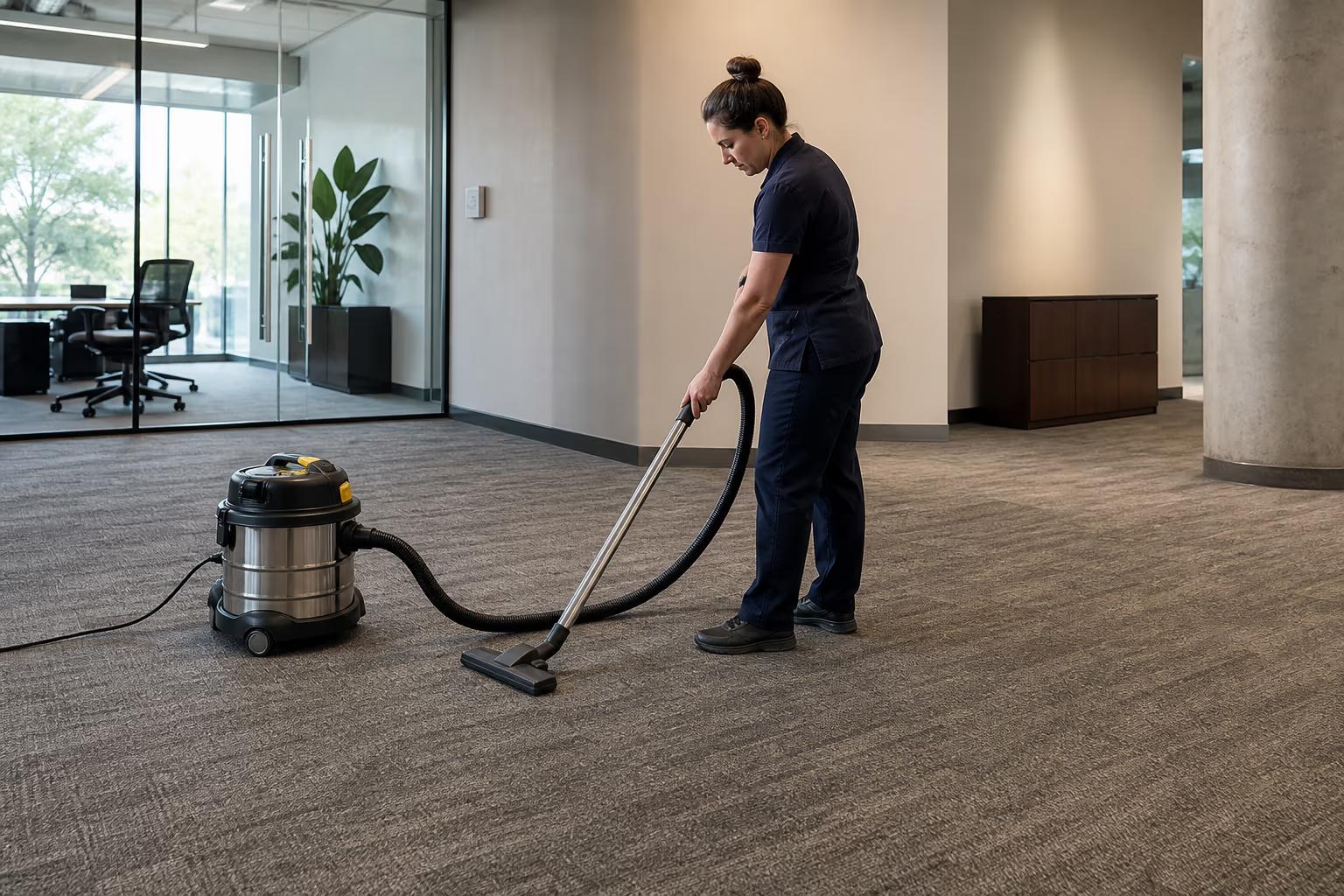
The equipment commonly found in an effective green program:
- A vacuum with HEPA filtration that traps fine dust rather than recirculating it.
- A microfibre flat-mop system with machine-washable pads instead of disposable sweepers.
- An autoscrubber that manages and recycles water for large hard floors.
- Low-moisture carpet cleaning for routine maintenance between deep extractions.
Methods matter as much as machines. Working from high to low stops dust from settling onto finished surfaces, colour-coded cloths prevent cross-contamination between washrooms and kitchens, dwell time lets products do their work, and the right dose keeps residue from attracting new dirt. Training the staff to follow these methods is what turns equipment into results.
Sustainability Practices Beyond the Products
Green janitorial reaches beyond the chemical bottle into how the whole building is cared for. Waste management, water use, consumables and scheduling all contribute to the footprint of a cleaning program, and a serious provider considers them together.
Practices that sit alongside the product choices include:
- Recycling and organics programs in common areas, kitchens and back-of-house spaces.
- Washroom consumables that are certified or responsibly sourced, with dispensers that reduce waste.
- Scheduling that groups tasks and routes staff efficiently to save energy and time.
- Simple reporting that shows what the program reduces, so the building can verify its claims.
None of these practices is dramatic on its own, and together they describe a janitorial program that is genuinely lighter on the environment. They also give a building manager something concrete to point to when a tenant or owner asks how the building handles its responsibilities.
How Green Janitorial Benefits the People Inside the Building
The people inside a building are the first to notice a green program, even if they cannot name it. Occupants benefit from less fragrance and fewer chemical irritants in the air, which matters in a sealed Canadian building where the air is recirculated. Washrooms and common areas that are cleaned with certified products and rinsed properly feel cleaner and smell neutral rather than heavily perfumed.
Cleaning staff benefit too. Under WHMIS 2015, staff in Canadian workplaces who handle chemicals need training and access to Safety Data Sheets, and a green program that uses concentrated products with controlled dosing keeps their exposure lower. A trained, well-equipped team is also a safer team, because it knows how to handle every product it uses.
For the building manager, the benefit is control. A documented green program gives you a product list you can review, a training record you can verify and a consistent standard you can rely on across visits. That is more useful than a promise, because it is evidence you can check rather than language you have to trust.
The Canadian Context: WHMIS, Indoor Air and Building Standards
Green janitorial in Canada operates inside a framework of regulations and standards that shape how cleaning is done. WHMIS 2015 governs how workplace chemicals are labelled, stored and communicated, and it applies to the concentrated products used by janitorial staff. Anyone handling those products needs training and access to Safety Data Sheets before the first use.
Indoor air quality is part of the same picture. Because Canadian buildings are sealed for much of the year, the products used inside become part of the air people breathe. Low-VOC products, filtration equipment and methods that reduce residue are not just preferences; they are practical choices for a building that is closed up through the winter.
Building certification frameworks recognise this work. LEED, BOMA BEST and comparable programs give credit to buildings with a documented green janitorial program, including product choice, training, waste reduction and water management. A provider that can produce its documentation makes it straightforward for a building to claim that credit with evidence.
How to Start the Transition to a Green Program
You do not have to switch the whole building overnight. The practical route is to start with the highest-impact products, such as the daily washroom and general cleaners, confirm their certification, train the team on the new routine and let that settle before you expand to the rest of the program.
Document the switch as you go. Keep the product list, the Safety Data Sheets, the dilution settings and the training records in one place, because documentation is what turns a green claim into something a building can verify and report to tenants or an auditor. Without the paperwork, the program is just an intention.
A few simple steps make the transition smooth:
- List the current products and replace them with certified alternatives as stock runs out.
- Confirm the new dilution and contact times with the provider before the first use.
- Train staff on the new products and on their Safety Data Sheets before they handle them.
- Tell occupants the building is moving to certified, low-impact products so the change is expected.
None of these steps requires a large budget or a big disruption. A green transition is usually an incremental change in how a routine that already exists is carried out, which is why most buildings complete it without anyone inside noticing more than a quieter, cleaner space.
How Good Cleaner Co. Delivers Green Janitorial Services
Good Cleaner Co. builds its janitorial work around certified products, trained staff and the methods above, treating green as the way the work is done rather than an option on a menu. Products are chosen for the surface and the occupants, chemicals are diluted through controlled dosing, microfibre and filtration equipment keep dust and waste low, and disinfection is targeted where it is needed.
The service is also arranged around the building, not the other way around. Janitorial visits are scheduled before or after hours so they do not disrupt the people inside, washrooms and entrances are maintained to a consistent standard, and the team reports on what it does so the building manager stays informed. For an Ottawa building, that means a routine that fits the demands of a Canadian work year. Buildings with a residential component can pair this with our house cleaning services in Ottawa for unit turnovers and common-area upkeep.
If you are comparing providers, our commercial cleaning company evaluation guide is a useful starting point for the questions that matter. It covers the practical questions about products, training, scope and quality checks that separate a genuine green program from a label on a brochure.
Formatted Step-by-Step Checklist for Going Green in Your Building
Use this checklist when you are reviewing a janitorial provider or preparing your own building for a greener cleaning program. It keeps the review organised and gives you a record you can use.
- Step 1.Ask which products the provider uses and confirm they carry third-party certification such as EcoLogo, with Safety Data Sheets available under WHMIS.
- Step 2.Confirm how chemicals are diluted and dosed, and that staff follow the label rather than estimating amounts.
- Step 3.Review the cloths, mops and equipment in use, and confirm microfibre, filtration and water-managed machines are part of the routine.
- Step 4.Check that disinfection is targeted at the surfaces where it matters and given the correct contact time rather than applied across the whole building.
- Step 5.Ask how waste, water and consumables are managed, and whether the provider documents its program so the building can verify and report on it.
- Step 6.When you want a trained team that runs a documented green program for your building, our commercial janitorial services in Ottawa are a practical next step.
FAQ
What is the difference between regular janitorial and green janitorial?
Regular janitorial keeps a building clean; green janitorial does the same work while reducing the environmental footprint. It uses certified products, controlled dosing, filtration equipment and trained staff, so the building stays clean with a lower impact.
Does green janitorial really keep washrooms clean enough?
Yes. A green program still uses effective products at the right dose and still disinfects the surfaces that need it. Green changes how the work is done, not the standard of the result.
Is EcoLogo the only certification I should look for?
EcoLogo is the mark most commonly seen in Canada, and it is a strong independent verification. Comparable third-party marks are also acceptable; the important thing is that the certification is independent rather than a self-declared label.
Will switching to green janitorial raise our building's costs?
Not necessarily. Concentrated products with controlled dilution lower the cost per use, and reusable microfibre systems cut spending on disposables. Over a year, a green program is often comparable to or cheaper than a conventional one. For a broader look at typical rates, our guide to janitorial services pricing in Canada breaks down what most buildings pay.
Do the cleaning staff need special training?
Yes, in two ways. Under WHMIS 2015 anyone handling workplace chemicals needs hazard training and access to Safety Data Sheets, and a green program adds training in how to apply the products and methods so the environmental benefits are actually realised.
How does a green program help with indoor air quality?
By lowering the chemical load in the air and on surfaces. Low-VOC products, precise dosing and vacuum and floor equipment that captures dust all reduce what is recirculated in a sealed Canadian building through the winter.
Can a small building still benefit from green janitorial?
Yes. The practices scale down cleanly, and a smaller building can adopt certified products, reusable cloths and controlled dosing without added complexity, while still getting the same indoor air and waste benefits.
How do I verify that a provider is actually green?
Ask for the product list and its certifications, request the Safety Data Sheets, confirm how chemicals are dosed and staff are trained, and ask what the program reduces in measurable terms. A provider that answers with specifics is usually telling the truth.
Can a building switch to green janitorial without disrupting its tenants?
Yes. The switch happens behind the scenes, mostly at product level and in how staff are trained. Tenants usually notice only that the building still looks clean, and often that it smells less heavily of chemicals.
Wrapping Up
Green janitorial services are a practical way to keep a building clean while lowering its environmental footprint, and in a Canadian building sealed against long winters the benefits are felt in the air as much as in the waste stream. Certified products, controlled dosing, filtration equipment, targeted disinfection and trained staff form the system behind the service, and a documented program supports both occupant comfort and building certification. When you are ready to review your building's cleaning, Good Cleaner Co. can deliver a green janitorial program built around these practices. Contact Good Cleaner Co. for a free quote and a cleaning plan tailored to your building.
Keep reading
More from Good Cleaner
Services that fit
- Janitorial Services in OttawaRecurring janitorial services in Ottawa for offices, warehouses, retail, dealerships and schools, with eco-friendly commercial cleaning and customized plans.
- Professional Office Cleaning Services in OttawaOffice cleaning services in Ottawa for corporate offices, clinics and professional suites. After-hours scheduling, eco-friendly products and a free quote.
About the author
Service areas
- Ottawa
- Kanata
- Nepean
- Orleans
- Barrhaven