


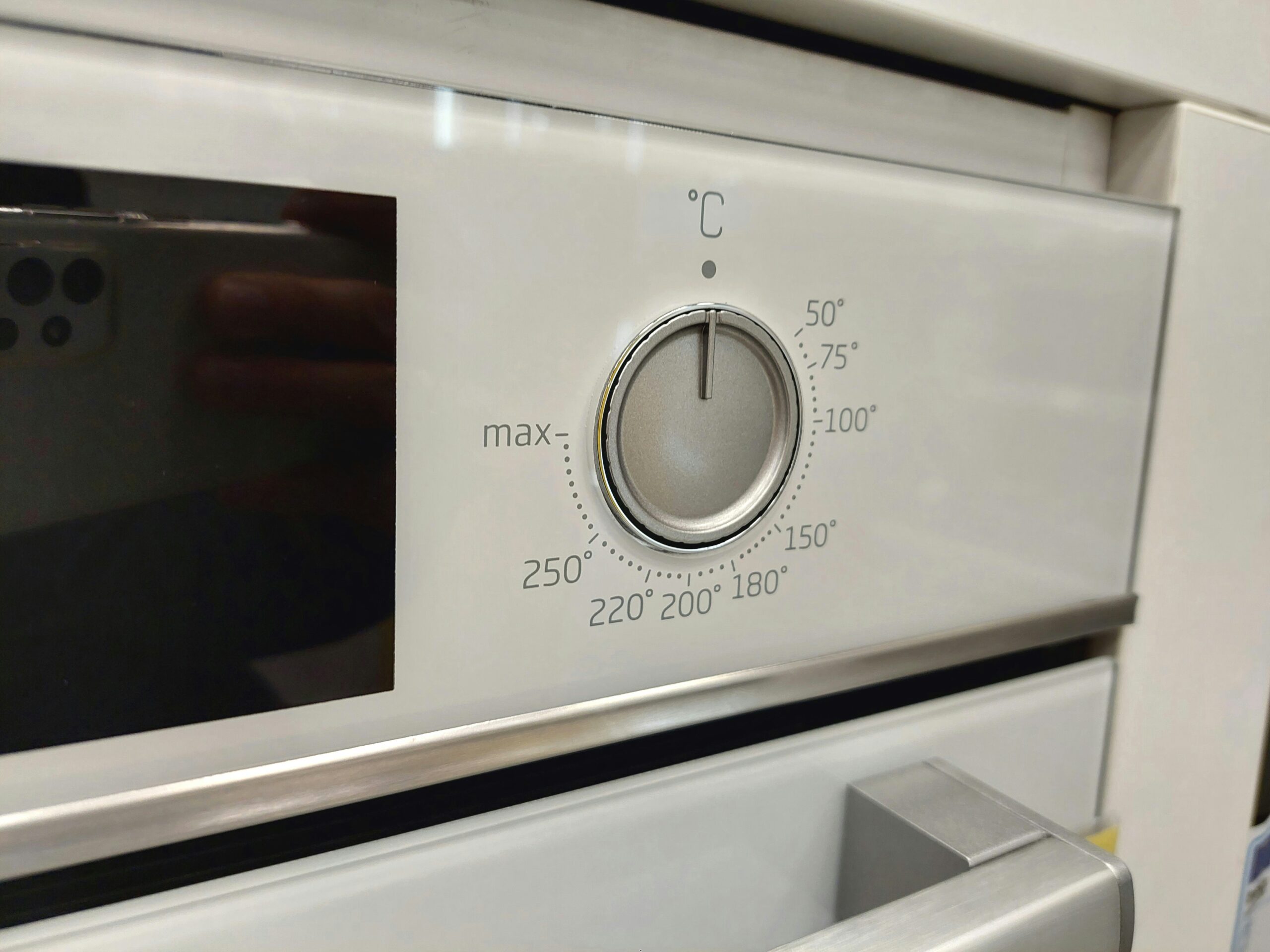
5 Easy Ways to Deep Clean Your Oven Without Chemicals (2025 Guide)
Table of Contents
- How Often Should You Deep Clean Your Oven?
- The Natural Method: Baking Soda & Vinegar Step-by-Step
- Professional Steam-Clean Technique
- Canadian Products: Where to Buy
- Common Mistakes to Avoid
- Health & Safety Considerations
- DIY vs. Professional Cleaning
- Professional Oven Cleaning Costs in Canada
- Deep Clean Checklist
- Frequently Asked Questions
Want to deep clean your oven without chemicals? You’re not alone. Many Canadian homeowners want to avoid the toxic fumes and caustic ingredients found in commercial oven cleaners. According to Health Canada, many commercial oven cleaners contain ingredients that can irritate skin and respiratory systems. In this comprehensive guide, we’ll show you exactly how to get your oven sparkling clean using simple, natural ingredients you probably already have in your kitchen.
Whether you’re preparing for holiday baking season or just want to maintain a healthier home, this chemical-free oven cleaning method is safe, effective, and budget-friendly. The EPA Safer Choice program recommends natural alternatives like baking soda and vinegar for effective cleaning.
How Often Should You Deep Clean Your Oven?
The frequency of oven cleaning depends entirely on your cooking habits:
- Occasional cooks (2-3 times per week): Deep clean every 3-4 months
- Daily oven users: Monthly deep cleans or every 3 weeks for heavy use
- Light users: Semi-annual cleaning is sufficient
Pro tip: Between deep cleans, wipe up spills promptly once the oven cools. This prevents buildup and extends the time between thorough cleaning sessions.
The Natural Method: Baking Soda & Vinegar Step-by-Step
This time-tested approach works because the combination creates a chemical reaction that lifts stubborn grease and burnt-on food without harsh fumes or toxic residue.
What You’ll Need
- Baking soda (1/2 cup or 130g)
- White vinegar (in a spray bottle)
- Water
- Rubber gloves
- Damp cloths or sponges
- Plastic scraper (optional)
Step 1: Prepare Your Oven (2 minutes)
Ensure your oven is completely cool. Remove oven racks and place them aside for separate cleaning. Use a dry cloth or small brush to remove any loose crumbs or debris from the oven floor.
Step 2: Make Your Cleaning Paste (5 minutes)
Mix 1/2 cup of baking soda with 2-3 tablespoons of water in a bowl, stirring until you achieve a spreadable consistency similar to pancake batter. Add water gradually if the mixture is too dry.
Step 3: Apply Paste Generously (10 minutes)
Wearing gloves, use a spatula or gloved hand to spread the paste throughout the oven interior, coating all surfaces including walls, floor, and ceiling.
Important: Avoid spreading paste directly on heating elements or electrical components, as this can cause damage.
Step 4: Let It Work Overnight (8-12 hours)
This is non-negotiable for effective results. Close the oven door and allow the paste to sit overnight or for at least 8-12 hours. The longer dwell time lets the baking soda break down grease and soften burnt-on food particles.
Step 5: Spray with Vinegar (5 minutes)
Once your waiting period is complete, spray white vinegar over the baking soda residue. You’ll immediately see fizzing and foaming—this is the chemical reaction doing its job, lifting grime away from surfaces.
Step 6: Wipe Away Residue (10-15 minutes)
Use damp cloths or sponges to wipe away the paste and loosened grime. You may need to rinse your cloth several times and repeat the process. For stubborn spots, sprinkle a bit more baking soda on a damp cloth and gently scrub.
Step 7: Final Rinse (5 minutes)
Do a final pass with clean water and a damp cloth to remove all residue. Your oven should now be significantly cleaner with no baking soda or vinegar smell.
Cleaning Oven Racks
For oven racks, soak them separately in hot water mixed with baking soda for 2-4 hours. Then sprinkle more baking soda on them, spray vinegar, and scrub away loosened buildup.
Total time investment: Roughly 30-40 minutes of active work, with the overnight sitting doing most of the heavy lifting.
Professional Steam-Clean Technique
Professional cleaners often use steam to loosen grease without chemicals. You can replicate this at home:
- Remove racks and place a heatproof bowl containing one cup of water on the lowest oven rack
- Preheat your oven to 450°F (230°C)
- Leave the oven running for 20-60 minutes depending on how heavily soiled it is
- Turn off the oven and allow it to cool slightly
- Wipe away softened debris with a damp sponge or cloth
- For stubborn areas, apply a baking soda paste and let sit for 15 minutes before wiping
Pro tip: Instead of plain water, fill your bowl with half water and half white vinegar. The acetic acid combined with steam penetrates grease more effectively than water alone.
Canadian Products: Where to Buy
Here’s where to find everything you need at Canadian stores:
Baking Soda
- Arm & Hammer Pure Baking Soda 1 kg – Canadian Tire, ~$3-4 CAD
- Arm & Hammer Pure Baking Soda 2 kg – Home Hardware, ~$11.99 CAD
- Arm & Hammer 500g x 6-pack – Costco Canada (best value per unit)
White Vinegar for Cleaning
- Allen’s Double Strength 2.5L – Walmart Canada, Canadian Tire, ~$3.97-4.50 CAD (most economical)
- Allen’s Pine Scented 2.5L – Walmart Canada, ~$4.97 CAD
- Home Essentials 3L Double Strength – Home Hardware, ~$5-6 CAD
Natural Pre-Made Alternatives
If you prefer ready-made natural cleaners, these Canadian brands are safer than chemical oven cleaners:
- Nature Clean – Made and packaged in Canada; biodegradable; vegan
- Bio-Vert – Quebec-based since 1984; high-performance with low environmental impact
- AspenClean SuperScrub Powder – Canadian organic brand; works for burnt-in pots and oven interiors
- Seventh Generation All Purpose Cleaner – Available at major grocers; plant-derived, non-toxic
Common Mistakes to Avoid
Don’t make these oven cleaning mistakes that could damage your appliance or reduce effectiveness:
- Applying paste to heating elements – This can damage the elements and create fire hazards. Always avoid these areas.
- Not allowing sufficient dwell time – Rushing the process by leaving the paste for only 15-20 minutes instead of overnight severely reduces effectiveness.
- Mixing cleaners – Never combine your vinegar-baking soda solution with bleach, ammonia, or commercial cleaners. This produces toxic gases.
- Over-aggressive scraping – Using metal scrapers can scratch or etch the oven’s enamel coating. Use plastic scrapers instead.
- Skipping the racks – Dirty racks make the whole oven look unclean. Always clean them separately.
- Using chemical cleaners on self-cleaning ovens – This can damage the protective interior coating and void warranties.
- Not fully removing residue – Leaving baking soda residue can create unpleasant smells when heating. Always do a thorough final wipe.
Health & Safety Considerations
Why Natural Cleaning Matters
Chemical oven cleaners contain sodium hydroxide or potassium hydroxide—corrosive compounds that can burn skin and cause respiratory irritation. Traditional oven cleaners emit caustic fumes that linger in your kitchen, especially problematic for households with children, elderly family members, or those with asthma.
The baking soda and vinegar method is entirely food-safe once properly rinsed.
Ventilation
Even when using natural methods, ensure adequate ventilation by opening windows and running exhaust fans.
Child & Pet Safety
Unlike commercial oven cleaners, baking soda and white vinegar pose no toxicity risks to children or pets, even if accidentally ingested in small amounts. This makes the natural method ideal for families.
Protecting Your Skin
Wear rubber gloves during application, even with natural ingredients. This prevents the alkaline baking soda paste from drying out your hands.
DIY vs. Professional Cleaning: Making the Right Choice
DIY Approach
Pros:
- Cost-effective: $5-20 total if you already have baking soda and vinegar
- Chemical-free and non-toxic
- Complete control over timing and methods
- Environmentally safe; everything is biodegradable
Cons:
- Time-intensive: ~40 minutes active time plus 8-12 hour wait
- Physically demanding scrubbing for heavily soiled ovens
- May not achieve the spotless finish of professional work
- Stubborn, carbonized buildup may resist natural methods
Professional Cleaning
Pros:
- Expertise and specialized equipment remove even stubborn deposits
- Significantly faster—1-3 hours total
- Results are consistently thorough
- No physical labour required
- Ideal for pre-rental-turnover cleaning or deep-set grime
Cons:
- Cost: Average $220 CAD per oven nationally
- Requires scheduling around your availability
When to Hire a Professional
Consider professional oven cleaning if you:
- Notice persistent odours even after DIY attempts
- See visible smoke or fumes when the oven heats
- Experience uneven cooking results indicating heavy buildup
- Have an extensively soiled oven (months or years without cleaning)
- Lack time for a full 8-12 hour overnight soak
- Have mobility issues that make scrubbing difficult
Professional Oven Cleaning Costs in Canada
Average Costs by City
- Toronto: $280 CAD
- Calgary: $245 CAD
- Winnipeg: $250 CAD
- Quebec City: $210 CAD
- Ottawa: $200-250 CAD
- Canadian Average: $220 CAD
Costs by Oven Type
- Single/Standard: $165-220 CAD
- Double Oven: $250-300 CAD
- Range Top: $200-300 CAD
- Commercial/AGA: $250-390 CAD
Hourly rates: $50-$120 CAD per hour, with most jobs taking 1-3 hours.
Deep Clean Checklist
Before You Start
- Ensure oven is completely cool
- Gather all supplies (baking soda, vinegar, spray bottle, gloves, cloths)
- Remove all oven racks
- Vacuum or brush out loose debris
During Overnight Sitting
- Mist the baking soda paste periodically to keep it moist
- Prepare racks in separate cleaning solution
- Open windows to maintain air circulation
Final Cleaning Day
- Spray vinegar over all baking soda residue
- Allow 5 minutes for fizzing reaction
- Wipe thoroughly with damp cloths
- Rinse multiple times with clean water
- Do final dry wipe with clean cloth
- Clean and replace racks
- Wipe down oven exterior
After Completion
- Ensure no cleaning residue remains
- Allow oven to dry completely before first use
- Test oven with low heat before cooking
Frequently Asked Questions
Can I use lemon juice instead of vinegar?
While lemon juice contains citric acid, white vinegar (5% acetic acid) is more effective for cutting grease. Vinegar is also more economical at $3-5 per bottle.
How long will my oven stay clean after deep cleaning?
With regular spill cleanup, you can expect 3-4 months before needing another deep clean for average use.
Is the smell from vinegar permanent?
No. The vinegar smell dissipates within 24-48 hours, especially with window ventilation.
Can I use this method on a glass oven door?
Yes. The baking soda paste is safe on glass. For glass doors specifically, you can make a separate paste using 1/4 cup vinegar, 2 tablespoons baking soda, and 1/4 cup water.
What if the baking soda paste is still wet after overnight?
This is normal, especially in humid climates. The moisture actually helps the cleaning action. Proceed with wiping as instructed.
Should I run my oven after cleaning?
Yes, after a final thorough rinse and complete drying, running the oven at a low temperature (250°F for 15 minutes) helps evaporate any remaining moisture and confirms no residue remains.
How much does professional oven cleaning cost in Ottawa?
Professional oven cleaning in Ottawa typically costs between $200-250 CAD for a standard oven, with double ovens costing $250-300 CAD.
Conclusion
The natural oven cleaning method using baking soda and vinegar works best when you commit to the full process, especially the overnight dwell time. Most Canadians report that after one thorough deep clean, maintaining the oven becomes significantly easier with regular spill cleanup.
Whether you choose DIY or professional, a clean oven improves cooking efficiency, enhances food flavour, and extends your appliance’s lifespan.
Need professional help with your kitchen cleaning? Contact GoodCleaner today for a free quote!

