
Why Eco-Friendly Cleaning in Commercial Settings Is Essential for ESG Standards
Property managers in Ontario are being asked to report on sustainability more than ever, and janitorial operations are a visible part of that picture. This guide explains what ESG means for cleaning, how to implement green protocols without disrupting your building, and how to measure the results in a way that stands up to scrutiny.
Quick Summary
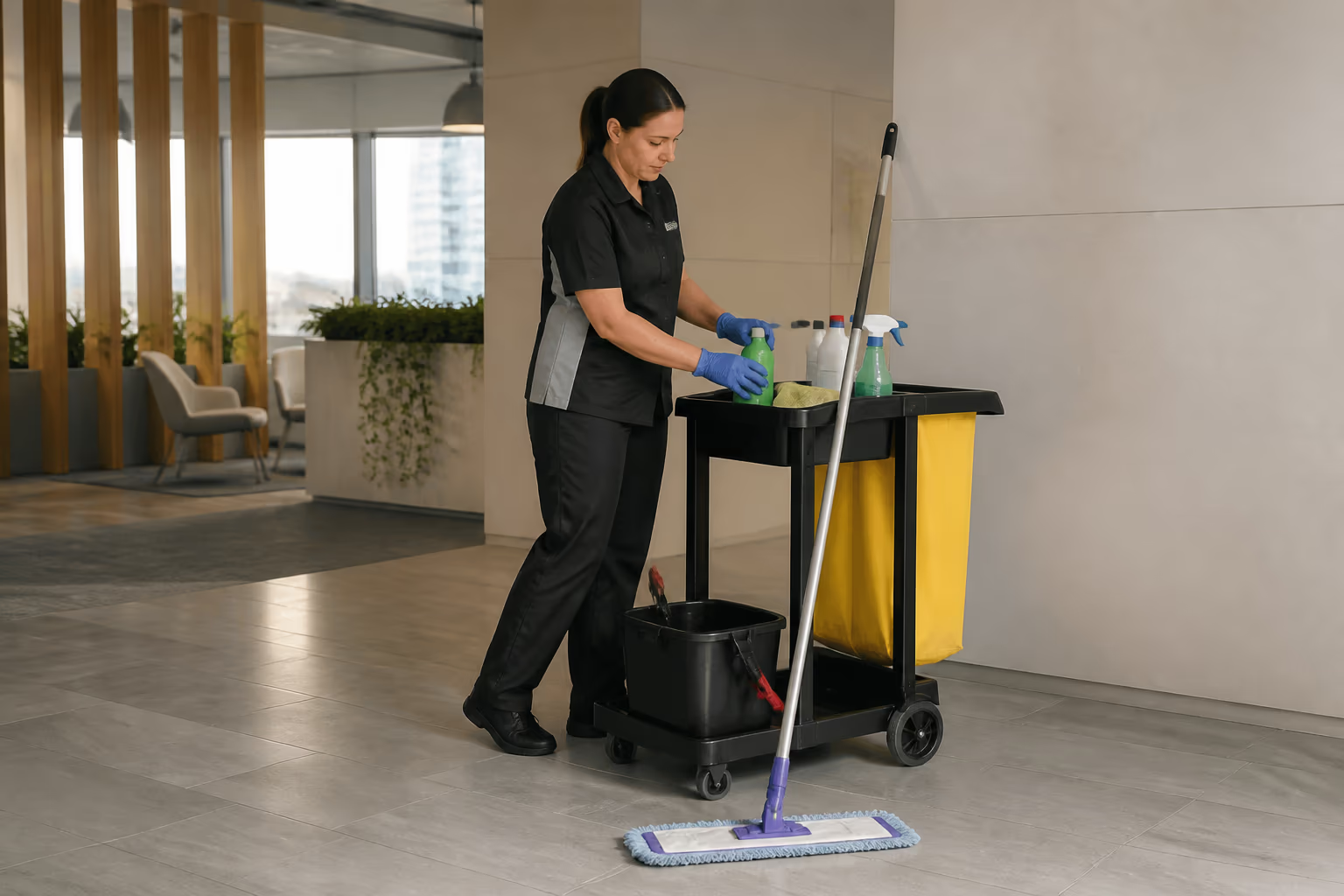
For commercial buildings, cleaning is not just a cleanliness issue; it is part of your environmental and social footprint. Eco-friendly cleaning in commercial settings supports ESG goals by cutting chemical use, protecting occupant health, and documenting real progress, which matters to tenants, investors, and regulators alike.
In this guide
The Intersection of Facility Management & ESG Goals
Modern commercial real estate managers face growing pressure from corporate tenants and institutional investors to meet environmental, social, and governance benchmarks. Tenants ask about building operations before they sign leases, investors review sustainability disclosures, and some large organizations now require green cleaning as a condition of occupancy.
Building maintenance and janitorial operations contribute directly to a facility's environmental footprint through chemical usage, water consumption, and indoor air quality. These are not abstract figures on a report; they are the products used every night, the water used to mop, and the air that occupants breathe all day.
The good news is that cleaning is one of the easier operational areas to improve. Switching to EcoLogo-certified products, deploying better filtration, and training staff on proper dilution are changes a building can make quickly, and they produce measurable results within a reporting cycle. Our roundup of eco-friendly commercial cleaning products is a useful starting point for deciding what to switch to.
What ESG Actually Means for Cleaning Operations
ESG stands for Environmental, Social, and Governance, and each letter connects to a different part of the cleaning operation. The environmental piece covers the products you use, the water and energy consumed, and the waste generated. Choosing biodegradable, low-VOC chemistry and reducing packaging both move this number in the right direction.
The social piece is about people: the health of the occupants and the safety of the cleaning staff. Green cleaning improves indoor air quality for everyone in the building, and proper training under WHMIS 2015 keeps the people doing the work safe while they handle concentrates and disinfectants.
The governance piece is the least visible but increasingly important. It means having documented policies, consistent procedures, and verifiable records. A building that can show its cleaning contractor uses certified products, follows a written green protocol, and tracks chemical and water use is in a far stronger position than one making vague claims.
Implementing Green Cleaning Protocols in Commercial Facilities
Adopting sustainable janitorial protocols delivers clear benefits across the board:
The Business Case for Green Janitorial Services
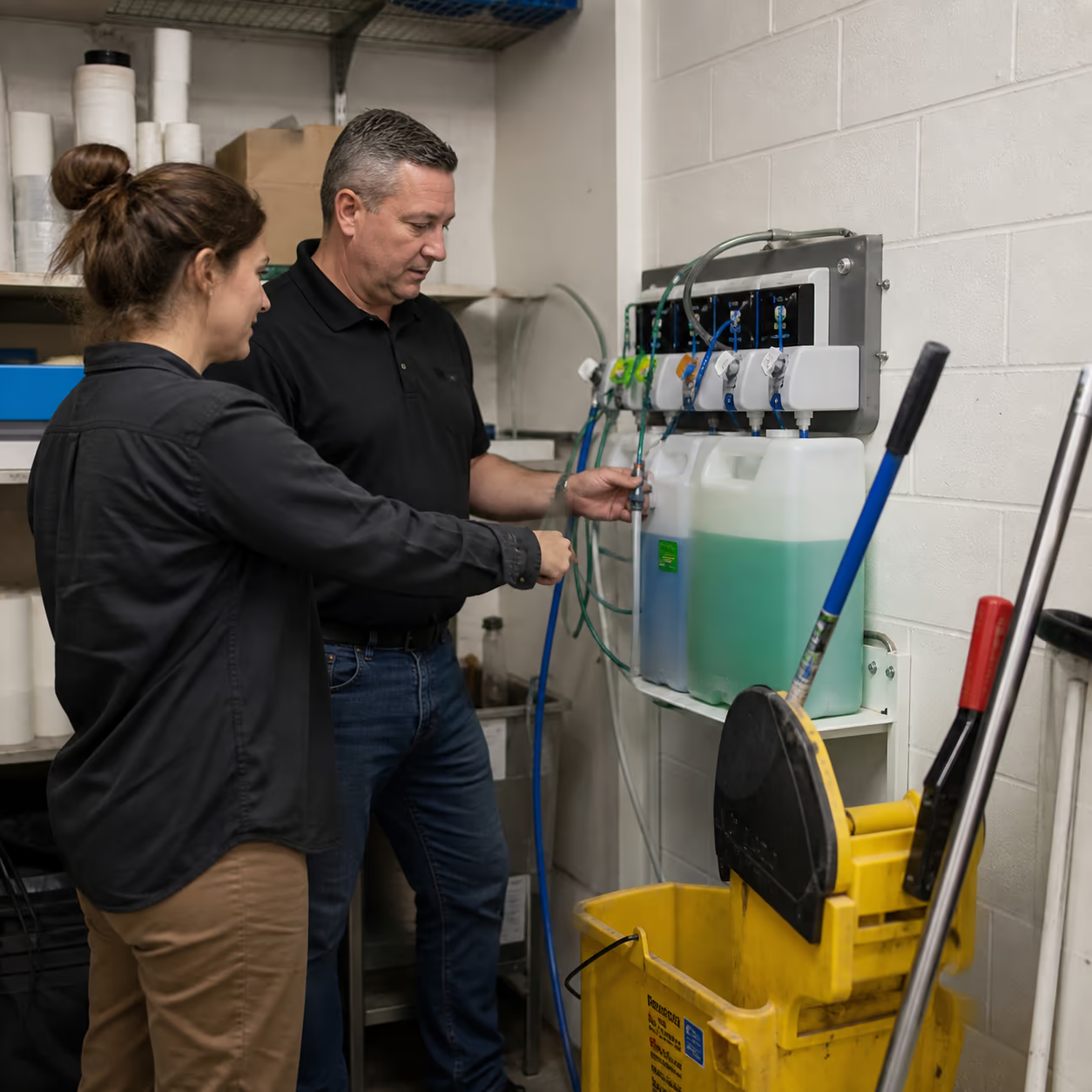
Green cleaning is often seen as a cost, but the business case is stronger than many managers expect. Concentrates and auto-dilution systems reduce product usage per square metre, and microfibre systems clean more area with less chemical and water. Over a year, those reductions can offset the slightly higher cost per litre of certified green products.
Part of the business case is an air-quality one. Health Canada's indoor VOC guidance lists cleaning products among the indoor sources of volatile organic compounds, so the products a building specifies are an input to the air its occupants breathe all day. Health Canada defines them this way: “Volatile organic compounds (VOCs) form a large group of chemicals commonly found in both indoor and outdoor air.”
There is also a tenant retention argument. Corporate and government tenants increasingly ask about sustainability in RFPs and lease negotiations. Being able to say your building uses certified green cleaning chemistry and HEPA filtration is a competitive advantage that can protect occupancy and command a fairer rental rate.
Finally, green cleaning reduces risk. Lower-VOC products mean fewer indoor air complaints, safer handling for staff, and less liability around chemical storage. For property owners, that is not an expense; it is a form of protection.
Measuring and Reporting Progress
The projects that earn credit with tenants and investors are the ones that can prove their numbers. Start by recording the basics: the volume of concentrate purchased, the litres of water used in floor care, and the chemical inventory before and after a switch. Most contractors can provide these figures from their own records.
Set targets that are realistic and specific. A common goal is reducing chemical volume per square metre by a defined percentage within a year, or moving a stated percentage of the inventory to certified products. Choose measures you can actually track, because unverifiable claims are worse than none at all.
Build the numbers into your normal reporting cycle. Whether it is an annual sustainability report, a tenant newsletter, or a quarterly property review, a simple chart showing chemical and water reductions tells a story that resonates. Over time, the data also reveals which practices work best, so you can refine the program rather than guessing.
Common Pitfalls When Going Green
The most common mistake is treating green cleaning as a single product swap rather than a system. Buying one certified spray while the rest of the program stays unchanged delivers little measurable benefit. The gains come from aligning the whole workflow: the chemistry, the dilution equipment, the cloths and mops, and the training.
A second pitfall is focusing only on the environmental letter of ESG and ignoring the social and governance sides. A truly green program also protects occupants and staff and keeps records. If the paperwork is missing, the environmental gains are hard to prove in an audit or an RFP.
The third pitfall is choosing products on marketing alone. Without a third-party certification such as EcoLogo, or a Health Canada DIN where disinfection is claimed, you are relying on the manufacturer's word. Reputable suppliers welcome inspection of their labels, Safety Data Sheets, and certifications, and a good partner will share them without hesitation.
Understanding LEED Credits for Green Cleaning
LEED, which stands for Leadership in Energy and Environmental Design, is a widely recognized green building certification. For existing buildings, the Operations and Maintenance rating includes credits for green cleaning: the janitorial products you use, the entryway systems that keep dirt out, and the procedures for maintaining the space sustainably.
These credits are not automatic. They require documented policies, certified products, and evidence that the program is actually running. That is exactly why working with a contractor who tracks usage matters: the records your cleaning partner keeps become the evidence your LEED submission needs.
You do not need to pursue full LEED certification to benefit, though. The same practices support ESG reporting, tenant goodwill, and healthier indoor air, even if you never submit a single LEED document.
Working With a Green Cleaning Partner
A cleaning partner makes the difference between a policy on paper and a program that runs every night. The right contractor brings certified chemistry, calibrated equipment, and staff trained in both technique and safety. They should also be willing to document what they use and how much, because that documentation becomes your ESG evidence.
Ask prospective partners the same questions you would ask any supplier: what products do you use, what are the certifications, how do you train staff, and how do you report usage. A confident contractor will answer directly and share product lists and Safety Data Sheets before you sign.
Finally, treat the relationship as a partnership rather than a transaction. Review the numbers quarterly, visit the building after hours occasionally, and give feedback on anything that is not working. Green cleaning improves with attention, and the best results come from an account manager who knows your building and your goals. For smaller sites weighing their options, booking eco-friendly cleaning services in Ottawa is a low-commitment way to see certified green chemistry in action first.
Formatted Step-by-Step Commercial ESG Cleaning Checklist
Follow this protocol to align janitorial operations with corporate ESG goals:
- Step 1.Transition Commercial Inventories to Certified Eco-Friendly Chemistry:Replace conventional sprays with rapidly biodegradable, low-VOC formulations.
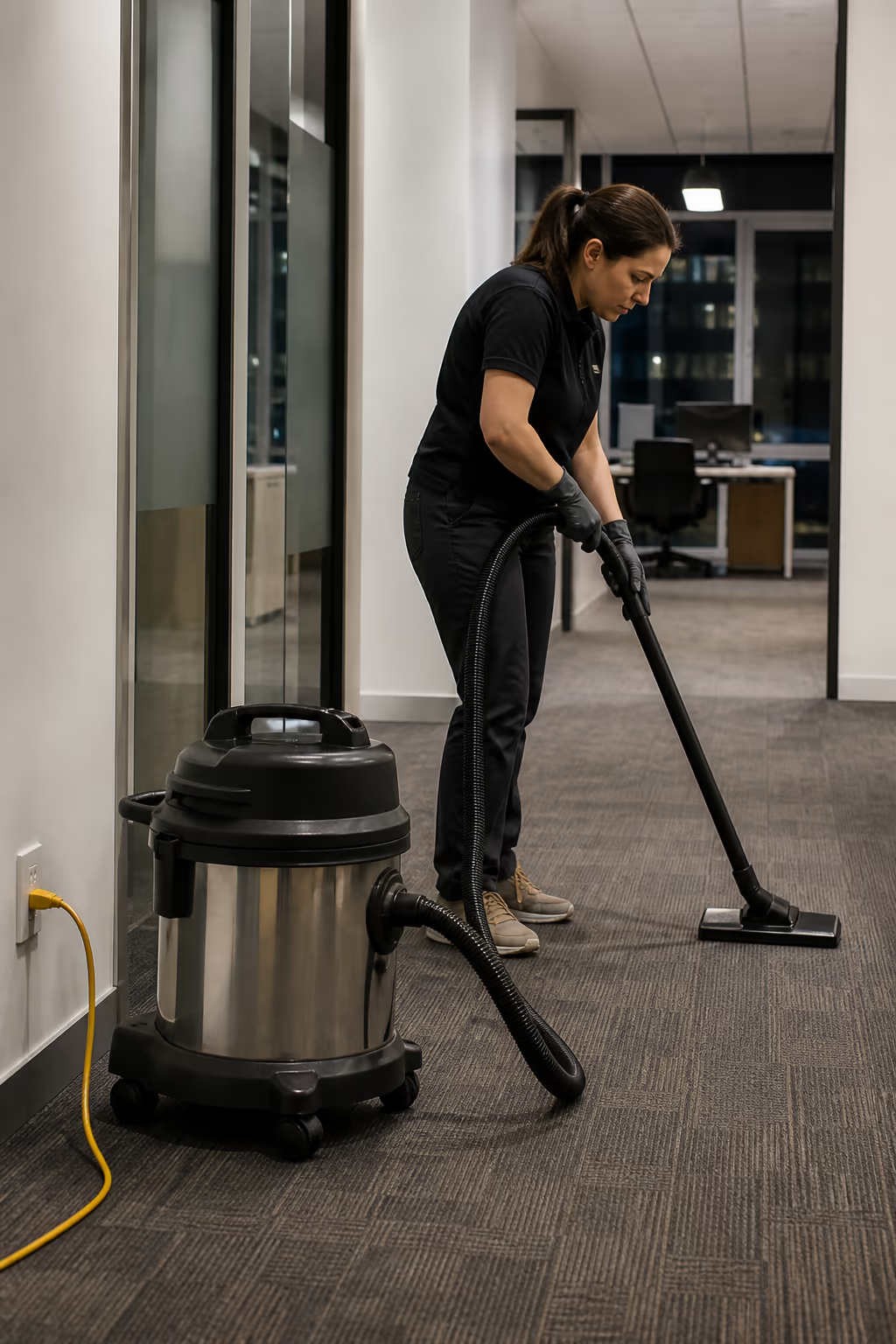
- Step 2.Deploy Microfibre Mops and HEPA-Filtered Vacuums:Use split-microfibre systems and sealed HEPA equipment to capture dust without excessive water or chemical use.
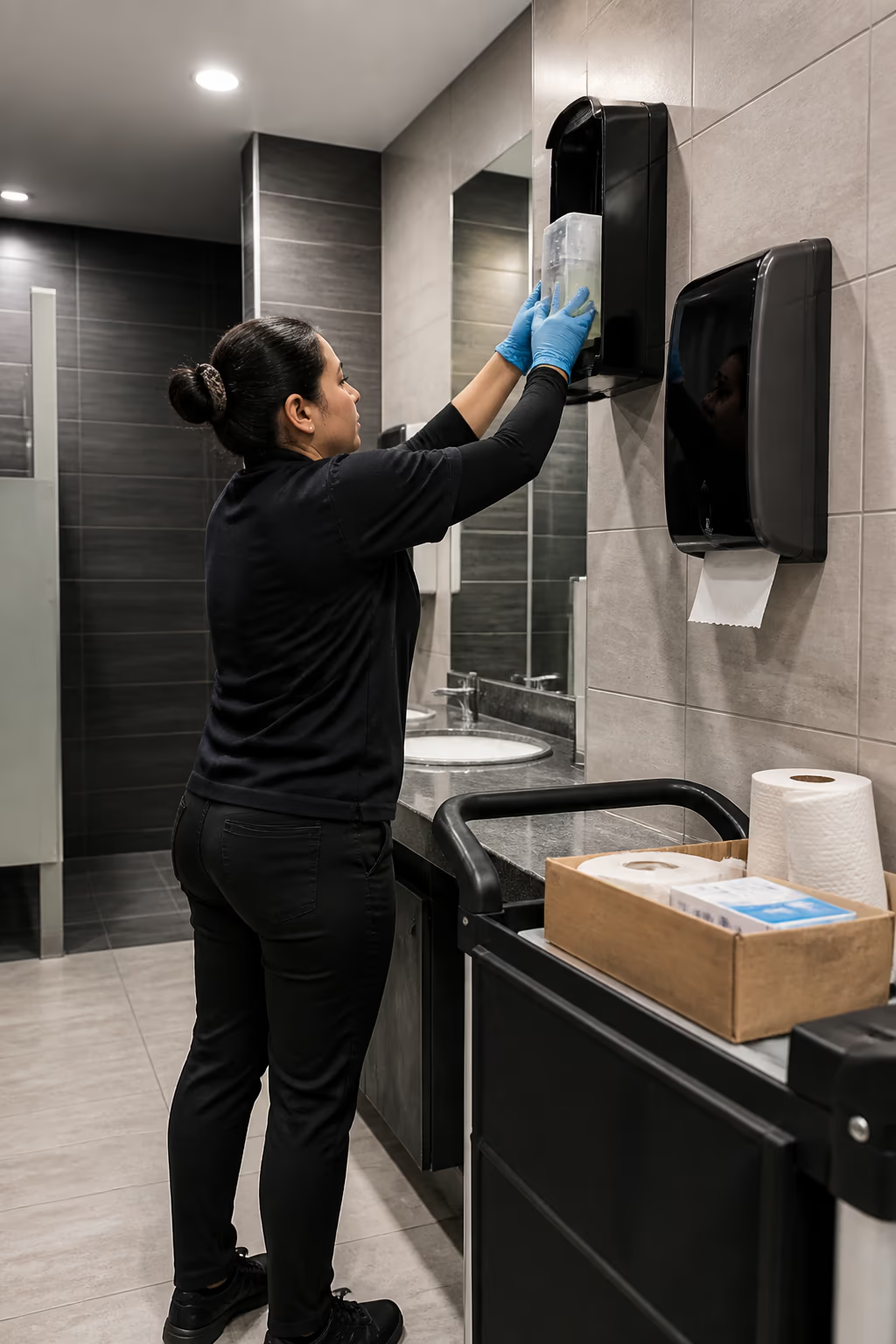
- Step 3.Install Automatic Dilution Dispensers:Mount wall proportioners that mix exact chemical-to-water ratios, eliminating guesswork and waste.
- Step 4.Track Water and Chemical Reduction Metrics:Record quarterly volumes so your sustainability reports reflect real, documented savings.
- Step 5.Train Janitorial Staff on WHMIS 2015 Green Practices:Make sure technicians understand product application, storage, and safety before they start.
- Step 6.Contracting professional commercial janitorial services in Ottawa through Good Cleaner Co. advances corporate sustainability goals with certified green chemistry.
Green Cleaning Across Ottawa's Commercial Neighbourhoods
Commercial green cleaning is taking hold in every part of Ottawa, from the government-adjacent towers near Parliament Hill and the offices of the Glebe to the tech campuses of Kanata and the business parks of Nepean and Orleans. A clinic in Hintonburg, a retail space in Westboro, and a corporate office in Barrhaven all face the same tenant expectations around sustainability, and the same certified green chemistry meets them. Whatever your building's size, the standards are the same, and the documentation is what makes it count.
The practical details vary slightly by neighbourhood and building age. Older buildings near downtown may need more attention to entryway salt control and older HVAC systems, while newer campuses in Kanata often already have the infrastructure to support a fully documented green program. A good commercial partner tailors the schedule and the reporting to the building rather than applying a one-size-fits-all plan.
Start With a Site Walkthrough
Before changing a routine for a commercial site, walk the space at the time it is actually used. Note traffic patterns, waste streams, and the materials on site. A plan based on a quiet room at noon can fail during a busy morning, after a delivery, or at the end of a shift.
- Identify the surfaces and high-traffic points before selecting a product or tool.
- Set the order of work so clean areas are not re-soiled by a later task.
- Confirm where supplies, waste, and damp cloths can be stored safely between visits.
Choose a few visible priorities instead of applying the same process everywhere. A lobby, washroom, kitchen, or loading area may need different tools, timing, and drying time. The useful standard is a clean, orderly space that remains practical for the people who work there.
Write down the agreed tasks, frequency, access limits, and who can answer questions. That short record prevents a well-intended cleaning change from becoming an assumption about service, products, or responsibility.
Use Less Waste by Making the Routine More Precise
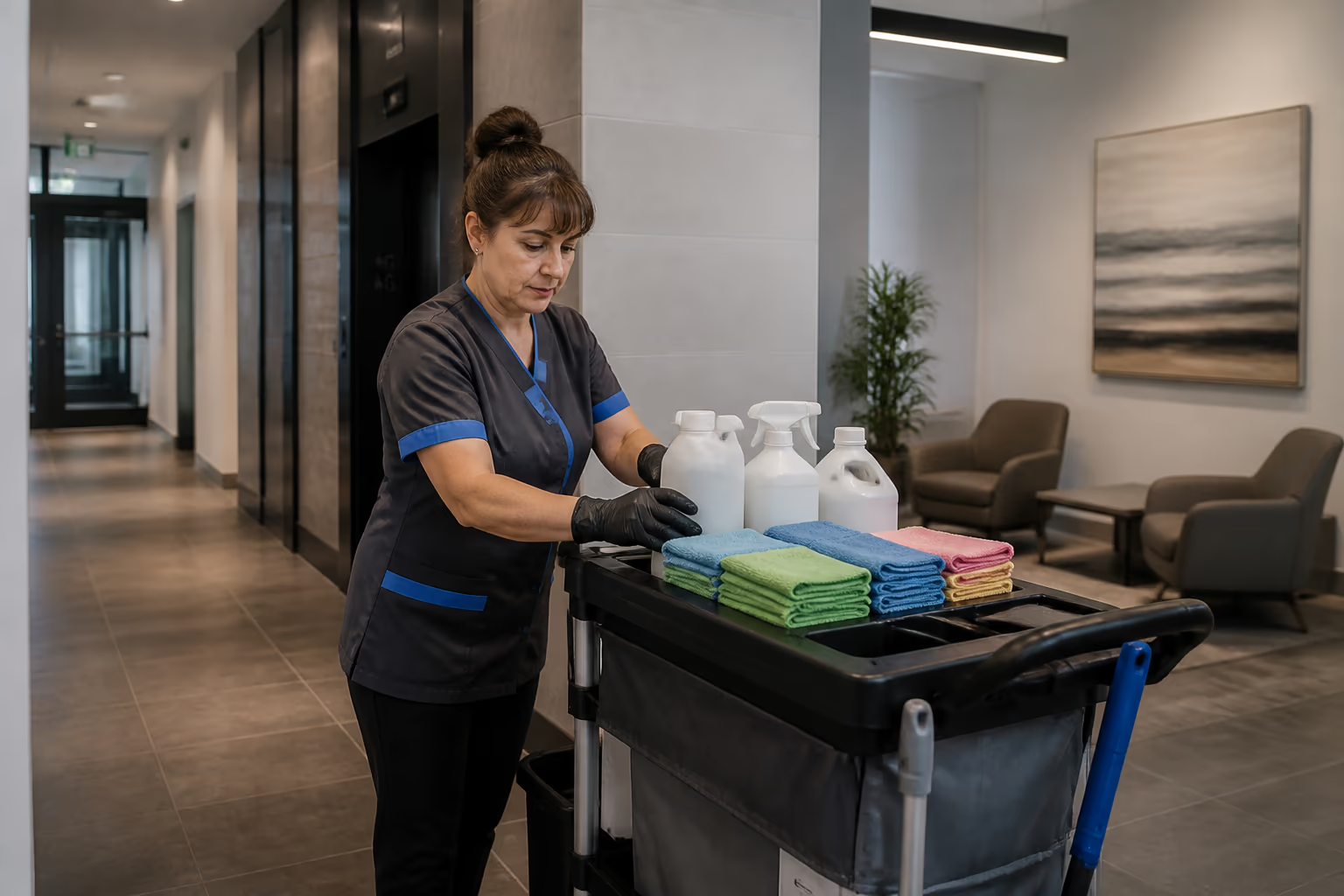
The practical way to reduce disposable use without compromising the written scope is to measure and prepare rather than use more product than the job needs. Follow the directions on a labelled product, use clean water and cloths, and change a tool when it is no longer doing useful work.
- Use a small, clearly labelled set of supplies instead of a collection of mystery bottles.
- Separate routine cleaning from any product used for a label-directed disinfection task.
- Replace worn pads, cloths, and brushes before they start spreading residue or scratching finishes.
Avoid turning an environmental choice into a blanket promise. A product still has to suit the surface, and a reusable tool still has to be washed and dried properly. Good housekeeping is specific: use the mildest compatible method, then stop when the task is complete.
For an Ottawa property, track the mess that actually arrives at the door or accumulates in the room. Salt, rain, slush, pollen, food crumbs, and ordinary paper clutter each call for a different response; no single bottle solves all of them.
Review the Result With the People Who Use the Space
After a few visits, review the routine with the facility contact. Ask whether the order of work makes sense, whether a surface is being missed, and whether the timing interrupts anyone. Specific observations are more useful than a vague request to make the place greener or cleaner.
- Check the result in normal lighting and at the time of day the area is busiest.
- Escalate damaged finishes, persistent moisture, and equipment faults instead of repeatedly cleaning around them.
- Keep the revised task list short enough that a new staff member can understand it without guessing.
Keep the review factual. A photograph of a recurring mark, a note about a wet-floor bottleneck, or a count of overflowing bins gives the next decision a practical basis. It also helps distinguish a cleaning issue from a maintenance problem such as a leak, damaged seal, or failing fixture.
If the scope needs to change, update it before the next visit. Clear expectations protect the space, the people doing the work, and the people relying on the result. That is more credible than a broad claim about perfection, safety, or environmental performance.
FAQ
How does eco-friendly commercial cleaning help fulfill ESG requirements?
Green cleaning supports the environmental and social pillars of ESG: lower chemical and water use, better indoor air quality, and documented procedures that give governance and reporting credibility.
Are green commercial disinfectants as effective as traditional sanitizers?
Yes, when they are registered for the job and used according to the label. Hydrogen peroxide and other registered disinfectants clean effectively without the harsh chlorine smell of some traditional products.
Can property managers earn LEED points by switching janitorial contractors?
Yes. Implementing an EcoLogo-certified green cleaning policy supports credits under LEED Existing Buildings: Operations and Maintenance.
What is the cost difference between green and conventional commercial cleaning?
Green products often cost a little more per litre, but concentrates, auto-dilution, and microfibre systems reduce usage, so the total cost over a year is often close to, or better than, conventional cleaning.
Do green cleaning products require different staff training?
Yes, a little. Teams need to understand dilution ratios, dwell times, and storage under WHMIS 2015. This is straightforward to learn and quickly becomes routine.
How quickly can a facility transition to green cleaning?
Most buildings transition within a few weeks: order new chemistry, install dilution systems, train staff, and run a trial week before a full switch.
Will tenants notice the switch to green cleaning?
They will notice the absence of strong chemical smells and, if you share the numbers, the documented improvement in your sustainability reporting. Those are good things to notice.
What certifications should I look for in a green cleaning contractor?
Ask for EcoLogo-certified chemistry, Health Canada DIN registration on disinfectants, WHMIS 2015 training for staff, and a willingness to share product lists and Safety Data Sheets.
Can green cleaning handle high-traffic commercial spaces?
Yes. Commercial green products are formulated for daily use in offices, retail, healthcare, and other demanding environments, and microfibre and HEPA systems handle the traffic.
How do I measure the environmental savings of green cleaning?
Track the basics each quarter: chemical volume purchased, water used in floor care, and the percentage of certified products in your inventory. Simple, consistent records are all you need to show progress.
Wrapping Up
Eco-friendly cleaning in commercial settings does not mean compromising on hygiene; it means meeting the same high standards with certified chemistry, better filtration, and documented procedures that support your ESG goals. Contact Good Cleaner Co. today to book janitorial cleaning teams in Ottawa and put your building's sustainability program on solid footing.
Keep reading
More from Good Cleaner
Services that fit
- Janitorial Services in OttawaRecurring janitorial services for offices, retail spaces, multi-tenant buildings and clinics, with certified green chemistry, trained staff and after-hours scheduling.
- Professional Office Cleaning Services in OttawaNightly and after-hours office cleaning for corporate offices, clinics and professional suites, with after-hours scheduling and eco-friendly products.
About the author
Service areas
- Ottawa
- Kanata
- Nepean
- Orleans
- Barrhaven