
How to Clean Hardwood Floors Safely: Preserving Polyurethane & Natural Finish
Hardwood adds warmth and value to a home, but it is also one of the easiest floors to damage by accident. In this guide we explain how hardwood finishes work, what actually harms them, and the simple routine that keeps them looking new for years. We also cover the seasonal realities of Ottawa living, from winter salt to summer humidity. Whether you own a heritage home in Rockcliffe Park or a new build in Kanata, the same moisture and grit rules protect your floors.
Quick Summary
Hardwood floors are beautiful and durable, but they need the right cleaning routine. Steam mops, vinegar, and soaking-wet string mops force water into the board seams and dull the finish. The safe approach is daily sweeping, damp microfibre mopping with a pH-neutral cleaner, and immediate spill cleanup. This guide explains how hardwood finishes work, what actually harms them, and the simple routine that keeps them looking new.
In this guide
Understanding Polyurethane & Penetrating Oil Hardwood Sealants
Most hardwood floors in Ottawa are finished one of two ways: with a polyurethane topcoat or with penetrating oil. The two finishes need different care, so it helps to know which one you have.
A polyurethane finish sits on top of the wood as a clear, protective film. It is tough, water-resistant, and the most common finish on modern floors. It handles a damp mop and pH-neutral cleaners well, as long as you avoid excess water.
A penetrating oil finish soaks into the wood rather than sitting on top of it. It gives a softer, more natural look but needs more careful maintenance and periodic re-oiling. Excess water is harder on oiled floors, so damp-cleaning and quick drying matter even more.
Whichever finish you have, the enemy is the same: water left sitting on the surface and abrasive grit ground into it. Manage those two things and your floor will keep its finish for decades.
Engineered hardwood, which is a real wood veneer bonded to a plywood core, behaves like solid hardwood on the surface and is often used in condos and basements. The same care rules apply: sweep regularly, damp-mop sparingly, and dry spills quickly.
Safe Daily & Weekly Hardwood Floor Cleaning Procedures
Discover the core practices for maintaining hardwood floor longevity:
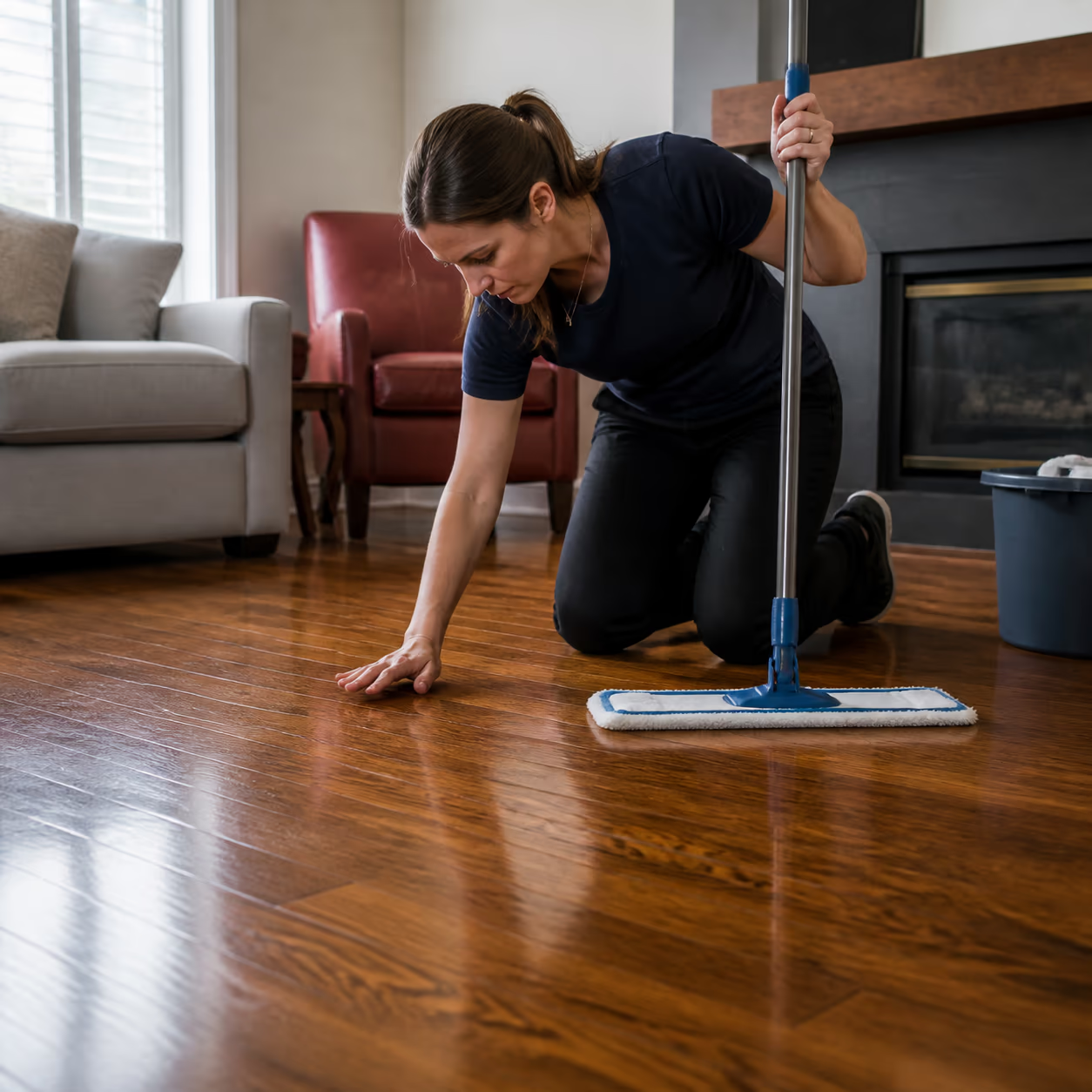
The order matters more than most people think. Sweeping first removes the grit that would otherwise be dragged around by a mop. Mopping second lifts the fine dust that sweeping leaves behind. Finishing with a dry buff removes any remaining moisture and restores the sheen.
Water is the risk that outlives the scratch. Health Canada's mould guidance names excessive moisture as one of the most common causes of poor indoor air in homes and advises fixing moisture problems right away, which is one more reason a damp mop beats a wet one. Health Canada names the cause directly: “Excessive moisture is one of the most common causes of poor indoor air in homes, classrooms and public spaces, because moisture promotes the growth of mould and dust mites.”
Choosing the Right Tools for Hardwood Floors
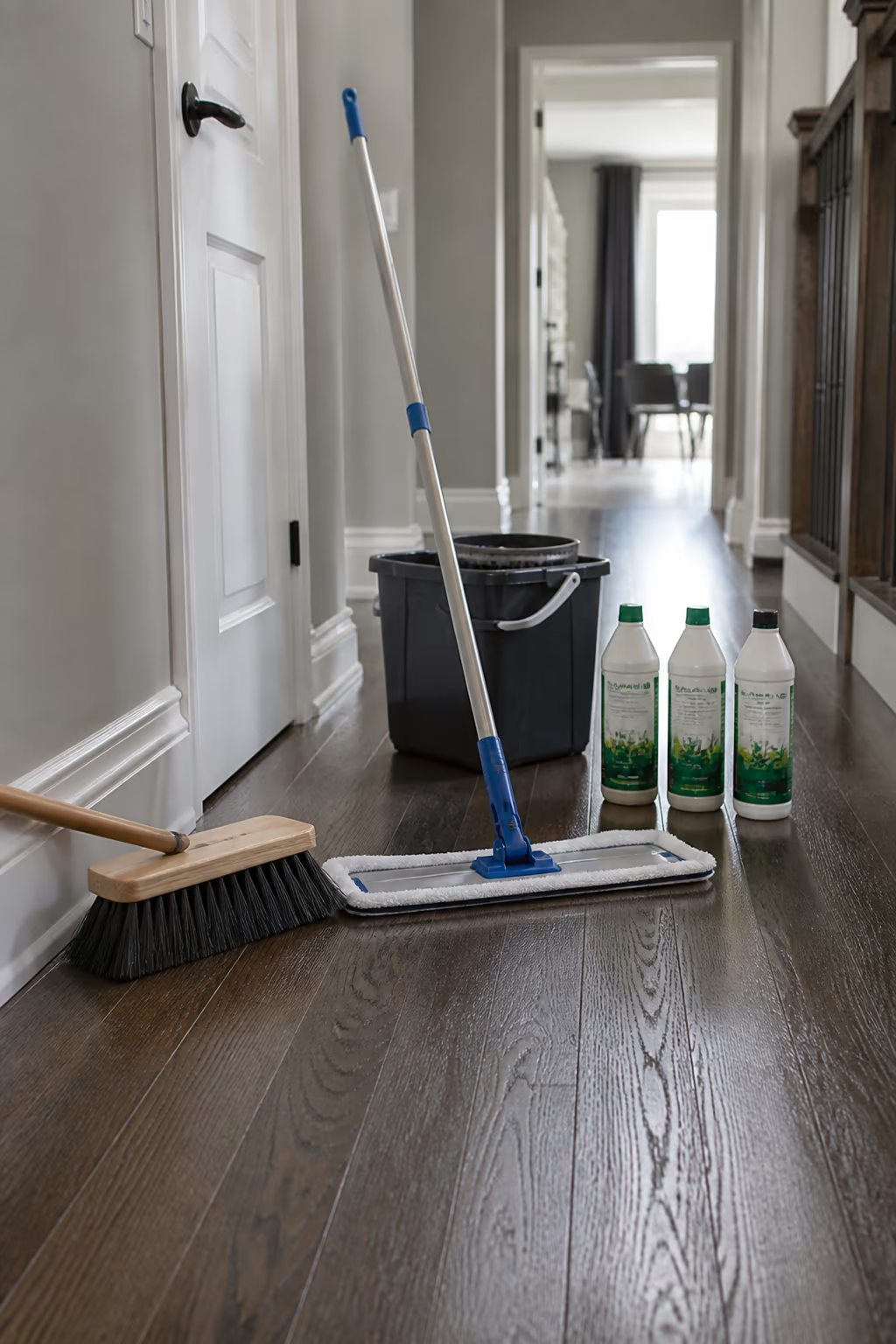
The right tools make safe hardwood care easy. A soft-bristle broom or a vacuum with a felt or hardwood attachment removes grit without scratching. For daily sweeping, a lightweight broom with soft, flagged bristles does the job without pushing dirt into the seams.
Microfibre flat mop heads are the best choice for damp cleaning because they hold a little moisture and release it evenly. A waffle-weave microfibre towel dries spills quickly. Felt pads under furniture legs and a mat at every entry point prevent most of the scratches that show up over time.
Good tools also protect the finish during professional visits. Felt-padded equipment, colour-coded microfibre cloths, and pH-neutral cleaners are the standard for hardwood care, and they are the same tools we use on every floor. The same non-toxic standard applies across our eco friendly cleaning services Ottawa homeowners can book for the rest of the home.
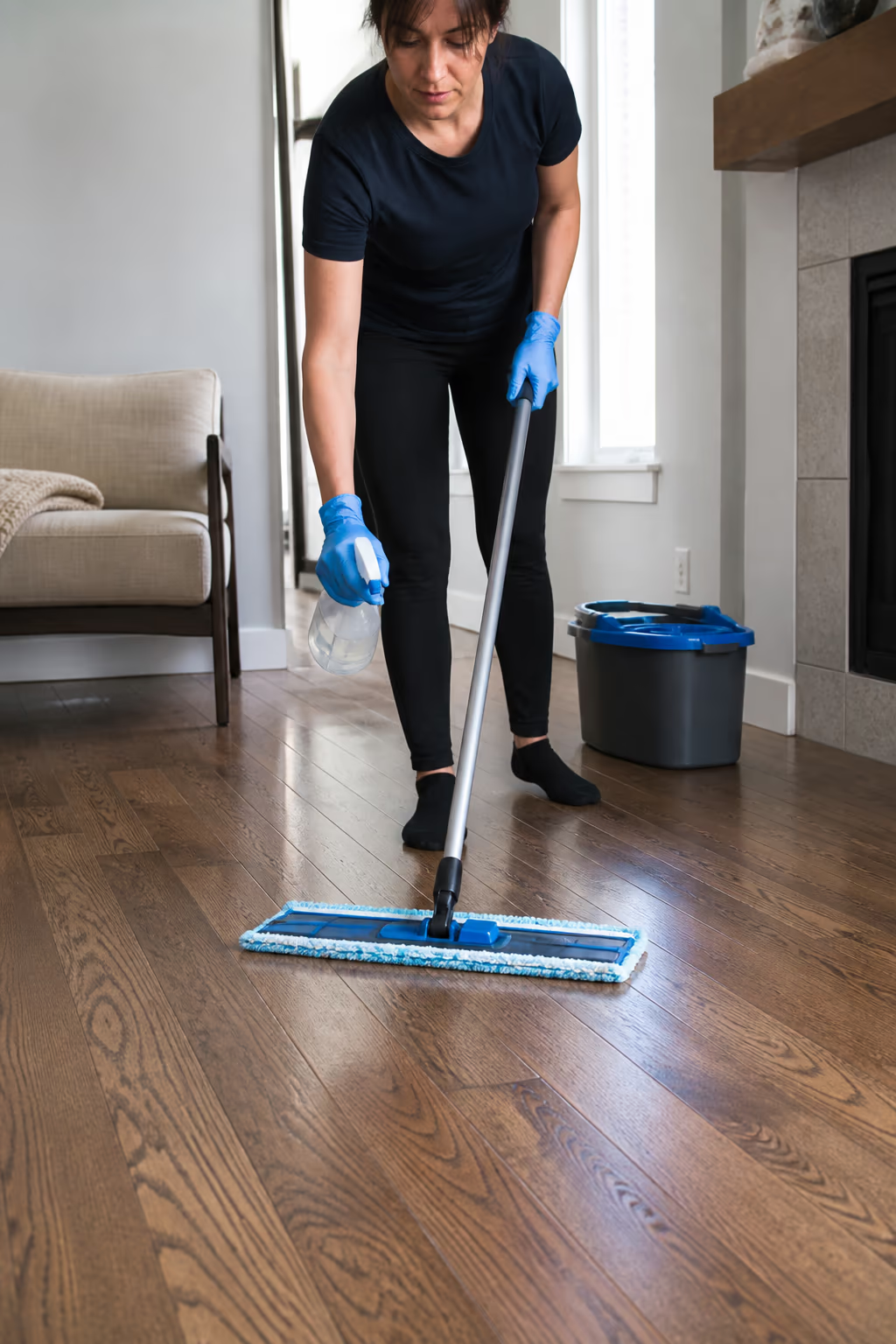
One more tool worth mentioning is a handheld spray bottle. Instead of dumping cleaner onto the floor, spray it lightly onto the mop pad or directly ahead of the mop. That controls the moisture level and keeps water off the seams.
Finally, keep your tools clean. A mop pad that is never washed spreads old grime back onto the floor, and a vacuum with a full bag loses suction and leaves grit behind. Washing pads and replacing bags on a schedule is part of the routine.
What Not to Use on Hardwood Floors
Some popular cleaning tools and products damage hardwood faster than they clean it. Avoid these:
If you are used to cleaning with vinegar, switching to a pH-neutral hardwood cleaner takes a few days to get used to, but the difference in your floors is real. The neutral cleaner lifts grime without attacking the finish, and your floors stay glossier between treatments.
How to Handle Winter Salt, Scratches & Spills
Ottawa winters are hard on hardwood. Salt and sand get tracked in, and by spring the entryway shows it. The fix is simple but needs to happen regularly:
- 01Place good entry mats inside and outside each door, and vacuum them weekly so grit does not travel.
- 02Neutralize salt promptly with a pH-neutral wood cleaner so calcium chloride does not etch the finish.
- 03Buff out light scuffs with a soft microfibre cloth and a drop of wood cleaner rather than a heavier abrasive.
- 04Dry any standing water right away, especially near pet bowls, planters, and entryways in wet weather.
A few minutes of care at the door saves hours of floor repair later. That is why entry mats, weekly vacuuming, and prompt salt removal are the most cost-effective hardwood maintenance you can do in an Ottawa home.
Caring for Hardwood in Different Rooms
The kitchen and entryway are the hardest zones for hardwood. Spills, food drops, and tracked-in salt land on the same boards day after day. In these areas, a quick daily sweep and prompt spot-cleaning prevent most of the damage.
In bedrooms and living rooms, hardwood mostly needs dusting and an occasional damp-mop. The risk here is lighter, so a weekly sweep and a monthly damp-clean keep the floor in good shape without much effort.
In basements and condos, moisture is the main concern. Keep relative humidity steady, use mats at entry points, and check for water around appliance hoses and planters. A little prevention saves a lot of refinishing.
Office and home-office rooms are another place to be careful. Rolling desk chairs grind grit into the finish, and spills from mugs and planters land on the same boards. A clear chair mat and a coaster habit protect the floor where you spend your working hours.
When to Call a Professional for Hardwood Floors
Most hardwood care is daily routine, but some jobs are worth leaving to a professional. A deep clean before the holiday season, after a renovation, or when moving into a new home resets the floor without the risk of over-wetting or using the wrong product.
Professional hardwood care also makes sense when you are unsure about your finish or when you want a regular schedule that protects a valuable floor. A trained cleaner reads the finish, uses the right chemistry, and keeps the moisture balance right, which is harder to do yourself than it sounds. For additional preservation tips geared toward extending a finish's lifespan, how to clean hardwood floors and preserve rounds out the seasonal routine described here.
If you are planning a move, a professional visit before or after the move protects both the floor and the condition the lease expects at hand-back. Move-out hardwood care that includes a pH-neutral deep clean and a finish check is a smart investment for tenants and landlords alike.
If you are not sure whether your floor needs a professional clean or just a more careful routine, a quick assessment answers the question. A professional can tell you the finish type, spot early wear, and recommend a schedule that fits your home.
A Simple Year-Round Hardwood Care Calendar
Spring: After the salt and sand of an Ottawa winter, give the floors a thorough clean. Sweep and vacuum the entryways, damp-mop the whole floor with a pH-neutral cleaner, and inspect for finish wear near the doors.
Summer: Focus on humidity. Keep the air moving with dehumidifiers or air conditioning, wipe spills quickly, and check areas near planters and pet bowls where moisture collects.
Fall and winter: Lay extra mats at every entry, sweep or vacuum daily to capture grit, and neutralize salt promptly so it does not etch the finish. Condos in the ByWard Market and family homes in Barrhaven both see the same tracked-in grit, so mats and daily sweeping matter everywhere.
Matrix: Good Cleaner Co. Hardwood Preservation Benchmarks
These are the standards the team works to when hardwood is part of the scope:
pH-Neutral EcoLogo Chemistry:
Protects polyurethane sealants from acidic dulling.
Damp-Mop Moisture Control:
Minimizes board warping, buckling, and seam moisture damage.
Felt-Padded Equipment Guards:
Prevents equipment scratches on pristine hardwood floors.
Winter Salt Neutralization:
Dissolves calcium chloride salt rings without stripping finish.
Formatted Step-by-Step Hardwood Floor Care Checklist
Follow this checklist for safe hardwood floor cleaning:
- Step 1.Sweep Hardwood Surfaces with Soft-Bristle Broom or Soft Felt Vacuum Nozzle:Remove abrasive dirt and grit.
- Step 2.Neutralize Ottawa Winter Salt Deposits with pH-Neutral Wood Floor Cleaners:Dissolve white calcium chloride residue.
- Step 3.Dampen Microfibre Flat Mop Pads Without Over-Saturating Wood Planks:Mist mop pads with pH-neutral cleaner spray.
- Step 4.Wipe Hardwood Floors Parallel to Natural Grain Direction:Preserve natural wood grain texture and sheen.
- Step 5.Dry Standing Liquid Spills Immediately to Prevent Wood Board Cupping:Buff dry with a soft microfibre towel.
- Step 6.If you need a team or a recurring schedule, use residential home cleaning services in Ottawa to discuss scope, access, and timing before deciding whether it fits.
Practical planning for this situation
For a homeowner or property manager, the sensible starting point is caring for hardwood floors. Begin with a walk-through and write down the finish, scratches, water exposure, entryway grit, and the cleaner approved for that floor. That gives the work a real boundary and avoids treating a generic package as if it already understood the space.
Use the written notes to decide what belongs in a regular routine and what needs separate time, access, or approval. The useful test is whether another person could read the scope and understand the task without being told to rely on a promise.
Seasonal considerations in Ottawa
Local conditions matter, but they do not require a script. In this topic, Ottawa salt and water at the door can be harder on a floor than the usual dust. Review the condition of the actual space before changing the products, equipment, or frequency.
A short seasonal review is usually enough: notice what has changed, name the affected area, and agree on the practical response. That keeps maintenance connected to the property rather than a broad list of place names.
Safe, responsible cleaning
Choose methods that suit the material and follow the product or equipment instructions. Keep people away from a wet or actively cleaned area, and stop when a surface reacts unexpectedly.
When a task involves an unfamiliar finish, access issue, or safety concern, ask before continuing. A careful pause is more useful than a confident shortcut and protects the people using the space.
Considering professional help
A service conversation should stay anchored in the space and the requested work. For caring for hardwood floors, explain the finish, scratches, water exposure, entryway grit, and the cleaner approved for that floor. Ask for the proposed tasks, timing, and any limits in writing.
If you want to explore help, use residential home cleaning services in Ottawa to describe the scope and decide whether it suits the situation. This is a request for information, not a promise about a result.
How to review the routine
Before changing the routine, take a few minutes to describe the present condition in plain language. Start with the finish, scratches, water exposure, entryway grit, and the cleaner approved for that floor. This makes it possible to decide what is necessary without inflating a small issue into a large project.
Ask the people who use the space what causes the most friction. Their answer may be a difficult entry, a storage gap, a time when work cannot happen, or a surface that needs a gentler method. Those details are the basis for a useful plan.
Try one visible adjustment at a time. Record why it was made, what area it affects, and what a satisfactory result looks like. That approach is easier to review than changing a whole routine at once.
Keep feedback specific: name the room, surface, timing, and expected result. Clear notes help a household, volunteer group, or service team work through a problem without blame or vague expectations.
Revisit the plan after a genuine change in use, condition, or season. A routine should be steady enough to follow and flexible enough to stay useful.
FAQ
Why are steam mops bad for hardwood floors?
Pressurized steam forces moisture deep into wood seams, clouding polyurethane finishes and causing board warping and cupping.
How do I get white winter salt stains off hardwood?
Use a pH-neutralizing wood cleaner diluted in warm water and damp-mop with a soft microfibre pad.
Is vinegar and water safe for oak floors?
No. Vinegar is acidic and slowly etches polyurethane clear coats, making hardwood floors appear dull over time.
How often should I mop my hardwood floors?
Damp-mop with a pH-neutral cleaner once a week or as needed, and sweep daily to remove the grit that scratches the finish.
Can I use a robot vacuum on hardwood?
Yes, with a soft brush setting and a clean filter, but check that its wheels do not drag grit across the finish.
What is the difference between polyurethane and oiled floors?
Polyurethane finishes handle a damp mop and pH-neutral cleaner well, while oiled floors need gentler damp-cleaning, quick drying, and periodic re-oiling.
How do I remove scratches from hardwood floors?
Light scuffs often buff out with a soft cloth and a wood cleaner; deeper scratches may need a touch-up kit or professional refinishing.
Should I use floor polish on hardwood?
Use polish sparingly and only on finishes that recommend it. Too much polish builds a dull, sticky layer that attracts dirt.
Can hardwood be cleaned after a party or event?
Yes. Sweep or vacuum first, then damp-mop with a pH-neutral cleaner to remove spills and stains before they set.
How do I book hardwood floor cleaning in Ottawa?
Contact Good Cleaner Co. to schedule residential home cleaning services in Ottawa with hardwood-safe chemistry and equipment.
Wrapping Up
Safe hardwood floor cleaning protects your flooring investment and maintains natural wood sheen. With the right routine, your floors stay beautiful through every Ottawa season. Contact Good Cleaner Co. today to book recurring home cleaning services in Ottawa.
Keep reading
More from Good Cleaner
Services that fit
- House Cleaning Services in OttawaRecurring weekly, bi-weekly and monthly house cleaning built around your family's routine, with hardwood-safe pH-neutral chemistry and background-checked staff.
- Professional Office Cleaning Services in OttawaNightly and after-hours office cleaning for corporate offices, clinics and professional suites, with eco-friendly products and floor-care equipment.
About the author
Service areas
- Ottawa
- Kanata
- Orleans
- Nepean
- Barrhaven
- Westboro