
Commercial Deep Cleaning Guide: When & Why Your Facility Needs Deep Sanitization
If your office has never had a full commercial deep cleaning, it is probably overdue. Daily cleaning keeps surfaces presentable, but soil, dust, and winter salt build up in the places that routine rounds never reach. This guide walks through the difference between maintenance cleaning and deep cleaning, the trigger events that call for a full restoration, and the step-by-step checklist our teams use for commercial deep cleaning.
Quick Summary
Commercial deep cleaning is the thorough, periodic reset your facility needs when everyday janitorial rounds stop being enough. This guide explains what a deep clean actually includes, which events should trigger one, and why spring is the most important season for most buildings in Ottawa.
In this guide
What Counts as Commercial Deep Cleaning
Commercial deep cleaning is a comprehensive restoration service that goes far beyond the nightly wipe-down. It targets high-ceiling vents, carpet padding, window sills, and floor sealant degradation, pulling out the buildup that has accumulated over months of normal use.
Think of it this way: maintenance cleaning keeps dirt from being visible, while deep cleaning removes the dirt that is hiding. A deep clean resets the whole building, not just the surfaces people see every day.
Most facilities find a twice-a-year rhythm works well, and some add a third visit for high-traffic lobbies, kitchens, and washrooms. Scheduling quarterly or bi-annual deep cleans resets facility hygiene to pristine baseline standards. Our commercial cleaning frequency guide walks through how to match that rhythm to your building type.
Distinguishing Daily Maintenance Cleaning From Periodic Deep Cleans
Daily janitorial care covers the visible essentials: emptying bins, wiping desks and countertops, cleaning washrooms, and vacuuming open areas. It keeps a building presentable between visits, but it rarely moves furniture, reaches high surfaces, or strips floor finish.
Deep cleaning is the opposite. It works on the layer of soil that daily rounds never touch, from the top of tall partitions down to the grout between tiles.
In practice, most Ottawa facilities run maintenance cleaning every night and schedule deep cleaning two to four times a year. The two systems work together: maintenance keeps the building looking good day to day, and deep cleaning protects the assets and the air quality underneath.
Key Trigger Events: Post-Winter Slurry, Outbreak Response & Lease Transitions
A deep clean should never feel random. Most facilities book one when a clear event has created a genuine need. Discover 4 key scenarios that mandate a commercial deep cleaning service:
What a Full Deep Clean Includes
A thorough commercial deep clean follows four core service benchmarks, and Good Cleaner Co. holds every one of them to a consistent standard:
High-Surface De-Dusting:
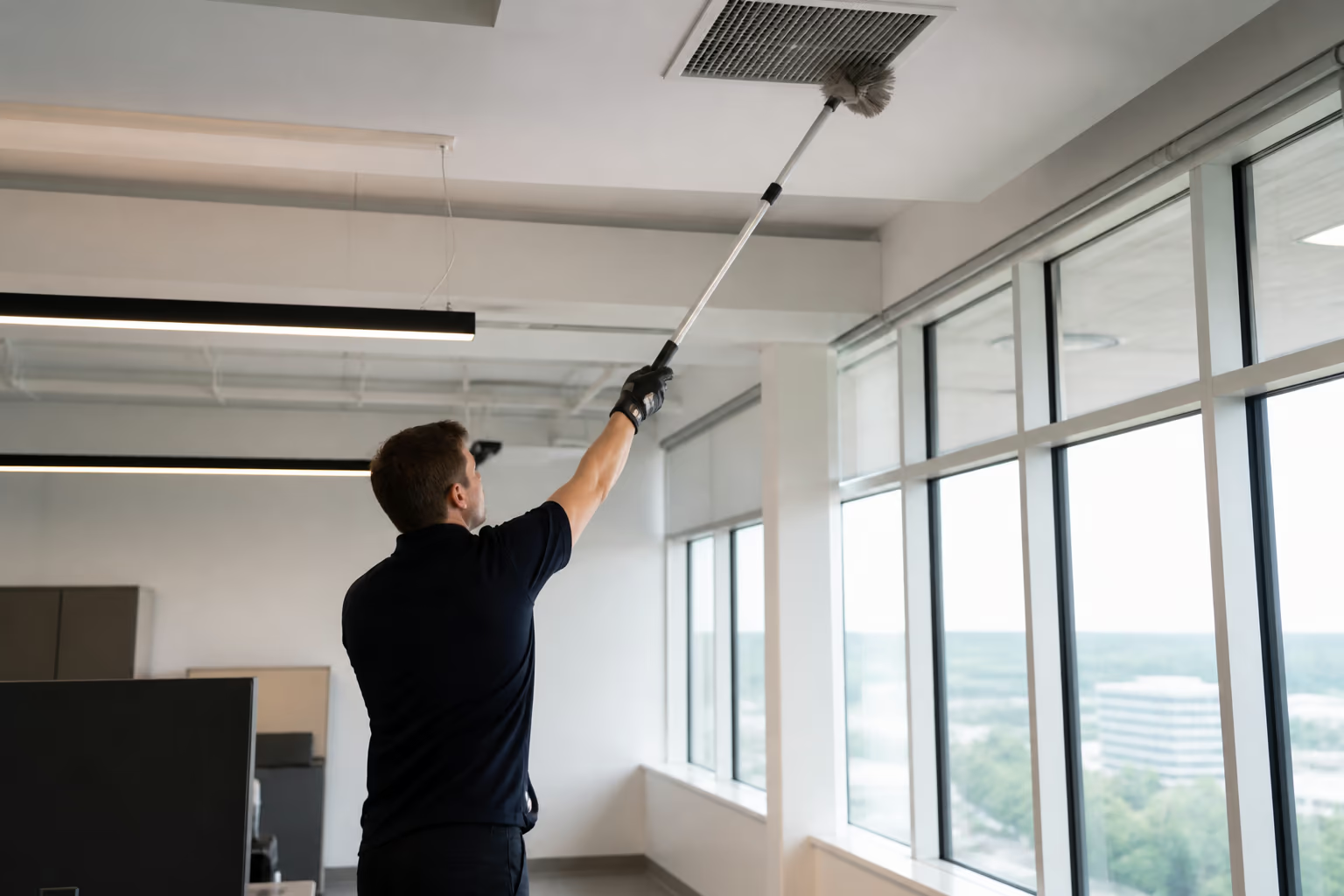
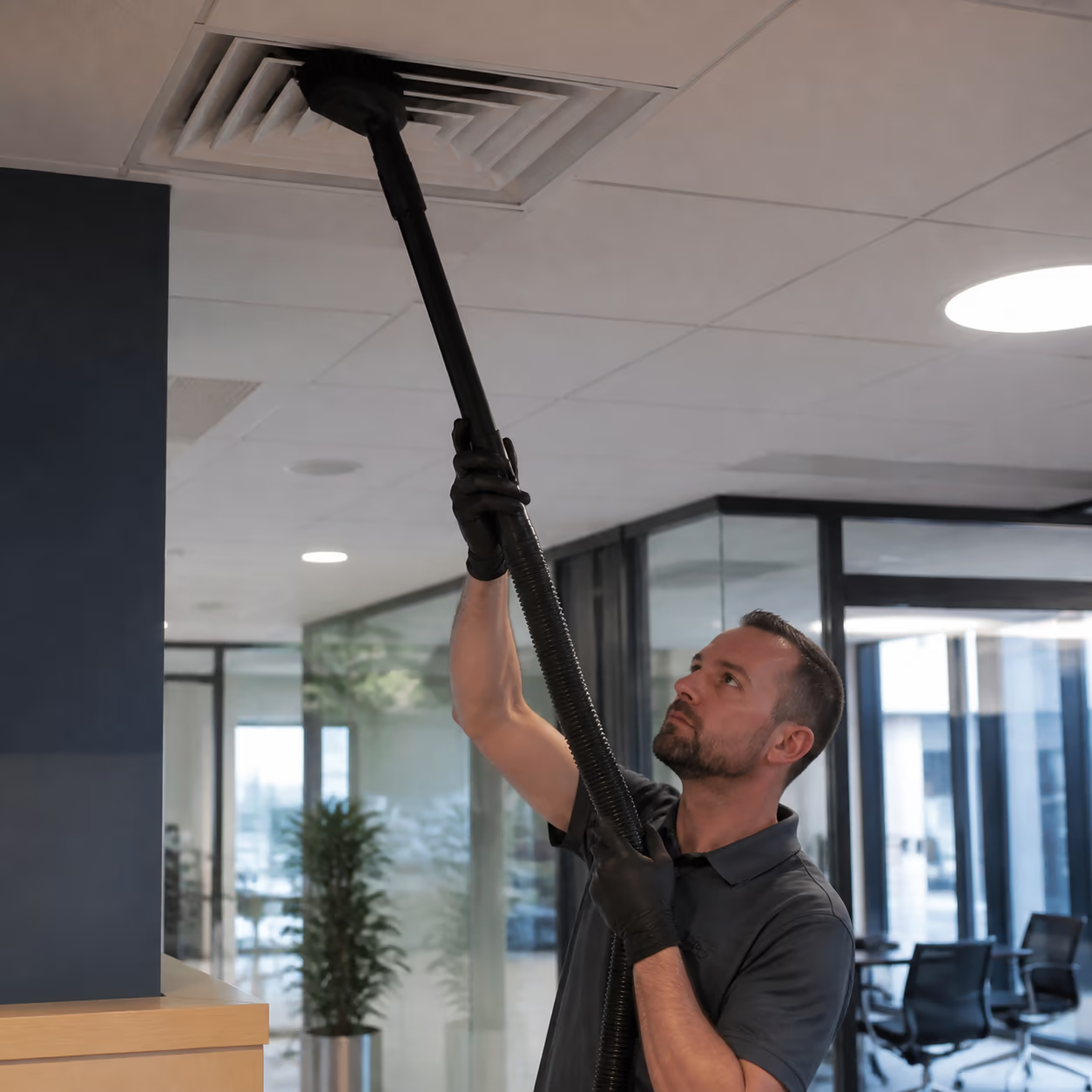
Reaches high ceiling fixtures and high HVAC vents that daily cleaning cannot touch.
Hot Water Carpet Extraction:
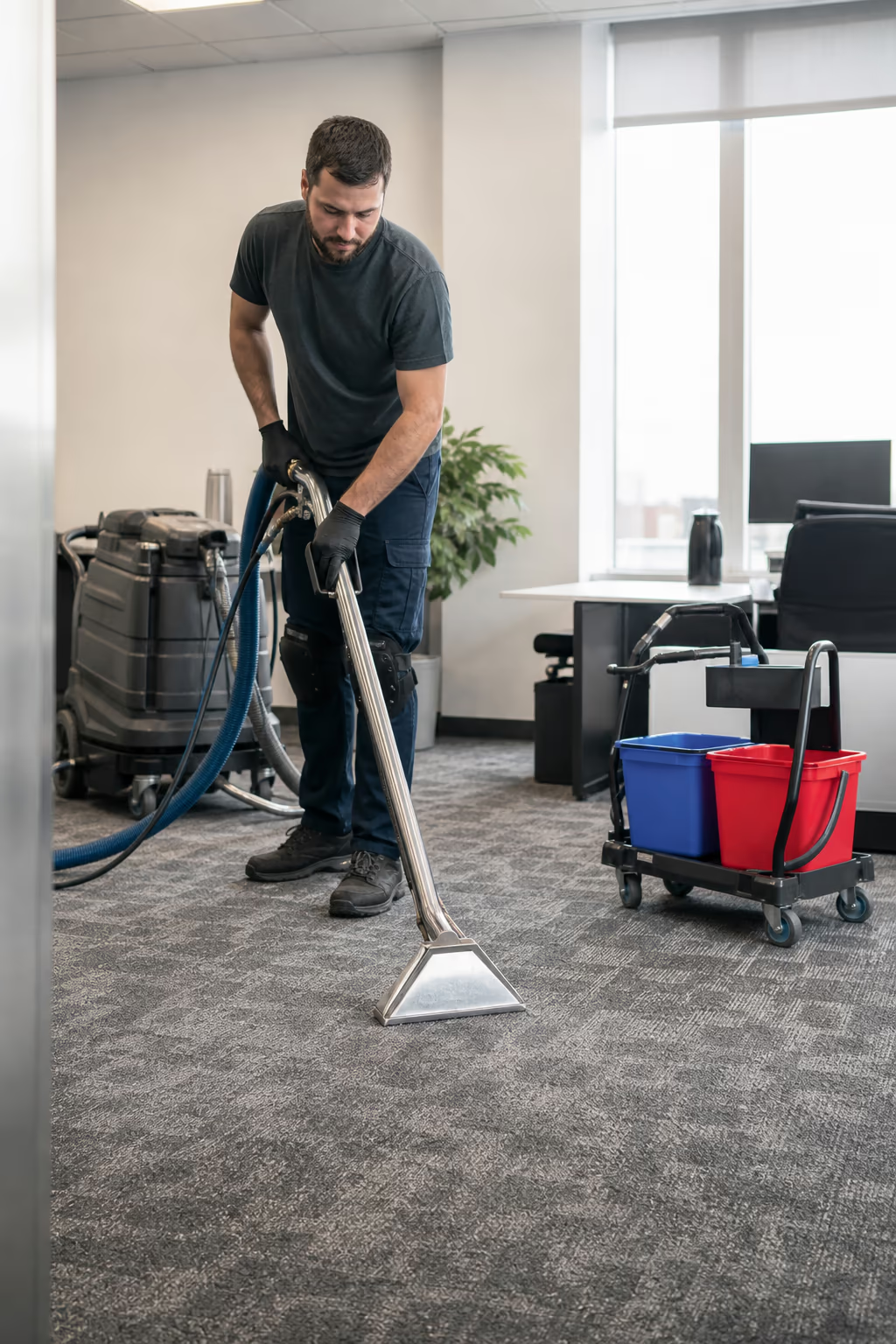
Removes deep-set winter salt slurry and allergens from carpet fibres and padding.
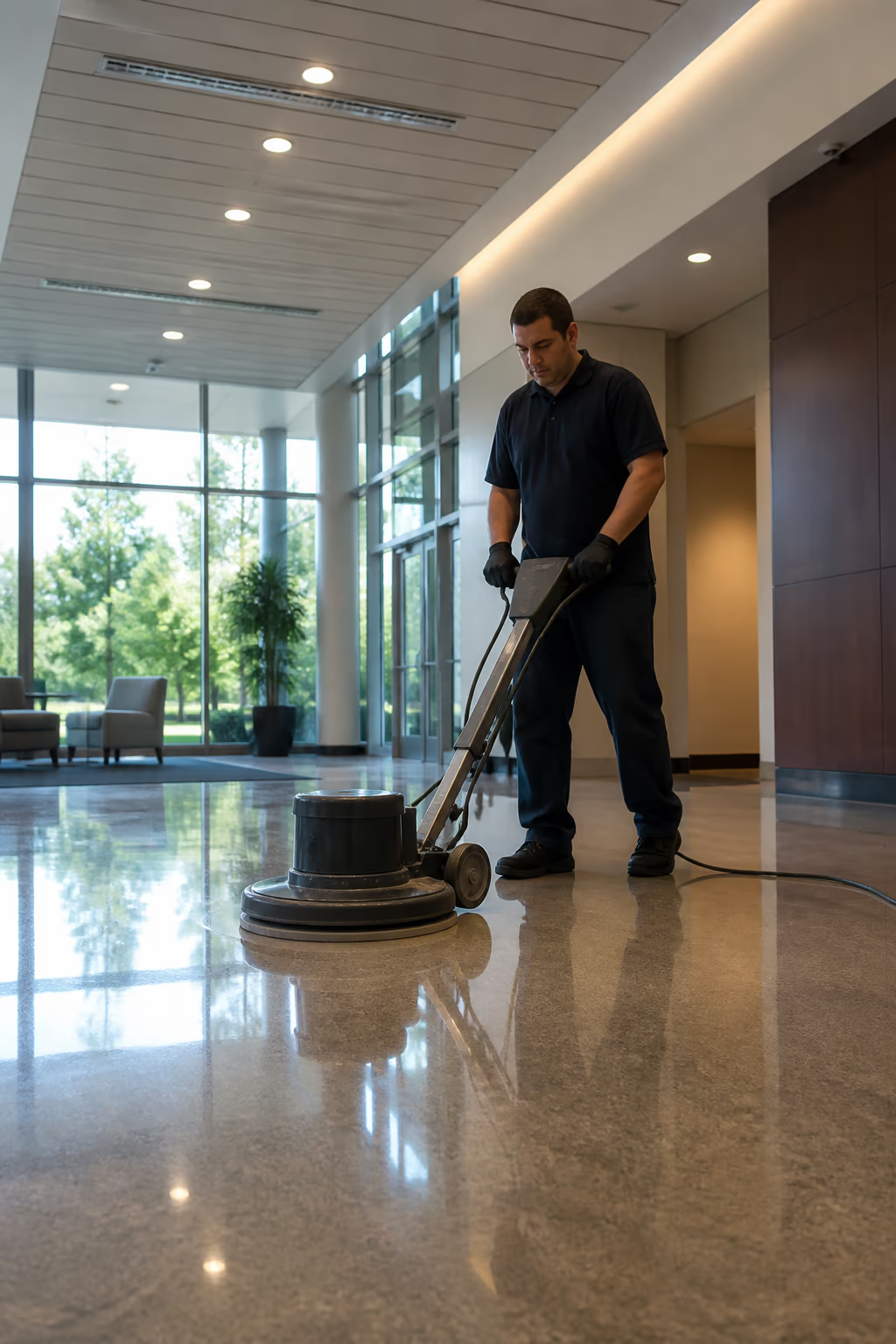
Floor Strip & Recoat:
Restores high-gloss finish to worn commercial flooring.
Grout Steam Sanitization:
Eliminates embedded bacteria and odours in washrooms.
Beyond those four benchmarks, a full deep clean also includes cleaning behind and under furniture, detailing baseboards and door frames, wiping down light switches and door handles, and washing interior windows and blinds. These are the details that tell visitors a building is genuinely well cared for.
What Happens During a Deep Cleaning Visit
When a professional team arrives for a deep clean, they follow a clear sequence so nothing is missed:
- 01The crew starts at the top, de-dusting vents, light fixtures, and ceiling tiles before working down to the floor.
- 02Furniture is moved in sections so the team can clean behind and under desks, cubicles, and shelving.
- 03Carpets are pre-treated and extracted with hot water equipment to pull out soil and winter salt.
- 04Hard floors are machine-scrubbed, and worn finish is stripped and recoated where needed.
- 05Washrooms are detailed and disinfected with Health Canada registered products.
- 06A supervisor walks the space before the crew leaves to confirm every zone meets the checklist.
Most commercial deep cleans are scheduled for nights or weekends, so your team returns to a fresh, reset space on Monday morning.
Signs Your Facility Is Due for a Deep Clean
Not sure whether your building needs a deep clean? These are the most common signs:
- Carpets look dull or show traffic patterns that vacuuming no longer fixes.
- Grout lines in washrooms and kitchens have darkened or show visible soil.
- A stale or musty smell lingers even after a full night of routine cleaning.
- Dust is visible on high vents, light fixtures, or acoustic ceiling tiles.
- Floors look hazy or scratched despite regular mopping and buffing.
- Touchpoints like door handles and light switches show visible wear.
If two or more of these sound familiar, it is a good sign your facility is due for a full deep cleaning.
The Real Cost of Commercial Deep Cleaning
Let us be honest about pricing. A deep clean costs more than a night of routine janitorial work, because it uses more labour, heavier equipment, and more specialised chemistry. Most facilities budget for it once or twice a year rather than every month. Property managers weighing the numbers can review the cost of commercial cleaning in Ottawa to see how these visits typically compare with routine janitorial budgets.
Some of that cost is not discretionary. Ontario's employer duty under subsection 25(1) of the Occupational Health and Safety Act requires prescribed equipment, materials and protective devices to be provided and kept in good condition, and the machines a deep clean depends on sit squarely inside that duty. The province lists the duty in one line: “Instruct, inform and supervise workers to protect their health and safety”.
That said, deep cleaning usually saves money over the long run. Carpets that are extracted regularly last longer, floors that are stripped and recoated on schedule avoid premature replacement, and grout that is kept clean does not need expensive restoration.
The smart approach is to include a deep clean in your annual facility budget and time it around your slowest business period. That way the cost is planned, not a surprise.
Why Spring Is the Peak Deep Cleaning Season
Ottawa winters are hard on buildings. From November to April, de-icing salt, sand, and ice melt get tracked into lobbies and entryways, then grind into carpet fibres and settle on hard floors.
By the time the snow melts, many facilities are carrying months of salt residue that routine vacuuming and mopping cannot fully remove. That is why April is the busiest month for commercial deep cleaning.
A spring deep clean flushes the salt out of carpets, strips the dull winter film off hard floors, and removes the dust that has accumulated on vents and ceiling fixtures through months of closed windows. It also gives you a clean baseline before the summer humidity arrives.
Deep Cleaning by Facility Type
The same deep cleaning principles apply everywhere, but each type of facility has its own priorities:
Each facility type also has different high-touch zones, so our teams tailor the checklist to the building rather than applying one generic plan.
How to Choose a Commercial Deep Cleaning Provider
Not every cleaning company delivers a true deep clean, and the lowest quote often means a surface wipe rather than a full restoration. When you are choosing a provider, look for a few specific things:
A company that answers these points clearly is far more likely to deliver the deep clean your facility needs, and a provider who hesitates on any of them is worth a second thought. Our commercial cleaning property managers guide covers more of these evaluation criteria in detail.
Formatted Step-by-Step Commercial Deep Cleaning Checklist
Follow this checklist for commercial deep cleaning restoration:
- Step 1.Vacuum High-Ceiling HVAC Vents, Light Fixtures, and Acoustic Ceiling Tiles:Eliminate airborne dust reservoirs.
- Step 2.Deep Extract Carpeted Workstations with Commercial Hot Water Units:Flush out embedded soil and winter salt.
- Step 3.Strip Worn Polyurethane Sealant and Re-Wax Commercial Vinyl/Tile Floors:Restore brilliant lobby floor gloss.
- Step 4.Sanitize All Desk Touchpoints and Upholstered Task Chairs with HEPA Systems:Remove skin oils and allergens.
- Step 5.Machine Scrub Washroom Tile Grout Lines with Health Canada Registered Microbicides:Eliminate tile grout odours.
- Step 6.If you need a team or a recurring schedule, use commercial janitorial services in Ottawa to discuss scope, access, and timing before deciding whether it fits.
Serving Ottawa's Business Neighbourhoods
Deep cleaning needs look different depending on where your building sits. A clinic in the Glebe handles different soil than a warehouse in Kanata, and a downtown Ottawa office tower faces more tracked-in winter salt than a suburban property in Orleans or Barrhaven.
Good Cleaner Co. runs deep cleaning programs for offices, retail, clinics, and industrial spaces right across the city. Whether your facility is in Nepean near the business parks or in a heritage building downtown, the same quality benchmarks apply.
Putting this guidance into practice
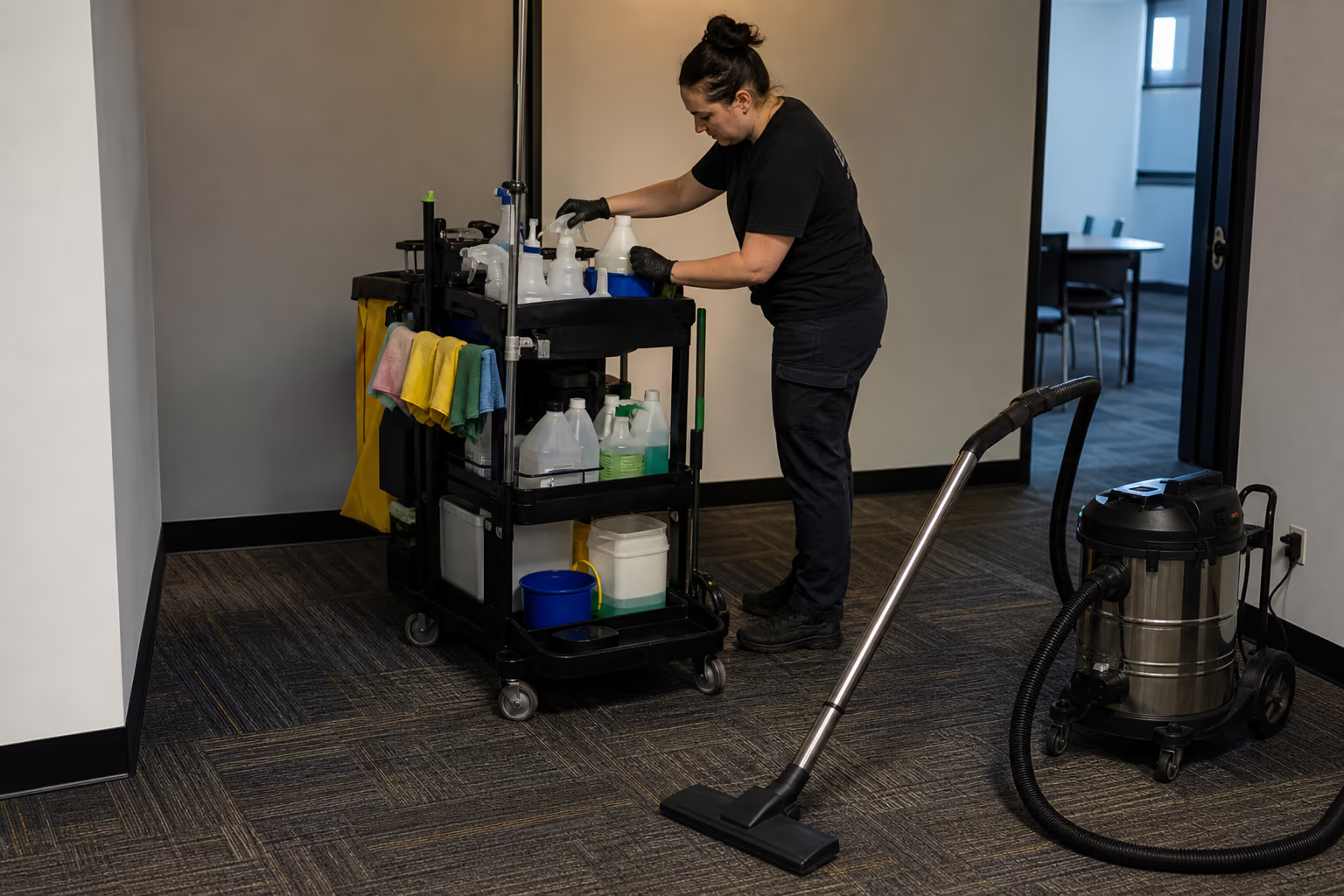
For a business planning a reset, start with agreeing on target areas, access, downtime, and boundaries before equipment arrives. That keeps the conversation tied to the actual space instead of a generic promise.
Review build-up zones, floor finish, kitchens, washrooms, fixtures, furniture movement, waste, and drying or reopening time. A written scope should say what happens on a normal visit, what needs approval, and who should hear about a recurring issue.
Seasonal considerations in Ottawa
A reset can make sense after winter salt, before a busy period, or after construction dust, but the trigger should be the space condition.
Look at the actual condition, the number of people using the space, and the material being cleaned before changing products, equipment, or frequency.
Safe, responsible cleaning
Discuss labels, ventilation, machine use, and reopening time before intensive work. Protect people and surfaces before chasing speed.
When a surface, product, or site requirement is unclear, ask before continuing. A careful decision protects people and property better than a shortcut.
How to review this as a business planning a reset
Before changing this routine, take a short walk through the actual space and describe what you see in ordinary language. Start with agreeing on target areas, access, downtime, and boundaries before equipment arrives. That gives everyone the same starting point and prevents a broad request from quietly becoming a different job.
Ask someone who uses the space every day what creates the most friction. Their answer may be a messy entry, an awkward storage area, a surface that marks easily, or a time when work cannot happen. A useful plan respects that local knowledge instead of replacing it with a standard script.
Choose one change that can be observed over a few visits. It might be a different order of work, a clearer handover, or more attention to build-up zones, floor finish, kitchens, washrooms, fixtures, furniture movement, waste, and drying or reopening time. Write down the reason for the change and what would show that it is helping. That is a better test than relying on a vague impression.
Keep the discussion specific when something is not working. Name the room, surface, timing, and result you expected, then decide what should happen next. Clear feedback is fair to the people doing the work and far more useful than a blanket complaint.
Finally, revisit the plan when the building, household, or season changes. A routine should be stable enough to follow and flexible enough to respond to real conditions. That balance is what makes cleaning guidance practical.
FAQ
How often should an Ottawa office building undergo commercial deep cleaning?
Most commercial facilities benefit from deep cleaning 2 to 4 times per year, with post-winter (spring) being the most critical timing. High-traffic areas like entry lobbies and public washrooms may need an extra visit.
What is involved in commercial floor stripping and waxing?
Technicians strip away yellowed, scratched old floor finish, neutralize tile surfaces, and apply 3 to 4 coats of high-durability polymer wax. The result is a bright, even, low-maintenance floor.
Does commercial carpet deep extraction remove winter salt stains in Ottawa?
Yes. Hot water extraction combined with acidic salt-neutralizing rinses dissolves stubborn white calcium chloride rings without damaging carpet fibres.
How long does a commercial deep clean take?
Most offices take a single overnight shift or a weekend. Larger facilities may need two or three visits, depending on square footage and how much buildup has accumulated.
Do deep cleaning chemicals leave strong odours behind?
Most professional deep cleaning chemistry is low-odour and dries quickly. Where disinfectants are required, crews use Health Canada registered products and ventilate the space before occupants return.
Can deep cleaning be done while staff are working?
In most cases we recommend scheduling after hours or on weekends to avoid disrupting your team. For 24-hour facilities, we can work zone by zone to keep operations running.
Will deep cleaning damage my flooring?
No, when the right method is matched to the surface. The key is using the correct chemical and machine for each floor type, which is why a professional team matters.
How do I know if my facility needs a deep clean now?
If carpets look dull despite vacuuming, grout has darkened, vents show dust, or you notice a stale smell, those are strong signals that a deep clean is due.
Can I book a deep clean for just one area of my building?
Yes. We offer scoped deep cleans for lobbies, washrooms, kitchens, and individual floors, so you can prioritize the areas that need it most.
What should I do to prepare my facility for a deep clean?
Clear desks and workstations where possible, secure sensitive documents, and let your team know the schedule in advance. We handle the rest, including moving light furniture back into place.
Wrapping Up
Periodic commercial deep cleaning protects facility assets and maintains a healthy work environment. Contact Good Cleaner Co. today to book janitorial cleaning teams in Ottawa. Facilities coming out of a fit-out need post-construction cleanup in Ottawa first, since construction residue is a different job from a periodic deep clean.
Keep reading
More from Good Cleaner
Services that fit
- Janitorial Services in OttawaRecurring janitorial services in Ottawa for offices, warehouses, retail, dealerships and schools. Eco-friendly commercial cleaning, customized plans, free quote.
- Professional Office Cleaning Services in OttawaOffice cleaning services in Ottawa for corporate offices, clinics and professional suites. After-hours scheduling, eco-friendly products and a free quote.
About the author
Service areas
- Ottawa
- Kanata
- Nepean
- Orleans
- Barrhaven