
How to Remove Mould from Shower Safely: Spore Containment & Grout Restoration
Mould in the shower is common in Ontario because bathrooms stay warm and damp. This guide shows you how to remove mould from shower surfaces safely, what to skip, and when to bring in a professional. It is a practical walkthrough of spore containment, peroxide oxidation, and grout restoration. We also cover the prevention habits that stop mould from returning and the warning signs that mean you should stop the DIY approach and call a team. If you need help choosing a provider later, our commercial cleaning provider checklist covers what to check before you hire.
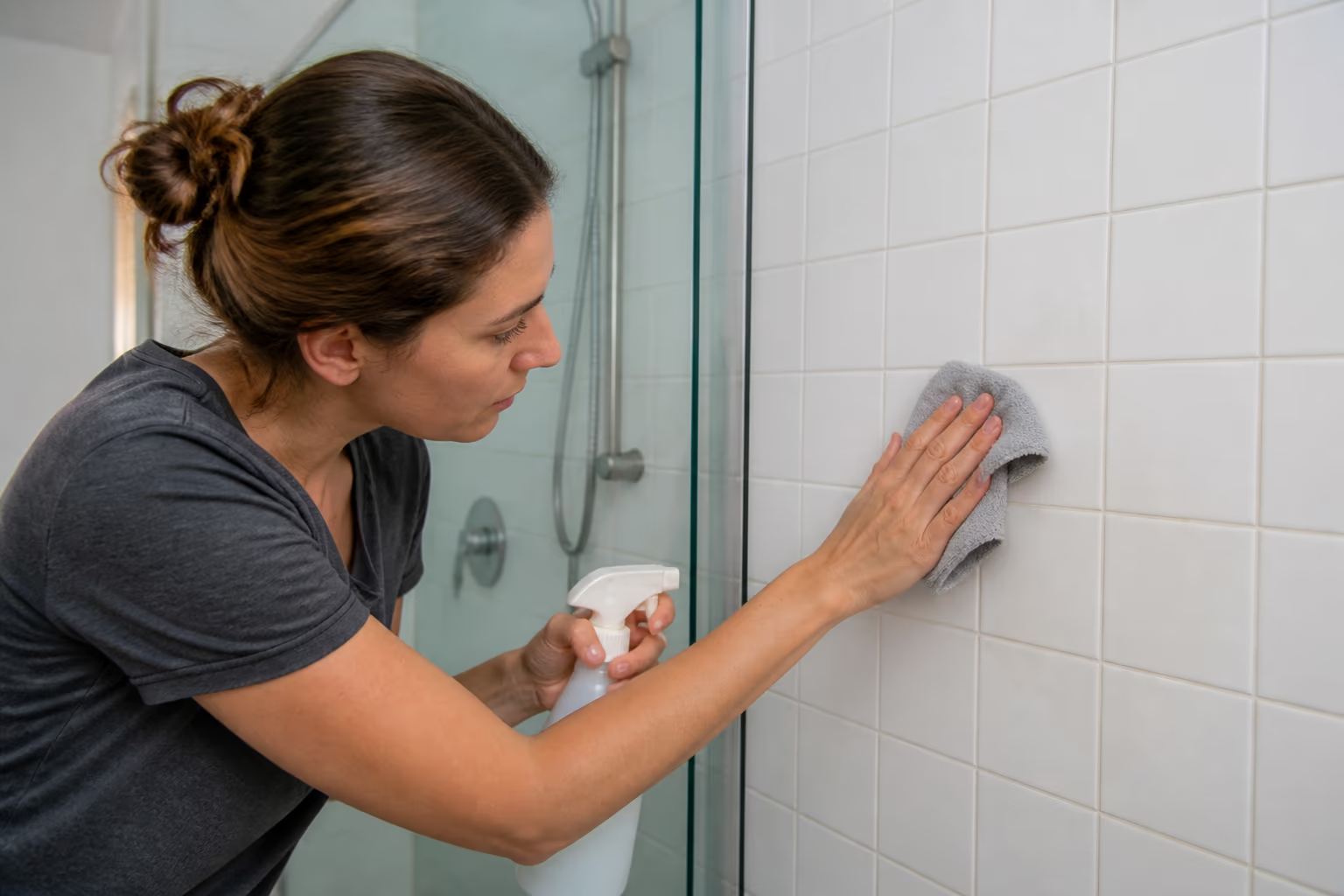
Quick Summary: You can remove mould from a shower safely with 3% hydrogen peroxide, baking soda, and good ventilation. This guide explains how mould grows in Ottawa bathrooms, why bleach is not always the best answer, and a step-by-step removal protocol that protects your family. Good Cleaner Co. delivers residential home cleaning services in Ottawa using EcoLogo-certified, non-toxic bathroom care.
Why Mould Grows in Ottawa Showers
Mould needs three things: moisture, warmth, and a food source. Ottawa showers deliver all three. Daily hot showers create steam, and without an exhaust fan running long enough, that moisture settles on tile, grout, and caulk. In many older Ottawa homes the bathroom has no window at all, which makes the problem worse.
Grout and caulk are porous, so they hold moisture long after the shower looks dry. Over time, soap scum and body oils give mould a food supply, and dark patches begin to form in the corners and along the bottom edge of the shower. What starts as a few grey specks can spread quickly once it finds a damp corner.
The most common bathroom moulds are different from Stachybotrys, the toxic black mould that grows on water-damaged drywall, but any mould should be removed promptly. Small surface patches on tile and grout are a cleaning job. Large or deep infestations, especially on ceiling materials or wallboard, are a different problem that usually needs professional remediation.
Mould in a bathroom does not always stay confined to the shower stall, so it helps to have a wider view of removing mould throughout the bathroom before you start scrubbing.
Hydrogen Peroxide vs. Bleach: The Safer Choice
Many people reach for bleach, but bleach is not the best tool for porous surfaces. On grout and caulk, bleach can whiten the surface while the mould roots stay alive below, so the stain returns quickly. Bleach also releases strong fumes in a small, enclosed bathroom, which is uncomfortable and can be dangerous if you mix it with other cleaners.
3% hydrogen peroxide is a gentler option. It is a mild oxidizer that breaks down the organic structure of mould, and it decomposes into water and oxygen, so there is no toxic residue left behind. It is the active ingredient our technicians use for routine shower mould removal, and it is safe on tile, grout, glass, and most acrylic surrounds.
Baking soda plays a supporting role. It is mildly abrasive, so it scrubs the surface without scratching tile or glass, and it absorbs moisture, which makes it harder for mould to return. Vinegar works for light surface mould, but peroxide does a better job on darker, established patches that have worked their way into the grout.
The honest trade-off is time. Peroxide and baking soda take a little longer than a bleach spray because the dwell time matters. What you get back is a cleaner that stays gone longer and a bathroom you do not have to air out.
Tools and Supplies for a Safe Shower Mould Clean
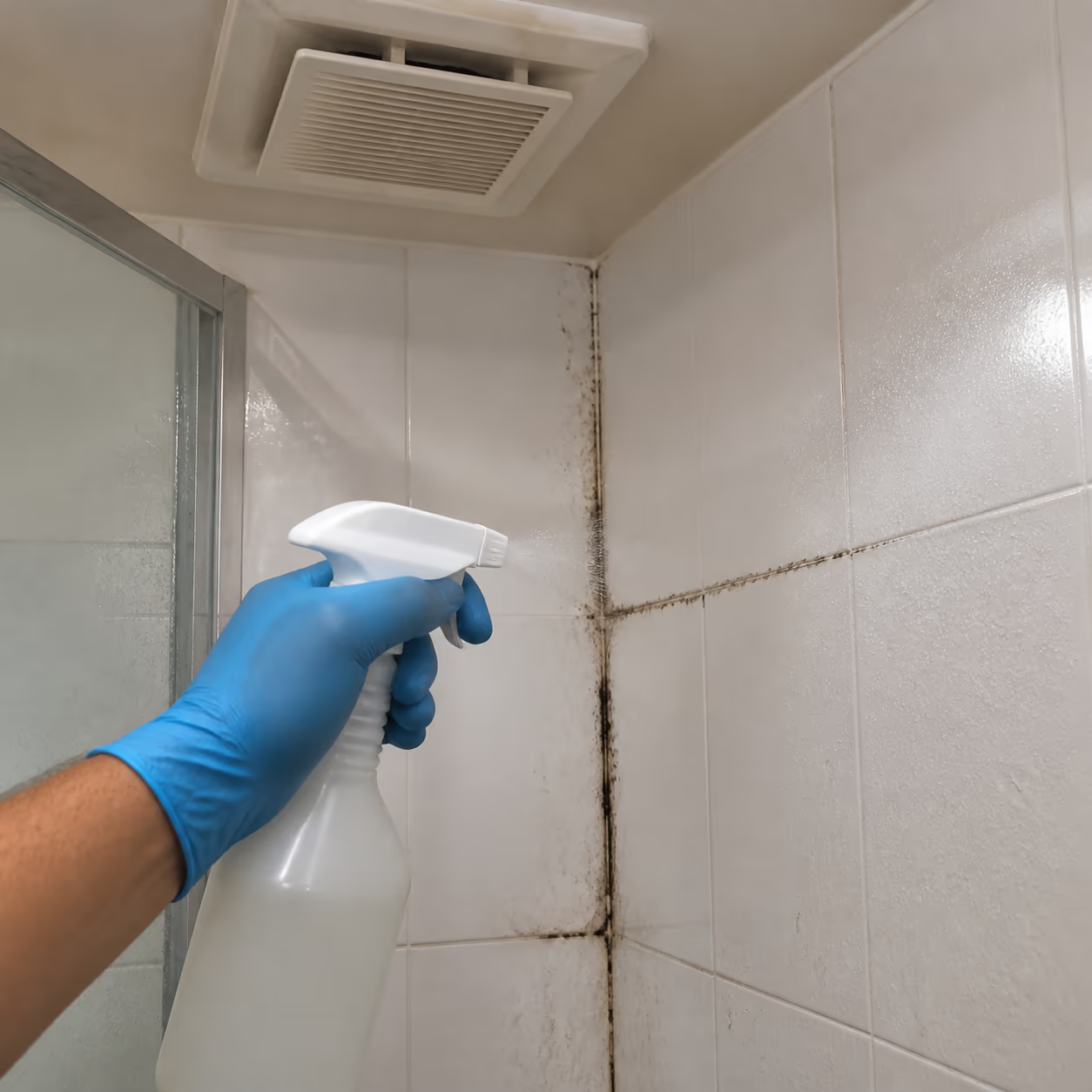
You do not need harsh chemicals to clean a mouldy shower. Gather these basics before you start:
3% hydrogen peroxide in a spray bottle.
Baking soda for scrubbing grout lines and caulk seams.
A soft-bristle brush or old toothbrush for tight corners.
Microfibre cloths, colour-coded if you clean regularly.
A spray bottle of plain water for rinsing.
An exhaust fan or open window for ventilation.
Set up ventilation before you begin. Mould spores become airborne when you scrub, so open the window, run the fan, and consider wearing a mask if you are sensitive to spores.
Preventing Mould from Coming Back
Removing the mould is only half the job. The reason it returned last time is usually a habit or a fixture problem, and fixing that is what keeps a shower clean. The fixes below are small, but they add up; in our experience, the homes that stay mould-free are not the ones with the strongest chemicals, they are the ones where the bathroom dries out between uses:
Follow these habits for a few weeks and you will notice the difference. A shower that dries quickly simply does not give mould the foothold it needs.
Prevention is a moisture project rather than a cleaning one. Health Canada's mould guidance advises fixing moisture problems right away and controlling humidity levels, and notes there is no safe limit for mould because people differ in how sensitive they are. Health Canada names the cause directly: “Excessive moisture is one of the most common causes of poor indoor air in homes, classrooms and public spaces, because moisture promotes the growth of mould and dust mites.”
When to Call a Professional for Shower Mould
Most shower mould is a DIY job, but some situations call for a trained technician. You should stop scrubbing and call a professional when you see any of the following signs:
- The mould covers an area larger than a dinner plate.
- The mould has spread to drywall, ceiling, or other porous building materials.
- You smell a persistent musty odour even after cleaning.
- Someone in the home has asthma, allergies, or a weakened immune system.
- The mould keeps returning within weeks no matter how thoroughly you clean.
- You suspect water damage behind the wall or under the shower pan.
A professional team has commercial HEPA vacuums, colour-coded microfibre loops, and EcoLogo-certified chemistry that contain spores rather than scattering them. Our technicians also know when a spot is just surface mould and when it is a symptom of a larger moisture problem that needs a different fix.
Even when the mould patch itself is small, the cleanup method matters. A commercial team does not just spray and wipe; we set up ventilation, protect adjacent surfaces, and use sealed HEPA filtration to capture the spores that a scrub brush would throw into the air. That is the difference between cleaning a stain and actually removing the problem.
Formatted Step-by-Step Mould Removal Protocol
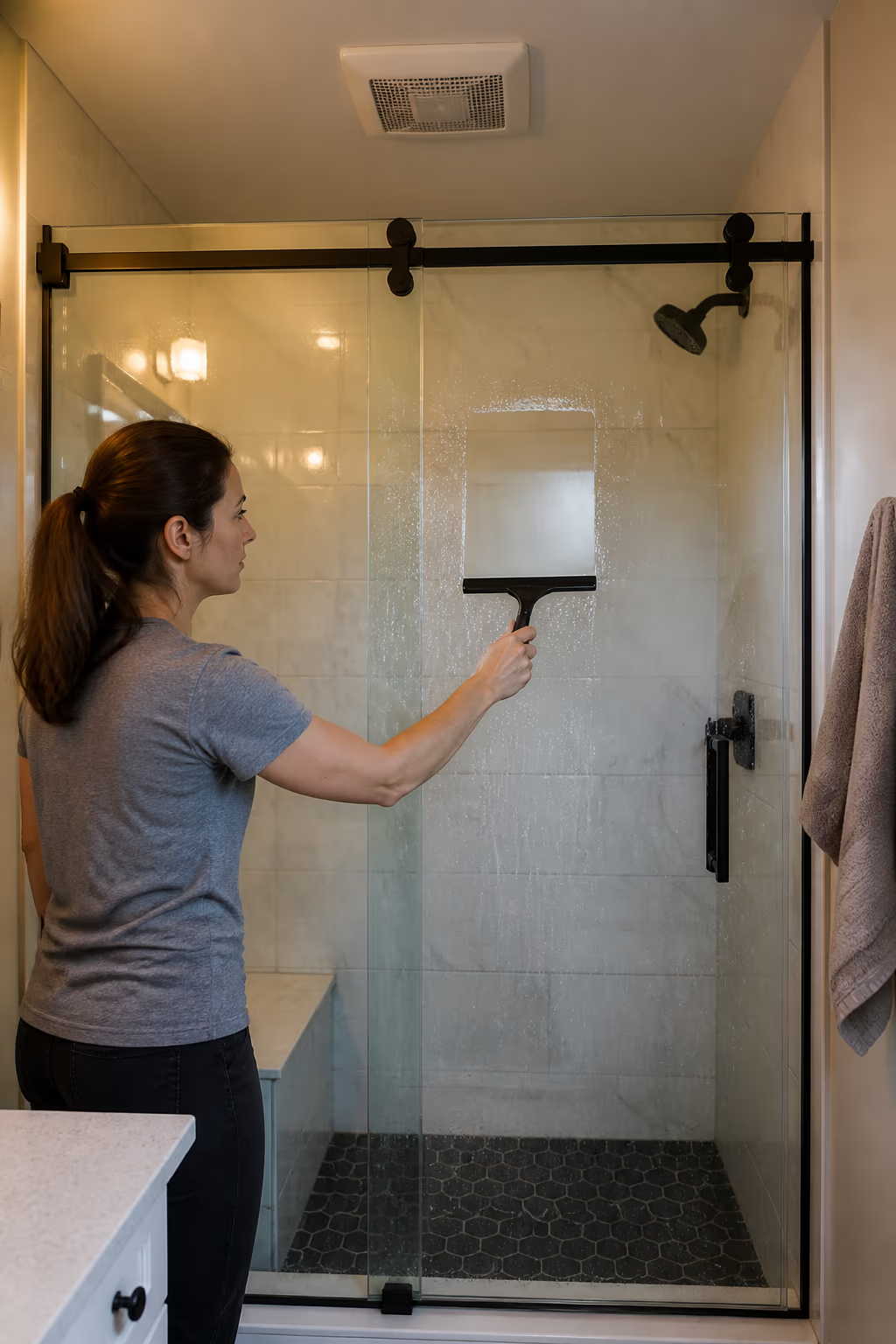
Follow this protocol to remove shower mould without spreading spores:
- 01Ventilate and Protect the Space:Open the window, run the exhaust fan, and remove towels, rugs, and toiletries from the shower area before you start.
- 02Spray 3% Hydrogen Peroxide on the Affected Surfaces:Saturate the mouldy tile, grout, and caulk. Do not wipe it off yet; the peroxide needs time to oxidize the mould.
- 03Allow 10 Minutes of Wet Dwell Time:Let the peroxide sit for about 10 minutes. This dwell time is what breaks down the mould structure instead of just pushing it around.
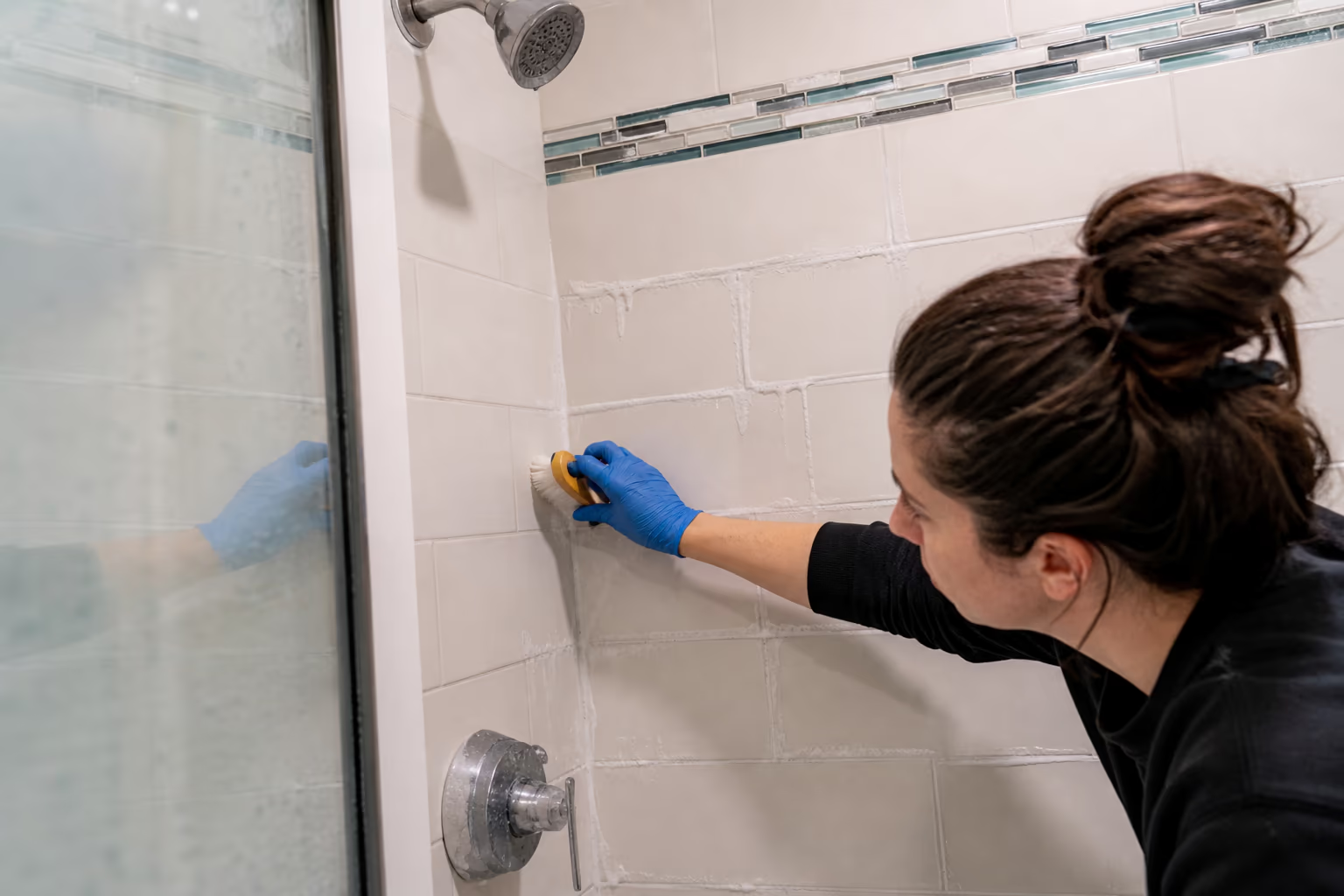
- 04Scrub with Baking Soda and a Soft Brush:Apply baking soda to a damp brush and work it into grout lines and caulk seams. The gentle abrasion lifts the dead mould without scratching.
- 05Rinse Thoroughly and Dry the Shower:Rinse every surface with clean water and dry with a microfibre cloth. Mould needs moisture to return, so a dry shower is a protected shower.
- 06Contracting professional residential home cleaning services in Ottawa through Good Cleaner Co. ensures thorough spore removal, grout restoration, and a safe, dry bathroom.
Towels and rugs pulled from the shower area during this process sometimes carry their own stains, and a separate guide on removing coffee stains from rugs and carpets covers safe removal for those fabrics.
Serving Ottawa's Bathrooms
Good Cleaner Co. removes shower mould safely in bathrooms right across Ottawa, from the townhouses of Orleans to older homes in the Glebe and condos downtown. Wherever your bathroom is, the non-toxic chemistry and spore containment are the same.
If you are planning cleaning across more than one room, our carpet cleaning price Ottawa guide gives a sense of typical costs for carpet and upholstery care done alongside a bathroom visit.
Good Cleaner Co. Professional Service Introductions & Specializations
Good Cleaner Co. has cleaned Ottawa homes and businesses for years, and we keep the same non-toxic standards across everything we do:
Seasonal Maintenance & Local Environmental Factors in Ontario
Property maintenance across Ottawa and the National Capital Region means adapting your cleaning routine to serious seasonal weather shifts:
Quality Assurance & Health Canada Disinfection Compliance
Homes and businesses in Ontario have to work within a clear set of safety and health rules:
FAQ
What is the safest way to remove mould from a shower?
Spray 3% hydrogen peroxide on the affected tile and grout, let it sit for about 10 minutes, then scrub with baking soda and a soft brush and rinse thoroughly. Work top to bottom so drips do not re-soil clean tile, and never mix cleaners together.
Why should I avoid bleach for shower mould?
Bleach whitens the surface but can leave mould roots alive in porous grout, so the stain returns quickly. It also releases strong fumes in a small enclosed bathroom and can be dangerous if mixed with other cleaners.
Does hydrogen peroxide really kill shower mould?
Yes. Hydrogen peroxide is a mild oxidizer that breaks down the organic structure of mould and decomposes into water and oxygen, leaving no toxic residue for the next person in the bathroom.
How long should I let hydrogen peroxide sit on mould?
Allow 10 minutes of wet dwell time so the peroxide can oxidize the mould before you scrub. On thicker patches, you can repeat the spray and wait another 10 minutes.
Can I use hydrogen peroxide on coloured grout or acrylic showers?
Yes. 3% hydrogen peroxide is safe on tile, grout, glass, and most acrylic surrounds, and baking soda is gentle enough not to scratch or dull the finish.
How do I stop mould from coming back in the shower?
Run the exhaust fan for 20 to 30 minutes after every shower, squeegee the walls, fix dripping taps, and re-seal grout and caulk every year or two. Drying the room out is the single most effective habit you can add.
Is shower mould dangerous to breathe?
Any mould should be removed promptly. Most bathroom moulds are not the toxic Stachybotrys strain, but spores can irritate people with asthma or allergies, especially when they are disturbed during scrubbing.
How often should a bathroom be cleaned to prevent mould?
A weekly clean plus daily drying habits is enough for most homes. During Ottawa's humid summer months, running a dehumidifier and cleaning a little more often keeps relative humidity below 50 percent.
Can I use vinegar instead of hydrogen peroxide on shower mould?
Vinegar works on light surface mould, but it is weaker on dark, established patches that have worked their way into the grout. Hydrogen peroxide is the better choice for those because it oxidizes the mould deeper in the pores. For everyday maintenance, vinegar is a fine mild option, but never mix it with bleach.
What is the best way to clean mould from shower caulk?
Spray the caulk with 3% hydrogen peroxide, let it sit for about 10 minutes, then scrub gently with a soft brush and rinse. If the caulk is cracked, peeling, or the mould has grown underneath it, the caulk needs to be cut out and replaced. Cleaning a failing bead of caulk only hides the problem for a few weeks.
How do I know if the mould is coming from behind the wall?
If you see bubbling paint, a soft or discoloured wall, or a musty smell that returns no matter how well you clean, the moisture is probably coming from inside the wall. That points to a water leak, not a cleaning job, and it usually needs a contractor to find and fix the source before any repair work begins.
How quickly can I book professional shower mould removal in Ottawa?
Contact Good Cleaner Co. online or by phone. We conduct an onsite assessment and deliver a customized proposal, often within 24 hours, so you are not waiting weeks to get a safe bathroom back.
Wrapping Up
Removing shower mould safely is about using the right chemistry, giving it time to work, and fixing the moisture problem so it does not come back. Start with ventilation, use 3% hydrogen peroxide and baking soda, and dry the shower after every use. When the job is too big or you simply want it done right the first time, contact Good Cleaner Co. today to book trusted home cleaning crews in Ottawa and let our team handle the grout, the caulk, and the deep bathroom clean.
Know When Surface Cleaning Is Not Enough
Small surface marks on a sound shower finish can often be cleaned carefully, but recurring growth, damaged caulk, soft wall material, or a persistent musty smell points to a moisture problem. Do not try to solve that by layering stronger products. Keep the room ventilated, avoid mixing cleaners, and arrange appropriate repair or remediation advice when water may be getting behind the finished surface.
Keep reading
More from Good Cleaner
About the author
Service areas
- Ottawa
- Kanata
- Nepean
- Orleans
- Barrhaven
- Stittsville