

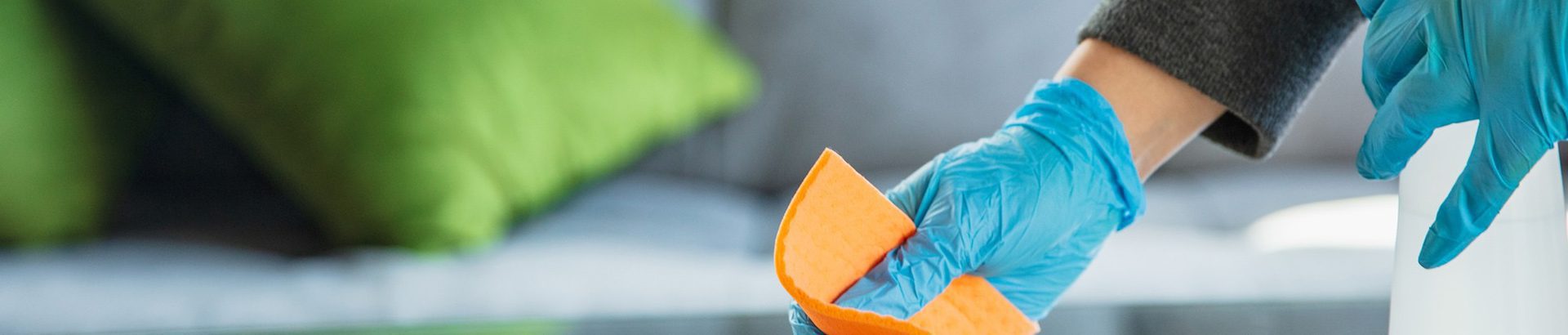
7 Simple Small Office Cleaning Tips for a Tidy Workspace
Want to keep your small office cleaning routine manageable while maintaining a professional workspace? Research shows employees in clean offices are 12-15% more productive and take up to 46% fewer sick days. In this guide, we share practical tips and daily habits that transform chaotic workspaces into organised, healthy environments.
Table of Contents
- Why Small Office Cleaning Matters for Your Business
- 5-Minute Daily Habits That Make a Difference
- Disinfecting High-Touch Surfaces Properly
- How to Clean Computer Keyboards Like a Pro
- Essential Weekly Cleaning Tasks
- 7 Common Office Cleaning Mistakes to Avoid
- DIY vs Professional Cleaning: Cost Comparison
- Recommended Products for Canadian Offices
- Frequently Asked Questions
Why Small Office Cleaning Matters for Your Business
Small offices face unique challenges. With fewer dedicated staff and tighter budgets than large corporations, small business owners must balance cleaning effectiveness with operational costs. Yet the stakes remain equally high.
Consider these statistics about small office cleaning:
- The average office desk harbours 400 times more bacteria than a toilet seat
- Break room sink faucets, microwave doors, and keyboards rank among the five most contaminated office surfaces
- Clean offices show 30-46% reduction in employee sick days
- Workers report feeling 94% more productive in clean workspaces
When employees work in contaminated environments, respiratory complaints increase 51%, headaches rise 38%, and allergy symptoms escalate 62%. These directly reduce focus and output while increasing absenteeism.
5-Minute Daily Habits That Make a Difference
The most effective small office cleaning strategy isn’t an occasional deep clean—it’s establishing daily habits that prevent buildup. When employees dedicate just 5-10 minutes at the end of their workday to tidying, professional cleaning sessions become faster and more effective.
The End-of-Day Desk Reset
This simple habit costs nothing but prevents exponential cleaning challenges. At the end of each day, employees should:
- Remove all personal items from desk surfaces
- File or properly store documents
- Clear trash into the receptacle (not left on the desk)
- Organise supplies into designated drawers or containers
- Wipe down desk surface with a disinfectant wipe
Pro tip: Set a 4:55 PM office-wide reminder. Canadian offices that instituted this simple habit reported weekly cleaning times dropped 20-30%.
Quick Morning Tidy (2 Minutes)
- Empty any water bottles or cups from the previous day
- Wipe keyboard and mouse with a microfibre cloth
- Straighten desk items and clear clutter
- Check trash bin and empty if needed
Disinfecting High-Touch Surfaces Properly
Health Canada and the CDC emphasise that disinfecting high-touch areas is the single highest-ROI cleaning activity for infection prevention. Unlike general surface wiping, proper disinfection requires specific steps.
The Three-Step Disinfection Process
- Pre-cleaning: Wipe the surface with a damp cloth and detergent to remove visible dirt and organic matter (disinfectants don’t work effectively on dirty surfaces)
- Application: Apply the disinfectant and allow the surface to remain wet for the contact time specified on the product label (typically 4-10 minutes)
- Final wipe: After the contact time expires, wipe the surface dry
Critical mistake to avoid: Wiping surfaces dry too quickly provides zero antimicrobial benefit. Disinfectants require wet contact time to kill pathogens.
High-Touch Areas Requiring Daily Disinfection
- Door handles and light switches
- Keyboard and mouse
- Telephone handsets and headsets
- Shared equipment (photocopier, printer buttons)
- Break room appliances (microwave, refrigerator handles, faucet handles)
- Desk phones and surfaces
- Bathroom fixtures
For small offices, this task takes 5-10 minutes daily with the right products and requires no special training.
How to Clean Computer Keyboards Like a Pro
Keyboards are among the dirtiest office items, harbouring bacteria at levels exceeding a toilet seat. Proper keyboard cleaning as part of your small office cleaning routine isn’t complicated but must be done correctly.
Daily Quick-Clean (30 Seconds)
- Power off the computer or disconnect wireless keyboard
- Use a slightly damp microfibre cloth (not wet) to wipe the tops of keys
- Ensure no liquid enters between keys
- Allow to dry before powering back on
Weekly Deep-Clean (5-10 Minutes)
- Power off and disconnect keyboard
- Turn upside down and gently shake to dislodge debris
- Use compressed air in short bursts (can held upright) to blow between keys—hold can 5-8 cm from keyboard
- Use compressed air in a zigzag pattern across the entire surface
- Dampen a microfibre cloth with 70% isopropyl alcohol (NOT 100%, which evaporates too quickly)
- Gently wipe key surfaces and spaces between keys
- Dry completely before reconnecting
Compressed Air Safety Tips
- Hold the can upright to avoid spraying liquid propellant
- Use short bursts rather than continuous spraying
- Never invert or shake the can
- Work in a well-ventilated area
Essential Weekly Cleaning Tasks
Weekly tasks go beyond daily maintenance to address areas that accumulate dirt and germs over several days. These tasks take 2-4 hours for a small office.
Floor and Surface Maintenance
Carpet areas: Vacuum all carpeted spaces thoroughly, including under and around furniture. The production rate for office vacuuming is approximately 20-30 minutes per 1,000 square feet for unobstructed areas.
Hard floors: Sweep to remove debris, then damp-mop with floor cleaner. Avoid using excessive water, which can damage some flooring types and create slip hazards.
Dusting Protocol
One of the most common small office cleaning mistakes is dry dusting, which simply redistributes dust into the air. Always use a damp microfibre cloth or electrostatic duster.
Weekly dusting targets:
- Blinds (use microfibre cloth along slats)
- Baseboards (wipe with damp cloth)
- Air vents and return air grilles
- Picture frames and wall decorations
- Computer monitors (power off first, use lint-free cloth)
- Filing cabinets and shelving
- Ceiling corners for cobwebs
Break Room Deep Clean
Kitchen and break room surfaces require weekly scrubbing with disinfectant because these areas are high-humidity breeding grounds for bacteria and mould.
- Disinfect countertops and dining tables
- Scrub sink with disinfectant cleaner
- Clean microwave interior with warm water and mild detergent
- Wipe down refrigerator exterior and handle
- Clean coffee maker water reservoir
- Empty and sanitise trash can
- Check refrigerator for expired items
7 Common Office Cleaning Mistakes to Avoid
1. Neglecting High-Touch Areas
Focusing on visible dirt while ignoring high-touch surfaces creates a false sense of cleanliness. Create a dedicated daily checklist and assign responsibility.
2. Using Wrong Products on Surfaces
- Water on electronics causes corrosion
- Harsh chemicals damage delicate surfaces
- High-concentration bleach fades coloured fabrics
- Same mop for restrooms and office areas causes cross-contamination
3. Dry Dusting
Dry dusting launches particles into the air, increasing airborne allergens and bacteria. Always dampen cloths before dusting.
4. Infrequent Trash Emptying
Overflowing trash creates odours, attracts pests, and communicates carelessness to clients. Empty bins daily, even if not full.
5. Cross-Contamination from Shared Equipment
Implement colour-coding: red cloths for bathrooms only, blue for office areas, green for kitchens. This single change reduces illness transmission by 20-30%.
6. Not Maintaining Vacuum Equipment
A full vacuum bag loses suction and spreads dust without removal. Empty bags weekly and replace equipment when worn.
7. Wiping Disinfectants Too Quickly
Disinfectants require 4-10 minutes of wet contact time to kill pathogens. A 30-second wipe provides zero antimicrobial benefit.
DIY vs Professional Cleaning: Cost Comparison
Understanding when to handle small office cleaning in-house versus hiring professionals helps you make cost-effective decisions.
When DIY Cleaning Works
- Daily tasks (trash removal, desk wiping, basic dusting): 5-10 minutes per employee
- Weekly tasks with existing supplies (vacuuming, mopping): 1-2 hours for a 1,000 sq ft office
When Professional Cleaning Makes Sense
- Employee productivity value exceeds service cost
- Specialised equipment is required (carpet extraction, HEPA vacuums)
- Compliance and liability matter (healthcare, childcare facilities)
- Deep cleaning backlog exists
Cost Comparison for 800 sq ft Office
| Service Type | In-House Cost | Professional Cost |
|---|---|---|
| Daily tidying (employee time) | $432/month | N/A |
| Weekly professional cleaning | $432+ (employee time) | $200-400/month |
| Monthly deep clean | $144 (employee time) | $150-250 |
| Quarterly carpet cleaning | $300+ (labour + rental) | $150-250/visit |
Real-world scenario: A marketing agency with 6 employees at $25/hour allocates 150 hours annually for in-house cleaning = $3,750. Professional weekly cleaning = $300/month = $3,600/year. Net savings: $150/year, plus employees gain 150 productive hours.
Recommended Products for Canadian Offices
All disinfectants sold in Canada must be registered with Health Canada and display a Drug Identification Number (DIN).
Professional-Grade Disinfectants
- Lysol Disinfectant Spray (350g) – Canadian Tire, Walmart Canada, Costco | $7.99-$8.99 CAD | Kills viruses in 15 seconds contact time
- Lysol Power & Fresh Multi-Surface Cleaner (4L) – Canadian Tire | $63.45 CAD | Economical concentrate formula
- Clorox Disinfecting Wipes (75-count) – Walmart Canada, Costco | $4.97-$5.52 CAD | Convenient, no mixing required
Eco-Friendly Alternatives
- Dustbane Products – Canadian-made, ECOLOGO-certified, specifically formulated for Canadian conditions
- Nature Clean All-Purpose Cleaner – Plant-based, biodegradable, made in Canada
- ECOS Pro – Plant-derived, UL ECOLOGO certified
Essential Cleaning Tools
- Microfibre cloths (10-pack) – Canadian Tire, Home Depot | $15-20 CAD | Remove 90-98.9% of bacteria with water alone
- Compressed air cans (4-pack) – Staples, Canadian Tire | $8-15 CAD | For keyboard cleaning
- Colour-coded cloth sets – Amazon.ca | $12-20 CAD | Prevents cross-contamination
Frequently Asked Questions
How often should I professionally clean my small office?
For offices with 1-3 employees, weekly professional cleaning is sufficient. Offices with 4-10 employees benefit from 2x weekly service. During cold and flu season (December-February), consider temporary increases. Client-facing areas may need more frequent attention.
What products do professional cleaners use?
Most professionals use commercially available products—the difference is concentration and technique. They use concentrated disinfectants diluted to optimal ratios, HEPA-filtered vacuums, and equipment like electrostatic sprayers. The “secret” is proper training on contact times, dilution, and cross-contamination prevention.
How long does small office cleaning typically take?
For offices up to 1,000 sq ft: daily tidying by staff takes 30-45 minutes, weekly professional cleaning takes 1.5-2 hours, monthly deep cleaning takes 3-4 hours, and quarterly carpet cleaning takes 1-2 hours. Neglected offices require 50-100% more time.
What’s the best way to maintain carpet between professional cleanings?
Vacuum high-traffic areas 3x weekly and low-traffic areas weekly. Address spills immediately by blotting (not scrubbing) with a white cloth. Use entrance mats, which prevent 70-80% of tracked-in dirt. Schedule professional cleaning every 6-12 months.
Are expensive cleaning products better than budget options?
Price doesn’t determine effectiveness—certification does. All Health Canada-approved disinfectants with a DIN number must meet the same efficacy standards. Where spending more makes sense: concentrate cleaners, HEPA vacuums, and microfibre cloths. Budget options work fine for disinfectant wipes and general-purpose cleaners.
Can I use vinegar and baking soda for office cleaning?
Vinegar effectively cuts grease and dissolves mineral deposits but does NOT disinfect. Baking soda is a mild abrasive and deodoriser but doesn’t kill germs. When mixed together, their opposite pH levels neutralise each other. Use these for specific tasks (descaling, deodorising) but never for disinfection during flu season.
How do I prevent cross-contamination when cleaning?
Implement a colour-coding system: red cloths for bathrooms, blue for office areas, green for kitchens. Never use the same mop in bathrooms and offices. Wash cleaning supplies separately. This single change reduces illness transmission by 20-30%.
What’s the ROI of professional office cleaning?
For a 6-person team with $50/hour productivity value: 12% productivity improvement equals $5,400 annual value gained. Professional cleaning investment of $3,600-4,800/year delivers net ROI of $600-1,800 annually, plus reduced illness and improved morale.
Conclusion
Effective small office cleaning balances employee health, cost efficiency, business image, and workplace productivity. By establishing simple daily habits and understanding when professional help adds value, you can maintain a workspace where teams thrive.
Start with 5-minute end-of-day desk resets and proper high-touch surface disinfection. Add weekly professional cleaning for thorough maintenance. The research is clear: clean offices mean healthier, happier, and more productive employees.
Need professional help with your small office? GoodCleaner’s commercial cleaning services provide reliable, affordable cleaning for Canadian small businesses. Contact us today for a free quote!

