
10 Warning Signs Your Office Needs Professional Cleaning Services
Most offices do not announce that they need professional cleaning; they show it in small signs that are easy to overlook. Dust collecting on shared desks, a washroom that never quite feels fresh or floors that look tired despite the effort are all quiet signals that the current routine is not enough. This guide walks through the ten warning signs worth watching and what each one means for your office.
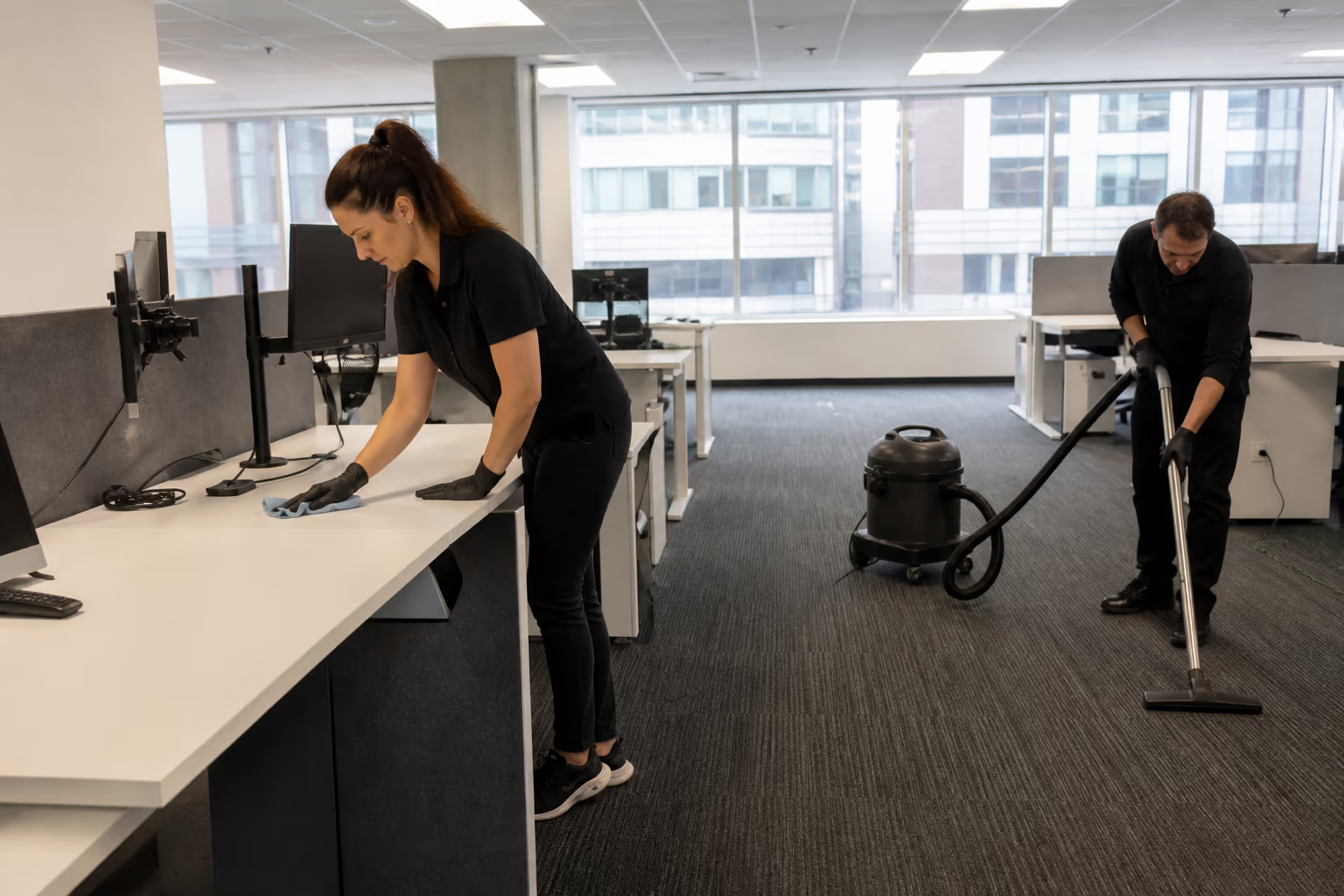
Quick Summary
Offices rarely announce they need professional cleaning all at once; the need shows up in small, easy-to-overlook signs like collecting dust, washrooms that never feel fresh and tired-looking floors. Ten warning signs help owners catch the drift early, before neglect compounds into bigger costs and a worn impression.
In this guide
Why the Warning Signs Matter
Cleaning needs rarely arrive as a single dramatic moment. They build up slowly, one overlooked surface at a time, until the office crosses a line where the regular routine cannot keep up. Catching the signs early matters, because the cost of neglect compounds: a grubby washroom becomes a complaint, a dusty workstation becomes an allergy trigger, and a tired-looking floor becomes an expensive replacement.
The signs also matter because they are visible to the people who judge your office. Clients, candidates and staff all read the condition of a space as a signal about how the business is run. An office that looks neglected quietly says things about the company that no amount of good work can fully undo.
None of this requires panic. The signs are a reminder to look honestly at the office and to bring in help while the work is still straightforward. Acting on the signs early is cheaper, easier and far less disruptive than waiting until the space has visibly gone downhill.
The signs are also worth taking seriously because they tend to multiply. One overlooked surface makes the office feel less cared for, which makes the next one easier to overlook, until the space has a worn, tired feeling that no single clean can fully reset. Noticing the pattern early stops that drift before it takes hold. The same pattern shows up in living spaces, and homeowners who want a similar level of attention can turn to our Ottawa home cleaning services for a comparable honest routine.
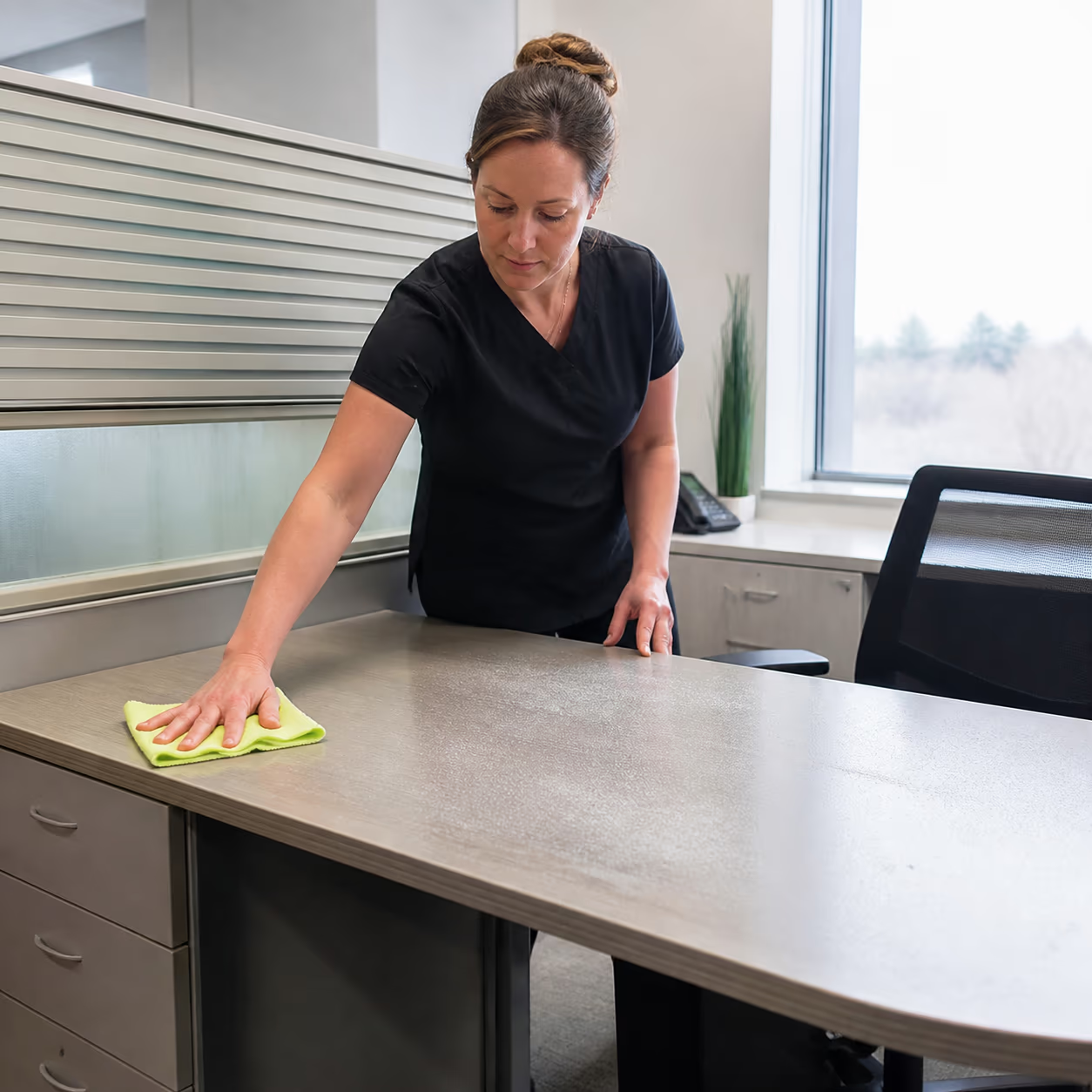
The 10 Warning Signs at a Glance
If several of these sound familiar, the current cleaning arrangement is probably not matching the needs of the space. That is the moment to look at a professional routine rather than to push the existing one harder.
- 1.Dust settling on desks, shelves and partitions within a day or two of cleaning.
- 2.High-touch points, such as door handles and light switches, that feel sticky or grimy.
- 3.Washrooms that never quite feel fresh, no matter how often they are wiped down.
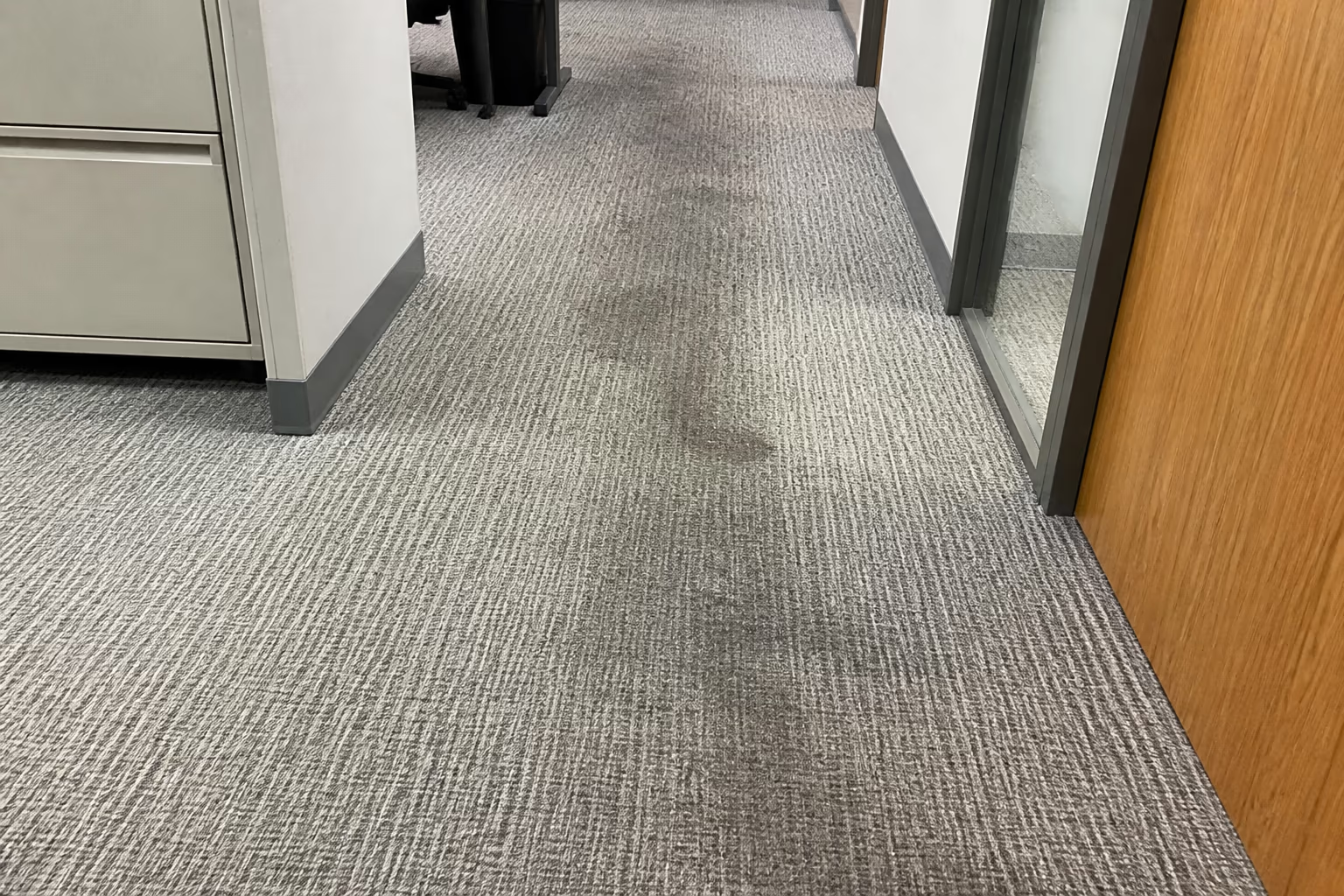
- 4.Carpet and floors that look dull, worn or visibly soiled in the traffic paths.
- 5.A lingering smell that air freshener only covers for a short time.
- 6.Bins and recycling that overflow regularly between cleaning visits.
- 7.Window sills, vents and blinds that collect visible dust and grime.
- 8.Meeting rooms and break rooms that feel neglected and unwelcoming.
- 9.Staff complaining, or quietly moving their own cleaning supplies into the office.
- 10.Allergies, sneezing and dust-related discomfort rising among the team.
What Each Sign Is Really Telling You
A single sign can be a fluke, but the signs usually cluster, and together they point to the same conclusion: the cleaning routine is not keeping up.
Dust that settles fast is often a sign that surfaces are being wiped but not properly dusted, or that the air handling and vents are moving dust around the room. Sticky high-touch points usually mean the deep, small surfaces are being missed, which is exactly where germs build up and where a professional disinfecting step matters. A washroom that never feels fresh, despite regular attention, is often a sign that it needs a deeper clean and a restock routine rather than more of the same.
Dull carpets and floors in the traffic paths are about wear as much as dirt. Grit ground into the fibre acts like sandpaper, and by the time the path looks worn, the damage is already underway. A lingering smell that air freshener cannot hold is almost always a sign of build-up in a place that is hard to reach, such as a drain, a bin or under a desk.
The point of reading the signs is not to become a cleaning inspector. It is to notice the pattern early enough that the response can be a sensible professional routine rather than an urgent rescue.
How to Spot the Signs in Your Own Office
Spotting the signs does not take a special skill, only a regular, honest walk through the space. The best time to look is when the office is quiet, because the build-up is easier to see without the day's activity hiding it.
- 01Run a hand along the top of a partition, a door frame or a window sill and check what comes away.
- 02Look at the traffic paths on the carpet and ask whether the wear is dirt or just age.
- 03Smell the space after it has been closed up, because smells are strongest then.
- 04Check the high-touch points at the end of the day, when grime has had time to collect.
- 05Ask the people who work there, because they notice things a walk-through will not.
- 06Keep a simple list of what you find, so the pattern is visible over a few weeks.
The point is not to turn managers into inspectors. It is to catch the pattern early, when the fix is a sensible routine rather than a rescue.
Why These Signs Matter for Health and Comfort
Several of the warning signs point to health rather than just appearances. Dust is more than an aesthetic problem; it carries particles that bother people with allergies, asthma and sensitive airways, and a dusty office is an uncomfortable office for exactly the people who spend all day in it.
Comfort is the visible half; compliance is the other. Ontario's employer duty under subsection 25(1) of the Occupational Health and Safety Act requires prescribed measures and procedures to be carried out in the workplace, so several of these signs are also signals about a duty going unmet. The province lists the duty in one line: “Take every precaution reasonable in the circumstances for the protection of a worker”.
High-touch points carry the other side of the story. An office is a shared environment where people touch the same doors, taps, keyboards and counters, and those surfaces collect the everyday germs that move through a team. A routine that consistently cleans and disinfects those points is one of the practical ways to reduce the spread of colds and flus, especially in the colder months when offices are closed up.
Where disinfection is part of the routine, the products should carry a Health Canada DIN and be applied according to the label, with the dwell time they need to work. Trained staff who do this properly are the difference between a surface that looks clean and one that is actually treated.
The comfort side matters too. People notice whether their workspace feels looked after, and that feeling shows up in how settled the team is. An office that stays fresh is an office people are comfortable staying in.
The comfort side also has a practical edge. When people are comfortable in the space, they are less likely to be distracted by it, and a workplace that feels looked after is a workplace where people settle in and work. That is a small thing, but it compounds over a year of working days.
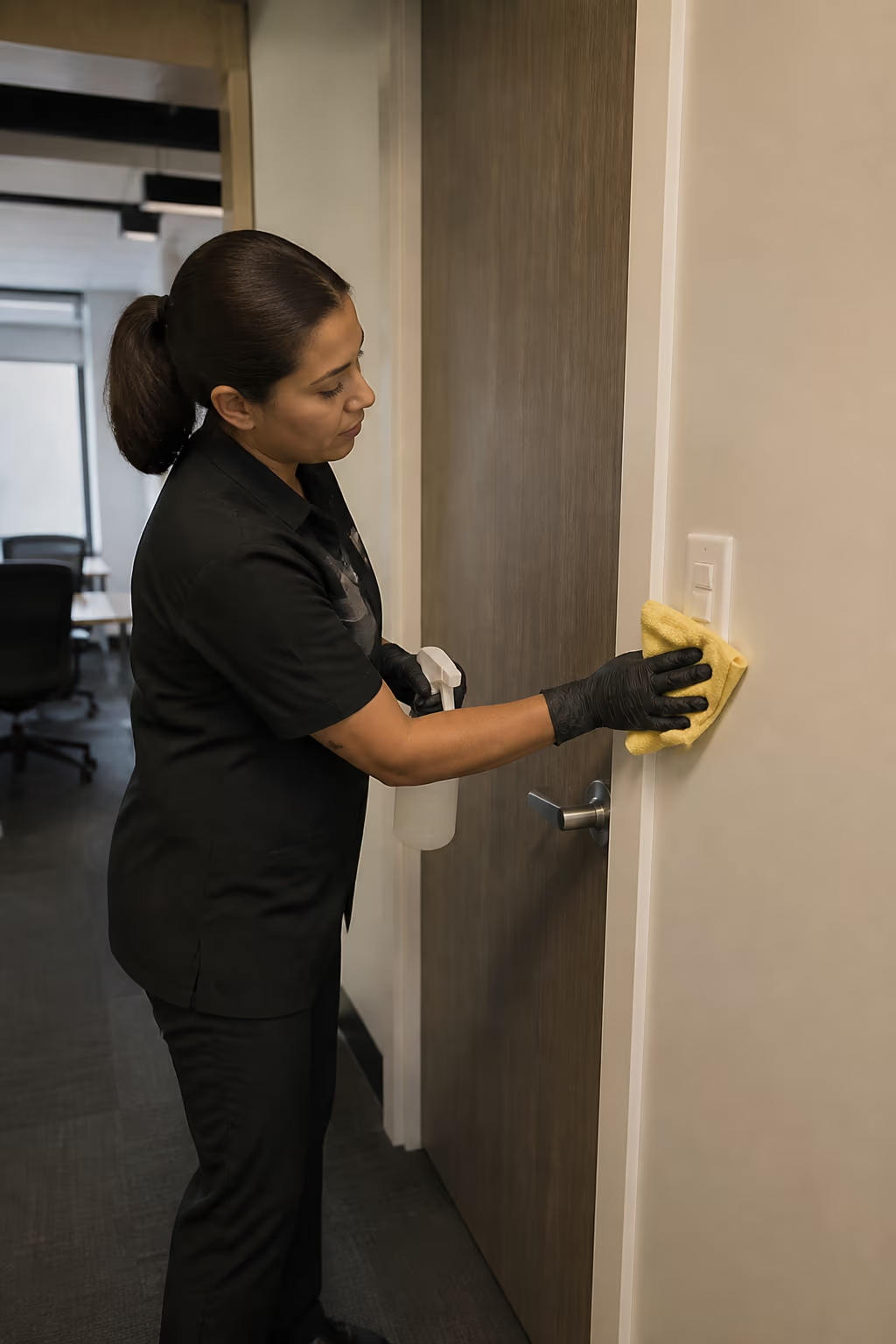
What a Professional Response Looks Like
When the signs point to a need for professional cleaning, the response is a consistent routine rather than a one-off rescue. A professional team starts by assessing the space, then builds a schedule that keeps it clean, healthy and ready for the work.
- 01Wipe and disinfect high-touch points so the surfaces people touch all day are actually treated.
- 02Vacuum and detail carpets and hard floors, including the entryways that take the brunt of weather.
- 03Clean and restock washrooms and break rooms on a dependable schedule.
- 04Dust properly, including the vents, sills and blinds that collect build-up.
- 05Empty bins and keep waste and recycling from building up.
- 06Run periodic deep tasks such as floor care, wall washing and carpet cleaning.
The right routine removes the warning signs instead of just covering them. A team that addresses the source, rather than masking the symptom, is the difference between a fresh office and one that only looks fresh for a day.
A good provider will also tell you honestly when a sign is not a cleaning problem at all. Some smells come from HVAC issues, some stains are permanent, and some wear is simply age. The value of an honest assessment is knowing which signs cleaning can fix and which need another kind of help.
The Cost of Waiting
Waiting on the warning signs is rarely free, because the small problems they point to grow into larger ones. The cost shows up in three places.
The first is the building. Grit ground into carpet and hard flooring wears the finish, and surfaces cleaned too seldom need replacement sooner. The cost of restoring a tired floor or replacing worn carpet is almost always higher than the cost of the cleaning that would have protected it. Our office carpet cleaning DIY vs professional comparison walks through when a quick vacuum is enough and when the deeper extraction is worth calling in a team.
The second is the team. A dusty, grubby office is uncomfortable to work in, and it quietly costs energy, focus and goodwill. People notice when the shared spaces are not looked after, and that feeling shows up in how the workplace runs.
The third is the impression the office makes. Clients, candidates and visitors read a neglected space as a signal about the business, and that first impression is hard to walk back once it is formed.
None of this means the signs should cause alarm. It means they are worth acting on while the response is still simple, and that a consistent professional routine is usually the cheapest way to keep them away.
How Good Cleaner Co. Responds
Good Cleaner Co. responds to the warning signs by finding the source of the problem and matching a routine to it. The team starts with how the space is used, then builds a plan that keeps it clean, healthy and ready for the work. Trained, background-checked staff follow a documented process, and products are chosen for the surfaces and the occupants. That same process shapes our law office cleaning for professional environments, where confidentiality and appearance both matter.
The Canadian context shapes the details. Products are handled and stored according to WHMIS 2015, so staff know the safe handling steps for everything they use. Where disinfection is part of the job, products carry a Health Canada DIN and are applied according to the label. Wherever possible, certified low-fume and EcoLogo-cleaning products are preferred so the space stays comfortable for the people in it.
Ottawa winters bring their own version of the warning signs. Salt, slush and moisture are tracked through every entrance, and entryways, floors and mats take a beating that a light routine cannot manage. A professional team that understands the season keeps the office fresh through the months when it is hardest to do so.
The response is also accountable. Reports, clear scopes and a point of contact mean the standard holds, and issues are flagged early rather than discovered later. That is how a professional routine keeps the warning signs from coming back.
Common Mistakes and How to Avoid Them
A few common mistakes keep the warning signs coming back even after the office has been cleaned.
- 01Responding to the signs with one big clean, then letting the standard drift back.
- 02Masking smells with air freshener instead of finding and treating the source.
- 03Cleaning what is visible and skipping the high-touch and hard-to-reach surfaces.
- 04Leaving the deeper tasks, such as floor care and wall washing, out of the routine.
- 05Waiting until clients or staff complain before taking the signs seriously.
- 06Choosing the cheapest quote without checking what the routine actually covers.
The most useful habit is consistency. A regular routine with a clear scope and a team that communicates keeps the warning signs from building back up, which is the whole point of responding to them in the first place.
Formatted Step-by-Step Office Cleaning Checklist
Use this checklist to act on the warning signs before they become a bigger problem.
- Step 1.Walk through the office with the ten signs in mind and note which ones are showing up.
- Step 2.Get an honest assessment from a professional team about what the space actually needs.
- Step 3.Build a routine that covers high-touch points, floors, washrooms and the deeper tasks.
- Step 4.Protect health with certified products and proper disinfection where it matters.
- Step 5.Keep the standard accountable with a clear scope, reports and a point of contact.
- Step 6.When you are ready to act on the signs, our professional office cleaning teams in Ottawa are built around your schedule and standards.

FAQ
How quickly should I act on the warning signs?
The sooner the better, but there is no need for panic. Catching the signs early keeps the response simple and affordable, while waiting allows the build-up to get deeper and the fixes to get more involved. A quick assessment can tell you what is urgent and what can wait.
Are these signs mainly about appearance?
No. Several of them point to health and to wear on the building itself. Dust affects people with allergies, dirty high-touch points carry germs, and ground-in grit wears out carpets and floors. Acting on the signs protects the people and the property, not just the look.
Can a regular cleaning routine remove all the signs?
A well-designed routine removes them by addressing the source. The key is that the routine covers the high-touch points, the floors, the shared spaces and the deeper tasks, and that it runs consistently rather than only when things look bad.
What should I do about smells that air freshener cannot fix?
Stop masking and find the source. Lingering smells usually come from build-up in a hard-to-reach place, such as a drain, a bin or under a desk. A professional team can locate and treat the source, which is the only fix that lasts.
How do I choose a professional cleaning team for my office?
Look for a team that trains and vets its staff, documents its process, names its products and communicates clearly. If you are comparing companies, our guide to vetting commercial cleaners is a useful starting point for the questions that matter.
How often should the deeper tasks be done?
It depends on the space and the traffic, and it is part of the assessment. Floor care, wall washing and carpet cleaning typically run on their own schedule within the routine, so the deeper build-up is addressed without waiting until it becomes a warning sign.
Will professional cleaning disrupt my team?
Good providers plan around your hours, which usually means working outside core time so the space is ready when people arrive. When daytime visits are unavoidable, a provider that works quietly and flexibly keeps disruption to a minimum.
How can I tell if the warning signs are actually gone?
The signs disappearing is the honest test. Dust stops settling as fast, high-touch points stay clean, the washroom stays fresh and the smell stays gone. A team that reviews the routine and keeps the standard accountable will tell you plainly what is working.
What is the single most important sign to watch for?
The high-touch points are a good place to start, because they combine health and appearance. If door handles, light switches and taps feel sticky or grimy at the end of the day, the routine is missing the surfaces that matter most, and everything else is likely being skipped too.
Should I wait for a scheduled review before acting?
No. If the signs are visible now, the review can happen now. Most providers are happy to do a quick assessment and tell you what is urgent, so you are not guessing or waiting for a calendar date that keeps slipping.
Wrapping Up
The ten warning signs are your office's way of telling you that the cleaning routine is not keeping up. Acting on them early, with an honest assessment and a consistent professional routine, keeps the space clean, healthy and ready for the work. The signs are not a reason to panic; they are a reason to look honestly and to bring in help while the work is still straightforward. If you are seeing several of the signs in your office, contact Good Cleaner Co. for a free quote and a cleaning plan tailored to your commercial space.
Keep reading
More from Good Cleaner
Services that fit
- Office Cleaning Services in OttawaOffice cleaning services in Ottawa for corporate offices, clinics and professional suites. After-hours scheduling, eco-friendly products, free quote.
- Janitorial Services in OttawaRecurring janitorial services in Ottawa for offices, warehouses, retail, dealerships and schools. Eco-friendly commercial cleaning, customized plans.
About the author
Service areas
- Ottawa
- Kanata
- Nepean
- Orléans
- Barrhaven