
10 Essential Office Kitchen Cleaning Tips For A Spotless Break Room
For most offices, what are the most important essential office kitchen cleaning tips for a spotless break room? comes down to a small set of routines done consistently. The kitchen gets more hands and more spills than any other shared space, so the standard depends on daily habits, weekly resets and an occasional deep clean. This guide covers each layer, the products that make it easier, and how a professional team helps you hold the standard.
Quick Summary
An office kitchen sees more hands and more spills than any other shared space, so keeping it spotless comes down to a small set of daily, weekly and seasonal routines done consistently. This guide covers each layer of upkeep, food safety and hygiene standards in Canada, and the products that make the routine easier.
In this guide
Why the Office Kitchen Needs Its Own Routine
The office kitchen is different from every other room in the building. It is used by everyone, cleaned by no one in particular, and judged by every visitor who walks past the door. A break room that looks tired also signals how the business treats its people, which is why a spotless kitchen matters for morale as much as for appearances.
Food changes the cleaning equation. Surfaces that touch food, or hands that prepare it, need a standard well above the rest of the office, and spills that are left to dry become stains that are far harder to remove later. A routine keeps those problems small, because the fastest way to clean a stain is to never let it set in the first place.
- The kitchen is shared, so it builds up grime faster than private offices.
- Food residue attracts odours, pests and bacteria when it is left on surfaces.
- A spotless break room shows staff and visitors that the business cares.
- Consistent routines stop small spills from becoming permanent stains.
When the kitchen is left to a vague expectation that someone will handle it, the result is predictable: the counter collects rings, the fridge collects surprises and the sink collects a film that nobody wants to touch. The office kitchen is the one room where a schedule is not optional, because the cost of falling behind shows up quickly in the way the space smells and looks.
Daily Tasks That Keep the Kitchen Presentable
The daily layer is small, quick and the most important one to protect. If these tasks happen every day, the kitchen never gets a chance to fall behind, and the weekly and monthly work stays manageable.
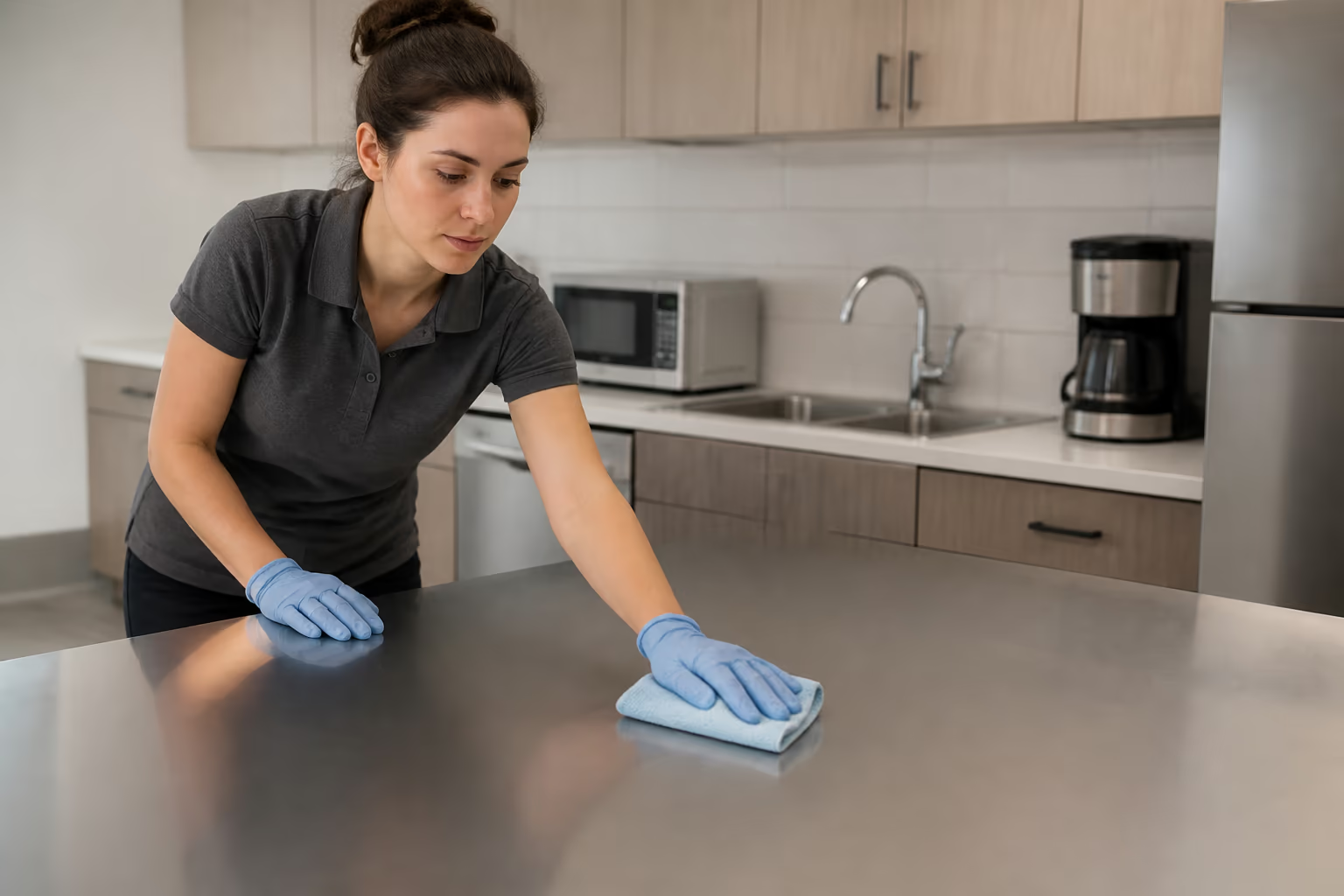
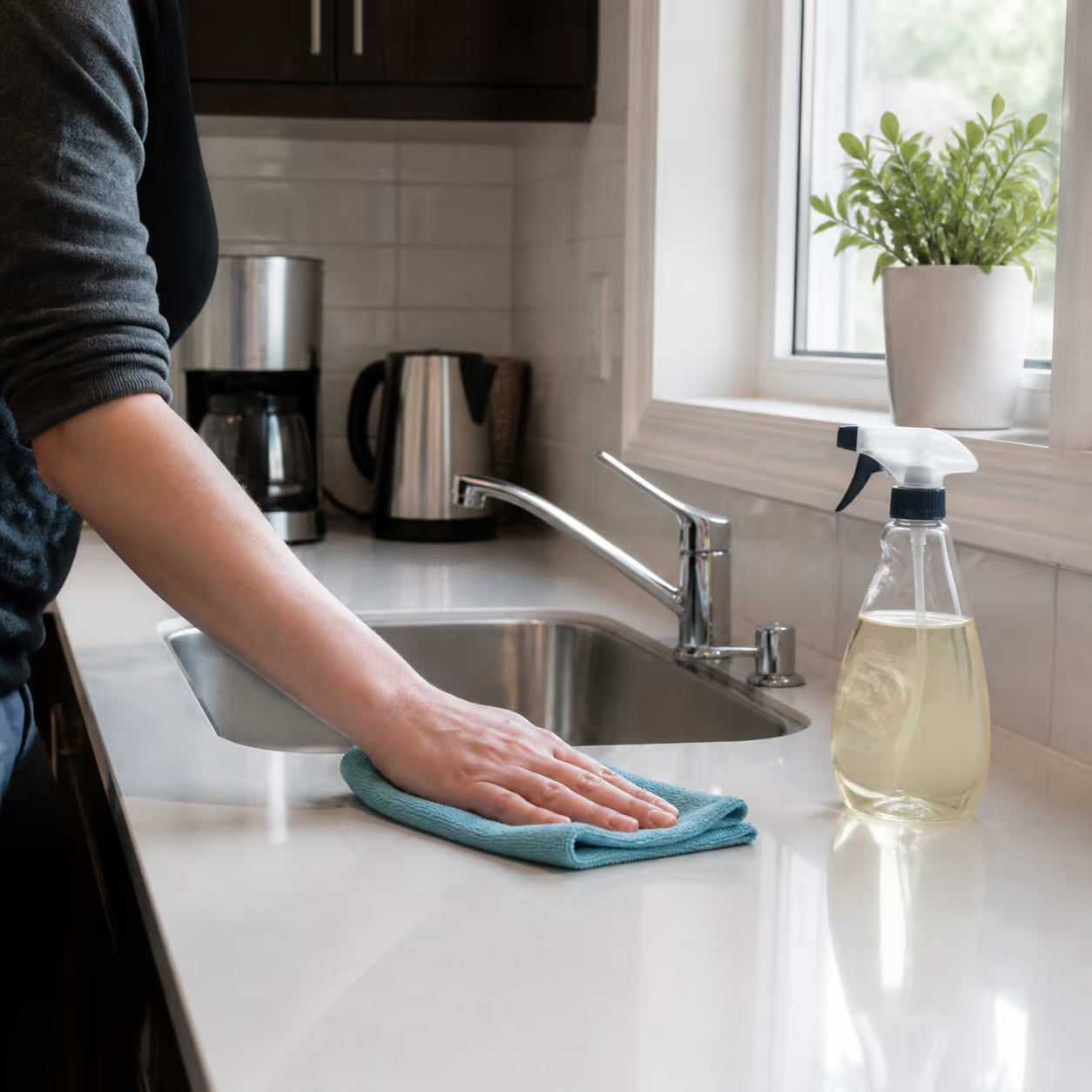
- Wipe countertops and the sink basin with a food-safe cleaner after use.
- Empty and replace the bins before they overflow or start to smell.
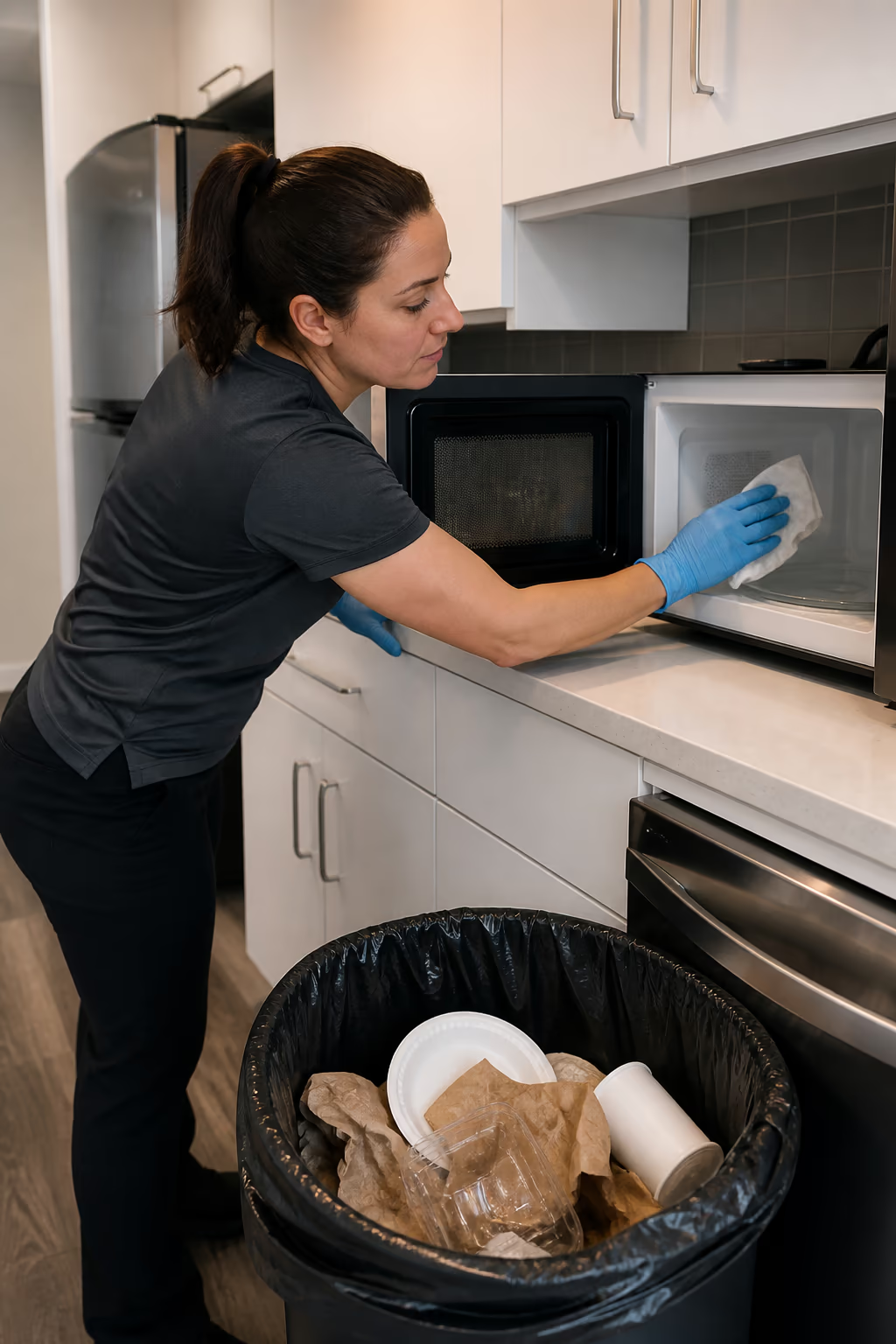
- Clean the microwave interior and handle right after lunchtime use.
- Wipe the coffee machine, kettle and the splash zones around them.
- Tidy the fridge door handles, cabinet fronts and light switches.
- Sweep or vacuum crumbs from the floor at the end of each day.
The key is consistency rather than intensity. A two-minute wipe done every day beats a thorough scrub that happens once a month, because the daily pass stops build-up before it starts. Offices that rotate the job among staff usually see it slip, which is one reason many teams hand the kitchen to a professional schedule rather than trusting a rotating duty list. For offices comparing the cost of an internal routine against outside help, affordable cleaning services Ottawa keep a daily kitchen schedule realistic without adding staff.
A good daily pass takes less than ten minutes when it becomes habit. The trick is to attach it to a natural moment, such as after the last break of the day, so it happens without being remembered. Once the daily layer is automatic, the rest of the schedule has far less work to do.
Weekly Tasks That Keep the Kitchen Clean
Once a week, the kitchen needs a deeper pass that the daily routine cannot cover. Weekly tasks handle the surfaces that get touched all day and the spots where grime settles quietly.
- Empty the fridge of expired or unlabelled food and wipe the shelves.
- Descale and clean the coffee machine or kettle following the maker's instructions.
- Wipe down the interior and exterior of the microwave.
- Clean the exterior of cabinets, drawers and the kitchen sink.
- Wash the dish rack, sponge tray and any reusable liners.
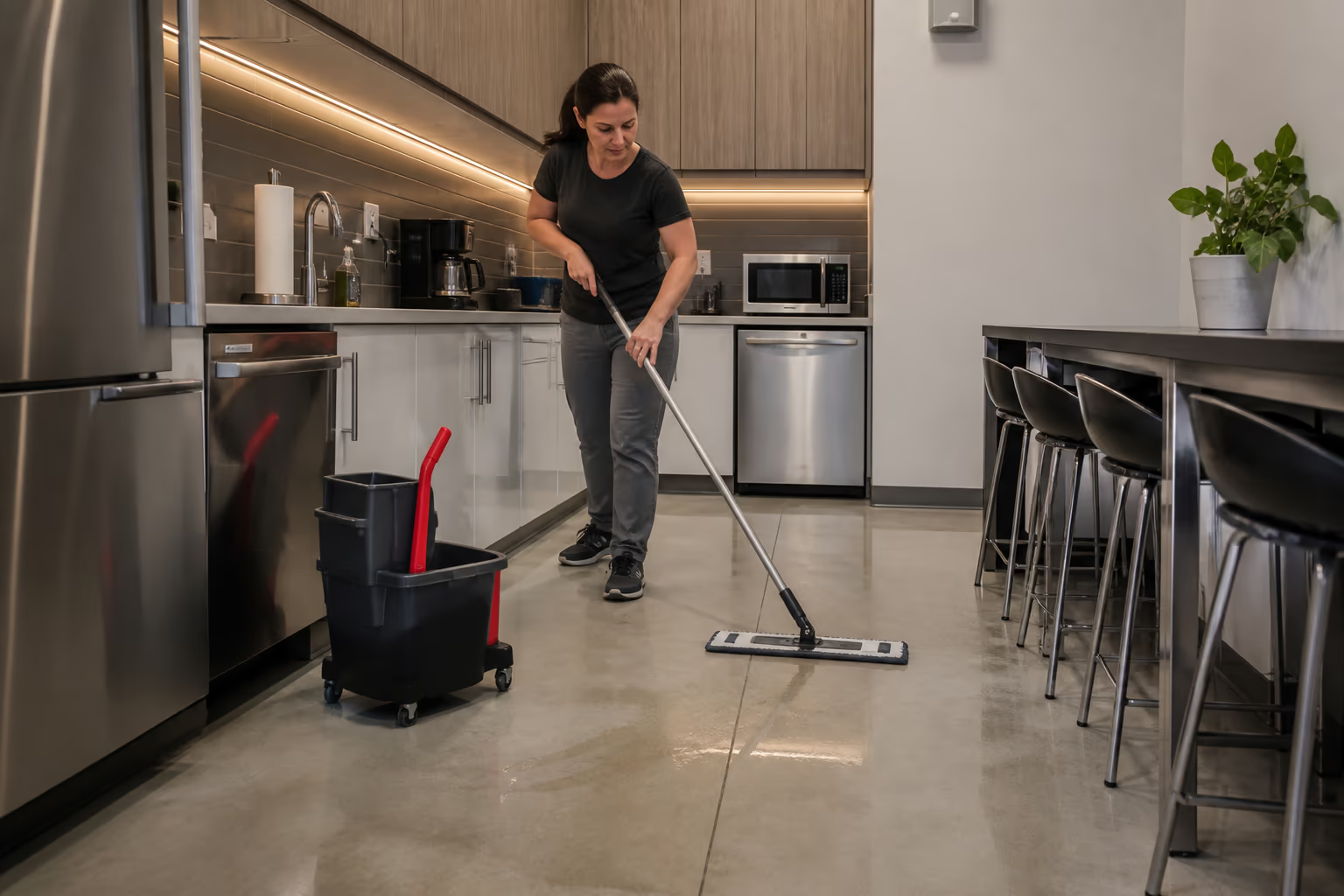
- Mop the floor with a suitable hard-surface cleaner.
When staff clear the fridge on a set day, they know the expectation and the job stays fair. A weekly rhythm also catches problems early: a damp sponge, a sticky drawer or a slow drip in the sink are all easier to fix the week they appear than the month they are discovered.
The weekly pass is also the right time to look at the small things that daily cleaning does not reach. Check the soap and paper towel supplies, look for spills behind the coffee machine and give the microwave a proper wipe inside. These details are what separate a kitchen that is maintained from one that is merely tidied.
Monthly and Seasonal Deep Tasks
Once a month, the office kitchen needs the deep work that resets it completely. This is where the space goes from presentable to genuinely clean, and it is the layer most offices skip.
- Deep clean the inside of the oven, microwave and any shared appliances.
- Clean the refrigerator interior, door seals and the freezer compartment.
- Wipe and disinfect light switches, door plates and high-touch points.
- Descale taps and clean under the sink and around the fixtures.
- Wash cabinet interiors, drawers and wipe down the shelves.
- Inspect for odours and treat the source rather than masking it.
In Ottawa, the calendar adds one more layer. Through winter, wet boots and coats mean more moisture and salt tracked through the whole office, and the kitchen floor and entry mat take the brunt. Scheduling a deeper clean after the heavy salt season resets the space and protects the floor for the rest of the year.
The monthly deep clean is also when you check the things you rarely see. Pull out the fridge far enough to clean behind it, wipe the inside of the cupboards and look at the grout around the sink. None of these areas gets daily attention, but together they hold a surprising amount of the grime that makes a kitchen feel tired. Kitchen windows and glass partitions collect grease film just as fast, and our office window cleaning guide covers the technique for streak-free results elsewhere in the office.
Food Safety and Hygienic Cleaning in Canada
Because the kitchen touches food, hygiene standards matter more here than anywhere else in the office. The goal is a space that is not just clean to look at but safe to prepare food in.
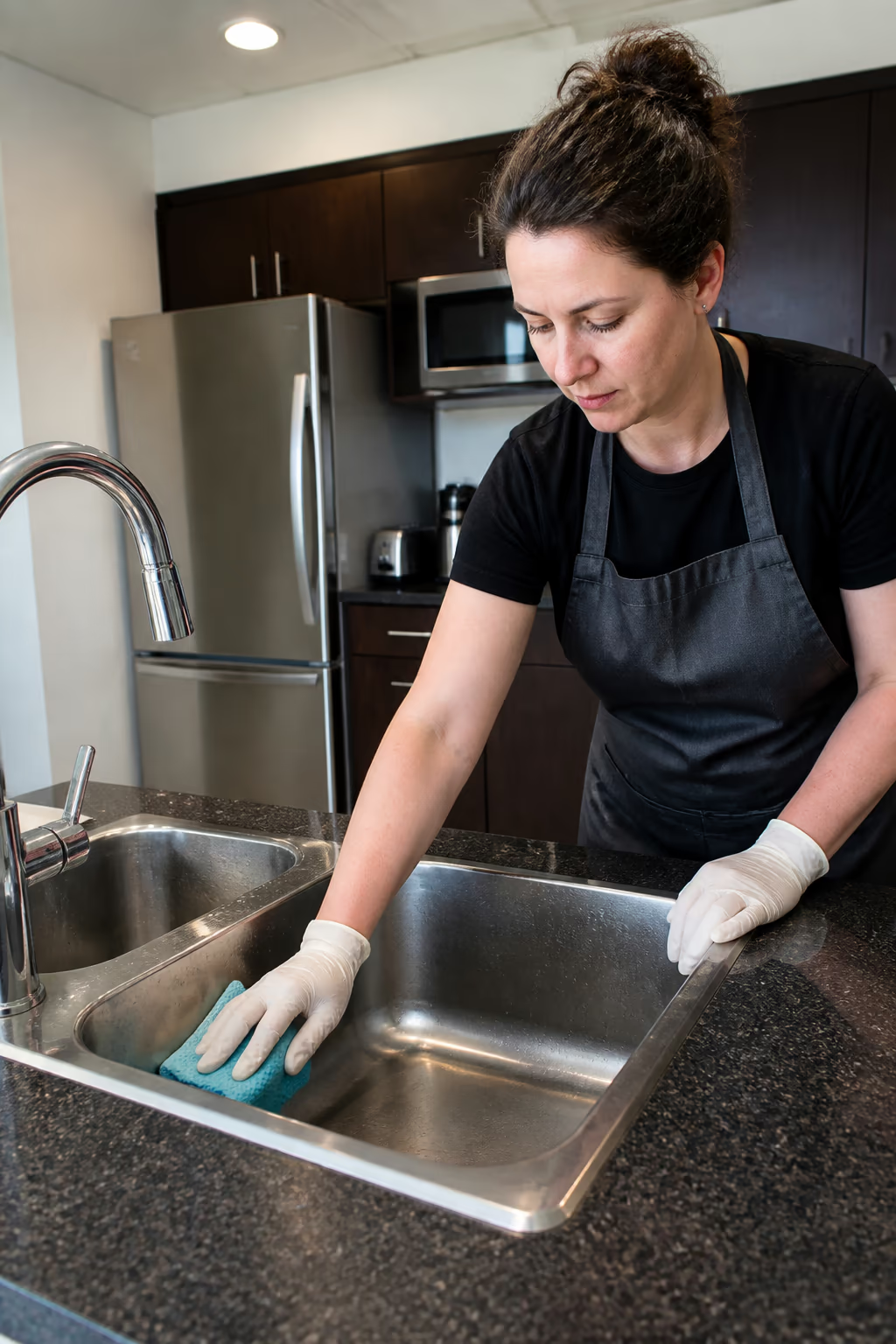
- Wash hands and use separate cloths for food-contact surfaces.
- Use food-safe cleaners on countertops, sinks and appliances.
- Let disinfectant dwell for the time stated on the label before wiping.
- Keep sponges and cloths clean and replace them before they smell.
- Store food correctly so spills do not attract pests or odours.
In Canada, products that carry a disinfection claim must hold a valid Health Canada DIN, and the label should be followed exactly, including the dwell time. Staff trained in safe handling, including the basics of WHMIS 2015 for any workplace chemicals, are part of running a proper commercial cleaning service. That care is what separates a professional kitchen clean from a quick wipe-down.
The practical side of food safety is mostly about habits. Use one cloth for counters and a different one for sinks, change sponges before they start to smell and never let a spill sit overnight. These small rules do more for a spotless kitchen than any single strong cleaner, because they stop the conditions that cause odours and build-up.
Choosing Products That Are Safe and Effective
The right product for each surface matters as much as the schedule. A single all-purpose spray used on every surface will not clean a stainless steel sink as well as a dedicated product, and it can damage some finishes over time.
An office kitchen is still a workplace for whoever cleans it. Ontario's WHMIS legislation requires hazardous-product information to reach workers through labels, safety data sheets and a worker education program, whatever the room is used for. The province states the scope: “Ontario’s WHMIS legislation applies to all workplaces except farms.”
- Match the product to the surface:stainless, glass, tile and laminate each have their own needs.
- Look for certified products, including EcoLogo options, where a lower-impact choice works.
- Check that disinfectants carry a Health Canada DIN and follow the label.
- Store chemicals safely and keep them out of reach of food.
- Use separate cloths for different jobs to avoid spreading grime.
A good cleaning company chooses products for the surface and the people using the room, not a single product for everything. Where a certified product like an EcoLogo option does the job, it earns its place on the shelf, and staff know how to use it safely.
When you compare providers, ask what they actually use on a kitchen and how staff are trained, rather than assuming one cleaner is the same as the next. The product list and the training behind it tell you more about the standard you will get than any promise in a quote. For a broader look at what drives the price of a cleaning contract, our office cleaning cost Canada guide walks through the main factors.
How Good Cleaner Co. Approaches Office Kitchens
Good Cleaner Co. treats the office kitchen as a food-touching space, not just another room. The team builds a schedule around daily wipe-downs, weekly resets and monthly deep cleans, uses certified products chosen for each surface, and trains staff in safe handling under WHMIS 2015. Where a product carries a Health Canada DIN, the label and the dwell time are followed as written.
The value shows in the details: clean fixtures, fresh bins, no lingering smells and surfaces that are ready to use the moment the team leaves. A kitchen that is part of a real schedule stays spotless between visits, which is the difference between a break room people avoid and one they actually enjoy.
For offices that want this standard without the guesswork, our commercial office cleaning services in Ottawa are built around your schedule and standards. If you are comparing providers, our commercial cleaning company evaluation guide is a useful starting point for the questions that matter.
Common Office Kitchen Cleaning Mistakes
A few habits quietly drag a kitchen down, and most of them come from treating the room like the rest of the office.
- Using one product for everything, which damages finishes and cleans poorly.
- Leaving spills to dry, which turns easy messes into stubborn stains.
- Forgetting high-touch points such as handles, switches and taps.
- Letting bins and sponges go too long between changes.
- Skipping the deep layer, so grime builds where daily cleaning cannot reach.
- Cleaning without a schedule, so the standard depends on who is around.
The simplest fix is to make the routine non-negotiable: the same tasks on the same days, written down and followed. A provider that inspects its own work and uses a documented process is more likely to keep the standard than one that cleans from memory.
It also helps to think about the kitchen as a set of zones, each with its own rhythm. The counter and sink need daily attention, the fridge and coffee area need a weekly reset, and the oven and cupboards need a monthly deep clean. Zone thinking keeps the schedule easy to remember and prevents the blind spots that turn a kitchen tired.
One more habit pays off in any office kitchen: deal with a problem the day it appears. A spill wiped up immediately, a full bin taken out and a damp sponge swapped save far more effort than the same issues left to harden, and they keep the room looking fresh between scheduled cleans.
Formatted Step-by-Step Office Kitchen Cleaning Checklist
Use this checklist to keep your office kitchen spotless without overthinking it.
- Step 1.Do a quick daily pass each day:wipe counters and the sink, empty the bins and tidy the microwave and coffee area.
- Step 2.Run a weekly reset on a set day to clear the fridge, descale the coffee machine and mop the floor.
- Step 3.Schedule a monthly deep clean of appliances, fixtures and high-touch points.
- Step 4.Choose food-safe, certified products and follow the label, including any Health Canada DIN and its dwell time.
- Step 5.Keep a written schedule so the routine survives holidays, turnover and busy weeks.
- Step 6.When you want a trained team to hold this standard, our professional office cleaning teams in Ottawa are built around your schedule and standards.
FAQ
How often should an office kitchen be cleaned?
Daily wipe-downs and bin emptying keep the kitchen presentable, with a weekly reset for the fridge, the coffee machine and the floor. Most offices also benefit from a monthly deep clean of the appliances and fixtures, and a deeper clean after the winter season in Ottawa.
Is it safe for staff to eat in the kitchen after it is cleaned?
Yes, when food-safe products are used and the label is followed. Professional teams wipe down treated surfaces and use certified products, so the kitchen is ready for use as soon as the cleaning is finished and the surfaces are dry.
What is the best way to remove coffee and tea stains from the counter?
Clean the stain soon after it happens with a food-safe cleaner, then rinse and dry the surface. For dried rings, let a suitable cleaner sit for a moment before wiping rather than scrubbing hard, which can damage the finish.
How do I stop the office kitchen from smelling?
Keep the bins empty, change sponges and cloths often and clean the sink drain regularly. A monthly deep clean of the fridge and microwave removes the food residue that causes most lingering odours, and a fresh bin liner makes a noticeable difference.
Are professional kitchen cleaning products safe?
Used as directed, professional products are safe in a food-touching space. Reputable providers use food-safe and certified products, follow the label and train staff in safe handling, so the kitchen is ready for use after the cleaning is done.
Should the office fridge be cleaned even if it looks fine?
Yes. Expired food and small spills build up quietly, and a weekly or monthly clear-out prevents odours and keeps the fridge working efficiently. A scheduled fridge clean is far easier than dealing with a surprise at the back of a shelf.
What should I do about a stubborn stain or odour in the kitchen?
Treat the source rather than masking it. Clean the stain with a suitable food-safe product, rinse the area and address the cause, whether that is a spill, a damp cloth or food left too long. If an odour persists, a monthly deep clean of the fridge and microwave usually removes it.
How do I compare office cleaning providers fairly for a kitchen?
Ask each provider for the same scope and an itemised quote, and check what products they use on food surfaces and how staff are trained. If you are comparing providers, our commercial cleaning company vetting guide is a useful starting point for the questions that matter.
Wrapping Up
Keeping the office kitchen spotless is not about a single perfect clean. It is a rhythm of daily wipe-downs, weekly resets and monthly deep work, done with food-safe products and a schedule that actually happens. What are the most important essential office kitchen cleaning tips for a spotless break room? are consistency, the right products and a team that follows through. Contact Good Cleaner Co. for a free quote and a cleaning plan tailored to your office.
Keep reading
More from Good Cleaner
Services that fit
- Professional Office Cleaning Services in OttawaOffice cleaning services in Ottawa for corporate offices, clinics and professional suites. After-hours scheduling, eco-friendly products and a free quote.
- Janitorial Services in OttawaRecurring janitorial services for offices, warehouses, retail, dealerships and schools, with eco-friendly commercial cleaning and customized plans.
About the author
Service areas
- Ottawa
- Kanata
- Nepean
- Orléans
- Barrhaven