
DIY Cleaning Products That Do More Harm Than Good: Chemical Combination Hazards
The internet is full of clever homemade cleaning recipes, and many of them are genuinely useful. But a handful of popular shortcuts mix basic pantry ingredients in ways that produce toxic gas, and others apply acids to surfaces that cannot tolerate them. This guide walks through the combinations and mistakes to avoid so your natural cleaning routine stays safe for your family and your home, not just in theory but in day-to-day practice.
Quick Summary
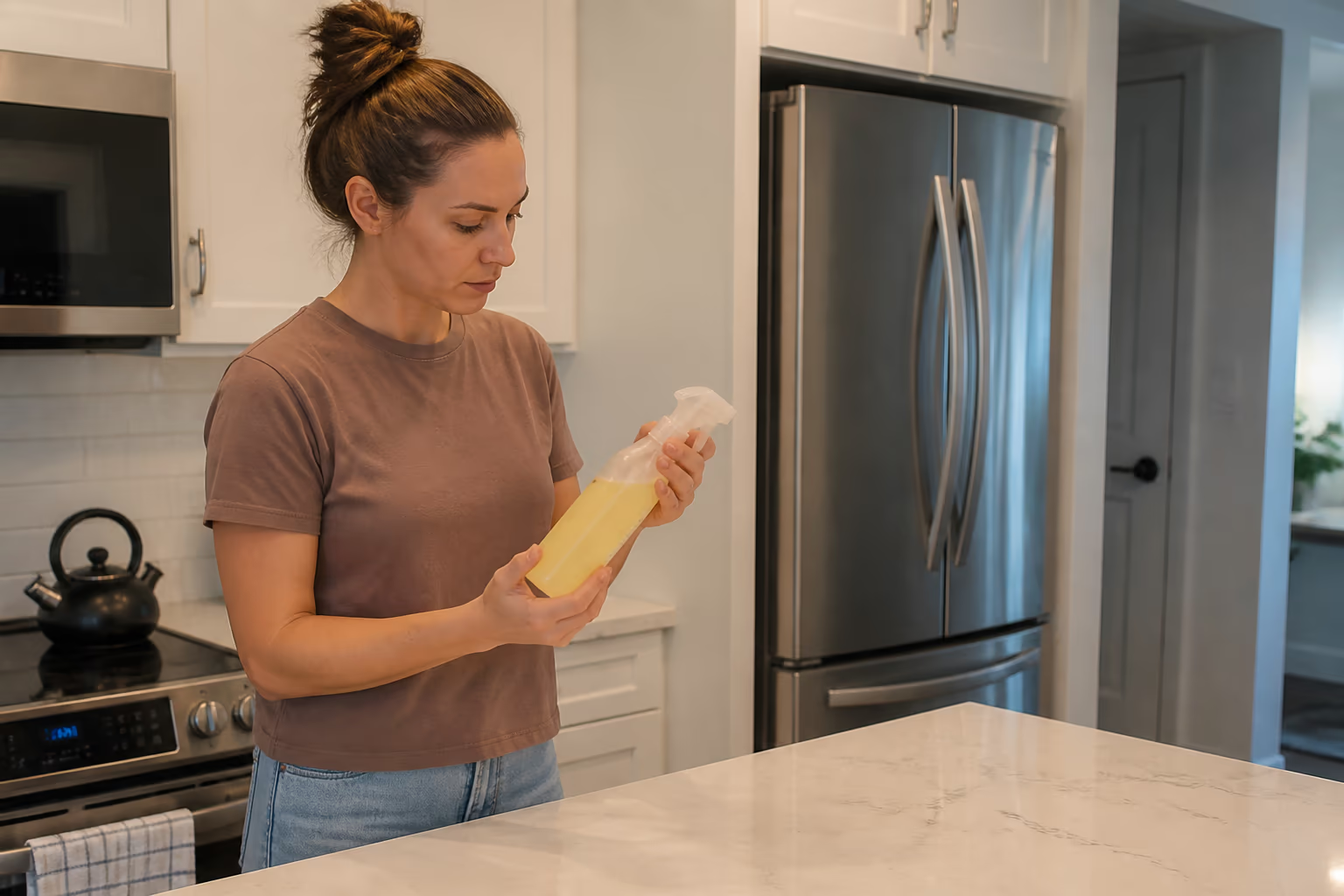
Some of the most popular DIY cleaning tips combine ingredients that are dangerous when mixed, and several everyday homemade cleaners can damage the very surfaces they are meant to clean. This guide explains the chemical combinations to avoid, the surfaces at risk, and the safe alternatives that actually work.
In this guide
5 Dangerous DIY Cleaning Product Mistakes
These are the mistakes we most often see shared online, and the ones worth committing to memory so you never try them at home:
The Chemistry Behind the Worst Combinations
Understanding why these mixes are dangerous is the best way to remember not to try them. The science is straightforward, and it explains the warnings on many commercial labels.
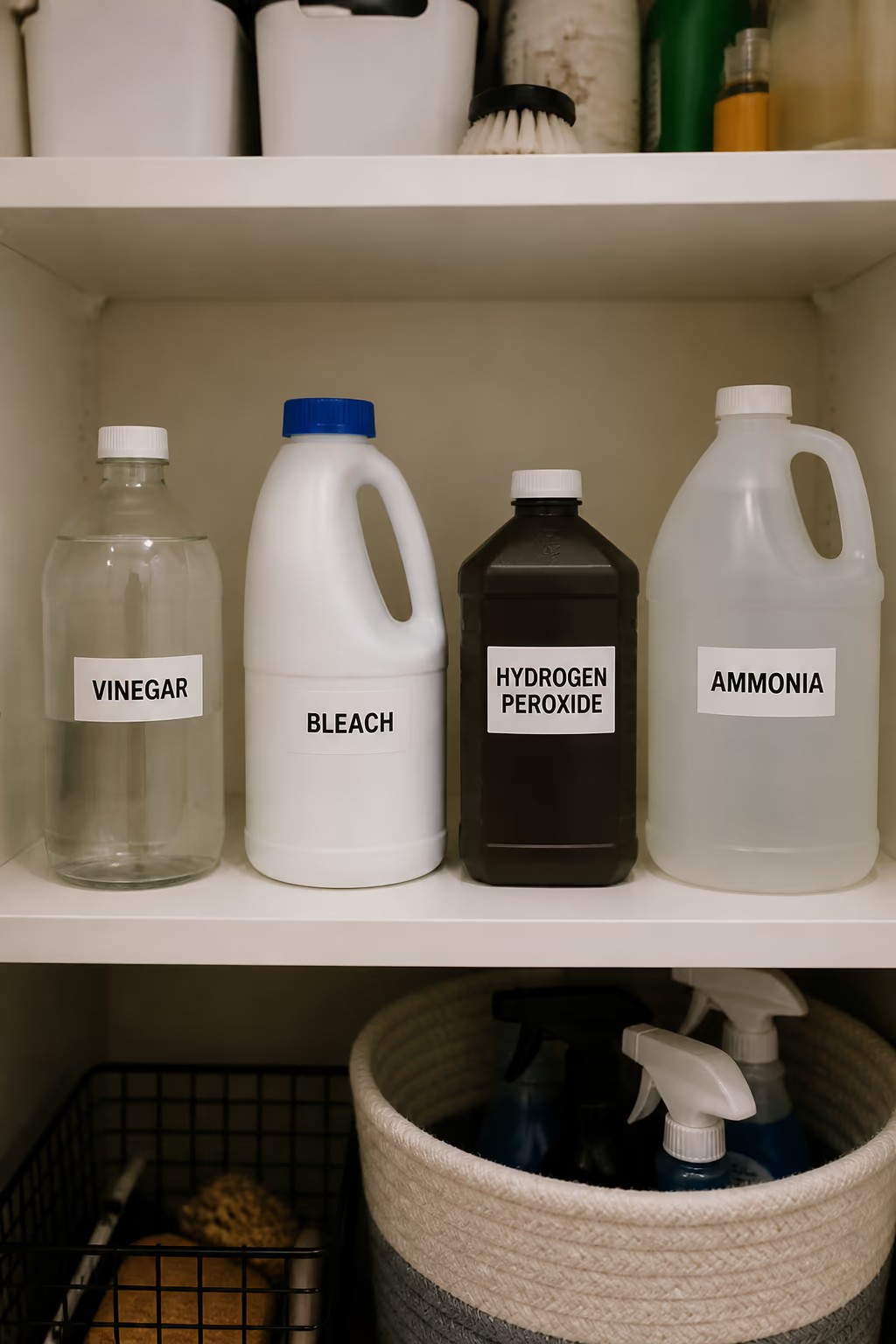
Bleach is sodium hypochlorite, a strong oxidizer. When it meets an acid, the reaction releases chlorine gas. When it meets ammonia, the reaction releases chloramine. Both gases attack the lining of the lungs and airways, and in a poorly ventilated room the effects come on quickly.
Hydrogen peroxide and vinegar are both mild on their own, but together they form peracetic acid. It is a stronger irritant than either ingredient alone, and mixing them in a closed spray bottle concentrates the risk.
The safest habit is simple: never combine cleaning products at all. Use one product for a task, rinse or wipe the surface between products, and always store each bottle in its original container. When a label warns against mixing, take that warning seriously rather than treating it as fine print.
Surfaces You Can Accidentally Damage
Beyond the dangerous gas reactions, everyday homemade cleaners can permanently damage certain materials. Knowing which surfaces react badly to acid and abrasives protects your investment.
Natural stone:
Granite, marble, limestone, and slate etch under acid. Vinegar and lemon juice are the usual culprits.
Hardwood floors:
Repeated vinegar washing can strip the polyurethane finish, leaving floors dull and prone to water damage.
Aluminium and copper:
Acids can react with these metals, causing pitting or a cloudy finish on pots, trim, and fixtures.
Sealed grout and stone tile:
Acidic cleaners break down grout sealer, which then lets moisture and stains soak in.
Glass cooktops and coated appliances:
Abrasive scrubbers scratch the surface, and some acids dull the finish.
The common thread is that these surfaces are all either calcium-based or coated. Once an acid reaches the underlying material, the damage is permanent. That is why the safest approach is to check what a surface is made of before you choose a cleaner, and to prefer pH-neutral products for anything you are unsure about.
Safe DIY Cleaning Recipes That Actually Work
You do not need dangerous combinations to clean well. These simple recipes use single ingredients or safe pairings and handle most everyday messes. Our DIY eco-friendly cleaning recipes guide has more single-ingredient formulas along the same safe lines:
- 01All-purpose citrus or vinegar spray:A diluted vinegar and water mix cleans counters, sinks, and glass on sealed surfaces. Our citrus cleaning spray recipe walks through an even gentler, peel-infused version.
- 02Baking soda scrub:A paste of baking soda and water lifts stuck-on food and soap scum without scratching most surfaces.
- 03Dish soap and water:A simple surfactant solution cuts grease on stovetops, range hoods, and counters.
- 04Microfibre and plain water:For glass, mirrors, and dusting, a damp microfibre cloth often outperforms sprays.
- 05Bleach only on its own:When a surface genuinely needs bleaching, use diluted bleach by itself, in a ventilated space, and never mix it with anything else.
Reading Labels on Commercial Products
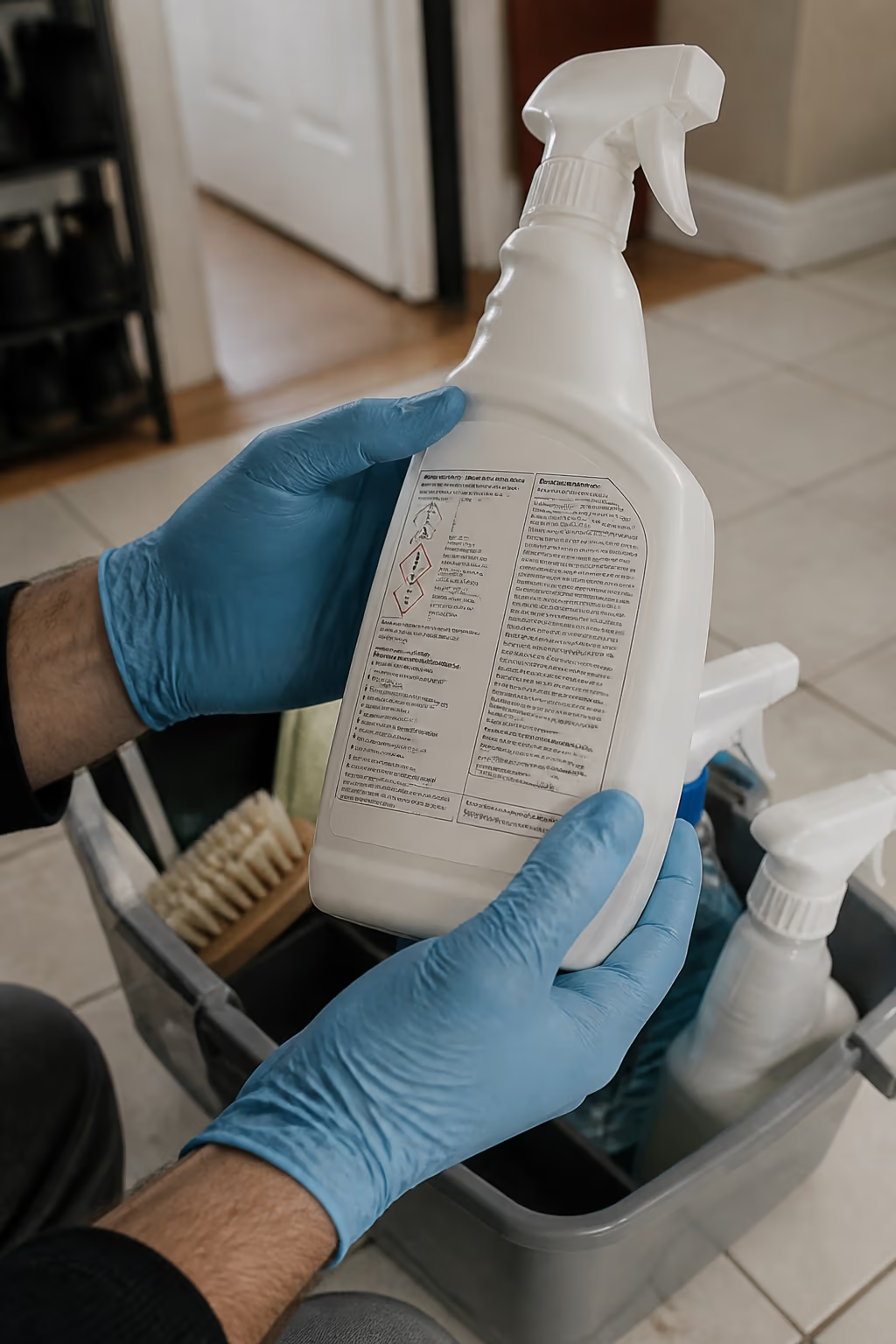
The same caution that keeps you safe with homemade mixes applies when you bring commercial cleaners into the home. Product labels list the active ingredients and any warnings, and a quick read usually tells you what not to combine.
A commercial label carries information a homemade bottle cannot. Health Canada's drug identification number is a computer-generated eight-digit number assigned before a product may be marketed in Canada, and it tells you the formulation, labelling and instructions for use have passed a review. Health Canada defines the number this way: “A Drug Identification Number (DIN) is a computer-generated eight digit number assigned by Health Canada to a drug product prior to being marketed in Canada.”
The golden rule is worth repeating because it prevents nearly every serious mistake: if you are not sure what is in a bottle, do not mix it with anything. Two products that are safe on their own can be unsafe together, and the label is usually your best guide to what each one contains.
Formatted Step-by-Step DIY Chemical Safety Checklist
Follow this five-step checklist to keep your home cleaning routine safe:
- Step 1.Never mix bleach with vinegar or acids:The reaction releases toxic chlorine gas. Use bleach and vinegar in separate sessions with a thorough water rinse between them.
- Step 2.Never mix bleach with ammonia or window cleaner:Many glass and multi-surface cleaners contain ammonia, which forms chloramine gas when combined with bleach.
- Step 3.Never mix hydrogen peroxide with white vinegar in one container:Together they form peracetic acid. Keep both in their original bottles and apply them at separate times.
- Step 4.Never use acidic vinegar cleaners on natural stone:Use a pH-neutral cleaner formulated for granite, marble, and limestone to avoid etching.
- Step 5.Never mix rubbing alcohol with household bleach:The combination can form chloroform and other harmful vapours, so keep the two products far apart.
- Step 6.Contracting professional residential home cleaning services in Ottawa through Good Cleaner Co. guarantees safe, certified cleaning with trained technicians.
Beyond the chemistry, good habits make a difference. Store cleaning products where children cannot reach them, keep everything in its original container, and make sure the household knows which bottles are safe to use together. A little organisation removes most of the risk before you even start cleaning.
Serving Ottawa Families Who Clean Safely
Homeowners across Ottawa ask us about the safest way to handle everyday messes, from the older kitchens of Sandy Hill to modern condos in Nepean and family homes in Orleans. The same rule applies everywhere: when in doubt, use one product at a time, test an inconspicuous spot, and keep ventilation open. Good Cleaner Co. brings that cautious, well-trained approach to every home we clean, and our technicians are ready to answer questions about safe product use on site.
Put Diy cleaning products that do more harm than good Into a Sensible Routine
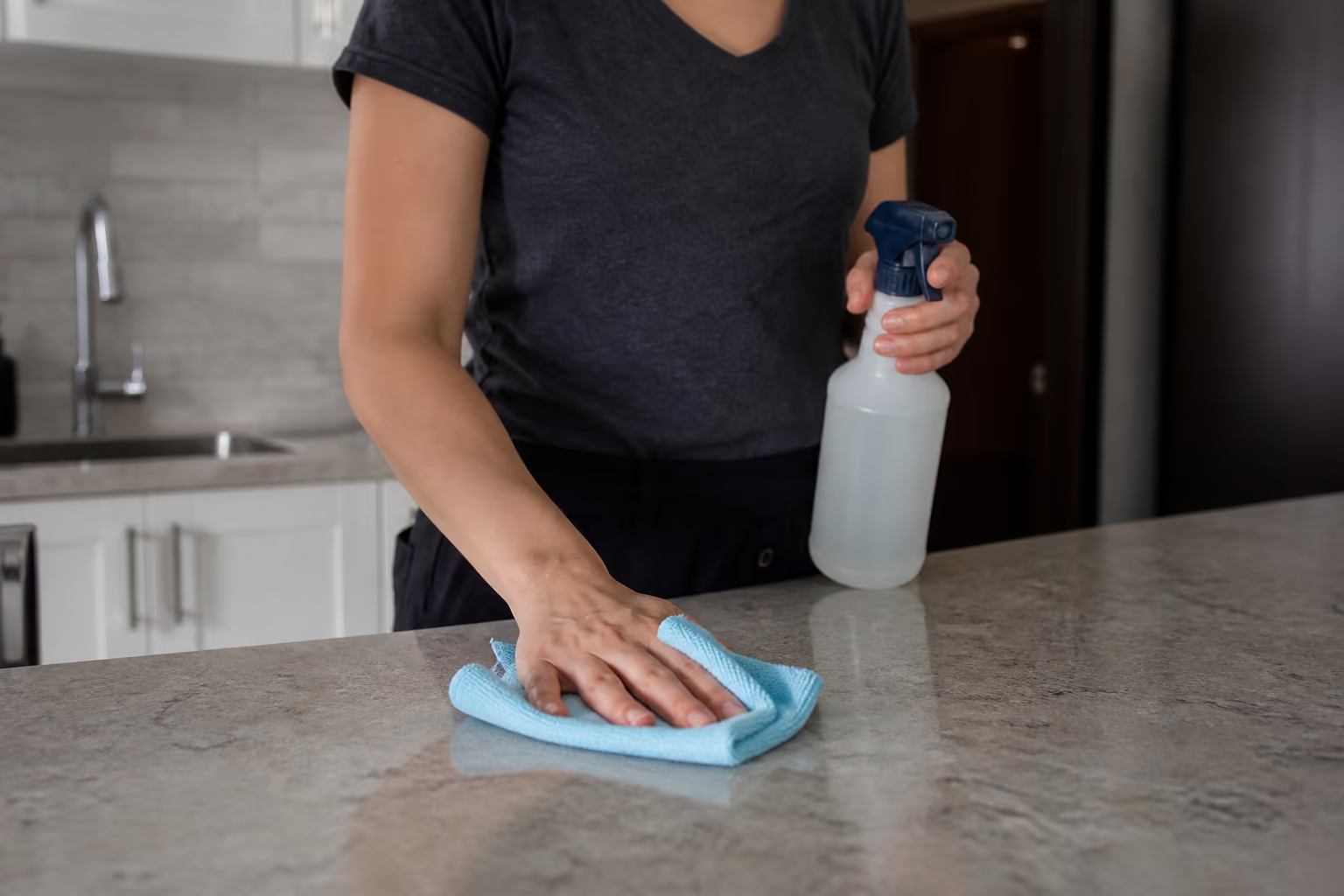
Use the method in this guide with the surfaces and ingredients you actually have. Start with a small test area, keep product labels and care instructions in view, and stop if a finish changes. A useful home-cleaning routine is specific enough to follow on a busy day and gentle enough not to create a repair job.
Keep the result practical: a room that is easier to use and a method you can repeat safely.
Adjust the Method to the Conditions
Diy cleaning products that do more harm than good is not a fixed recipe for every home. Change the approach when the material, amount of residue, room ventilation, pets, children, or access changes. Work in small sections, use fresh water or cloths when they are dirty, and avoid combining products in a bottle, bucket, or drain.
Ottawa weather can change what enters a home on footwear or how quickly a room dries, but surface care still depends on the actual material and condition. Deal with moisture, damaged seals, and recurring marks as maintenance questions instead of escalating to stronger products.
Check the Result Before Adding More Product
Look at the area in normal light and decide whether the task is finished, needs another careful pass, or points to a problem cleaning cannot solve. A clear note or photograph can help when you need to explain a recurring issue to a landlord, manufacturer, repair person, or pest professional.
Pause for product-specific, electrical, plumbing, damage, pest, or health concerns. Follow the product label and responsible authority's instructions, and seek qualified help where appropriate. A DIY cleaning guide cannot replace a repair assessment or professional health advice.
FAQ
Why is mixing bleach and vinegar so dangerous?
Bleach contains sodium hypochlorite, which reacts with the acetic acid in vinegar to release chlorine gas. In a closed room that gas attacks the lungs, eyes, and throat, and the effects come on quickly.
Can I use vinegar to clean hardwood floors safely?
It is best to avoid it as a regular treatment. Undiluted vinegar is acidic and can break down the protective finish on hardwood over time, leaving the wood dull and more vulnerable to moisture and water damage.
What should I do if I accidentally mix household chemicals?
Leave the room immediately, open windows for cross-ventilation, and get fresh air. If anyone is coughing, has trouble breathing, or feels unwell, call your local poison control centre or emergency services right away.
Is it ever safe to mix baking soda and vinegar?
Mixing baking soda and vinegar mainly creates carbon dioxide bubbles, which is why it is popular for drains. It is not toxic, but the two neutralize each other, so it is a fizzing cleaner more than a powerful one. It is safe in a drain, just not a magic degreaser.
Why does vinegar damage natural stone but not tile?
Natural stone such as granite and marble contains calcium carbonate, which dissolves under acid. Glazed ceramic tile is fired glass-like coating, so it resists acid and is safe to wipe with mild vinegar mixes.
Are homemade cleaners safe around children and pets?
Mild homemade cleaners are generally lower-risk than commercial ones, but they are still not a drink. Store every bottle out of reach and clearly labelled, and keep bleach and other strong products locked away entirely.
What is the safest way to disinfect a bathroom?
Use a Health Canada-registered disinfectant on its own, follow the label directions for how long it must stay wet, and never combine it with other cleaners. Ventilate the room while you work.
Can I trust cleaning recipes I see on social media?
Treat them with the same caution as any product claim. Check whether the recipe combines bleach, ammonia, acids, or alcohol, and look for a reputable source that explains the chemistry before you try it.
What should I look for in a cleaning company's safety practices?
Ask whether technicians are trained in WHMIS 2015, whether they carry Safety Data Sheets, and how they handle products around children and pets. A professional team should be happy to walk you through their process. Our guide on how to review a cleaning company in Ottawa covers more questions worth asking before you hire.
Can I use vinegar to clean my stainless steel sink?
A light, well-diluted vinegar rinse is usually fine for stainless steel, but wipe it dry and avoid leaving it to sit. Strong or frequent acid exposure can dull the finish over time.
Wrapping Up
Understanding chemical compatibility is the key to a natural cleaning routine that is genuinely safer for your family. Avoid mixing the wrong products, protect delicate surfaces, and reach for the simple recipes that actually work. If you are ever unsure about a surface or a stain, a trained professional can handle it safely. If you would rather skip the guesswork entirely, our eco friendly cleaning services Ottawa team uses vetted, safe products on every visit. Contact Good Cleaner Co. today to book safe home cleaning in Ottawa.
When a Product Label Is the Better Guide
A homemade recipe is never a reason to ignore the care instructions for the surface or appliance. Product labels explain where a cleaner can be used, whether it needs rinsing, and what protective steps matter. Keep products in their original containers whenever possible, and never combine leftovers to save space. If the material is unknown or already damaged, start with the mildest compatible method.
Keep reading
More from Good Cleaner
About the author
Service areas
- Ottawa
- Kanata
- Nepean
- Orleans
- Barrhaven