
How to Clean Greasy Kitchen Cabinets: Degreasing Wood & Laminate Surfaces
A greasy film on kitchen cabinets builds up slowly, so by the time you notice it, it has already hardened. The good news is that a simple, non-toxic routine removes it without damaging the finish. This guide covers the how and the why, plus the honest limits of DIY degreasing and when it makes sense to call in a professional. Whether you cook daily in a Kanata family home or rarely in a downtown condo, the same finish-safe approach applies.
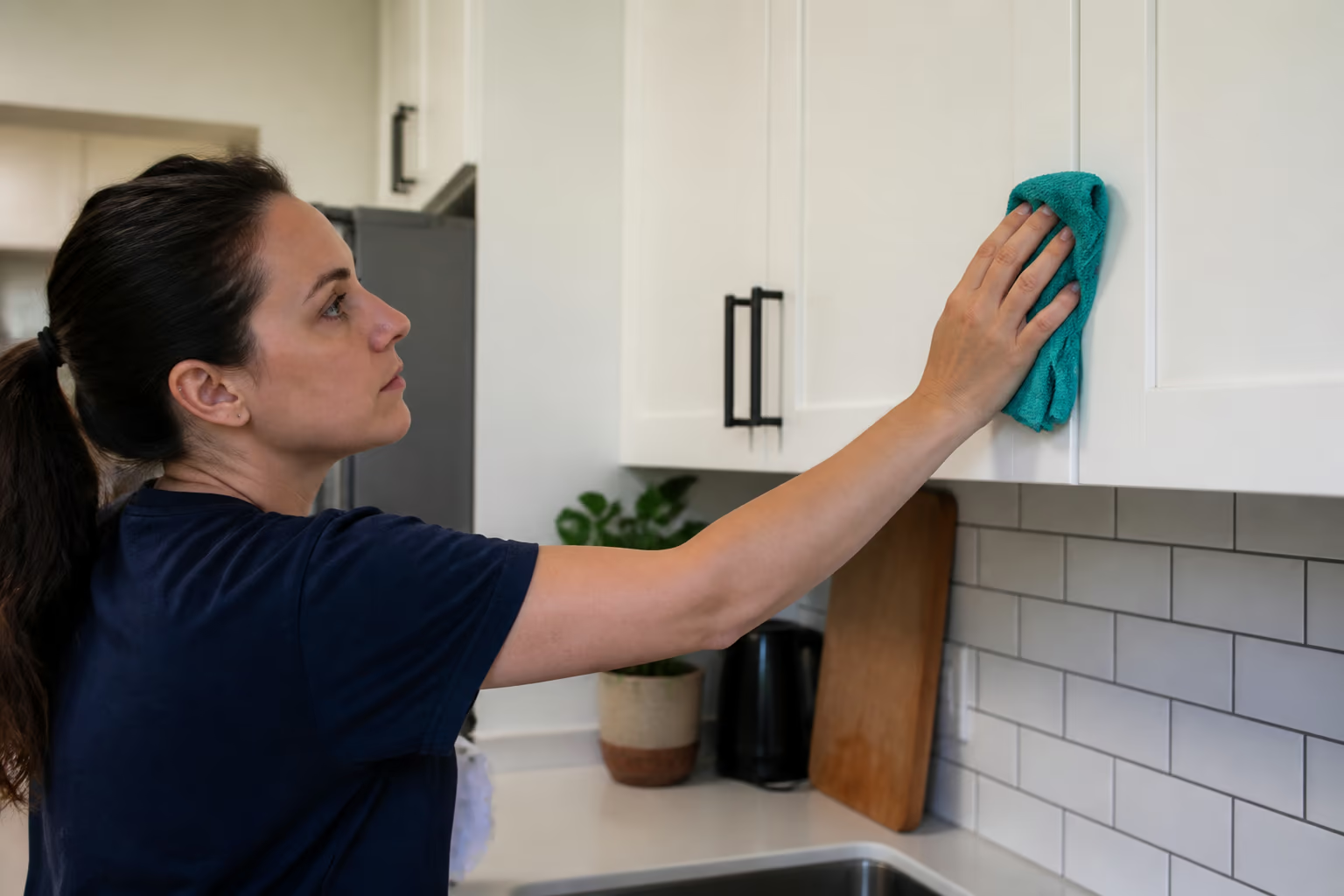
Quick Summary: Greasy kitchen cabinets are a normal result of cooking, because hot oil vapours rise and settle on doors, range hoods, and trim. The safe fix is a citrus-based or mild dish-soap degreaser applied with a microfibre cloth, never an abrasive pad. This guide explains how grease builds up, which cleaners are safe for wood, painted, and laminate cabinets, and how to keep the buildup away.
The Chemistry of Airborne Kitchen Grease Accumulation
Cooking oil vaporizes during frying and sautéing. Those tiny oil droplets float through the kitchen air and settle on the coolest surfaces they reach, which is why upper cabinet doors, range hoods, and crown moulding collect the heaviest film.
Over time, the airborne oil combines with household dust and cooking steam to form a yellow, sticky film. Under the heat of kitchen lighting and ambient warmth, the film gradually hardens and bonds to the finish. The result is that greasy, tacky layer that ordinary surface spray will not touch.
Here is the part that matters for your cabinets: aggressive scouring damages the finish long before it damages the grease. Harsh abrasive pads strip polyurethane sealants, scratch painted doors, and dull laminate. The right approach removes the grease while leaving the finish intact.
It also helps to know that not all grease is the same. Light cooking produces a soft, oily film that wipes off easily. Frying and grilling produce a heavier, baked-on layer that needs a solvent. Matching the cleaner to the level of buildup saves you time and protects the finish.
The type of cooking you do changes how fast the buildup forms. Deep frying and searing produce the most airborne oil, while steaming and boiling produce very little. If you cook with oil several nights a week, expect to wipe the cabinet fronts more often.
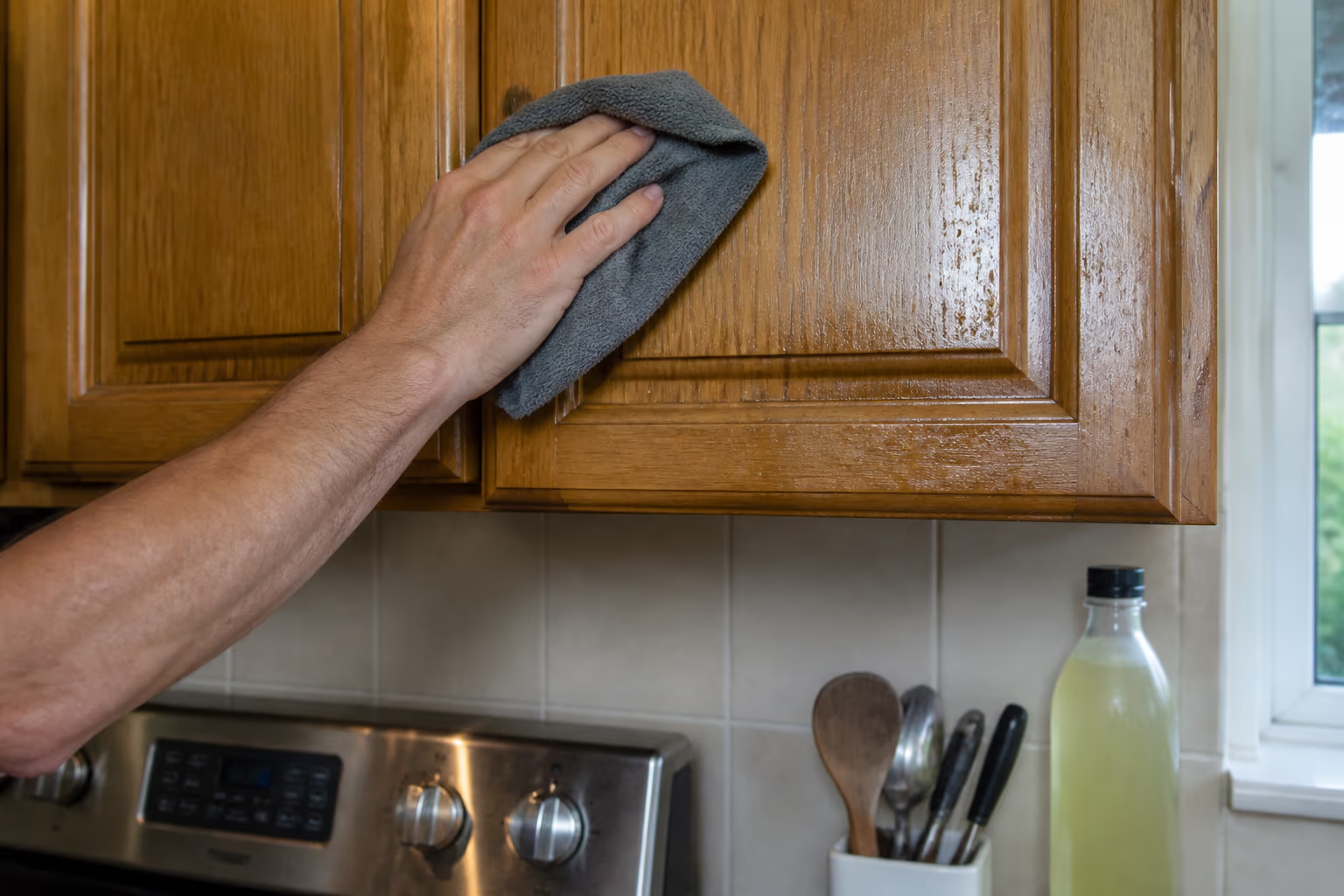
Selecting Safe Degreasers for Wood, Painted & Laminate Cabinets
Discover 4 safe ways to degrease kitchen cabinets without damaging finishes:
The key is to avoid products that damage the finish: abrasive pads, undiluted solvents, and acid-heavy cleaners. A safe degreaser cuts the oil without stripping the clear coat, and a good microfibre cloth does the work that steel wool cannot.
Choosing the product is only half the safety question. Health Canada's household chemical safety tips recommend reading the label for special handling instructions, wearing the protective equipment the product describes, and washing your hands with soap and water once you are finished. Health Canada is explicit about the risk: “Household chemical products, such as cleaning liquids and powders, drain cleaners, paint and paint thinners, liquid laundry detergent packets and windshield washer fluid can be dangerous.”
How to Clean Different Cabinet Materials
Not all cabinets respond to the same cleaner. Match the product to the material:
Painted cabinets
Use a mild dish-soap wash and a soft cloth. Avoid citrus solvents on soft matte paints, because they can soften the paint film over time.
Clear-coated wood
Citrus degreasers work well on sealed wood, but test on an inconspicuous corner first and never let the solution sit.
Laminate and thermofoil
These wipe clean easily with a damp microfibre cloth and mild soap. Avoid heavy solvents that can lift the laminate edge.
Stainless steel and glass fronts
A streak-free glass or stainless cleaner, applied with a dry microfibre cloth, keeps hardware and inserts bright.
If you are unsure what your cabinets are made of, check the inside of a door or the bottom edge of a drawer. Painted and stained wood feel warm to the touch, while laminate and thermofoil feel cooler and smoother. When in doubt, start with the mildest cleaner and work up.
In older homes in the Glebe and Old Ottawa South, original wood cabinetry is common, and finish-safe care matters even more. The same gentle method protects the value of a kitchen that has kept its character for decades.
How to Prevent Grease Buildup in the First Place
Prevention is easier than deep cleaning, and a few habits make a real difference:
- 01Run the range hood every time you cook, not just for big meals, and keep the filter clean.
- 02Wipe the cabinet fronts around the stove weekly with a damp microfibre cloth to catch the film before it hardens.
- 03Keep the kitchen ventilated while cooking so oil vapours leave the room instead of settling on surfaces.
- 04Schedule a deeper cabinet cleaning every few months, especially if you cook with oil frequently.
These habits matter most in the months you cook heavily, like the holiday season or a busy stretch of family meals. A quick weekly wipe during those periods keeps the film thin and makes the occasional deep clean far easier.
How a Professional Kitchen Degreasing Visit Works
When you book a professional cabinet degreasing, the crew starts by clearing the countertops and protecting nearby surfaces with drop cloths. They inspect the cabinet material first, because a painted door, a clear-coated wood door, and a laminate door each get a slightly different treatment.
The degreaser is applied with microfibre cloths and allowed a short dwell time so it can dissolve the polymerized oil. The crew wipes along the wood grain, pays extra attention to handles and hinges, and finishes by drying the surface to prevent moisture from swelling the edges.
Most professional visits also include the range hood, the kickplate, and the cabinet interiors that collect cooking residue. If you have a deep clean scheduled, cabinet degreasing is usually included rather than billed as a separate service. For a broader look at what is included across visit types, our cleaning services overview outlines how deep cleans, regular visits, and add-ons like cabinet degreasing typically fit together.
Booking a professional also removes the guesswork about which product is safe. The crew arrives with EcoLogo-certified citrus chemistry, colour-coded microfibre cloths, and the experience to read the finish. That combination is hard to reproduce with products from the grocery store.
Some kitchens need extra attention on the hardware. Brass, nickel, and stainless steel handles collect the same grease as the doors, and they respond well to a gentle metal-safe cleaner. Polishing the hardware is the finishing touch that makes the whole kitchen look freshly cared for.
The Honest Limits of DIY Cabinet Cleaning
There is a limit to what household products can do, and it is worth being honest about it. Once grease has hardened into a baked-on layer, a light spray and a wipe will not lift it. It needs dwell time, the right solvent, and repeated passes, which is exactly what a professional degreasing provides.
DIY products also carry risks on nicer cabinets. Citrus solvents can soften some lacquers, vinegar can dull sealed wood, and abrasive scrubbing pads scratch anything they touch. If your cabinets are newer, expensive, or finished with a matte paint, an experiment can cost more than a professional visit.
That is not a reason to avoid regular maintenance. A simple weekly wipe and a monthly detail keeps most kitchens looking good between professional visits. Just know when the job has outgrown the DIY approach.
If you try a DIY clean and the finish starts to look dull or streaked, stop and reassess. Dullness is usually a sign that the cleaner or cloth was too aggressive, and continuing will only make it worse. This is the moment to switch to a gentler product or call a professional.
How Long a Cabinet Degreasing Takes
A quick maintenance wipe of the cabinet fronts takes about 15 to 20 minutes for an average kitchen. A full degreasing, including doors, drawers, hardware, and the range hood, usually takes one to two hours when done carefully.
The time depends on how heavy the buildup is. A kitchen that is wiped weekly stays quick to maintain. A kitchen that has gone a year between cleanings may need two passes with a dwell time in between to fully dissolve the hardened oil.
If you book a professional visit, the crew will give you a realistic time estimate based on the size of your kitchen and the condition of the cabinets. Most visits fit neatly into a standard deep-cleaning appointment. For the full picture of what a kitchen deep clean covers beyond the cabinets, see our deep clean your kitchen complete guide.
Matrix: Good Cleaner Co. Kitchen Cabinet Standards
These are the standards the team works to when cabinets are part of the scope:
Citrus Degreasing Chemistry
Natural d-limonene dissolves baked-on oil without harsh alkalis.
Finish Protection Guarantee
Non-abrasive microfibre prevents lacquer scratches.
Hardware Polishing
Restores shine to brass, nickel, and stainless steel door handles.
Non-Toxic EcoLogo Formulations
Safe for food storage cupboards and utensil drawers.
Formatted Step-by-Step Cabinet Degreasing Checklist
Follow this checklist for sparkling, degreased kitchen cabinets:
- 01Mix Warm Water with EcoLogo Citrus Degreaser or Mild Dish Soap:Create a gentle degreasing wash solution.
- 02Dip Microfibre Cloth into Degreasing Solution and Wring Until Damp:Avoid over-saturating wood veneer edges with excess water.
- 03Wipe Cabinet Doors Following Natural Wood Grain Patterns:Dissolve sticky grease film with smooth, circular strokes.
- 04Buff Sticky Cabinet Knobs, Handles, and Hinges Thoroughly:Remove oily fingerprints from cabinet hardware.
- 05Dry Cabinet Surface Immediately with Clean Waffle-Weave Microfibre:Prevent water spotting and wood moisture swelling.
- 06If you need a team or a recurring schedule, use residential home cleaning services in Ottawa to discuss scope, access, and timing before deciding whether it fits.
Practical planning for this situation
For a homeowner, the sensible starting point is cleaning greasy kitchen cabinets. Begin with a walk-through and write down the cabinet finish, the source of grease, food-prep areas, hardware, and whether a test spot changes the result. That gives the work a real boundary and avoids treating a generic package as if it already understood the space.
Use the written notes to decide what belongs in a regular routine and what needs separate time, access, or approval. The useful test is whether another person could read the scope and understand the task without being told to rely on a promise.
Seasonal considerations in Ottawa
Local conditions matter, but they do not require a script. In this topic, holiday cooking and closed winter windows can leave more residue around a frequently used stove. Review the condition of the actual space before changing the products, equipment, or frequency.
A short seasonal review is usually enough: notice what has changed, name the affected area, and agree on the practical response. That keeps maintenance connected to the property rather than a broad list of place names.
Safe, responsible cleaning
Choose methods that suit the material and follow the product or equipment instructions. Keep people away from a wet or actively cleaned area, and stop when a surface reacts unexpectedly.
When a task involves an unfamiliar finish, access issue, or safety concern, ask before continuing. A careful pause is more useful than a confident shortcut and protects the people using the space.
Considering professional help
A service conversation should stay anchored in the space and the requested work. For cleaning greasy kitchen cabinets, explain the cabinet finish, the source of grease, food-prep areas, hardware, and whether a test spot changes the result. Ask for the proposed tasks, timing, and any limits in writing.
If you want to explore help, use residential home cleaning services in Ottawa to describe the scope and decide whether it suits the situation. This is a request for information, not a promise about a result.
How to review the routine
Before changing the routine, take a few minutes to describe the present condition in plain language. Start with the cabinet finish, the source of grease, food-prep areas, hardware, and whether a test spot changes the result. This makes it possible to decide what is necessary without inflating a small issue into a large project.
Ask the people who use the space what causes the most friction. Their answer may be a difficult entry, a storage gap, a time when work cannot happen, or a surface that needs a gentler method. Those details are the basis for a useful plan.
Try one visible adjustment at a time. Record why it was made, what area it affects, and what a satisfactory result looks like. That approach is easier to review than changing a whole routine at once.
Keep feedback specific: name the room, surface, timing, and expected result. Clear notes help a household, volunteer group, or service team work through a problem without blame or vague expectations.
Revisit the plan after a genuine change in use, condition, or season. A routine should be steady enough to follow and flexible enough to stay useful.
FAQ
Why does grease build up on top of my kitchen cabinets?
Warm cooking oil vapours rise and condense on cooler upper cabinet surfaces, bonding with dust particles to form sticky grease films.
Can I use vinegar to clean wood cabinets?
Use vinegar with caution. Diluted vinegar cuts grease, but unbuffered acid can dull polyurethane finishes if used frequently.
How often should I degrease my kitchen cabinets?
Wipe cabinet doors around the range monthly, and do a full cabinet degreasing every few months to prevent hard buildup.
What is the best product for greasy painted cabinets?
A mild dish-soap wash or a specialist cabinet degreaser applied with a soft microfibre cloth is the safest choice for painted finishes.
Can baking soda remove grease from cabinets?
Yes, as a soft paste for stubborn spots. Keep it gentle and rinse with a damp cloth so it does not scratch the finish.
How do I clean laminate cabinets without damaging them?
Use a damp microfibre cloth with mild soap and wipe along the laminate seams so moisture does not lift the edge.
Why does the grease keep coming back?
The film returns because cooking oils keep vaporizing. Running the range hood and wiping cabinet fronts weekly slows the re-buildup.
Can you remove years of baked-on grease from cabinets?
Yes. Professional degreasing uses citrus solvents, microfibre cloths, and careful technique that removes years of buildup without stripping the finish.
How do I book a kitchen degreasing in Ottawa?
Contact Good Cleaner Co. with your kitchen size and the condition of the cabinets to receive a transparent quote for trusted home cleaning crews in Ottawa.
Wrapping Up
Cabinet grease is easier to remove in light, regular passes than in one aggressive scrub. Start with the least strong cleaner that suits the finish, work a small section at a time, and keep water away from seams, hinges, and unfinished edges. Rinse any residue with a barely damp cloth and dry the surface promptly. Test behind a door or near the kick plate before treating a visible panel, especially on painted, lacquered, or older wood cabinets. If the finish softens, changes colour, or feels sticky after cleaning, stop and consult the cabinet maker or a finish professional.
Keep reading
More from Good Cleaner
About the author
Service areas
- Ottawa
- Kanata
- Nepean
- Orleans
- Barrhaven
- Glebe & Old Ottawa South