
Automation and Innovations in Commercial Cleaning
Commercial cleaning is going through a genuine shift, and the honest picture is more interesting than the marketing. Robots do not clean an office building on their own, but they do handle the repetitive, large-area work that used to eat up crew time, which frees real people to focus on the detail that guests and employees actually notice. This guide separates what automated cleaning technology really does from what it does not, and walks through how Ottawa facilities are putting it to work.
Quick Summary: Automated floor scrubbers, smart washroom sensors, and digital quality tracking are changing how commercial facilities stay clean, but they work best when they support trained people rather than replace them. This guide explains the innovations actually used in Ottawa buildings, what each one does well, and how to introduce them without losing the human detail work that machines cannot do.
The Evolution of Robotic & Automated Cleaning Technologies
Commercial facility management across Ottawa is undergoing a major technological transformation through janitorial automation. The machines that are changing the industry today are not science fiction; they are practical tools that have matured over the past decade.
Autonomous robotic floor scrubbers, electrostatic disinfectant sprayers, and digital task tracking increase cleaning speed while reducing human error. A robot scrubbing a large lobby runs the same path every night, at the same quality, without taking a break or missing a section because it was rushing to finish.
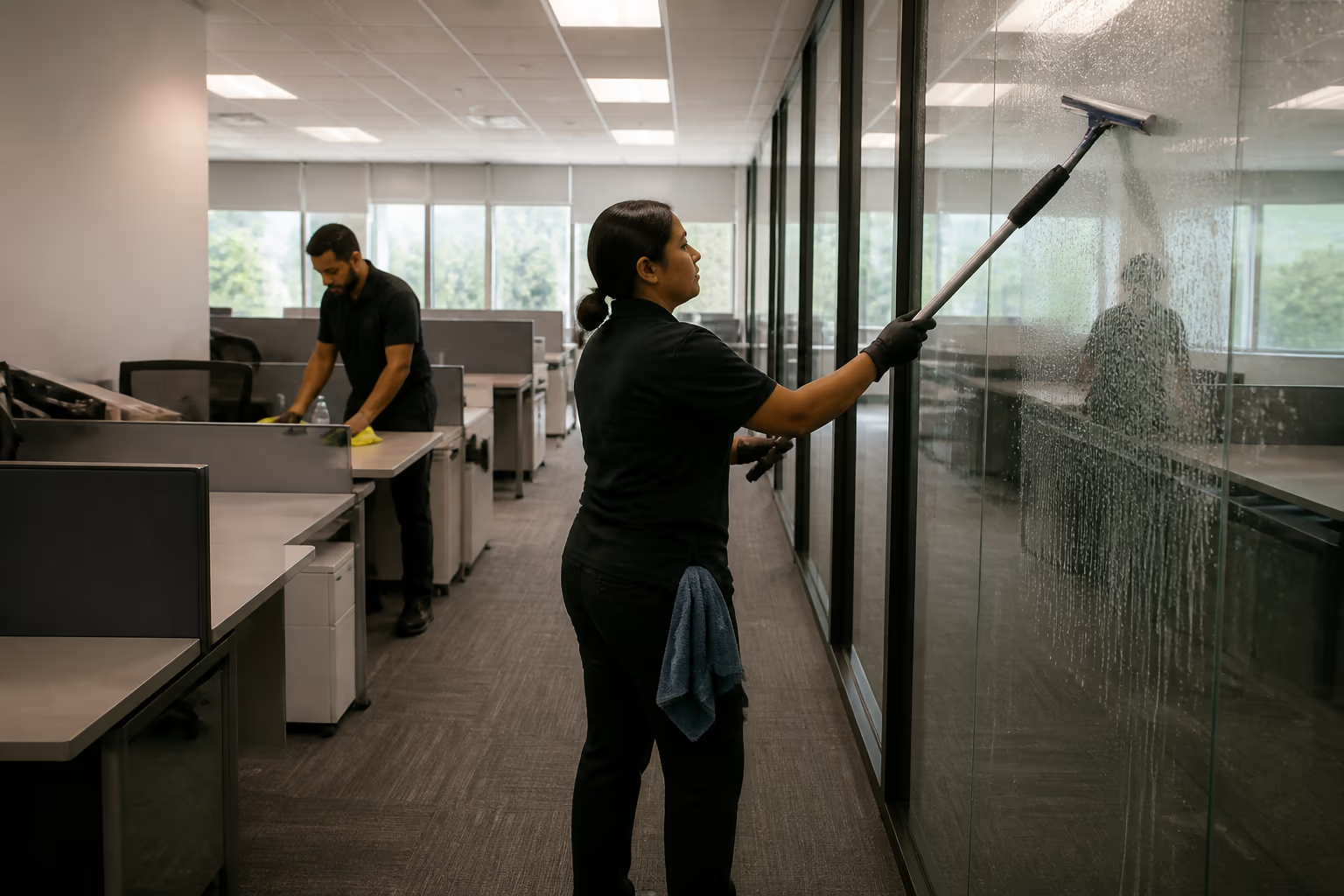
Integrating smart automation allows commercial cleaners to focus on detailed high-touch surface disinfection while machines handle large open floor areas. The result is a division of labour that plays to the strength of each: machines for consistency and coverage, people for judgment, detail, and the finishing touches that make a building feel cared for. For facility managers, the payoff shows up in cleaner spaces, steadier schedules, and staff who are doing work that uses their skills.
IoT Smart Sensors & Real-Time Washroom Monitoring
Discover 4 key innovations in commercial facility automation:
Where Automation Fits in a Commercial Building
Not every task in a commercial building benefits from a machine, and knowing where automation fits is the first step to using it well.
Large Open Floor Areas:
Atriums, lobbies, corridors, and open-plan offices are ideal for autonomous scrubbers that can run overnight on a mapped route.
Washrooms and High-Traffic Washrooms:
Sensors and data help staff restock soap, paper, and towels before they run out, and schedule cleaning when traffic is highest.
Hard Floors and Big-Format Surfaces:
Machines handle consistent, large-surface floor care, while humans take the edges, corners, and baseboards.
Detailed Touchpoint Disinfection:
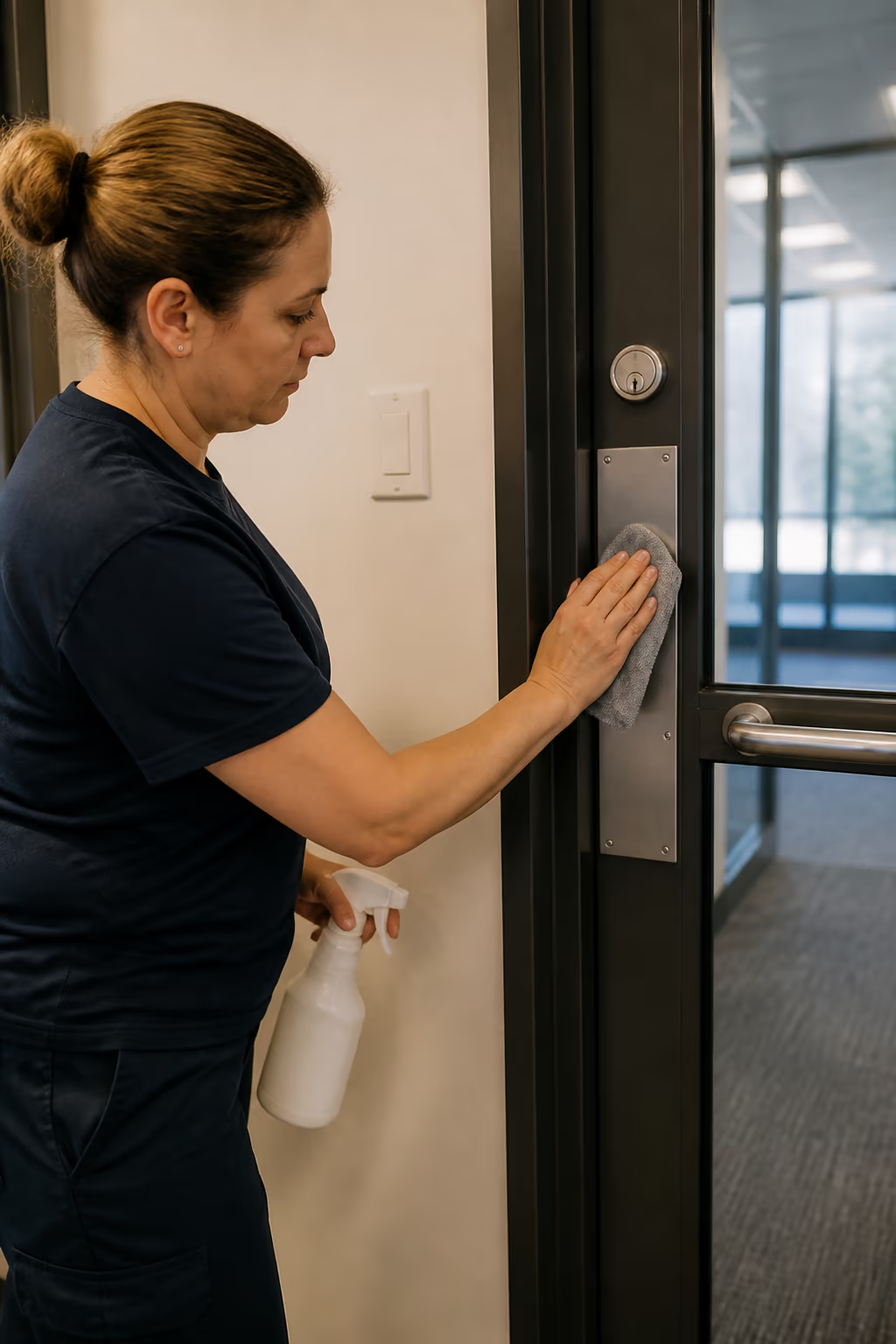
High-touch surfaces such as handles, switches, and elevator buttons are still best handled by a person with the right product and dwell time.
Carpeted Areas:
Machines built for hard floors are not built for carpet, so many facilities check a typical carpet cleaning price Ottawa businesses pay to budget that work as a separate service.
The Human Side of Automated Cleaning
Automation is often sold as a way to reduce headcount, but in practice the best-run facilities treat it as a way to upgrade the work that people do. The buildings that get the most from automation are the ones that plan for the human shift as carefully as they plan the equipment purchase. The extra time freed up for detail work is not just cosmetic either; our article on how office cleaning can improve productivity looks at the same connection between a well-maintained workspace and daily performance.
Automation does not move the legal responsibility anywhere. Ontario's employer duty under subsection 25(1) of the Occupational Health and Safety Act requires prescribed equipment, materials and protective devices to be provided and maintained in good condition, and machines are equipment like any other. The province lists the duty in one line: “Take every precaution reasonable in the circumstances for the protection of a worker”.
Costs and Considerations Before You Automate
Automation is an investment, and the honest conversation includes both the savings and the costs.
Equipment Costs:
Robotic scrubbers and sensor systems carry a real purchase or lease price, so most facilities start with one area, such as a lobby or a set of washrooms, before scaling up.
Training and Change Management:
Teams need time to learn the new tools and trust them, and a rollout works better when staff are involved from the start.
Facility Readiness:
Sensors need power and connectivity, robots need storage and charging space, and the floor plan needs to be mapped for safe autonomous runs.
The Payback:
Where automation shines is consistency and reallocated labour. If a machine saves crew hours every night, those hours can move to higher-value detail work rather than simply disappearing.
Before you commit, add up the ongoing costs, not just the sticker price. Machines need replacement parts, routine service, and software subscriptions, and sensors need batteries and occasional calibration. A useful planning number is the total cost of ownership over three to five years, because a machine that looks affordable on paper can surprise you once maintenance and downtime are included. Most facilities also budget for a supplier service plan so a breakdown does not stall the night's cleaning.
Digital Cleaning Software and Reporting
Behind the machines is a layer of software that turns cleaning from a guessing game into a measurable process. For managers, that visibility is the point: it turns nightly work into data that can be reviewed, compared, and improved.
Digital Inspection Logs:
Supervisors complete checklists on tablets, and building managers get a real-time view of what was cleaned, when, and by whom.
Sensor Dashboards:
Washroom sensor data feeds a dashboard that shows usage patterns, so staff can schedule cleaning and restocking at the right times.
Automated Work Orders:
When a sensor flags a low dispenser or an inspection finds an issue, the system can create a work order automatically.
Audit Trails for Compliance:
A clean digital record helps facilities show occupants and regulators exactly what was done, which supports Health Canada disinfection compliance.
Sustainability and Automation Working Together
Automation and green cleaning are often discussed separately, but in a well-run facility they reinforce each other.
Precise Chemical Use:
Electrostatic sprayers and proportioned dilution systems apply the right amount of product, reducing waste and chemical load.
Less Water and Energy:
Autonomous scrubbers use less water than traditional mops, and efficient routes mean fewer machine hours overall.
Better Data, Better Choices:
Usage data helps facilities buy the right amount of supplies and avoid over-ordering, which cuts waste and storage costs.
Human Effort on High-Value Work:
When machines handle the routine passes, people can spend their time on detail work that improves the space for everyone.
Formatted Step-by-Step Commercial Cleaning Automation Checklist
Follow this checklist to integrate automation in your facility:
- Step 1.Deploy Autonomous Robotic Floor Scrubbers for Large Open Corridors:Map facility floor paths for automated night runs.
- Step 2.Install IoT Washroom Counter Sensors to Track Soap and Towel Levels:Trigger auto-alerts when paper product levels run low.
- Step 3.Implement Digital Supervisor Quality Audit Software on Mobile Tablets:Maintain digital inspection logs for client review.
- Step 4.Utilize Commercial Electrostatic Sprayers for Rapid Disinfection:Apply Health Canada DIN registered disinfectants evenly on touchpoints.
- Step 5.Combine Automated Equipment with Trained WHMIS Janitorial Personnel:Pair robotic precision with human detail cleaning.
- Step 6.If you need a team or a recurring schedule, use commercial office cleaning services in Ottawa to discuss scope, access, and timing before deciding whether it fits.
Automation Across Ottawa's Commercial Districts
Ottawa's commercial landscape gives automation a natural home. The tech campuses in Kanata have long open corridors and 24-hour facilities that suit overnight robotic scrubbing, while downtown office towers use sensors and digital inspection logs to keep tenant spaces consistent across many floors. Business parks in Nepean and Orleans are adding automated floor care to their nightly janitorial rounds, and larger retail and clinic spaces across the city are using electrostatic disinfection during busy seasons. The common thread is that the best results come when the technology is matched to the building's actual layout and traffic.
How to Choose the Right Automation Partner
The technology is only as good as the team behind it, and choosing the right partner matters as much as choosing the right machine.
Look for Experience With Your Building Type:
A partner that cleans offices, clinics, or retail spaces will understand your layout, traffic, and compliance needs.
Ask About Training and Support:
Find out how the team trains staff, handles breakdowns, and keeps the equipment maintained.
Confirm the Compliance Basics:
The partner should follow WHMIS 2015 and use Health Canada DIN registered disinfectants.
Start With a Pilot:
A short pilot in one area tells you more than any brochure about how the automation will perform in your building.
Common Automation Pitfalls to Avoid
Automation projects go sideways when they skip the basics, and a few common mistakes are easy to avoid with planning.
Buying Machines Before Mapping the Space:
A scrubber is only useful if the floor plan, obstacles, and traffic hours work for an autonomous route.
Ignoring Staff Input:
Teams that feel automated out of the job resist the tools. Involve them early and make clear the machines are there to help, not replace.
Skipping the Data Loop:
Sensors and logs only create value if someone reviews them and adjusts the schedule. Data nobody reads is just noise.
Expecting Instant Payback:
Automation pays off over months of consistent use, not in the first week. Set realistic expectations from the start.
Practical planning for this situation
For a facilities manager, start with the actual task: using automation in cleaning. Write down the manual task, staff workflow, maintenance, training, privacy, and whether the tool solves a real bottleneck. That prevents a broad label from replacing the details that determine safe, useful work.
Decide which work belongs in the regular routine and which needs extra time, access, or approval. A practical scope lets another person understand the job without relying on a branded promise.
Seasonal considerations in Ottawa
Local conditions deserve attention when they change the task. Here, seasonal entrance soil and changing occupancy can change whether a tool adds value. Review the space before changing products, equipment, or frequency.
A short review is enough: name what has changed, identify the affected area, and choose a response that fits the material and the people using the space.
Seasonal considerations in Ottawa
Local conditions deserve attention when they change the task. Here, seasonal entrance soil and changing occupancy can change whether a tool adds value. Review the space before changing products, equipment, or frequency.
A short review is enough: name what has changed, identify the affected area, and choose a response that fits the material and the people using the space.
Safe, responsible cleaning
Follow product labels and equipment instructions, and choose a method that suits the material. Keep people away from wet or actively cleaned areas.
Pause when access, a surface, or a safety requirement is unclear. Asking before continuing protects the property and the people using it better than a shortcut.
How to review the routine
Describe the current condition in plain language before altering the routine. Begin with the manual task, staff workflow, maintenance, training, privacy, and whether the tool solves a real bottleneck. This keeps the decision tied to the space instead of a generic checklist.
Ask a person who uses the area what creates the most friction. It may be a difficult entry, a storage issue, a time when work cannot happen, or a finish that needs a gentler method.
Try one visible adjustment at a time. Record why it was made, the area it affects, and what a satisfactory result looks like. That makes the next review much easier.
Keep feedback specific: name the room, surface, timing, and expected result. Clear notes help people work through a problem without blame or vague expectations.
Revisit the plan after a change in use, condition, or season. A routine should be stable enough to follow and flexible enough to remain useful.
FAQ
Do robotic floor scrubbers replace human cleaning staff in Ottawa office buildings?
No. Autonomous scrubbers handle routine open floor cleaning, allowing human cleaners to focus on high-touch surface disinfection and detail work.
How do IoT sensors improve commercial washroom hygiene?
Sensors monitor foot traffic and dispenser levels, dispatching janitorial staff before washrooms run out of soap or paper towels.
Are automated cleaning systems cost-effective for medium-sized Ottawa offices?
Yes. Automated tools reduce cleaning times, lower chemical waste, and ensure consistent quality, delivering a strong return on investment when matched to the right tasks.
What is the best way to start automating commercial cleaning?
Start with one area, such as the lobby or a set of washrooms, map the equipment to that space, and scale up once the team is comfortable and the results are measured.
Do autonomous floor scrubbers work overnight without supervision?
They run on a mapped route and can operate overnight, but they still need staff to set up, monitor, charge, and clean the machines. They are a tool for the team, not a replacement for it.
How long does it take to train staff on new cleaning automation?
Most teams pick up the basics in a few shifts. Full confidence with mapping, troubleshooting, and daily maintenance usually takes a couple of weeks of regular use.
Can automation help with Health Canada disinfection compliance?
It can support compliance by tracking exactly when and where disinfection happens, which gives managers a reliable record. The products still need to carry a valid Health Canada DIN, and staff still need to follow WHMIS 2015.
Do I need special power or connectivity for IoT washroom sensors?
Most systems run on battery and wireless connectivity, so they install easily in existing buildings. The bigger planning task is deciding where the data goes and who acts on it.
What cleaning tasks should stay manual even in an automated building?
High-touch disinfection, spot cleaning, glass and mirrors, baseboards, and any surface that needs judgment should stay with people. Automation is strongest on large, repetitive, hard-surface work.
How do I measure whether cleaning automation is working in my building?
Track the basics over a few months: cleaning time per night, restock frequency, inspection pass rates, and occupant feedback. If those improve without adding cost, the automation is earning its place.
Wrapping Up
Automation is useful when it removes avoidable admin work and leaves people more time to inspect the details. The same idea holds beyond the office: our article on how regular cleaning can improve your life quality explores the same shift in daily habits at home. Start with one repeatable problem, such as supply tracking, scheduled reminders, or a digital room checklist. Define who checks the output, what happens when a task is missed, and how staff can report an exception. A robot, sensor, or scheduling tool cannot replace a clear scope or safe procedures. Measure whether the workflow is easier to follow before adding another system, then keep the process simple enough that a new team member can understand it.
Keep reading
More from Good Cleaner
Services that fit
- Professional Office Cleaning Services in OttawaNightly and after-hours office cleaning for corporate offices, clinics and professional suites, with after-hours scheduling and eco-friendly products.
- Janitorial Services in OttawaRecurring janitorial services for offices, warehouses, retail, dealerships and schools, with eco-friendly commercial cleaning and customized plans.
About the author
Service areas
- Ottawa
- Kanata
- Nepean
- Orleans
- Barrhaven