
Regular Cleaning Habit Can Improve Your Life
A regular cleaning habit is less about perfection and more about consistency. The homes that feel calm and comfortable are rarely the ones cleaned in one heroic effort; they are the ones kept up in small, steady ways that never let mess pile up into a mountain. Whether you live alone, share a place with family, or run a household around a full-time job, a simple routine can transform how your space looks, smells and feels. This guide walks through why the habit matters, how to build one that actually sticks, and where a professional team such as Good Cleaner Co. fits into the picture.
Quick Summary
A steady, short daily cleaning routine, anchored to existing habits, keeps a home calmer and healthier than occasional deep cleans by preventing dust, allergens and grime buildup and lowering the stress and effort needed to maintain it.
In this guide
How a Cleaning Habit Changes Daily Life
In our increasingly health-conscious world, it's important to recognize not just what we put into our bodies, but also the environment in which we live. The air you breathe, the surfaces you touch and the order around you all shape how you feel from morning to night, and regular cleaning is one of the most direct ways to improve that environment.
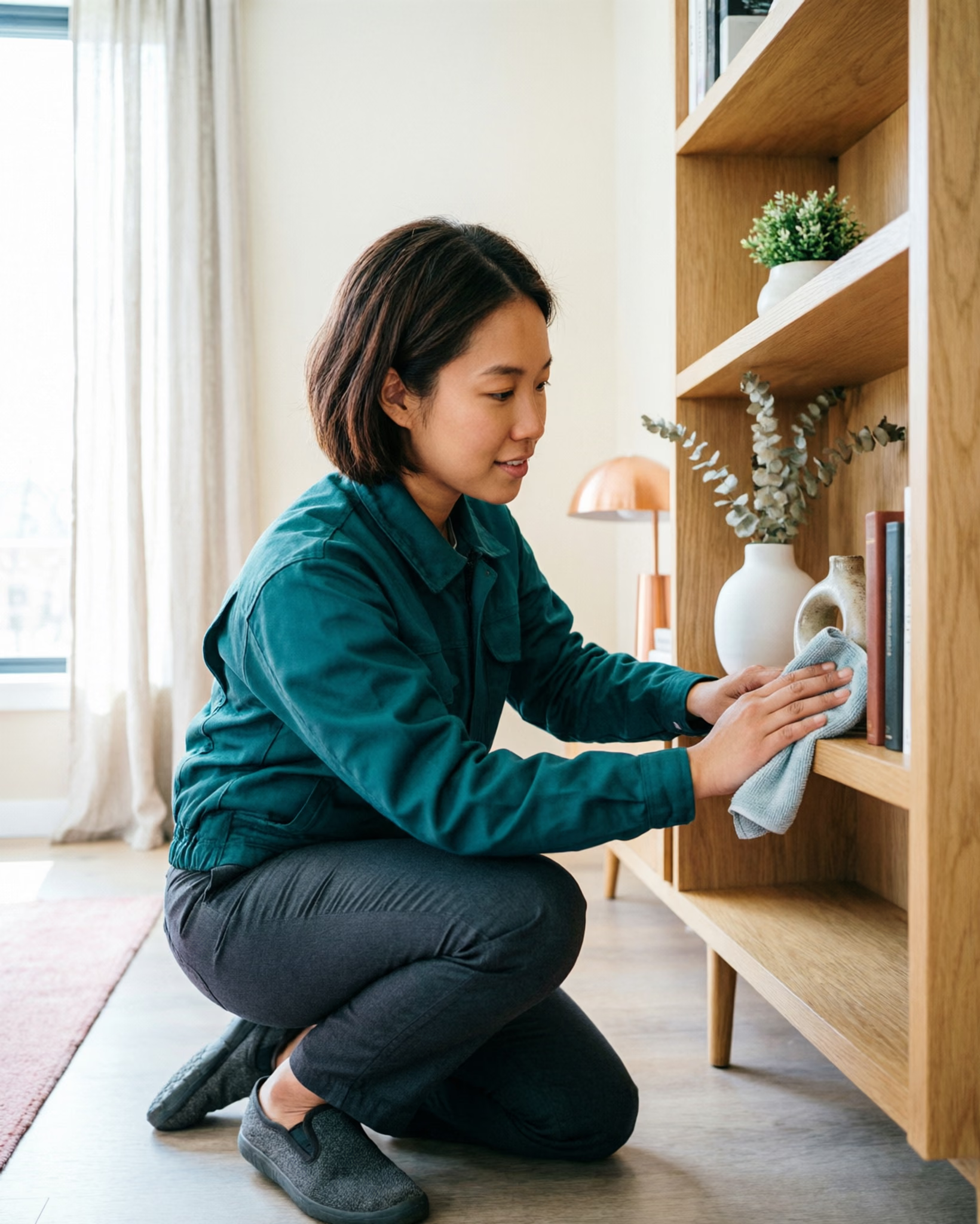
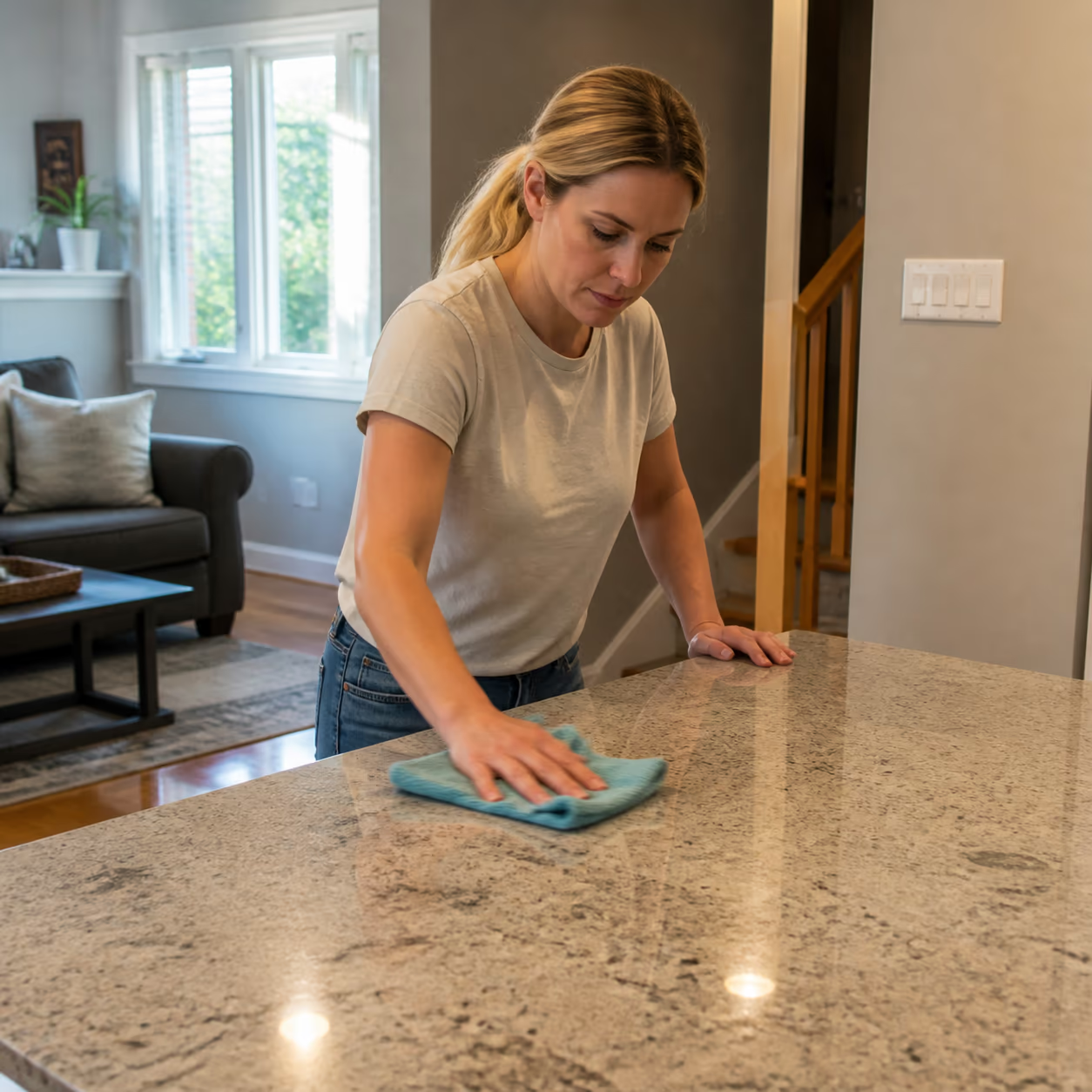
The difference between a cluttered home and a tidy one is rarely the amount of furniture or the size of the rooms; it is the rhythm of daily upkeep. When surfaces are clean and objects have a place, mornings run more smoothly, guests are less stressful to host, and the house feels like a place to recharge rather than a to-do list. Small actions repeated daily, such as making the bed, wiping the counter and clearing the sink, create a compounding effect that a once-a-month deep clean cannot match. The same principle carries into the workplace, where office cleaning can improve productivity by cutting down on the same clutter and distraction that slows a household morning.
A regular cleaning habit also changes how you relate to your home. Instead of dreading a big clean, you take quiet pride in the state of your space. That sense of control is one of the most understated benefits of the habit, and it grows the longer the routine is in place.
What You Need Before You Start
You do not need a cabinet full of specialty products to keep a home clean. A small, well-chosen set of tools and supplies is enough, and the right approach matters more than the price of the bottle.
- 01A good vacuum, or a broom for hard floors, chosen for your flooring and how often you clean.
- 02Microfibre cloths, which trap dust and grime instead of pushing them around.
- 03A general-purpose cleaner for counters, tables, doors and other hard surfaces.
- 04A separate glass and mirror cleaner for streak-free windows and mirrors.
- 05A stiff brush for sinks, tubs, tiles and grout lines.
- 06A duster or extendable dusting tool for shelves, baseboards and light fixtures.
- 07A mop and bucket that suit your hard flooring, or a mop you can wash and reuse.
- 08Reusable gloves and a caddy that keeps everything in one easy-to-carry place.
Organise your supplies so they are easy to reach. When the tools live near where you use them, the cleaner under the kitchen sink and the cloths in the bathroom, the ten-minute tidy stays ten minutes instead of turning into a treasure hunt. A caddy you can carry from room to room keeps a whole session efficient.
Building a Routine That Sticks
The secret to a lasting cleaning habit is not willpower; it is design. A routine that is realistic, visible and tied to your existing schedule is far easier to keep than one that demands a free afternoon every time.
- 01Anchor cleaning to habits you already have, such as your morning coffee or the nightly dishes.
- 02Keep sessions short, ten to fifteen minutes, and repeat them more often rather than cleaning once for hours.
- 03Use a simple checklist so nothing is forgotten and progress feels tangible.
- 04Set a timer so a session has an end and does not turn into an all-afternoon project.
- 05Do the hardest or least pleasant task first, while your energy is highest.
- 06Review the routine each season and adjust for guests, holidays or changes in your schedule.
Consistency beats intensity. A home that gets twenty minutes of focused attention most days stays cleaner than one that gets a full Saturday clean once a month, and it stays that way with far less total effort. If you miss a day, simply resume the next one; a habit survives a skipped session as long as it does not become two.
The Physical Health Benefits
A clean home is not just easier on the eyes; it is easier on the body. Dust, pet dander, pollen and mould spores collect on surfaces and in soft furnishings, and regular cleaning removes them before they accumulate into something that aggravates allergies, asthma or skin irritation.
The air in the house is part of that physical benefit. Health Canada's ventilation advice lists using bathroom and kitchen fans, leaving interior doors open and keeping heating vents clear of furniture among the ways to improve indoor air quality at home. The federal guidance opens with the reason it matters: “Poor indoor air quality can affect your health.”
- 01Vacuuming carpets, rugs and upholstery lifts dust and allergens out of the fibres where they settle.
- 02Wiping hard surfaces removes the dust that would otherwise recirculate into the air you breathe.
- 03Cleaning kitchens and bathrooms prevents the grime and residue where bacteria and mould can grow.
- 04Washing bedding regularly reduces dust mites, which thrive in warm, humid beds.
- 05Keeping entryways clear of tracked-in dirt reduces what you bring in from outside.
For people with allergies, the difference a cleaning routine makes can be dramatic. During Ottawa's cold months, homes are closed up and indoor air recirculates, so allergens have nowhere to go; a consistent cleaning schedule becomes one of the most effective ways to keep the air you breathe cleaner. Vacuuming with a HEPA filter is a worthwhile upgrade for households where allergies are a concern.
Beyond allergens, a cleaner home supports basic hygiene. Food surfaces stay safer to prepare meals on, bathrooms stay fresher, and the whole family is exposed to fewer germs during cold and flu season. Simple habits such as wiping down the kitchen counter after cooking and washing the bathroom sink regularly reduce the spread of everyday illness.
The Mental Health Benefits
The connection between a tidy space and a calm mind is well recognised. Clutter adds visual noise, and a messy environment can make it harder to focus, to relax and even to sleep.
- 01A clear, tidy space reduces the feeling of being overwhelmed.
- 02Completing small cleaning tasks provides a quick sense of accomplishment and control.
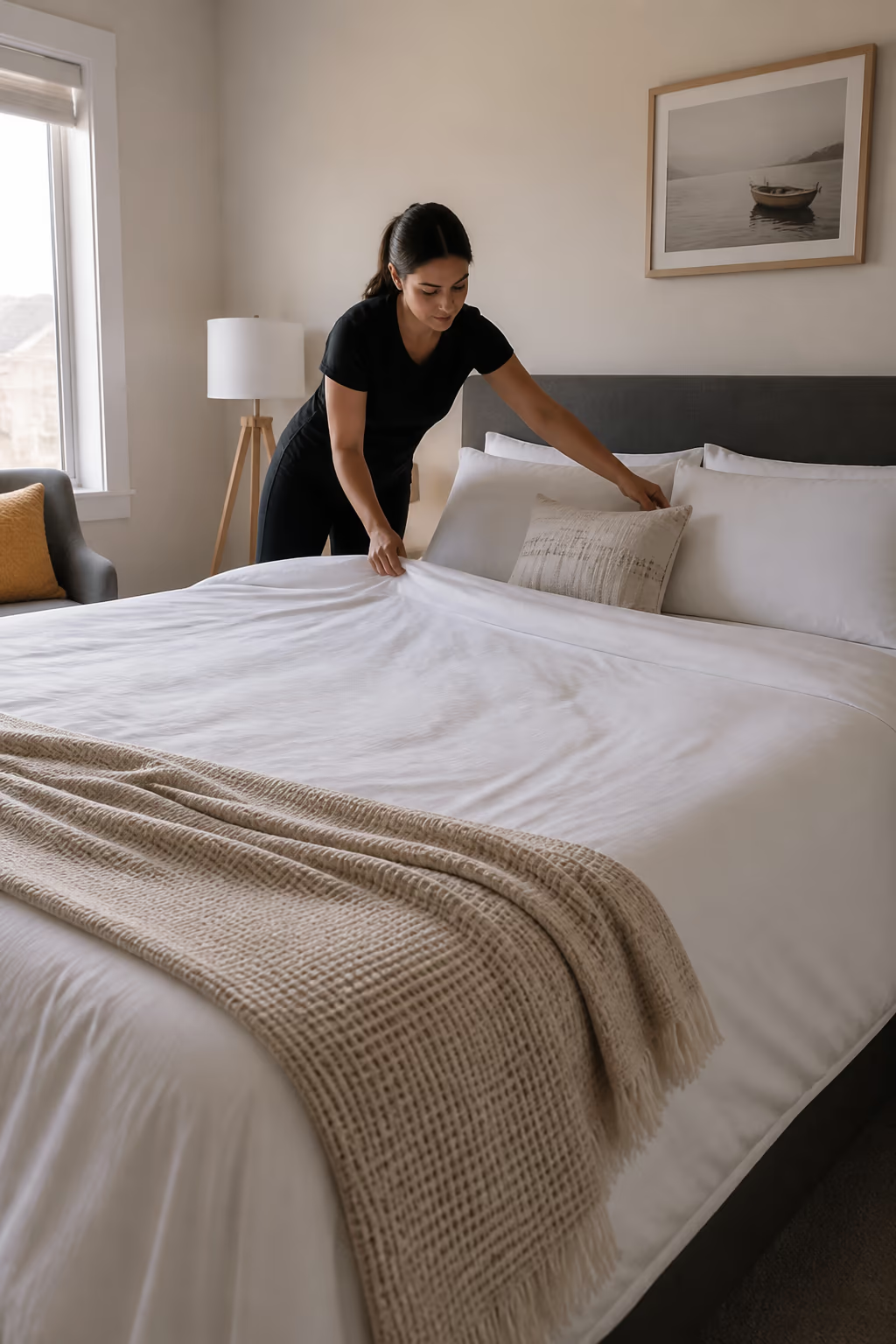
- 03A clean bedroom with fresh sheets supports better sleep.
- 04Organised spaces make it easier to find what you need, cutting daily frustration.
- 05A presentable home reduces the stress of surprise guests or unexpected video calls.
Cleaning can also be a grounding ritual. Many people find that a short session of repetitive, physical work lets their mind settle, much like a walk or a stretch. The finished result, a shining counter or a freshly made bed, gives an immediate, tangible reward that screens and notifications rarely offer.
None of this means your home needs to be spotless to be healthy. The goal is a space that supports you, not one that demands perfection and creates its own stress. A sustainable habit keeps the balance in your favour, and the mental benefits are as real as the physical ones.
Cleaning Habits and Your Home's Value
A regular cleaning habit protects the largest investment most families own. Surfaces, finishes and fixtures last longer when they are cleaned and maintained on schedule, and a well-kept home is worth more when the time comes to sell.
- 01Carpet that is vacuumed and cleaned regularly lasts years longer than carpet that is left to trap grit.
- 02Kitchen and bathroom surfaces resist staining and wear when spills are wiped promptly.
- 03Appliances run more efficiently and fail less often when they are cleaned and maintained.
- 04Wood floors keep their finish when they are dusted and damp-mopped instead of ground with grit.
- 05A home that clearly shows care is easier to sell and often appraises higher.
Preventive care is cheaper than repair. A small cleaning habit now avoids the deep cleaning, refinishing and replacement costs that come later, which is one of the strongest practical arguments for staying on schedule. In a market like Ottawa's, where condition matters to buyers, a well-maintained home stands out. The same logic holds for condo owners and building residents, who can extend the routine with building and condo cleaning services for shared entryways, hallways and amenity spaces.
The Environmental Side of Regular Cleaning
A thoughtful cleaning habit can also be easier on the planet. Choosing reusable cloths over disposables, using concentrated products and measuring the right amount, and ventilating rooms while you clean all reduce waste and chemical exposure.
- 01Reach for reusable microfibre cloths instead of paper towels for most surfaces.
- 02Buy concentrated cleaners and dilute them to the label directions rather than over-pouring.
- 03Prefer products with third-party certifications such as EcoLogo, which indicate a lower environmental impact.
- 04Ventilate kitchens and bathrooms to keep moisture and product fumes from building up.
- 05Dispose of old chemicals at your municipal hazardous-waste depot, never down the drain.
Regular cleaning and greener habits are not in tension. The same schedule that keeps your home healthy can, with a few simple product choices, keep it lighter on the environment too, which is an easy way to make the habit feel even better. Larger operations increasingly rely on automation in commercial cleaning to keep the same habits consistent at scale.
A Simple Weekly and Seasonal Rhythm
A practical way to think about cleaning is in layers: daily, weekly and seasonal. Daily habits keep surfaces tidy, weekly tasks handle the build-up, and seasonal deep cleans reset the whole home. This layering is what makes a big clean feel manageable instead of overwhelming.
- Dailymake the bed, do the dishes, wipe counters and clear the sink.
- Weeklyvacuum or mop floors, clean the bathroom, change bedding and take out the rubbish.
- Monthlydust vents and baseboards, clean the oven and fridge, and wash the windows inside.
- Seasonallydeclutter, rotate linens, wash curtains and do the deep-clean tasks that gathered through the year.
Writing your own rhythm on a simple calendar turns a vague resolution into a schedule you can actually follow. In Ottawa, the seasonal shifts are a natural cue, with a reset after the winter salt and mud season and another before the holidays.
Common Mistakes and How to Avoid Them
Even well-meaning cleaning routines go wrong in predictable ways. Recognising these mistakes helps you avoid wasted effort and unintended damage.
- 01Cleaning with the wrong product, such as using an abrasive on a soft or delicate surface.
- 02Spraying cleaner directly on surfaces and leaving it to sit, which can dull finishes.
- 03Using one cloth for everything, spreading grime from the bathroom to the kitchen.
- 04Forgetting high-touch spots such as light switches, handles, remotes and doorframes.
- 05Ignoring the vacuum filter, which reduces suction and re-releases dust into the air.
- 06Waiting until a mess is large before dealing with it, turning a small task into a big one.
- 07Buying products you rarely use, cluttering the cupboard and wasting money.
Keep it simple and consistent. Match the product to the surface, change cloths between rooms, and deal with spills while they are fresh. A routine that avoids these mistakes delivers better results with less effort.
When to Call a Professional
There is nothing wrong with keeping the day-to-day cleaning in your own hands, and many people prefer it. But a regular habit does not have to mean doing everything yourself, and there are times when a professional team is the smart choice.
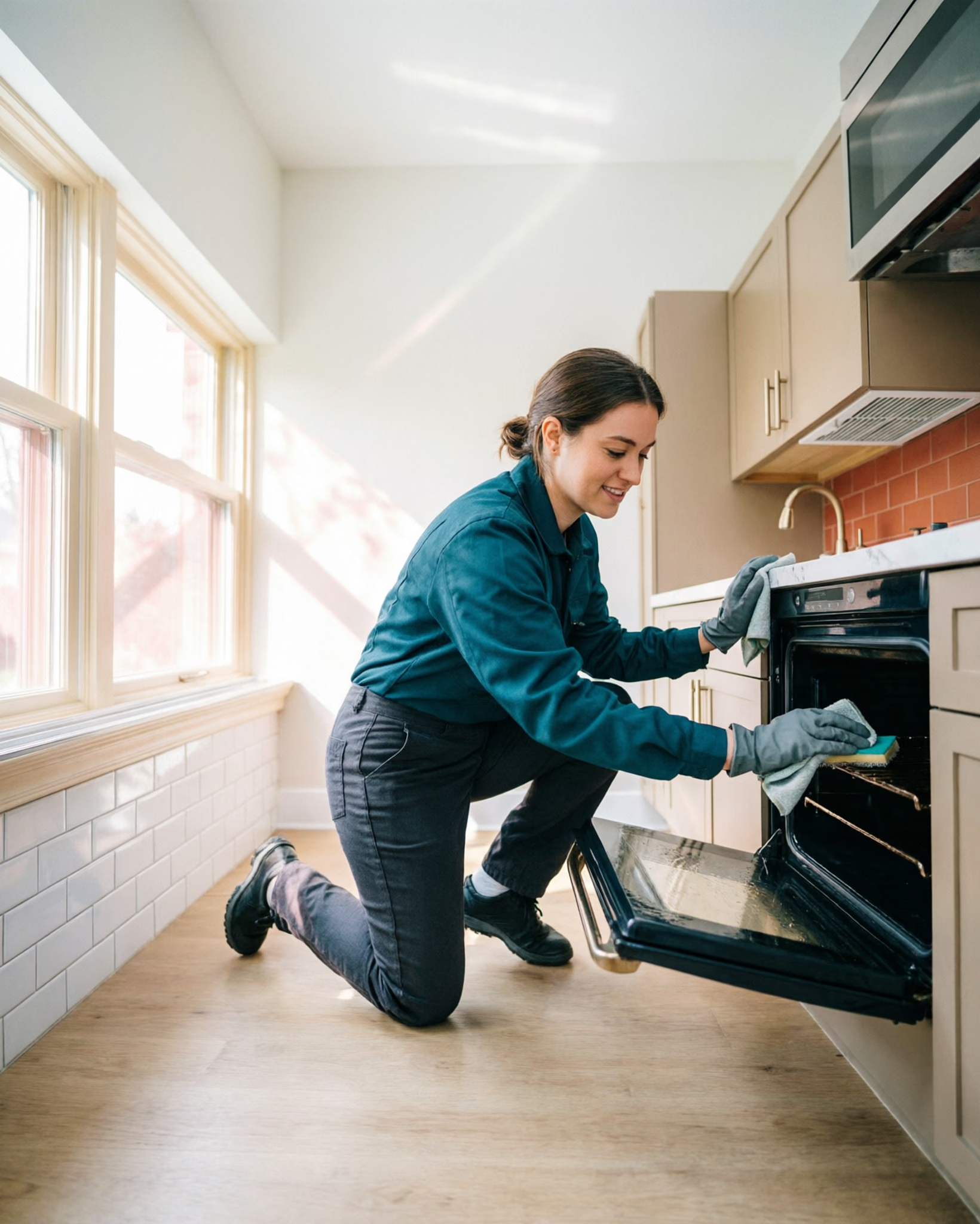
- 01Deep cleaning tasks, such as oven interiors, grout, baseboards and window tracks, that build up over time.
- 02First-time or move-in cleans that start from a dirty baseline.
- 03Homes with young children, pets or allergy sufferers where thoroughness matters most.
- 04Busy seasons, such as the holidays or after a renovation, when time is short.
- 05Households where the physical work is hard on the people who live there.
Good Cleaner Co. combines local experience, background-checked staff and carefully selected, EcoLogo-friendly products to keep Ottawa and area homes clean, healthy and comfortable. Our residential home cleaning services in Ottawa are built around your schedule and your standards, whether you need a one-time reset or recurring visits.
If you are weighing whether to manage a cleaning project yourself or hire it out, our checklist for hiring a commercial cleaner is a useful starting point for the questions that matter, and the same standards of transparency, training and equipment apply to residential home care.
Formatted Step-by-Step Regular Cleaning Checklist
Use this checklist to build the habit into your week, one focused session at a time.
- 1.Set the anchor:choose a time of day and a trigger that already exists in your routine, then keep a short cleaning list beside it.
- 2.Declutter the space quickly, returning stray objects to their homes before you pick up a cloth.
- 3.Clean top to bottom and dry to wet, dusting high shelves first and finishing with the floors.
- 4.Disinfect the high-touch points, including handles, switches, remotes and counters, using the right product for each surface.
- 5.Finish with the floors, vacuuming carpets and sweeping or mopping hard surfaces, then put your tools away.
- 6.For deep tasks, seasonal resets or a first-time clean, reviewing our residential cleaning visits in Ottawa provides a trained team for thorough, professional upkeep.

FAQ
How long does it take to build a cleaning habit?
Most people notice a rhythm within a few weeks when they anchor cleaning to an existing routine and keep sessions short. The key is consistency rather than intensity; a ten-minute daily tidy is easier to sustain than a marathon weekly clean.
Does a clean home really affect your health?
Yes, in practical ways. Regular cleaning removes dust, allergens and germs from surfaces and air, which is especially helpful for people with allergies or asthma. It also supports hygiene in the kitchen and bathroom, where bacteria and mould are most likely to grow.
How often should I clean my house?
Daily for high-traffic and high-touch areas, weekly for most rooms, and monthly or seasonally for deep tasks such as oven cleaning, window washing and decluttering. Adjust for pets, children and the season.
What is the best order to clean a room?
Work top to bottom and dry to wet. Dust shelves and light fixtures first, wipe surfaces, clean mirrors and glass, then vacuum or mop the floor last so falling dust is removed in the final step.
Can I keep my house clean if I am busy?
Yes. Short, scheduled sessions beat long, rare ones. Anchor cleaning to your existing routine, keep tools where you use them, and let a professional handle the deep work when your week fills up.
Is hiring a cleaning service worth it?
For many households it is, especially for deep cleans, busy seasons or homes where thoroughness matters for health. A professional team saves time and reaches the spots that are easy to miss in a quick weekly tidy.
Will professional cleaning products be safe around my family?
Reputable companies use certified, low-fume products and train staff to apply them correctly, so treated spaces are safe to use after cleaning. You can always request fragrance-free or child- and pet-safe options.
How do I keep the habit going through busy periods?
Lower the bar instead of dropping it. When a week gets busy, do the minimum, one sink, one load of dishes, a quick vacuum, and keep your anchor in place. Once the busy period passes, the full rhythm is easier to restart because the habit was never fully dropped.
Wrapping Up
A regular cleaning habit is one of the simplest, most reliable ways to improve your life. It protects your health, calms your mind, protects your home and makes daily living feel easier. Start small, anchor the routine to your schedule, and keep the sessions short enough to sustain. When deep work piles up or life gets busy, a professional team can carry the load and keep your standards high. Contact Good Cleaner Co. for a free quote and a cleaning plan tailored to your home.
Keep reading
More from Good Cleaner
Services that fit
- Residential Home Cleaning Services in OttawaRecurring home cleaning services in Ottawa for one-time, weekly, biweekly and monthly care, built around your schedule and your standards.
- Janitorial Services in OttawaRecurring janitorial services for offices, warehouses, retail, dealerships and schools, with eco-friendly commercial cleaning and customized plans.
About the author
Service areas
- Ottawa
- Kanata
- Nepean
- Orléans
- Barrhaven