
Commercial Cleaning Technology Trends: Modern Electrostatic & HEPA Innovations
The commercial cleaning industry in Ottawa is changing fast, and the change is visible to anyone who walks into a well-run modern facility. Cleaning is no longer just about labour; it is about data, precision, and equipment that delivers a measurable standard night after night.
Quick Summary
Commercial cleaning has moved well beyond a mop and a bucket, and the technology now shaping the industry is worth understanding before you hire a contractor. This guide explains the modern trends that matter, from robotic floor scrubbers and electrostatic disinfection to IoT washroom sensors and HEPA filtration, and what each one actually does for your building.
In this guide
The Digital Transformation of Commercial Janitorial Services
For decades, commercial cleaning was judged by eye: a supervisor walked the building, made a few notes, and hoped the work held up. Modern cleaning is increasingly measured by data.
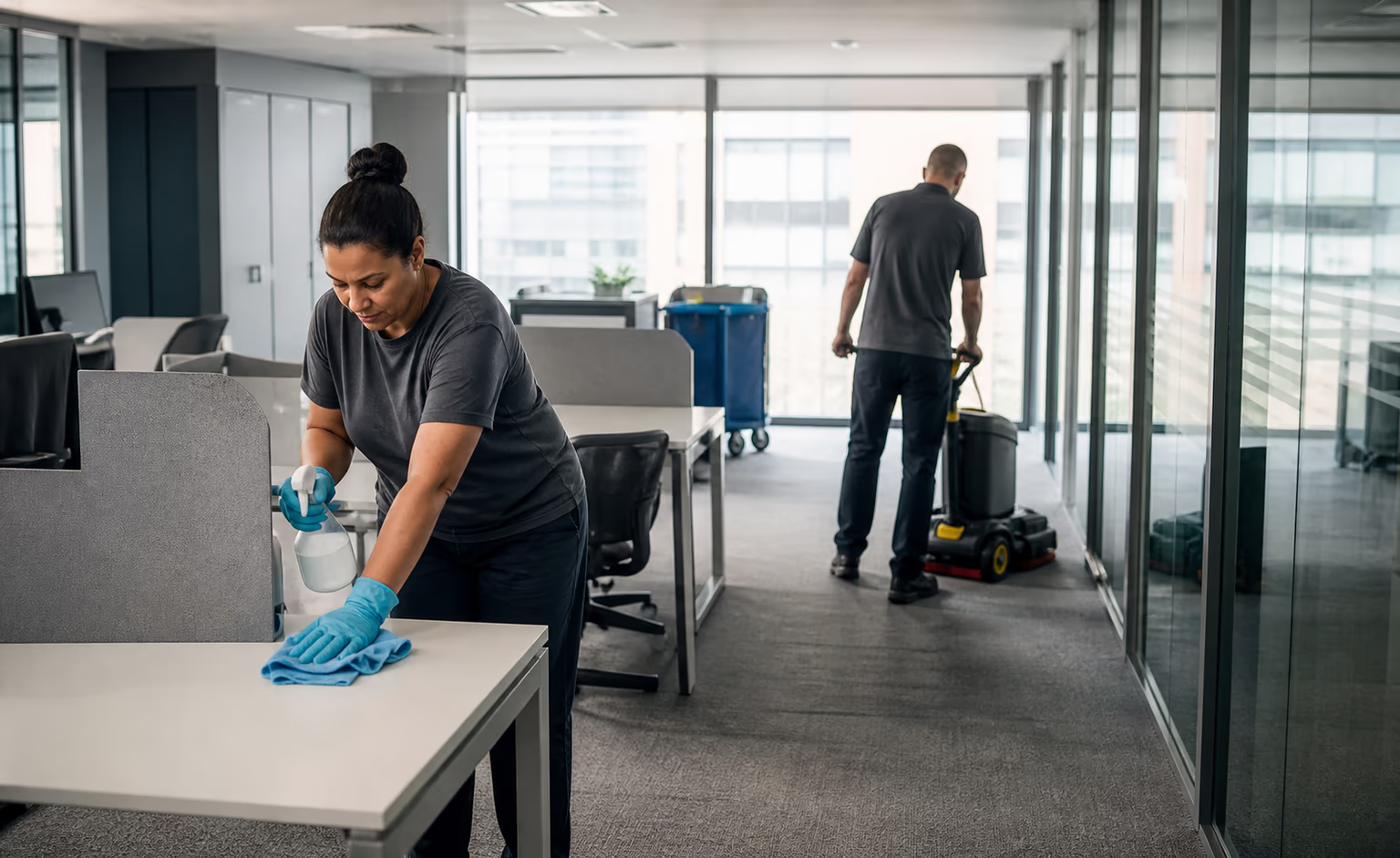
Today's janitorial programs use digital checklists, photo proof, and live reporting. Supervisors score each zone on a tablet, technicians log completed tasks with timestamps and images, and building managers can review the results from their desk instead of waiting for a monthly meeting. That shift from guesswork to documentation is the foundation of every other technology trend in this guide.
The digital layer matters because it makes quality verifiable. When a cleaning company can show you a scorecard with photos of a completed lobby, the conversation moves from trust me to here is the proof. For multi-site buildings, that consistency is especially valuable. A guide to identifying the best commercial cleaning company Ottawa has to offer explains what to look for in that kind of verifiable reporting.
Technology also changes how crews spend their time. When machines handle the repetitive, physically demanding work, technicians can focus on detail tasks and quality checks that a robot cannot do well. The result is a higher standard delivered more efficiently.
Robotics: Autonomous Floor Scrubbers and What They Change
Robotic floor scrubbers are the most visible technology in modern commercial cleaning, and they are more common than many people realize.
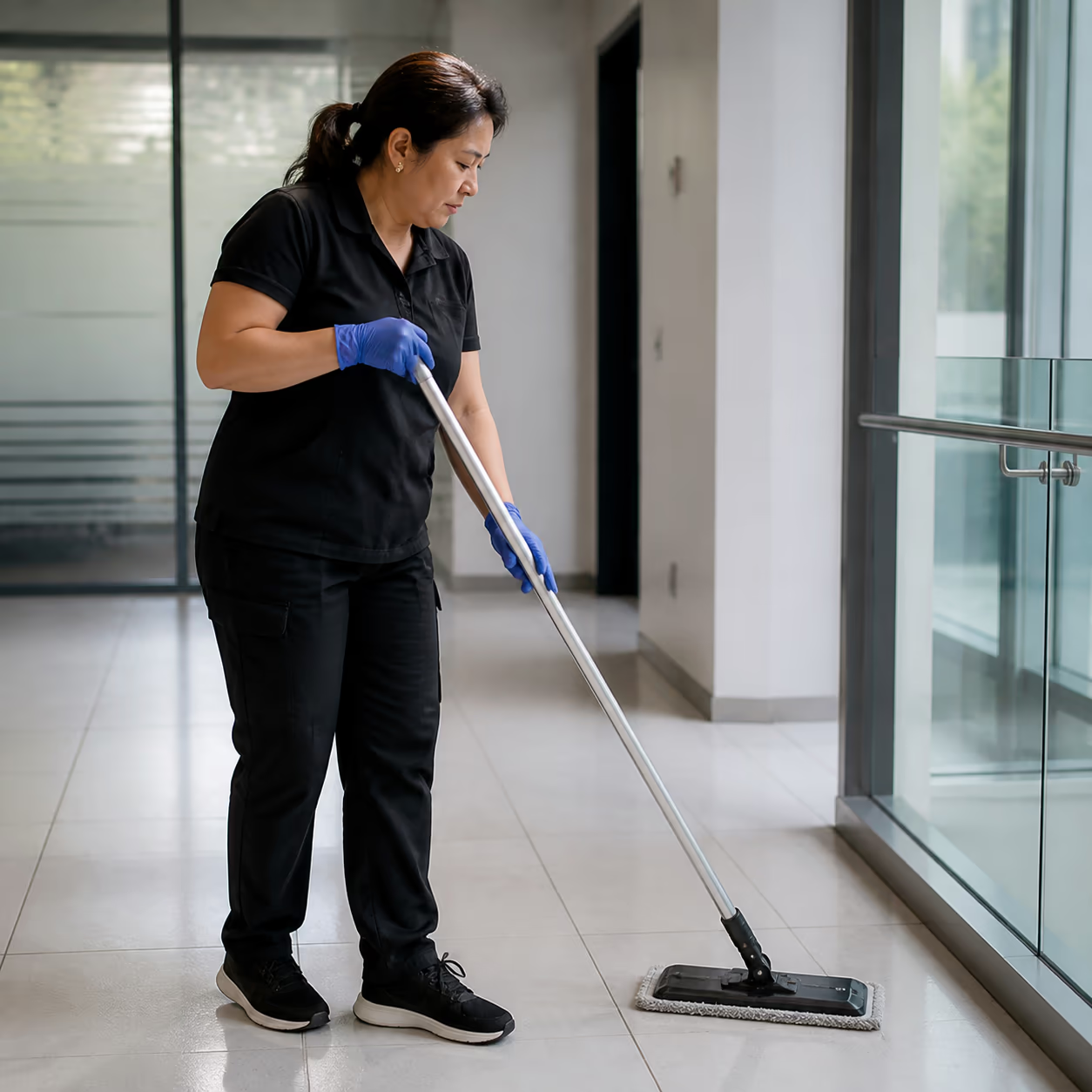
An autonomous scrubber maps the building with sensors, then works a set route across large expanses of tile, polished concrete, or vinyl. It scrubs and dries the floor to a consistent standard, recharges itself, and frees a human cleaner to spend the same hours on detail work like washrooms, kitchens, and touchpoints.
The real value is not just that the machine scrubs; it is that it scrubs reliably, every night, without fatigue. A human crew member doing the same laps across a large lobby is slower and more likely to miss a corner near the end of a shift. A robot holds the same standard from the first pass to the last.
Robots are not a replacement for people. They cannot clean a washroom, handle a spill in a meeting room, or judge whether a surface needs a different chemistry. They are best seen as a powerful assistant that lets the human team focus where judgement and care matter most.
Electrostatic Disinfection: How It Works and When to Use It
Electrostatic spraying is one of the most talked-about innovations in disinfection, and it earns the attention for a clear reason.
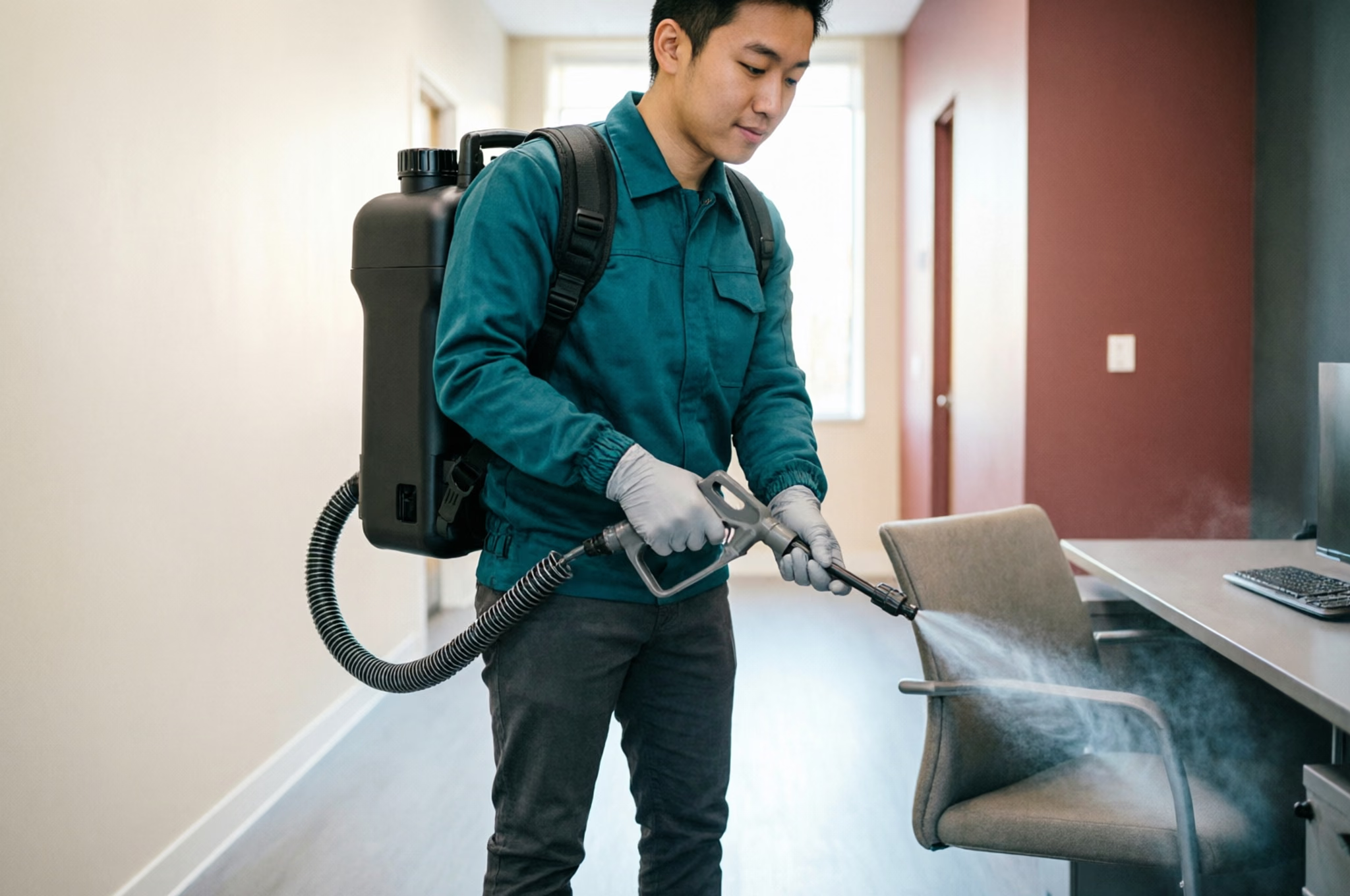
The technology works by giving disinfectant droplets a positive charge as they leave the sprayer. Because most surfaces carry a slight negative charge, the droplets are attracted to them, wrapping around the sides and undersides of objects instead of simply landing on the front face. That means a single pass can cover the full surface of a desk, a chair, a railing, or a complicated piece of equipment.
The practical benefit is coverage. Manual wiping misses spots, especially on complex shapes and in tight corners, and the people doing the wiping can only reach what they think to reach. Electrostatic delivery puts disinfectant on more of the surface, faster, which is why it is used in clinics, schools, and other spaces where thorough disinfection matters.
It is not a replacement for cleaning. Surfaces still need to be physically cleaned to remove soil and grime, because disinfectant works best on a surface that is already clean. Used correctly, electrostatic technology is a powerful addition to a proper cleaning program, not a shortcut around one.
IoT Smart Washroom Sensors and Data-Driven Facility Management
The internet of things, or IoT, has found a genuinely useful home in the commercial washroom.
Smart sensors monitor the level of soap, paper towels, and toilet tissue in each dispenser and report the data in real time. When a dispenser runs low, the system alerts the cleaning team before it runs empty, so a guest never reaches for a paper towel and finds nothing there.
The deeper value is the data trail. Sensors also track foot traffic and usage patterns, so a facility manager can see exactly how often each washroom is used and when. That information helps schedule cleaning at the right times, stock the right amounts, and spot problems early, such as a washroom that is being used far more than expected.
For building managers, the payoff is fewer complaints and less waste. Supplies are restocked when they are actually low rather than on a fixed guess, and the washroom stays presentable to guests and tenants instead of running out at the worst moment.
HEPA Filtration, Digital Audits, and the Human Role in Tech-Driven Cleaning
Not all cleaning technology is flashy. Some of the most important tools are the quiet ones that protect indoor air quality.
HEPA filtration earns its place for a reason a federal source states plainly. Health Canada's guidance on fine particulate matter lists cleaning with a mop, a damp cloth or a HEPA vacuum first among the ways to reduce indoor exposure, ahead of any air-treatment device. Health Canada also notes a limit worth knowing: “Outdoor particulate matter levels may often be higher than indoor levels.”
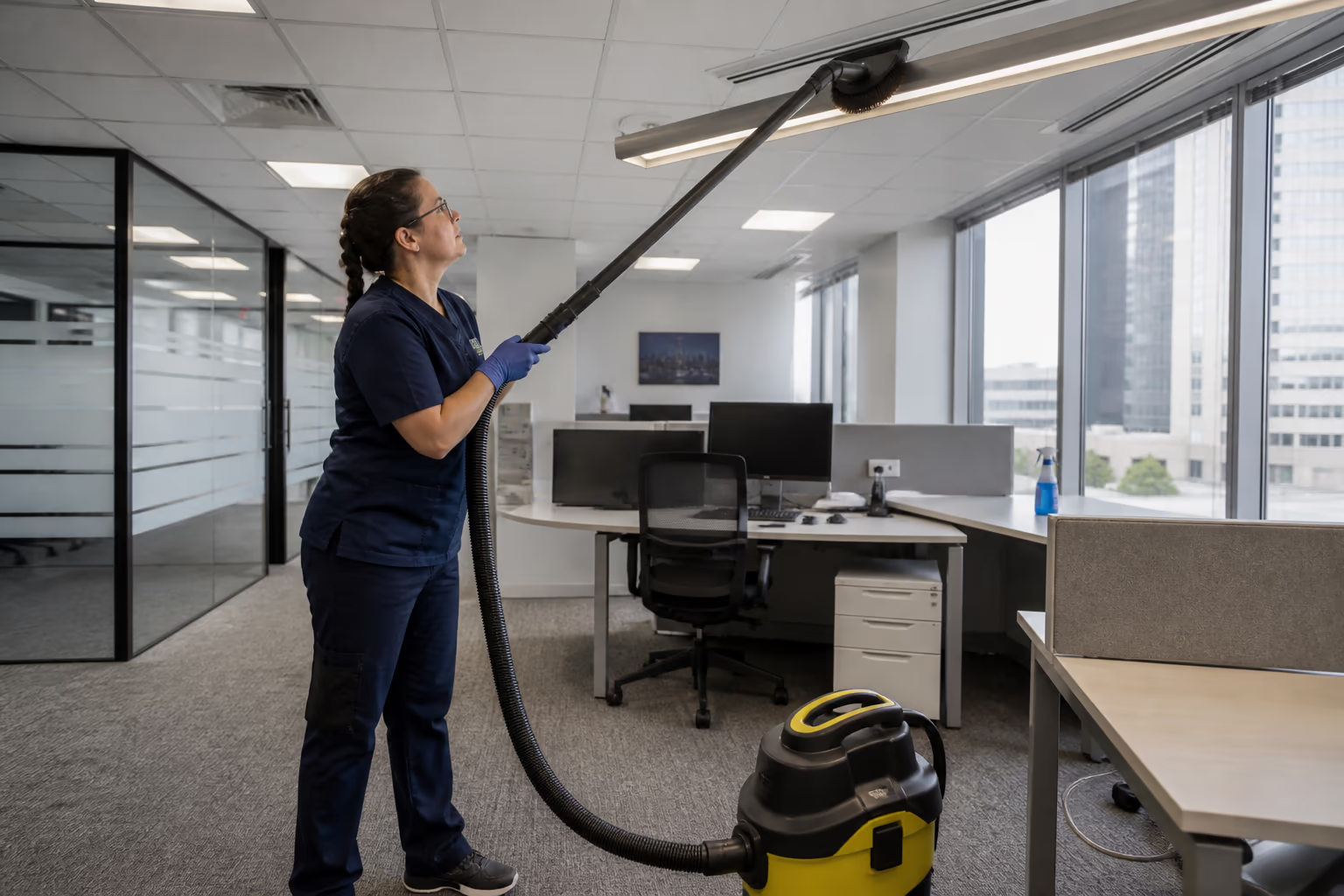
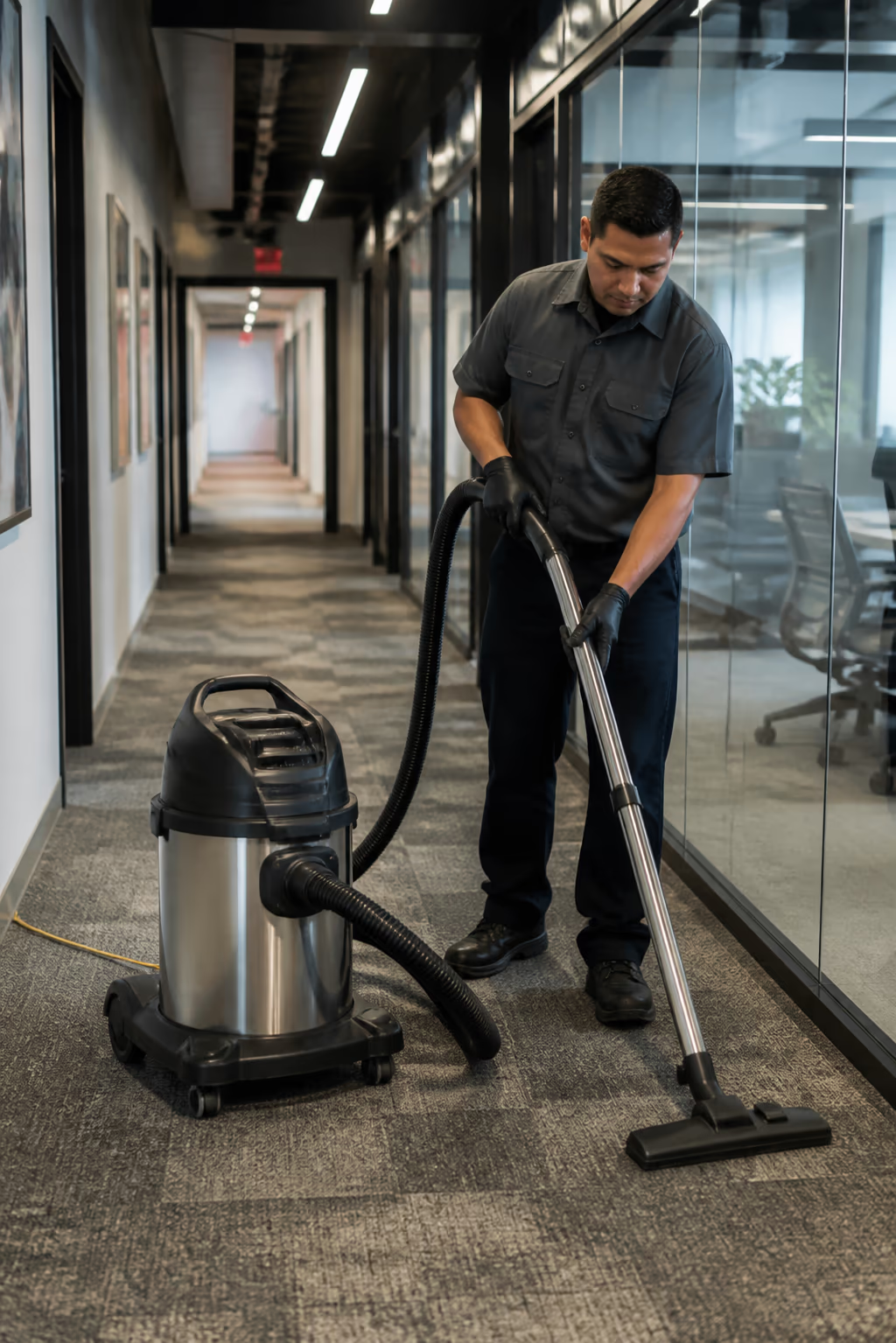
HEPA filtration vacuums are a good example. A sealed HEPA vacuum captures fine particles, including dust, allergens, and the microscopic debris that ordinary vacuums recirculate into the air. For offices with staff who have asthma or allergies, that makes a real difference to the indoor environment. Modern backpack HEPA units are also ergonomic, so technicians can clean thoroughly without the strain of hauling a heavy canister.
Digital quality audits complete the picture. QR codes at each zone let a technician log completion instantly, and supervisors review the timestamped record to verify the work. That audit trail is the connective tissue between all the technology, turning individual machines into a coherent, verifiable program.
Technology changes the tools, but the human team still sets the standard. A well-trained technician decides which chemistry to use, spots the area the robot missed, and responds to a tenant's concern with judgement. The best modern cleaning programs pair strong equipment with people who understand how to use it.
For facilities that want to stretch their maintenance budget between professional visits, reviewing our homemade citrus all-purpose cleaner recipe offers a simple, low-tech option for everyday spot cleaning.
Choosing the Right Technology for Your Building
Not every building needs every piece of technology, and the right approach is to match the tools to the job rather than collect gadgets for their own sake.
Start with the building's biggest need. A large retail or office lobby that gets tracked with salt and grit all winter is a natural fit for a robotic floor scrubber, because that is where the machine's consistency saves the most effort. A clinic or school where thorough disinfection matters most benefits more from electrostatic spraying and a strong disinfection protocol. A facility with heavy washroom traffic gains the most from IoT sensors that stop supply outages. A commercial cleaning checklist by industry can help identify which of these needs applies most directly to your type of facility.
Think about the operating reality too. Some technology needs space to operate, time to recharge, or staff trained to use it. A robotic scrubber needs a clear floor route and someone who can program and monitor it. Electrostatic equipment needs technicians who understand the chemistry and the coverage. The technology only earns its keep when the people on site know how to use it well.
Budget matters as well. The most useful technology is the kind that pays for itself in labour savings, fewer complaints, and verifiable quality. Start with one or two tools that address the building's clearest problem, measure the result, and expand from there rather than adopting everything at once. Comparing current commercial cleaning pricing in Ottawa helps you see how much of that investment a provider is already absorbing into their standard rate.
For a small facility, the highest-value technology is often the simplest: a digital checklist, a good HEPA vacuum, and a consistent disinfection routine. Those three deliver most of the benefit of a high-tech program without the complexity.
Formatted Step-by-Step Cleaning Tech Adoption Checklist
Follow this checklist to bring modern technology into your commercial cleaning program:
- Step 1.Deploy Robotic Floor Scrubbers for Large Open Areas:Let machines handle repetitive floor care so technicians focus on detail work.
- Step 2.Add Electrostatic Spraying for High-Touch Disinfection:Improve coverage on complex surfaces in clinics, schools, and offices.
- Step 3.Install IoT Sensors in High-Use Washrooms:Monitor supply levels and usage so nothing runs out and schedules match real demand.
- Step 4.Use Digital Audit Tracking for Every Zone:Log completions with timestamps and photos so quality is verifiable, not just claimed.
- Step 5.Equip Technicians With Sealed HEPA Filtration Vacuums:Protect indoor air quality and comfort for staff and visitors with allergies.
- Step 6.If you need a team or a recurring schedule, use commercial janitorial services in Ottawa to discuss scope, access, and timing before deciding whether it fits.
Serving Ottawa's Business Neighbourhoods
Good Cleaner Co. works across Ottawa's commercial districts, from downtown towers to the Kanata tech campuses and the industrial parks in Nepean and Gloucester, and matches the equipment to the building rather than to a brochure.
Practical planning for this situation
For a business considering new tools or systems, the sensible starting point is evaluating cleaning technology. Begin with a walk-through and write down the actual problem, staff workflow, maintenance, privacy, training, and whether a simple manual process already works. That gives the work a real boundary and avoids treating a generic package as if it already understood the space.
Use the written notes to decide what belongs in a regular routine and what needs separate time, access, or approval. The useful test is whether another person could read the scope and understand the task without being told to rely on a promise.
Seasonal considerations in Ottawa
Local conditions matter, but they do not require a script. In this topic, seasonal conditions may change the value of a tool, especially around entrances, drying time, and occupancy. Review the condition of the actual space before changing the products, equipment, or frequency.
A short seasonal review is usually enough: notice what has changed, name the affected area, and agree on the practical response. That keeps maintenance connected to the property rather than a broad list of place names.
Safe, responsible cleaning
Choose methods that suit the material and follow the product or equipment instructions. Keep people away from a wet or actively cleaned area, and stop when a surface reacts unexpectedly.
When a task involves an unfamiliar finish, access issue, or safety concern, ask before continuing. A careful pause is more useful than a confident shortcut and protects the people using the space.
How to review the routine
Before changing the routine, take a few minutes to describe the present condition in plain language. Start with the actual problem, staff workflow, maintenance, privacy, training, and whether a simple manual process already works. This makes it possible to decide what is necessary without inflating a small issue into a large project.
Ask the people who use the space what causes the most friction. Their answer may be a difficult entry, a storage gap, a time when work cannot happen, or a surface that needs a gentler method. Those details are the basis for a useful plan.
Try one visible adjustment at a time. Record why it was made, what area it affects, and what a satisfactory result looks like. That approach is easier to review than changing a whole routine at once.
Keep feedback specific: name the room, surface, timing, and expected result. Clear notes help a household, volunteer group, or service team work through a problem without blame or vague expectations.
Revisit the plan after a genuine change in use, condition, or season. A routine should be steady enough to follow and flexible enough to stay useful.
FAQ
How do robotic floor scrubbers work in commercial office buildings?
Robotic scrubbers use sensors to map the floor layout, then follow a set route across large open areas, scrubbing and drying to a consistent standard. They recharge automatically and free human cleaners to focus on detail work like washrooms and kitchens.
What are IoT smart sensors in commercial washroom management?
IoT sensors track how much soap, paper towel, and toilet tissue remains in each dispenser and report it in real time. The system alerts cleaning staff before a dispenser runs empty and shows usage patterns that help schedule cleaning around actual demand.
Why are electrostatic disinfectant sprayers useful compared with manual wiping?
Electrostatic sprayers give disinfectant droplets a charge so they wrap around the sides and undersides of objects, covering more of the surface in a single pass. That improves coverage on complex shapes and in tight corners that wiping can miss.
Does technology replace the cleaning crew?
No. Robots and sensors handle repetitive tasks and provide data, but people still set the standard, apply judgement, clean washrooms, and respond to problems. The best programs pair strong equipment with well-trained technicians.
Is electrostatic disinfection safe for occupied offices?
When used according to the label and the product's Health Canada registration, electrostatic disinfectants are applied to surfaces by trained staff, typically after hours. Occupants should follow the product label for re-entry guidance, as with any disinfectant.
How does HEPA vacuuming improve indoor air quality?
A sealed HEPA vacuum captures fine particles rather than recirculating them into the air, so dust and allergens are removed instead of stirred up. That is especially helpful in offices where staff have asthma or allergies.
What is a digital cleaning audit and why does it matter?
A digital audit logs each completed task with a timestamp and often a photo, so the building manager can verify the work was done rather than taking the crew's word for it. It turns cleaning from a promise into a documented record.
How quickly should a facility expect a return on cleaning technology?
It depends on the building size and the equipment. The clearest wins are usually labour savings on repetitive floor care, fewer washroom supply complaints, and verifiable quality that supports contracts and tenant confidence.
Can small offices benefit from cleaning technology?
Yes, on a modest scale. A small office may not need a robotic scrubber, but it can still use digital checklists, HEPA vacuuming, and regular touchpoint disinfection to get a professional, verifiable standard without a big investment.
How does Good Cleaner Co. decide which technology a building actually needs?
By what the building is losing time or quality on. Equipment earns its place when it removes a real bottleneck, such as a floor that takes too long to turn around or a washroom that needs mid-day attention. If it does not, it is a cost with a screen on it.
Wrapping Up
Embracing modern janitorial technology delivers a cleaner, healthier, and more verifiable facility, while experienced technicians make sure the equipment serves the standard rather than the other way around. Contact Good Cleaner Co. today to book janitorial cleaning teams in Ottawa and see how technology and care work together.
Keep reading
More from Good Cleaner
Services that fit
- Janitorial Services in OttawaRecurring janitorial services for offices, warehouses, retail, dealerships and schools, with eco-friendly commercial cleaning and customized plans.
- Professional Office Cleaning Services in OttawaNightly and after-hours office cleaning for corporate offices, clinics and professional suites, with after-hours scheduling and eco-friendly products.
About the author
Service areas
- Ottawa
- Kanata
- Nepean
- Orleans
- Barrhaven