
When To Use A Steam Cleaner For The Best Cleaning Results
A steam cleaner is a powerful tool, but it only earns its keep when you use it at the right time, on the right surface and for the right kind of mess. Many Ottawa households buy one, use it on everything in the first few weeks, then set it aside when results disappoint. The truth is simpler: steam shines in specific scenarios and can quietly cause damage in others. This guide maps out exactly when to use a steam cleaner for the best cleaning results, the surfaces that respond to hot vapour, and the routines where a professional team still does the deeper work.

Quick Summary
Steam cleaning works best on hard, sealed, non-porous surfaces like tile, glass, stainless steel and sealed ceramic, especially for bathroom soap scum, kitchen grease and grout maintenance. It should be avoided on carpet, unsealed wood, delicate fabrics and electronics, where moisture and heat can cause damage rather than clean.
In this guide
What a Steam Cleaner Is Actually Doing
A steam cleaner heats water inside a sealed boiler until it turns to vapour, then pushes that hot, pressurised steam through a nozzle, brush or pad. The heat and moisture do two things at once: they soften the bond between grime and the surface, and they make that grime easy to wipe away. Because the machine runs on plain water, there are no sprays to mix, no bottles to store and no chemical residue left behind on surfaces you clean.
Understanding that mechanism matters for when you choose to use it. Steam is excellent at loosening dried-on grease, soap scum and cooked-on food. It is less useful on loose dust, which a vacuum or duster removes faster, and it should never be your first choice on surfaces that water can harm. When you match the tool to the job, a short steaming session replaces a long, product-heavy scrubbing session.
The Surfaces That Welcome Steam
Steam performs best on hard, sealed, non-porous surfaces where heat is an advantage and moisture can be wiped away quickly. These are the places where it gives you visible, repeatable results.
- 01Sealed tile and stone floors, where steam lifts grime out of the grout lines.
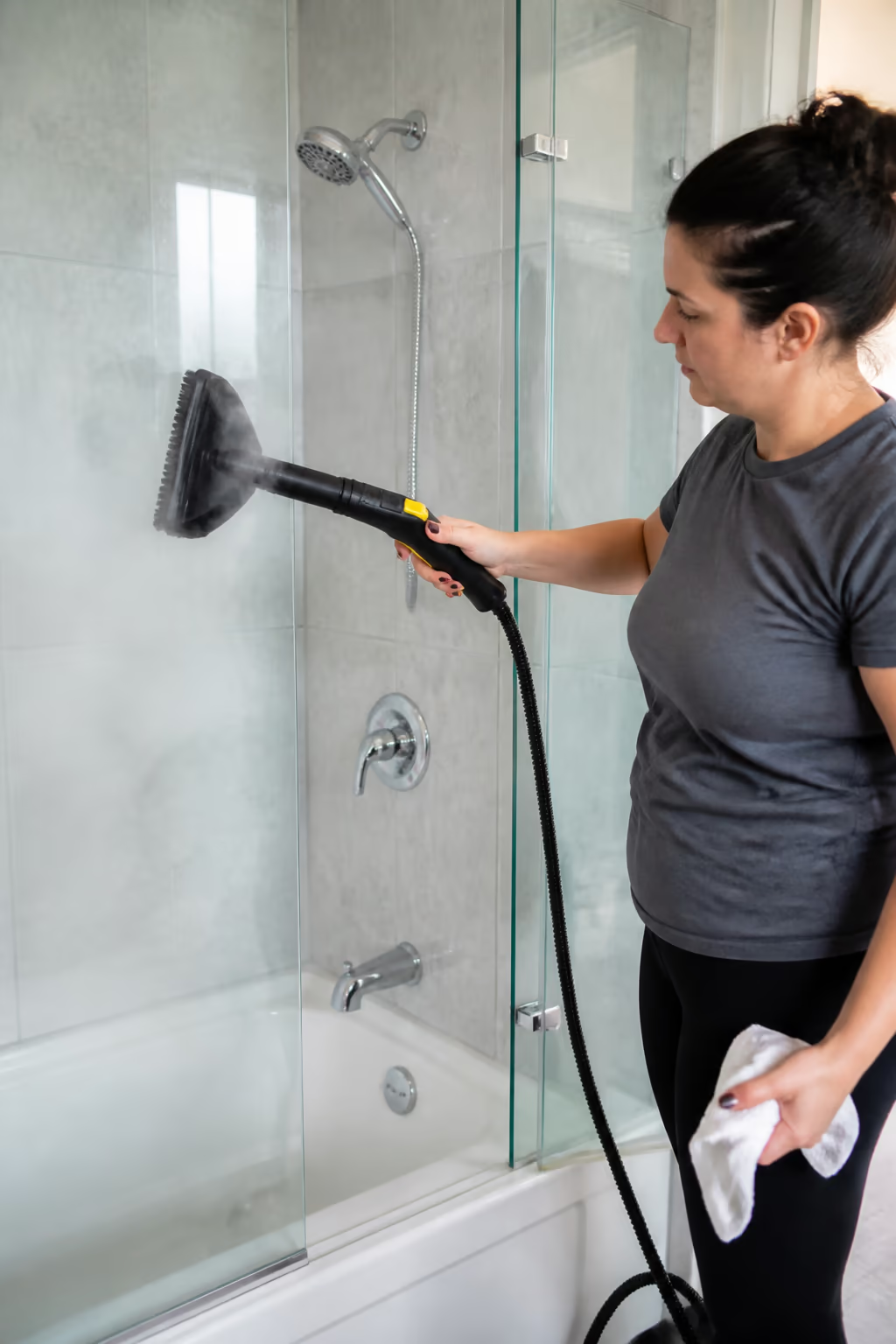
- 02Glass, including shower doors, mirrors and interior window panes, where steam leaves a streak-free finish.
- 03Stainless steel, from sinks and taps to range hoods, wiped down quickly after steaming.
- 04Sealed ceramic and porcelain, including toilets, tubs and counters.
- 05Ovens and stovetops, where heat softens baked-on splatter and grease.
- 06Extractor fan filters and range hood surfaces, degreased without heavy chemicals.
- 07Upholstery and curtains, only where the fabric care label permits heat and moisture.
Before you steam anything, check the care label and test an unseen corner. That single habit protects the floors and fabrics you value most.
When Steam Cleaning Gives You the Best Results
The question of timing is really a question of matching the machine to the situation. Steam delivers its best cleaning results in a handful of recurring scenarios.
- 01Bathrooms, where soap scum builds on shower glass, tiles and tubs, and steam softens it faster than any spray.
- 02Kitchen degreasing, where cooked-on splatter and grease respond to heat and a quick wipe.
- 03Grout maintenance, where the hot vapour lifts the dark line of dirt that cloths leave behind.
- 04Hard floor refreshes between deeper cleanings, especially tile and sealed stone in entryways and kitchens.
- 05Sanitising hard, non-porous surfaces after illness or around young children, where the heat offers an extra layer of confidence.
- 06Freshening upholstery and curtains, where the label allows, to lift trapped dust and light odours.
Think of steam as a targeted tool rather than an everyday one. Used once a week or as the seasons demand, it cuts the grime that regular mopping smears around; used on everything, every day, it becomes a source of frustration and the occasional damaged surface.
When You Should Put the Steam Cleaner Away
Knowing when not to use a steam cleaner is just as important as knowing when to reach for it. Heat and moisture are not kind to every material, and a few common mistakes cause the damage people later blame on the machine.
The clearest reason to stop is moisture you cannot remove. Health Canada's mould guidance says to fix moisture problems right away and control humidity levels, because moisture promotes the growth of both mould and dust mites. Health Canada names the cause directly: “Excessive moisture is one of the most common causes of poor indoor air in homes, classrooms and public spaces, because moisture promotes the growth of mould and dust mites.”
- 01Deep-pile carpet and rugs, where moisture collects in the fibres and can cause musty smells.
- 02Unsealed wood and laminate floors, which can warp, cup or dull under repeated moisture.
- 03Delicate fabrics such as silk, wool and rayon, which may shrink or mark.
- 04Electronics, screens and printers, where water and heat damage components.
- 05Fresh paint and soft plastics, which can blister or soften under high heat.
- 06Everyday dusting, which a cloth or duster handles faster and more safely.
The rule is simple: when in doubt, test an unseen corner first, and read the care labels before you steam a new surface. A little caution keeps the machine useful instead of destructive.
Steam Cleaning Room by Room
The same machine does different work in different rooms, and knowing the room-by-room rhythm helps you use steam exactly where it counts.
- 01In the kitchen, steam targets the stovetop, the range hood, the oven door and the counter backsplash, cutting the grease that daily wiping leaves behind.
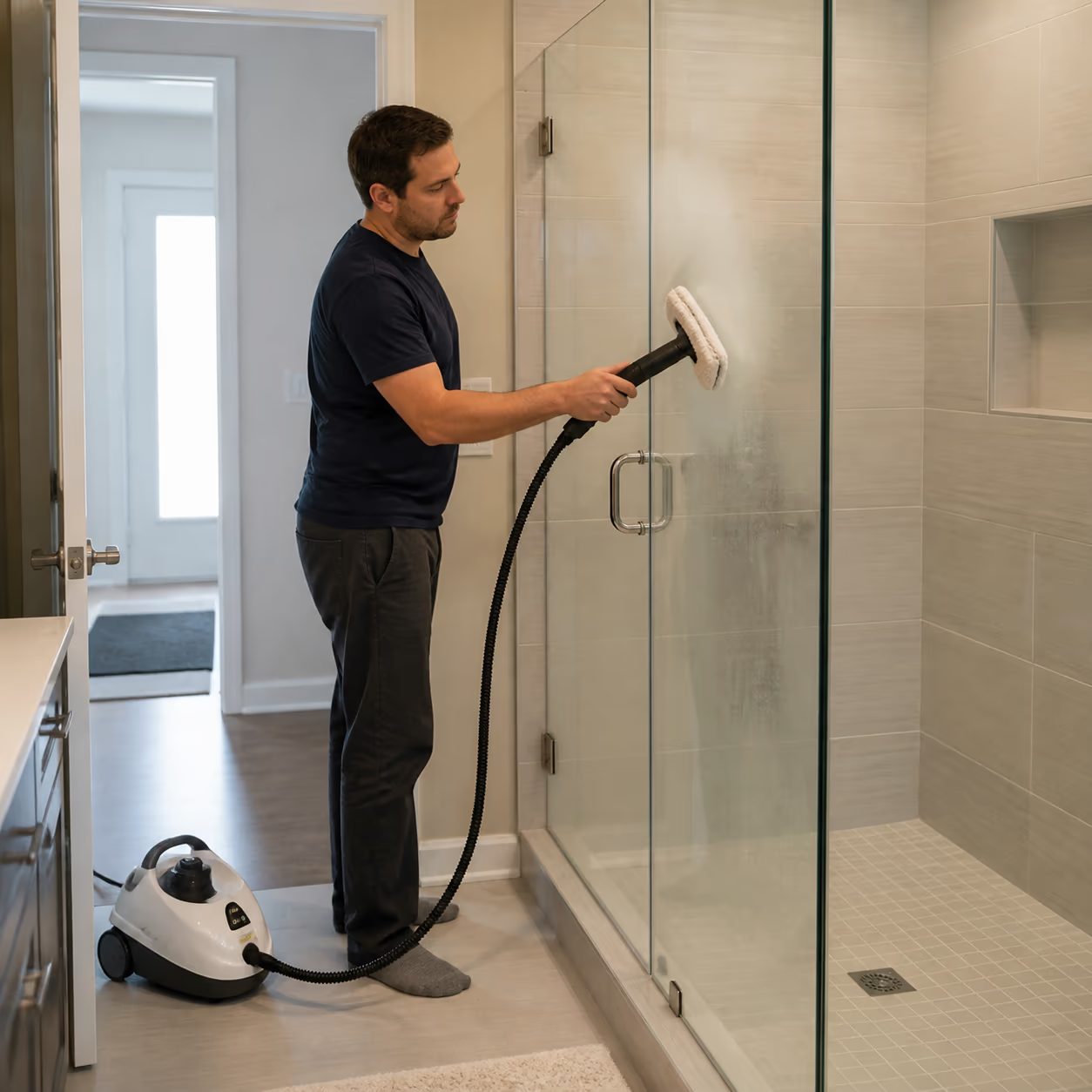
- 02In the bathroom, steam is for shower glass, tiles, the tub and the toilet exterior, where soap scum and hard-water spots collect.
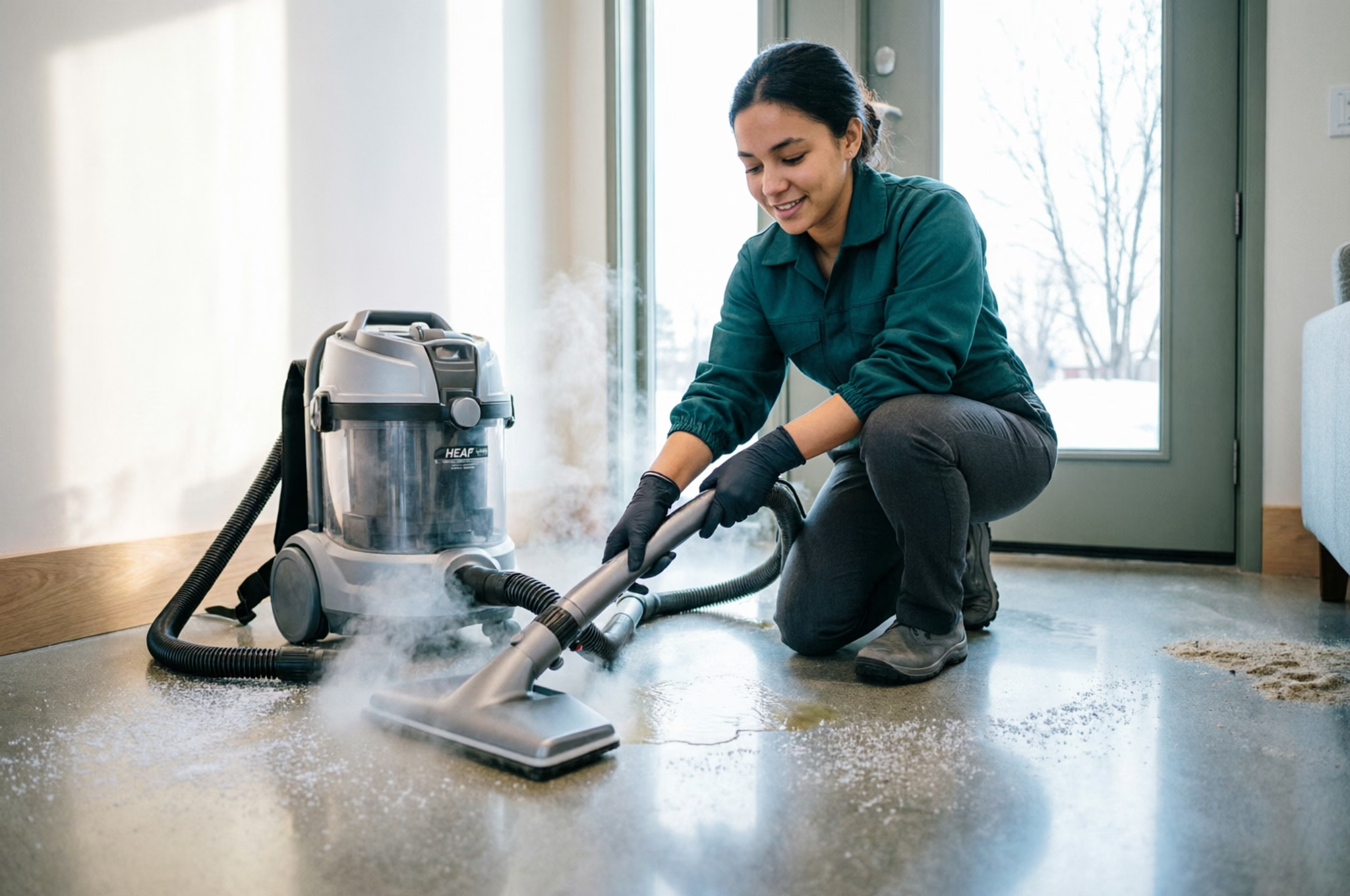
- 03At the entryway, steam handles the tile and stone that catch winter salt, sand and mud before they spread through the house.
- 04On sealed hard floors, steam refreshes grout lines and lifts the dull film a mop can leave behind.
Keep a separate pad or cloth for the kitchen and the bathroom so you are not carrying grease or grime between rooms, and finish each room by wiping with a clean dry cloth while the surface is still warm. That finishing pass is what turns good steam cleaning into a visibly better result.
Choosing the Right Steam Cleaner for the Job
Part of knowing when to use a steam cleaner is having the right machine for your home in the first place. The type you choose shapes which jobs it can do well and how often you will actually reach for it.
- 01A handheld steamer is the right choice for grout, taps, windows, stovetops and small appliances, and it is the easiest machine to store.
- 02A steam mop suits homes with mostly sealed hard floors, where a wide pad covers ground quickly.
- 03A cylinder or canister steamer adds sustained pressure and a longer hose, ideal for bathrooms, kitchens and larger floor areas.
- 04A steam generator is the heavy-duty option, most often chosen for commercial settings that need continuous steam.
Match the machine to the surfaces you clean most, not the one that looks most impressive on the shelf. A small apartment of sealed tile does not need a generator, and a large home with carpet throughout may not need a steam mop at all. When the machine fits the home, you use it more often, and that is exactly when you get the best cleaning results. For guidance across other tools and products, our best cleaner to use guide compares options beyond steam alone.
Matching Steam to Your Cleaning Routine
A steam cleaner fits into a healthy routine more as a deep-cleaning companion than as the daily workhorse. The daily sweep and vacuum remove loose dust before it settles. The weekly damp mop handles general floor care. Steam steps in for the deeper work, the grout, the grease and the soap scum, on a schedule that suits your household.
There is also a sensible seasonal rhythm. In the depths of an Ottawa winter, salt and sand are tracked through entryways, and steam lifts the greasy salt film that a plain mop only spreads. In spring, pollen and mud arrive with open windows and wet boots, and steam cuts through that layered grit at the entryway and on kitchen and bathroom floors. In fall, leaves and dust find their way inside, and the same heat-and-wipe rhythm clears them. Build steam into those turning points, and your hard floors stay in far better condition all year round.
Health, Safety and Sanitisation: What Steam Really Does
The biggest health promise of steam cleaning is that it reduces reliance on chemical products, and in homes with children, pets or sensitivities that is a genuine benefit. The high temperature of steam can kill many germs on hard, non-porous surfaces, which is why steam is used in some commercial and food-service settings. The honest version is more careful: steam is not an automatic disinfectant. Results depend on sustained temperature and contact time, and the vapour cools quickly once it leaves the nozzle.
That is why professional teams treat sanitisation as a method, not a magic wand. Good Cleaner Co. approaches disinfection the same careful way: trained staff, certified products and the right method for each surface, rather than relying on any single tool or temperature claim. A home steam cleaner is a useful layer in that mix, but it is not a substitute for a properly executed disinfection routine.
What You Need Before You Start
Getting the best results from steam takes a little preparation, and the effort pays off in cleaner surfaces and fewer mistakes.
- 01Sweep or vacuum the area first, because steam lifts grime but cannot pick up loose dust and crumbs.
- 02Check care labels and test an unseen corner before you steam a full floor or a visible surface.
- 03Fill the tank with the water the manufacturer recommends and give the unit time to reach temperature.
- 04Keep a dry cloth and a spare pad on hand to wipe and finish as you go.
- 05Empty and air the unit after each use and descale it on the schedule the manual recommends.
Hard water is the quiet enemy of a steam cleaner. Minerals build up inside the boiler and block the flow, so a regular descale with the product the maker suggests keeps the steam strong and the machine alive longer. In the Ottawa area, where tap water can be hard, this one habit protects your investment.
Common Mistakes and How to Avoid Them
Most steam cleaner problems come down to a few repeatable mistakes, and each one is easy to avoid once you know it.
- 01Steaming dirty floors without sweeping first, which turns grit into a muddy film.
- 02Using steam on unsealed wood, laminate or delicate fabric and causing moisture damage.
- 03Expecting steam alone to disinfect, when contact time and method also matter.
- 04Skipping descaling and letting hard water clog the boiler.
- 05Leaving the unit and hot surfaces unattended around children and pets.
- 06Choosing a basic model without the attachments the job needs, then being disappointed.
Set the machine up to do what it does well, keep it maintained and use it on the right surfaces, and it becomes a dependable part of your routine rather than a source of frustration.
Costs, Timing and When to Call a Professional
Steam cleaners come in a wide range of prices, and the differences come down to build quality, pressure and attachments more than brand. Handheld steamers are the most affordable entry point, steam mops sit in the middle and cylinder and generator models cost more because they add sustained pressure and a larger water supply. The right choice depends on the surfaces you clean and how often you actually use it, so compare a few models and read independent reviews before you decide.
There are also jobs that a home steamer cannot do well. The grout you cannot brighten, the deep-seated grime in high-traffic areas and the thorough clean that a busy schedule leaves little time for are exactly where a professional team earns its keep. Good Cleaner Co. combines local experience, background-checked staff and certified products to keep Ottawa and area homes clean and healthy. Our residential home cleaning services in Ottawa are built around your schedule and standards, and we pair the right tools with the right method for every surface. Our best cleaning services in Ottawa why good cleaner article explains what sets that experience apart. For a broader look at the full range of professional cleaning options, see our cleaning services overview.
If you are weighing whether to manage a cleaning project yourself or hire it out, our guide to choosing a commercial cleaning company is a useful starting point for the questions that matter, and the same standards of transparency, training and equipment apply to residential home care.
Formatted Step-by-Step Steam Cleaning Checklist
Use this checklist to get the best from your steam cleaner safely, every time.
- 1.Sweep or vacuum the area and check that the surfaces and fabrics are safe to steam.
- 2.Fill the tank with the recommended water, let the unit reach temperature and test an unseen corner.
- 3.Steam the dirtiest hard surfaces first, working from the top down so nothing is redistributed.
- 4.Wipe with a clean dry cloth as you go, and replace the pad when it becomes saturated.
- 5.Let the surfaces cool, then empty and air the unit before you store it.
- 6.For the grime a home steamer cannot shift, the grout you cannot brighten and the thorough clean a busy schedule leaves little time for, reviewing our trusted home cleaning crews in Ottawa provides a trained team for professional upkeep.
FAQ
When is a steam cleaner worth using?
It is worth reaching for on sealed hard surfaces such as tile, stone, glass and stainless steel, especially for bathroom soap scum, kitchen grease and grout. On deep-pile carpet and unsealed wood, it is best left in the cupboard.
How often should I use a steam cleaner?
Use it for weekly hard-surface maintenance and deeper kitchen and bathroom sessions as needed, and keep the daily sweeping and vacuuming in place. Match the frequency to your floors, your household and the seasons.
Can steam cleaning damage my floors?
It can, if you use it on unsealed wood, laminate or other moisture-sensitive surfaces. Sealed tile and stone are fine; when in doubt, check the care label and test an unseen corner first.
Does a steam cleaner disinfect surfaces?
The high temperature of steam can kill many germs on hard, non-porous surfaces, but results depend on sustained heat and contact time. It is a helpful layer, not a substitute for proper sanitisation with the right products and method.
Is steam cleaning safe around children and pets?
It is safe when stored and used carefully. The unit and freshly steamed surfaces are hot, so keep them out of reach, never point the nozzle at people or pets, and let surfaces cool before a child or pet touches them.
Why does my steam cleaner stop producing strong steam?
The most common cause is mineral build-up from hard water, which clogs the boiler. Descale the unit on the schedule the manual recommends, empty and air the tank after each use, and replace worn pads and brushes as directed.
Do I need to buy a special solution for a steam cleaner?
No. Most steam cleaners are designed to run on plain water, which is the point: fewer products and less chemical residue. Always follow the manufacturer's guidance, and never add cleaning chemicals unless the manual says the unit can handle them, because some additives can damage the boiler.
Can I use a steam cleaner on grout?
Yes, on sealed grout, where the heat lifts built-up grime that cloths leave behind. Unsealed grout is more delicate, so clean carefully and avoid over-wetting it.
Wrapping Up
A steam cleaner is a genuinely useful companion for hard-surface cleaning, cutting back on chemical products and lifting grime that plain mopping smears around, but it is not a replacement for a vacuum, a gentle clean on delicate floors or a professional deep clean. Use it on the right surfaces, at the right times and with the right preparation, and it will earn its place in your routine. For the grime, grout and seasonal build-up that a home steamer cannot handle, a professional team keeps your home truly clean. Contact Good Cleaner Co. for a free quote and a cleaning plan tailored to your home.
Keep reading
More from Good Cleaner
Services that fit
- Residential Home Cleaning Services in OttawaRecurring home cleaning services in Ottawa for one-time, weekly, biweekly and monthly care, built around your schedule and your standards.
- Janitorial Services in OttawaRecurring janitorial services for offices, warehouses, retail, dealerships and schools, with eco-friendly commercial cleaning and customized plans.
About the author
Service areas
- Ottawa
- Kanata
- Nepean
- Orléans
- Barrhaven